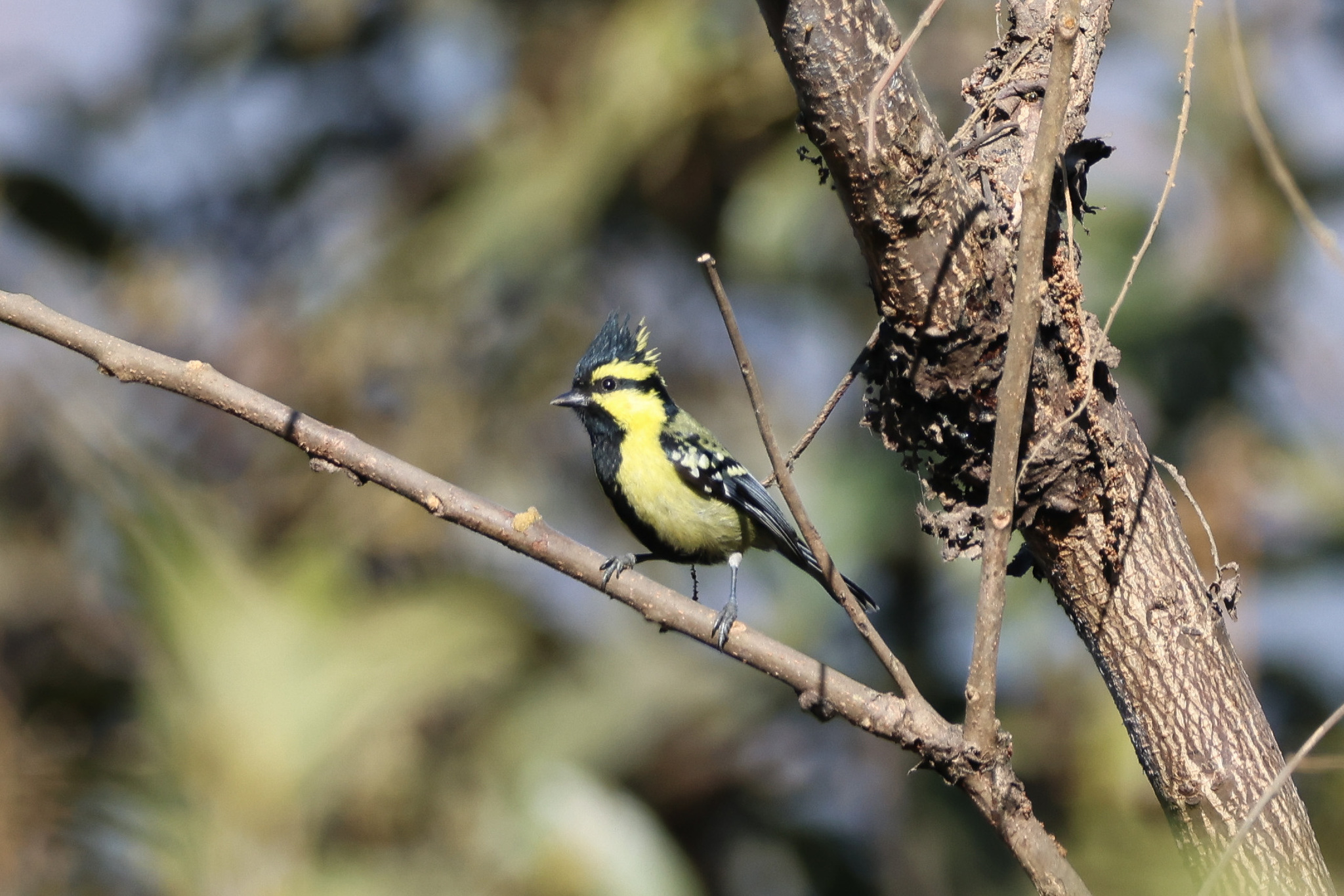
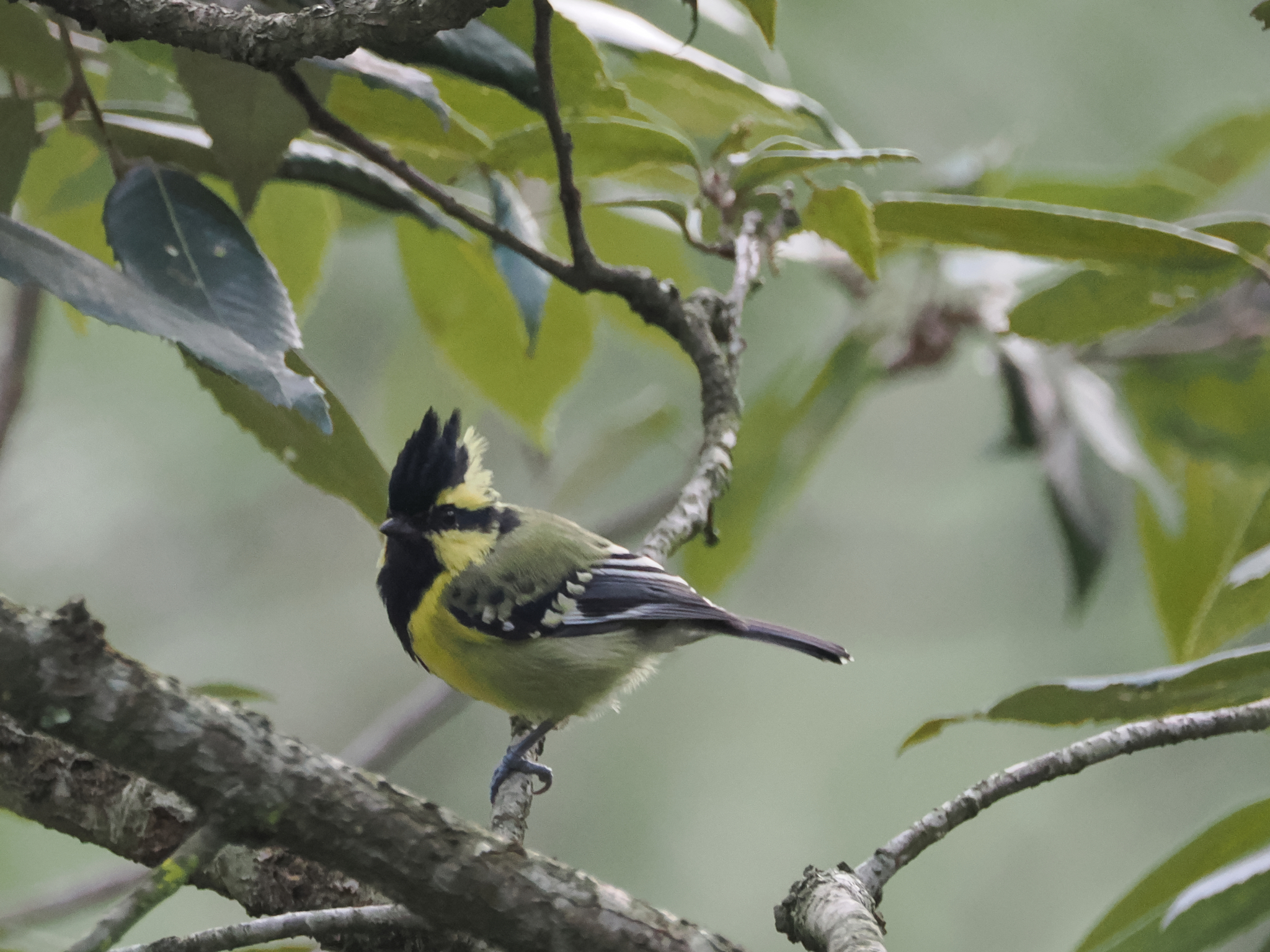
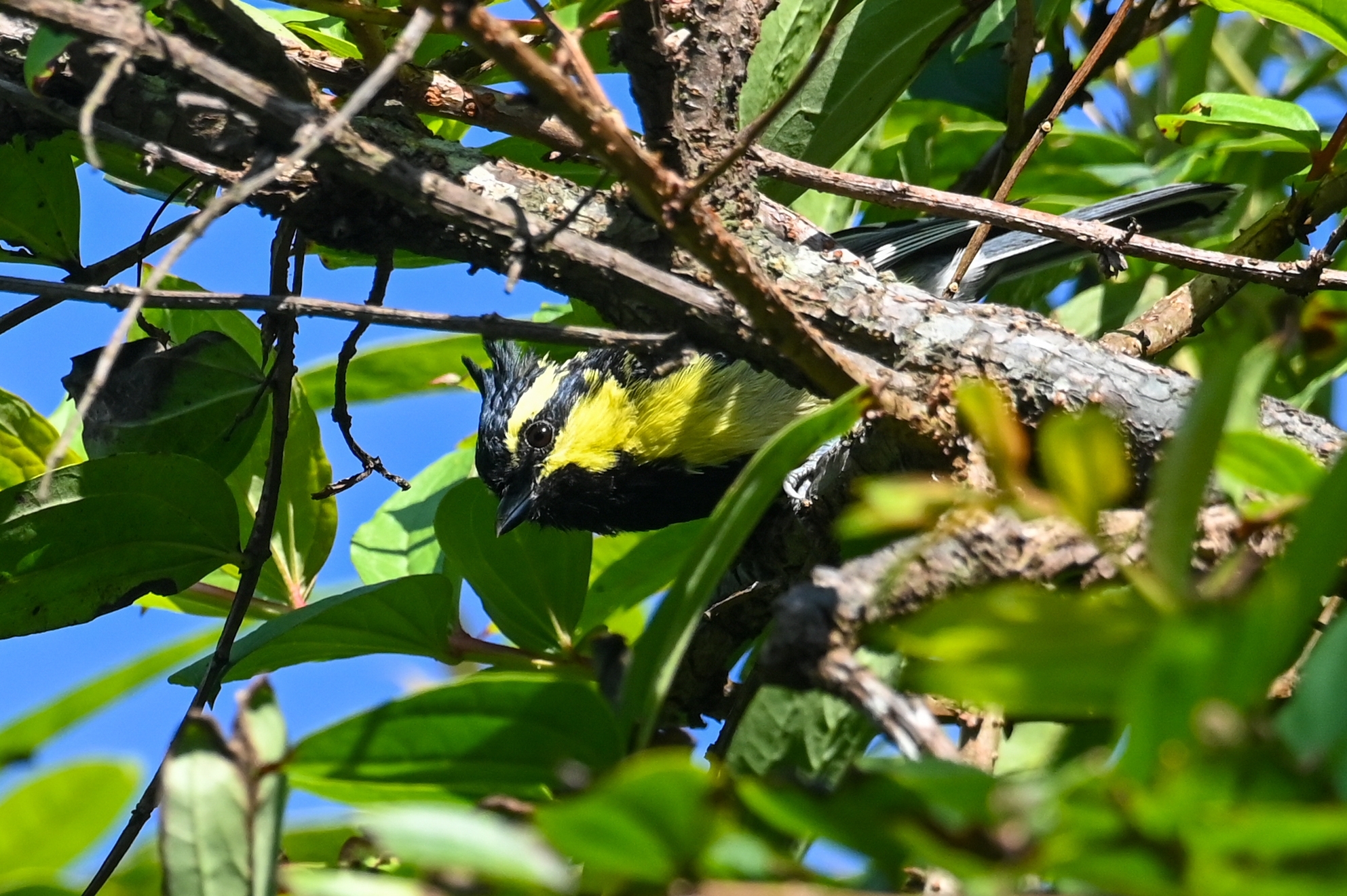
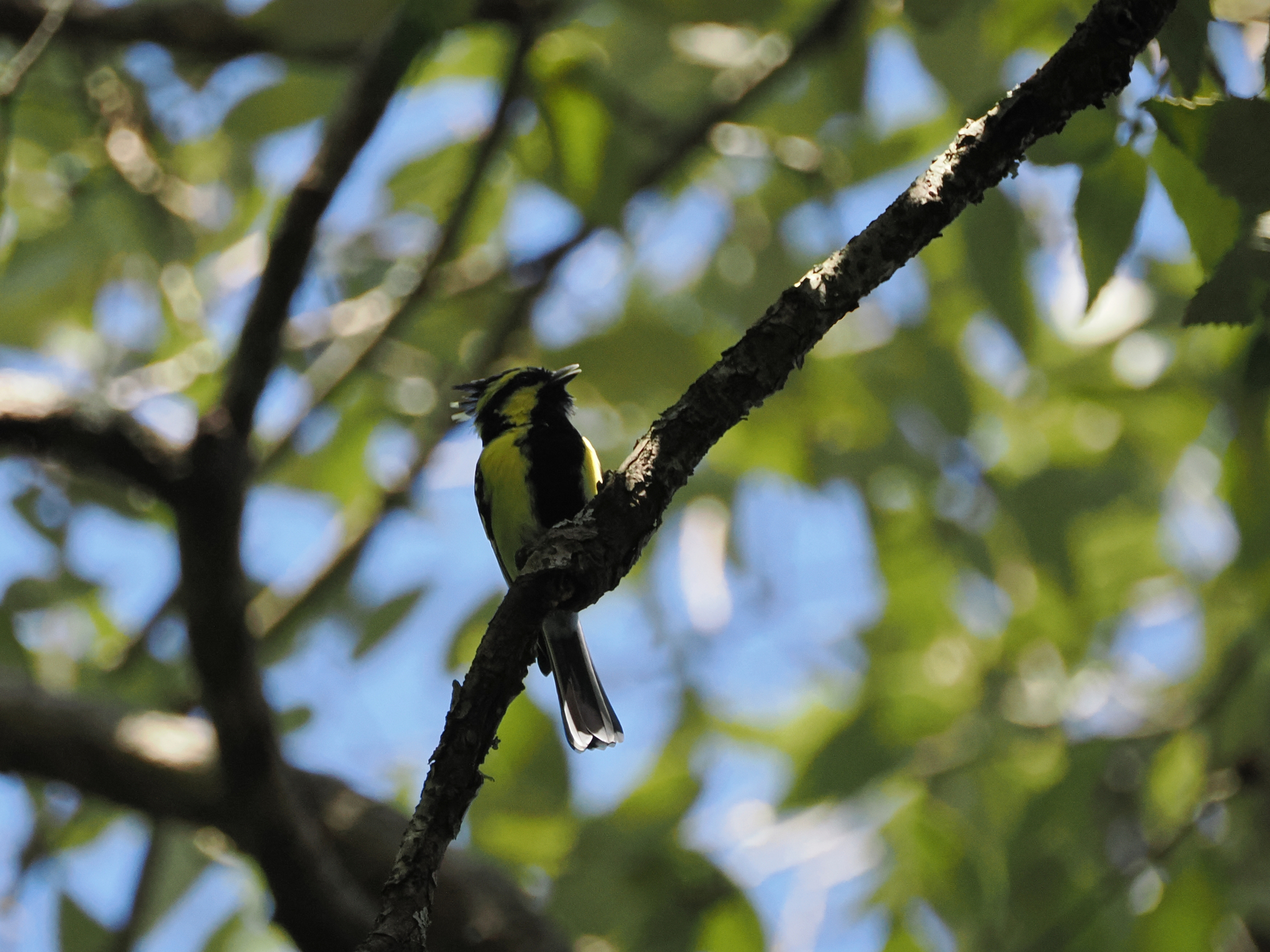
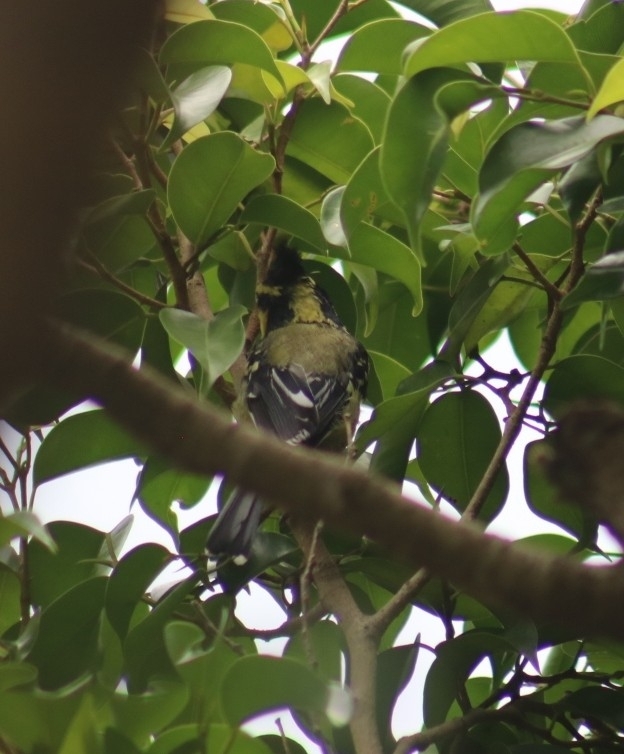
Himalayan Black-lored Tit
Machlolophus xanthogenys
眼纹黄山雀
Introduction
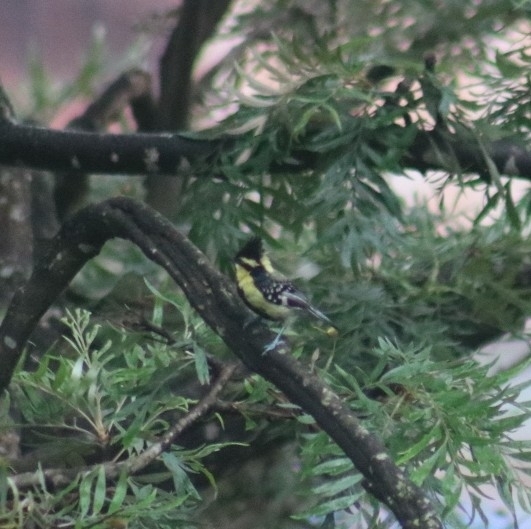
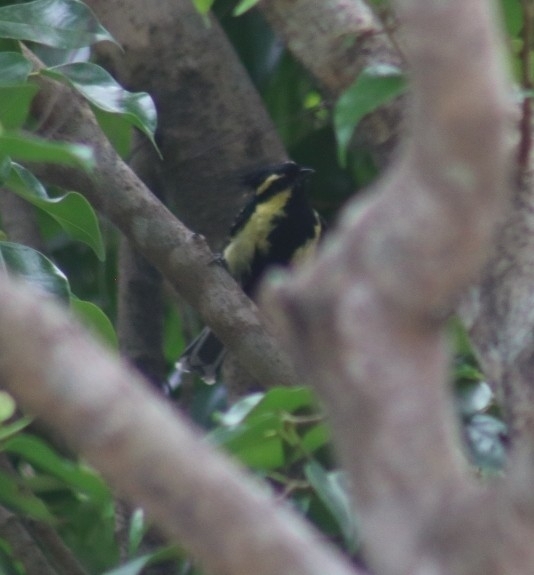
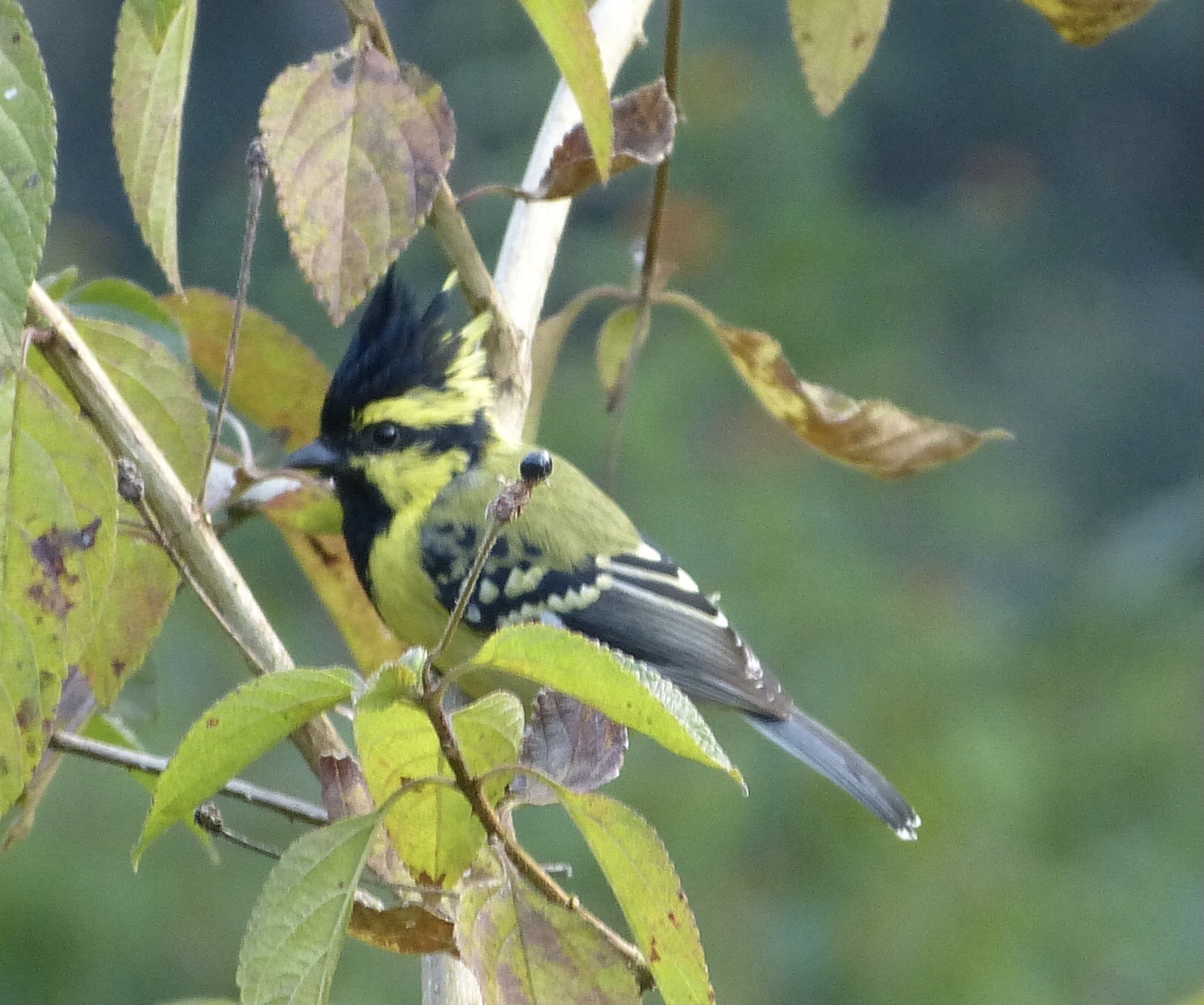
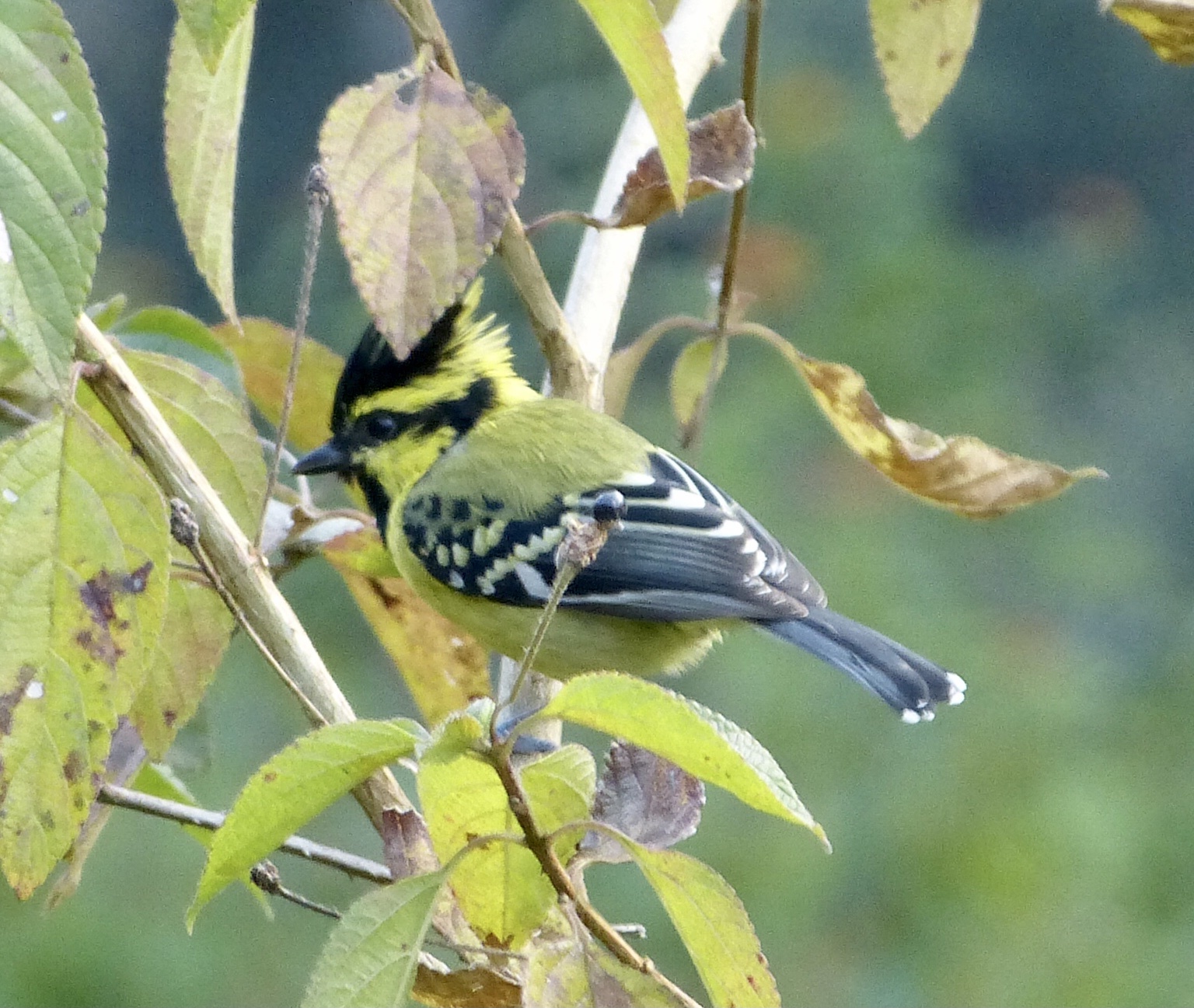
A passerine bird in the tit family Paridae. Scientifically classified as Machlolophus xanthogenys, formerly placed in the genus Parus before molecular phylogenetic analysis led to its transfer in 2013. Closely related to the yellow-cheeked tit and yellow tit, with which it forms a distinct lineage confirmed by morphology and mtDNA cytochrome b analysis. Resident breeder throughout the Himalayas in the Indian subcontinent, including Nepal. Distinguished by its active and agile foraging behavior in the forest canopy, where it gleans insects and spiders from foliage, occasionally consuming fruit.
Distribution & Habitat
Found along the Himalayan range in the Indian subcontinent, with confirmed presence in Nepal. Inhabits forested areas, particularly the forest canopy. As a resident species, it does not undertake long-distance migrations but may make local movements in response to seasonal conditions. The species is also known locally in Nepal as 'Pandu Chichilkote'.
Behavior & Ecology
An active and agile forager that operates primarily in the forest canopy. Its diet consists predominantly of insects and spiders, which it catches by gleaning from leaves and branches, with occasional fruit consumption. For nesting, it utilizes existing cavities including old woodpecker or barbet holes, but will also excavate its own nest cavities in rotting wood or use man-made sites such as nest boxes. The specific term 'lore' in the common name refers to the facial area between the eye and bill.
Culture
Known in Nepali as 'Pandu Chichilkote', reflecting its cultural recognition in local communities within its range. No additional folklore or traditional cultural significance is documented in available sources.
Source: Wikipedia · CC BY-SA 3.0
Taxonomy
- Order
- Passeriformes
- Family
- Paridae
- Genus
- Machlolophus
- eBird Code
- blltit1
Distribution
foothills of western Himalayas
Vocalizations
Data Sources
Species description from Wikipedia, licensed under CC BY-SA 3.0.
Bird images and sounds sourced from GBIF, contributed by citizen scientists worldwide under Creative Commons licenses.
Taxonomy data from AviList 2025.