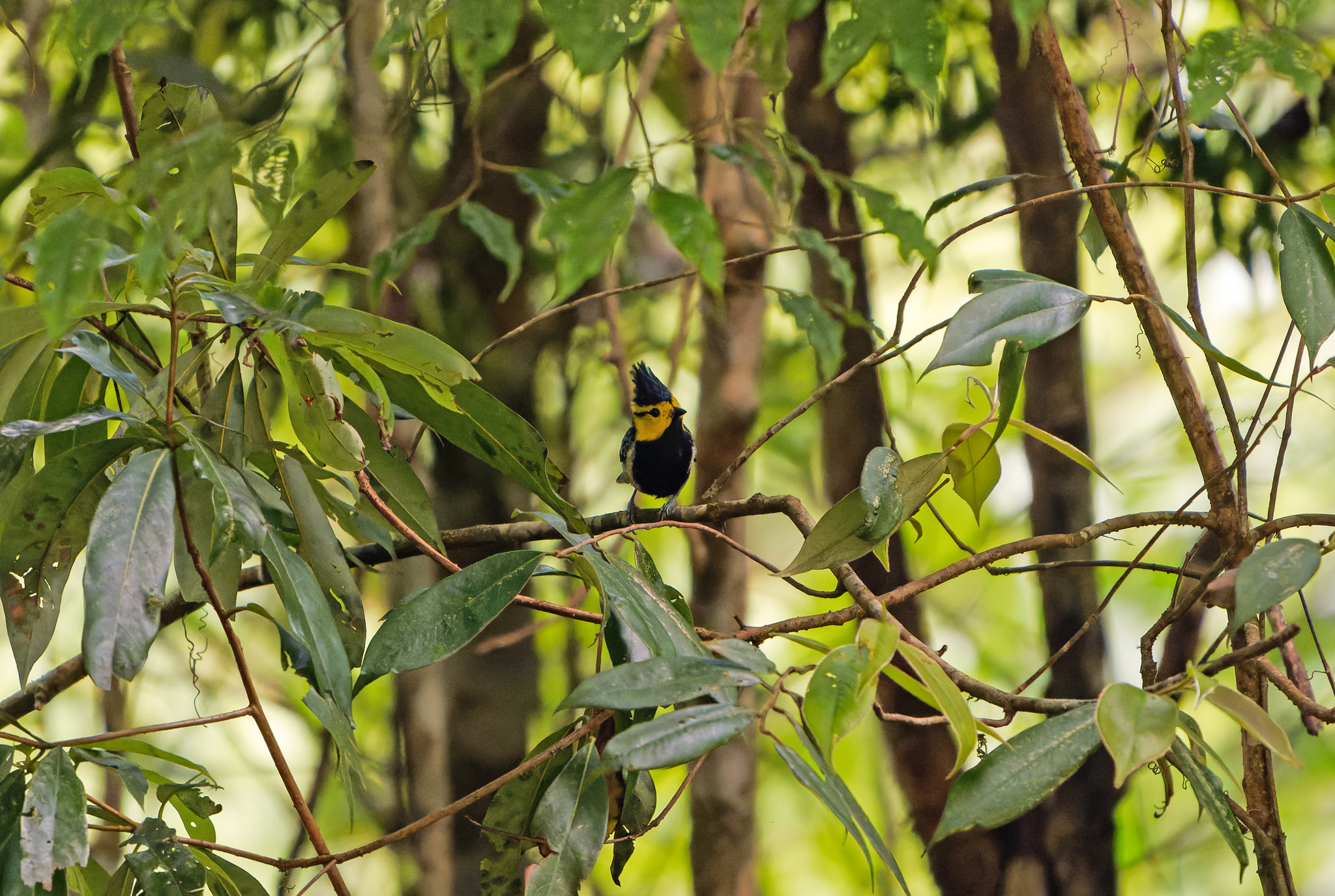
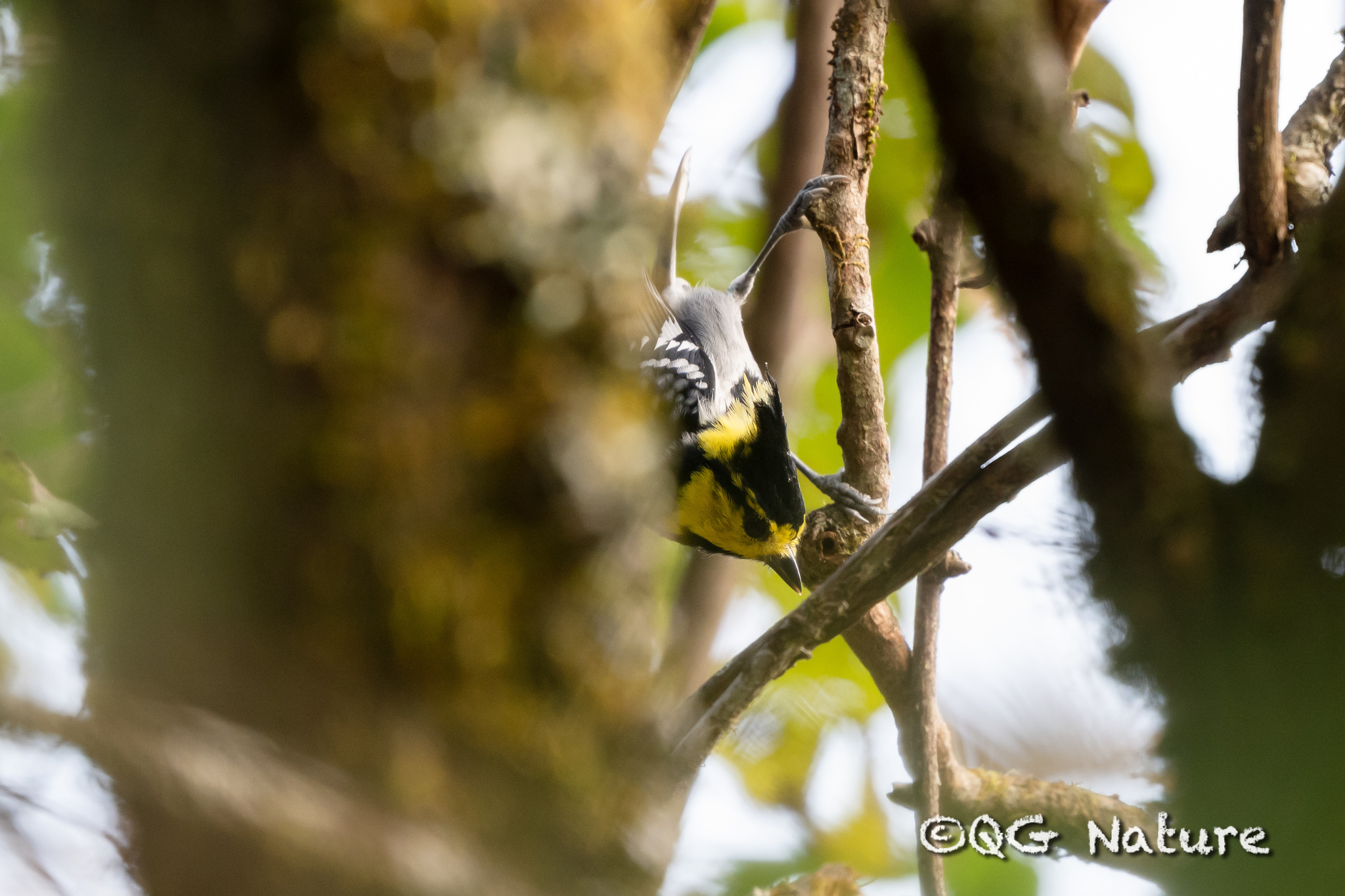
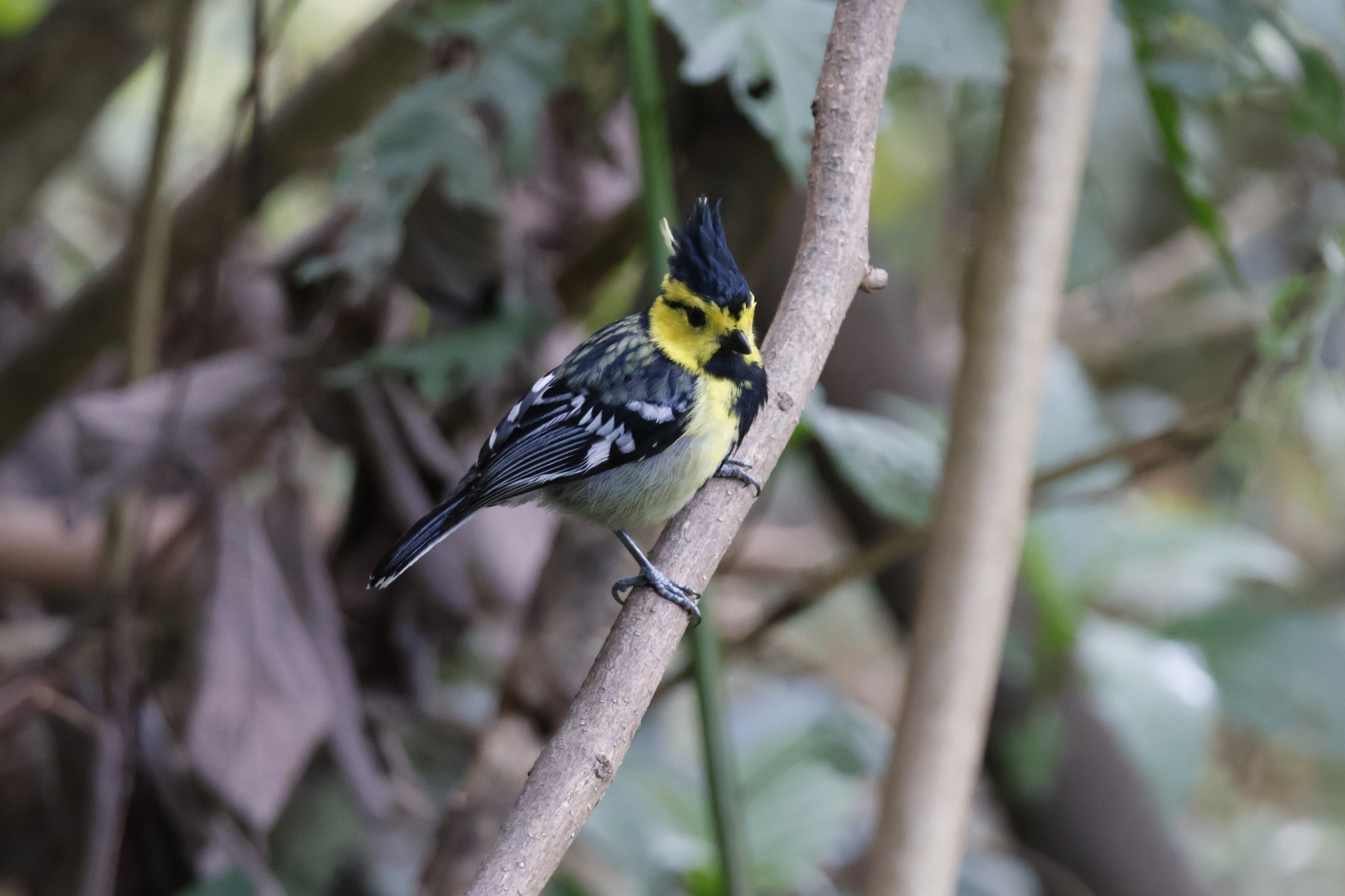
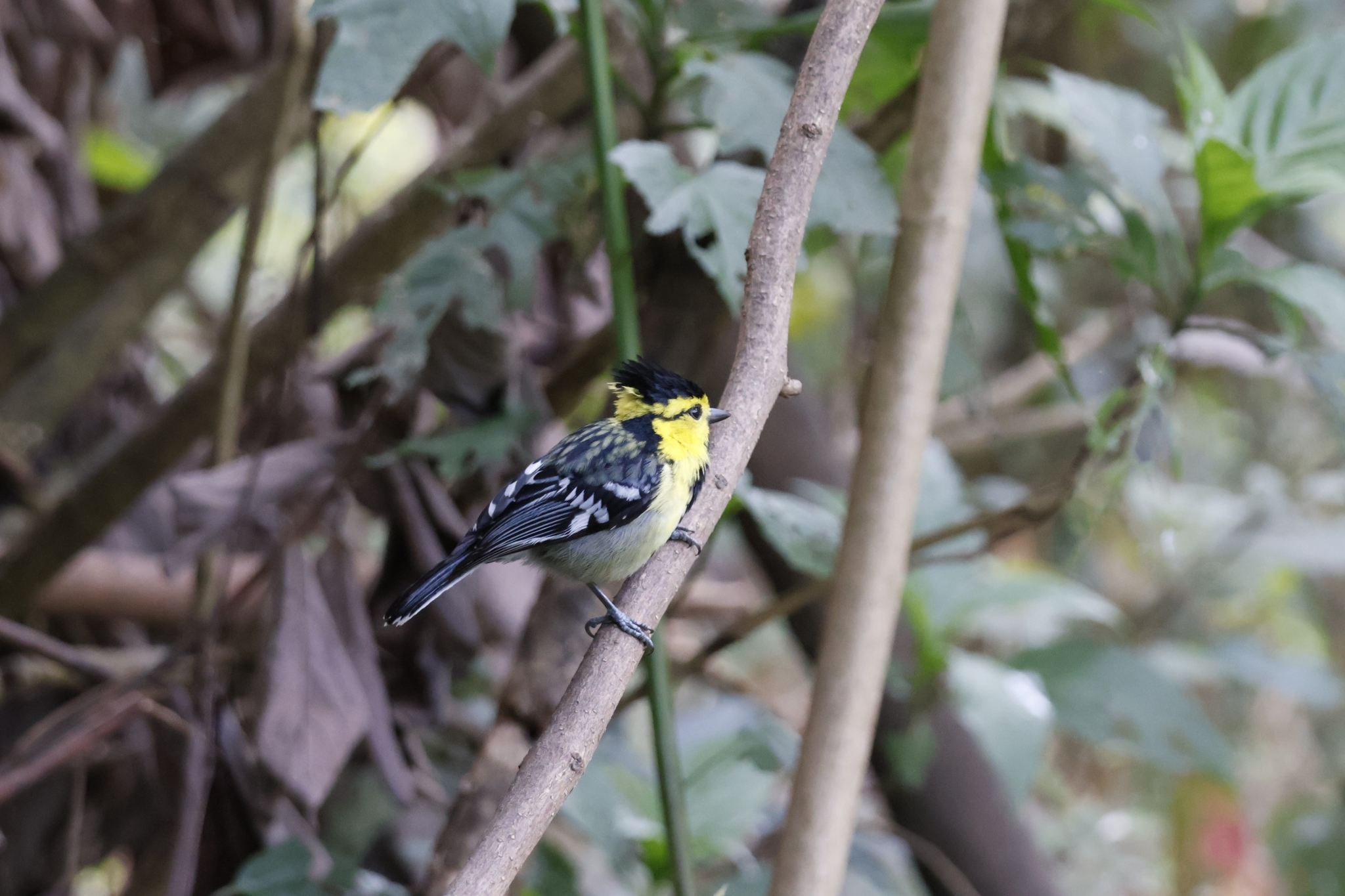
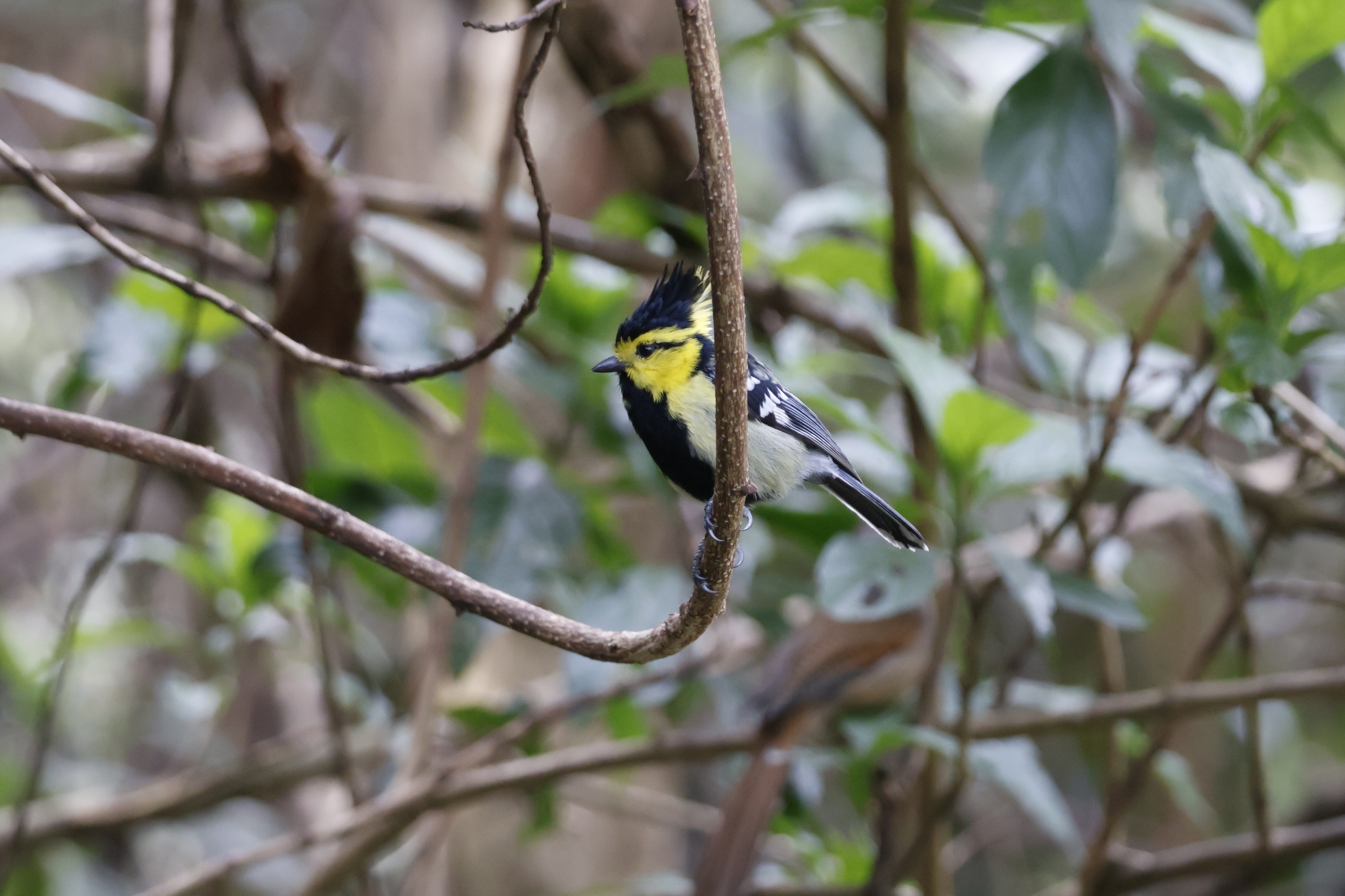
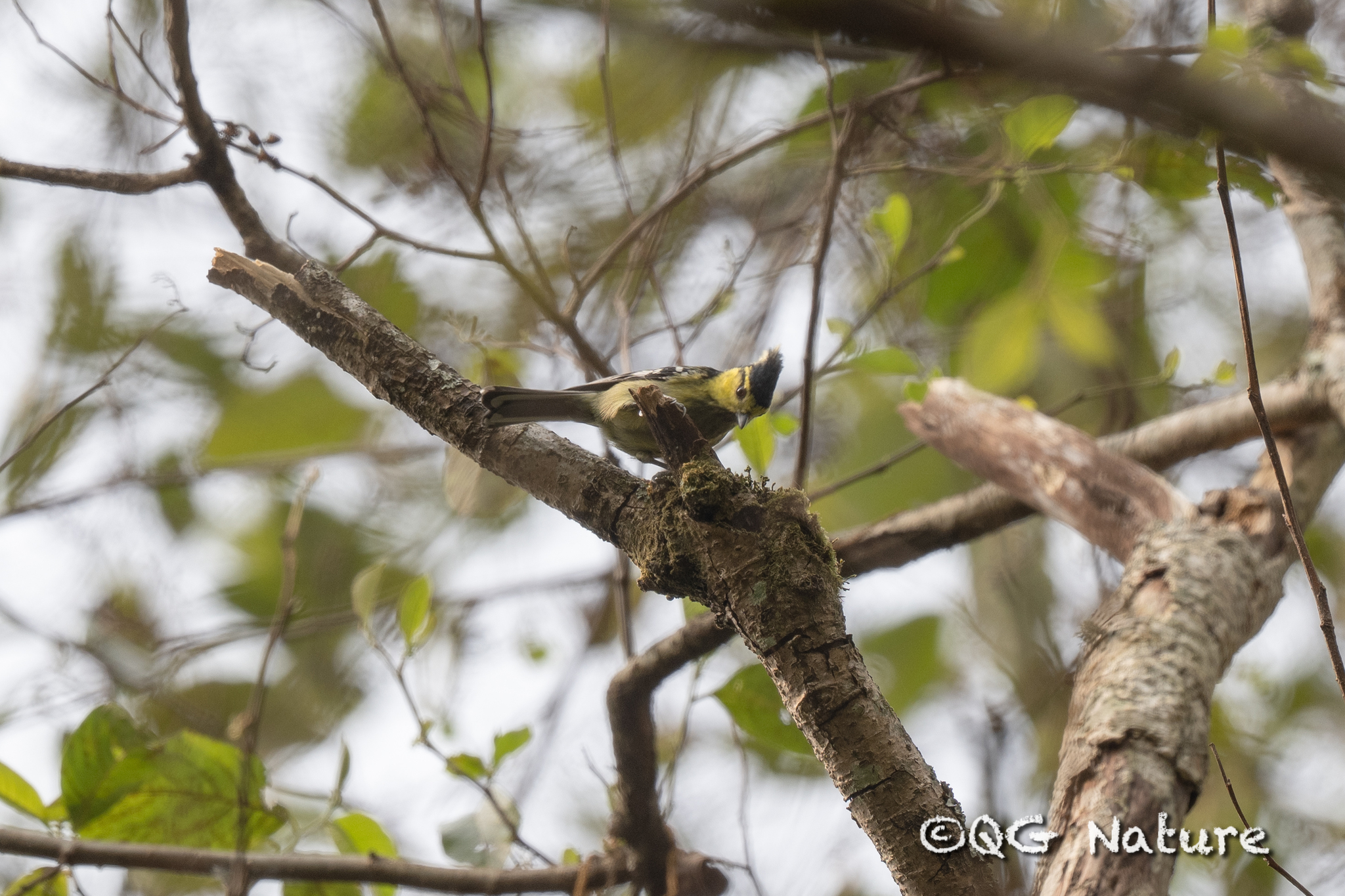
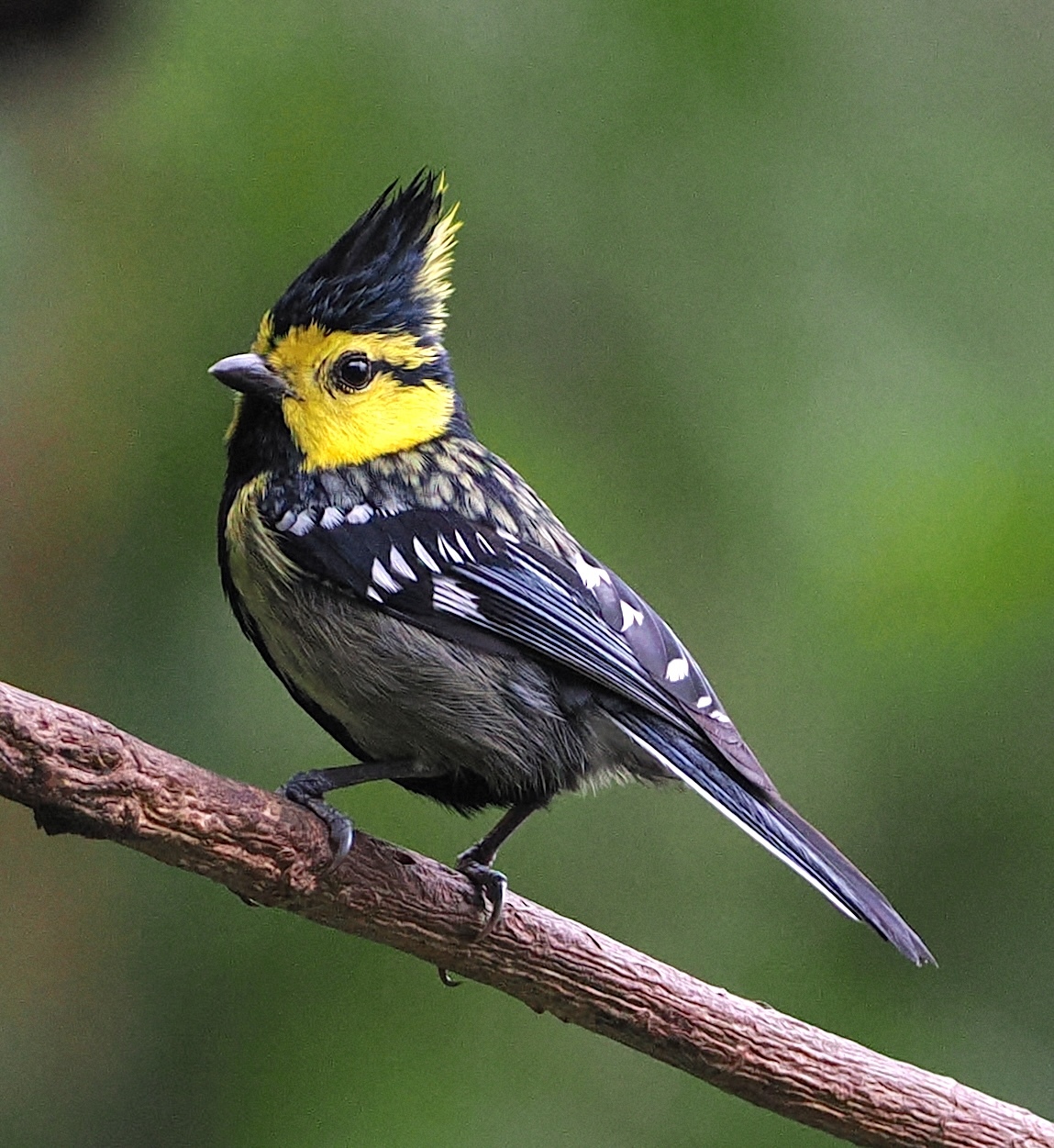
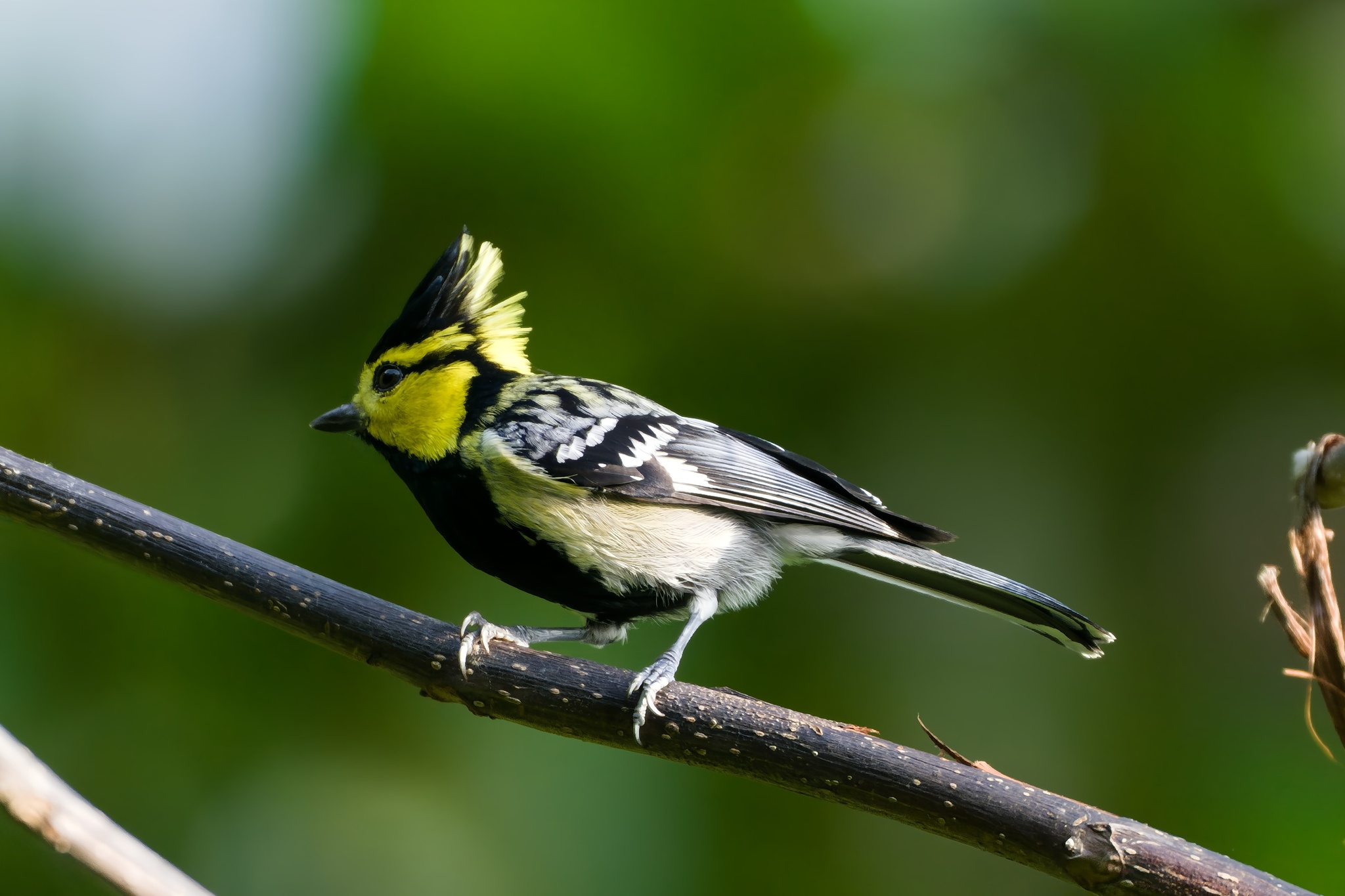
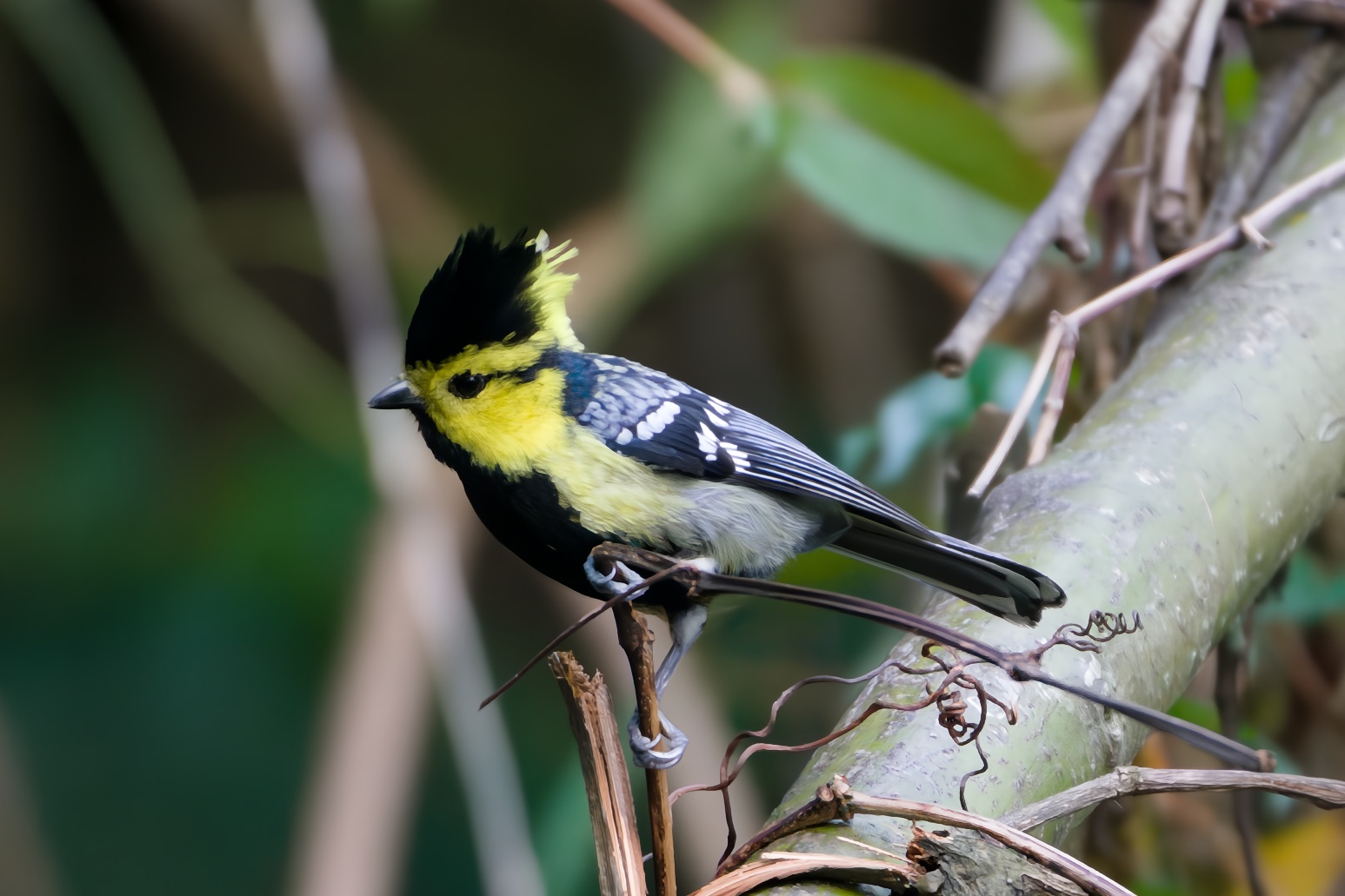
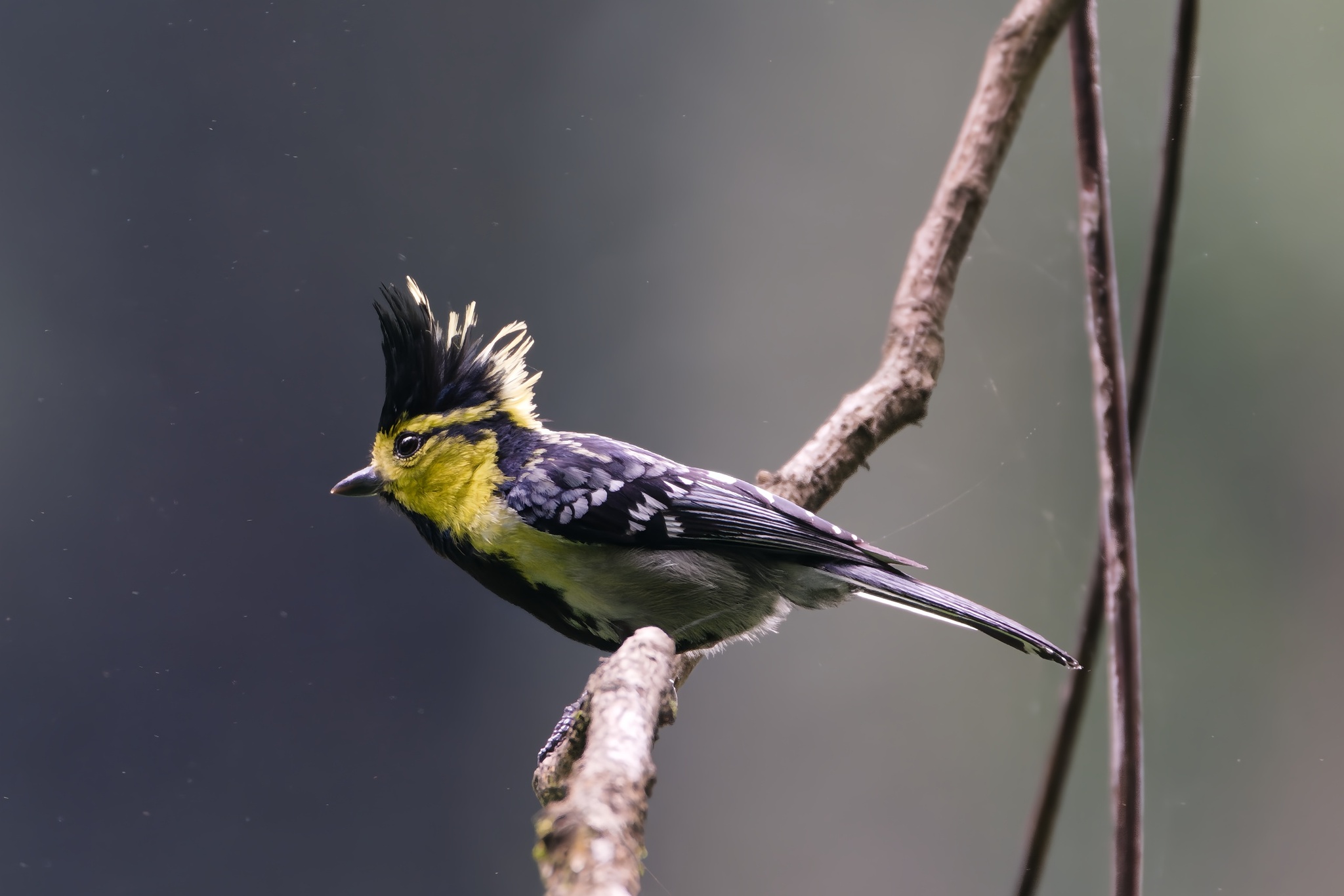
Yellow-cheeked Tit
Machlolophus spilonotus
黄颊山雀
Introduction
Species in the family Paridae. Formerly classified in genus Parus, reclassified to genus Machlolophus following molecular phylogenetic analysis in 2013. Inhabits subtropical or tropical moist lowland forest and subtropical or tropical moist montane forest. Found in Bangladesh, Bhutan, China, Hong Kong, India, Laos, Myanmar, Nepal, Thailand, and Vietnam.
Distribution & Habitat
Range includes Bangladesh, Bhutan, China, Hong Kong, India, Laos, Myanmar, Nepal, Thailand, and Vietnam. Inhabits subtropical or tropical moist lowland forest and subtropical or tropical moist montane forest.
Source: Wikipedia · CC BY-SA 3.0
Taxonomy
- Order
- Passeriformes
- Family
- Paridae
- Genus
- Machlolophus
- eBird Code
- yectit1
Subspecies (4)
-
Machlolophus spilonotus basileus
southern Laos (Bolaven Plateau) and southern Vietnam (southern Annam)
-
Machlolophus spilonotus rex
southern China to northwestern Vietnam and northeastern Laos
-
Machlolophus spilonotus spilonotus
eastern Himalayas and adjacent northeastern Myanmar to southern Tibet and southwestern China
-
Machlolophus spilonotus subviridis
northeastern Indian hill states to Myanmar, northern Thailand, and northwestern Laos
Data Sources
Species description from Wikipedia, licensed under CC BY-SA 3.0.
Bird images and sounds sourced from GBIF, contributed by citizen scientists worldwide under Creative Commons licenses.
Taxonomy data from AviList 2025.