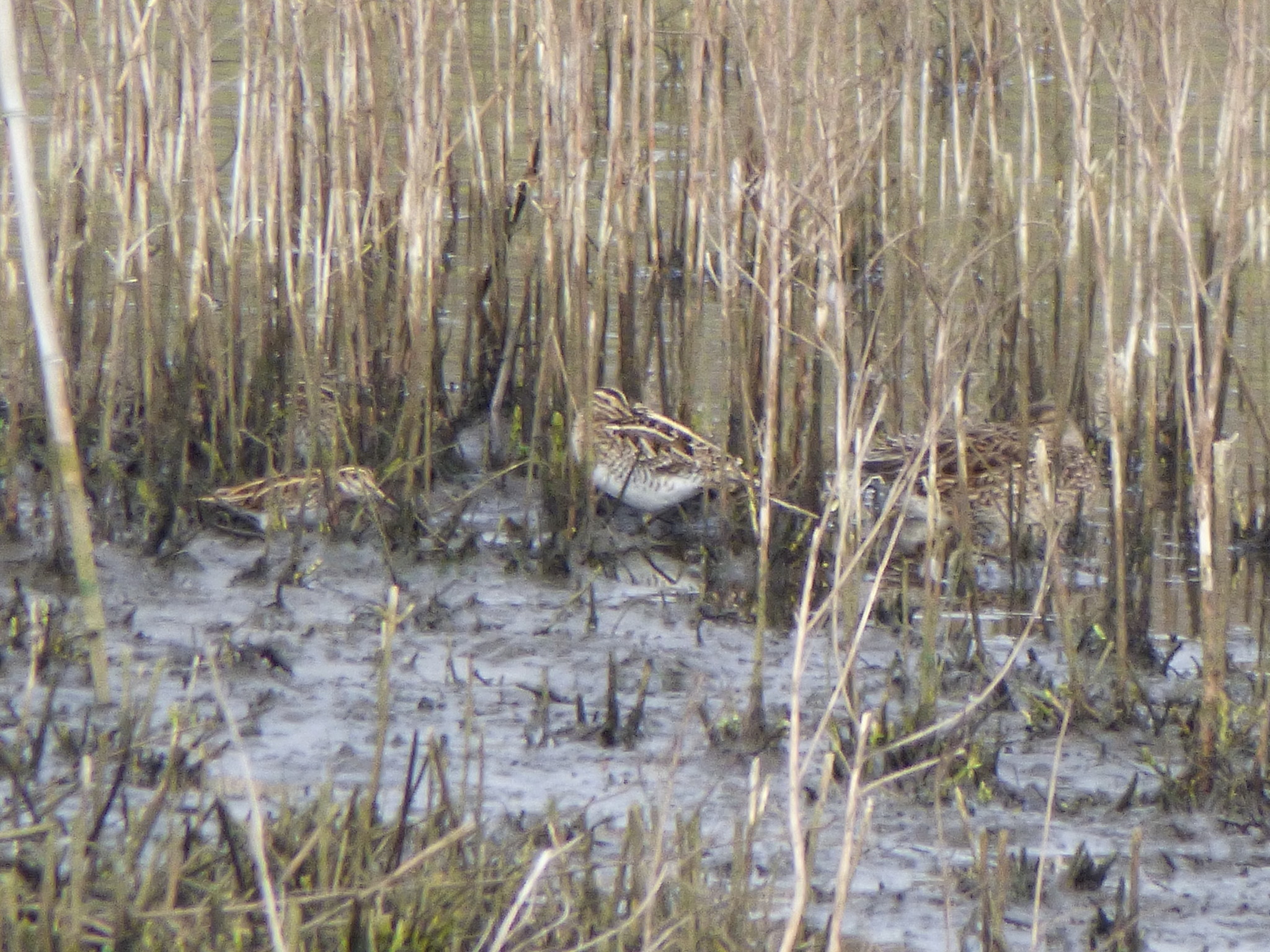
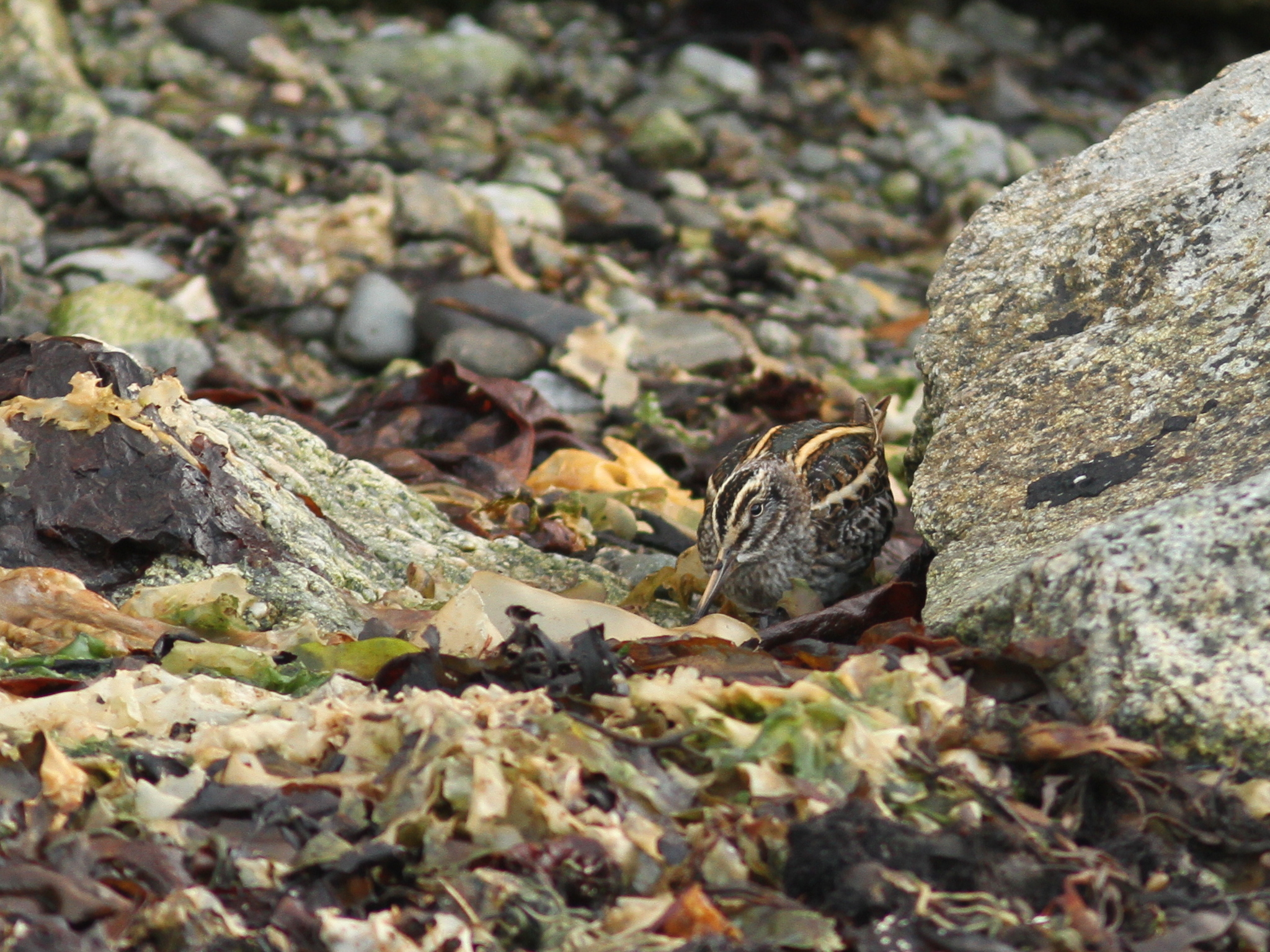
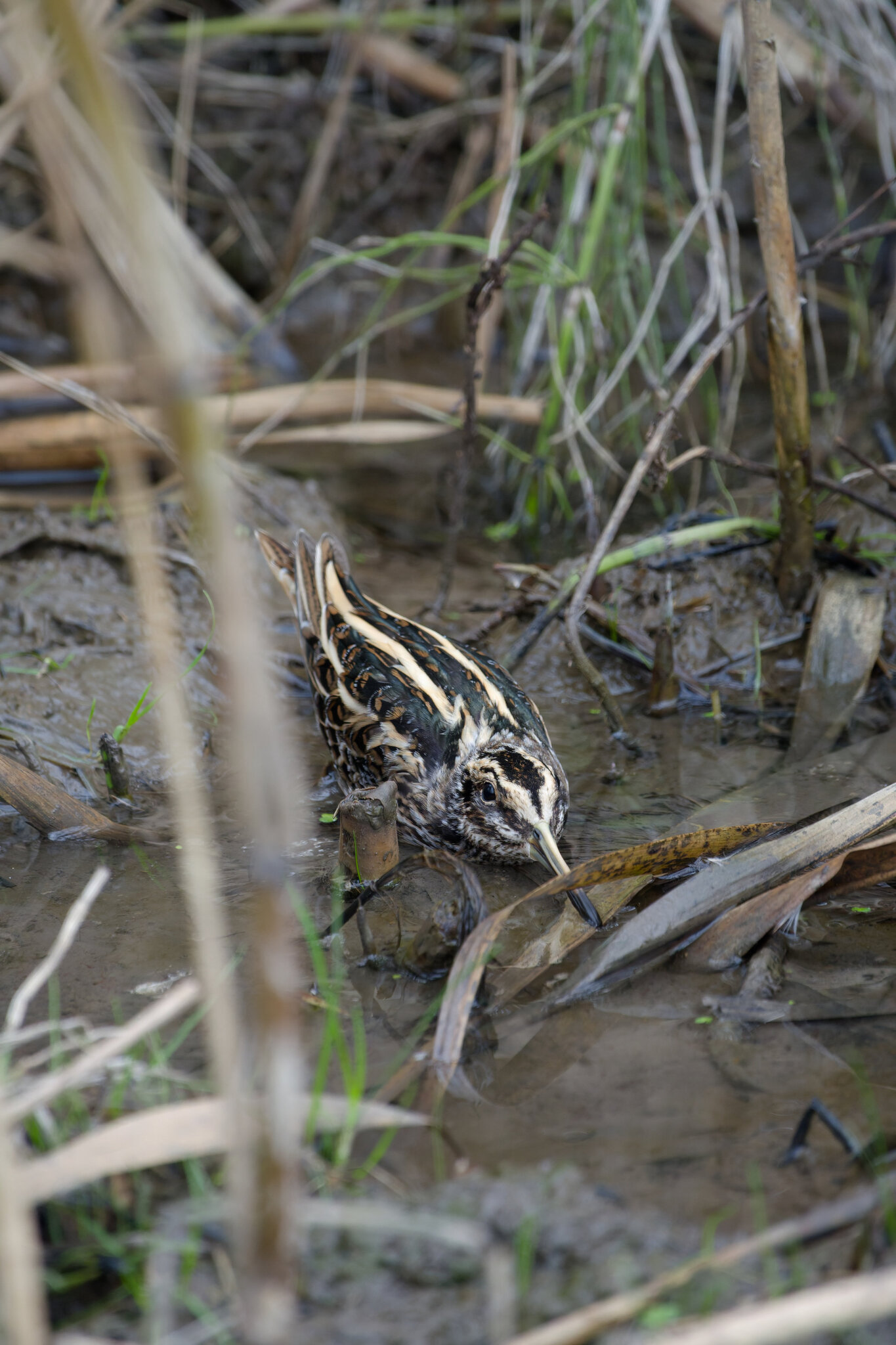
Jack Snipe
Lymnocryptes minimus
姬鹬
Introduction
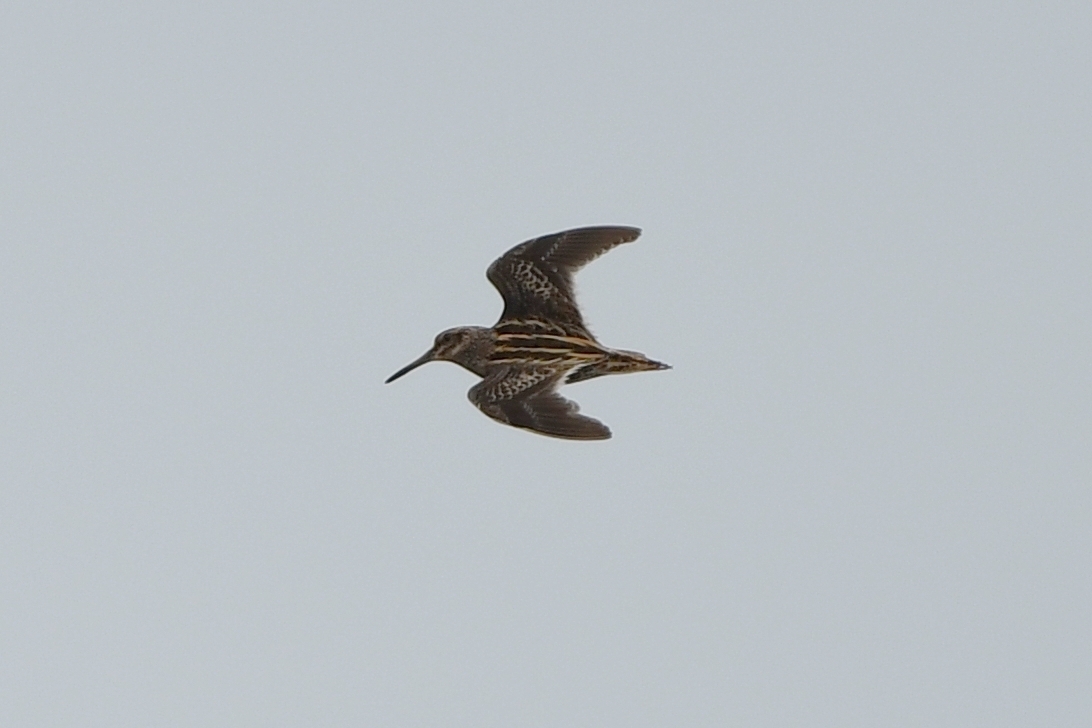
As the smallest snipe species, it exhibits a distinctive bobbing motion. When disturbed, it squats low in vegetation before explosive takeoff, revealing pointed narrow wings and yellow back stripes. Males perform an aerial courtship display producing a sound similar to a galloping horse.
Description
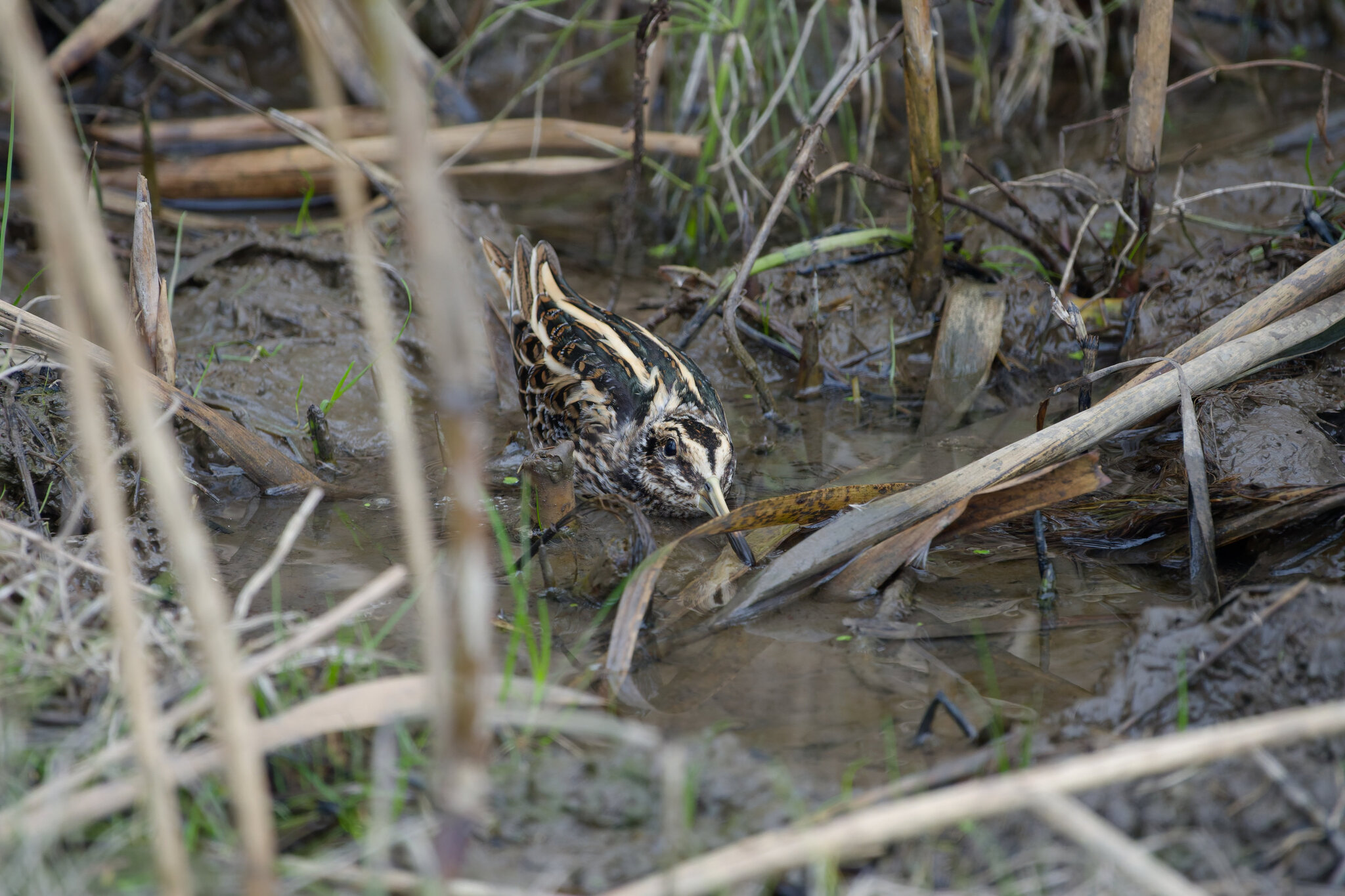
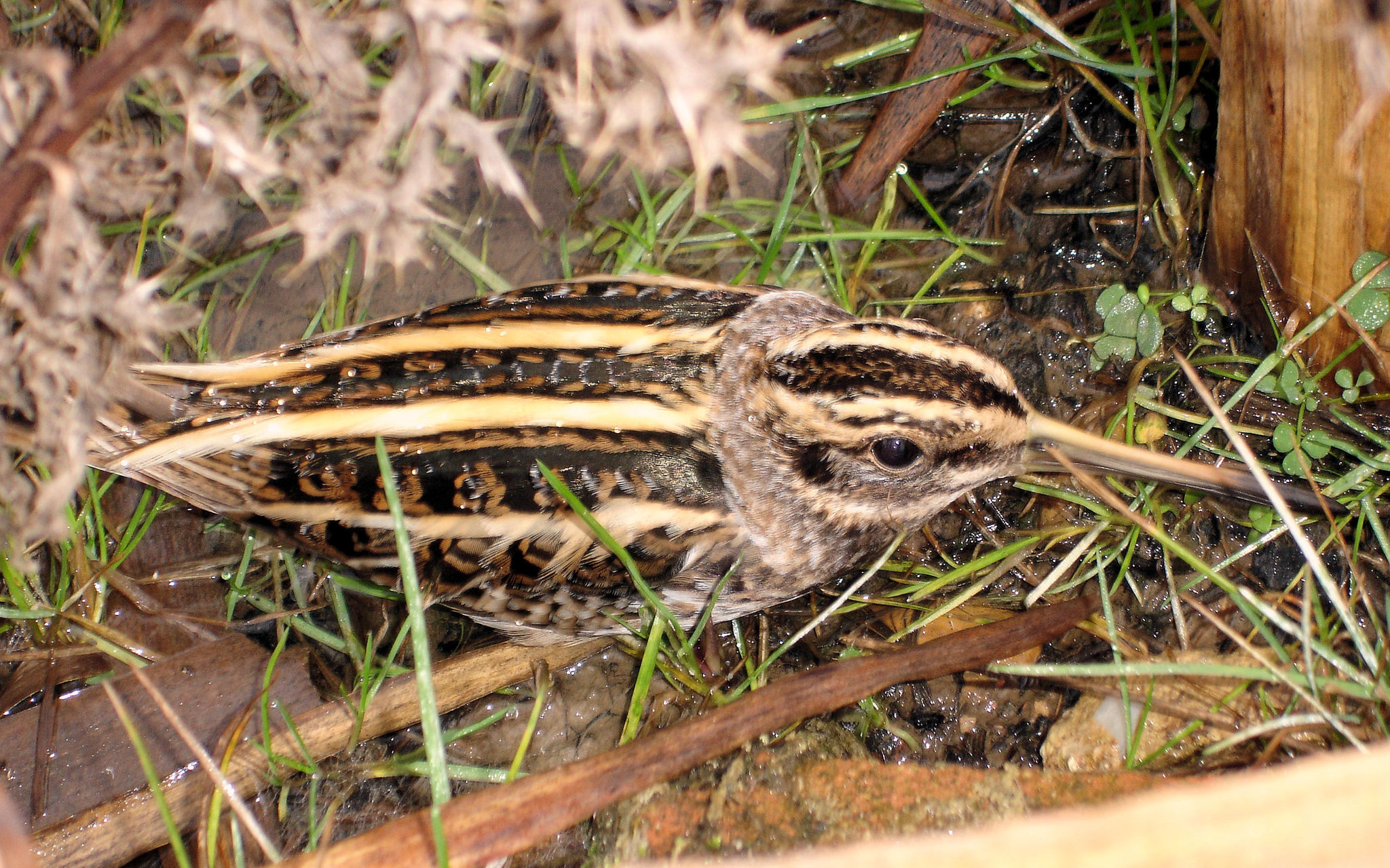
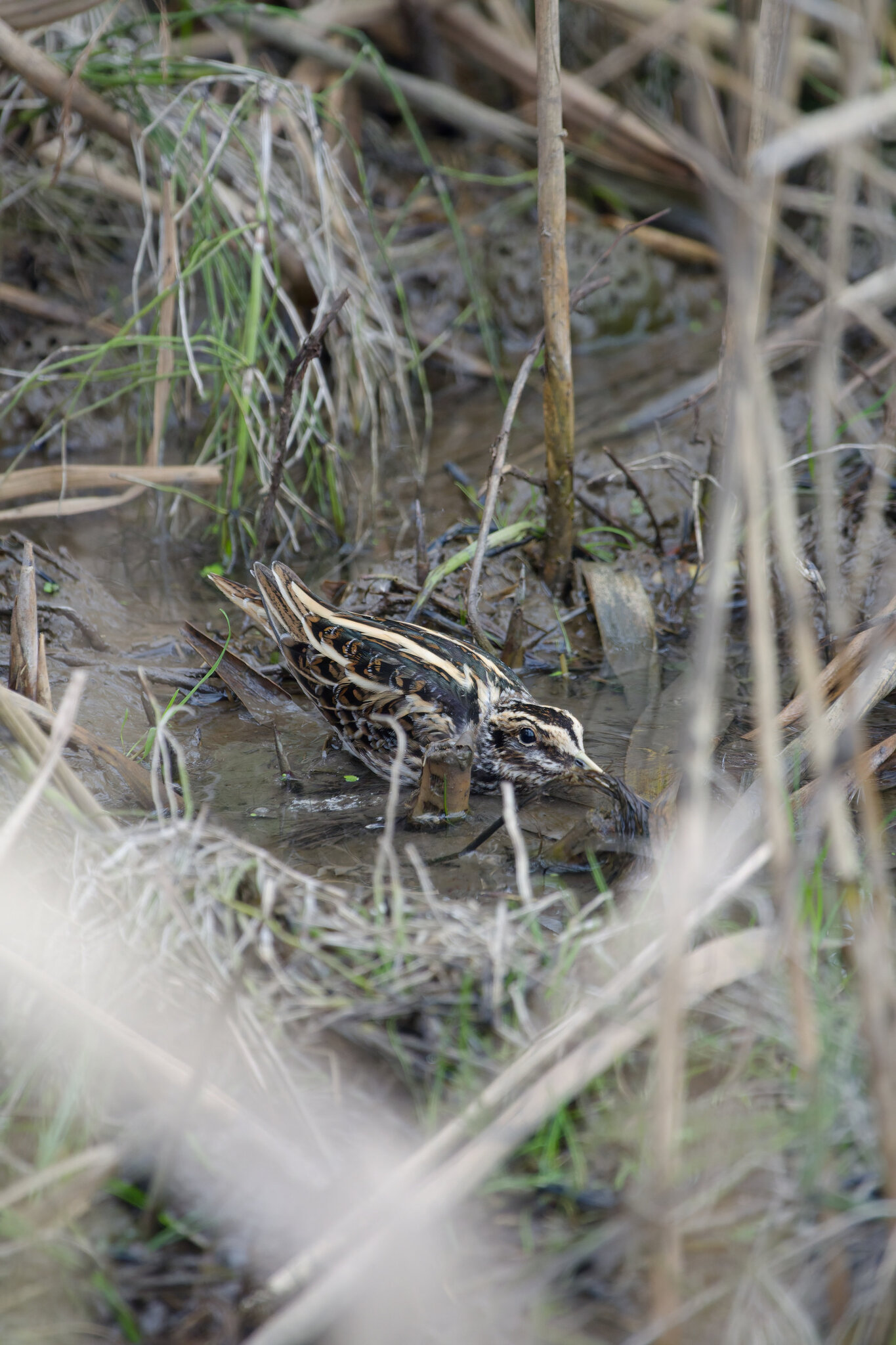
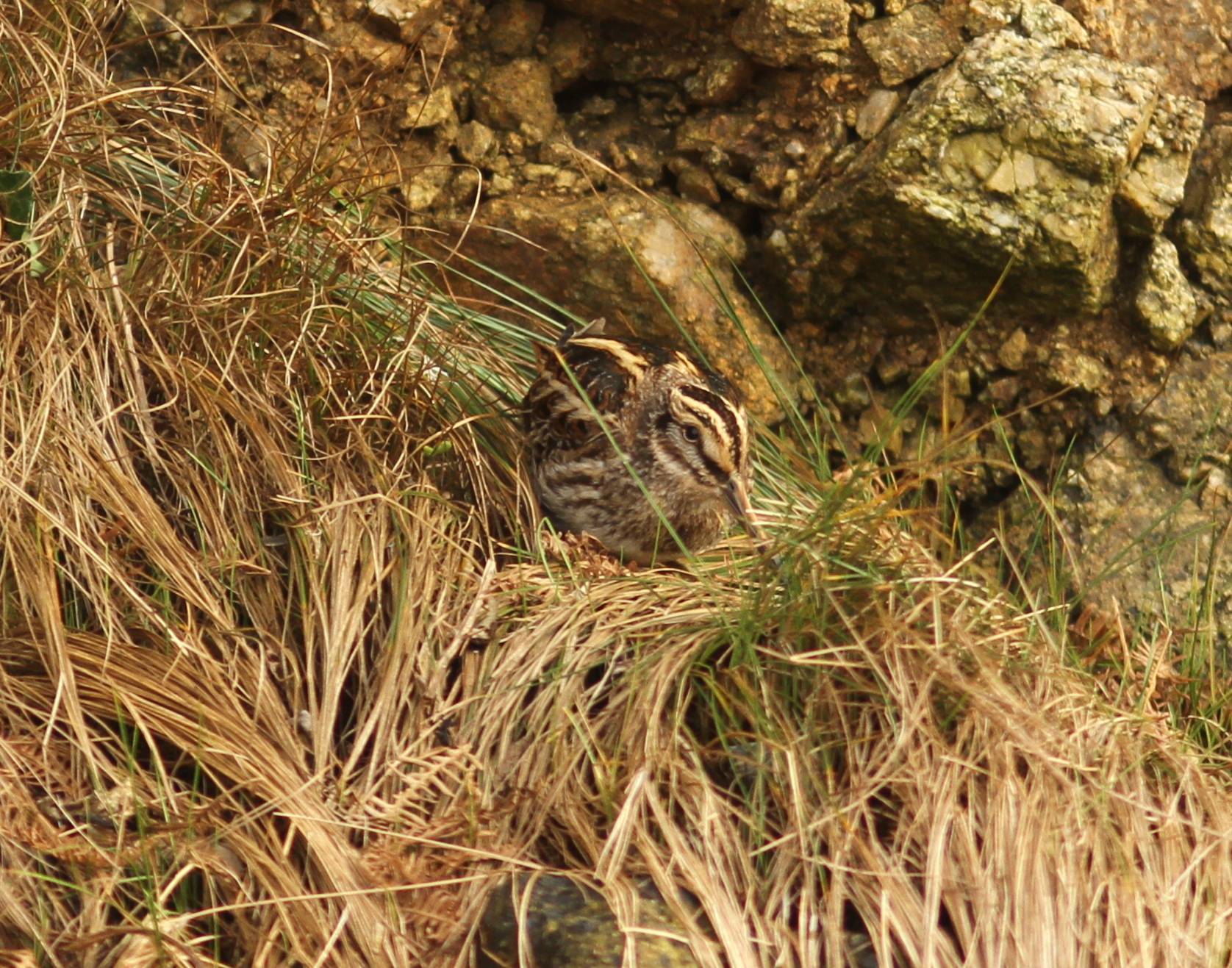
This compact wader represents the smallest member of the snipe family. Adults measure 18-25 cm in length with a wingspan of 30-41 cm, weighing between 33-73 grams. The body exhibits mottled brown upperparts contrasting with pale underparts. A distinctive dark stripe runs through the eye, while the wings appear pointed and narrow in profile. In flight, yellow stripes along the back become visible diagnostic features. The most unusual characteristic is its continuous bobbing motion, which gives the impression the bird operates on springs. The head pattern differs notably from other snipes: rather than a central crown-stripe, this species shows two pale lateral crown-stripes separated from the supercilium by an area of dark plumage.
Identification
Field identification hinges on several key features. This species appears noticeably smaller than common snipes with proportionally shorter bills. The unique head pattern immediately distinguishes it from common snipe and other Gallinago species - the absence of a central crown-stripe combined with paired pale lateral stripes creates a distinctive facial profile. In flight, the combination of pointed, narrow wings and conspicuous yellow back stripes aids identification. The characteristic bobbing movement, almost hypnotic in quality, provides additional confirmation when birds are encountered on the ground. However, their secretive nature often means identification occurs only during the brief flush from cover.
Distribution & Habitat
This migratory species breeds across northern Europe and northern Russia, favoring marshes, bogs, tundra, and wet meadows with short vegetation cover. During the non-breeding season, it disperses to Great Britain, Atlantic and Mediterranean coastal regions of Europe, Africa, and India. The species occurs as a rare vagrant in North America, with a single documented record from Colombia in South America. It falls under the protection of the Agreement on the Conservation of African-Eurasian Migratory Waterbirds, reflecting its importance in international conservation efforts.
Behavior & Ecology
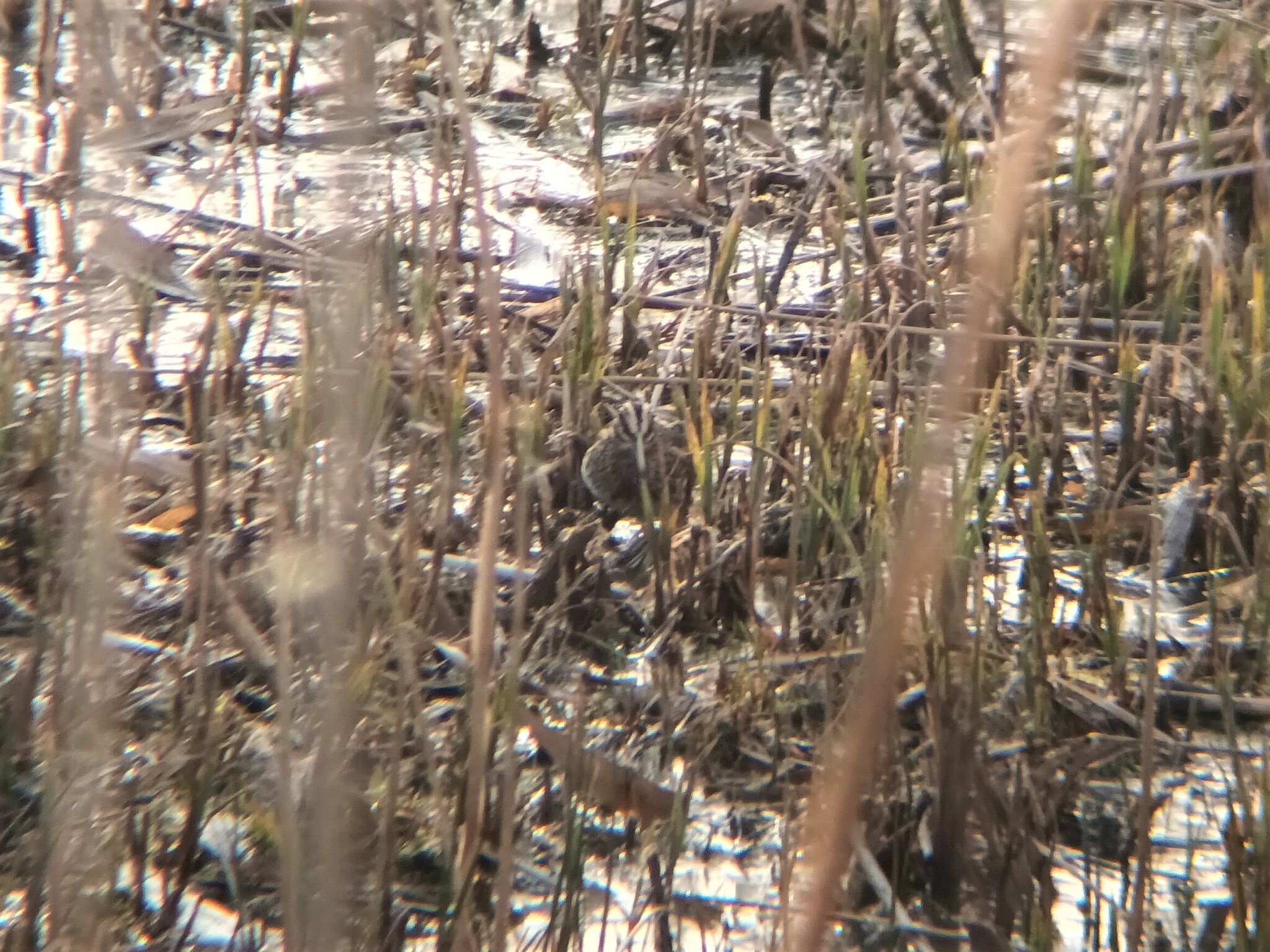
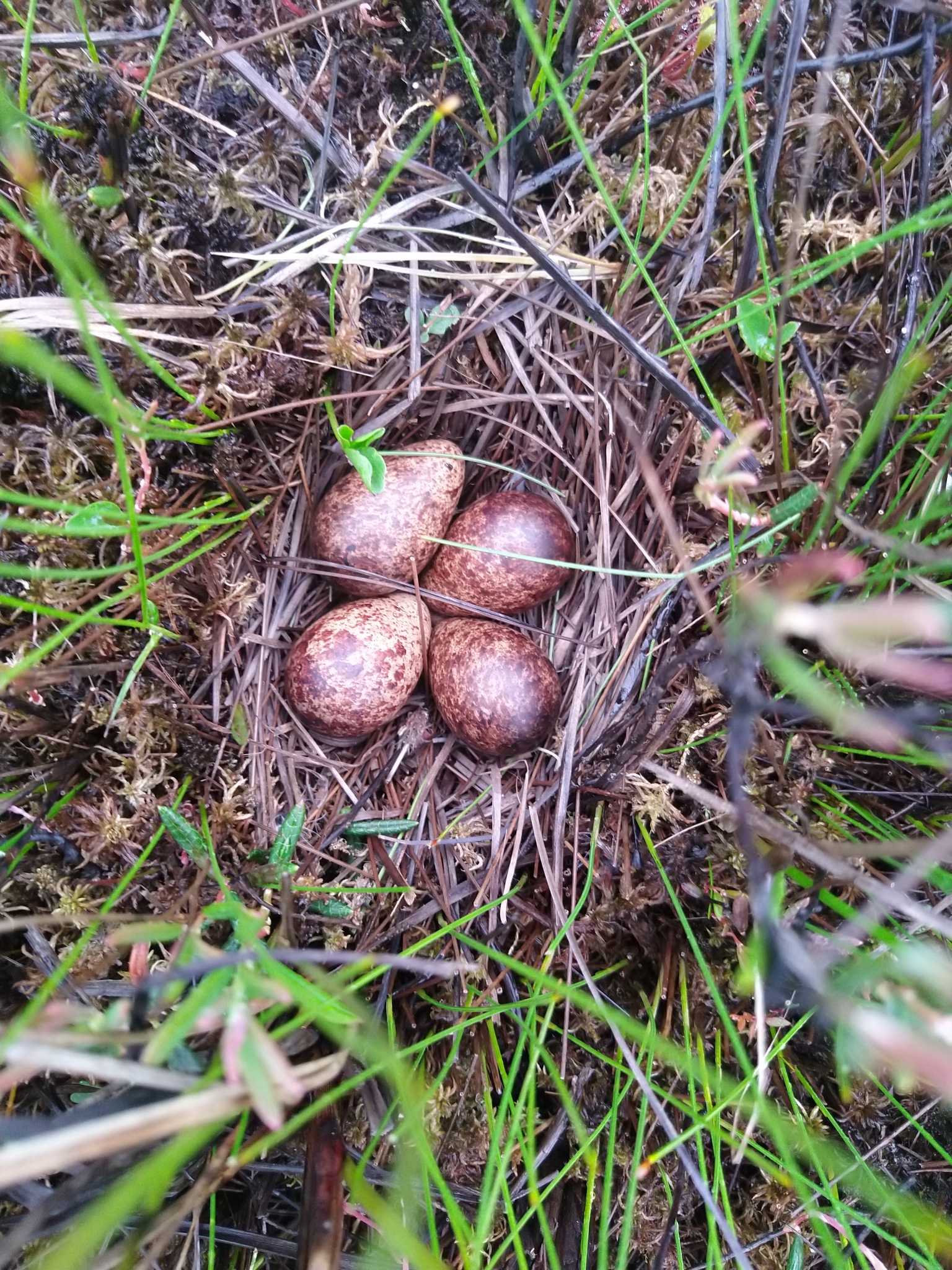
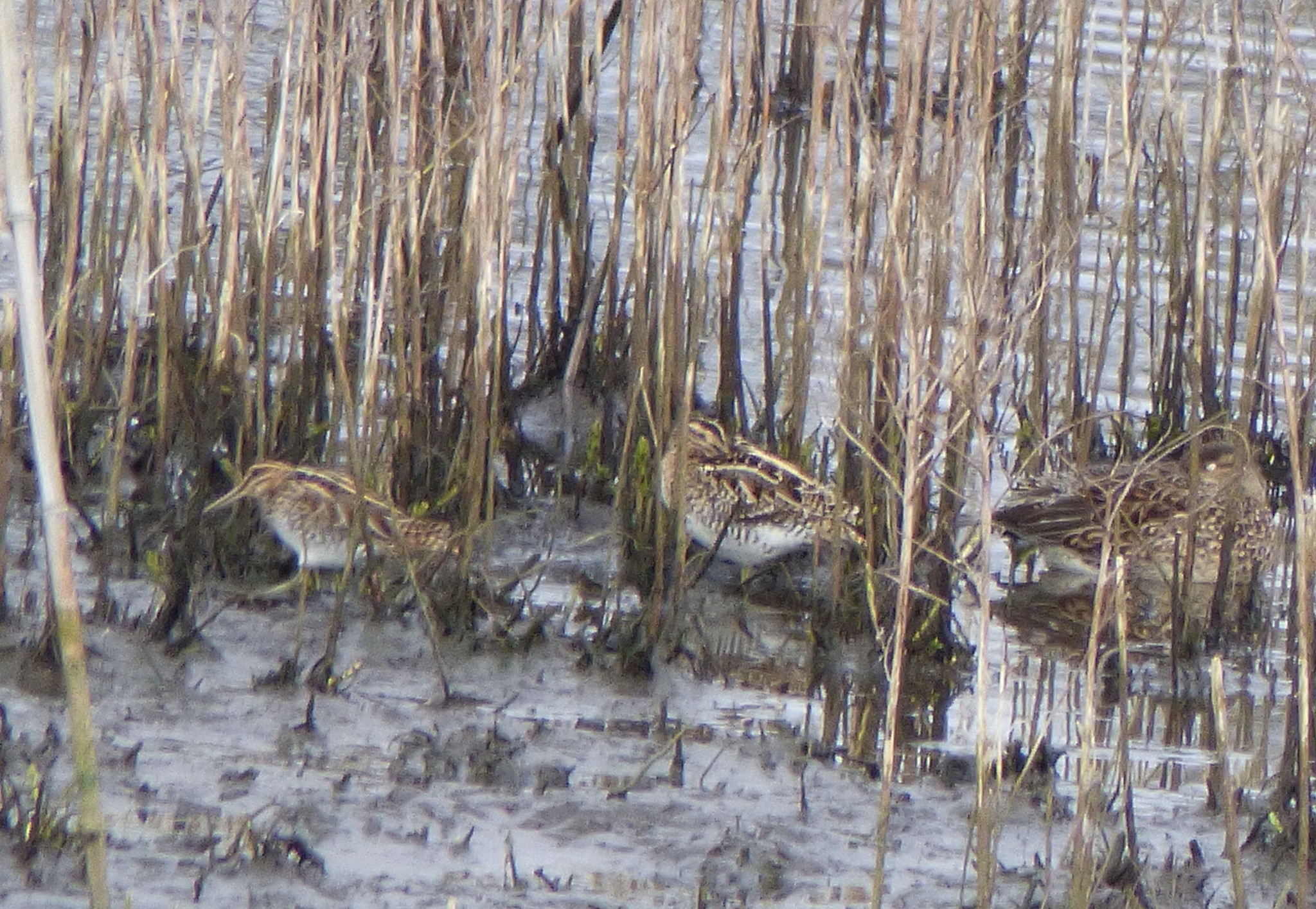
Observing this species requires specialized techniques due to its exceptional camouflage and secretive habits. Birdwatchers must walk through marshy habitat until a bird flushes, as individuals squat low and refuse to leave cover until an intruder approaches very closely. When disturbed, they fly only short distances before dropping back into vegetation. Foraging occurs in soft mud through probing or visual selection, with a diet comprising mainly insects and earthworms supplemented by plant material. During courtship, males perform aerial displays producing distinctive sounds resembling galloping horses. The species falls silent outside the breeding season. Nesting takes place in well-hidden ground locations where females lay clutches of 3-4 eggs.
Culture
The origin of the common name has generated scholarly debate. One theory derives it from the Welsh word 'giach' for snipe, pronounced with a hard 'g'. Alternative explanations suggest connection to the masculine name Jack, or reference to the bird's relatively small size - similar to how 'jack' denotes the smallest ball in bowls or fishermen use 'jacks' for smaller pikes. The name may also indicate sex, reflecting a popular belief that this species represents the male of common snipe. Despite these linguistic discussions, the bird holds limited cultural significance beyond ornithological interest.
Source: Wikipedia · CC BY-SA 3.0
Taxonomy
- Order
- Charadriiformes
- Family
- Scolopacidae
- Genus
- Lymnocryptes
- eBird Code
- jacsni
Distribution
breeds taiga wetlands from Scandinavia and northeastern Poland to east-central Siberia; winters inland wetlands from Faroe and British islands, western and southern Europe, Mediterranean, tropical Africa, Middle East, and southern Asia
Data Sources
Species description from Wikipedia, licensed under CC BY-SA 3.0.
Bird images and sounds sourced from GBIF, contributed by citizen scientists worldwide under Creative Commons licenses.
Taxonomy data from AviList 2025.