Rufous-bellied Eagle
Lophotriorchis kienerii
棕腹隼雕
Description
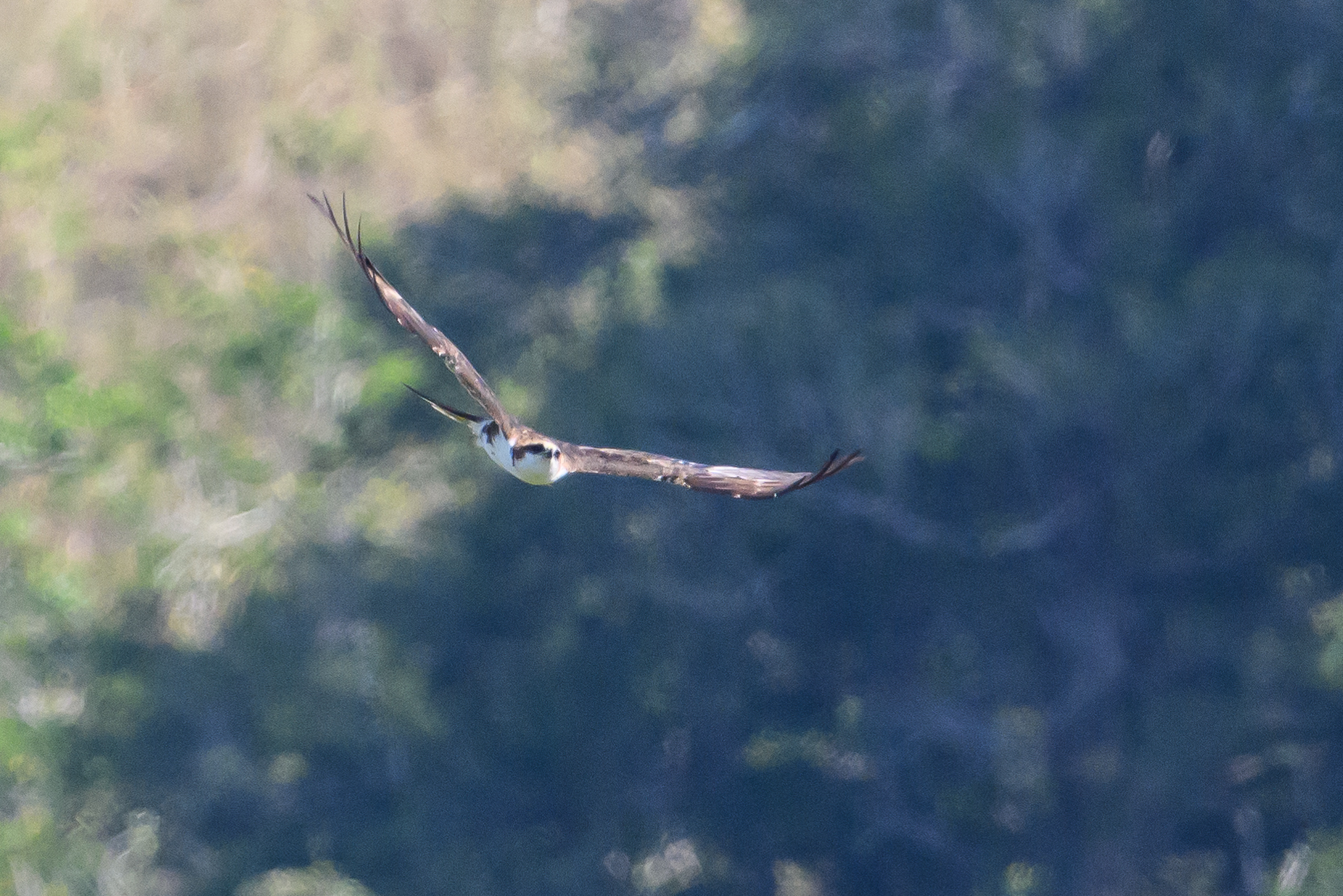
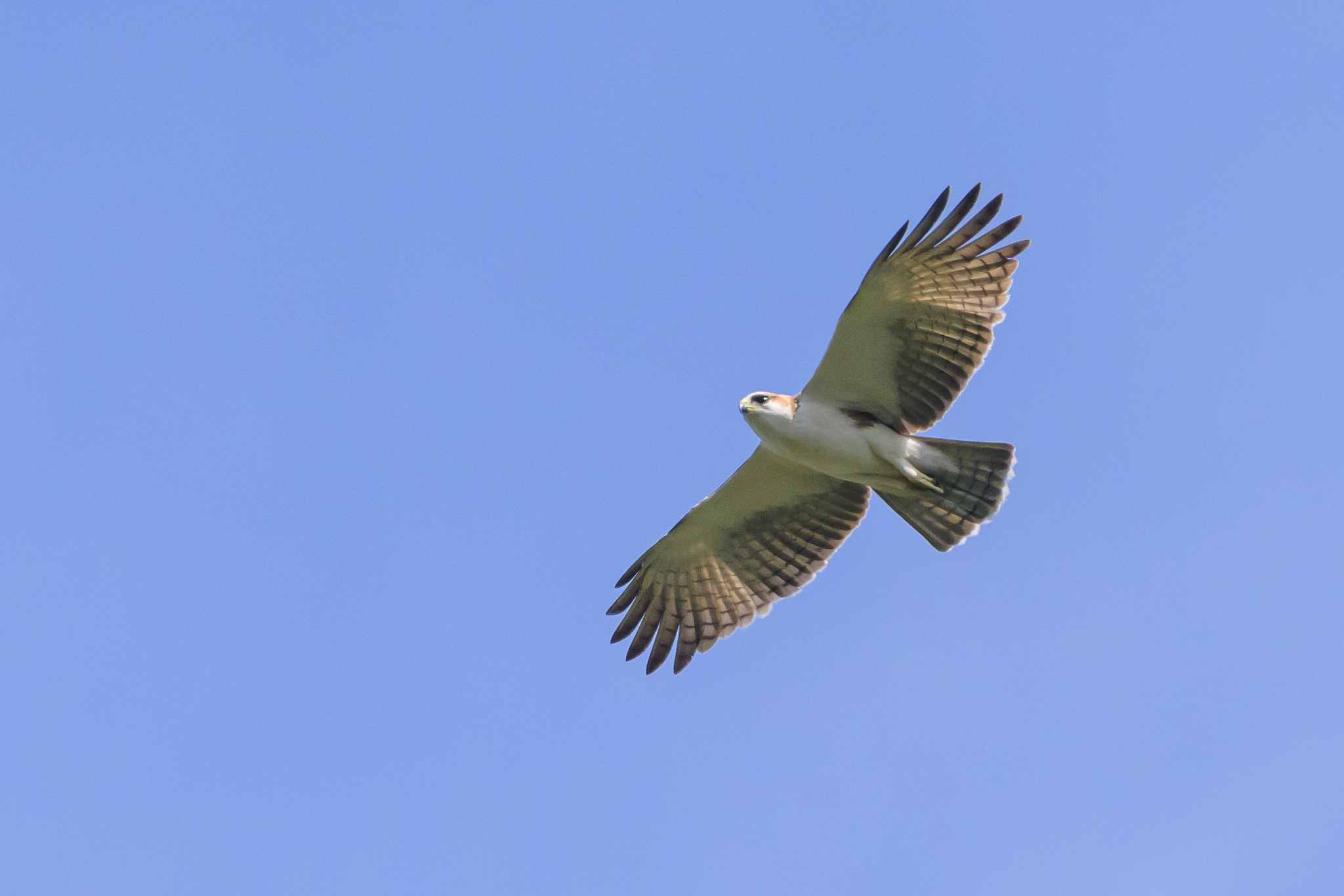
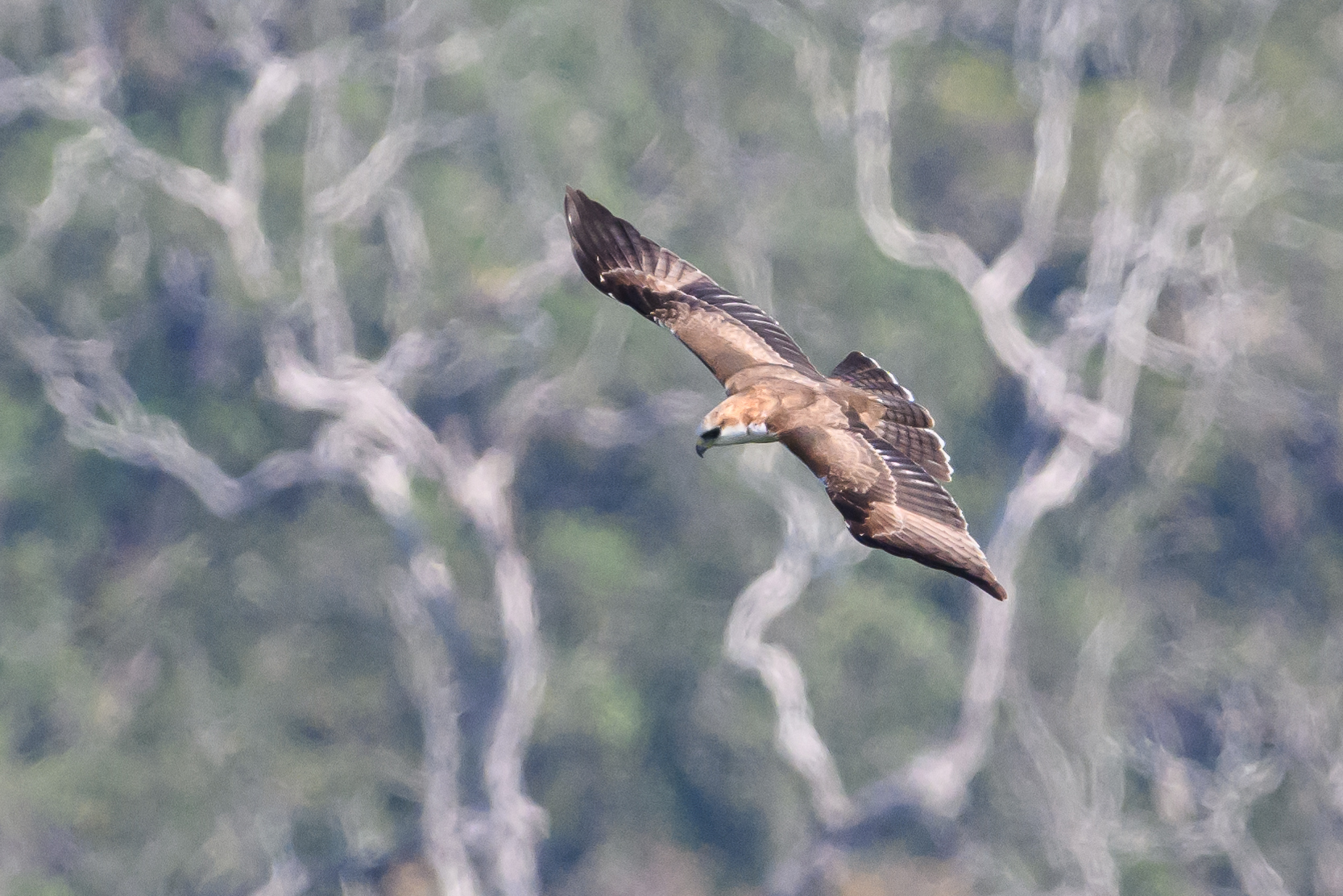
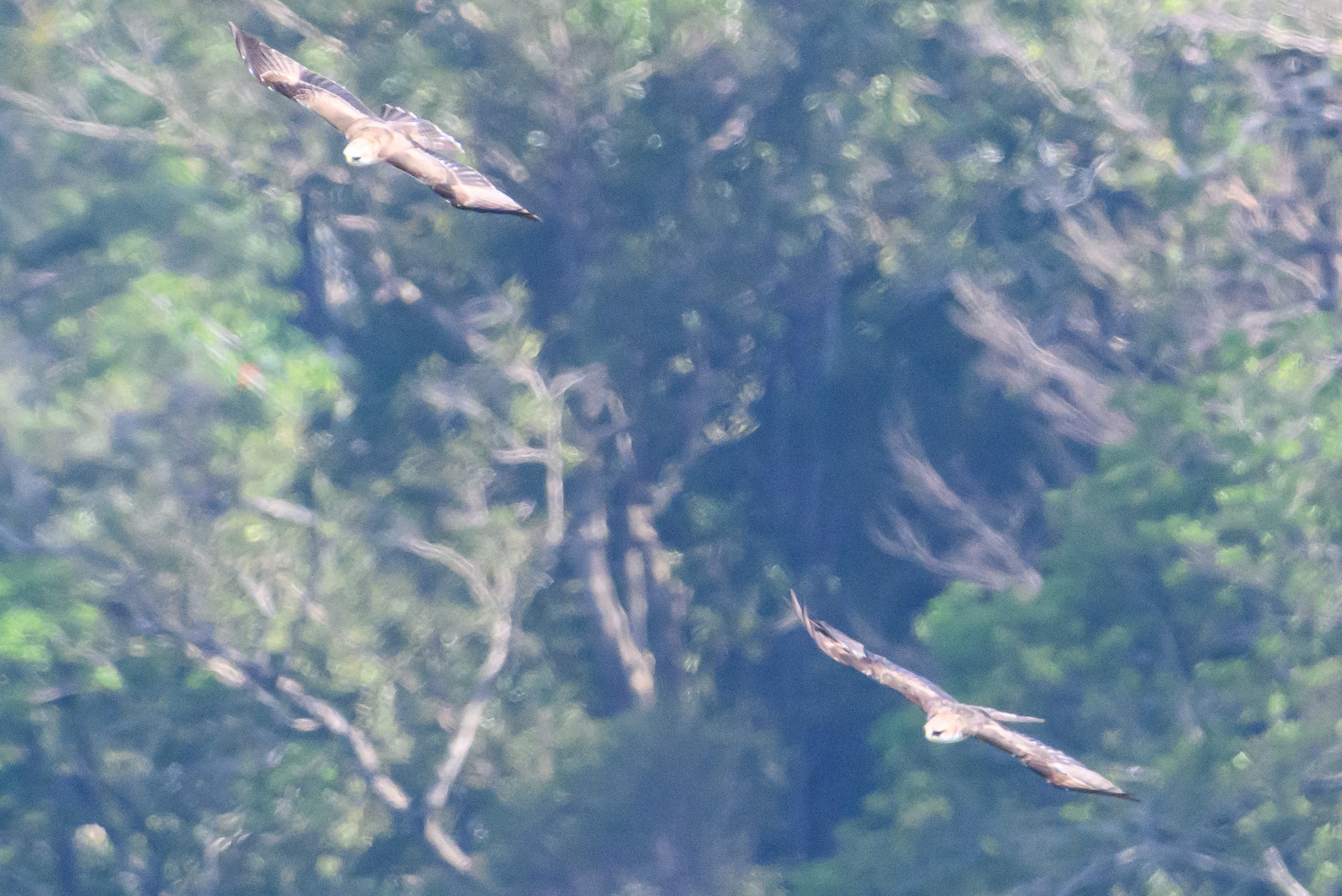
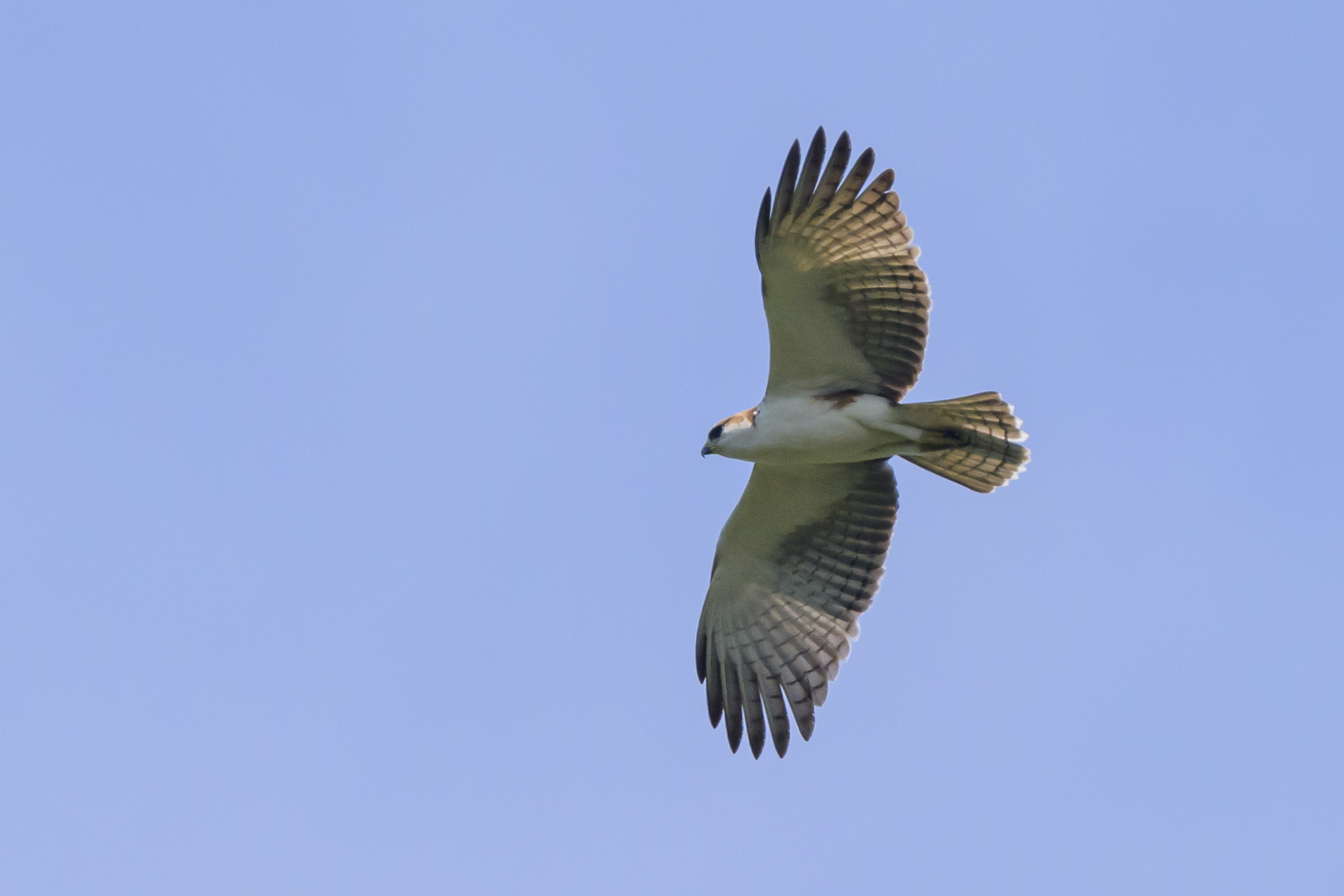
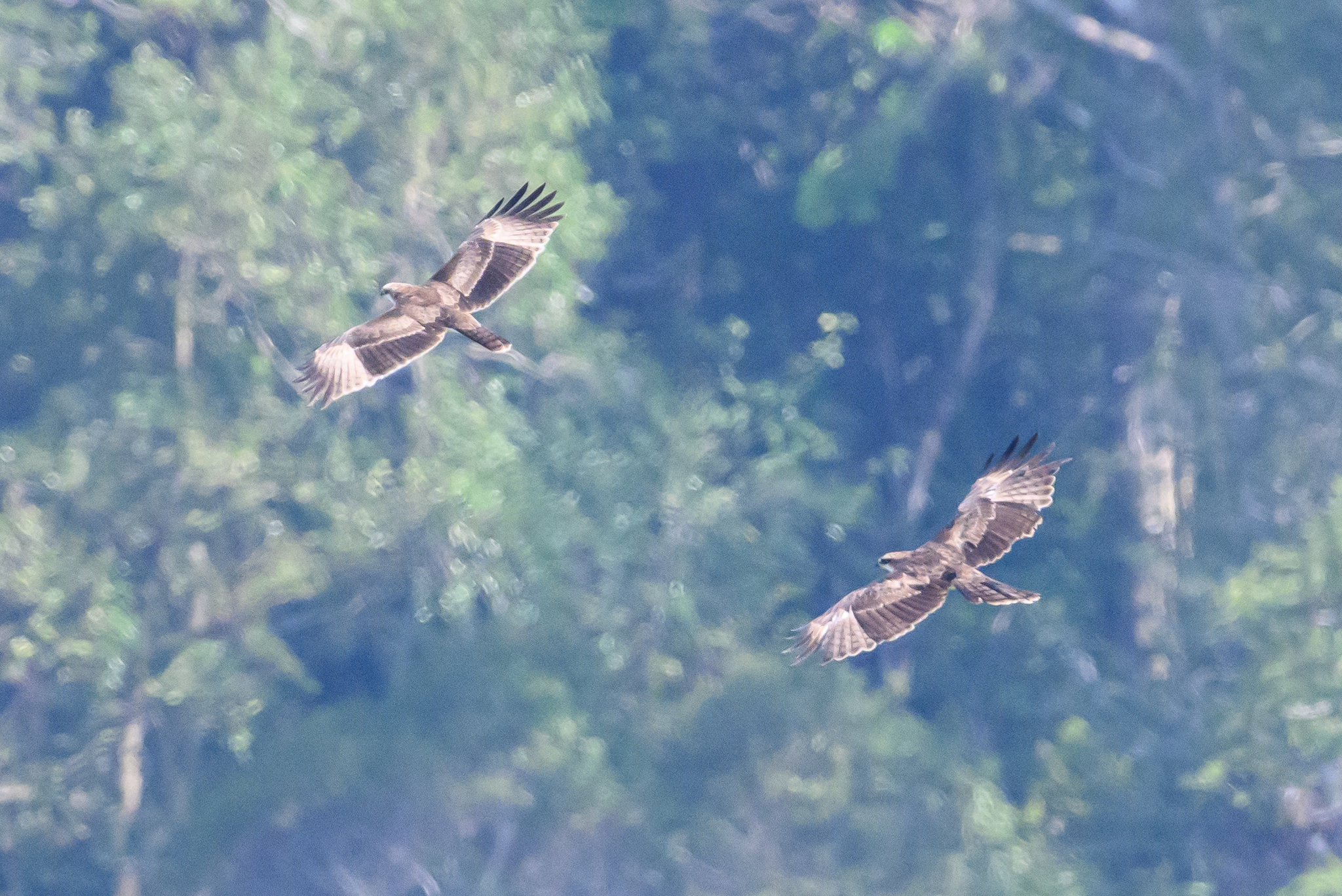
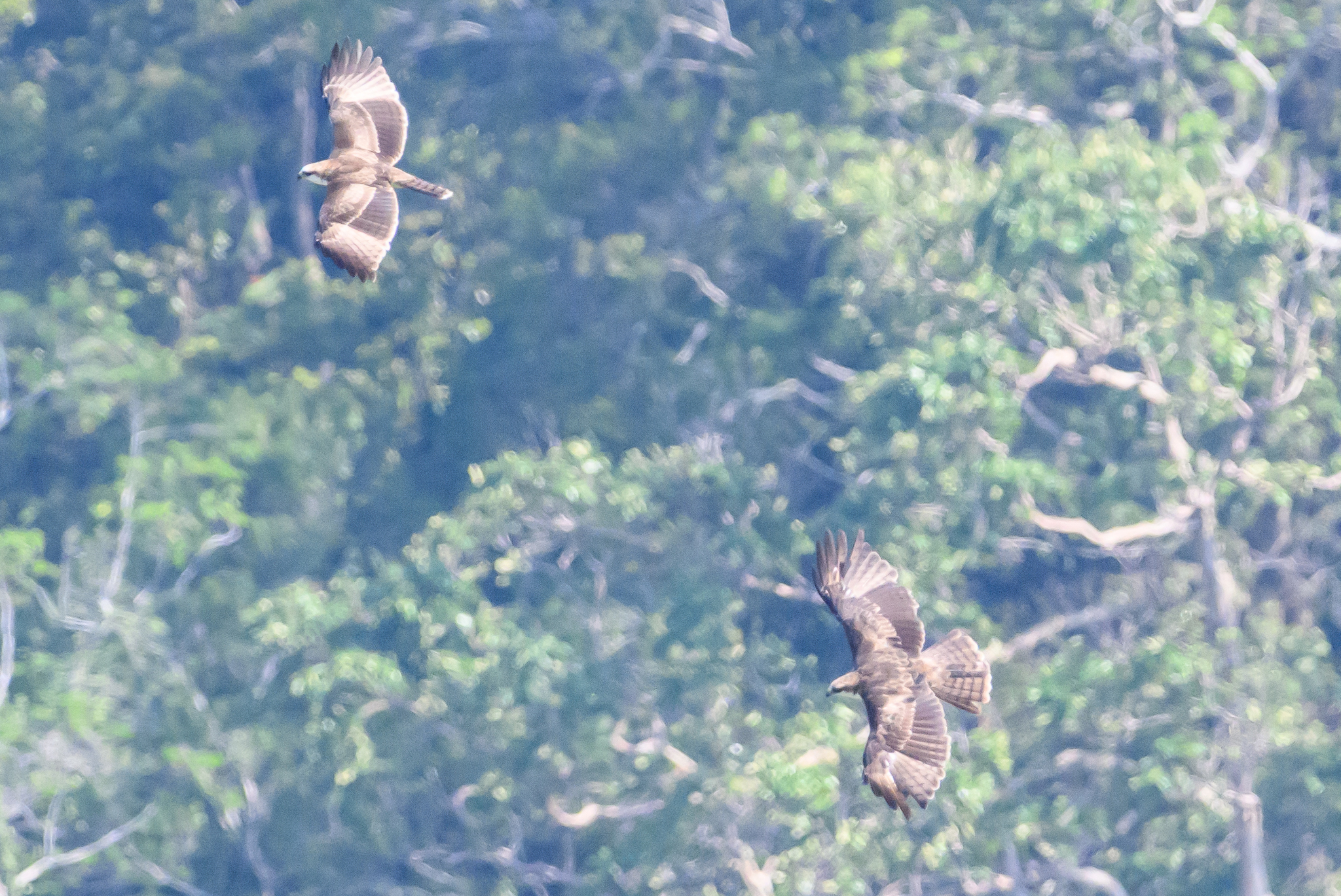
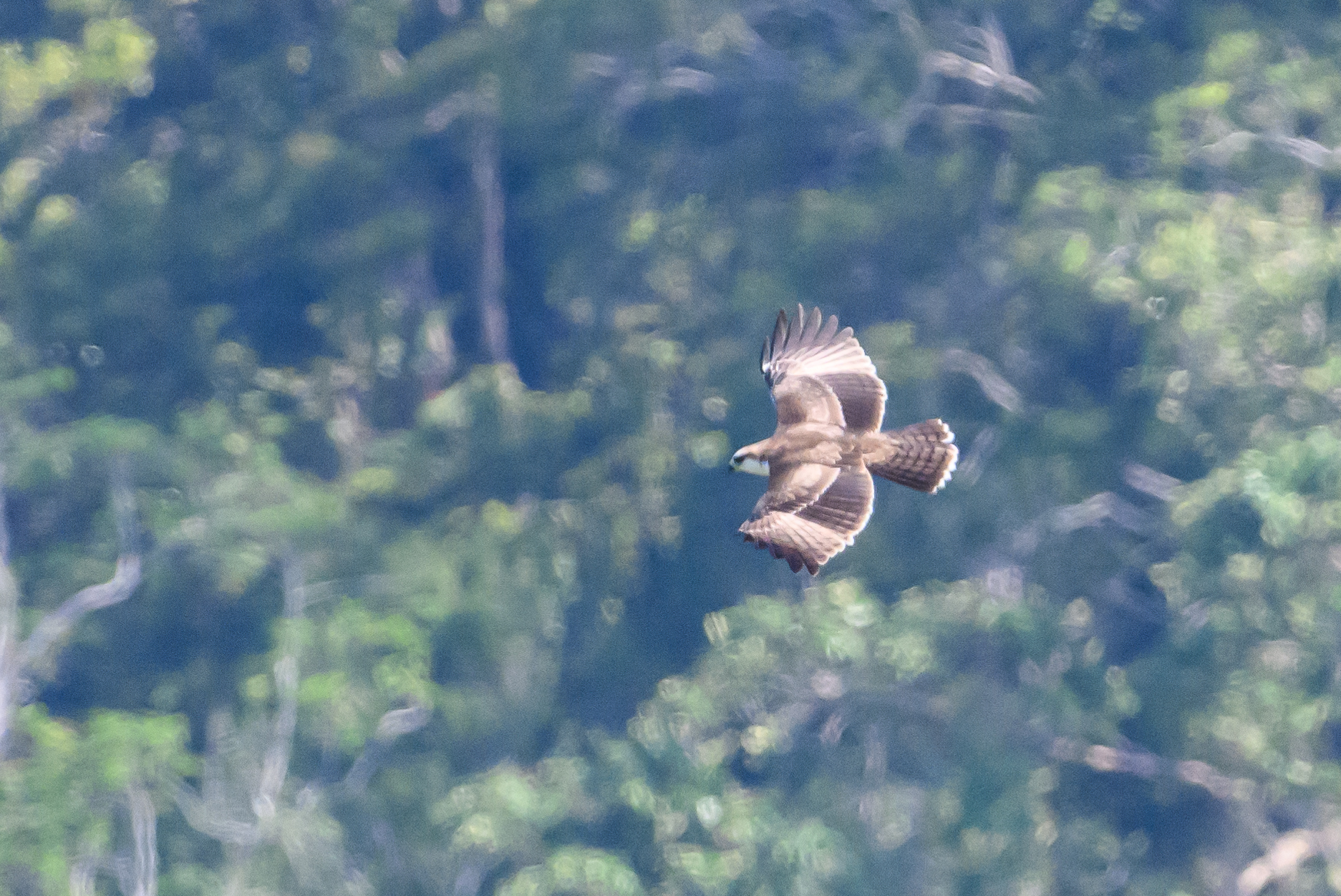
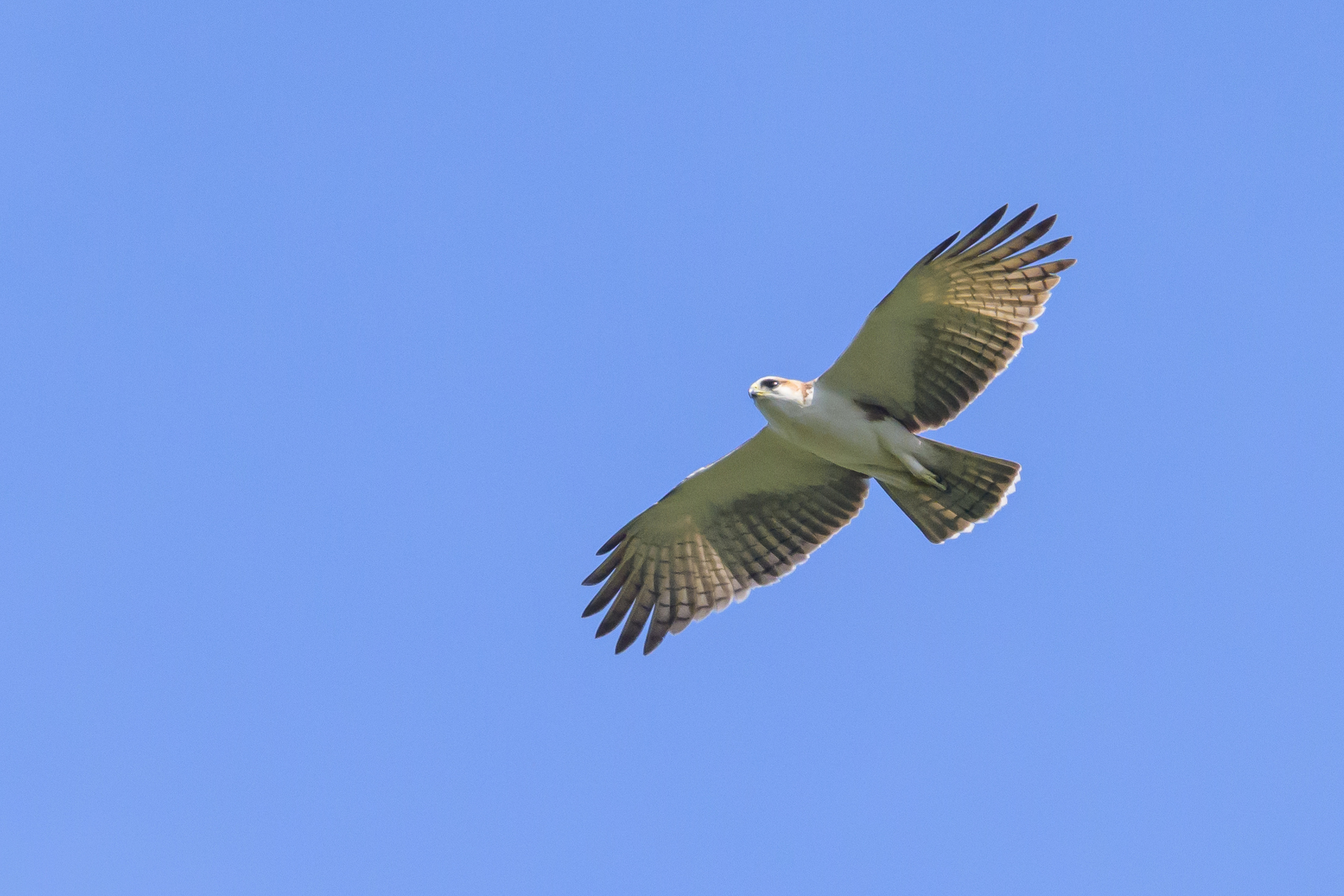
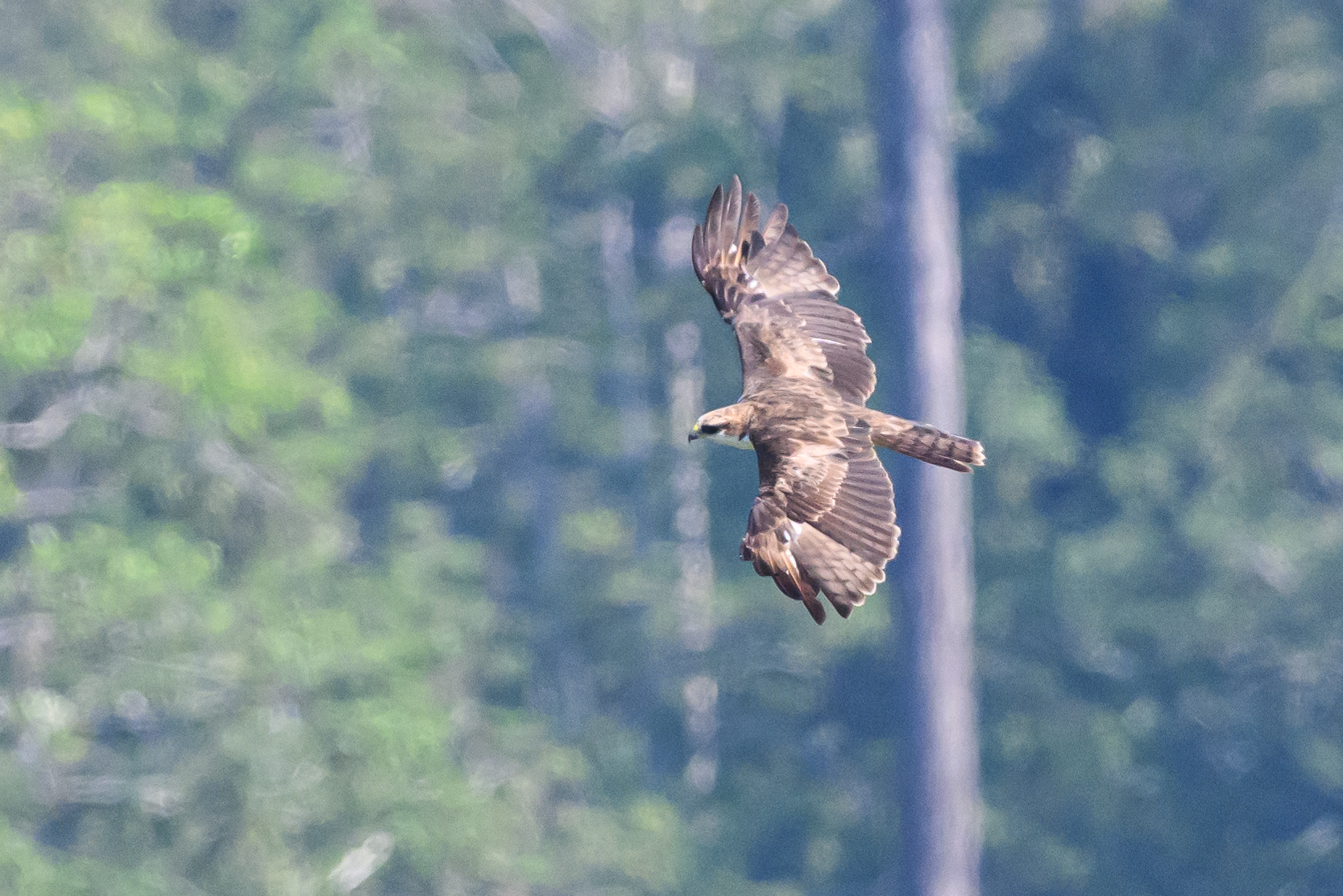
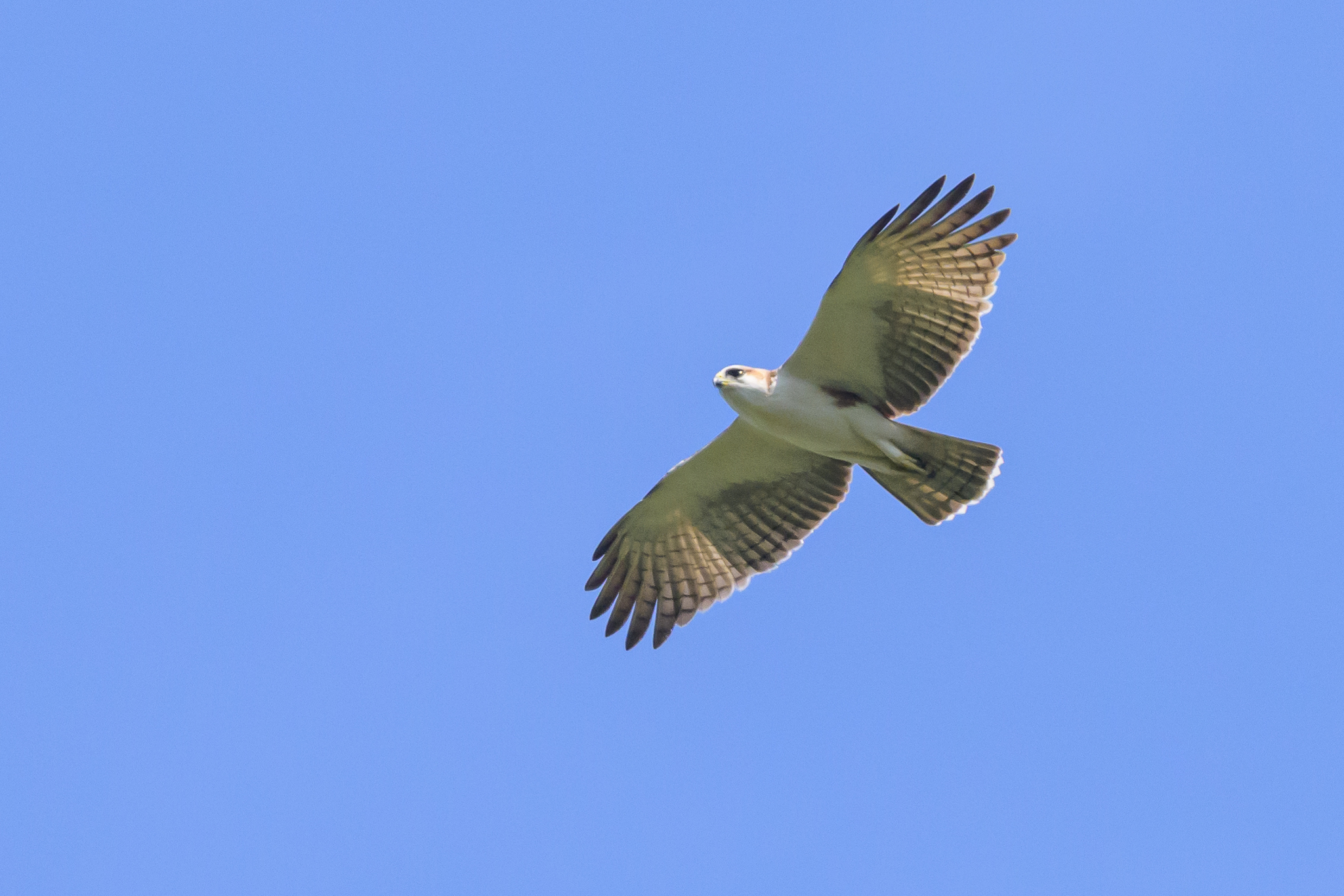
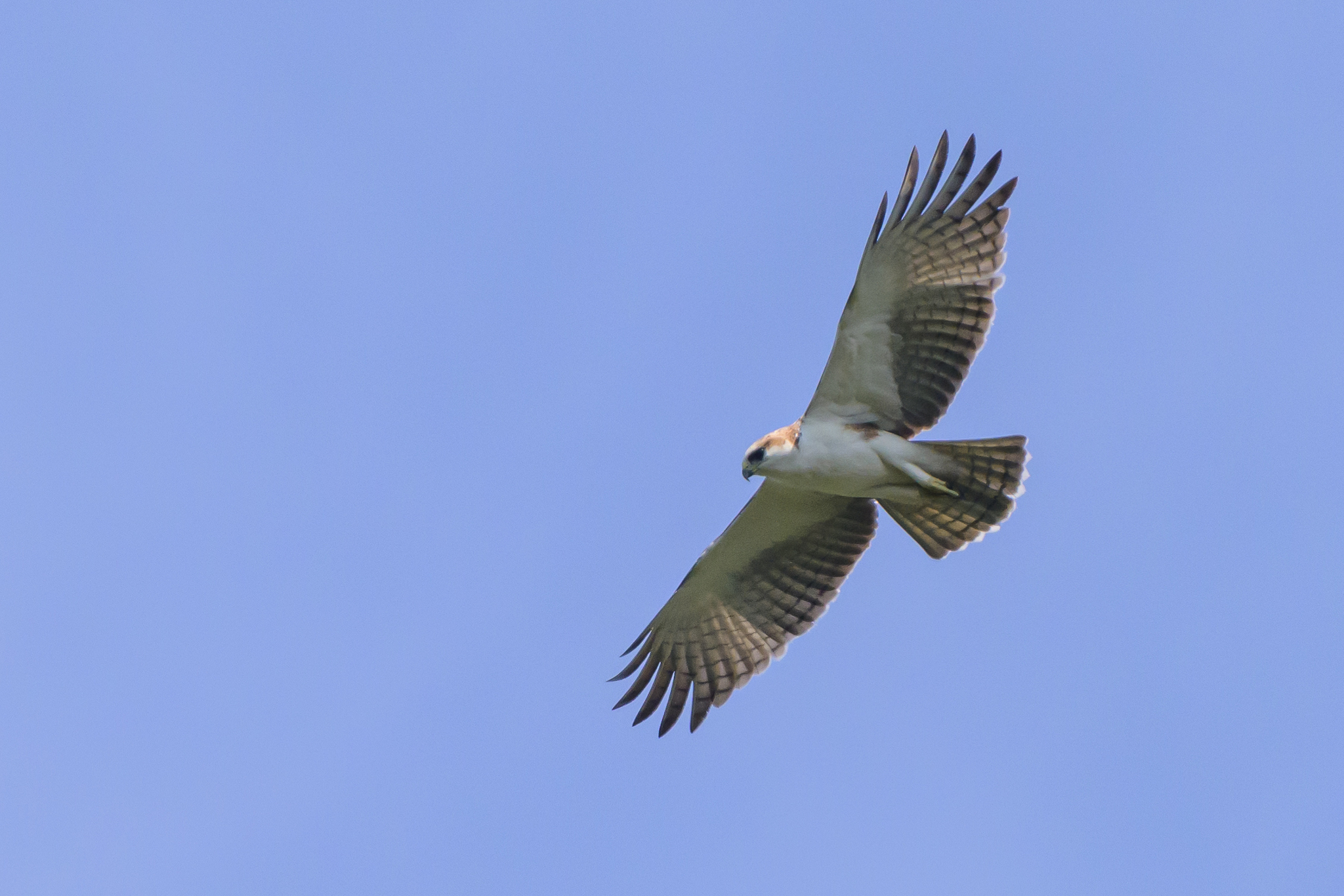
A relatively small eagle with a distinctive falcon-like appearance. Adults have a black hood with a short crest, chestnut underparts and wing coverts contrasting with white throat and breast. The tarsus is fully feathered, and the species perches in an upright stance with wingtips almost reaching the tail tip. Juveniles have predominantly white underparts with dark markings on the body sides, head mask, and underwing coverts. In flight, the underwing lining is dark with black greater coverts, while flight feathers show thin barring with black edges. The tail is dark and barred. Females are slightly larger than males and show more black on the face, though plumage is otherwise similar between sexes.
Identification
The adult's black hood and contrasting chestnut underparts make this species distinctive in its range. Juveniles can appear similar to booted eagles but differ in their dark underwing lining and black greater coverts. The upright perching stance and falcon-like patterning help distinguish it from other forest raptors. The species' relatively small size for an eagle, combined with its high-soaring behavior over forest canopies, aids identification.
Distribution & Habitat
Found across southern and southeastern Asia, from India and Sri Lanka through Burma to Sulawesi. Two subspecies are recognized: the nominate kienerii in India and Sri Lanka (with northern birds being larger), and formosus across Southeast Asia. The species is primarily associated with hill forests, being more common in the Western Ghats than in Himalayan regions where it occurs from Nepal to Assam. It is also found in parts of the Eastern Ghats.
Behavior & Ecology
Typically seen soaring high over forest canopy before diving to capture prey. Diet includes birds such as Sri Lanka wood pigeon, Kalij pheasant, and junglefowl, as well as mammals taken from the air, canopy, or forest floor. Breeding occurs in winter with young fledging in spring when prey species are breeding. Display flights involve stooping and wing-quivering. Vocalizations consist of a series of high-pitched 'fwick, fwick...' notes followed by a thin 'sweek!'. Both parents share incubation, feeding, and nest defense duties. The nest is a large platform of dry sticks and branches, lined with green leaves, containing a single egg.
Culture
No cultural information available in the source article.
Source: Wikipedia · CC BY-SA 3.0
Taxonomy
- Order
- Accipitriformes
- Family
- Accipitridae
- Genus
- Lophotriorchis
- eBird Code
- rubeag2
Subspecies (2)
-
Lophotriorchis kienerii formosus
Myanmar to Indochina, Malay Peninsula, Indonesia, and Philippines
-
Lophotriorchis kienerii kienerii
northeastern India and Nepal; southwestern India (Western Ghats) and Sri Lanka
Data Sources
Species description from Wikipedia, licensed under CC BY-SA 3.0.
Bird images and sounds sourced from GBIF, contributed by citizen scientists worldwide under Creative Commons licenses.
Taxonomy data from AviList 2025.