

Himalayan Monal
Lophophorus impejanus
棕尾虹雉
Introduction
A landfowl in the family Phasianidae. Native to Himalayan forests and shrublands from Afghanistan and Pakistan through Nepal, India, southern Tibet, and Bhutan. Inhabits upper temperate oak-conifer forests interspersed with open grassy slopes, cliffs and alpine meadows between 2,400-4,500 m (7,900-14,800 ft), most common at 2,700-3,700 m (8,900-12,100 ft), descending to 2,000 m (6,600 ft) in winter. Tolerates snow and digs through it to obtain plant roots and invertebrate prey. Listed as Least Concern on the IUCN Red List.
Description
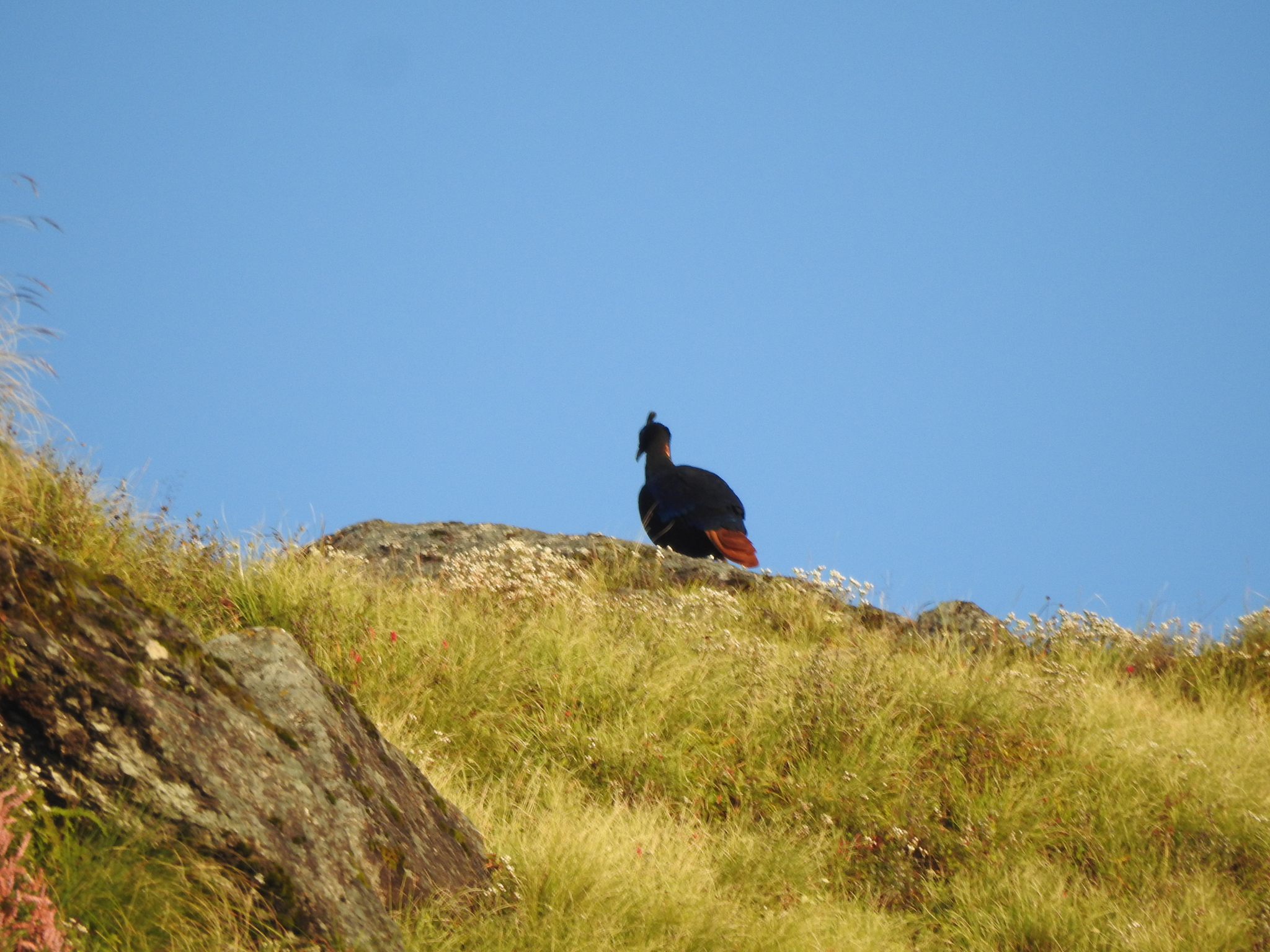
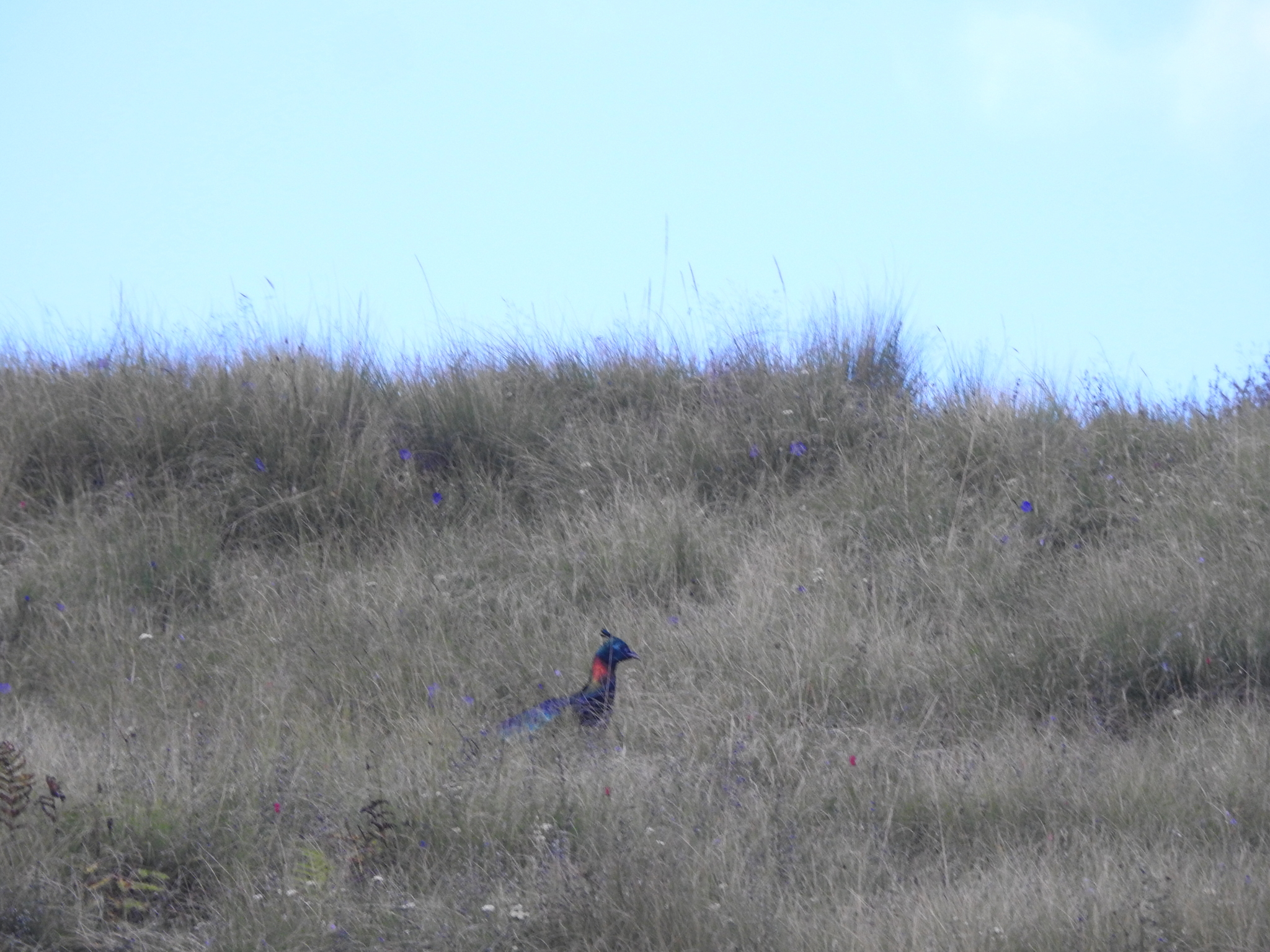
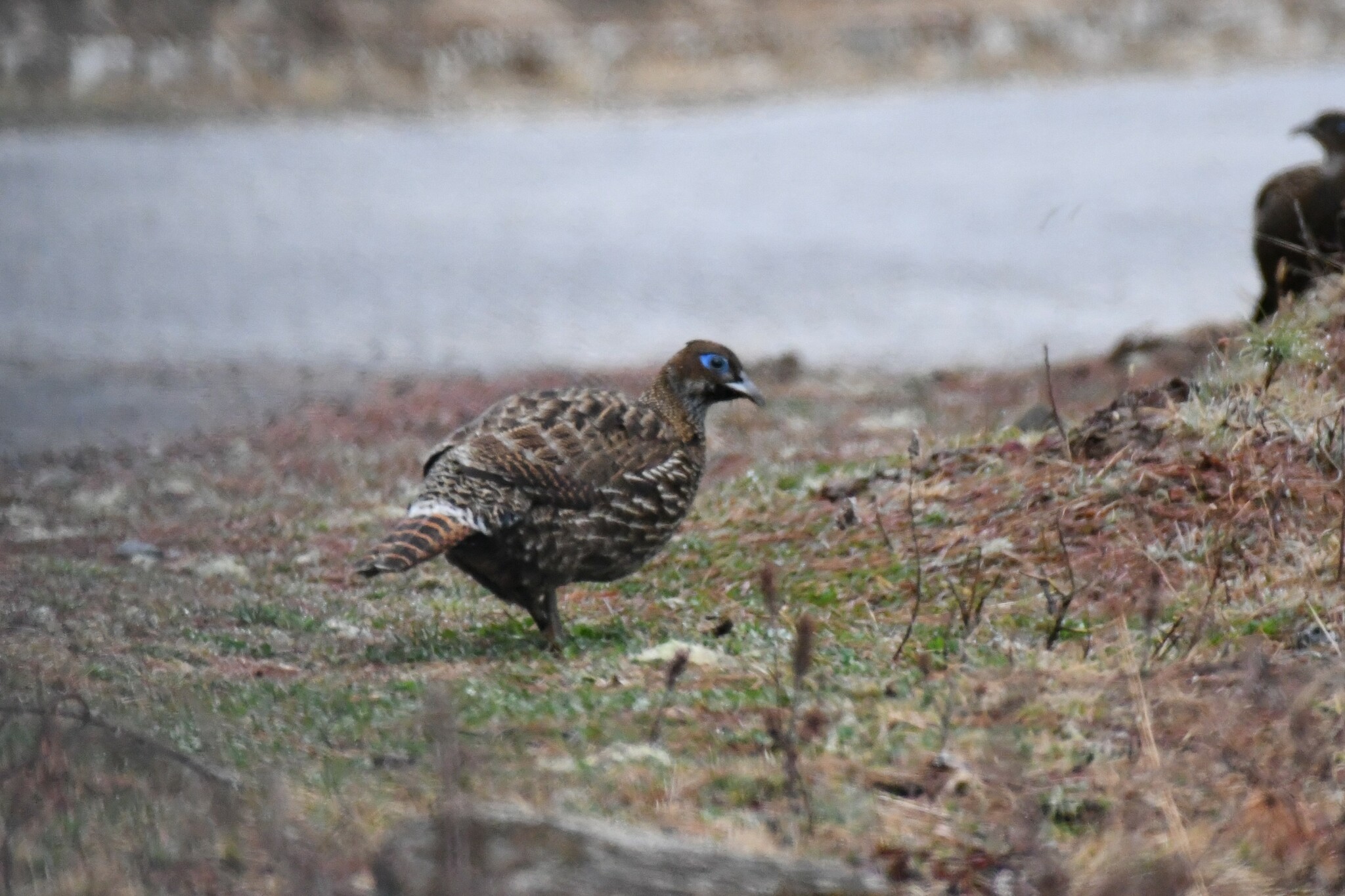
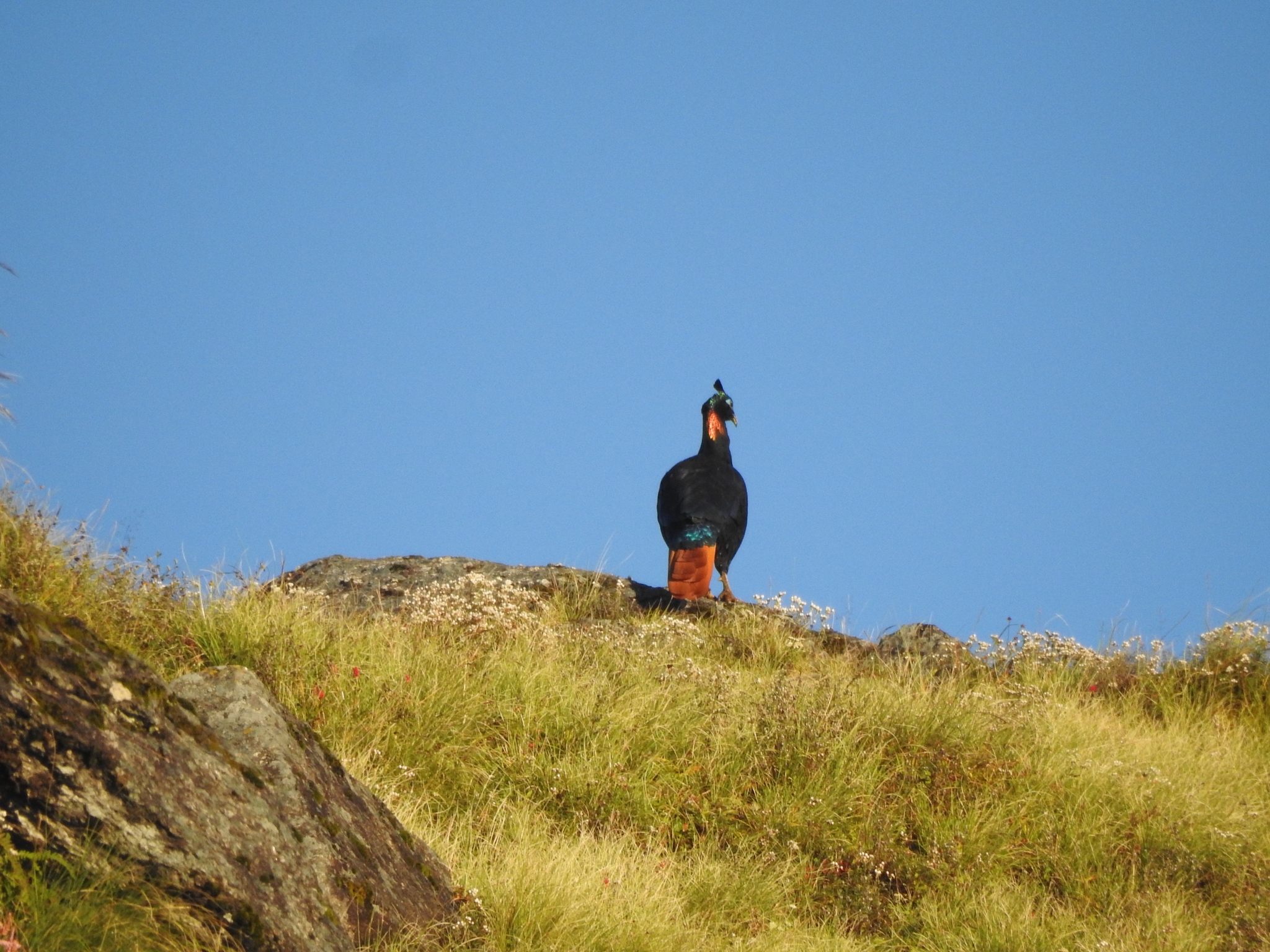
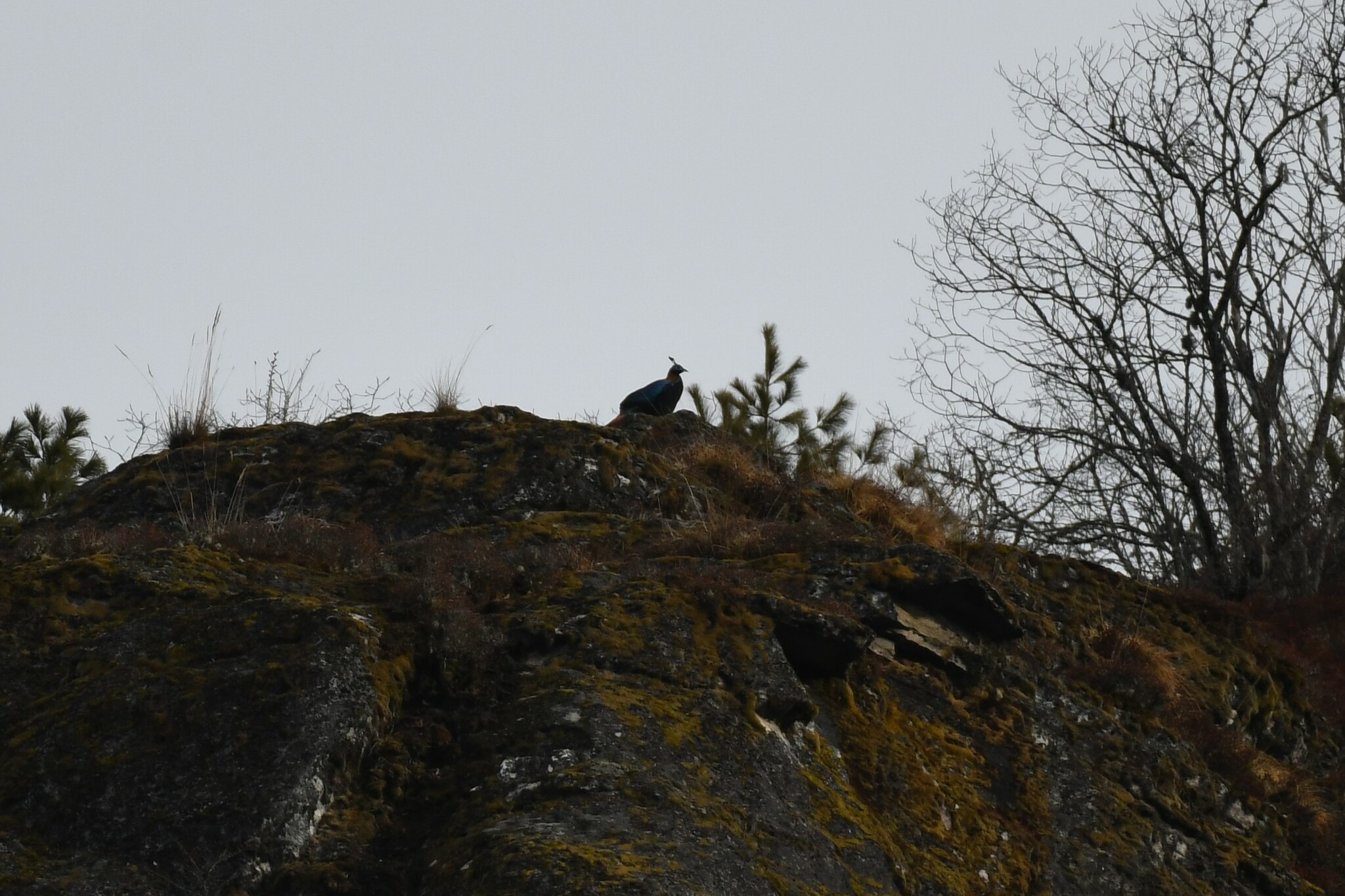
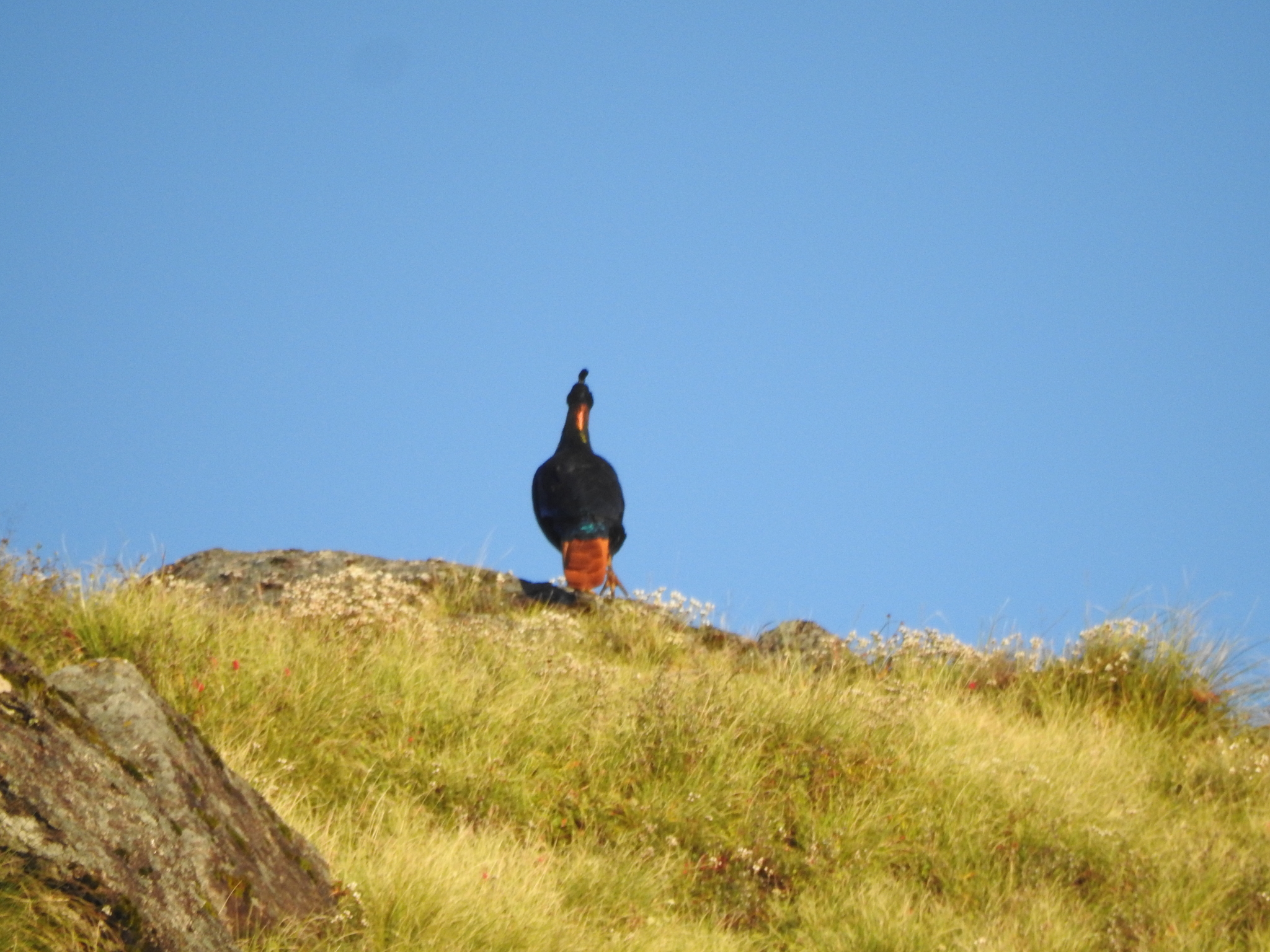
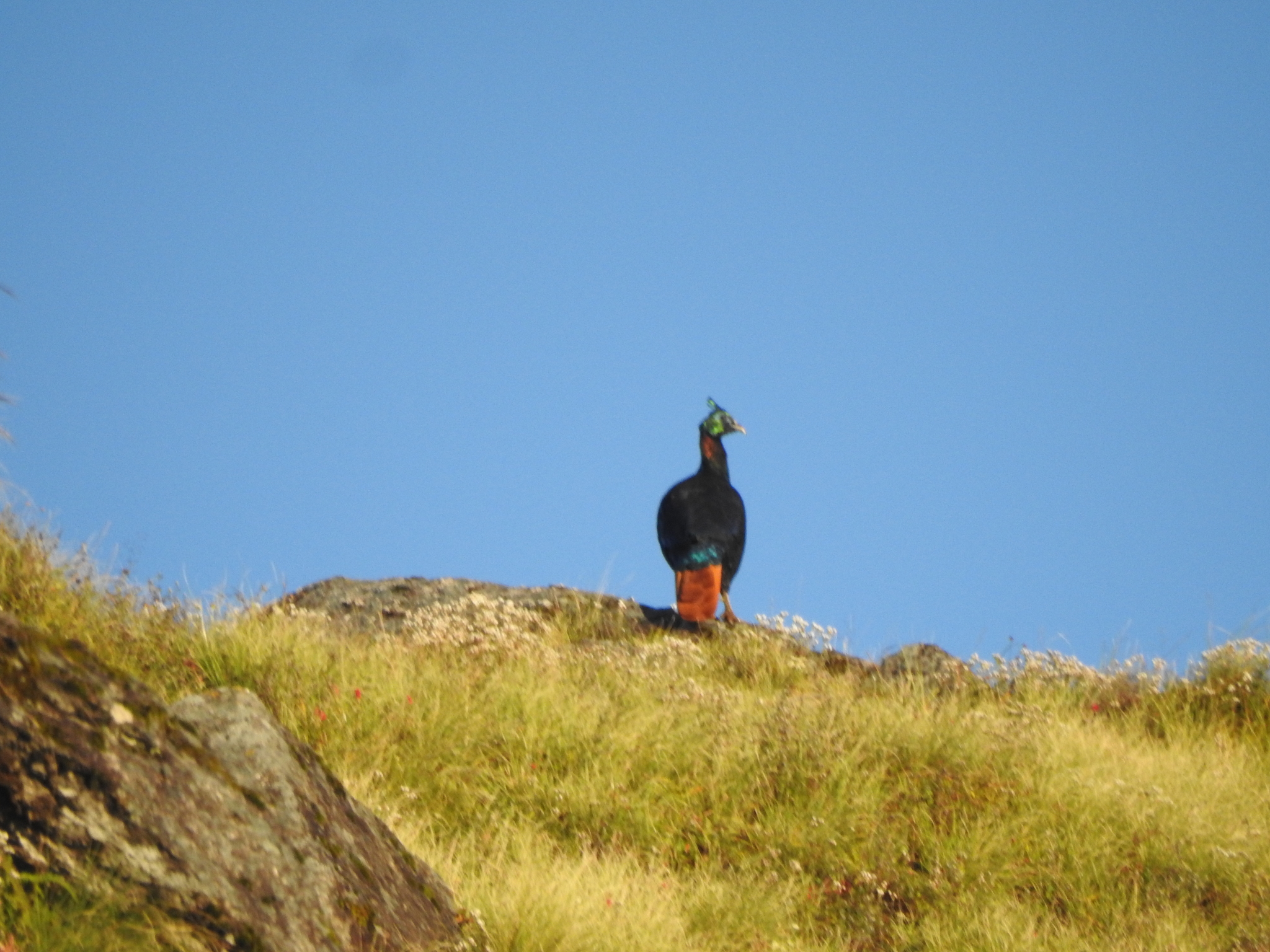
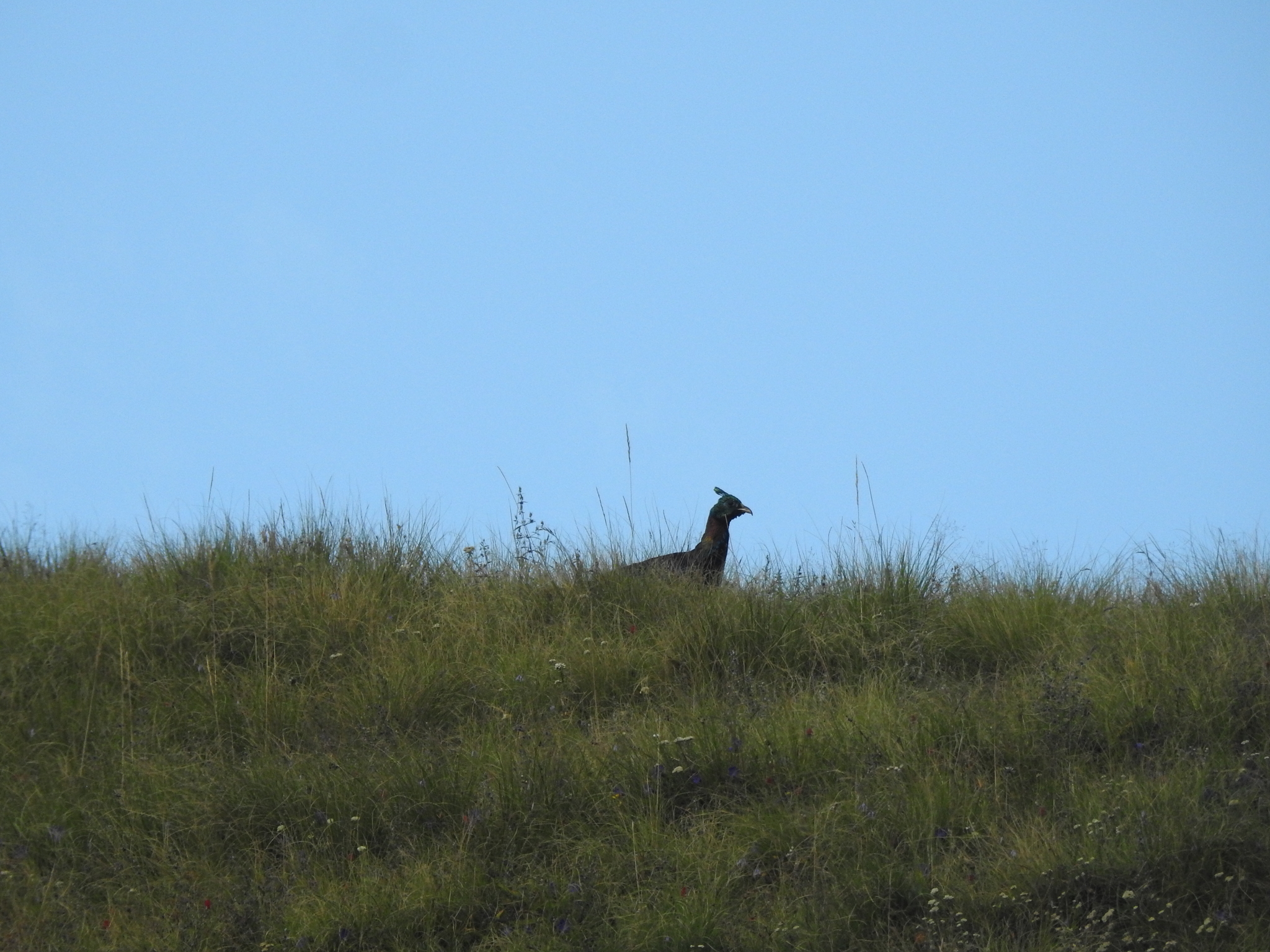
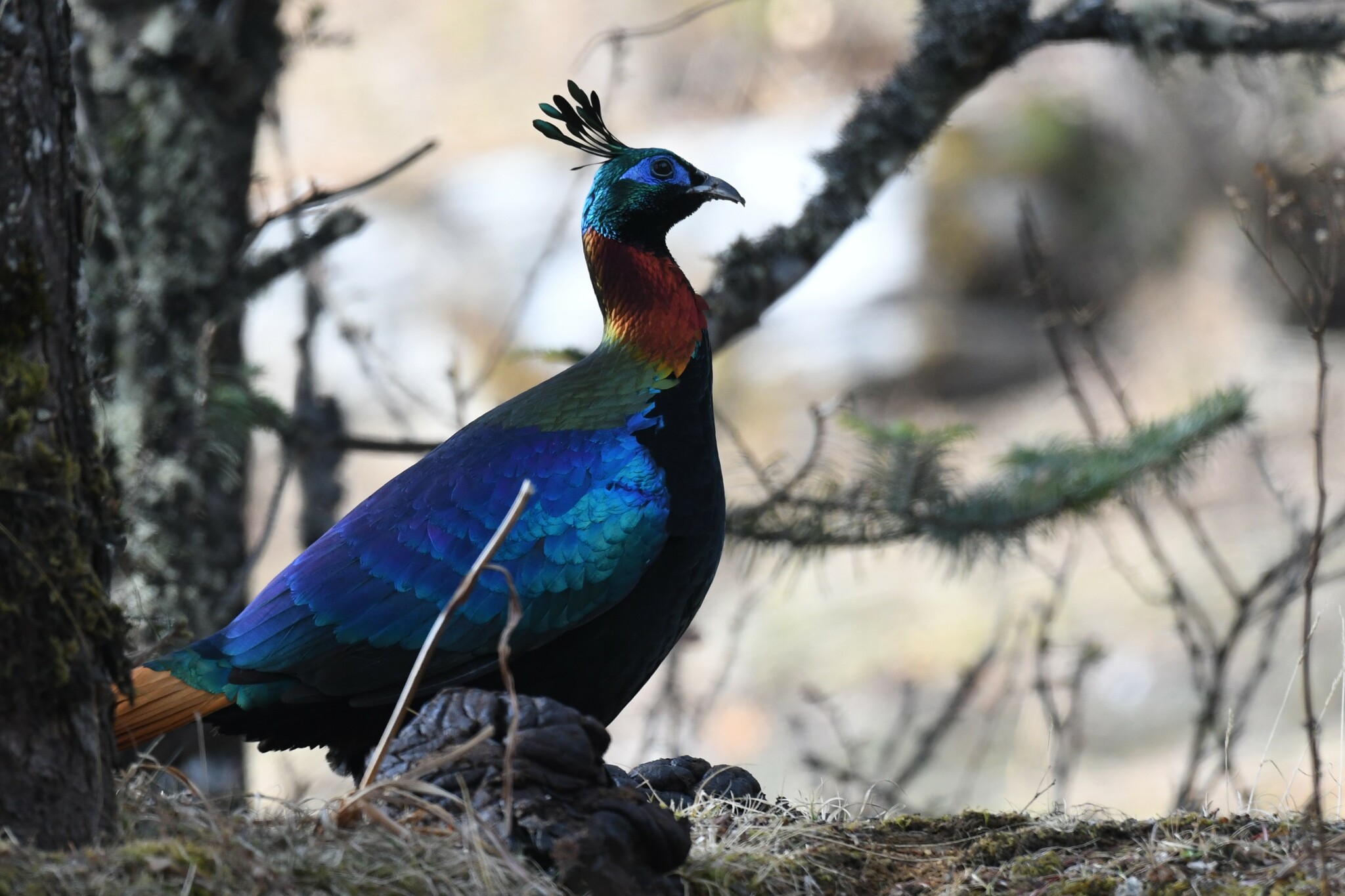
Relatively large landfowl, 24-30 in (61-76 cm) long and weighing 3-5 pounds (1.4-2.3 kg). Adult male has multicolored plumage throughout, with a long metallic green crest, coppery feathers on the back and neck, and a prominent white rump most visible in flight. Tail feathers are uniformly rufous, darkening towards the tips. Female has more subdued coloring with a white patch on the throat, white stripe on the tail, and white lower tail coverts barred with black and red. First-year male resembles female but is larger; juvenile is similar to female but less distinctly marked.
Distribution & Habitat
Native range extends from Afghanistan and Pakistan through the Himalayas in Nepal, India, southern Tibet, and Bhutan. In Pakistan, most common in Khyber Pakhtunkhwa province with records from Kaghan, Palas Valley and Azad Kashmir. In India, recorded throughout the Indian Himalayan Region from Jammu and Kashmir to Arunachal Pradesh. Inhabits oak-conifer forests with grassy slopes, cliffs and alpine meadows between 2,400-4,500 m elevation. Descends to 2,000 m in winter.
Behavior & Ecology
Diet consists primarily of tubers, nuts, tender leaves, shoots, insects and other invertebrates. Digs in snow for shoots and invertebrates. Plant matter makes up a large part of the diet, though invertebrate matter is present in lower percentages.
Conservation
IUCN Red List status: Least Concern. In Pakistan, not considered endangered and populations can be easily located, with densities reaching up to five pairs per square mile in some areas. Main threats include poaching for the valuable crest feathers, which are thought to bring status to the wearer and symbolize authority. In the western Himalayas, populations respond negatively to human disturbance from hydroelectric power development.
Culture
National bird of Nepal, where it is known as danphe or danfe. State bird of Uttarakhand, India, where it is known as a monal. The scientific name Lophophorus impejanus commemorates Lady Mary Impey, wife of Sir Elijah Impey, British chief justice of Bengal.
Source: Wikipedia · CC BY-SA 3.0
Taxonomy
- Order
- Galliformes
- Family
- Phasianidae
- Genus
- Lophophorus
- eBird Code
- himmon1
Distribution
Himalayas of Afghanistan to southern Tibet, southwestern China, and northeastern Myanmar
Data Sources
Species description from Wikipedia, licensed under CC BY-SA 3.0.
Bird images and sounds sourced from GBIF, contributed by citizen scientists worldwide under Creative Commons licenses.
Taxonomy data from AviList 2025.