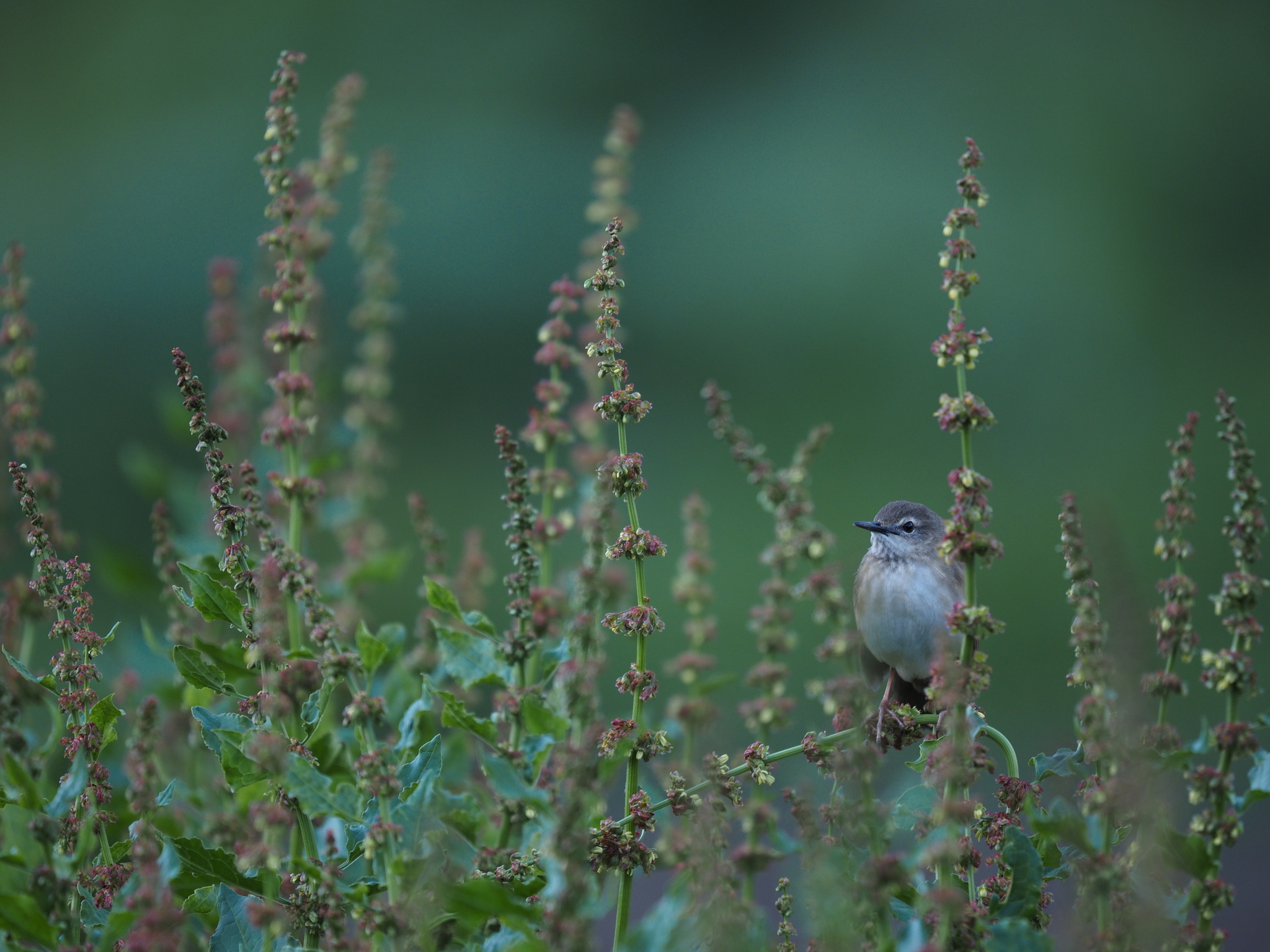
Long-billed Bush Warbler
Locustella major
巨嘴短翅蝗莺
Introduction
Small Old World warbler in the family Locustellidae. Inhabits areas of long grass and thickets with dense understory. Known for its remote, inaccessible habitat and secretive, skulking behavior. Occurs in two disjunct populations across China, India, Pakistan, and Tajikistan. Classified as Near Threatened by the IUCN Red List due to severe population declines.
Description
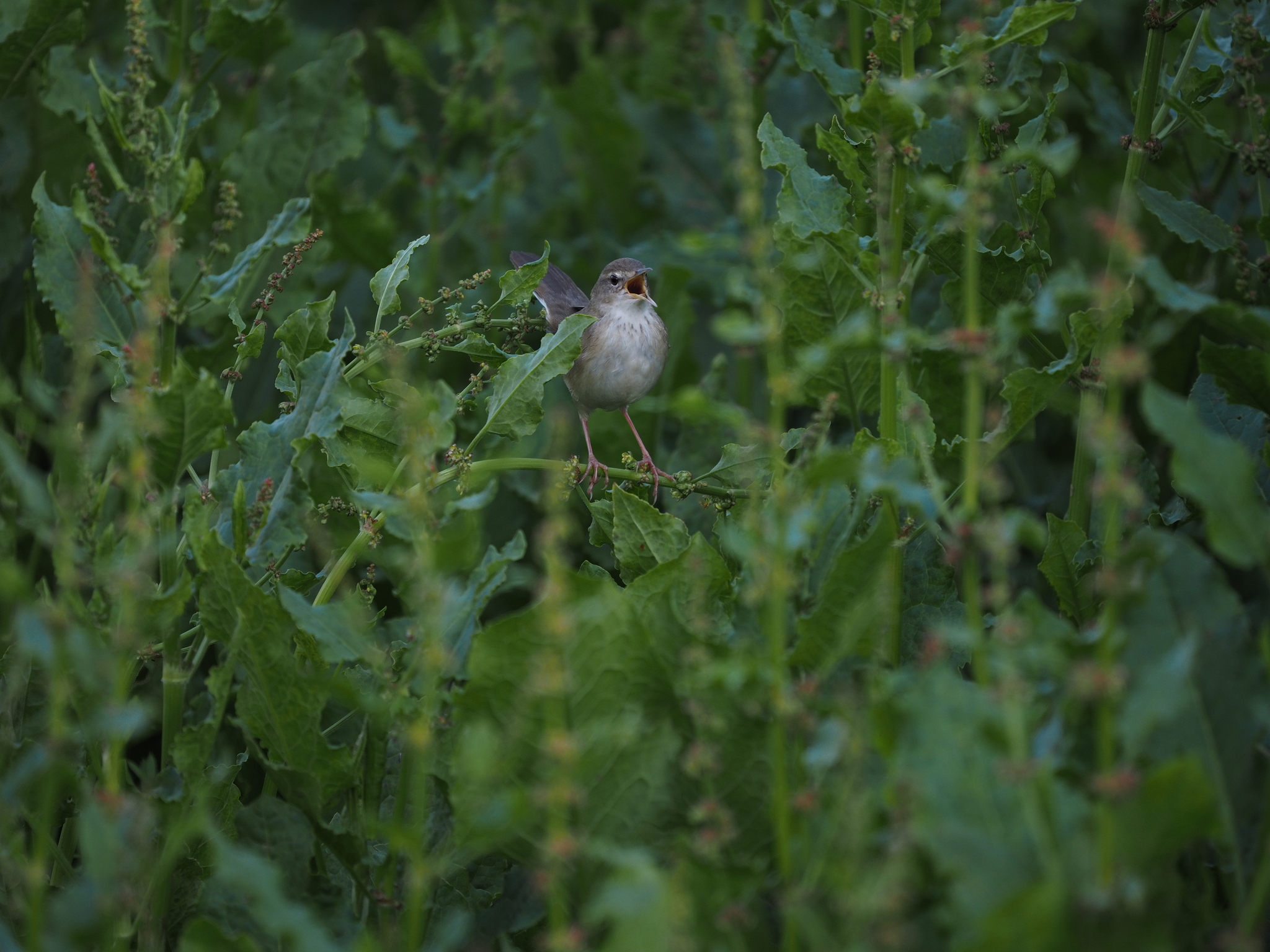
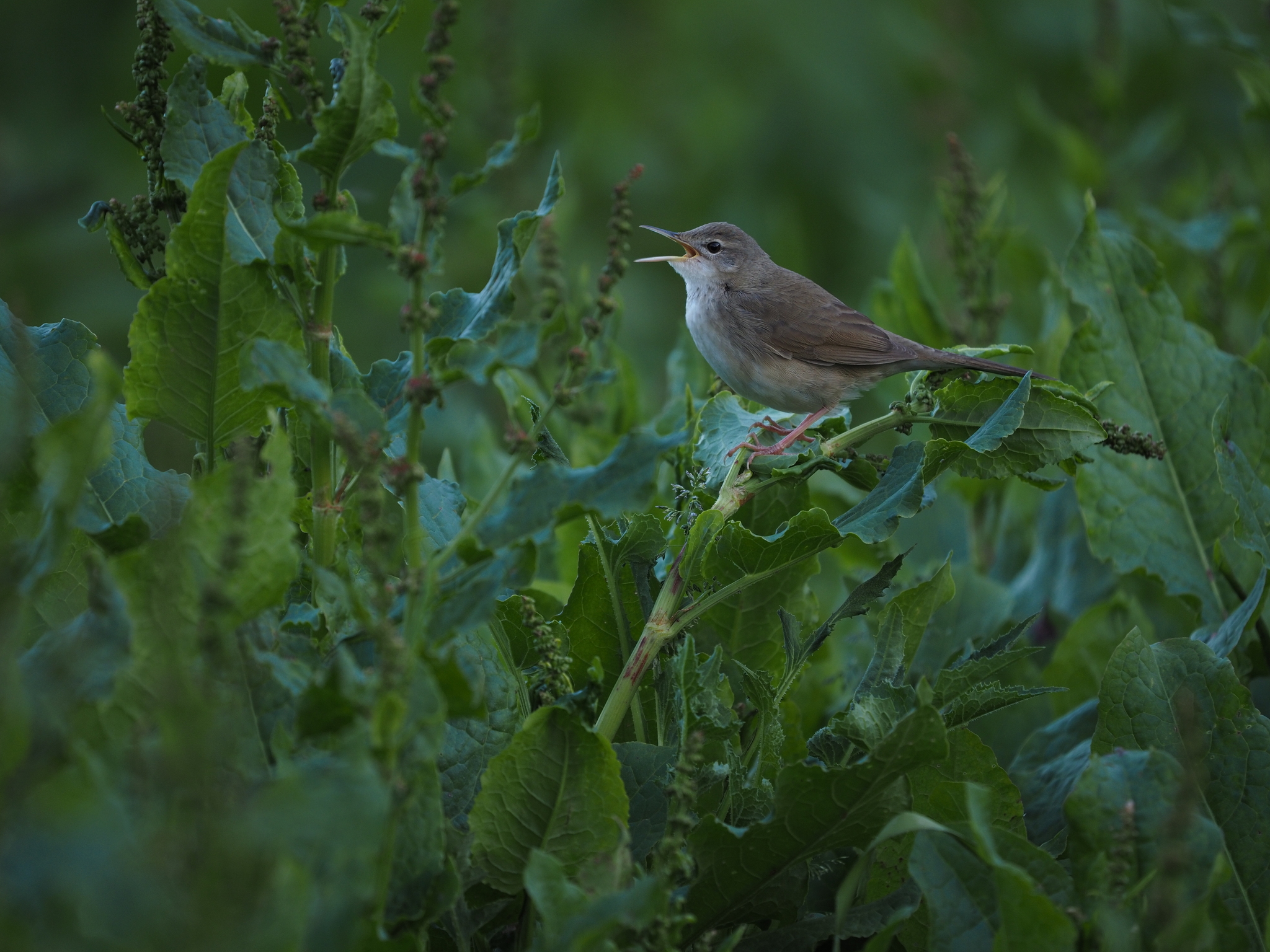
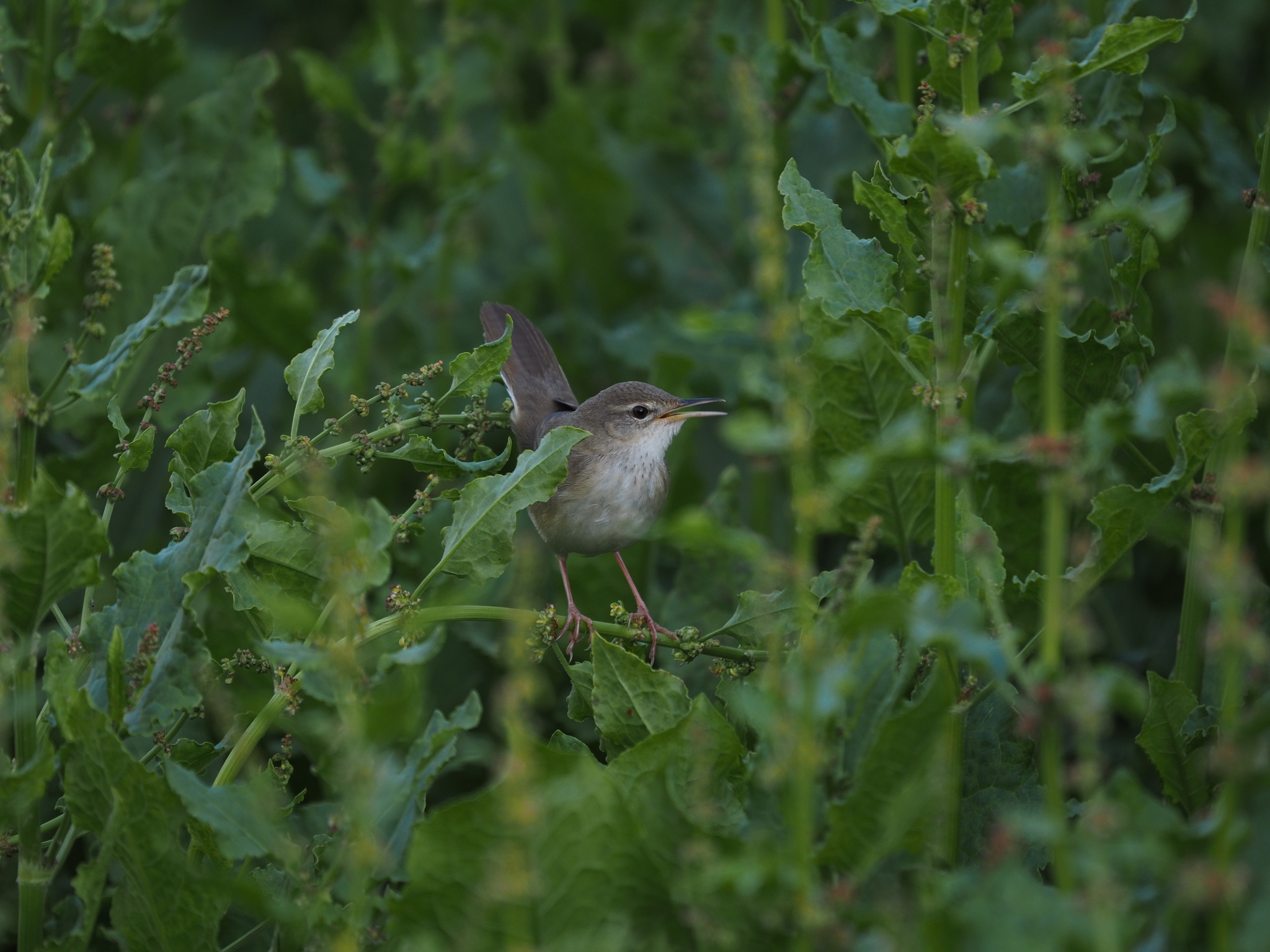
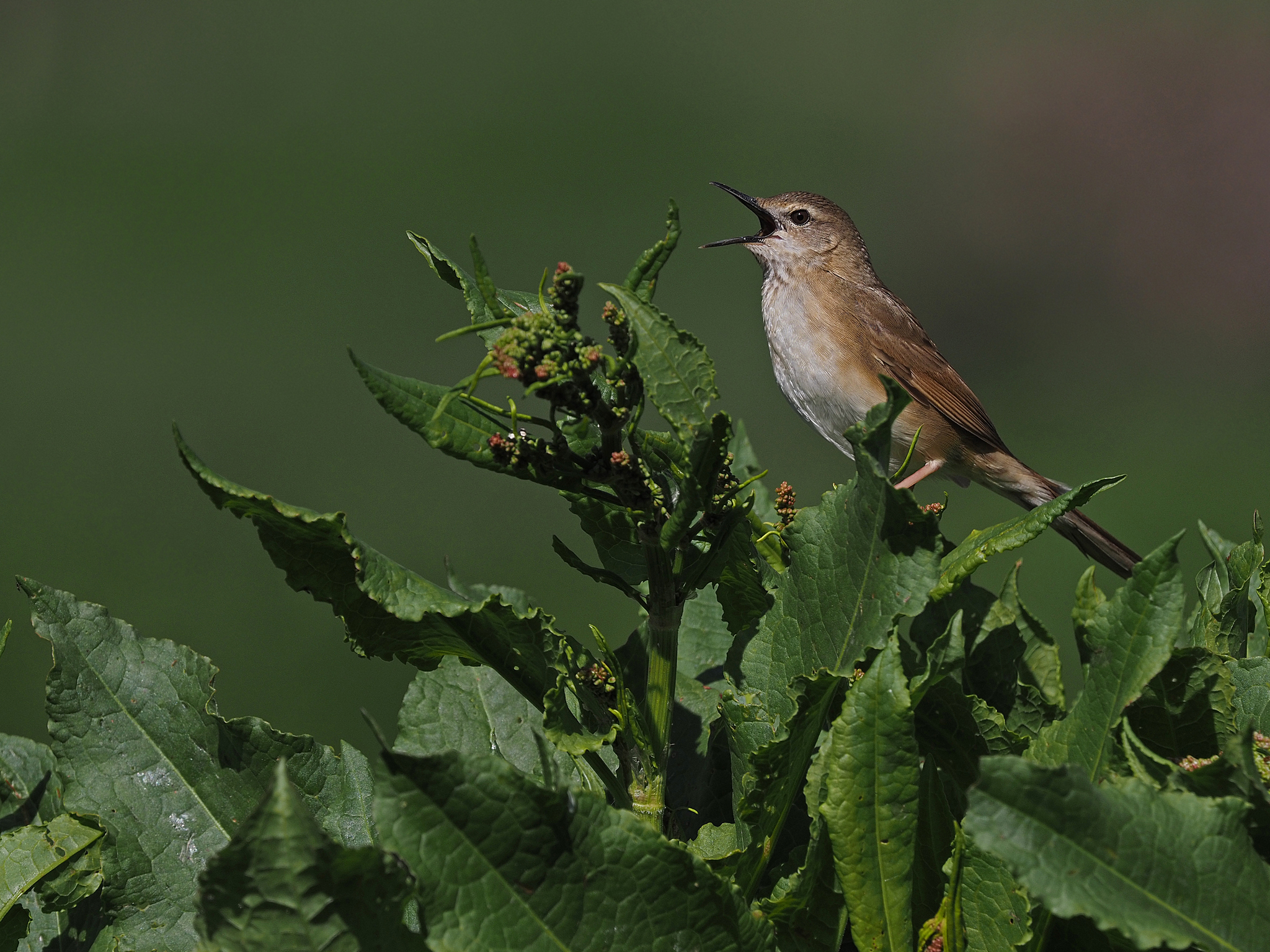
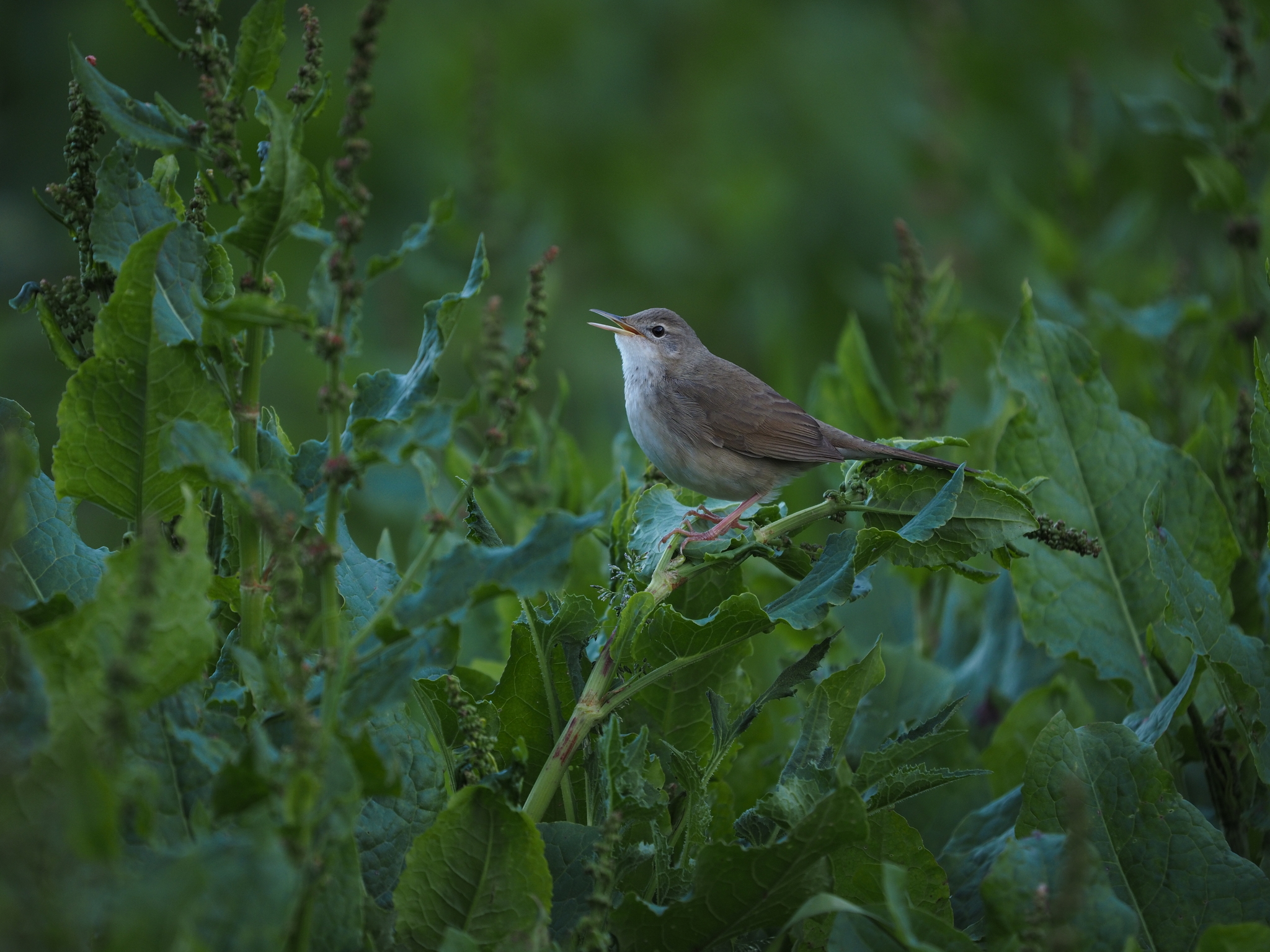
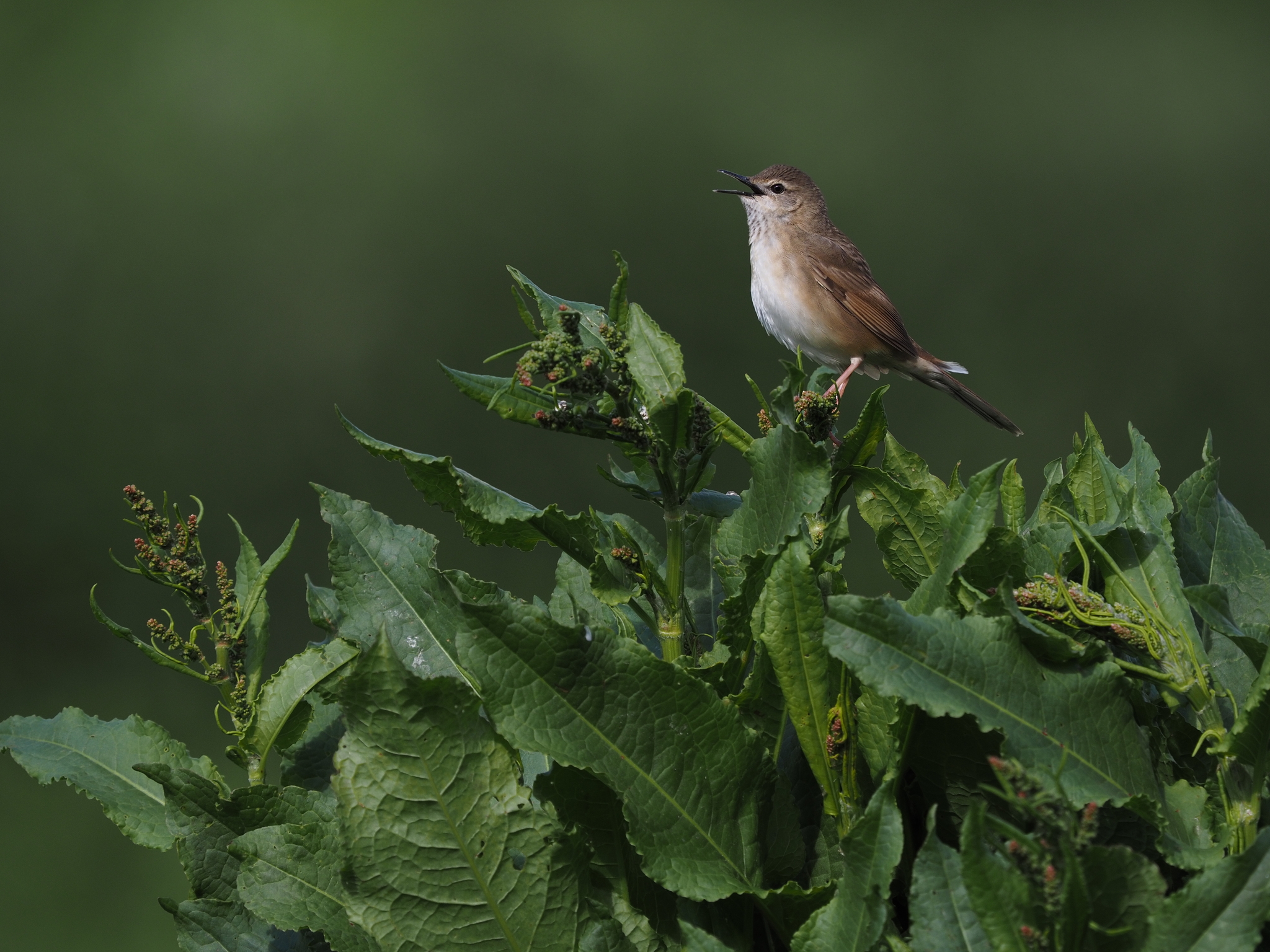
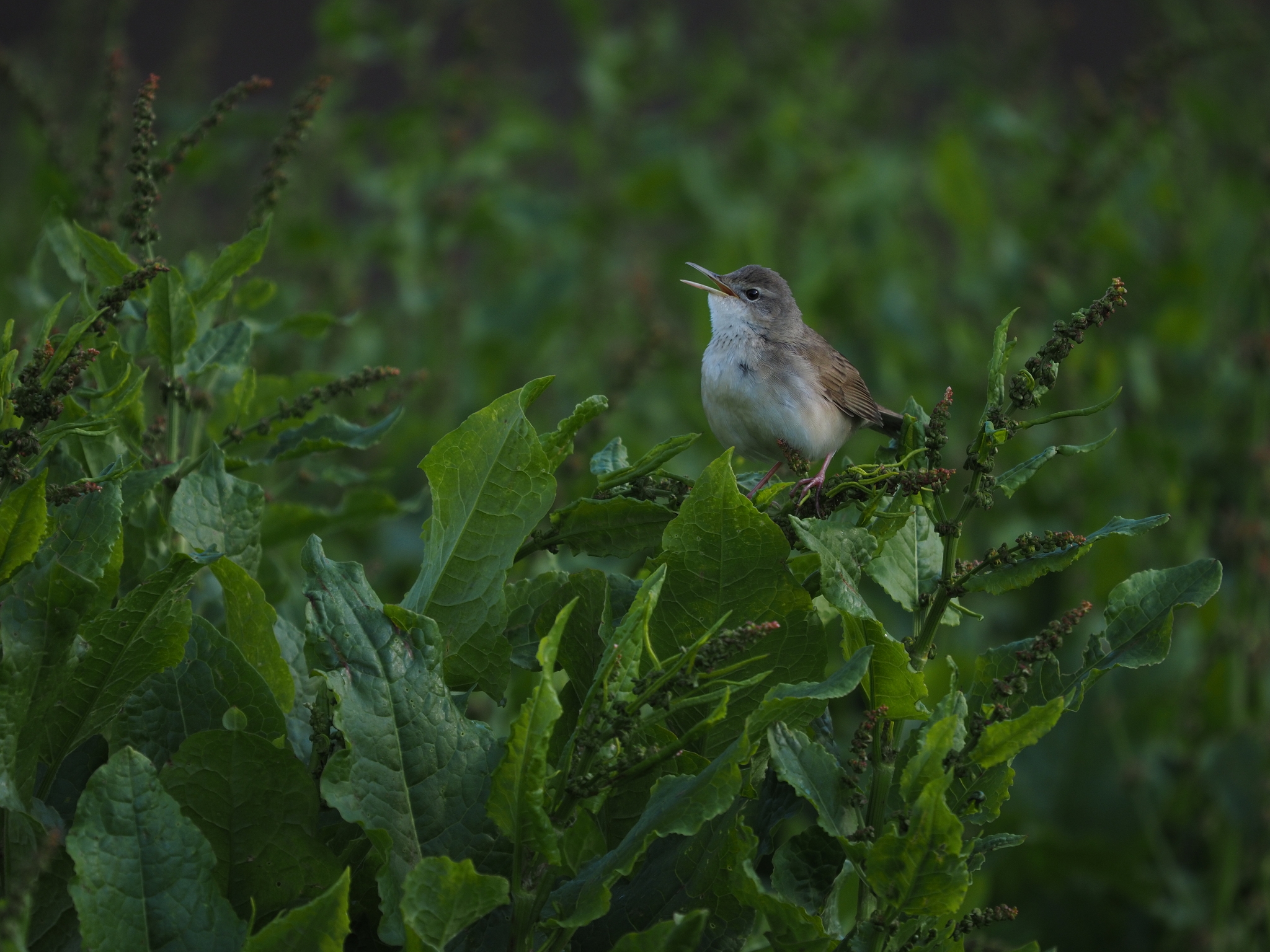
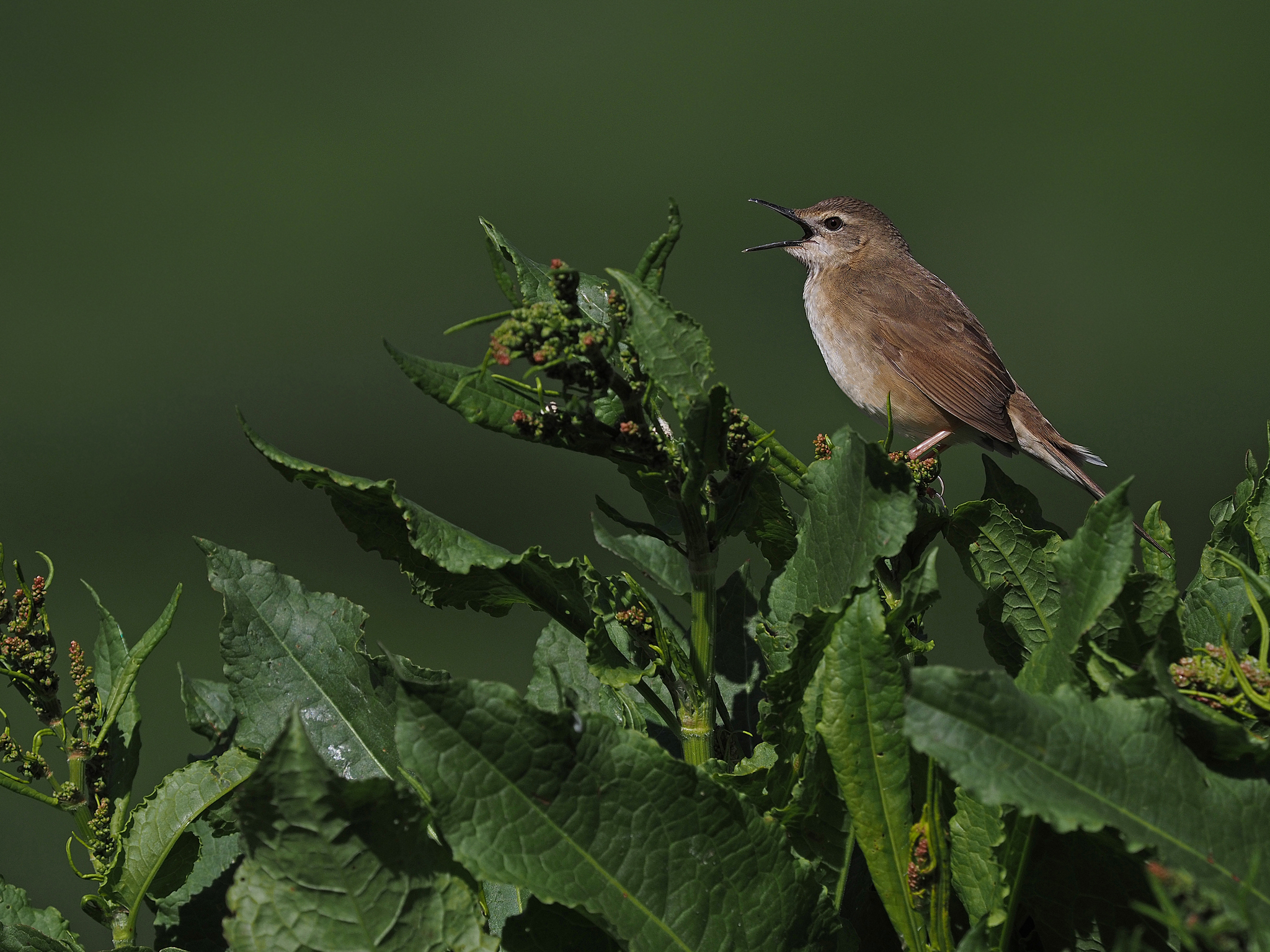
Small brown bird with pink legs, relatively long black bill, and brown eyes. Upperparts and wings are brown, while the breast, throat, and supercilium are pale. Plumage is overall muted and cryptic, adapted for life in dense vegetation.
Identification
Distinguished from similar species by its notably long black bill. Larger than the Baikal bush warbler (Locustella affinis). The repetitive clicking song, less buzzy than that of grasshoppers, can help distinguish it from other bush warblers in its range.
Distribution & Habitat
Two disjunct populations: subspecies L. m. major occurs in Tajikistan, Pakistan, Ladakh, and Kashmir; subspecies L. m. innae is restricted to the Kunlun Mountains in central Xinjiang, China. Unconfirmed reports exist from Uzbekistan. Inhabits long grass and thickets with dense understory at various elevations.
Behavior & Ecology
Secretive and skulking, rarely seen in the open. Song consists of repetitive clicking notes similar to grasshopper calls but less buzzy. Specific details on diet, breeding behavior, and social structure are poorly documented due to the species' elusive nature and remote habitat.
Conservation
IUCN Red List status: Near Threatened. Once common or even abundant, the species has undergone severe declines with multiple year gaps between sightings since the mid-20th century. The subspecies L. m. innae has not been recorded since 1874; a 2003 survey failed to locate any individuals. Primary threats include habitat loss, changing agricultural practices, and overgrazing—particularly in Kashmir, where overgrazing has nearly eliminated suitable habitat of long grass and thickets.
Culture
No significant cultural or folklore references identified in available sources.
Source: Wikipedia · CC BY-SA 3.0
Taxonomy
- Order
- Passeriformes
- Family
- Locustellidae
- Genus
- Locustella
- eBird Code
- lbbwar1
Subspecies (2)
-
Locustella major innae
far western China (Kunlun Shan Mountains)
-
Locustella major major
mountains of Uzbekistan and Xinjiang to western Himalayas (Kashmir)
Data Sources
CBR Notes: 中文名由巨嘴短翅莺改为巨嘴短翅蝗莺
Species description from Wikipedia, licensed under CC BY-SA 3.0.
Bird images and sounds sourced from GBIF, contributed by citizen scientists worldwide under Creative Commons licenses.
Taxonomy data from AviList 2025.