Savi's Warbler
Locustella luscinioides
鸲蝗莺
Introduction
An Old World warbler in the genus Locustella. It breeds across Europe and the western Palearctic, migrating to winter in northern and sub-Saharan Africa. Inhabits reed beds, marshes, and lagoons with dense vegetation, typically with scattered bushes or sallows. This species is notable for its monotonous mechanical insect-like reeling song and its unobtrusive behavior within dense reed habitat. Both males and females sing. The IUCN assesses it as Least Concern due to its large population and extensive range.
Description
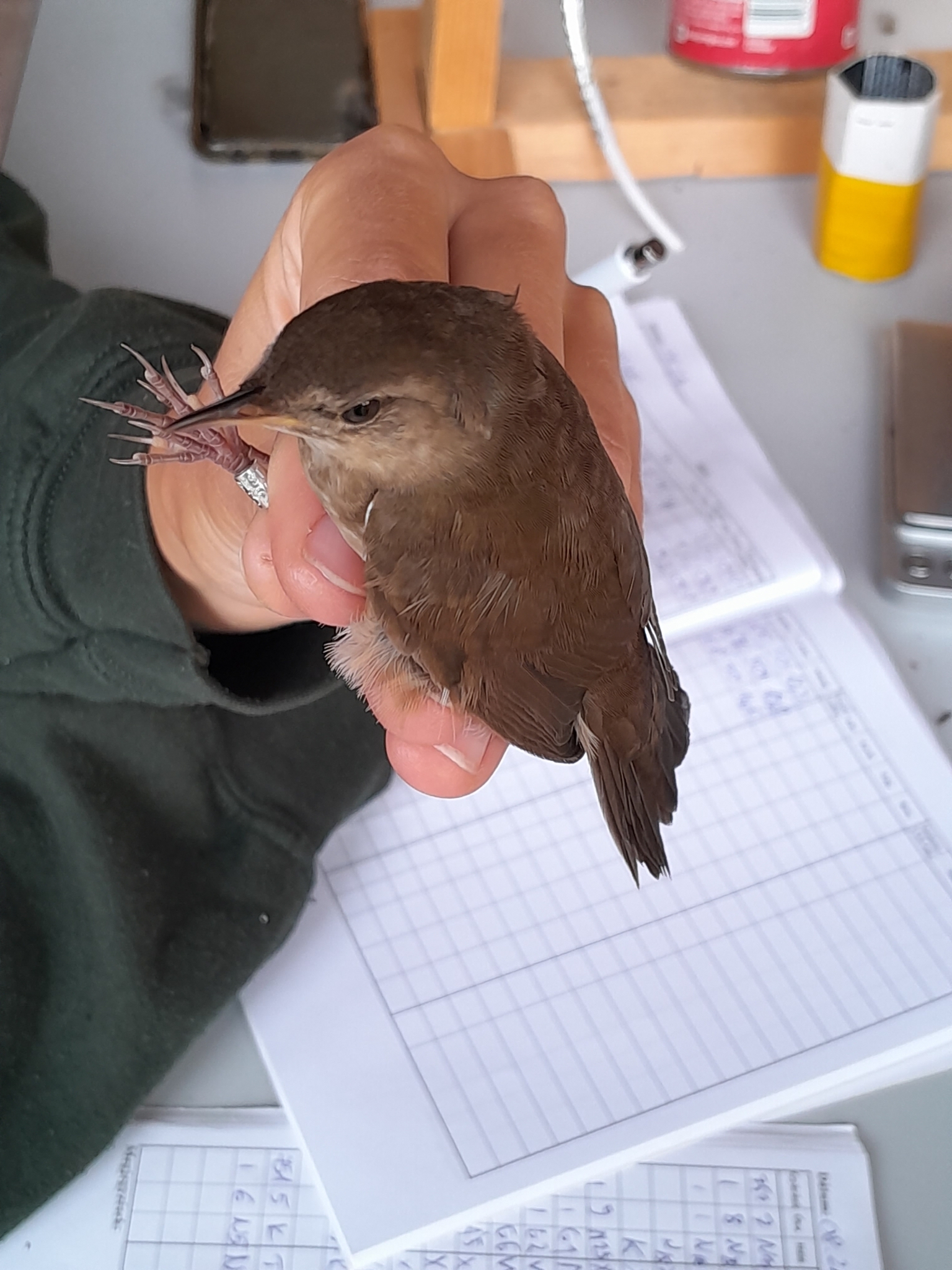
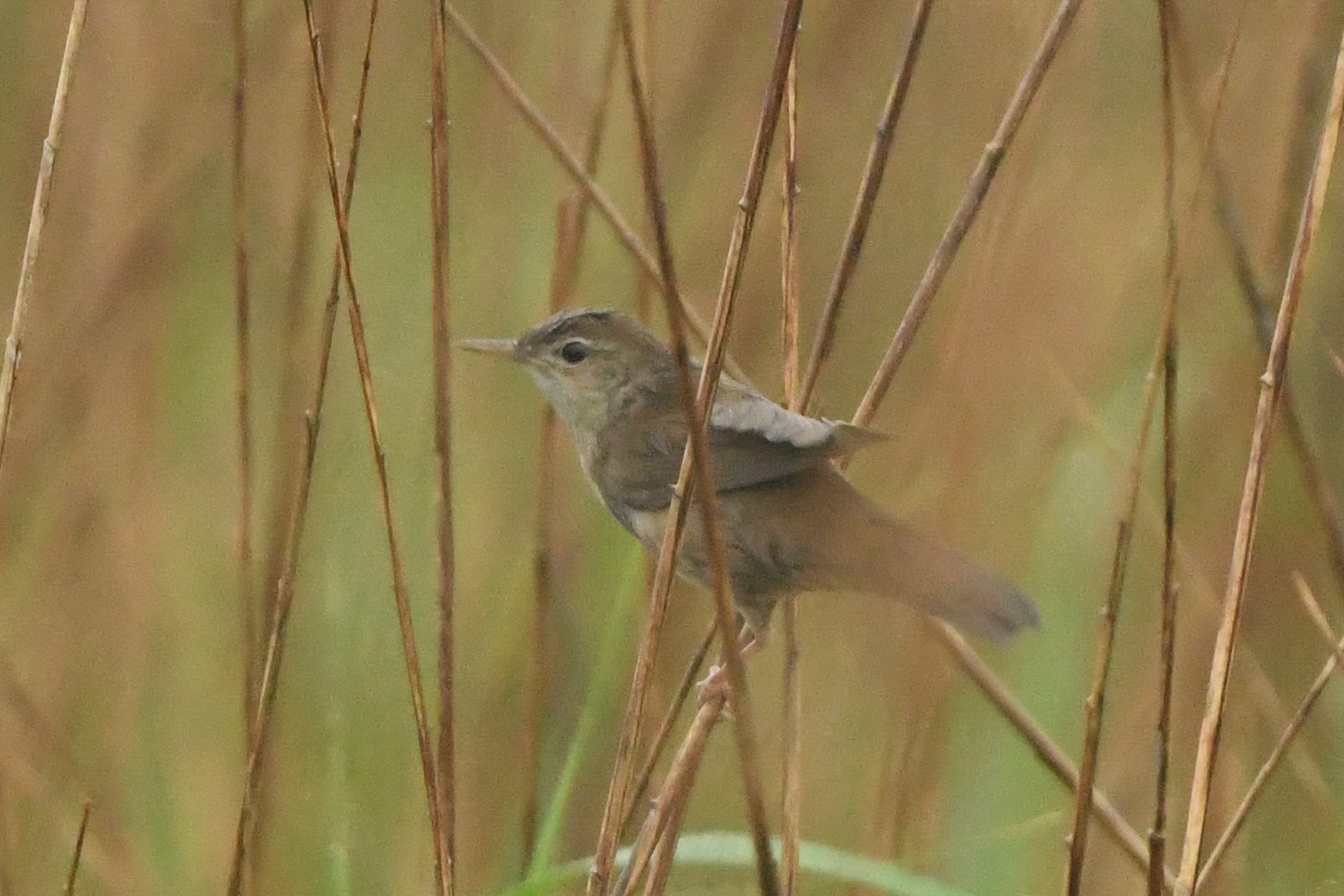
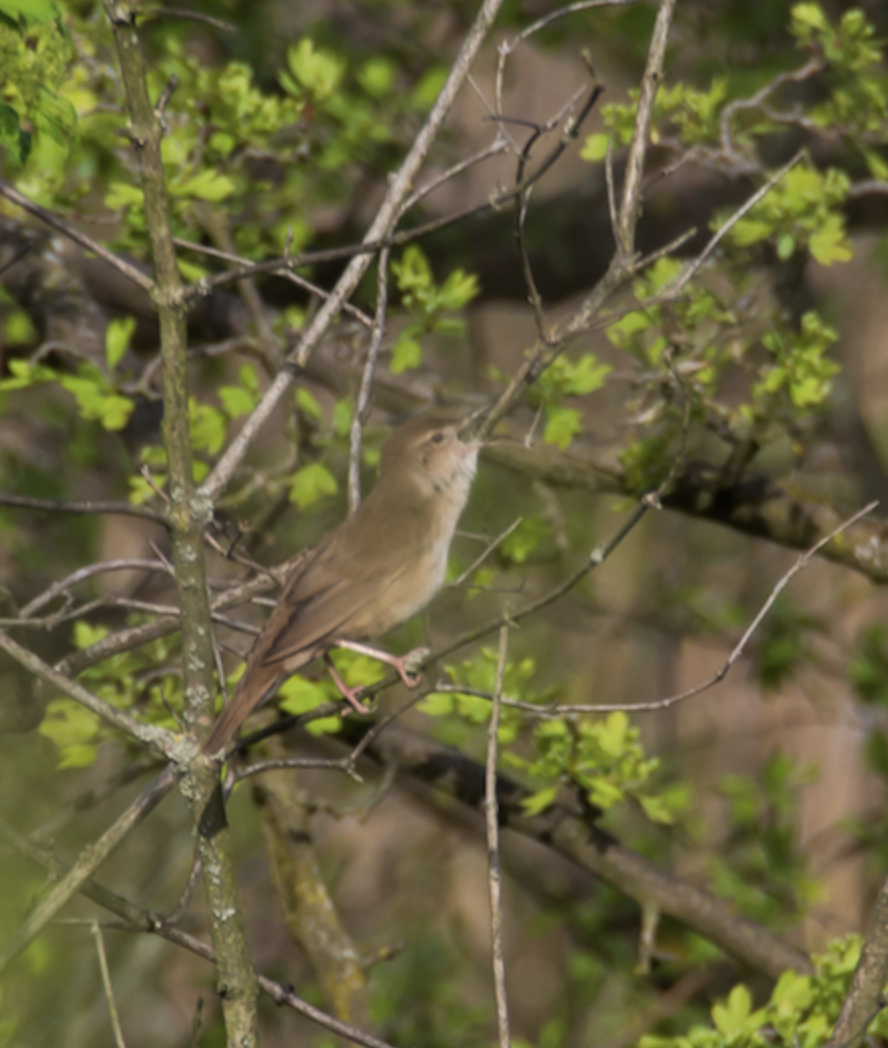
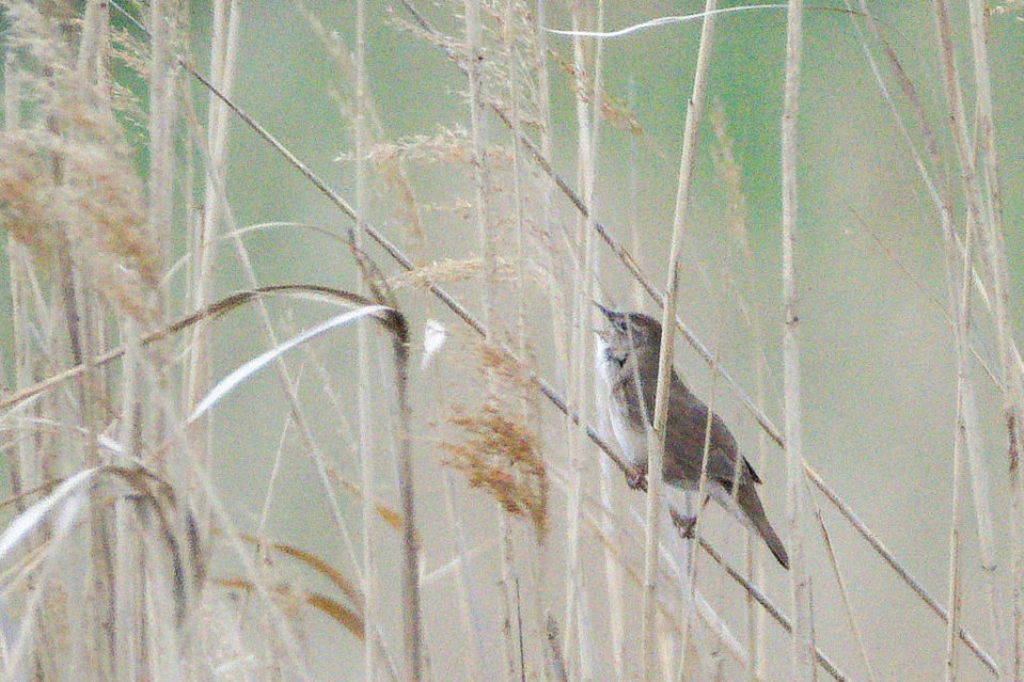
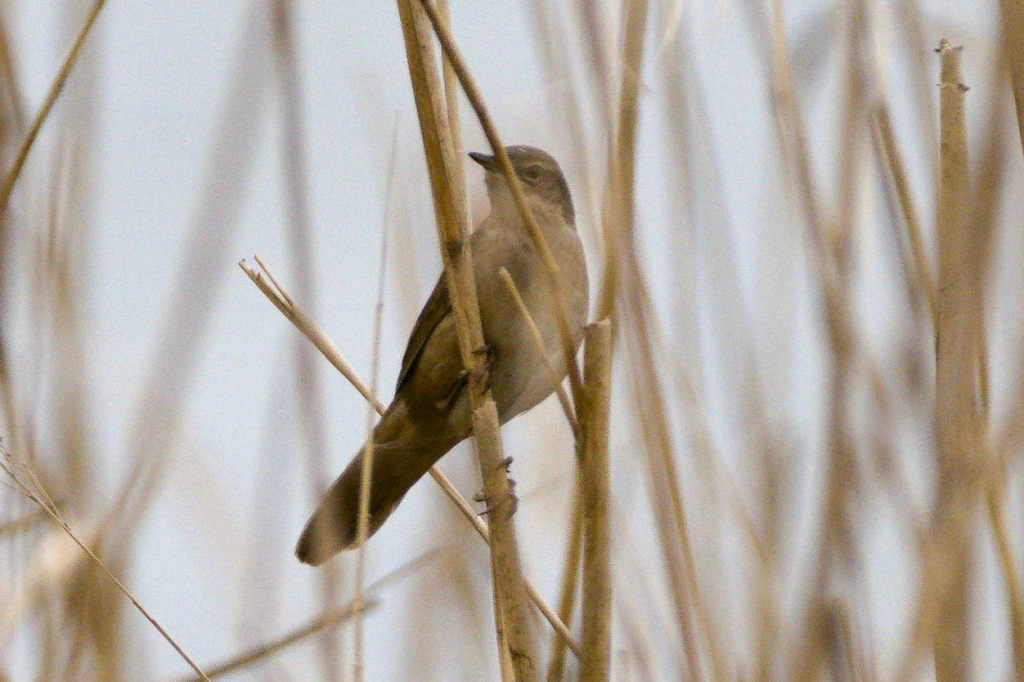
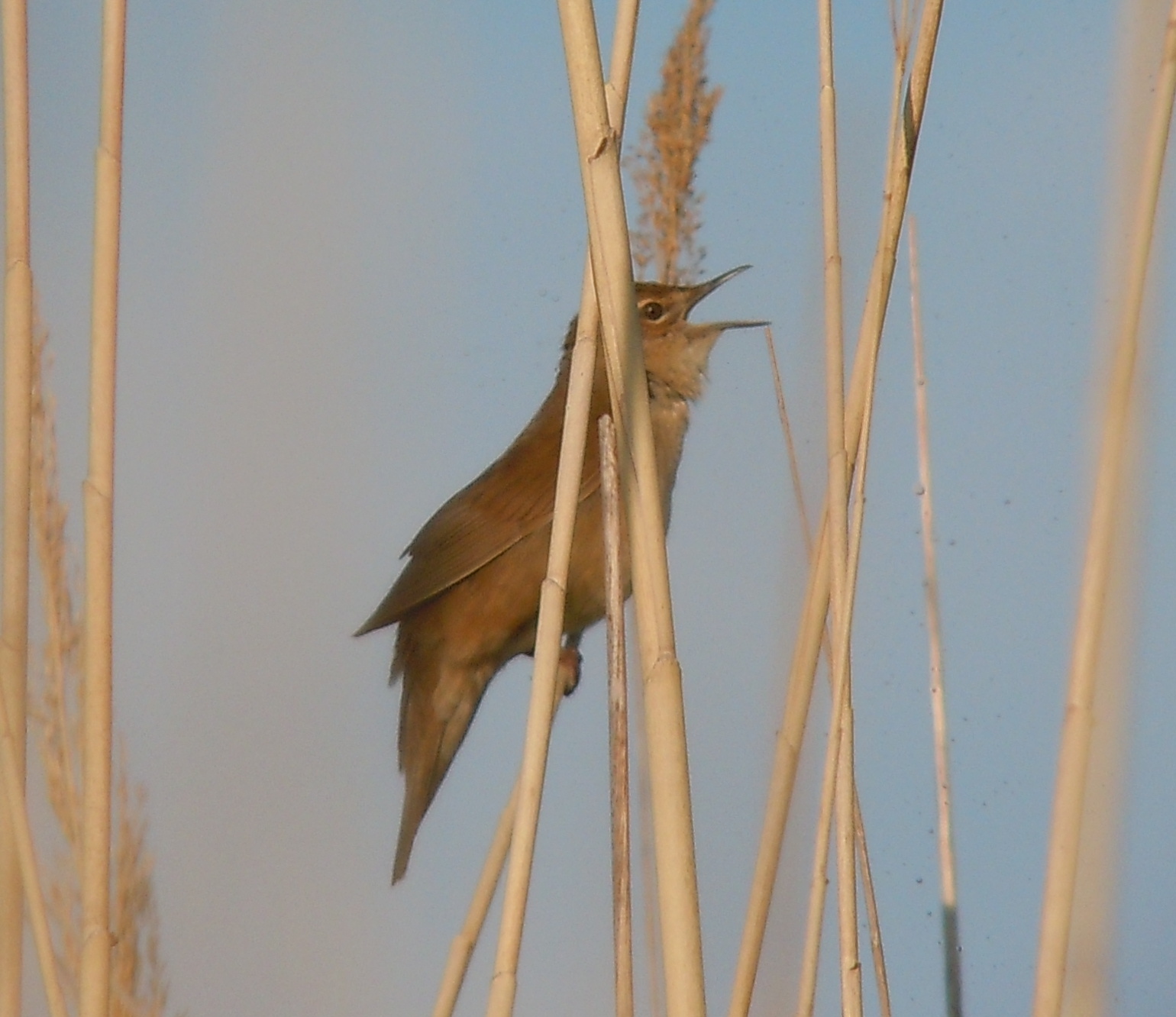
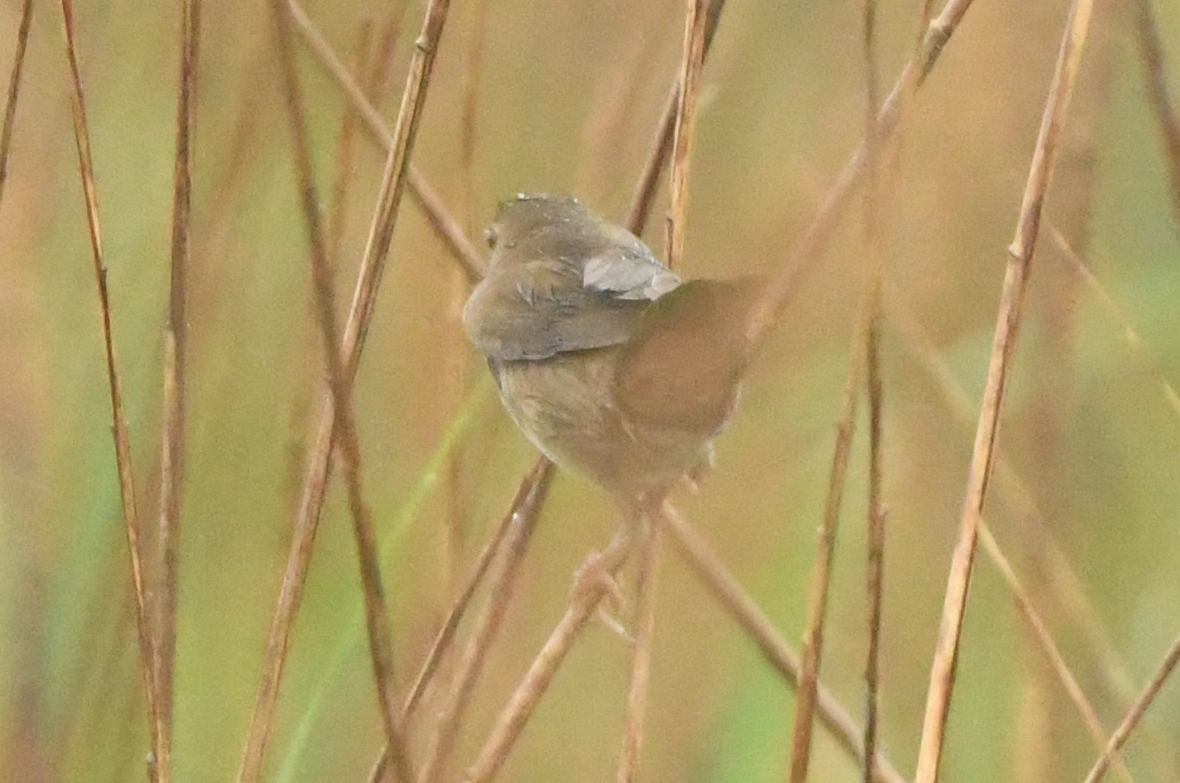
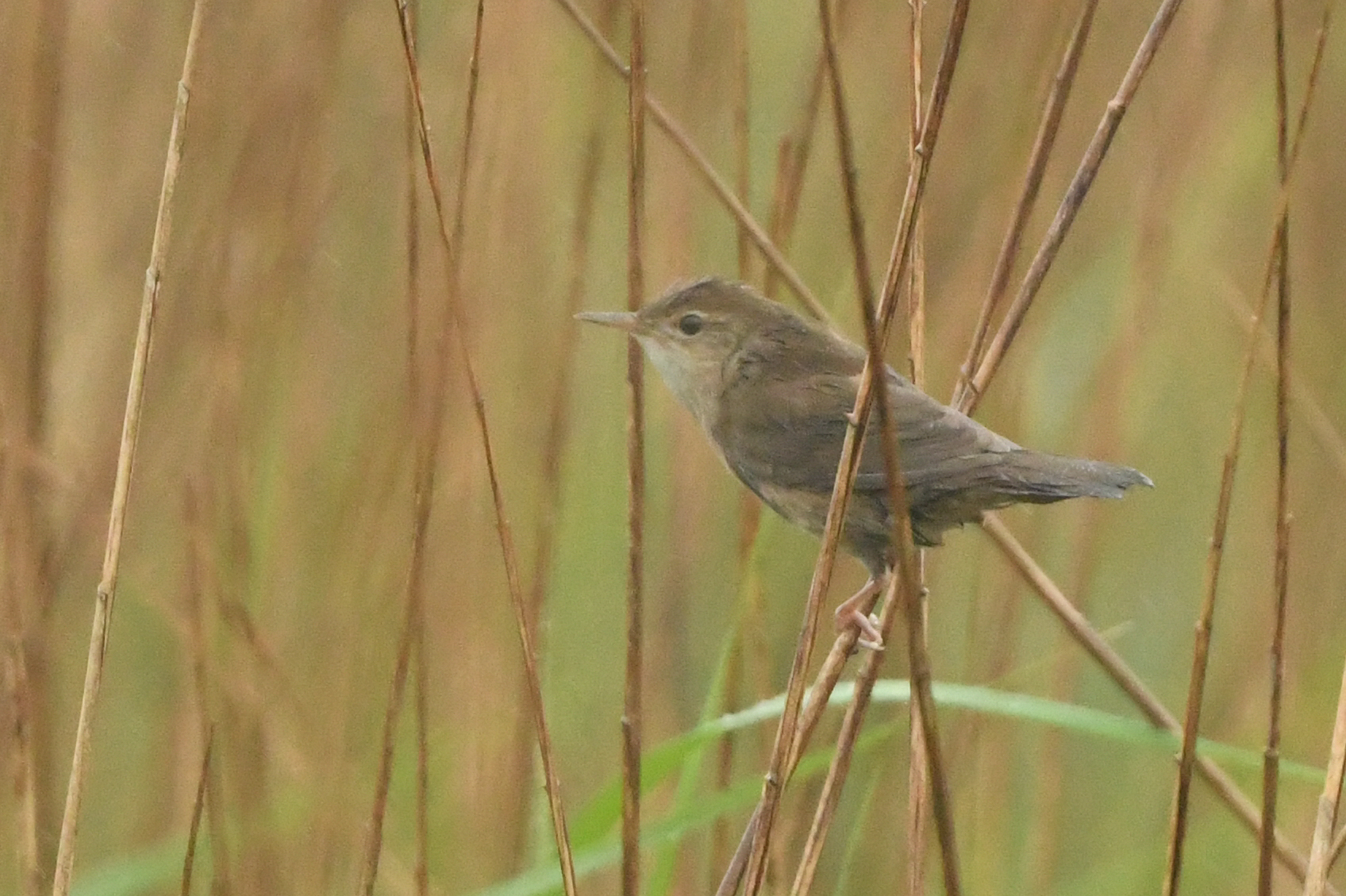
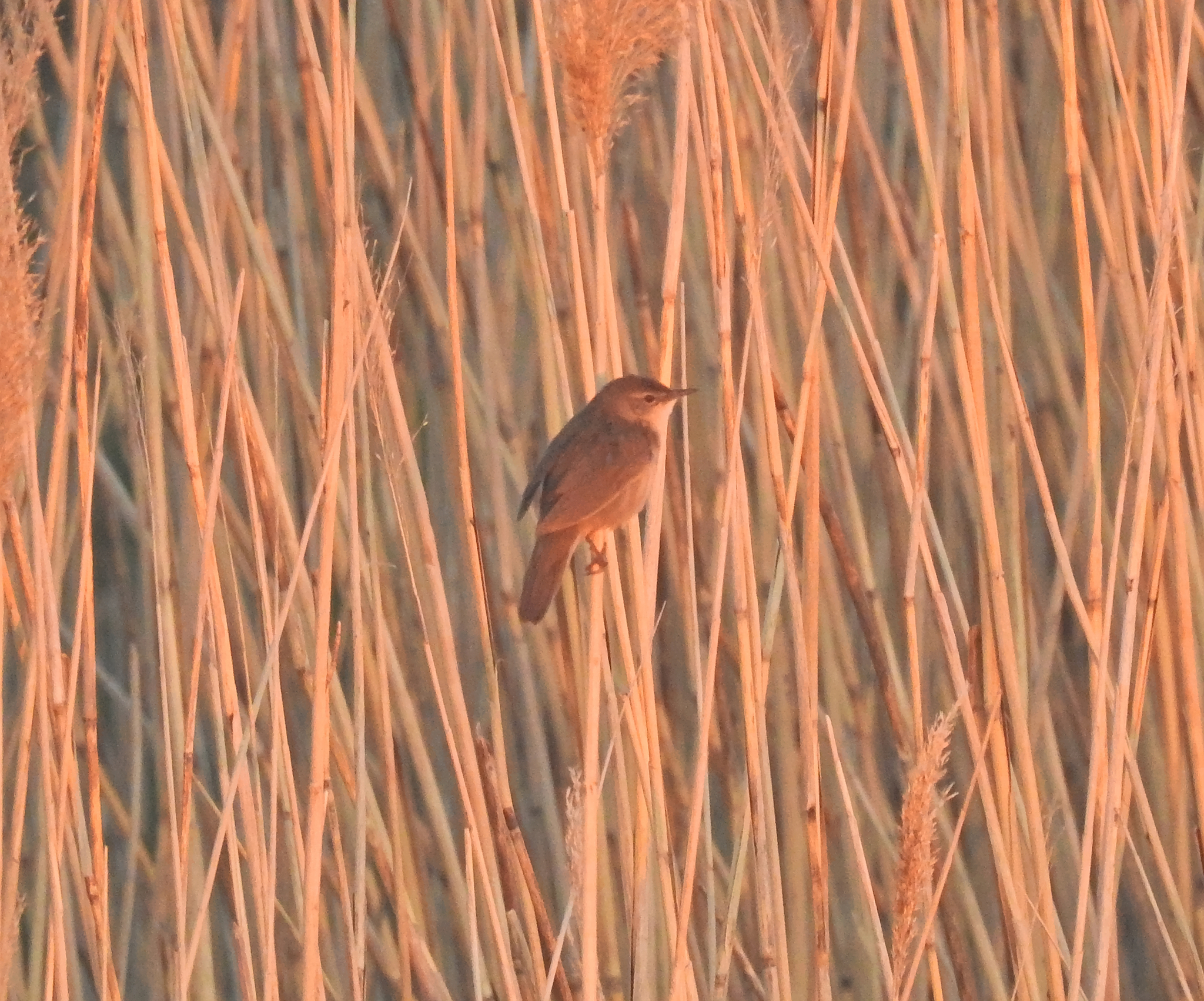
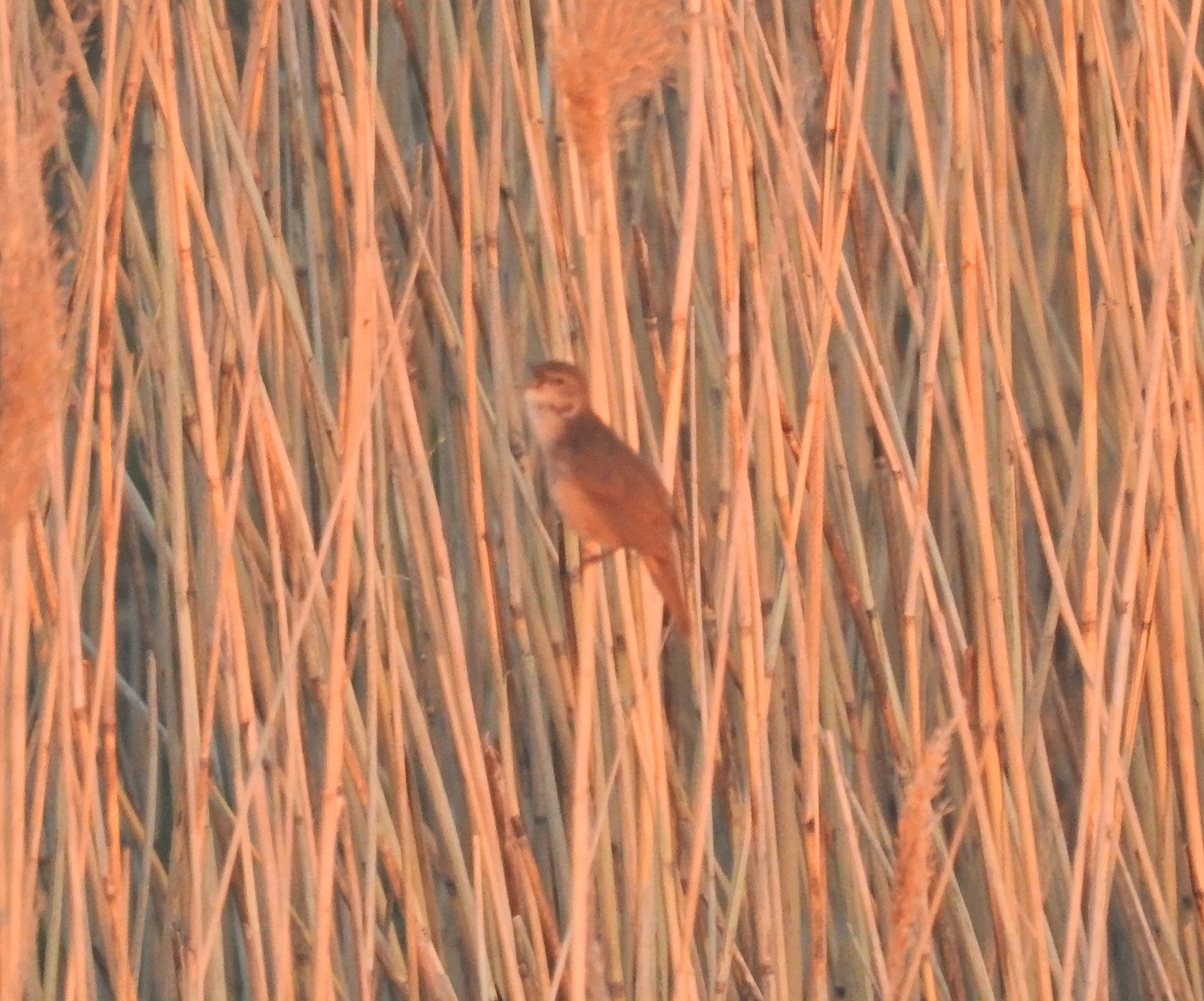
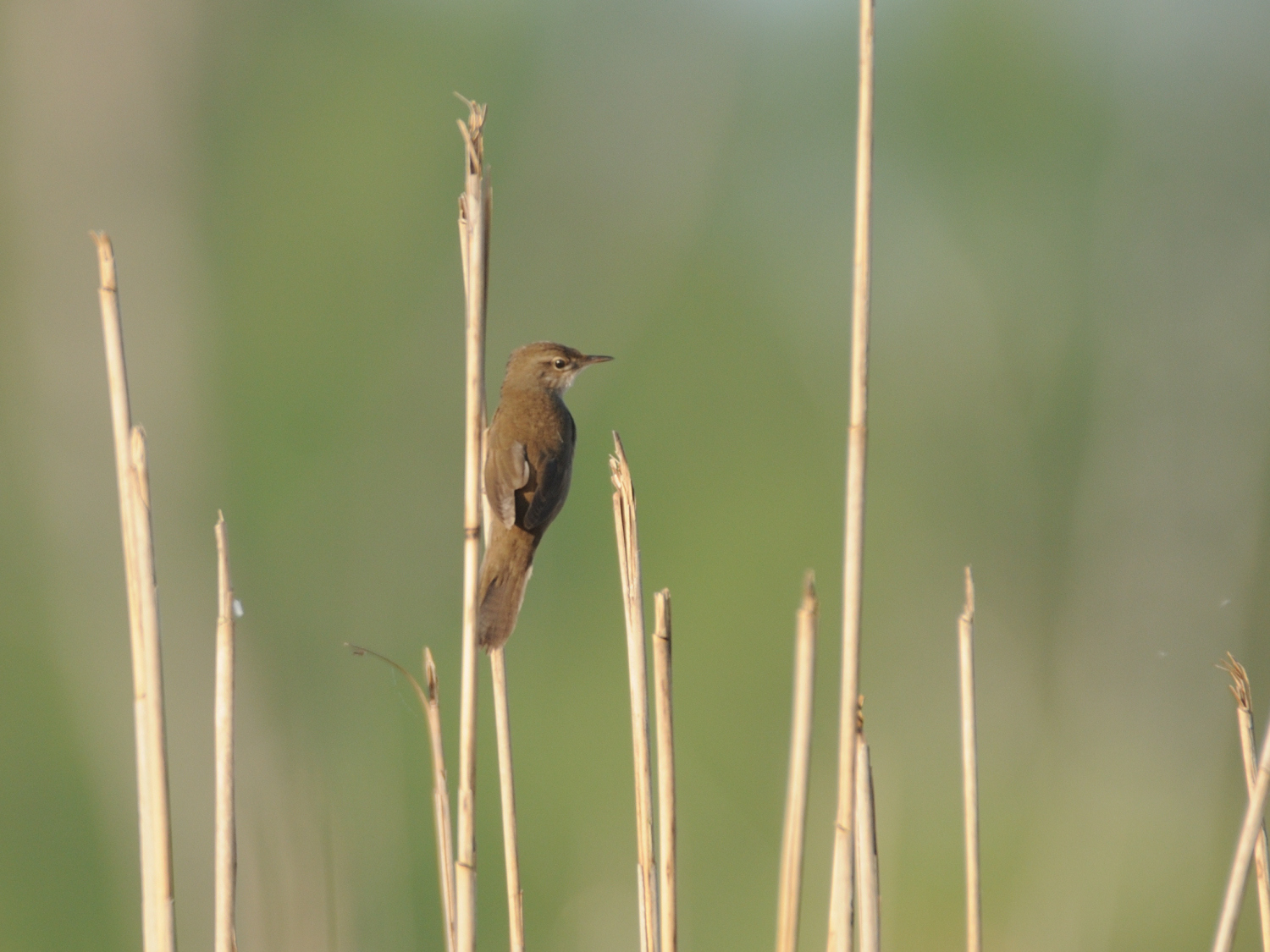
A small warbler approximately 14 cm (5.5 in) in length. The upper-parts are uniformly dark reddish-brown, sometimes with a slight greenish tinge. It has indistinct buff eye-stripes, dark lores, and pale brown ear-coverts. The brown beak is slender and the irises are brown. The chin, throat, and belly are whitish-buff, with the remaining underparts sandy brown. During the breeding season, both upper-parts and underparts become slightly paler. The legs are brown. The sexes are identical, though young birds are yellower below.
Identification
The unstreaked grey-brown upper-parts and whitish-grey underparts are characteristic. The key distinguishing feature from the similar river warbler is the lack of throat streaks. It can be distinguished from the grasshopper warbler by its slightly lower-pitched and less prolonged song. The song is often preceded by low ticking notes that merge into the trill.
Distribution & Habitat
Breeds from Algeria, Spain, France, and the Mediterranean islands across Central and Eastern Europe to Russia (east to the River Volga), Jordan, and Turkey. Winters in North Africa (Algeria, Morocco) and northeastern Africa (Sudan, Ethiopia). Occasional visitor to the United Kingdom, Ireland, Belgium, Switzerland, Corsica, Sardinia, Malta, Cyprus, and Israel. Occupies reed beds, marshes, and lagoons with reeds, sedges, and scattered vegetation.
Behavior & Ecology
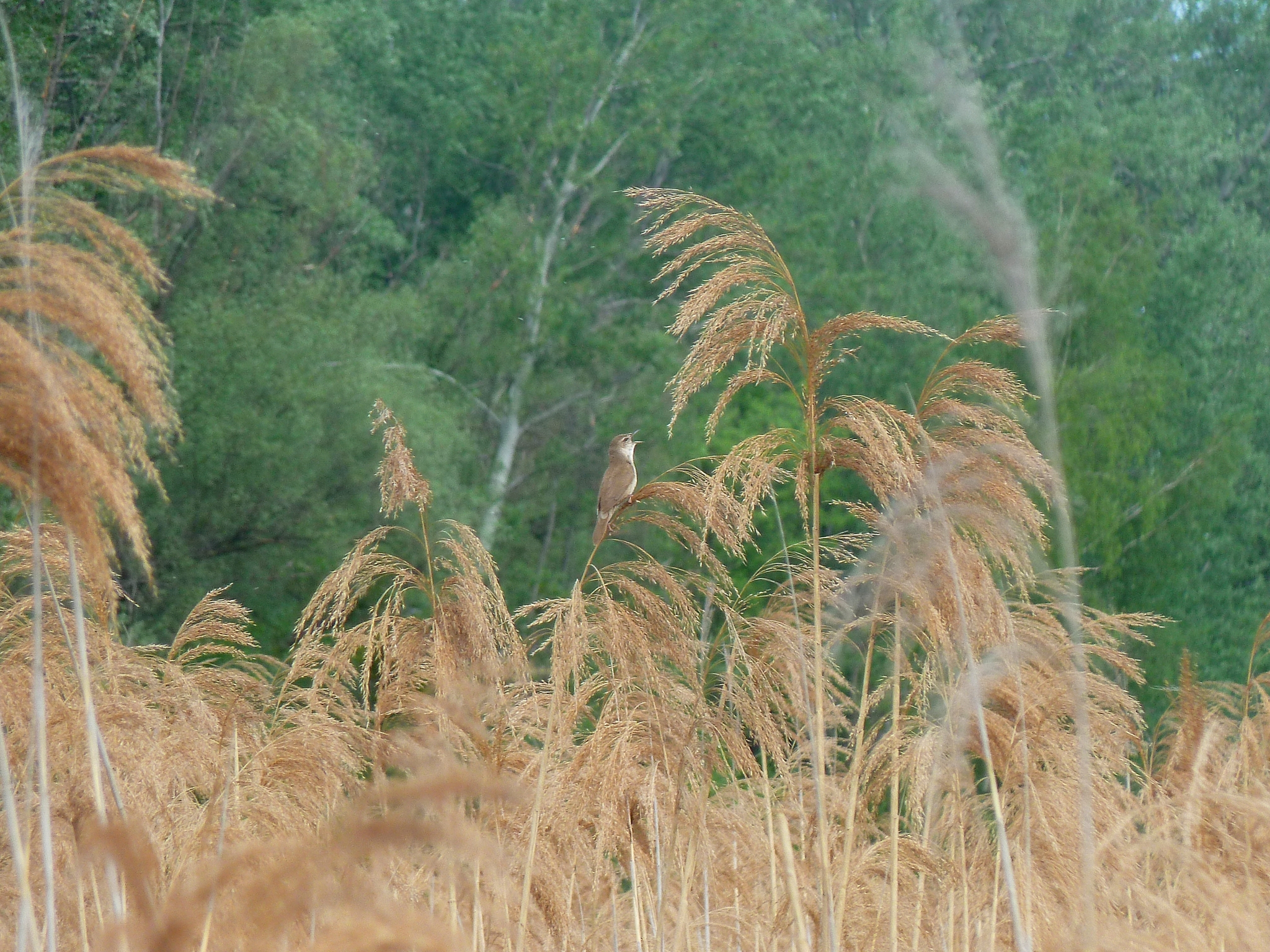
Insectivorous, feeding on flies, beetles, moths, grubs, damselflies, and small worms. Arrives at breeding sites in spring; males establish territories based on reed density. The female builds a concealed nest on a reed platform, laying 4-6 (occasionally 3) greyish-white eggs speckled with rusty spots, measuring about 19.5 by 14.5 mm. Incubation lasts approximately 12 days, performed exclusively by the female. Chicks fledge in about 12 days; normally two broods are raised. The song is a trill given from high on a reed head with an open beak and vibrating throat.
Conservation
IUCN Red List: Least Concern. The European population is estimated at 530-800 thousand breeding pairs (1.6-2.4 million individuals). Since Europe represents about two-thirds of its global range, the world population is estimated at 2.1-4.8 million individuals. Numbers may be decreasing slightly but not enough to warrant a higher threat category.
Culture
The common name honors Italian ornithologist Paolo Savi, who described the species in 1824 after receiving specimens in 1821. The genus name Locustella is Latin for 'small grasshopper,' referring to the song. The specific name luscinioides means 'resembling nightingale,' derived from Latin luscinia (nightingale) and Greek -oides (resembling).
Source: Wikipedia · CC BY-SA 3.0
Taxonomy
- Order
- Passeriformes
- Family
- Locustellidae
- Genus
- Locustella
- eBird Code
- savwar1
Subspecies (3)
-
Locustella luscinioides fusca
breeds Türkiye and Jordan to central Asia; winters to Sudan and Ethiopia
-
Locustella luscinioides luscinioides
breeds central and eastern Europe to Iberian Peninsula and northern Africa; winters to Sudan
-
Locustella luscinioides sarmatica
breeds Ukraine and Sea of Azov to Volga and southern Urals; winters northeastern Africa
Data Sources
Species description from Wikipedia, licensed under CC BY-SA 3.0.
Bird images and sounds sourced from GBIF, contributed by citizen scientists worldwide under Creative Commons licenses.
Taxonomy data from AviList 2025.