Common Linnet
Linaria cannabina
赤胸朱顶雀
Introduction
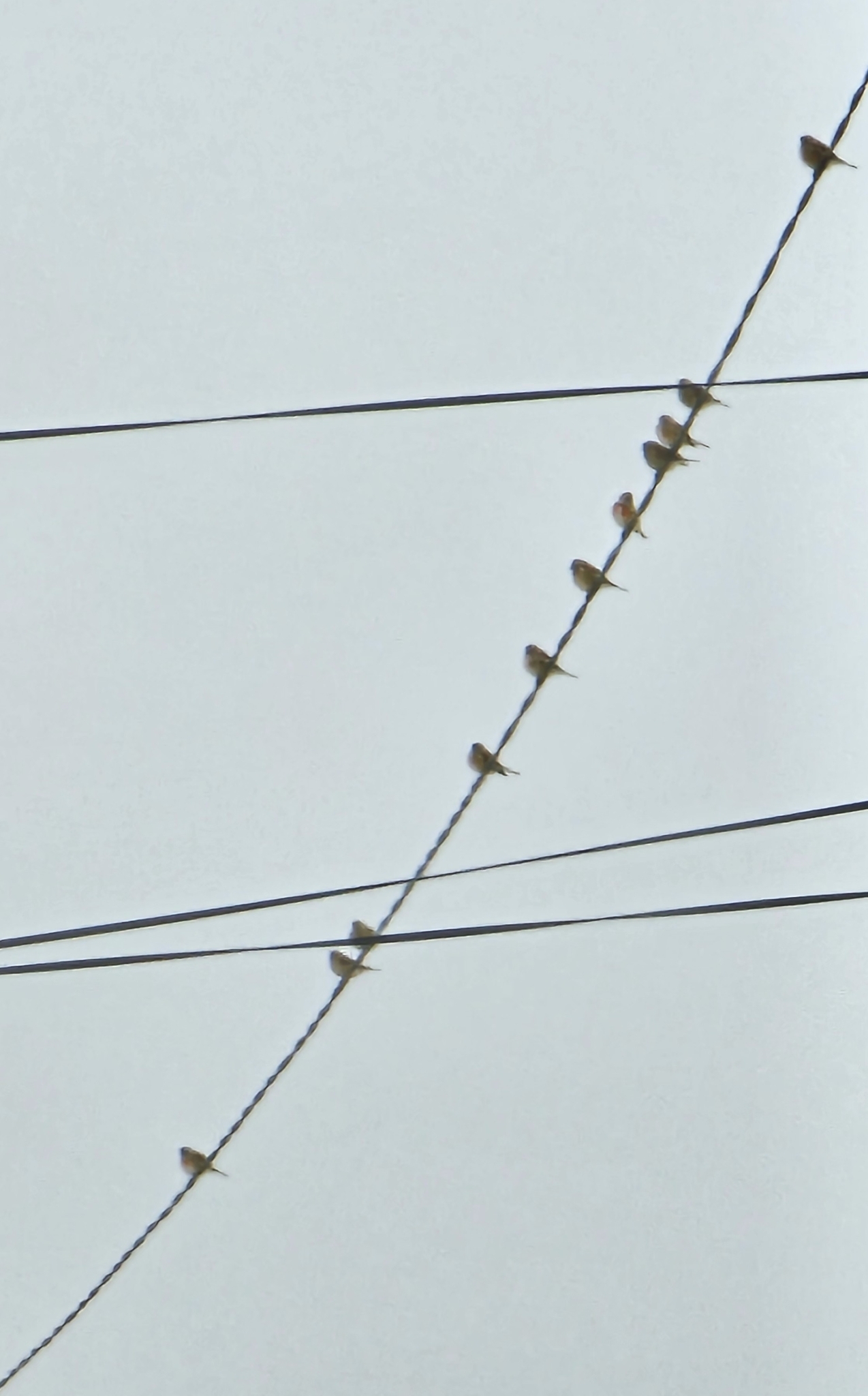
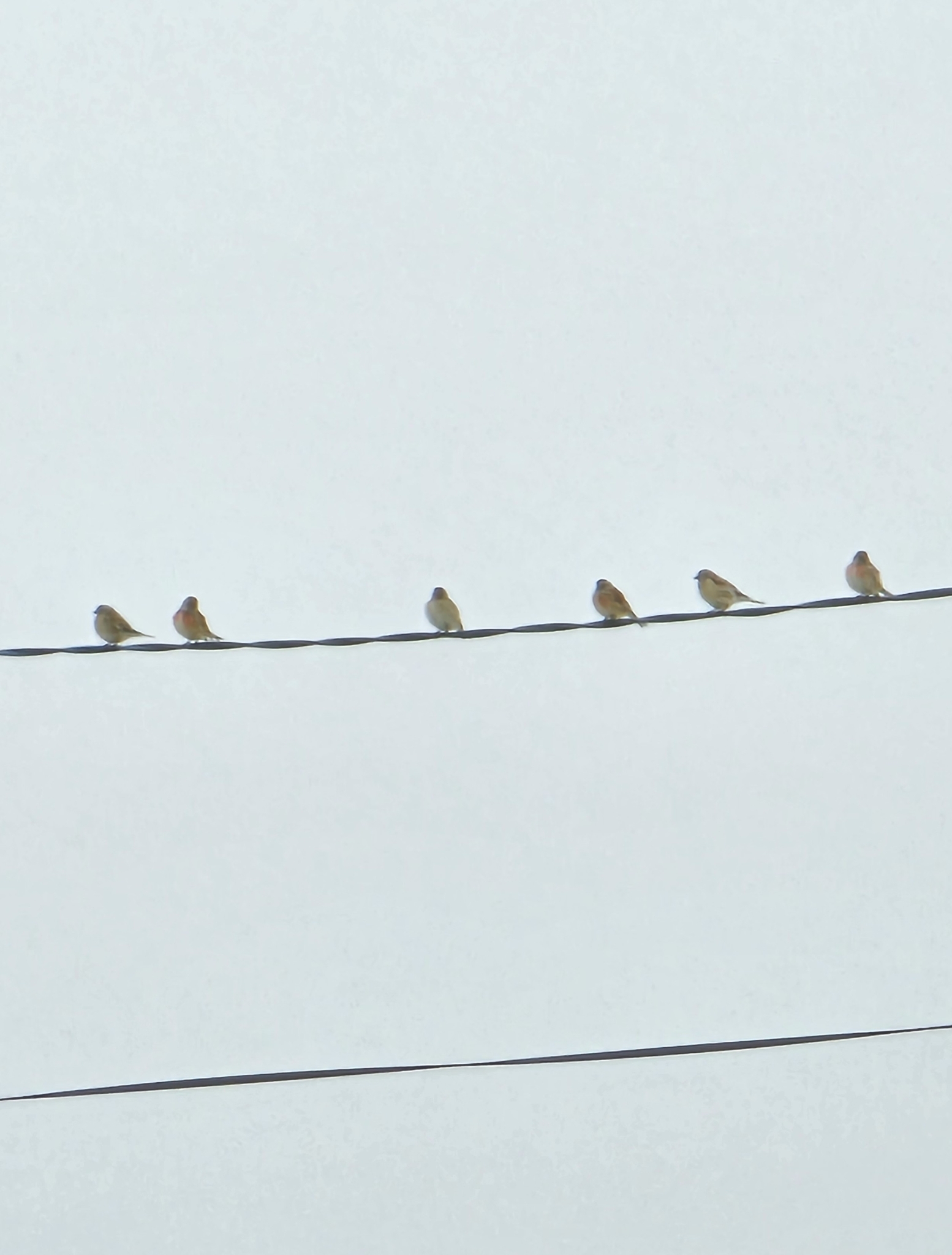
The common linnet (Linaria cannabina) is a small passerine bird in the finch family Fringillidae. It breeds across Europe, the western Palearctic and North Africa. The species inhabits open land with thick bushes, including heathland and gardens. It derives its name from its preference for hemp and flax seeds. The species forms large flocks outside the breeding season, sometimes mixed with other finches such as twite. It is listed as a priority species under the UK Biodiversity Action Plan and protected under the Wildlife and Countryside Act 1981.
Description
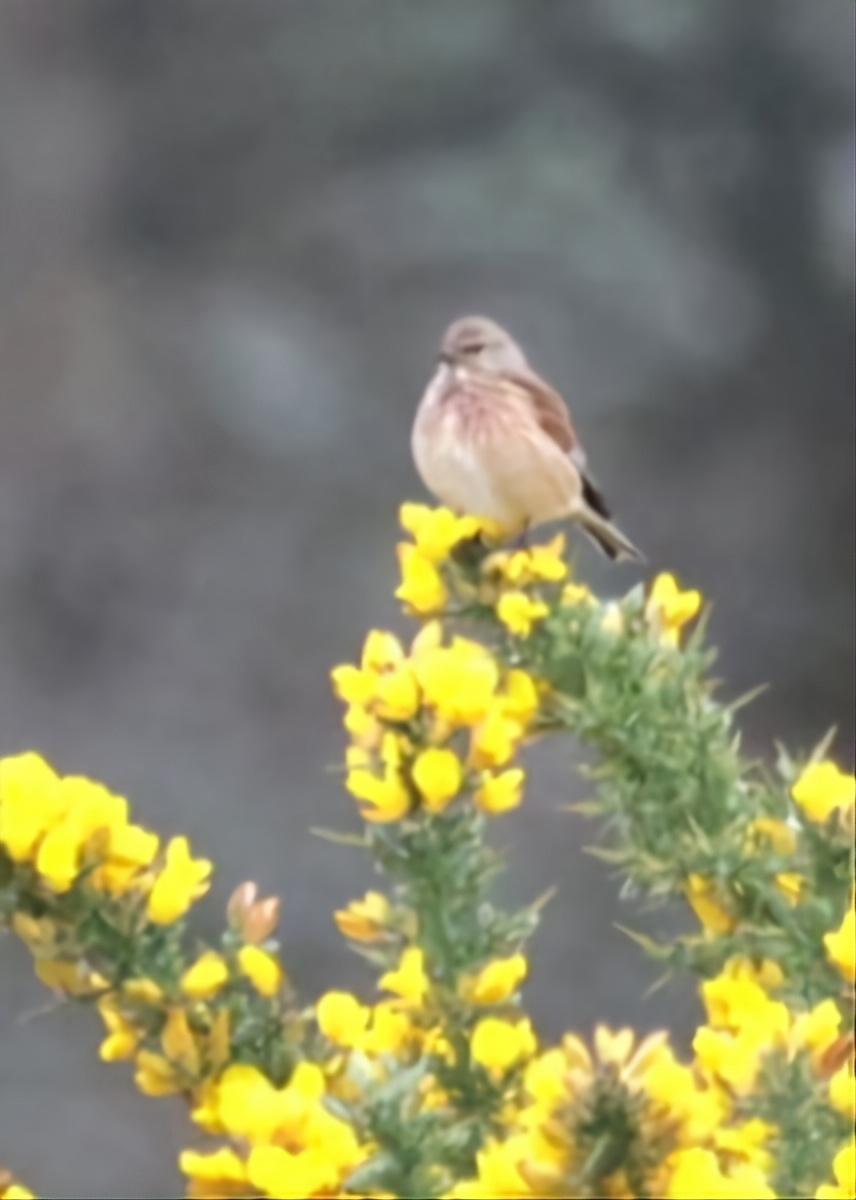
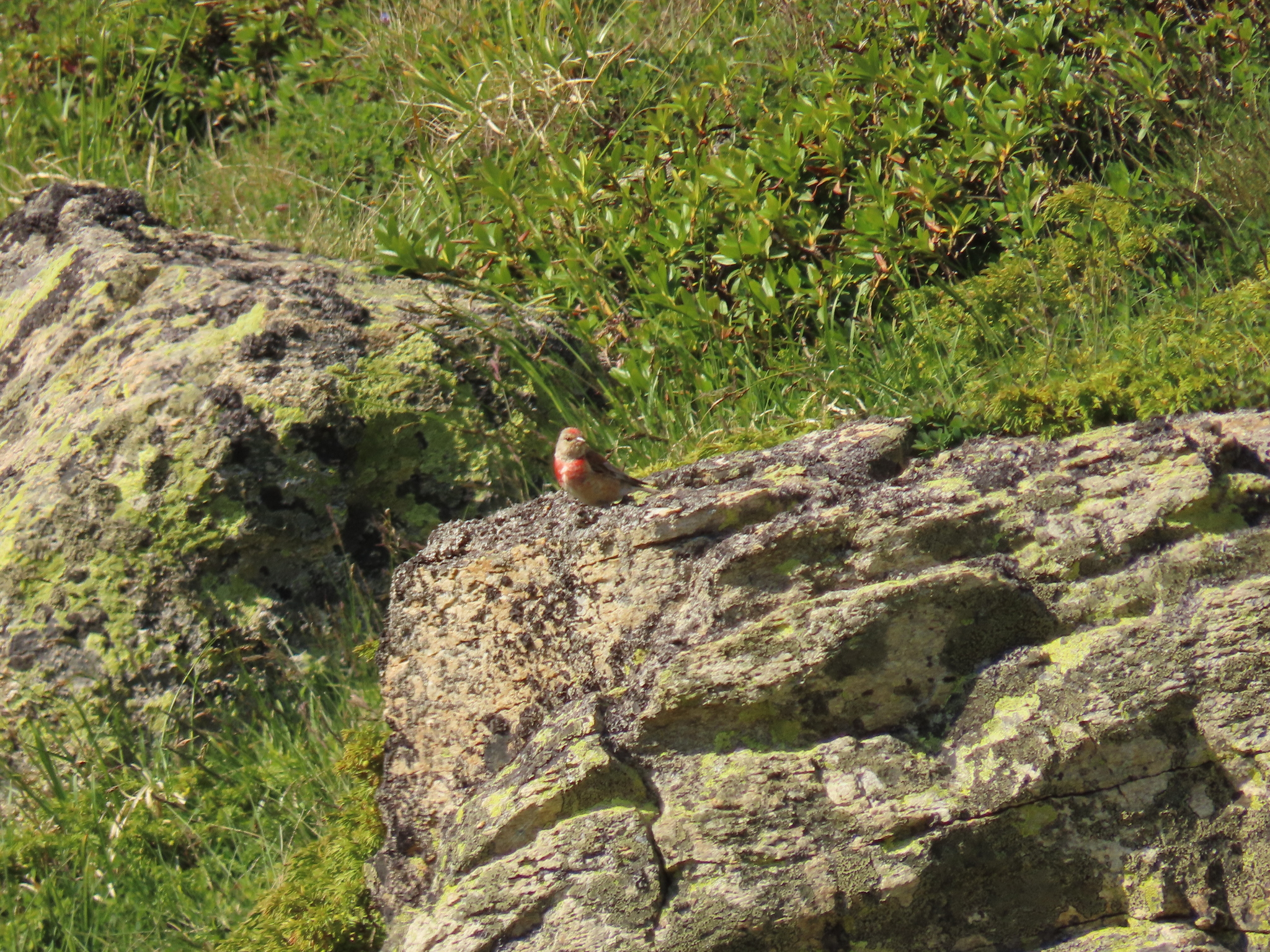
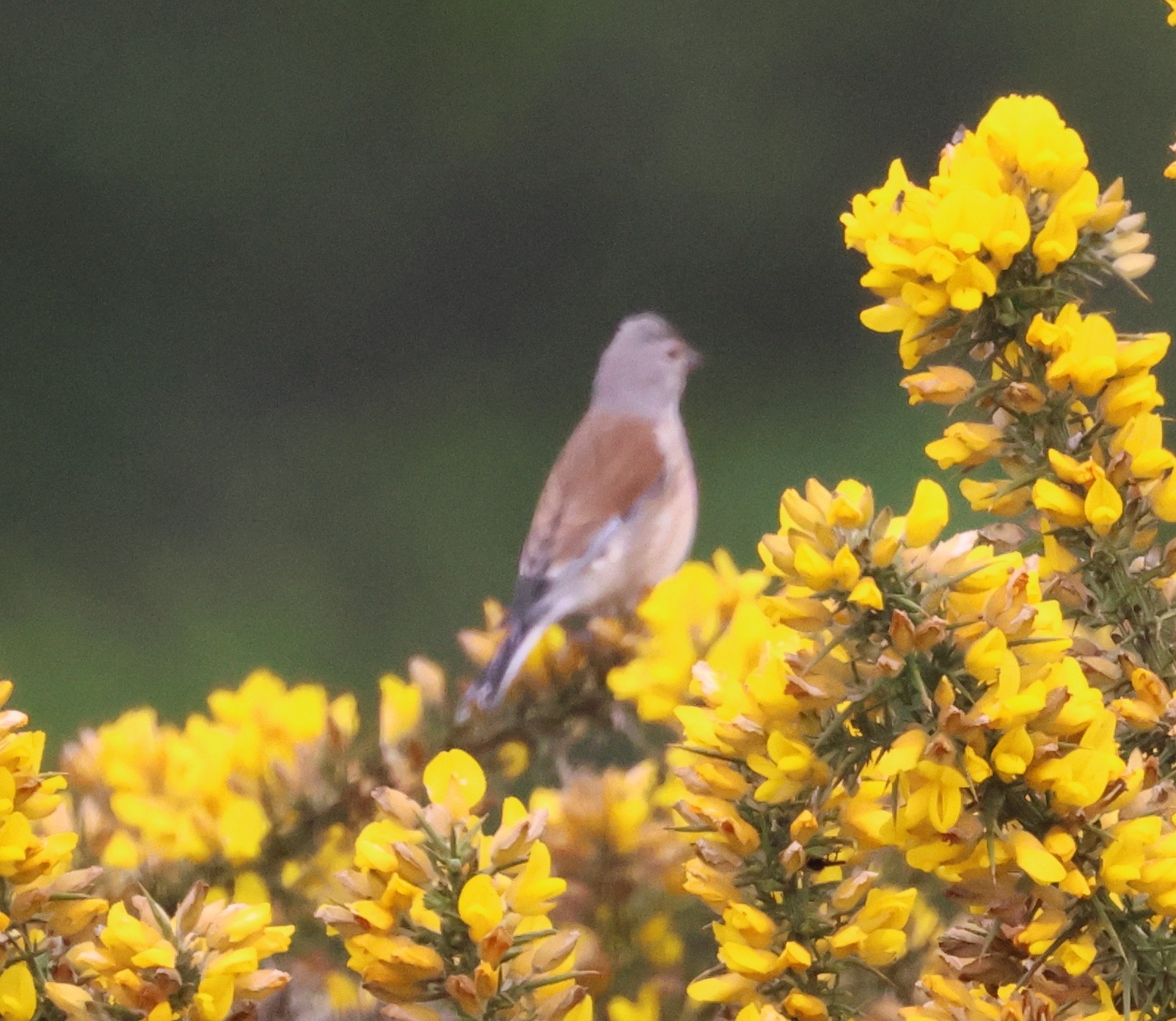
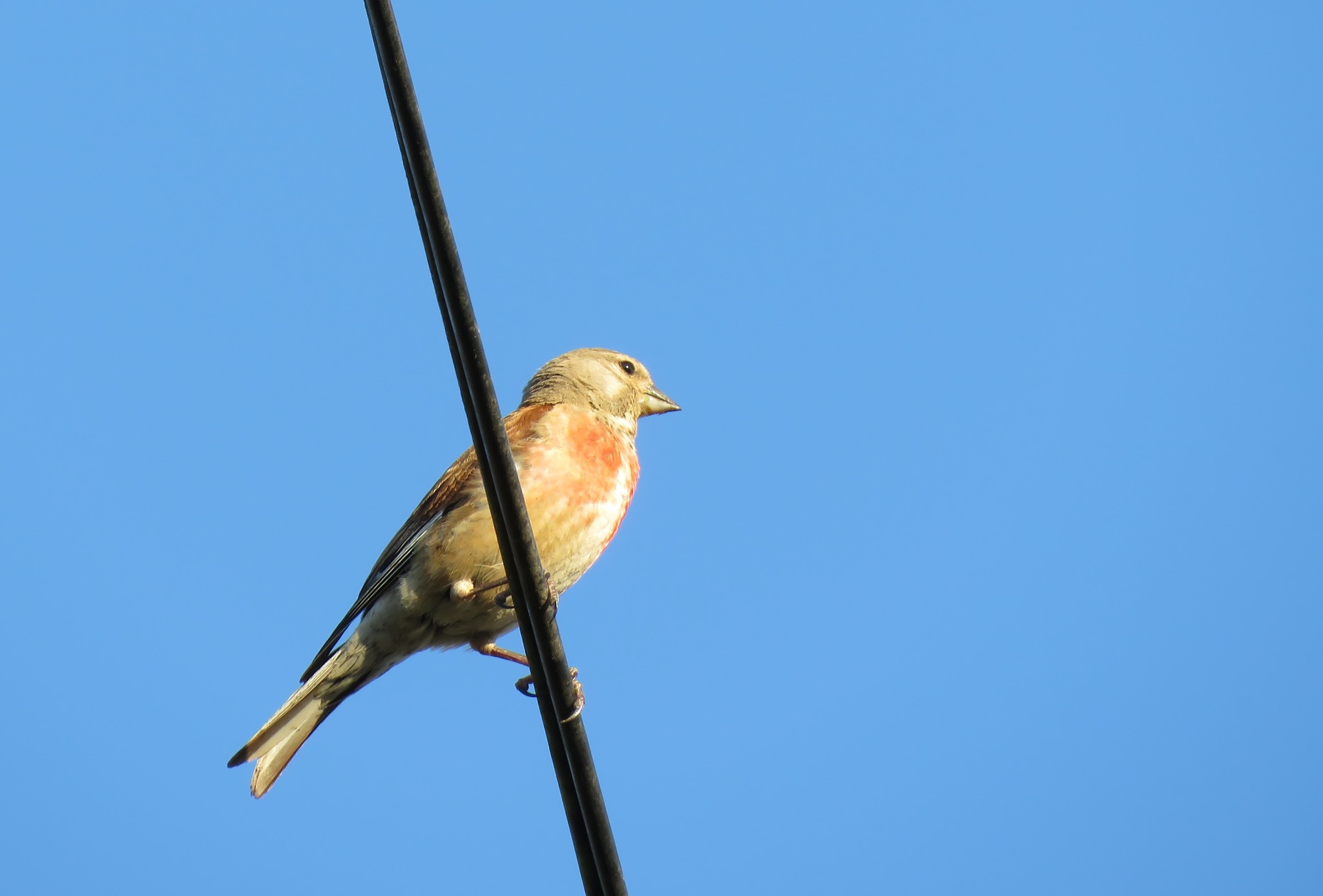
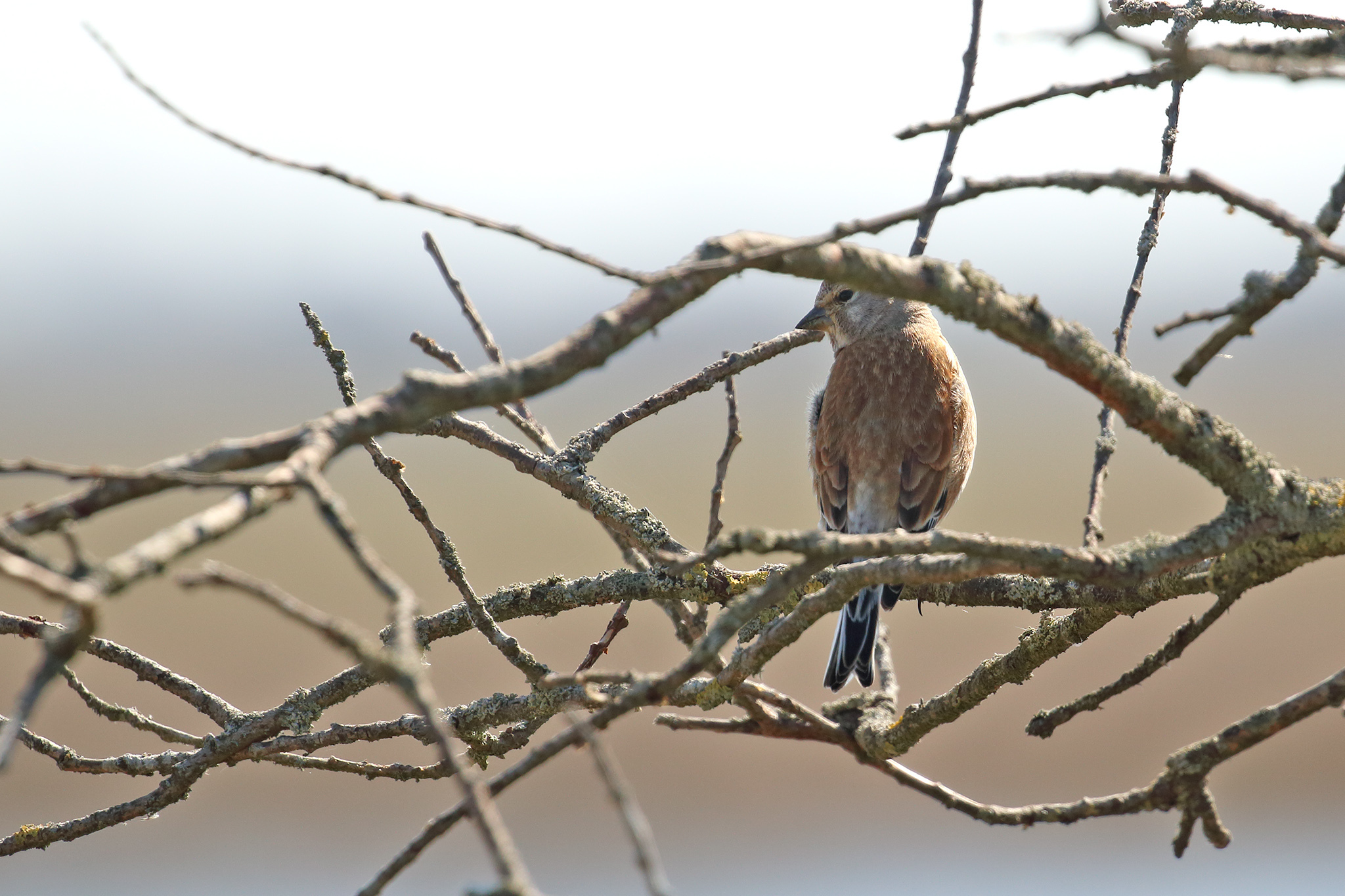
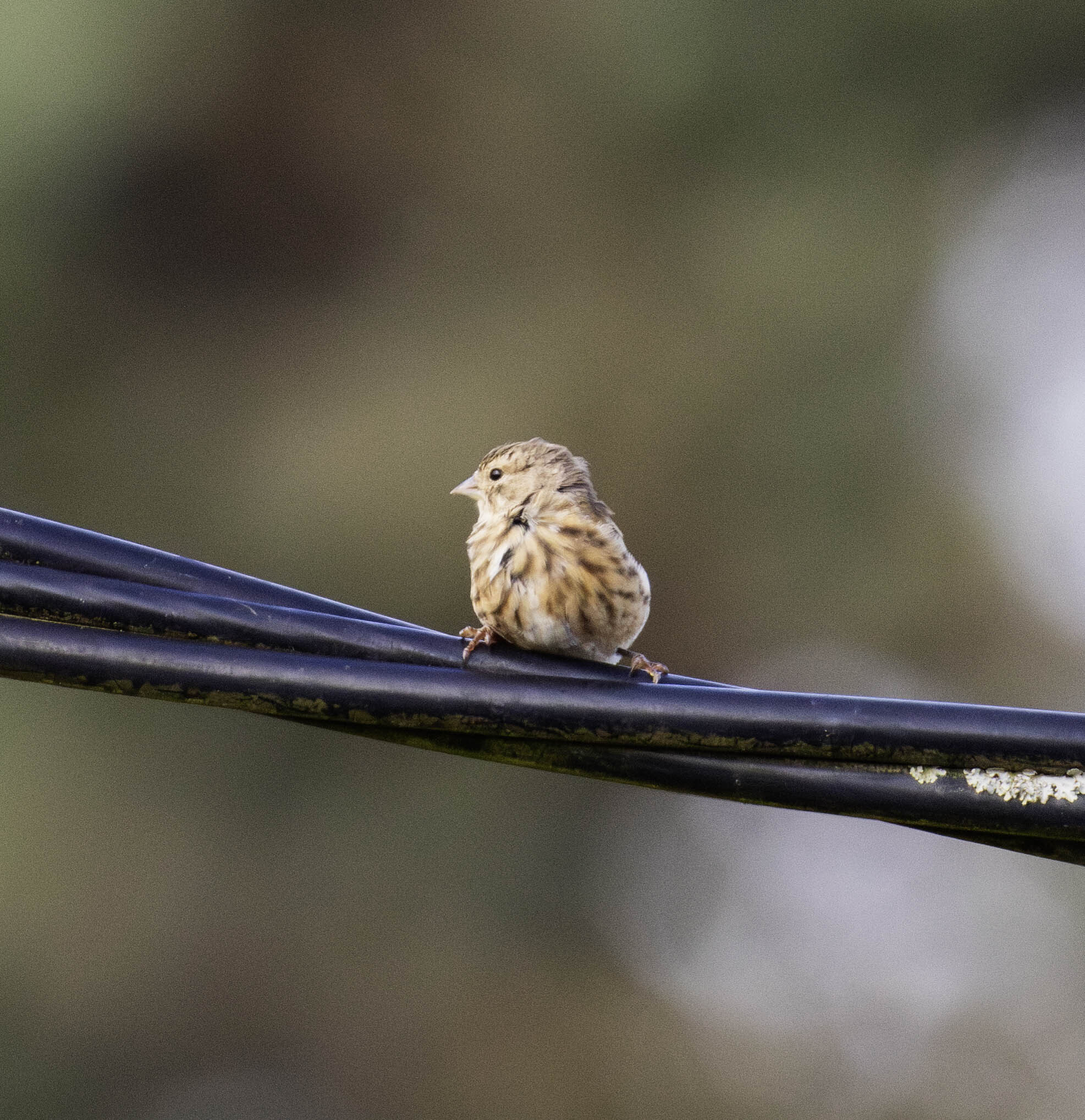
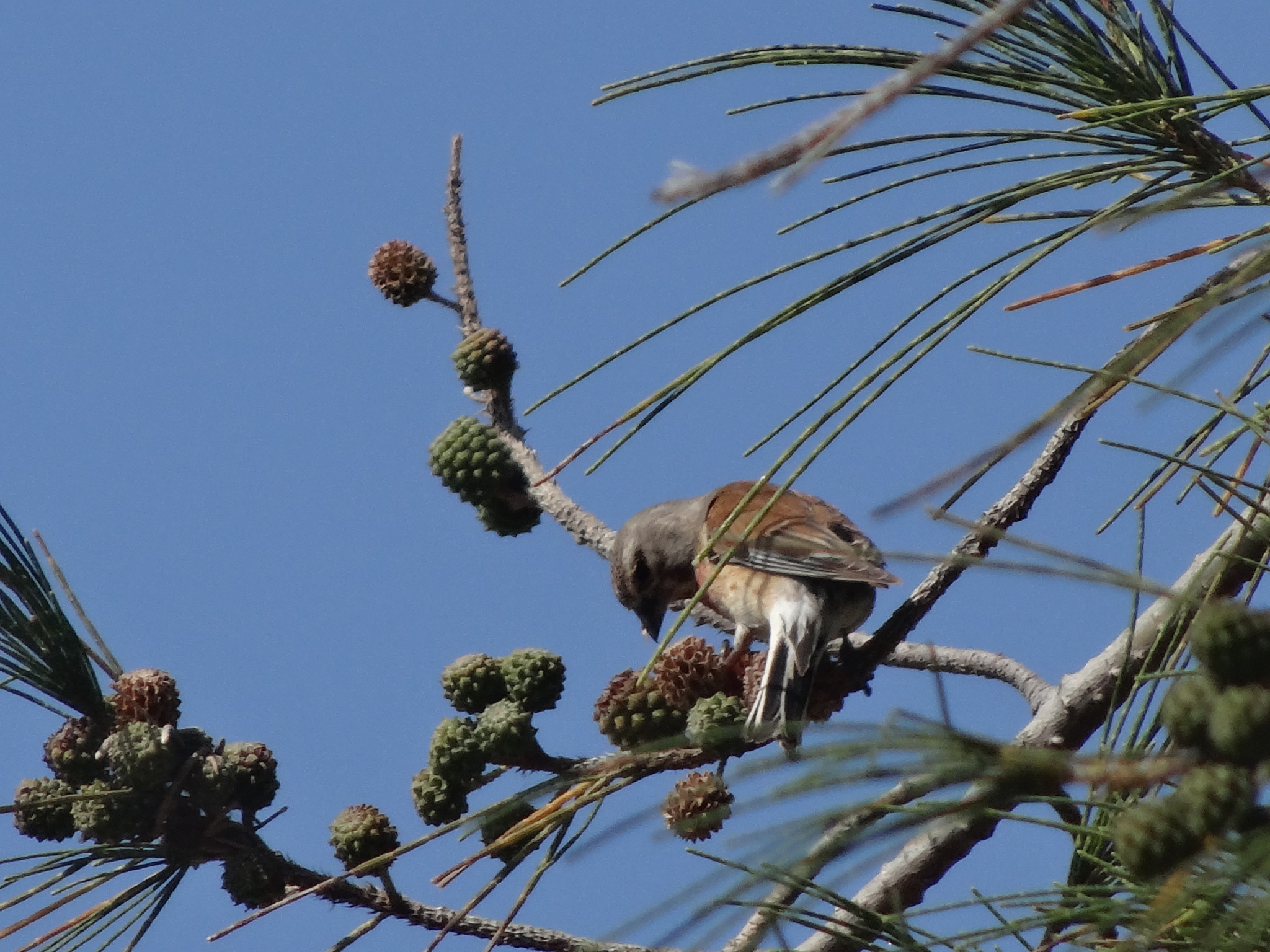
A slim bird with a long tail. The upper parts are brown, the throat is sullied white, and the bill is grey. Breeding males have a grey nape, distinctive red head-patch and red breast. Females and juveniles lack the red coloration, having white underparts with a streaked buff breast.
Identification
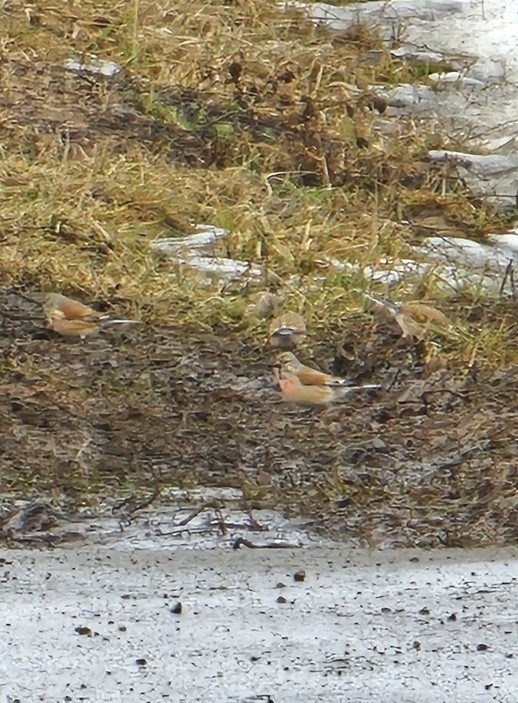
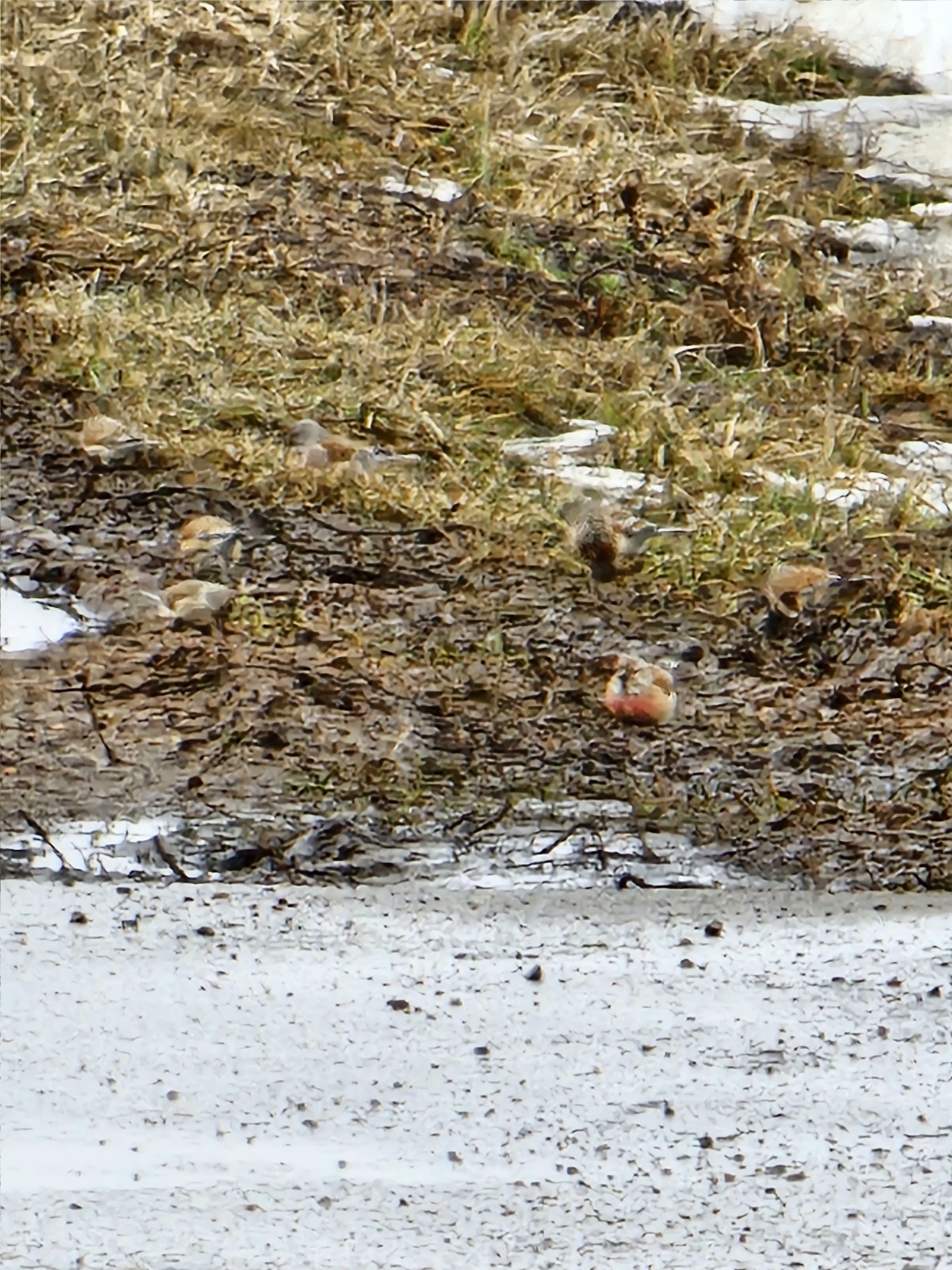
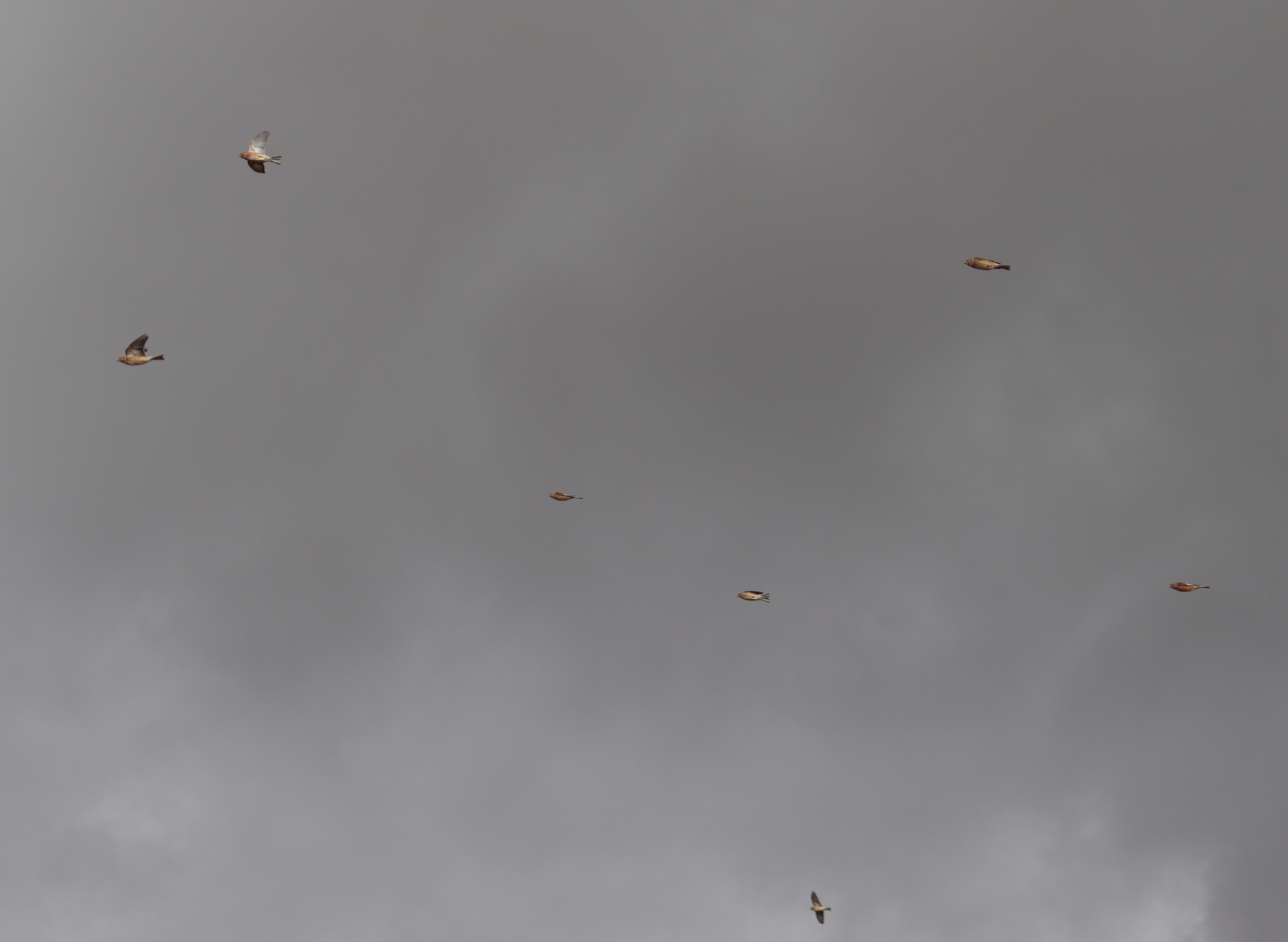
Males are distinctive during breeding season with red head-patch and breast. Females and juveniles are brown above with white underparts showing breast streaking. Forms large flocks outside breeding season, often alongside twite on coasts and salt marshes. Long tail distinguishes it from similar finches.
Distribution & Habitat
Breeds across Europe, western Palearctic and North Africa. Partially resident, but eastern and northern populations migrate southward within breeding range or to coasts. Occasional records hundreds of miles offshore. Introduced to the Dominican Republic.
Behavior & Ecology
Feeds on ground and low in bushes, diet consisting mainly of seeds from arable weeds, knotgrass, dock, crucifers, chickweeds, dandelions, thistles, and hawthorn, with some invertebrates. Builds nest in bushes, laying four to seven eggs. Outside breeding season forms large flocks, sometimes mixed with other finches. Song contains fast trills and twitters.
Conservation
UK priority species under Biodiversity Action Plan, protected by Wildlife and Countryside Act 1981. Populations declining significantly: 56% decline in Britain between 1968 and 1991, 62% decline across Europe from 1980 to 2009. Threats include increasing herbicide use, aggressive scrub removal, and excessive hedge trimming reducing seed supply and suitable habitat.
Culture
Popular pet in late Victorian and Edwardian eras. Features in literature including works by Tennyson, Wilde, Yeats, Dickens, Burns, Blake, and Dickinson. Referenced in music hall song 'Don't Dilly Dally on the Way' and the musical Sweeney Todd. Three English football clubs nicknamed 'The Linnets'. The Netherlands' Eurovision 2014 entry was titled 'The Common Linnets'.
Source: Wikipedia · CC BY-SA 3.0
Taxonomy
- Order
- Passeriformes
- Family
- Fringillidae
- Genus
- Linaria
- eBird Code
- eurlin1
Subspecies (7)
-
Linaria cannabina autochthona
Scotland
-
Linaria cannabina bella
Türkiye to Caucasus, Afghanistan, and southwestern China; winters to India
-
Linaria cannabina cannabina
Europe to western Siberia, Crimean Peninsula, and North Africa
-
Linaria cannabina guentheri
Madeira including Porto Santo and Desertas
-
Linaria cannabina harterti
Lanzarote (eastern Canary Islands)
-
Linaria cannabina meadewaldoi
Tenerife (western Canary Islands)
-
Linaria cannabina mediterranea
Iberian Peninsula and North Africa to Türkiye
Data Sources
Species description from Wikipedia, licensed under CC BY-SA 3.0.
Bird images and sounds sourced from GBIF, contributed by citizen scientists worldwide under Creative Commons licenses.
Taxonomy data from AviList 2025.