Silver-eared Mesia
Leiothrix argentauris
银耳相思鸟
Introduction
A passerine bird in the family Leiothrichidae (laughingthrushes), formerly classified in Timaliidae. Native to South East Asia including India, Bhutan, Burma, China, Thailand, Laos, Vietnam, Cambodia, Malaysia, and Sumatra. Seven subspecies are recognized with considerable plumage variation between them. Highly social forager, forming groups up to thirty individuals and joining mixed-species flocks in forest canopies. Resident throughout most of range, though reported as a winter migrant in Assam suggesting altitudinal migration. Has been introduced to Hong Kong from captive stock.
Description
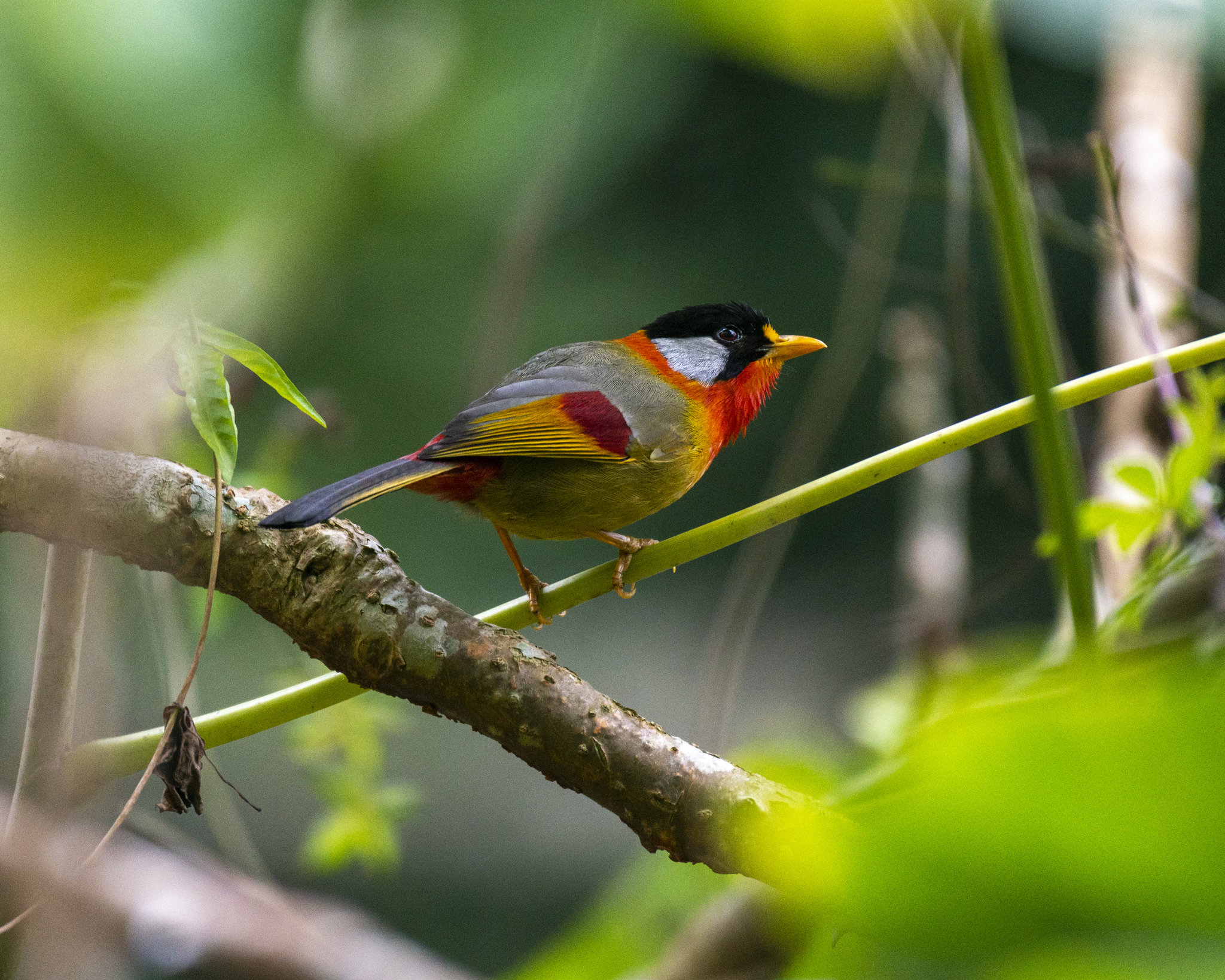
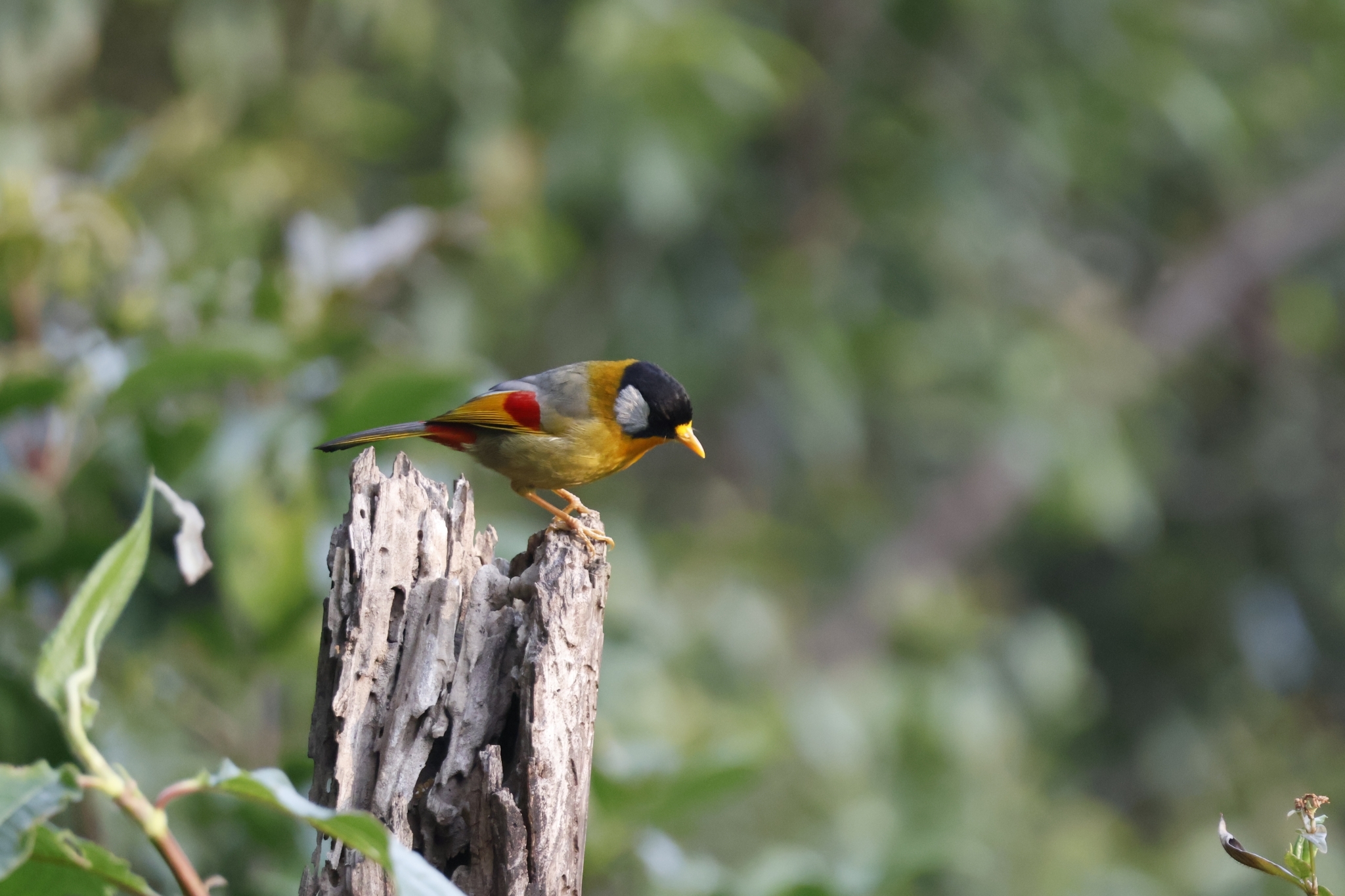
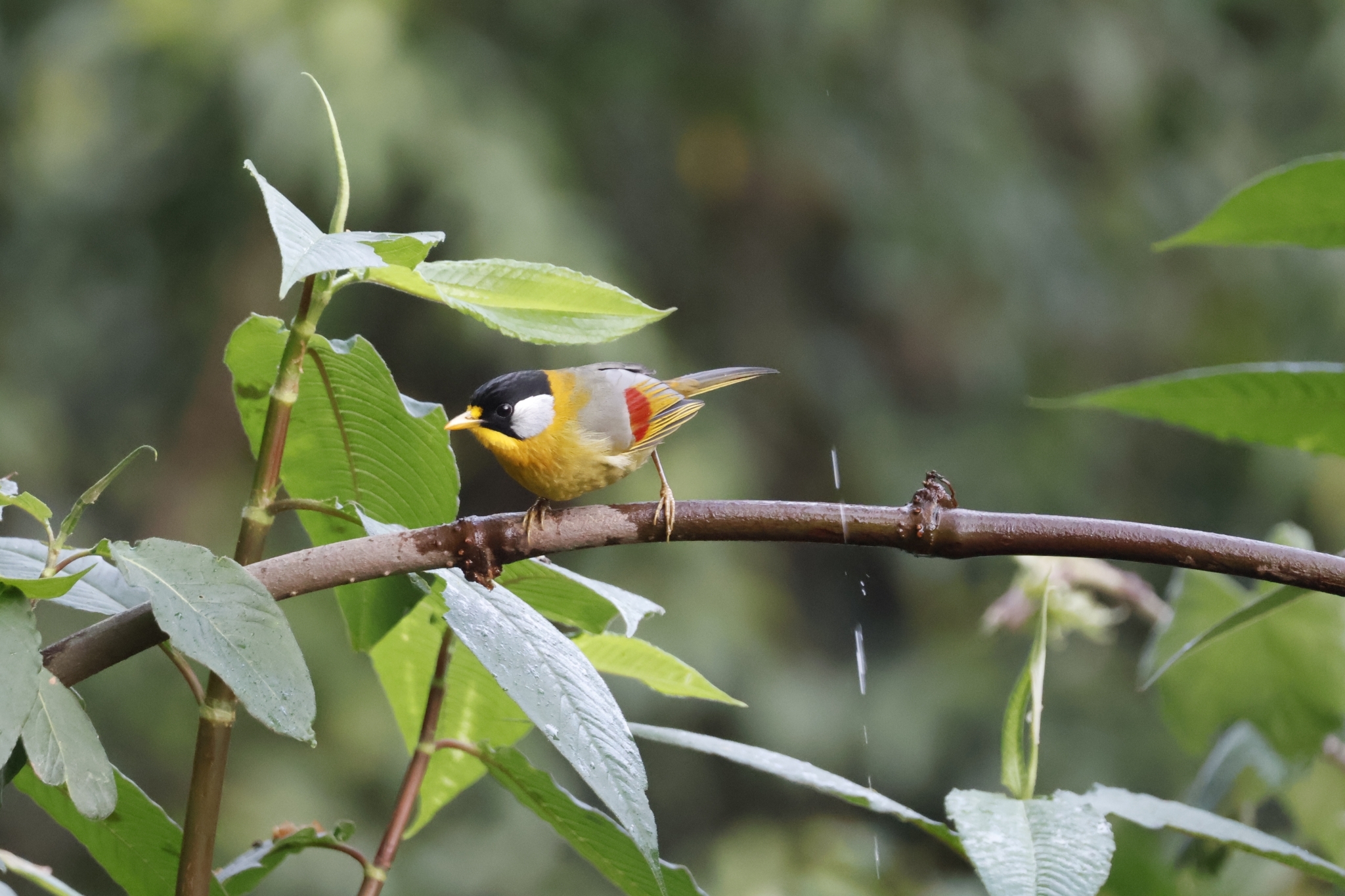
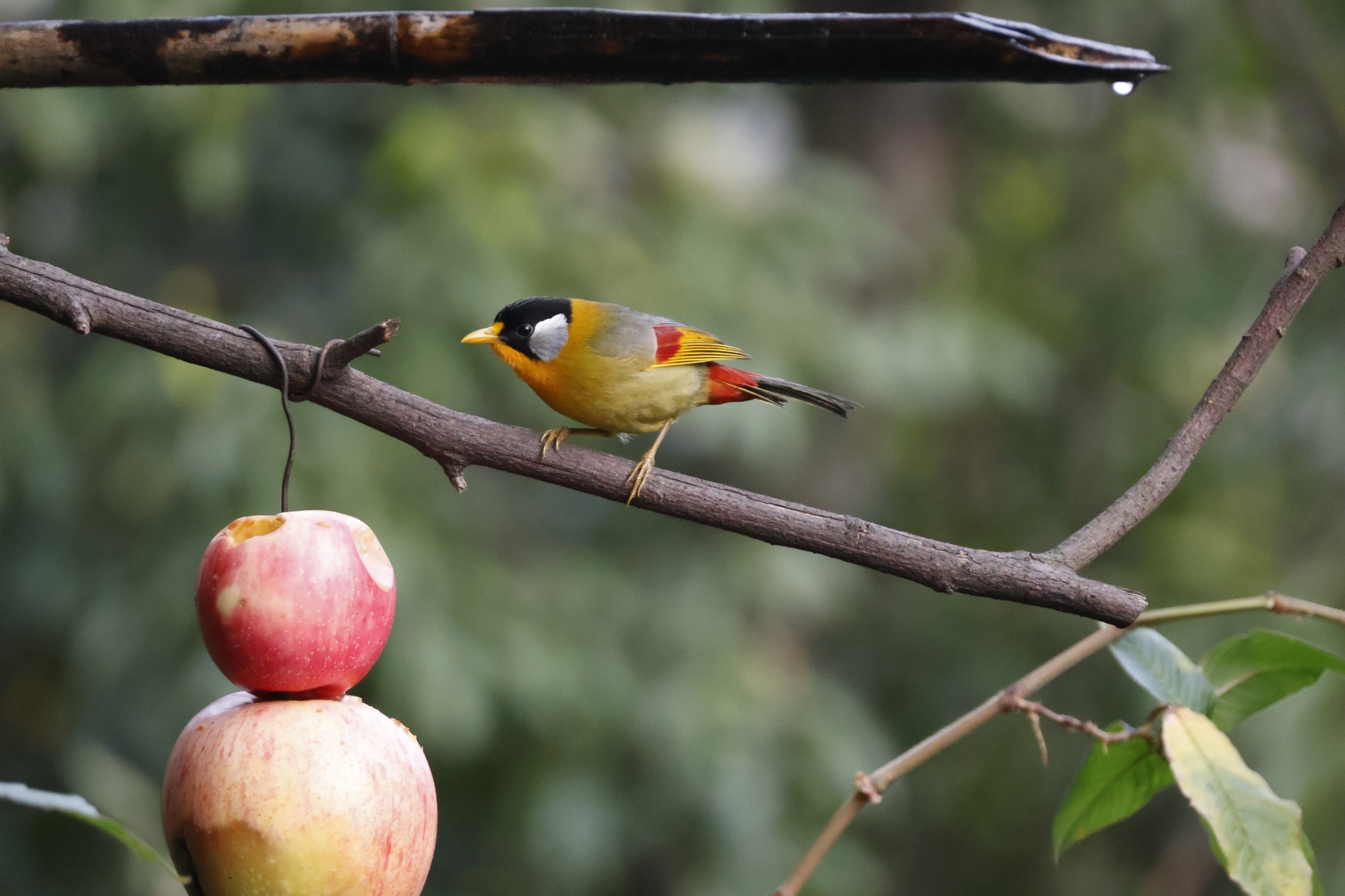
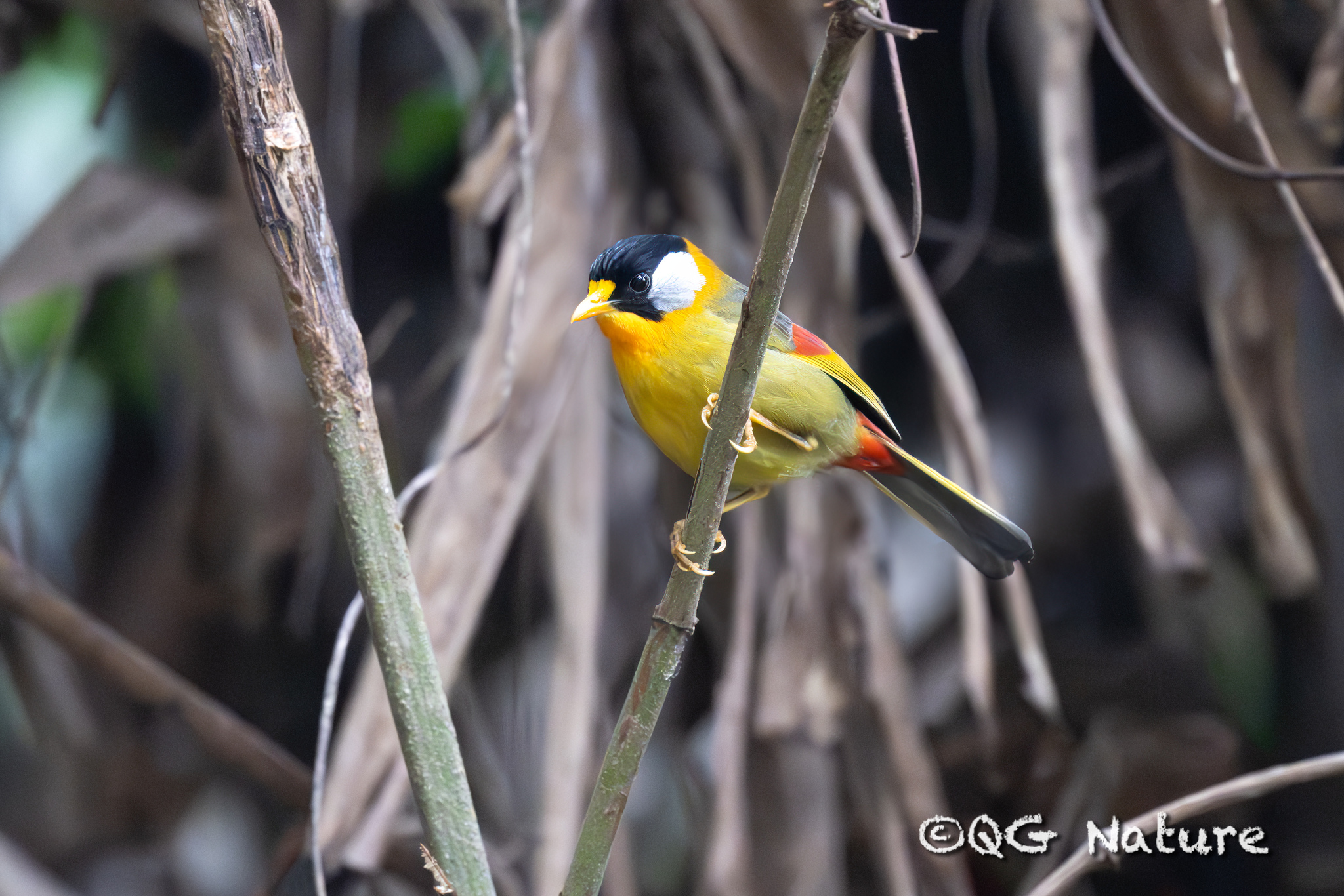
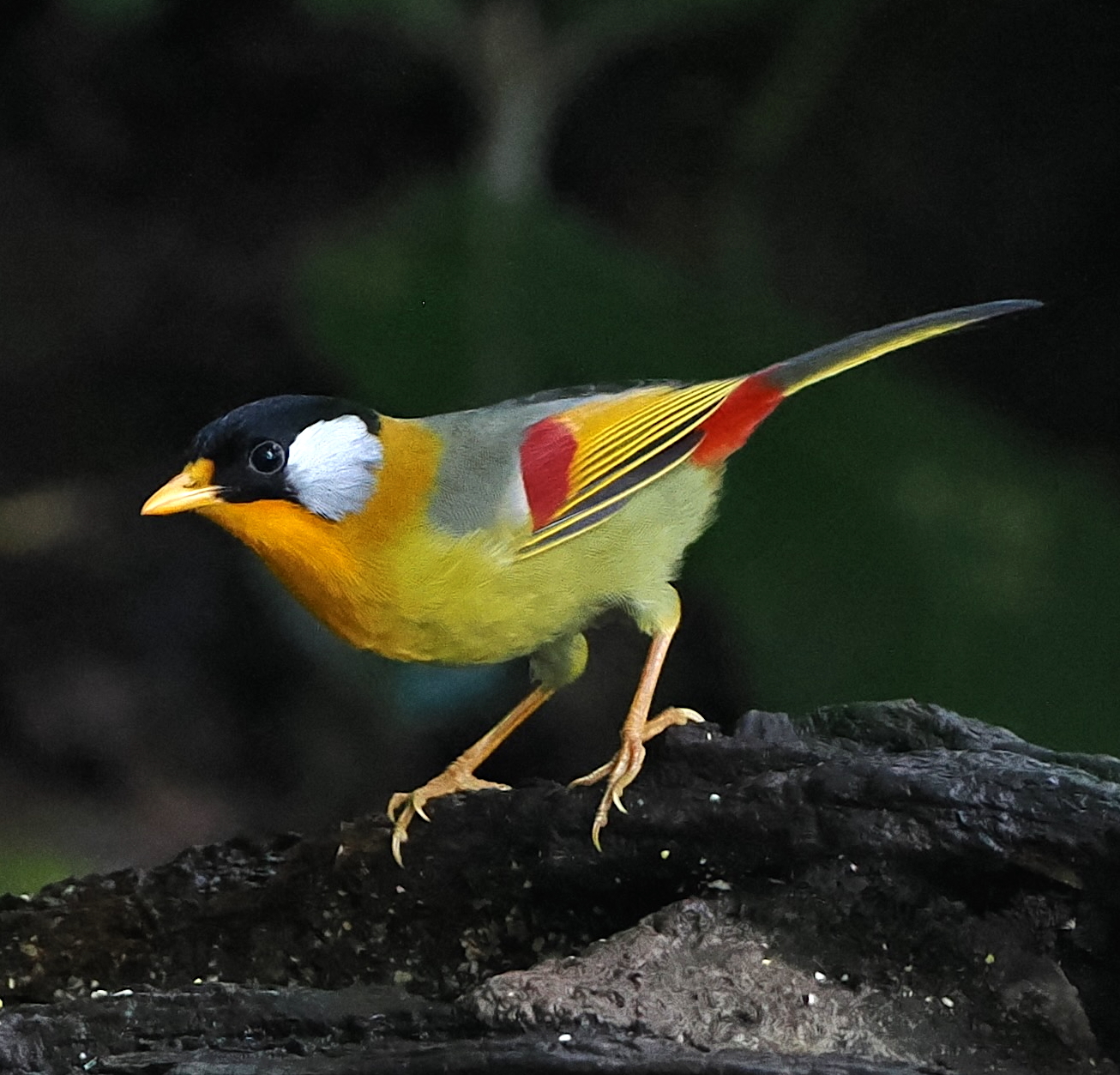
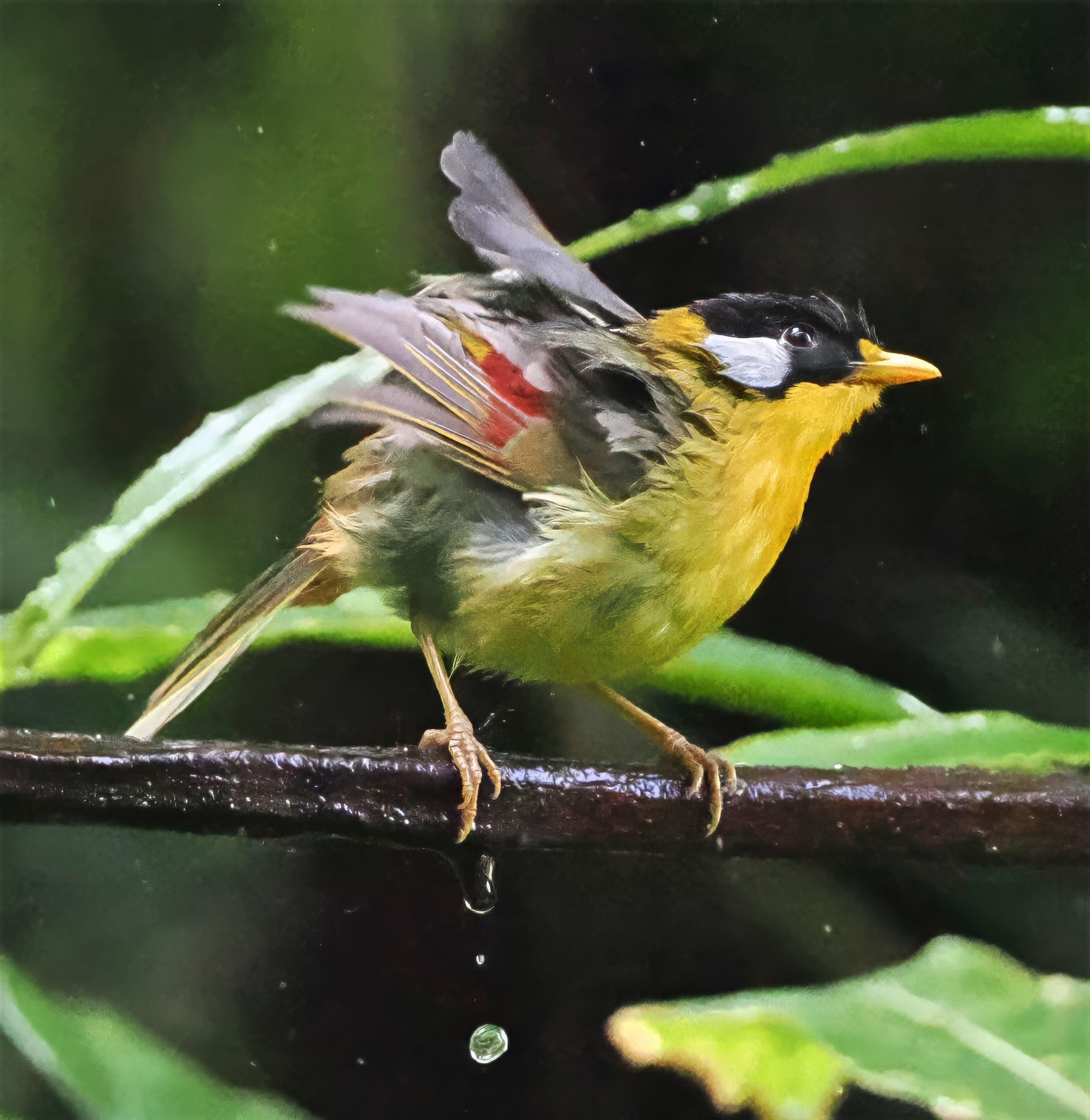
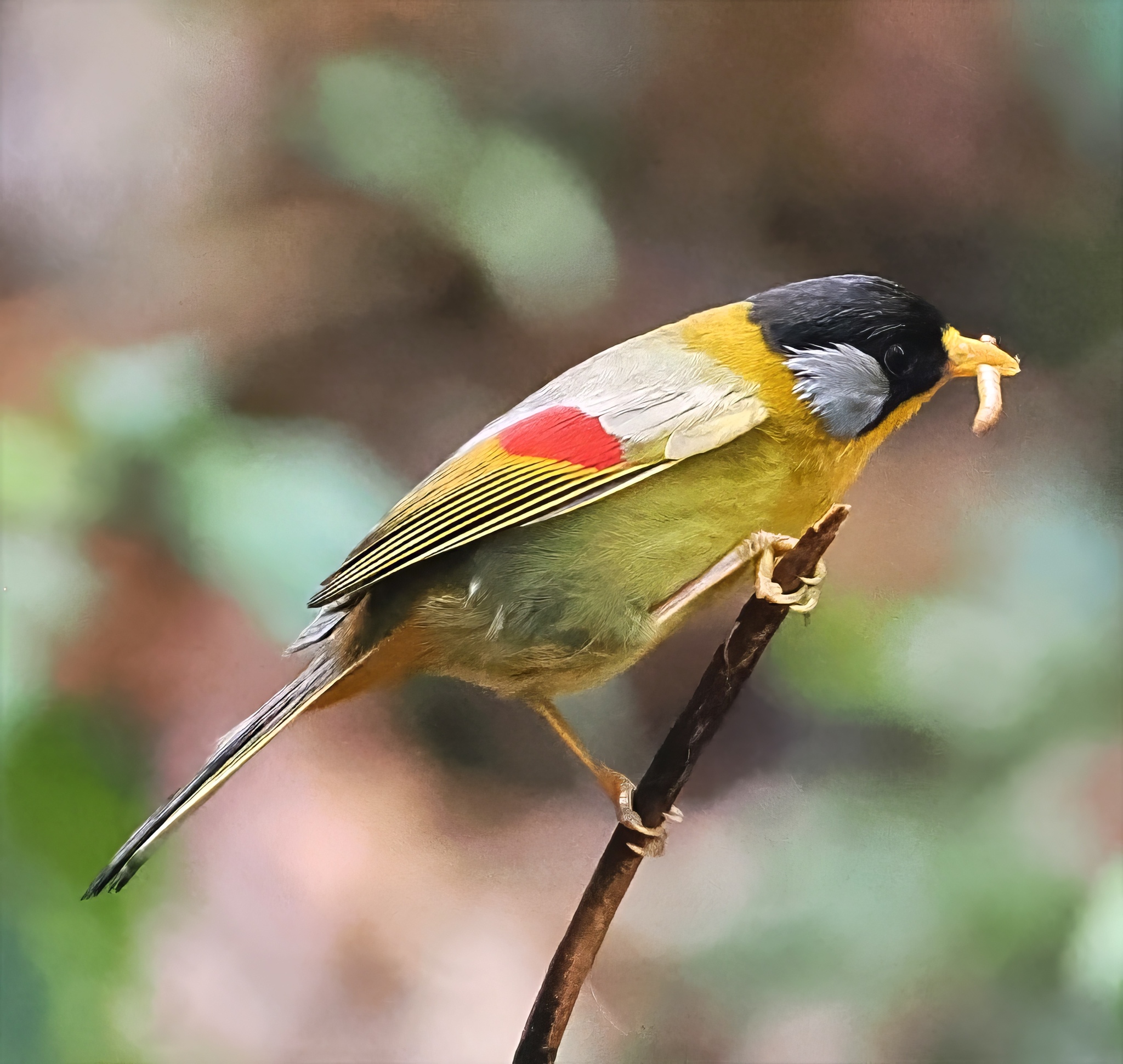
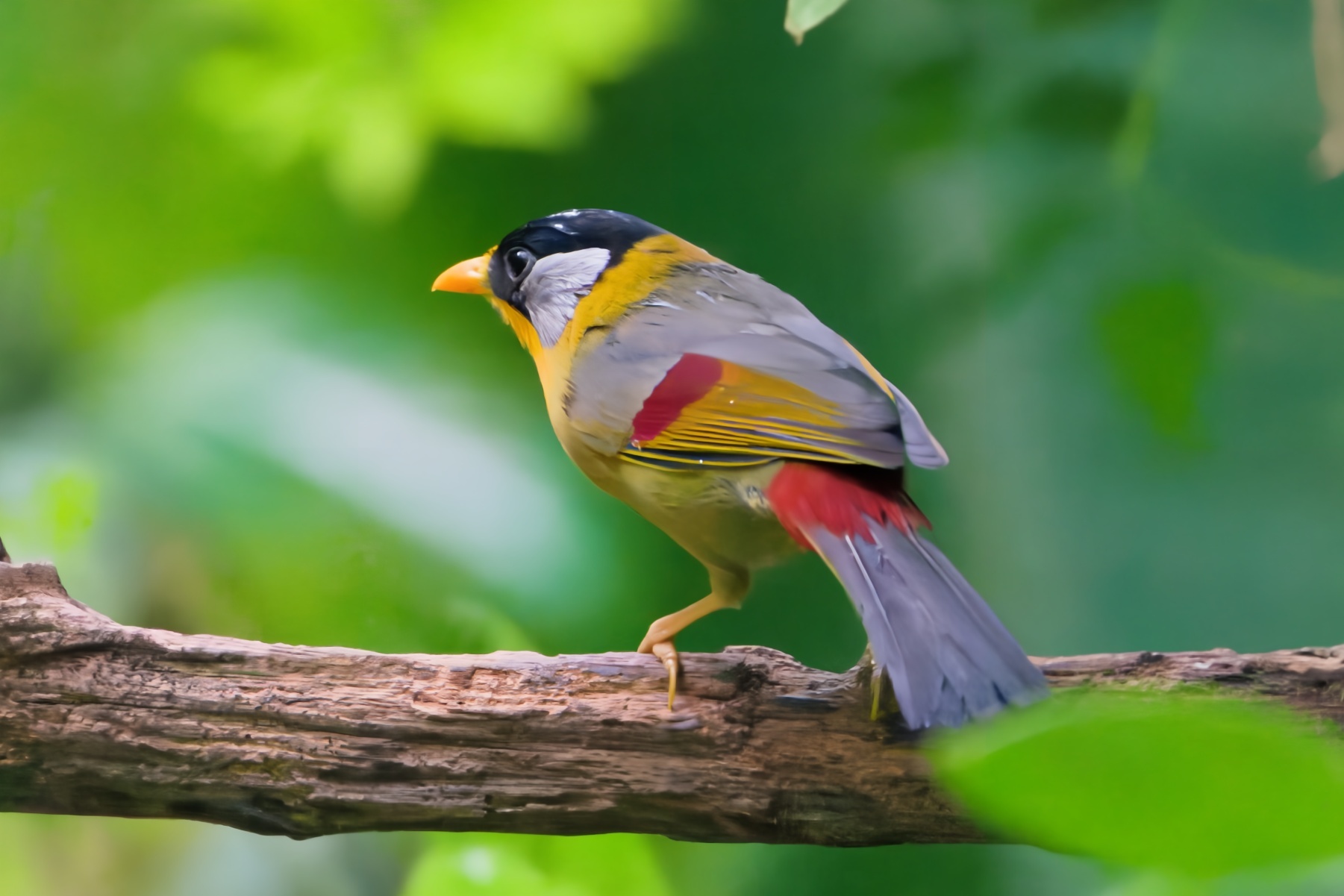
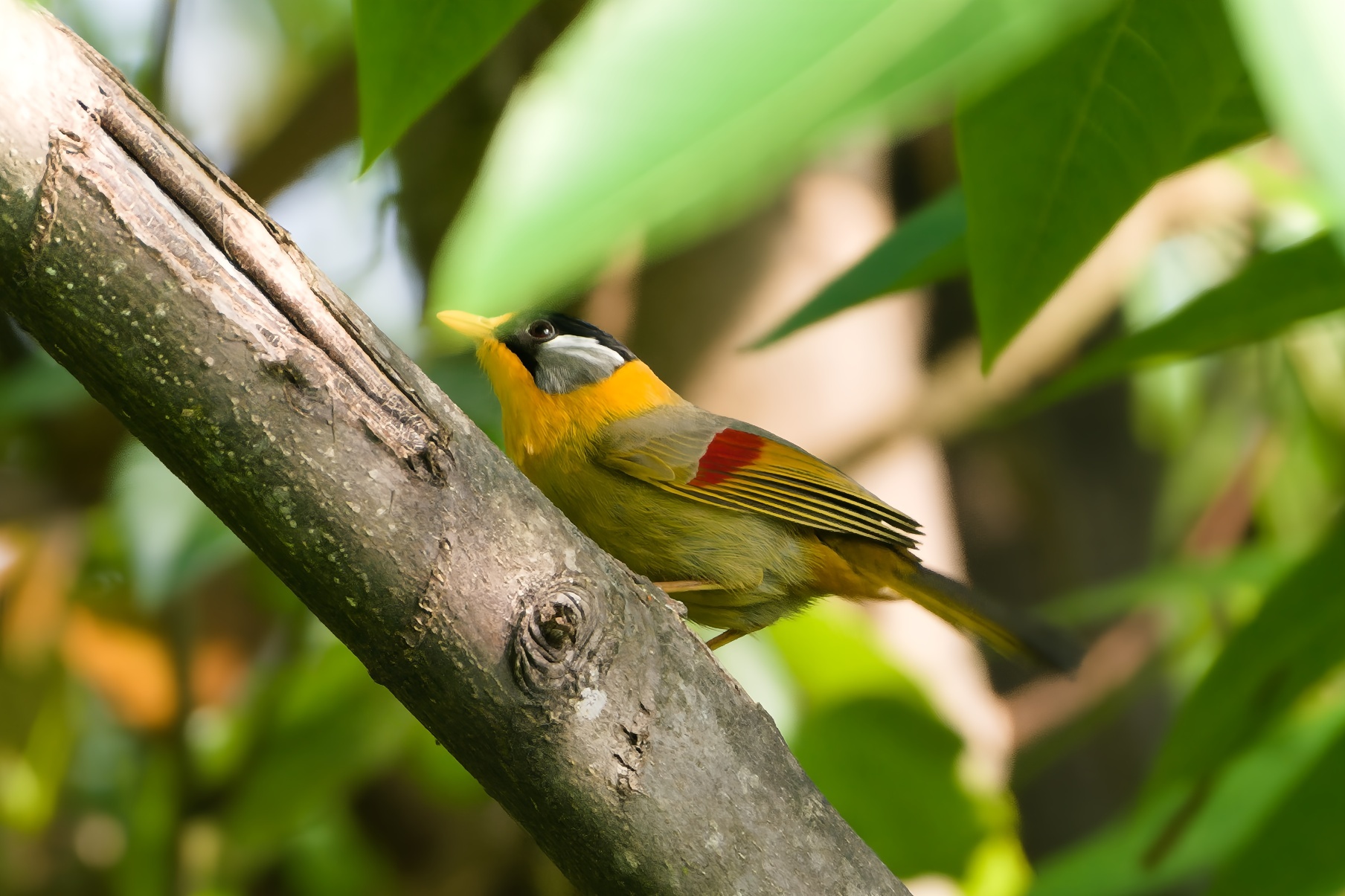
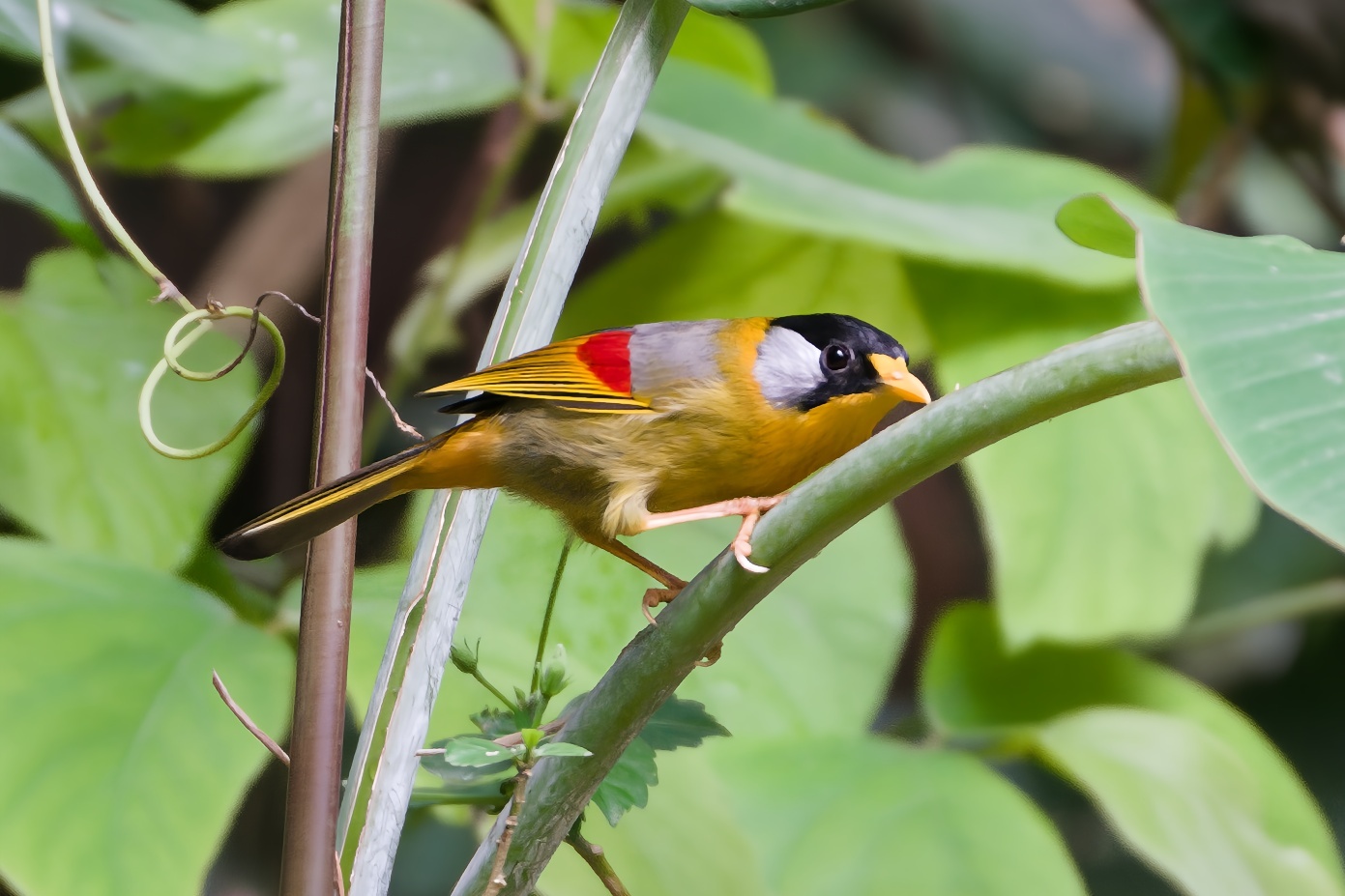
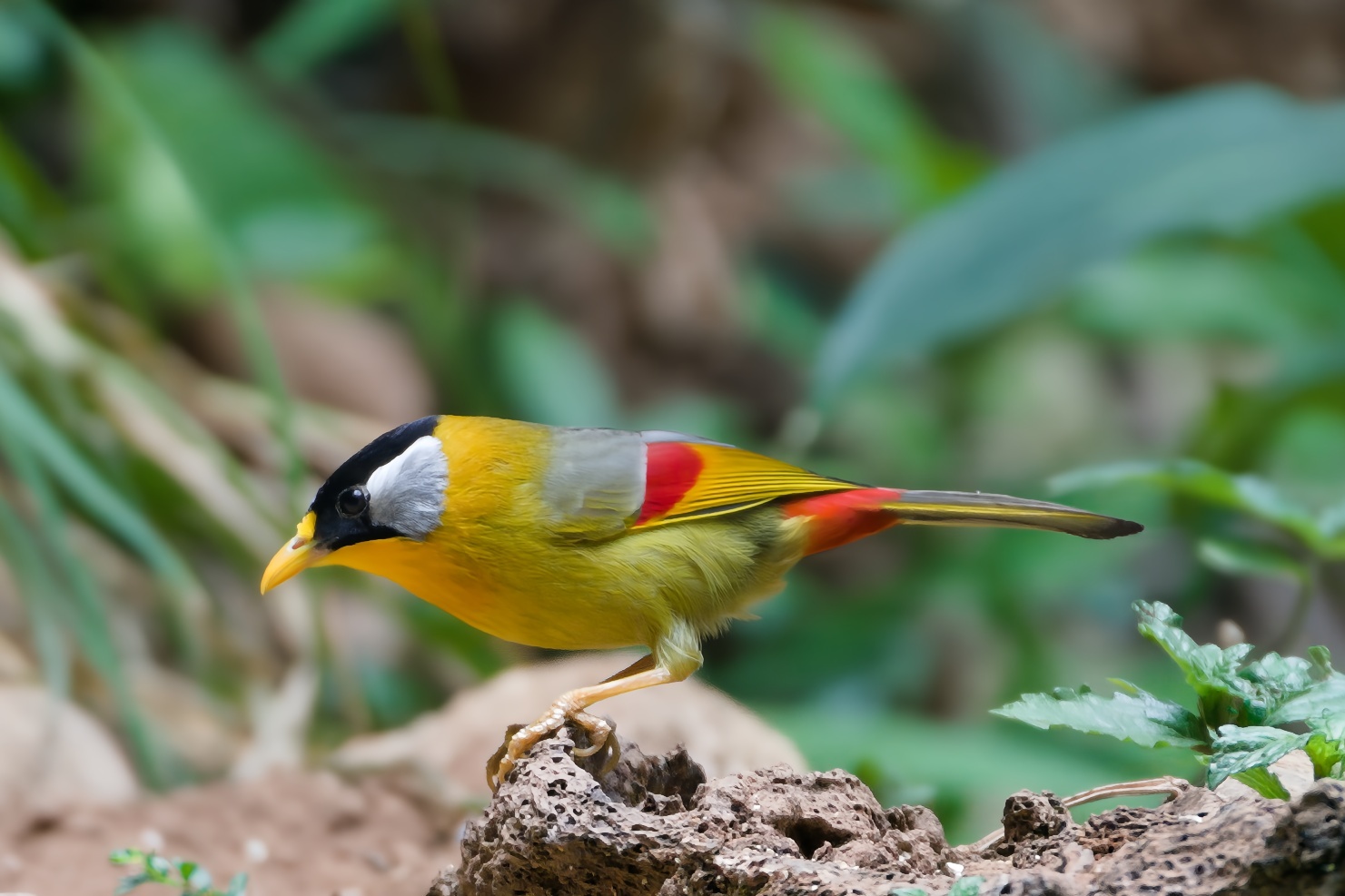
A small babbler with distinctive silver ear coverts that give the species its name. The plumage shows considerable variation across subspecies but generally features bright coloring including yellow-orange underparts and rump. The wings typically display a combination of red, orange, and yellow feathers. The bill is relatively slender, adapted for an insectivorous and frugivorous diet. Sexes are similar in appearance but males may show more intense coloration during breeding season.
Identification
The silver ear coverts are a key distinguishing feature. In areas where it overlaps with the red-billed leiothrix, the silver-eared mesia can be distinguished by its lack of red on the throat and more extensive silver coloration around the ear region. The bright yellow-orange underparts and rump help separate it from other babblers and laughingthrushes in its range. The 7 subspecies show considerable plumage variation, particularly in the intensity of yellow and orange tones.
Distribution & Habitat
Ranges across South East Asia from the Himalayas through Burma, Thailand, and Indochina to Peninsular Malaysia and Sumatra. In China, found in Yunnan, Guizhou, and Guangxi provinces. Subspecies show disjunct distributions: argentauris in northern India, Bhutan, Burma and southern China; galbana in southern Burma and northern Thailand; ricketti in China and northern Laos and Vietnam; cunhaci in southern Laos, Vietnam, and Cambodia; tahanensis in southern Thailand and Peninsular Malaysia; rookmakeri and laurinae in northern and southern Sumatra respectively. Generally resident throughout range, though altitudinal movements reported.
Behavior & Ecology
Omnivorous diet dominated by insects (found in 87% of samples) and fruit (97% of samples), with seeds taken less frequently. Forages in groups of up to 30 individuals and joins mixed-species flocks known as waves with other babbler species. Feeds from ground level up to 5 meters in canopy. Breeding season runs November to August (April start in northern populations). Both sexes build a deep cup nest of bamboo and dead leaves lined with rootlets and fern fibers, taking 4 days to construct and placed near ground to 2m height. Clutch size 2-5 eggs (typically 4 in India, 2-3 in Malaysia). Both parents incubate for 13-14 days. Chicks fledge at 12 days with post-fledging parental care of 22 days.
Conservation
No specific IUCN assessment or population data provided in source material.
Culture
No cultural or folklore information provided in source material.
Source: Wikipedia · CC BY-SA 3.0
Taxonomy
- Order
- Passeriformes
- Family
- Leiothrichidae
- Genus
- Leiothrix
- eBird Code
- siemes1
Vocalizations
Subspecies (9)
-
Leiothrix argentauris argentauris
Himalayas (Garhwal to Nepal, Sikkim, Bhutan, and northern Assam)
-
Leiothrix argentauris aureigularis
southern Assam (south of the Brahmaputra) and southwestern Myanmar (Chin Hills)
-
Leiothrix argentauris cunhaci
southern Laos (Bolaven Plateau) and southern Annam
-
Leiothrix argentauris galbana
eastern Myanmar to northern Thailand
-
Leiothrix argentauris laurinae
highlands of western Sumatra
-
Leiothrix argentauris ricketti
southern China and northern Indochina
-
Leiothrix argentauris rookmakeri
highlands of northwestern Sumatra (Aceh District)
-
Leiothrix argentauris tahanensis
mountains of Malay Peninsula
-
Leiothrix argentauris vernayi
northeastern Assam to northern Myanmar and southern China (western Yunnan)
Data Sources
Species description from Wikipedia, licensed under CC BY-SA 3.0.
Bird images and sounds sourced from GBIF, contributed by citizen scientists worldwide under Creative Commons licenses.
Taxonomy data from AviList 2025.