Rufous-headed Robin
Larvivora ruficeps
棕头歌鸲
Introduction
Passerine bird in the family Muscicapidae. Found in central China. Inhabits temperate forests and temperate shrubland. Poorly known species with very localized distribution. Classified as Endangered due to declining populations, with habitat loss being the primary threat.
Description
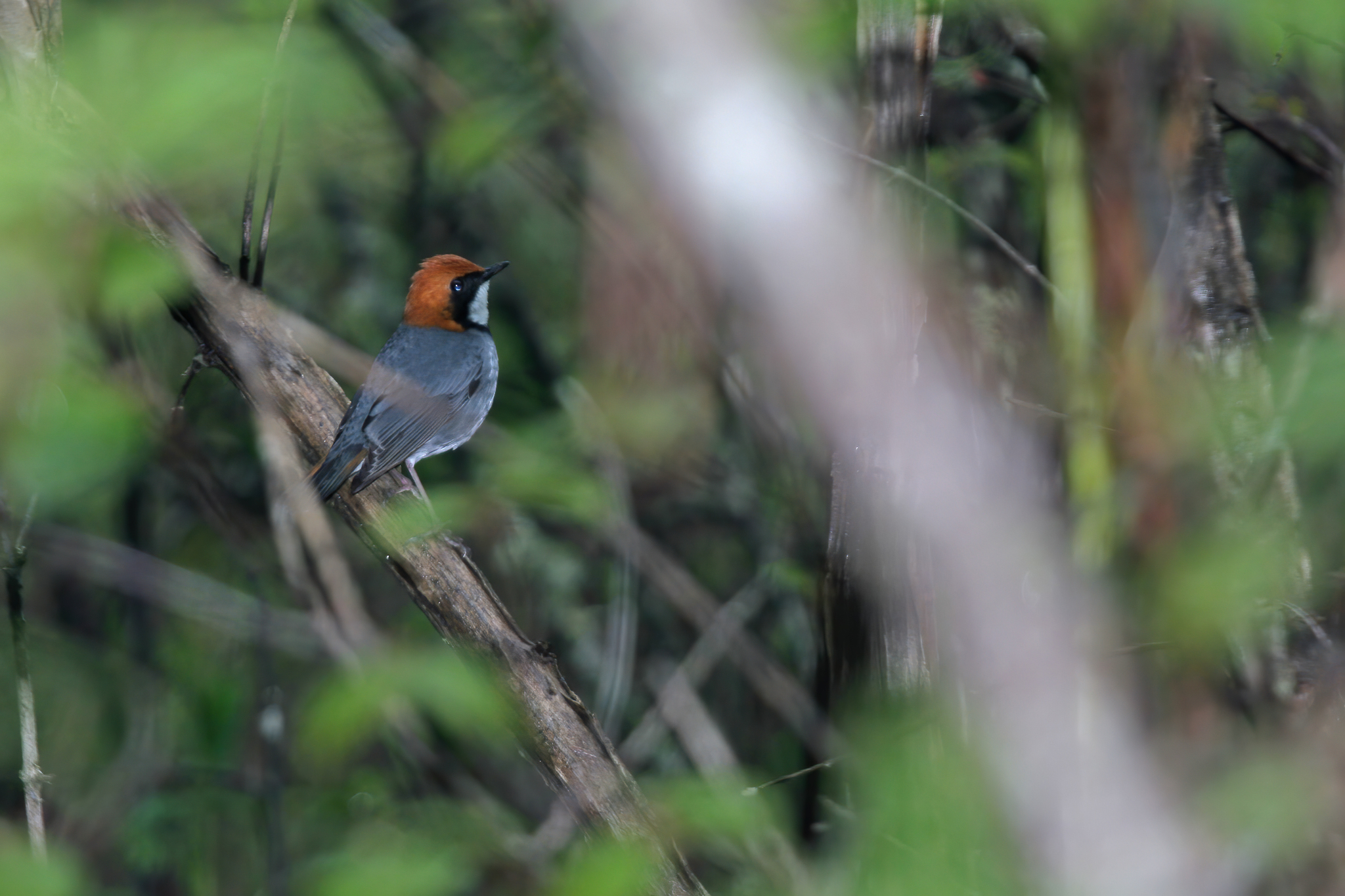
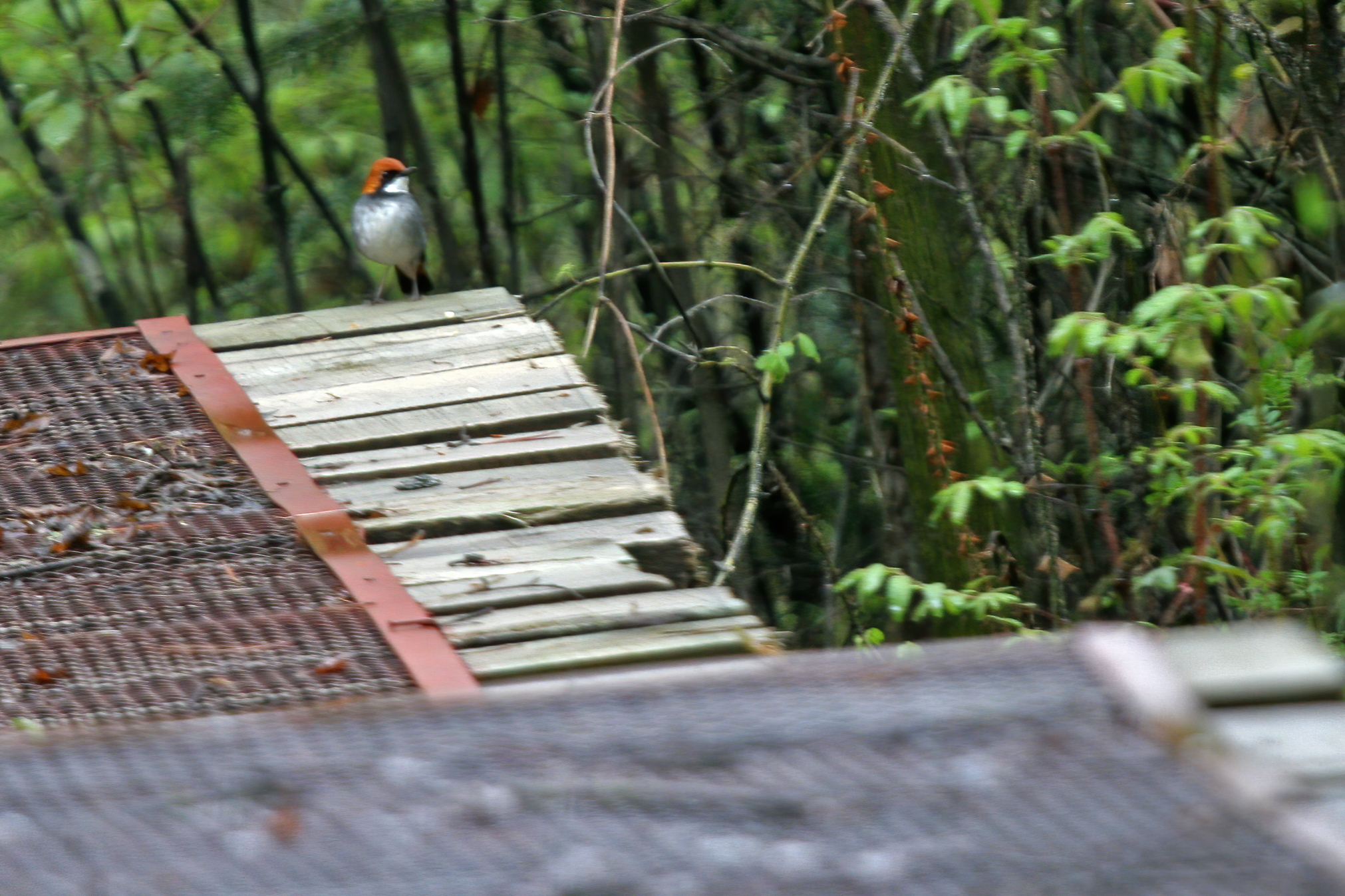
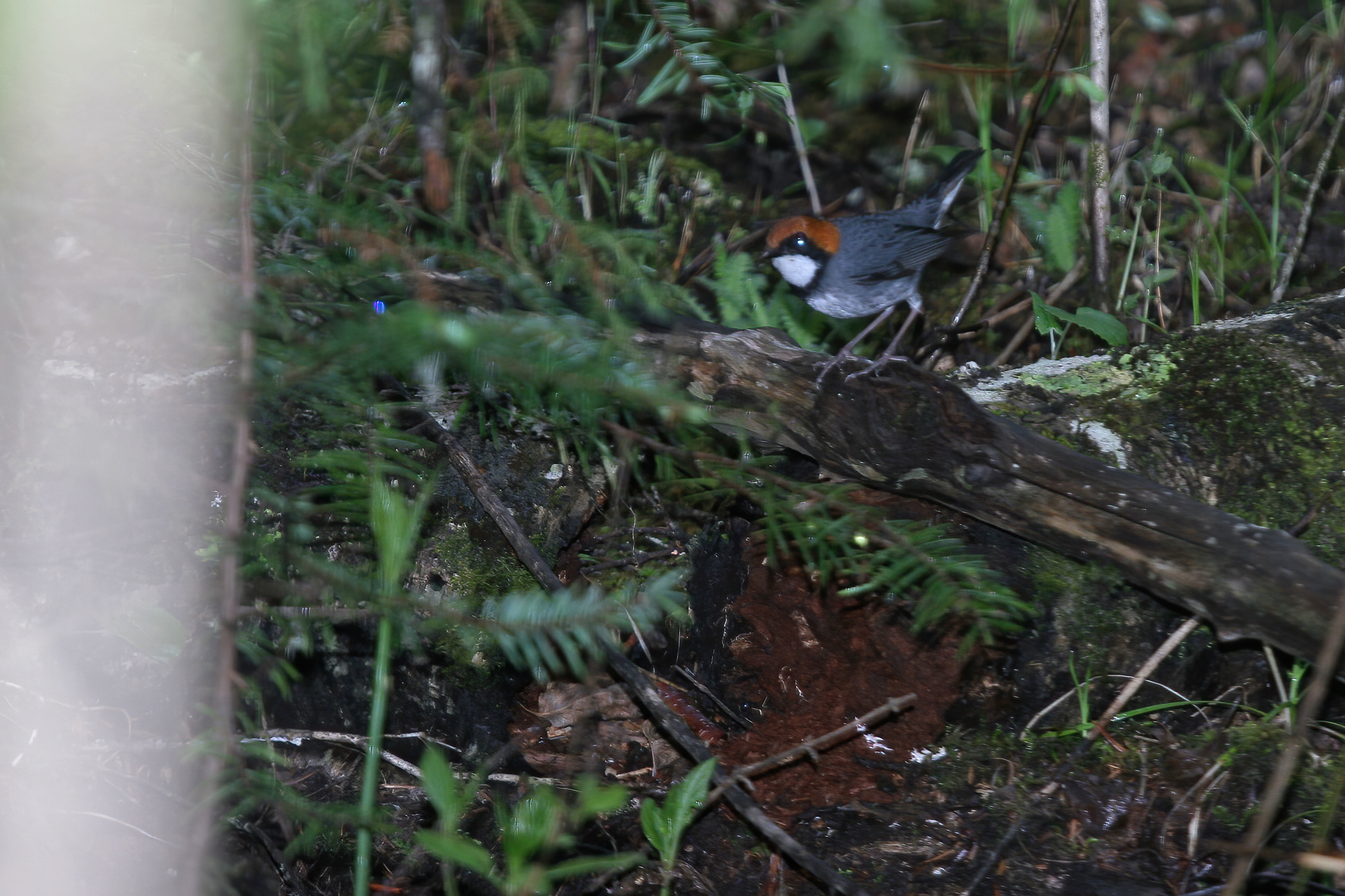
Small robin with an average length of 15 cm. The head is orange-rufous, and the face is black. The throat is white with black bordering. The back, upper breast, and flanks are grey, while most of the belly and underparts are white. The tail is black with rufous fringes and blackish tips to the outer feathers. The song is powerful and clearly phrased.
Distribution & Habitat
Known from only seven confirmed or probable breeding sites in the Qin Mountains of Sichuan and southern Shaanxi, with very few scattered migrant records. Inhabits mixed coniferous and deciduous forest and scrubland at altitudes of 2,400-2,800 m, using successional scrub in valley bottom areas subject to flash-floods. Total population estimated at 1,500-3,800 individuals. Suitable habitat predicted in north and central Sichuan, south Gansu, south Shaanxi, and south-east Tibet.
Behavior & Ecology
The song is powerful and clearly phrased, most similar to that of the Ryukyu robin.
Conservation
IUCN Endangered status (previously Vulnerable until 2012, uplisted in 2013). Populations are declining based on rarity of recent sightings. Primary threats include habitat loss and degradation, and potential capture for the caged bird trade.
Source: Wikipedia · CC BY-SA 3.0
Taxonomy
- Order
- Passeriformes
- Family
- Muscicapidae
- Genus
- Larvivora
- eBird Code
- ruhrob1
Distribution
breeds north-central China (Tsingling Mountains of Shaanxi and Sichuan); breeding range poorly known but recorded from southern Cambodia and northern Malaysia
Data Sources
Species description from Wikipedia, licensed under CC BY-SA 3.0.
Bird images and sounds sourced from GBIF, contributed by citizen scientists worldwide under Creative Commons licenses.
Taxonomy data from AviList 2025.