Glaucous-winged Gull
Larus glaucescens
灰翅鸥
Introduction
A large white-headed gull (Larus glaucescens) inhabiting coastal regions of the North Pacific. Found rarely far from the ocean along the western coast of Alaska to Washington, breeding in northwest Alaska and Russian Far East during summer, wintering from California to Sonora. Occurs in Puget Sound region. Has been recorded as a rare vagrant to the Western Palearctic with records from Morocco, Canary Islands, Britain (winters 2006/2007, 2008/2009), and Ireland (2016). Longevity records show typical lifespan around 15 years, with documented cases exceeding 21-22 years and a maximum record of over 37 years for a bird banded as a chick in British Columbia.
Description
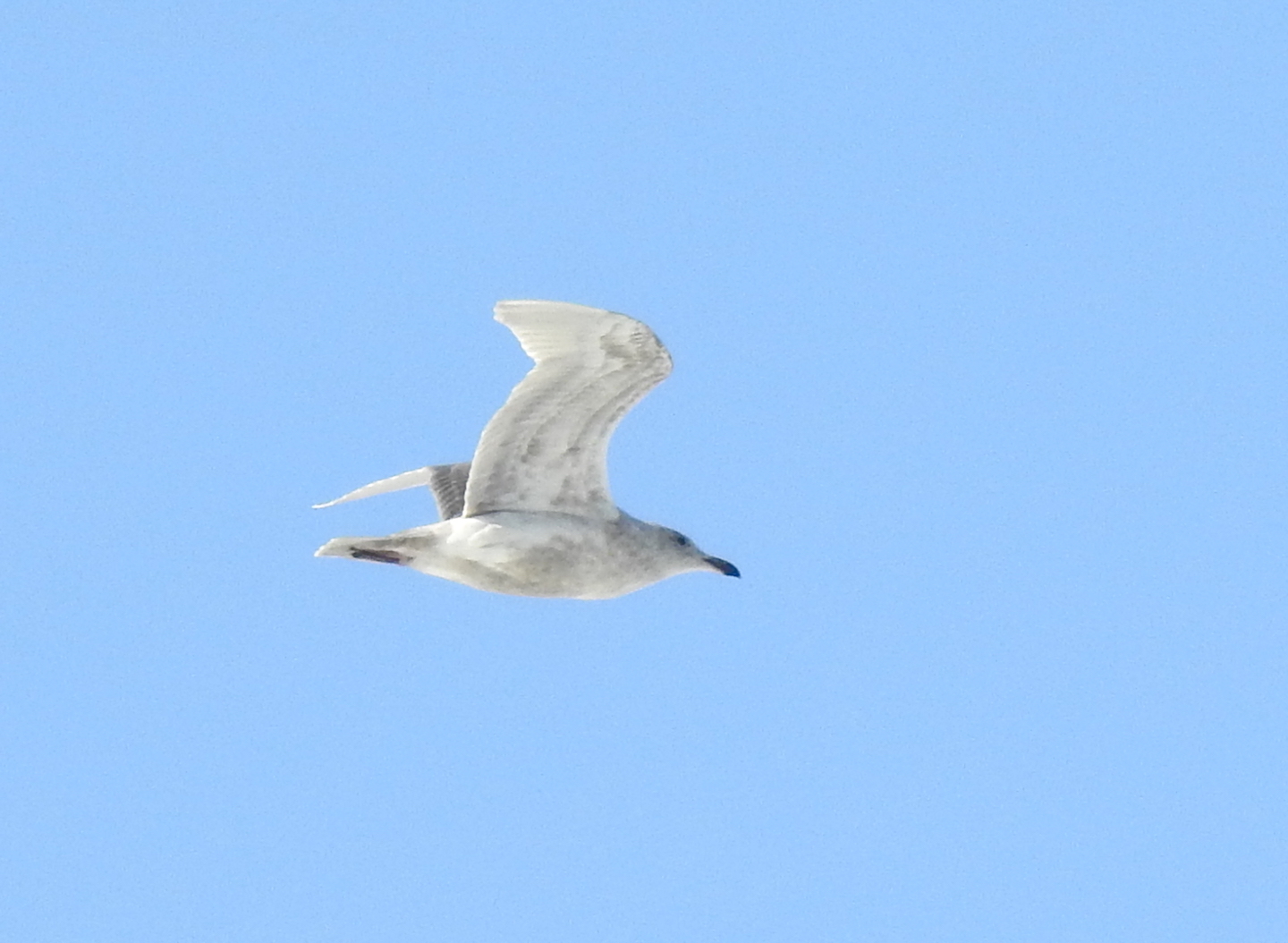
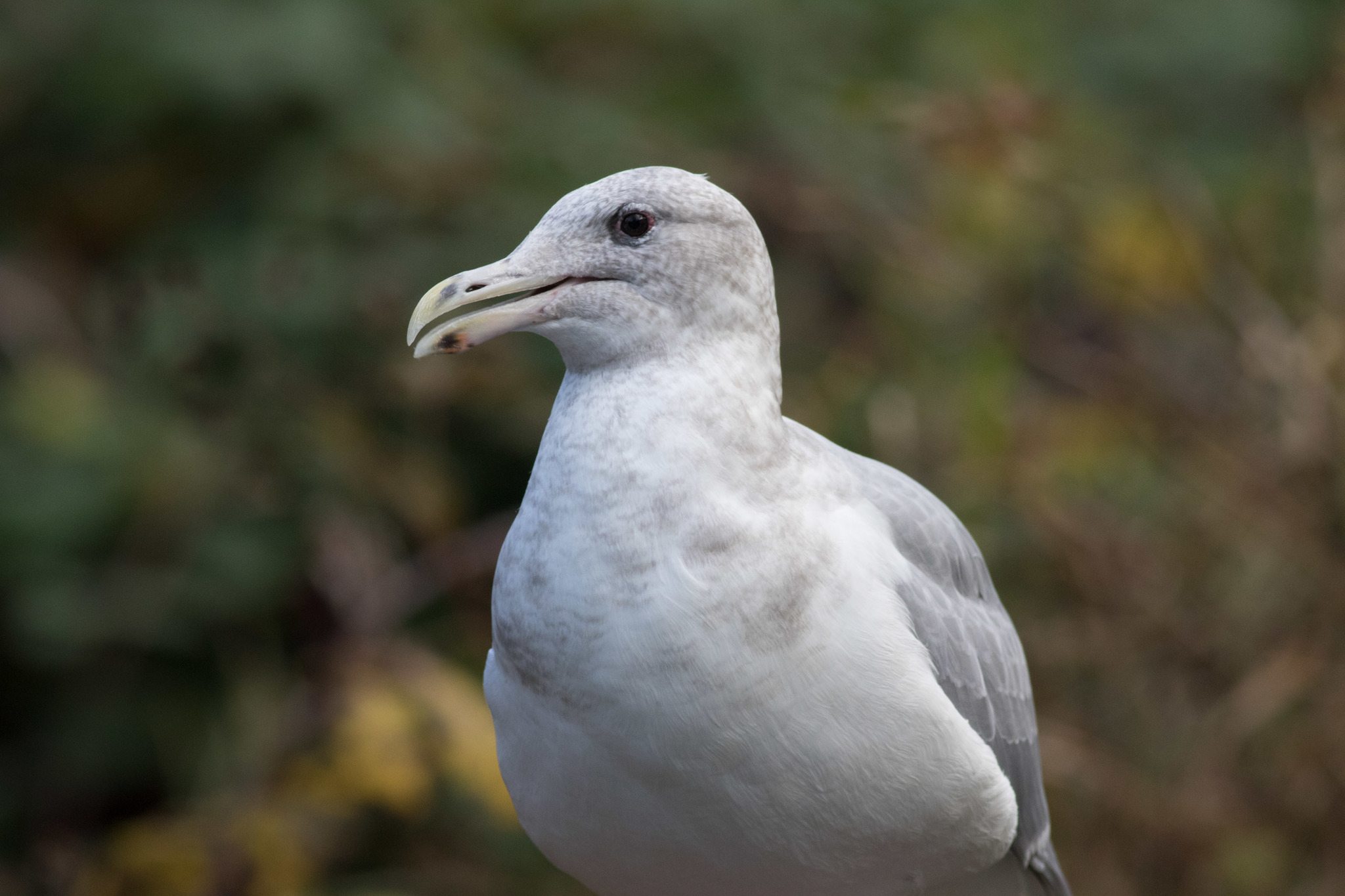
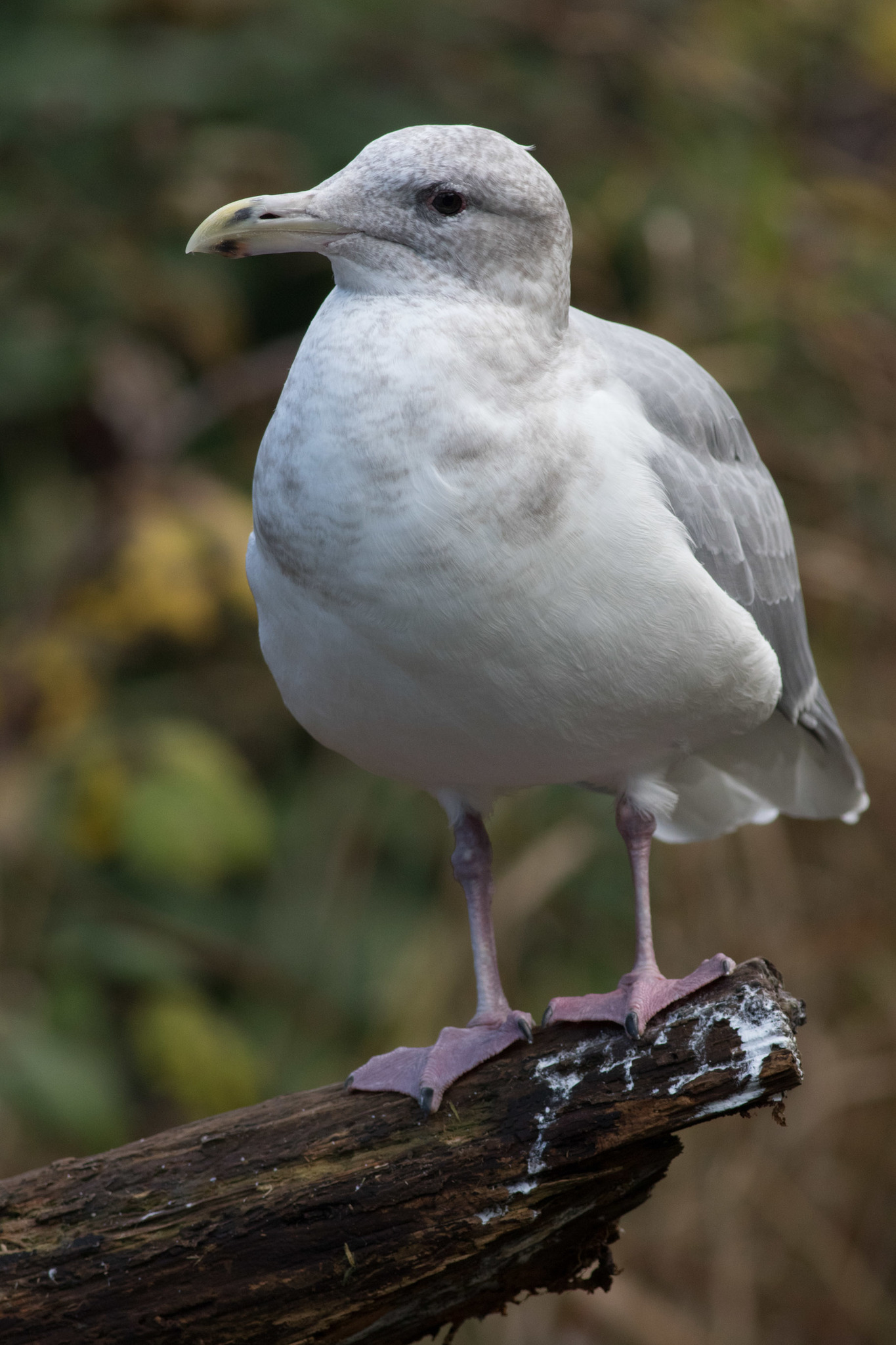
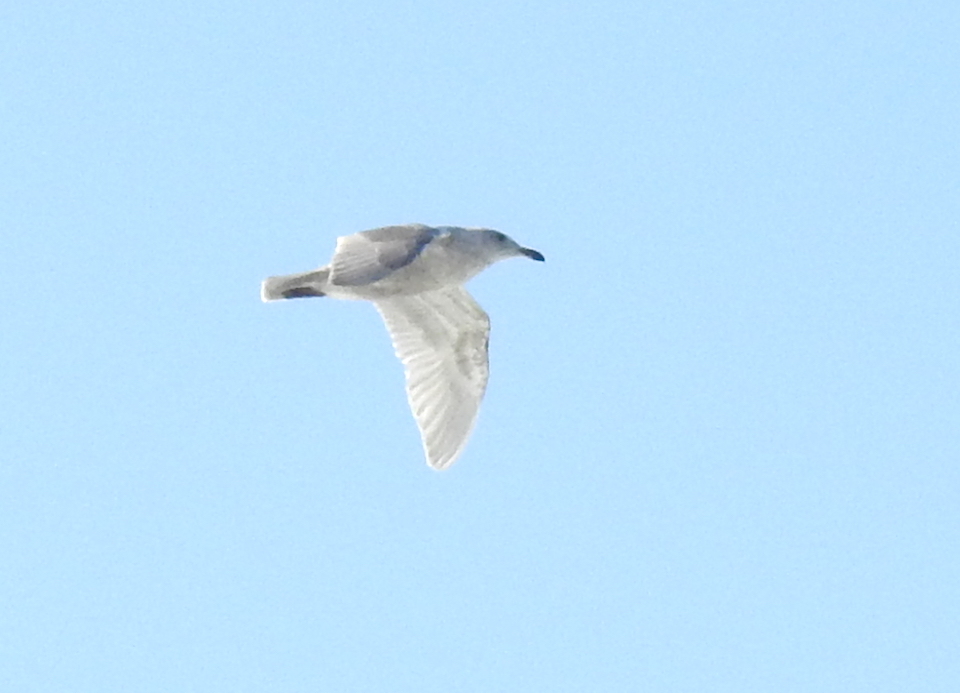
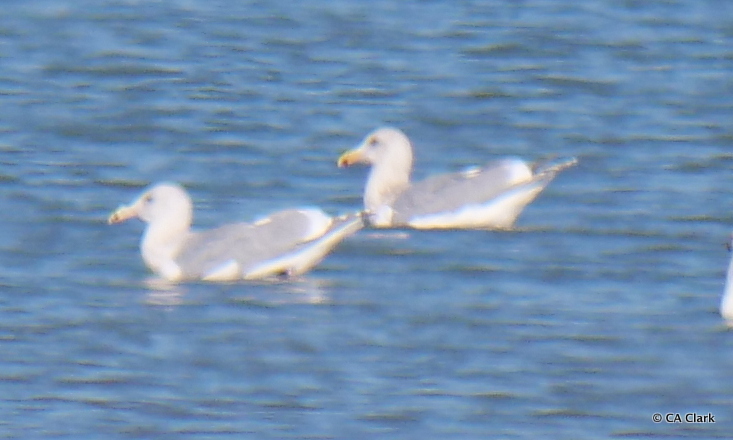
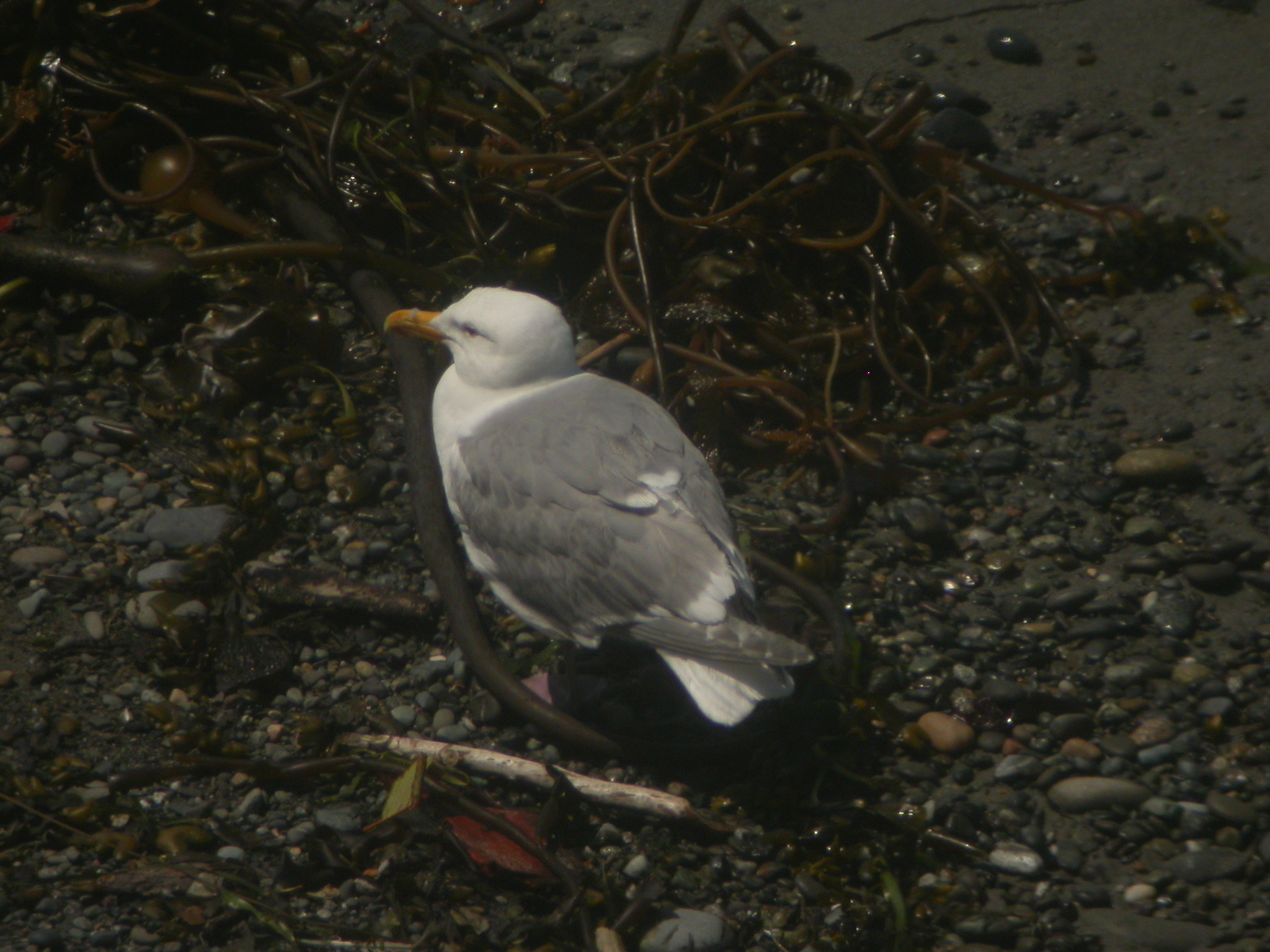
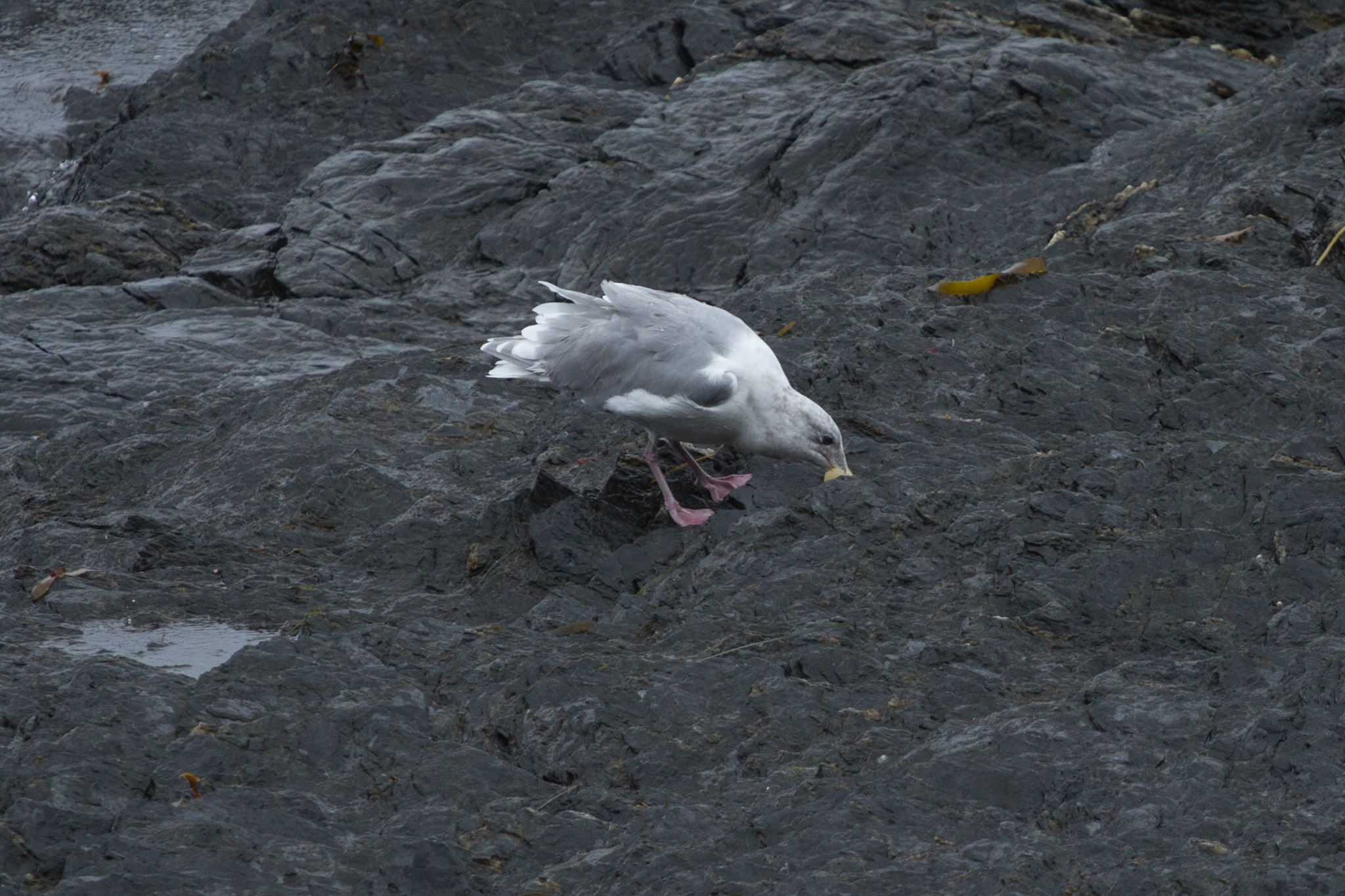
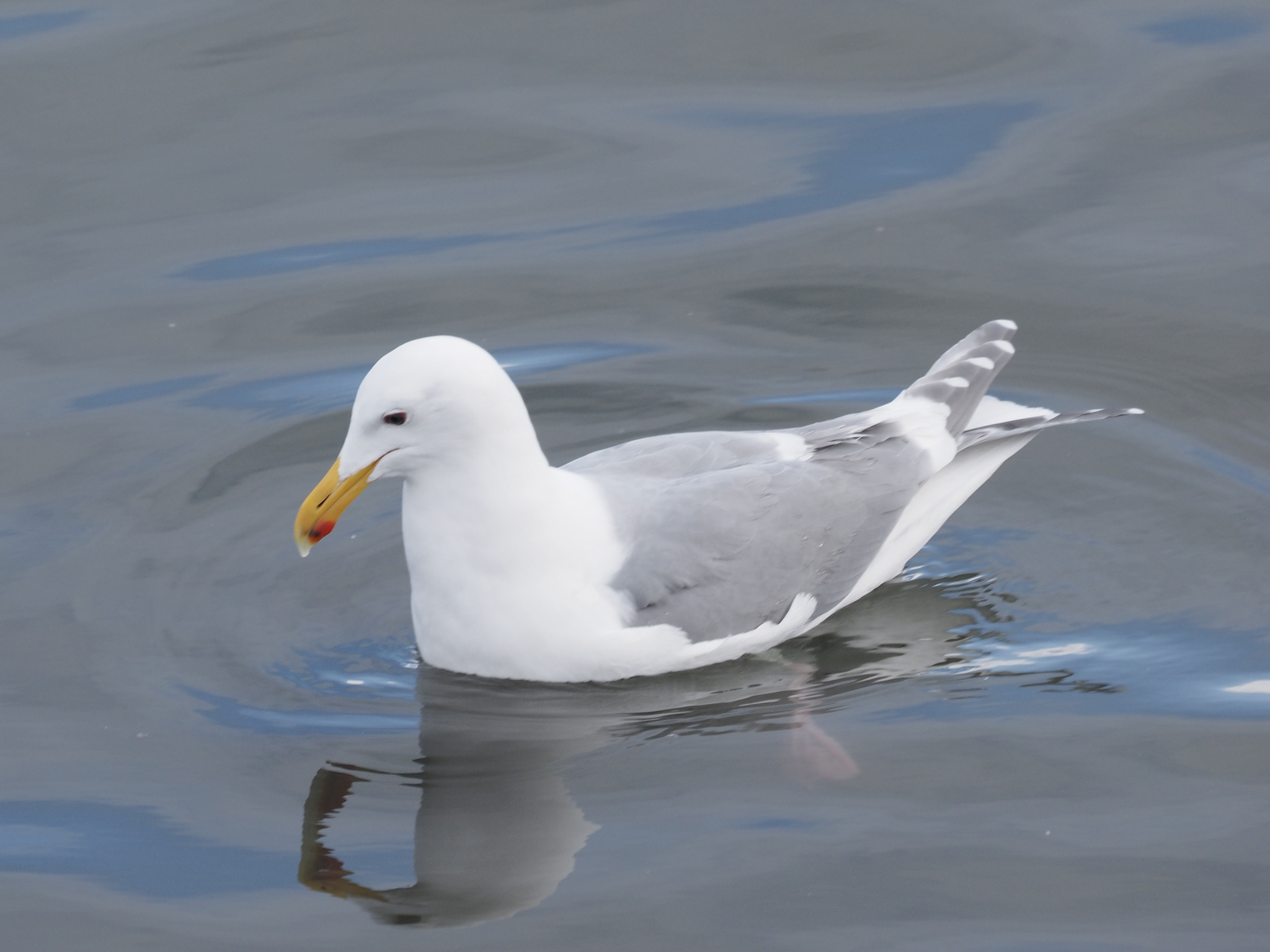
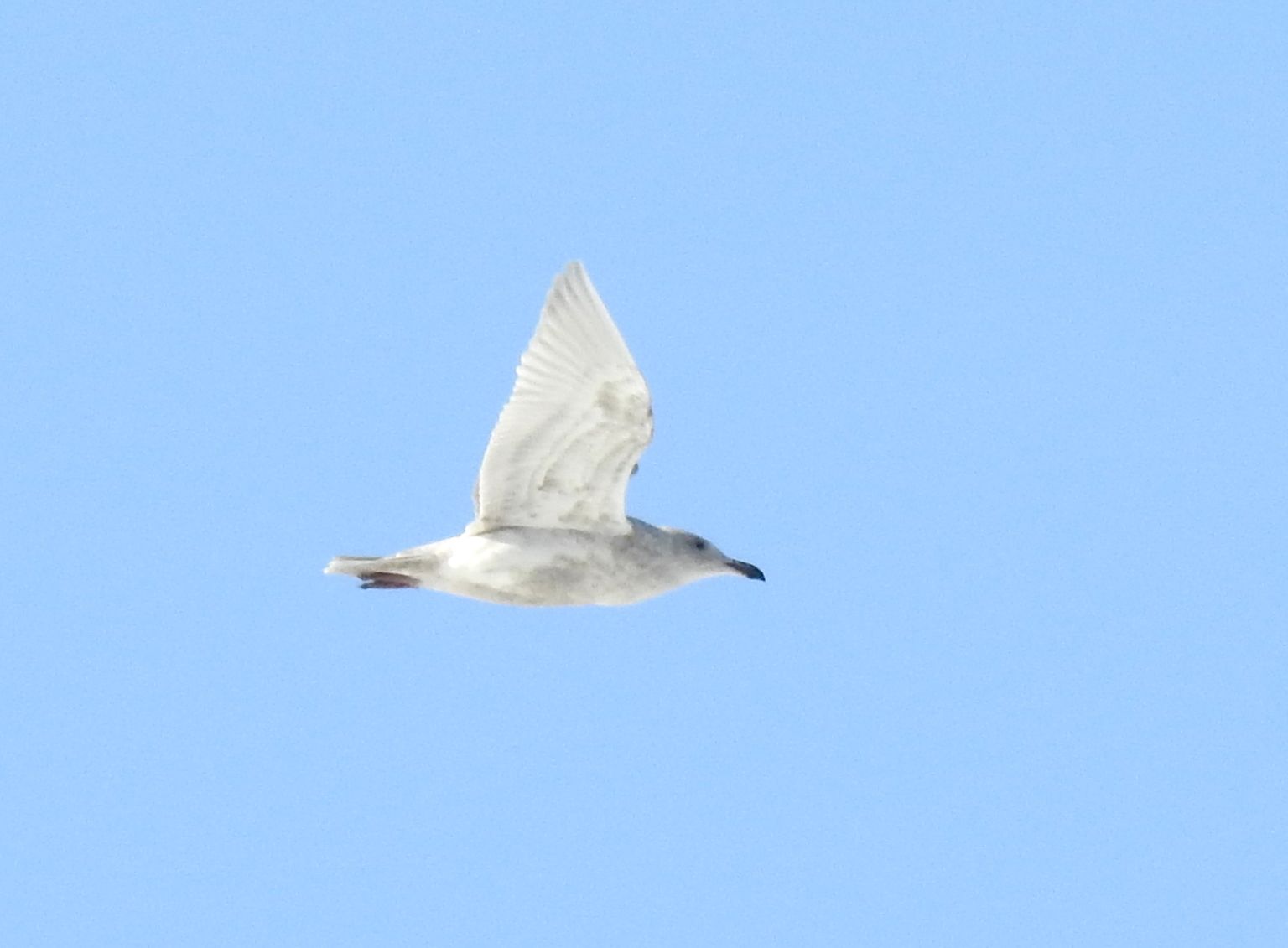
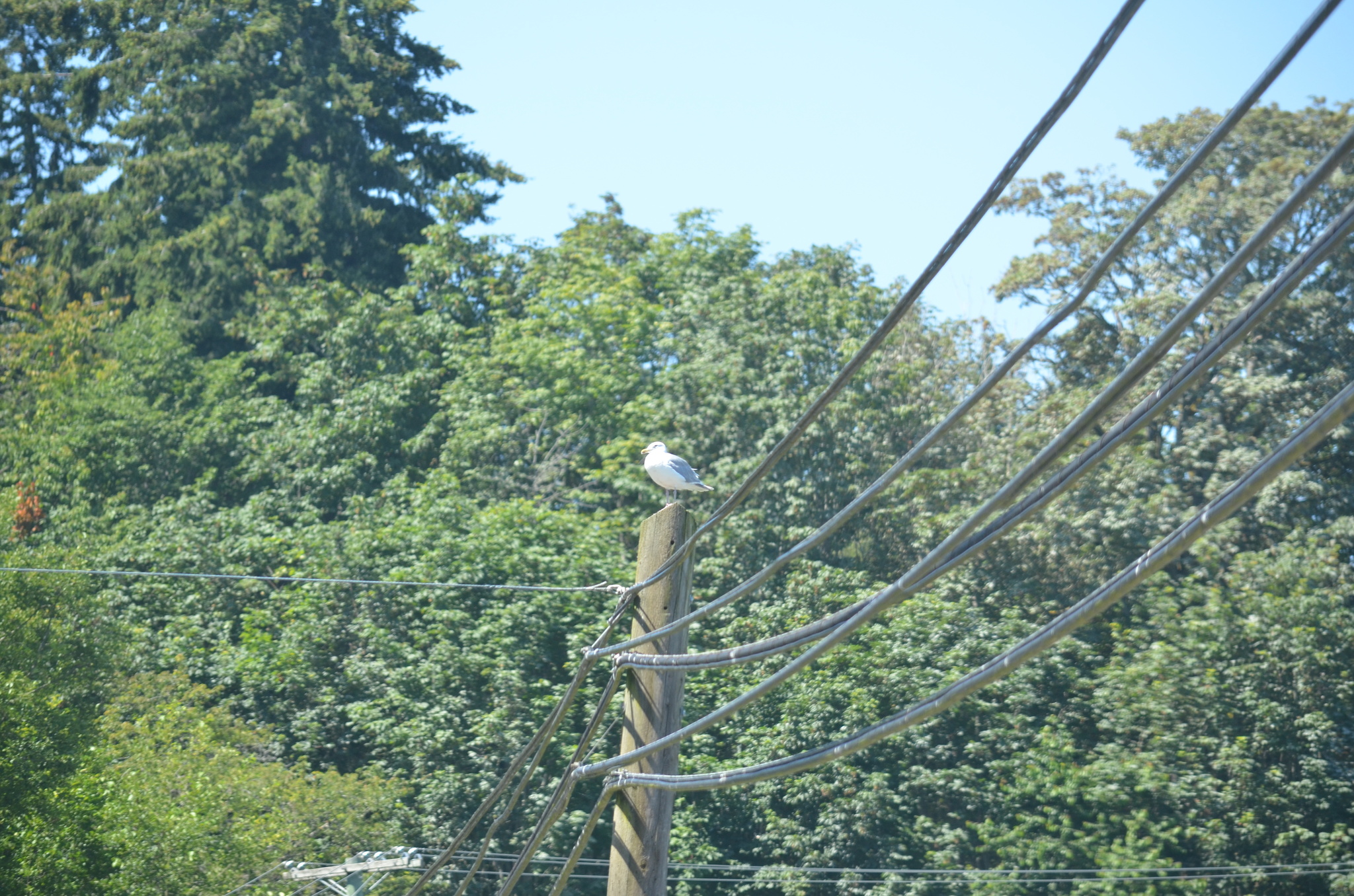
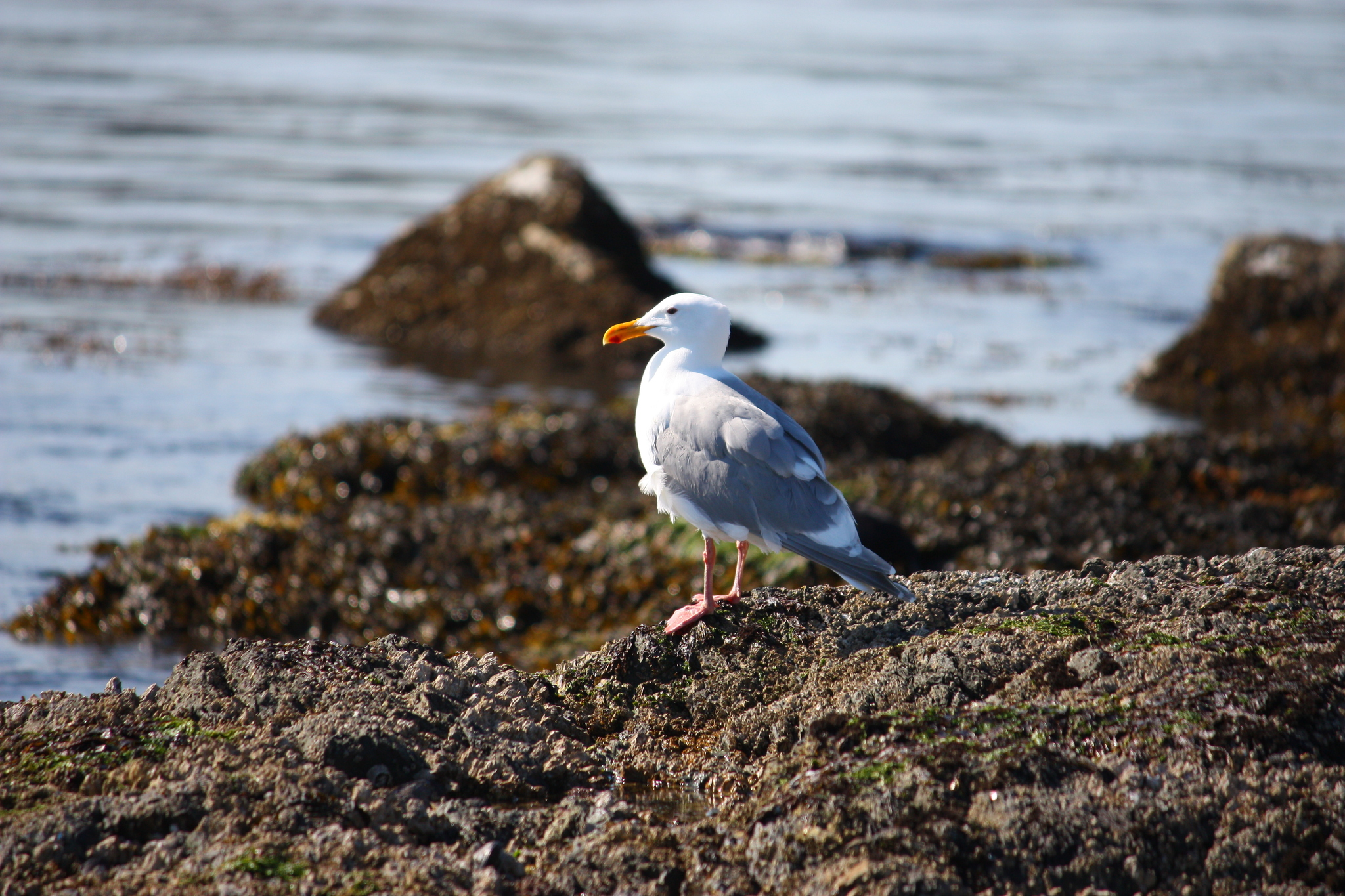
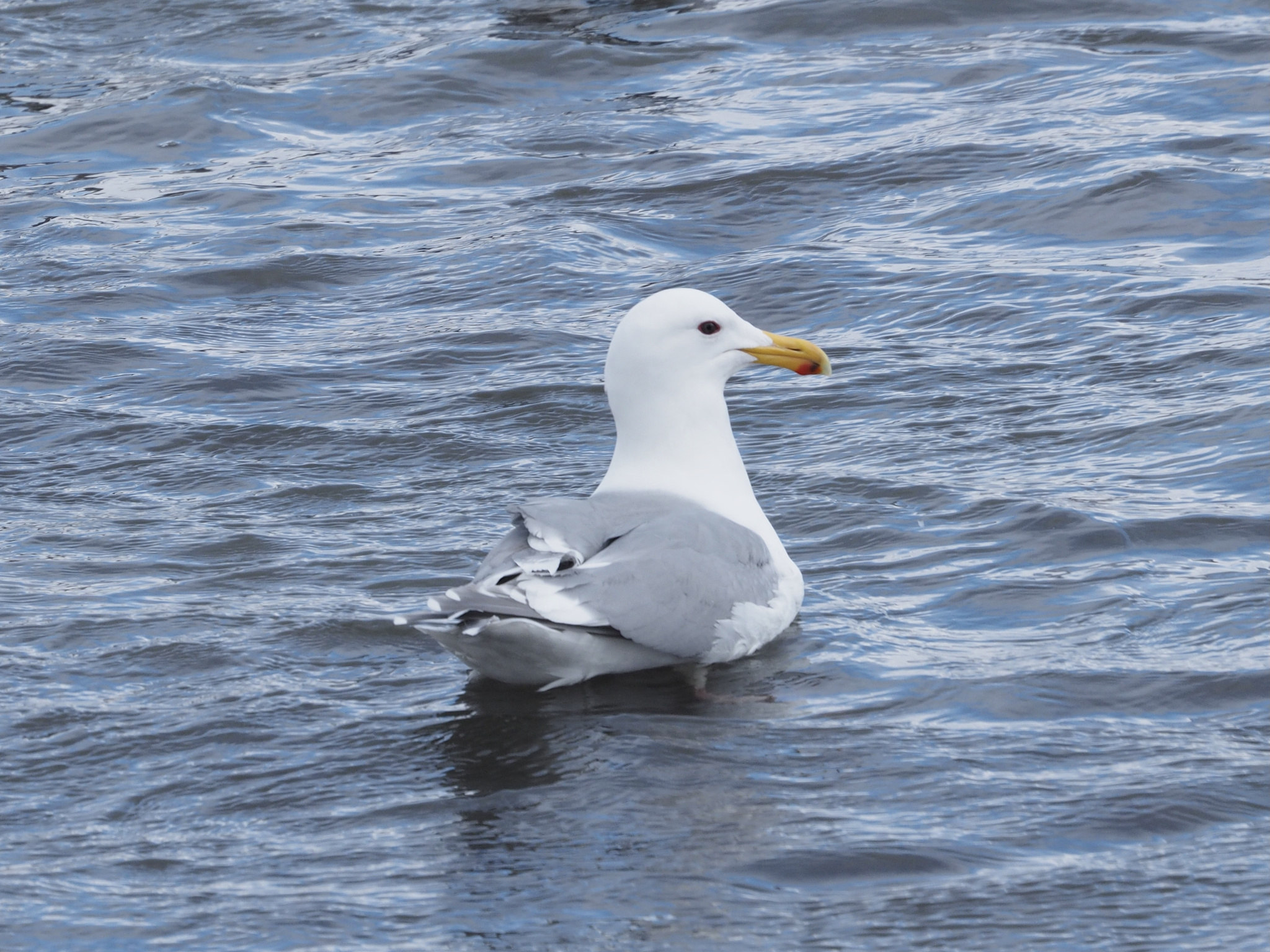
A large gull similar in size and shape to the Western gull. Length 50-68 cm, wingspan 120-150 cm, body mass 730-1,690 g (average approximately 1,010 g). Standard measurements: wing chord 39.2-48 cm, bill 4.6-6.4 cm, tarsus 5.8-7.8 cm. Adults have white head, neck, breast, belly, and tail with silver-gray wings and back forming the mantle. Primary flight feathers (wingtips) are gray, matching the mantle shade. Legs are pink and the bill is yellow with a red subterminal spot. Irises are very dark surrounded by pink orbital skin. Winter plumage shows darker head and nape with smudged or mottled pattern and duller bill color. Juveniles are brown or gray with black beaks, requiring four years to attain adult plumage.
Identification
Very similar to Western gull in size and shape. Key distinguishing feature is gray wingtips (not white like Glaucous gull). Mantle color is darker than Glaucous gull and paler than Herring and Western gulls. Leg color can aid identification. Frequently hybridizes with Western gull in Washington, Oregon, and Puget Sound where hybrids may outnumber pure birds. Olympic gull hybrids are variable but often show darker gray wingtips contrasting with mantle and may have heavier bills. They also tend to show dark head markings in nonbreeding plumage unlike the virtually unstreaked white head of pure Western Gulls.
Distribution & Habitat
Resident and breeding species along the Pacific coast from western Alaska to Washington, including Puget Sound. Breeds on the northwest coast of Alaska and in the Russian Far East during summer. Winters along the coast from California through Oregon to Baja California, Baja California Sur, and Sonora. An exceptional rarity in the Western Palearctic with scattered records from Morocco, Canary Islands, Britain, and Ireland. A 2008/2009 sighting at Saltholme Pools, Cleveland attracted hundreds of birders.
Behavior & Ecology
Feeds along the coast, scavenging for dead or weak animals, fish, mussels, and food scraps. In urban areas readily accepts food from people and pecks open unprotected garbage bags. Nests in summer, with each pair producing two or three chicks that fledge at six weeks. Vocalizations include a low-pitched kak-kak-kak or wow, or a more high-pitched wailing. Frequently hybridizes with Western gull in the Puget Sound region, with hybrid males often showing higher breeding success in certain areas. Also hybridizes with American herring gull in southern Alaska and Glaucous gull in western Alaska.
Conservation
Information not provided in source text.
Culture
Information not provided in source text.
Source: Wikipedia · CC BY-SA 3.0
Taxonomy
- Order
- Charadriiformes
- Family
- Laridae
- Genus
- Larus
- eBird Code
- glwgul
Distribution
breeds coastal North Pacific from eastern Siberia, Kamchatka, Kuril and Commander islands (eastern Russia) eastward through Aleutian and Pribilof islands, and southwestern Alaska to northern Washington; winters to Japan and northwestern Mexico
Vocalizations
Data Sources
Species description from Wikipedia, licensed under CC BY-SA 3.0.
Bird images and sounds sourced from GBIF, contributed by citizen scientists worldwide under Creative Commons licenses.
Taxonomy data from AviList 2025.