Ring-billed Gull
Larus delawarensis
环嘴鸥
Introduction
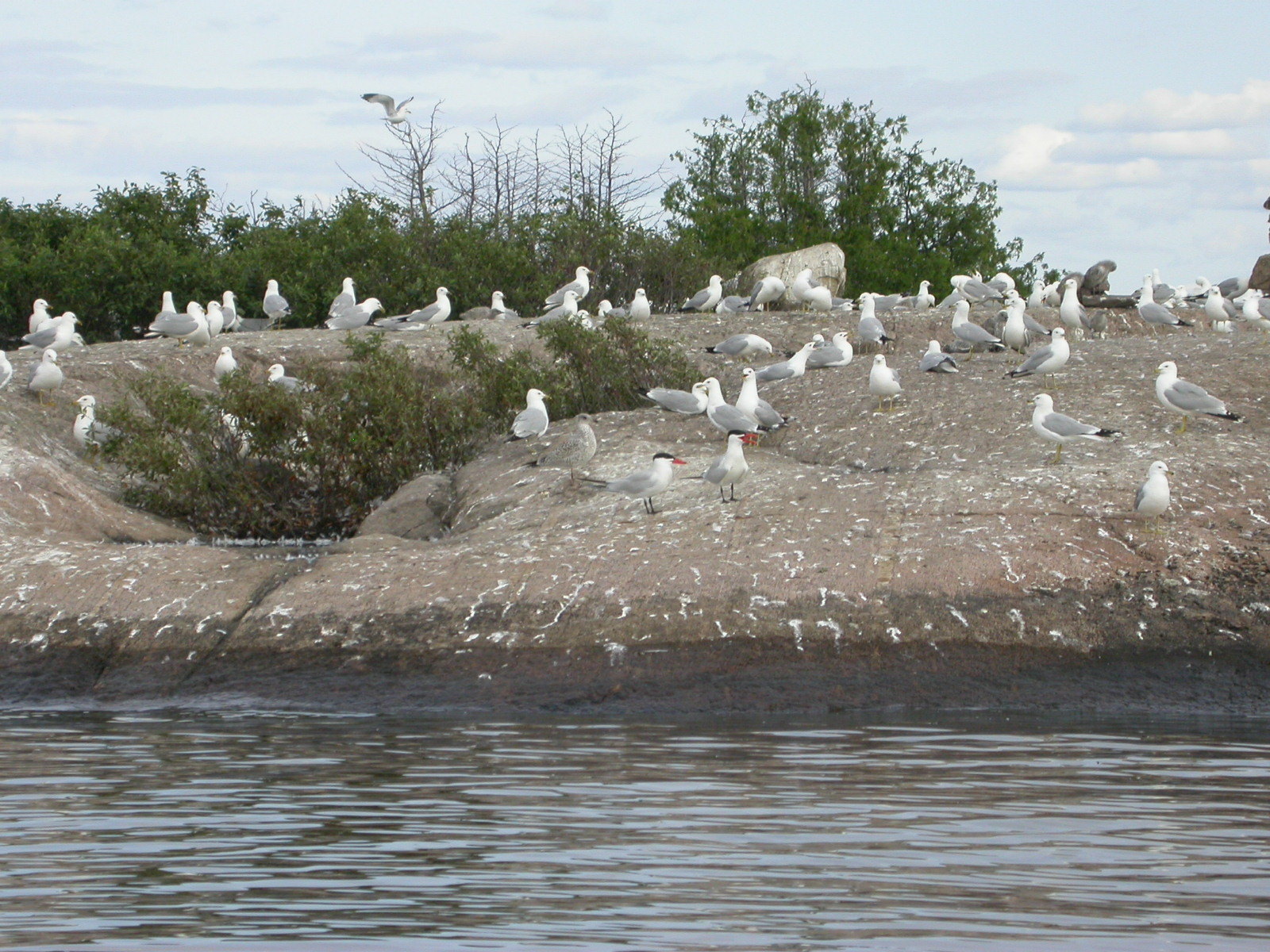
A medium-sized gull (Larus delawarensis) native to North America. It breeds across most of Canada and the northern Contiguous United States, wintering primarily in the United States and northern Mexico. Its breeding habitat is near lakes, rivers, or coasts, where it nests colonially on the ground on islands or increasingly on flat factory roofs. The species shows fidelity to nesting sites from year to year and has adapted well to human environments, being commonly found in parking lots. After being hunted for plumage in the late 19th century, populations rebounded dramatically; it is now the most common gull in eastern North America.
Description
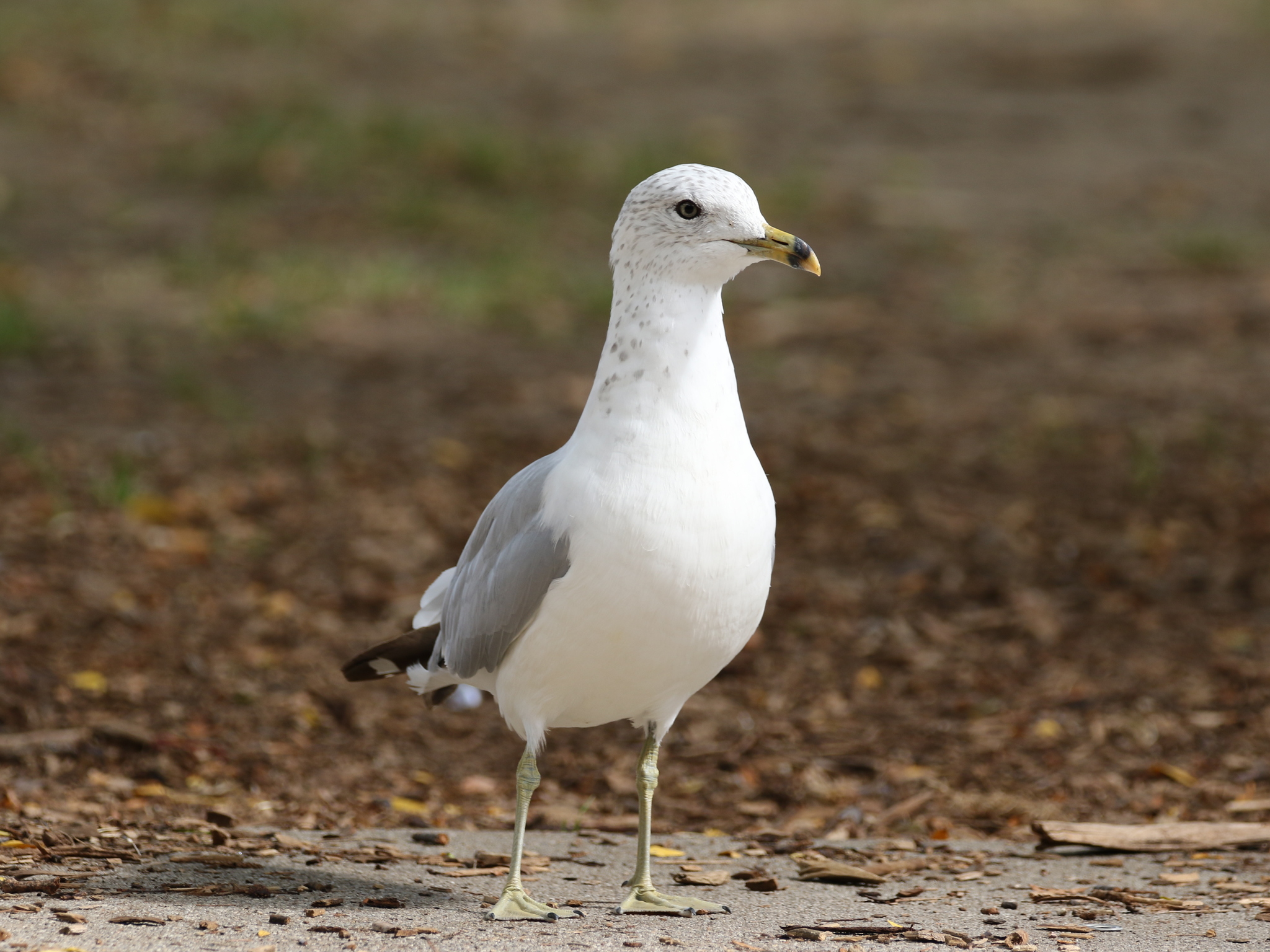
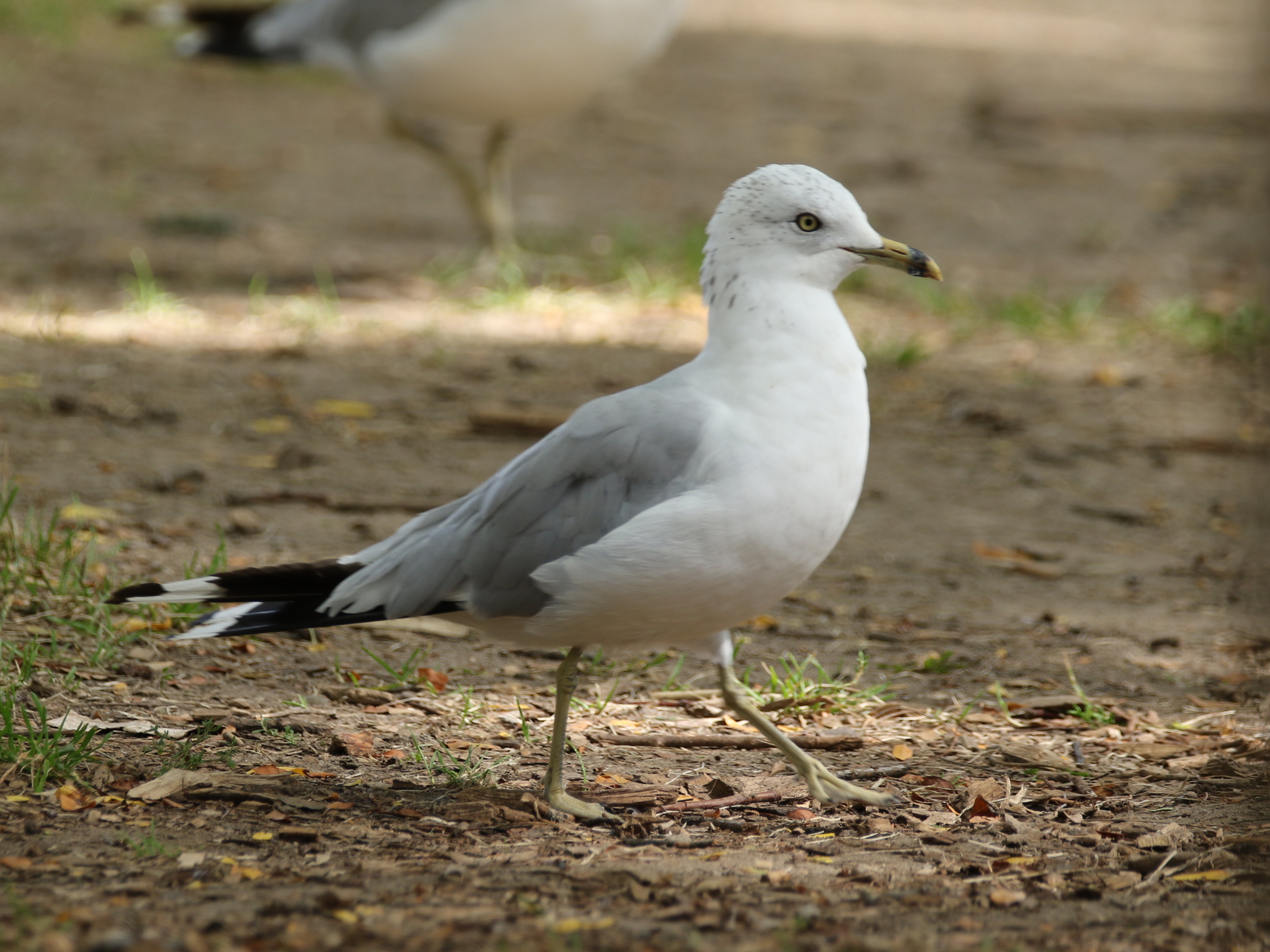
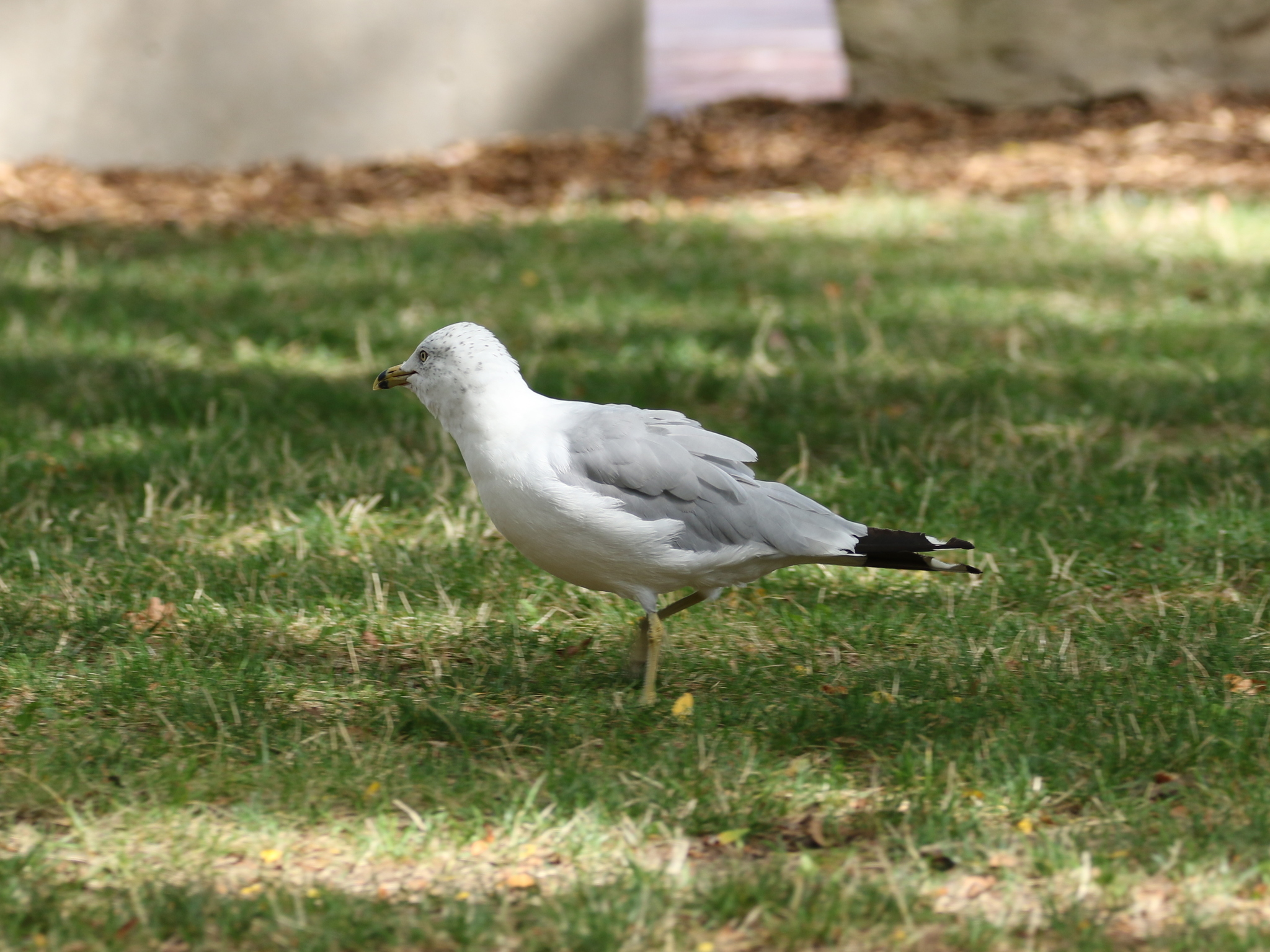
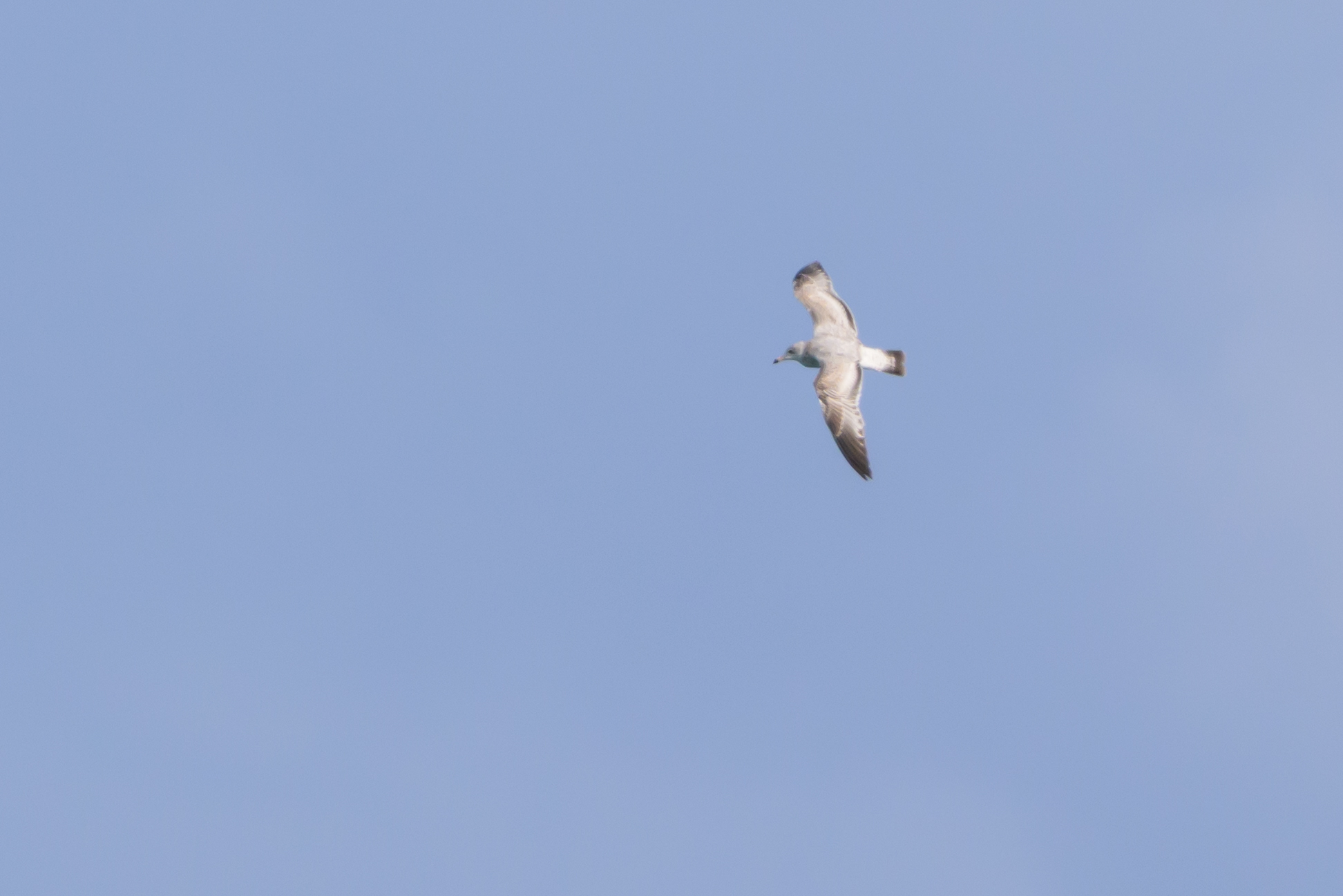
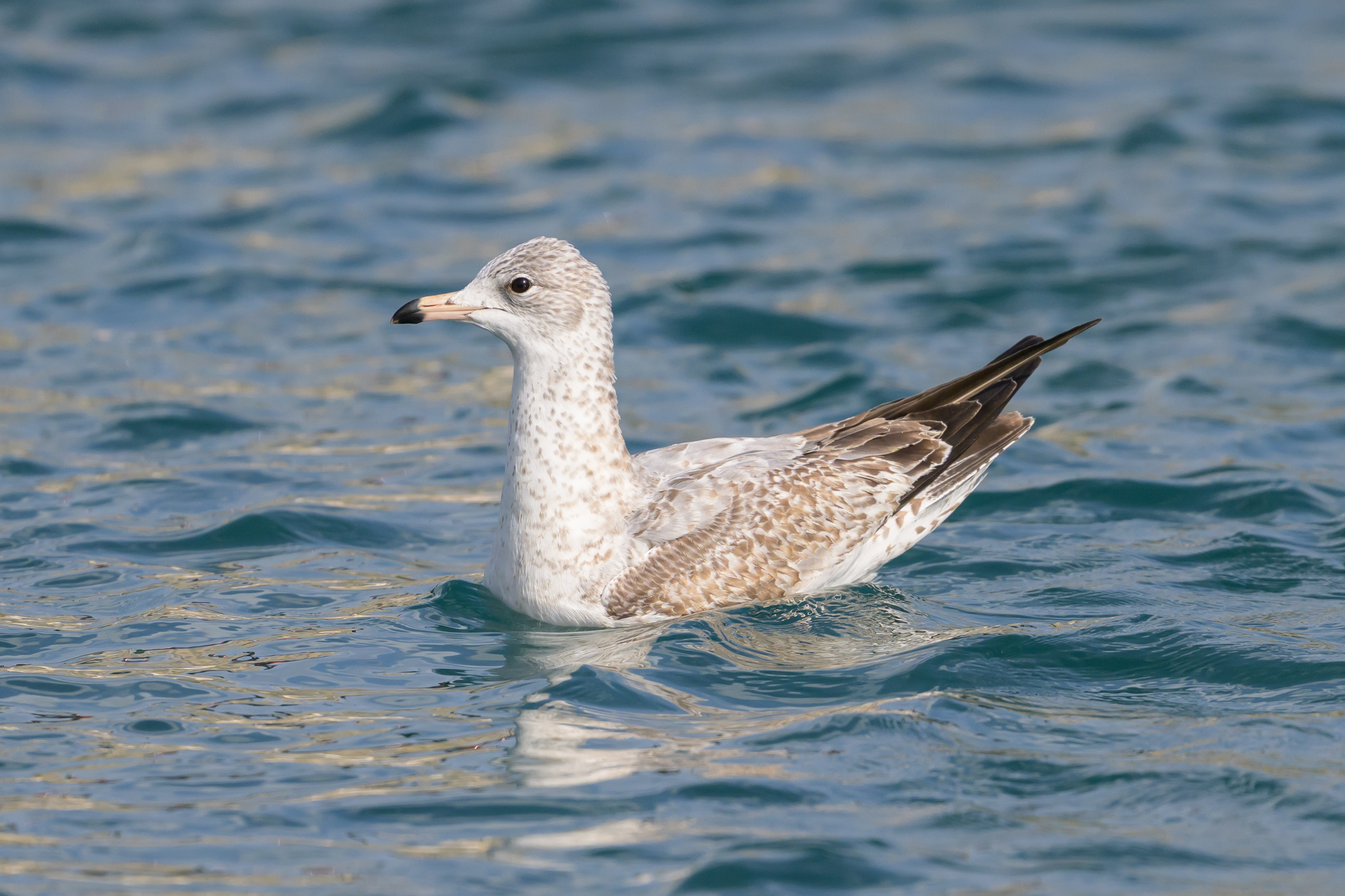
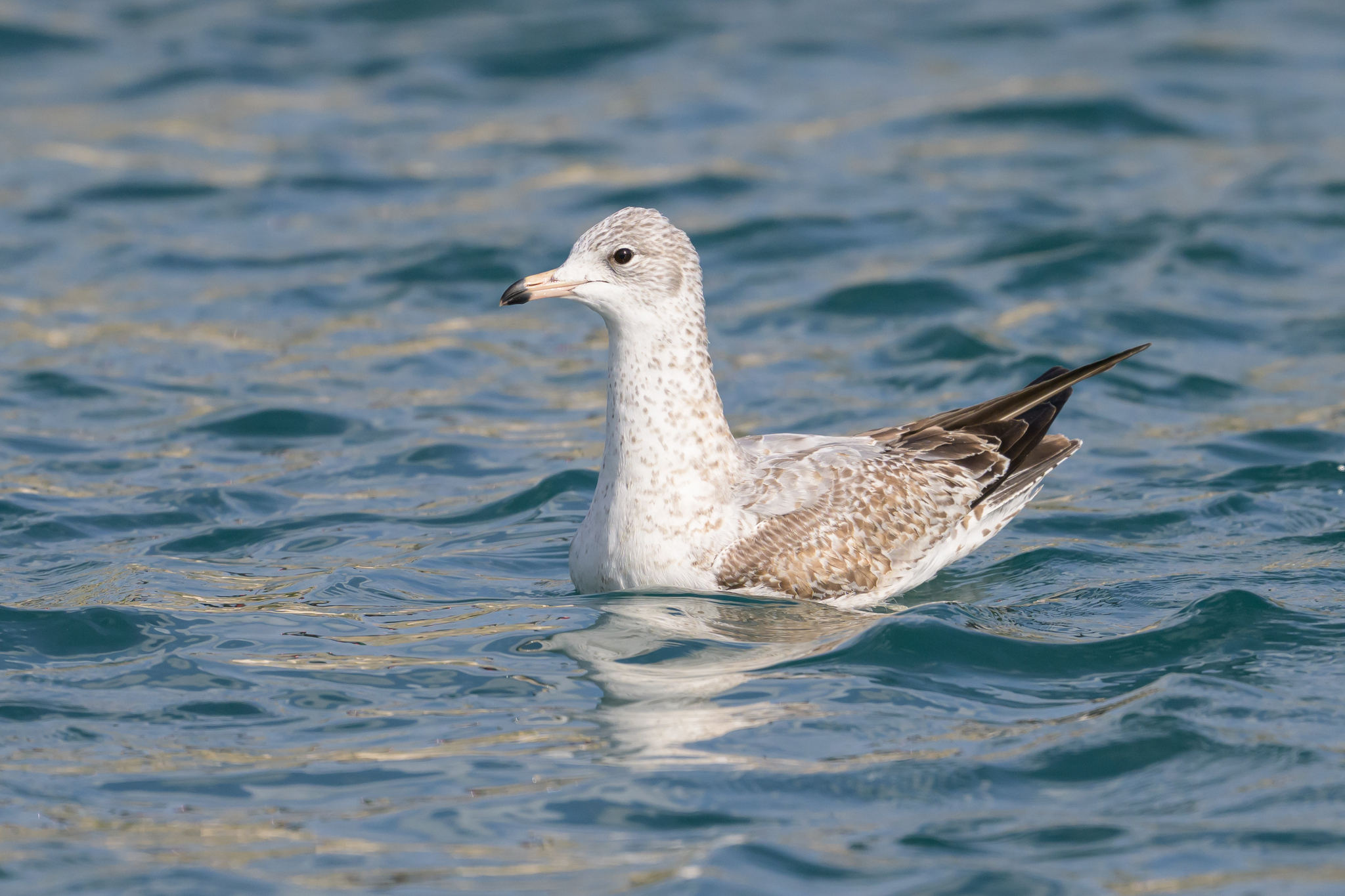
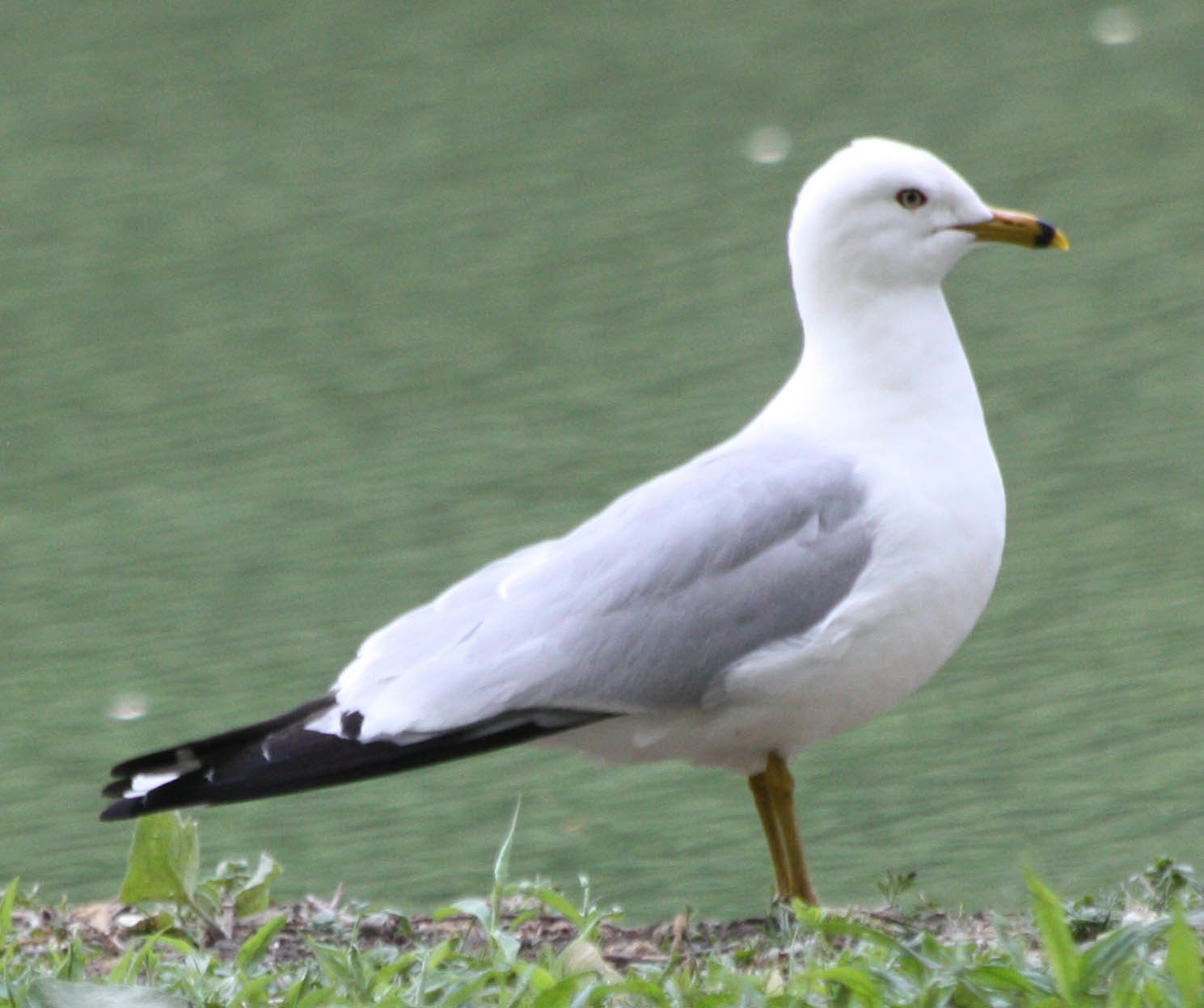
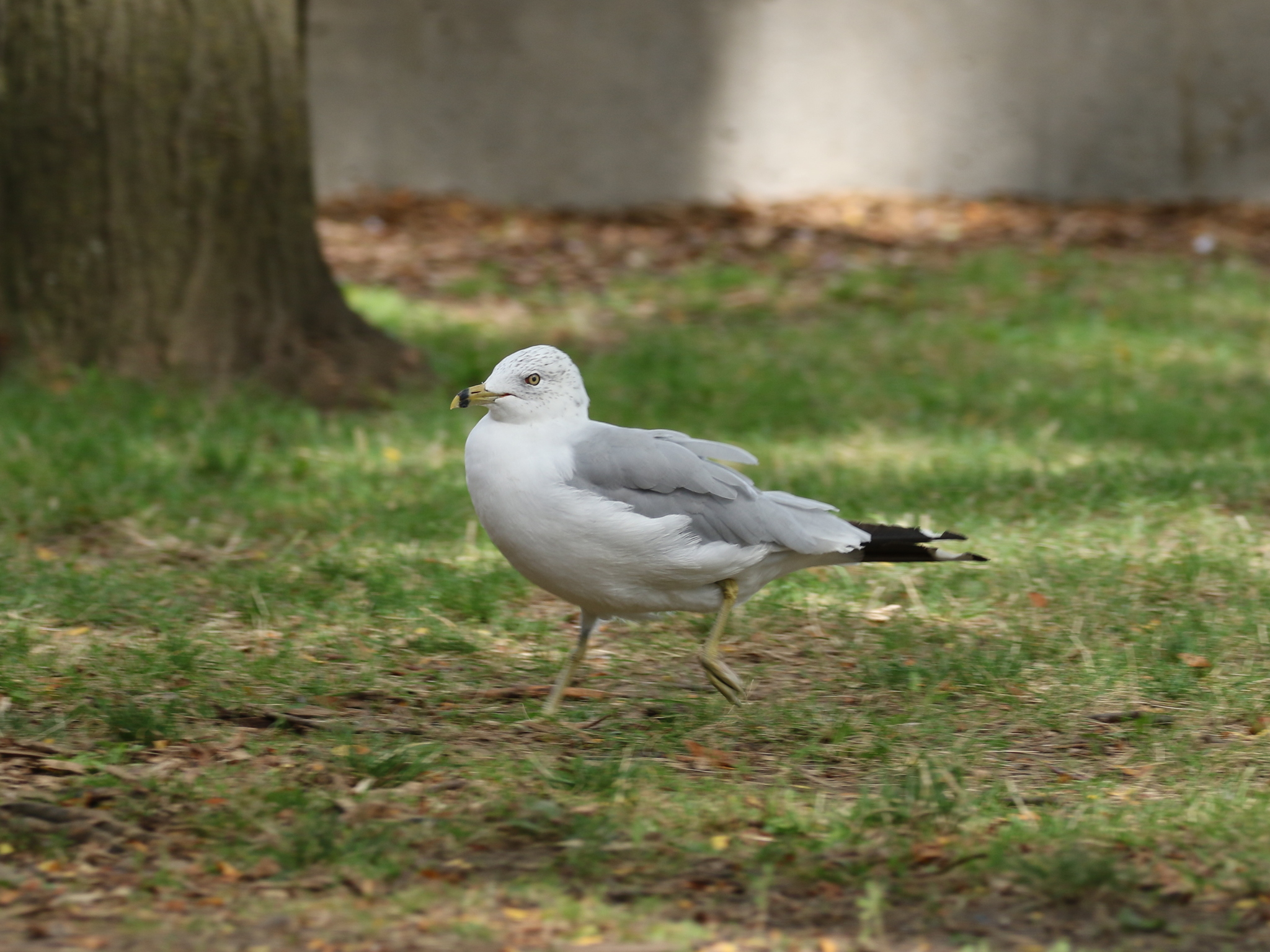
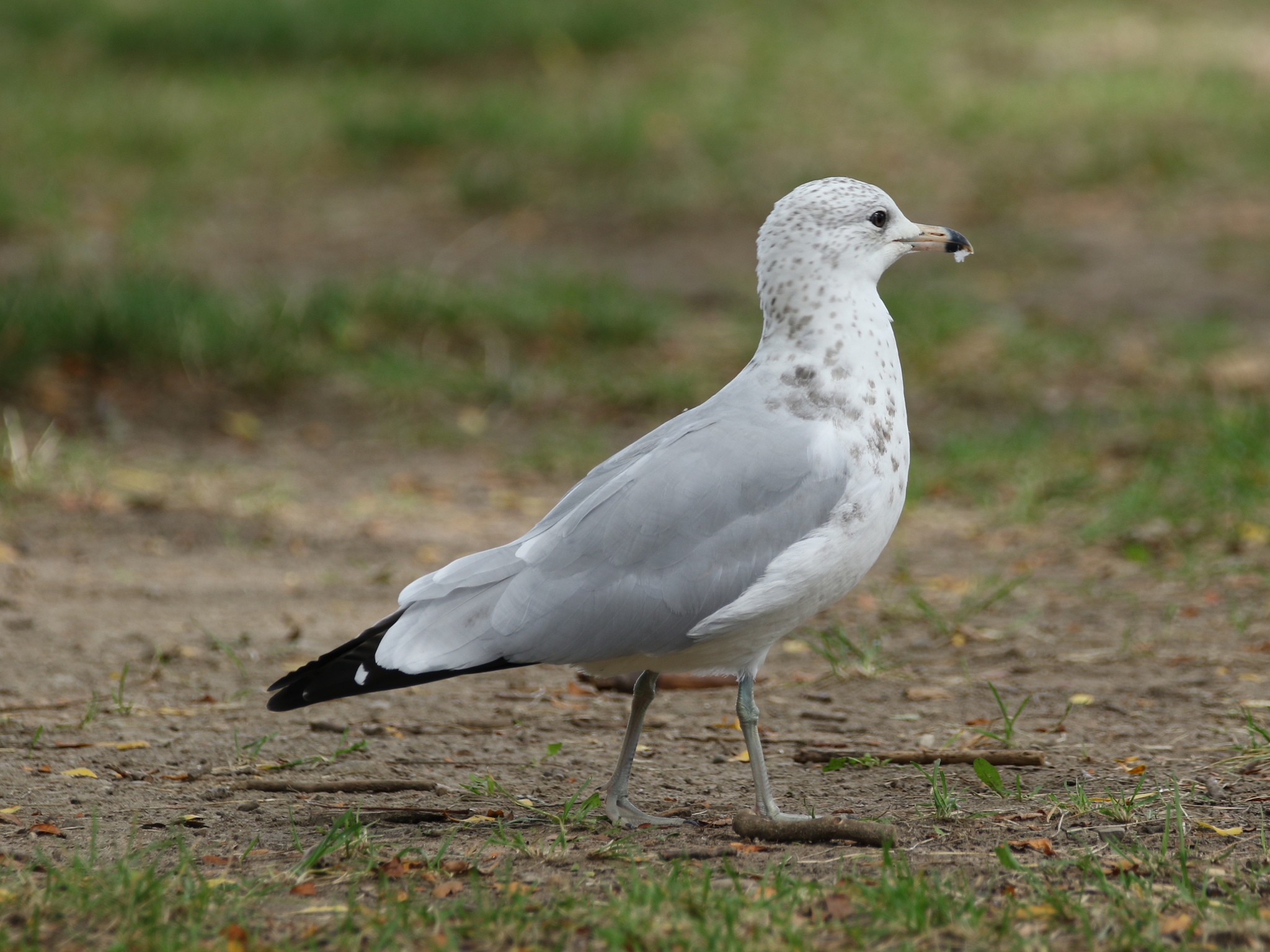
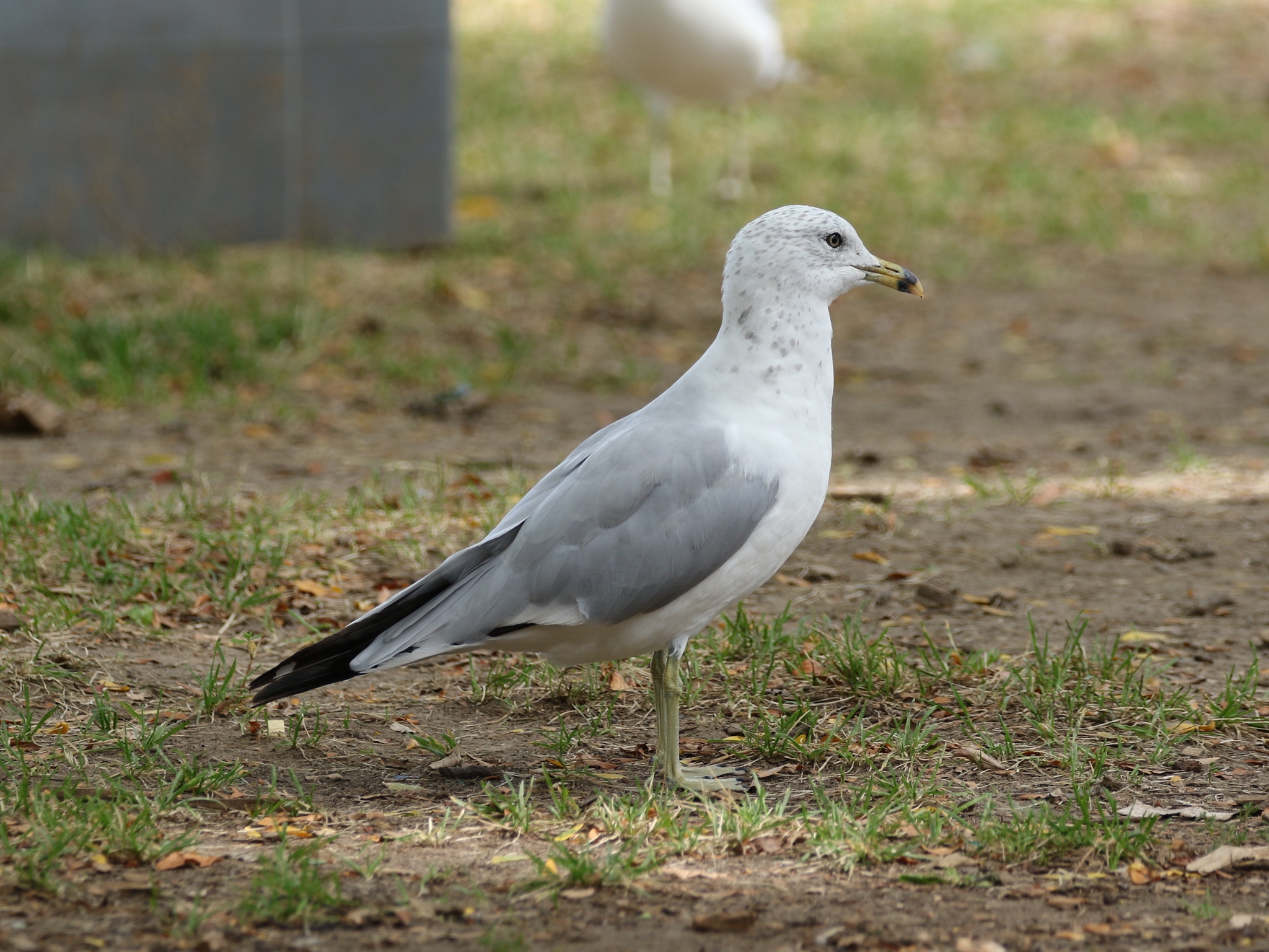
A medium-sized gull measuring 43 to 54 cm in length with a wingspan of 105 to 117 cm. Adults weigh 300 to 700 g. The head, neck, and underparts are white, while the back and wings are silver-grey with black wingtips featuring white 'mirrors'. The relatively short bill is yellow with a distinctive black ring, and the legs are also yellow. The eyes are yellow with red rims. It requires three years to attain full breeding plumage, progressing through successive fall molts from a largely brown juvenile plumage. The average adult lifespan is 10.9 years; the oldest known individual reached 28 years.
Distribution & Habitat
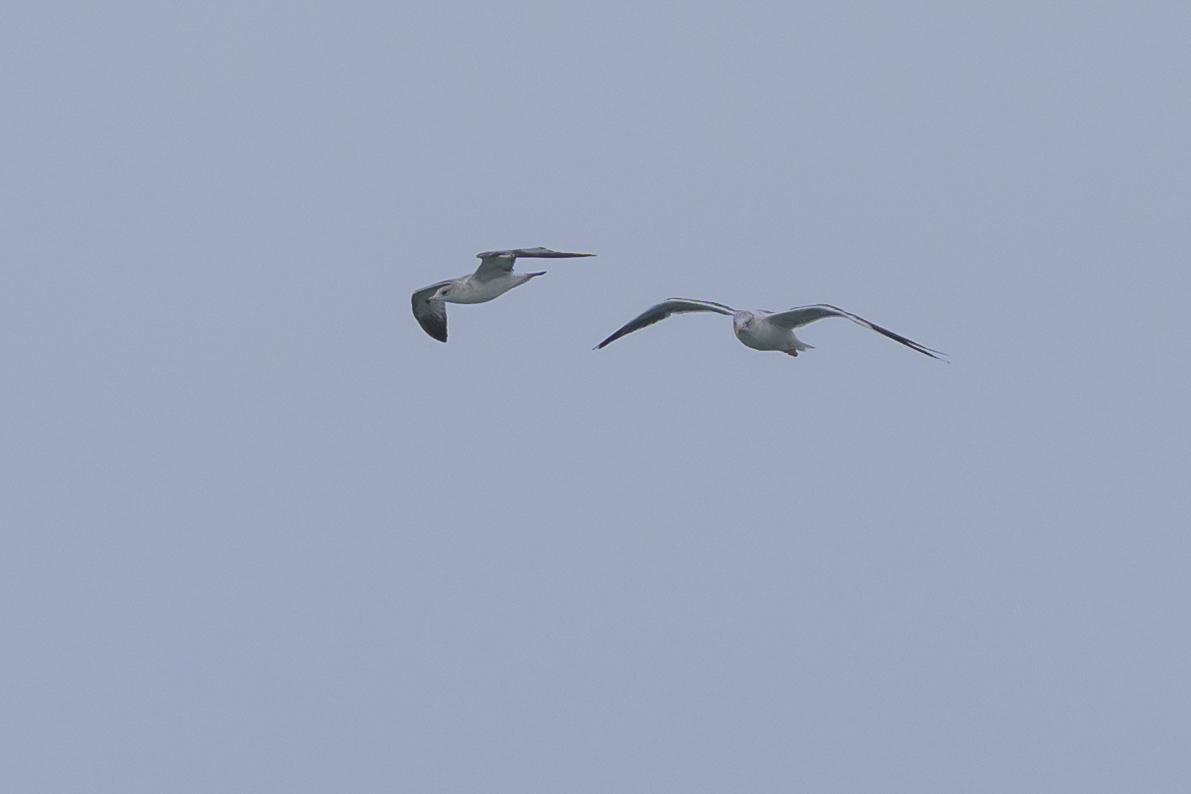
Breeds near lakes, rivers, and coasts across most of Canada and the northern United States. Nests colonially on the ground, typically on islands but increasingly on flat factory rooftops. Migratory, with most individuals moving south to the Gulf of Mexico and both Atlantic and Pacific coasts of the United States, as well as northern Mexico. Some populations remain in Canada during winter in mildest areas, including the Pacific coast of southwest British Columbia and the Atlantic coast of Nova Scotia. A regular wanderer to western Europe, particularly Ireland and Great Britain, though occurrence rates in Britain have declined from an average of 77 per year in the 1990s to just 6 per year in 2020–2022.
Behavior & Ecology
Opportunistic foragers that hunt in flight or pick up food while swimming, walking, or wading. They also steal food from other birds and frequently scavenge. The diet is highly varied and includes insects, fish, grain, eggs, earthworms, and rodents. They have adapted well to human environments, readily taking discarded or unattended food in parking lots, beaches, and urban areas. They congregate at beaches, marinas, docks, and parks where people may hand-feed them. Natural predators include rats, foxes, dogs, cats, raccoons, coyotes, eagles, hawks, and owls.
Conservation
Populations were devastated by hunting for plumage in the late 19th century but have since recovered substantially. The species reached around 875,000 breeding pairs (approximately 1.75 million adults in eastern populations) by 1990, making it the most common gull in eastern North America. The total population was estimated at 2.55 million birds in 2006 and remained stable through 2018. A slow decline has occurred due largely to deliberate policies reducing access to landfill feeding sites.
Culture
The bird is a common sight at beaches, parks, and urban areas where it readily interacts with humans. Many beach-goers consider it a pest due to its willingness to steal unguarded food from crowded beaches. It frequently congregates in areas where people hand-feed it, making it one of the most familiar and visible gulls in North America.
Source: Wikipedia · CC BY-SA 3.0
Taxonomy
- Order
- Charadriiformes
- Family
- Laridae
- Genus
- Larus
- eBird Code
- ribgul
Distribution
breeds inland British Columbia eastward to Labrador and Newfoundland (eastern Canada), Pacific Northwest states, and Great Lakes (northern USA); winters to coastal and inland southern USA, southern Mexico, Bahamas, and Greater Antilles
Data Sources
Species description from Wikipedia, licensed under CC BY-SA 3.0.
Bird images and sounds sourced from GBIF, contributed by citizen scientists worldwide under Creative Commons licenses.
Taxonomy data from AviList 2025.