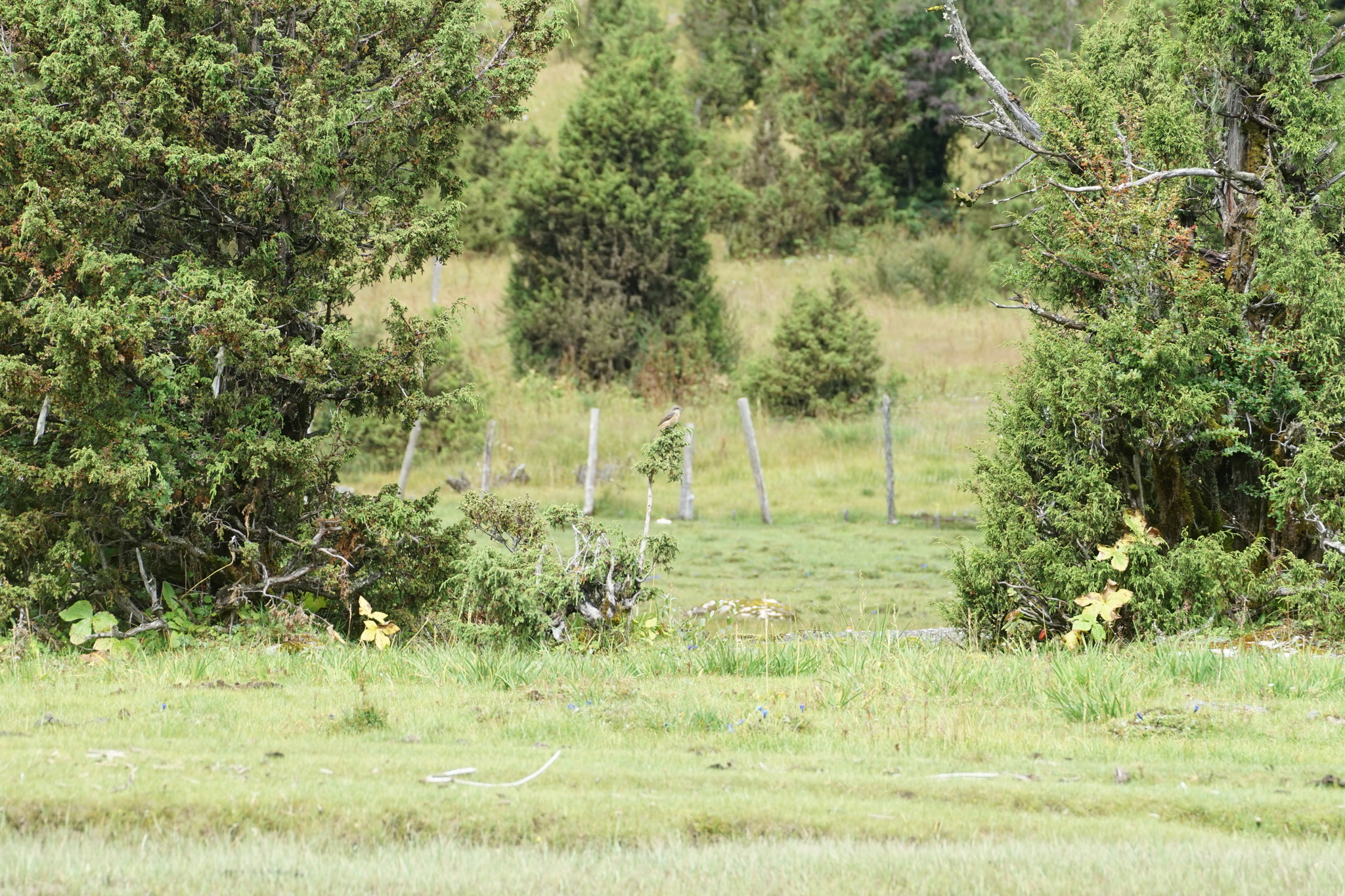
Grey-backed Shrike
Lanius tephronotus
灰背伯劳
Introduction
A bird species in the family Laniidae inhabiting South-east Asia. Taxonomically, it is closely allied with L. schach and was formerly treated as conspecific. Two subspecies are recognized: L. t. lahulensis and L. t. tephronotus. Geographic range extends from Kashmir and northern India east through Nepal to central and southern China, with non-breeding distribution south to Bangladesh, Myanmar, Thailand and Indochina. The species breeds at high elevations in forest clearings, plateau plains and mountain meadows, reaching at least 4500m in Nepal. Notable ecological traits include a preference for human-modified landscapes that offer better foraging opportunities and predator avoidance, and a life history strategy adapted to harsh alpine conditions with shorter breeding seasons and fewer broods. Conservation status is Least Concern with a stable population trend.
Description
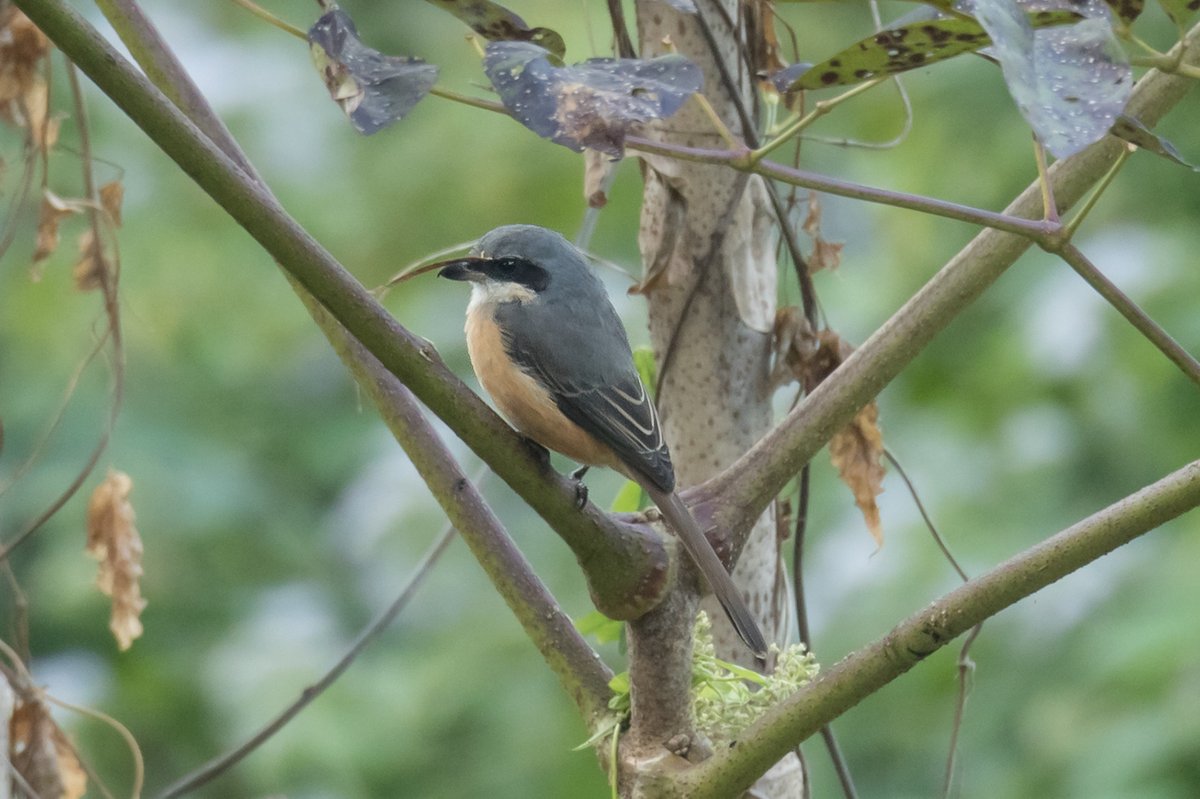
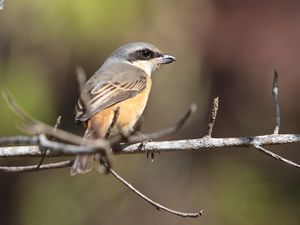
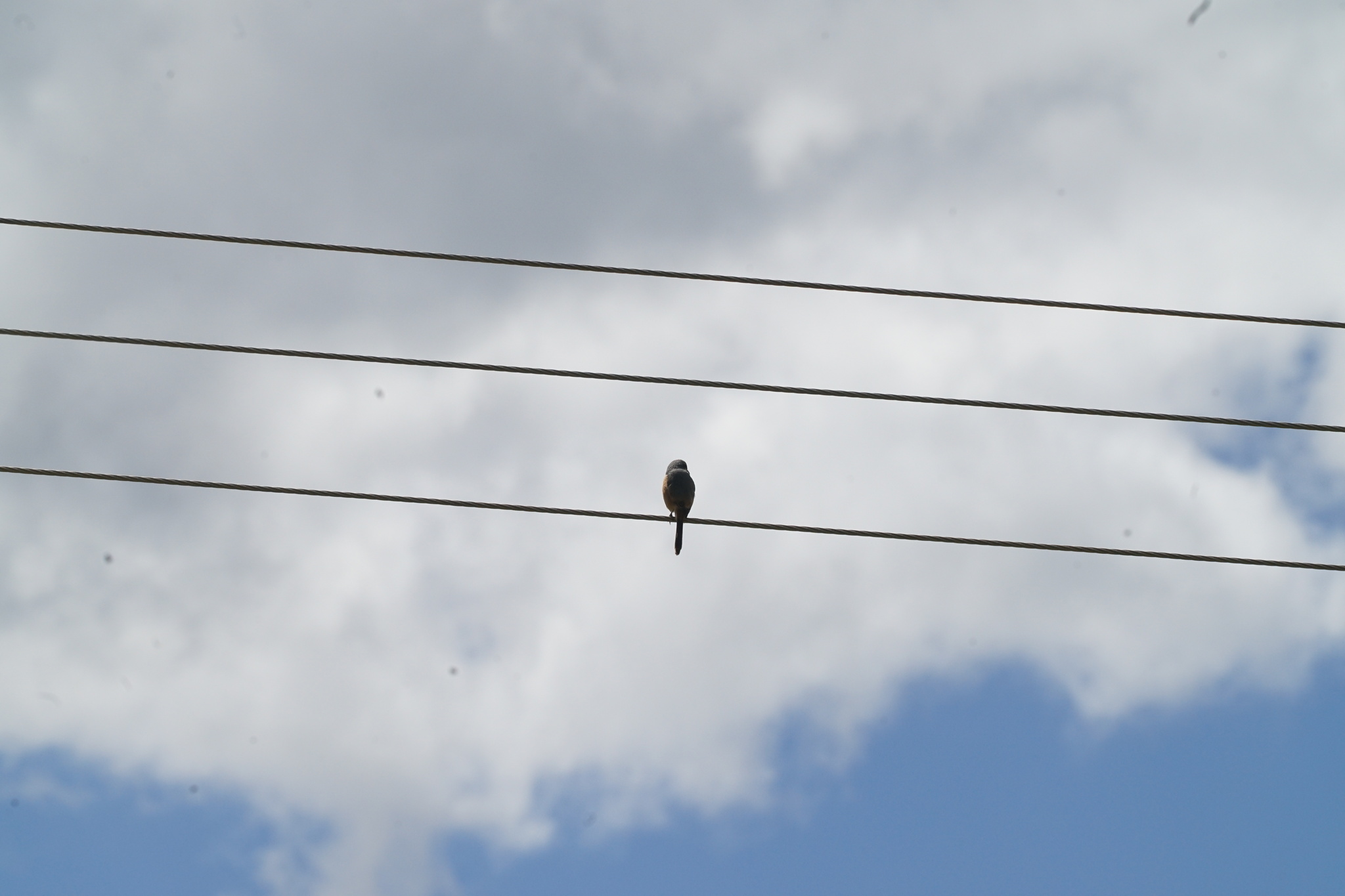
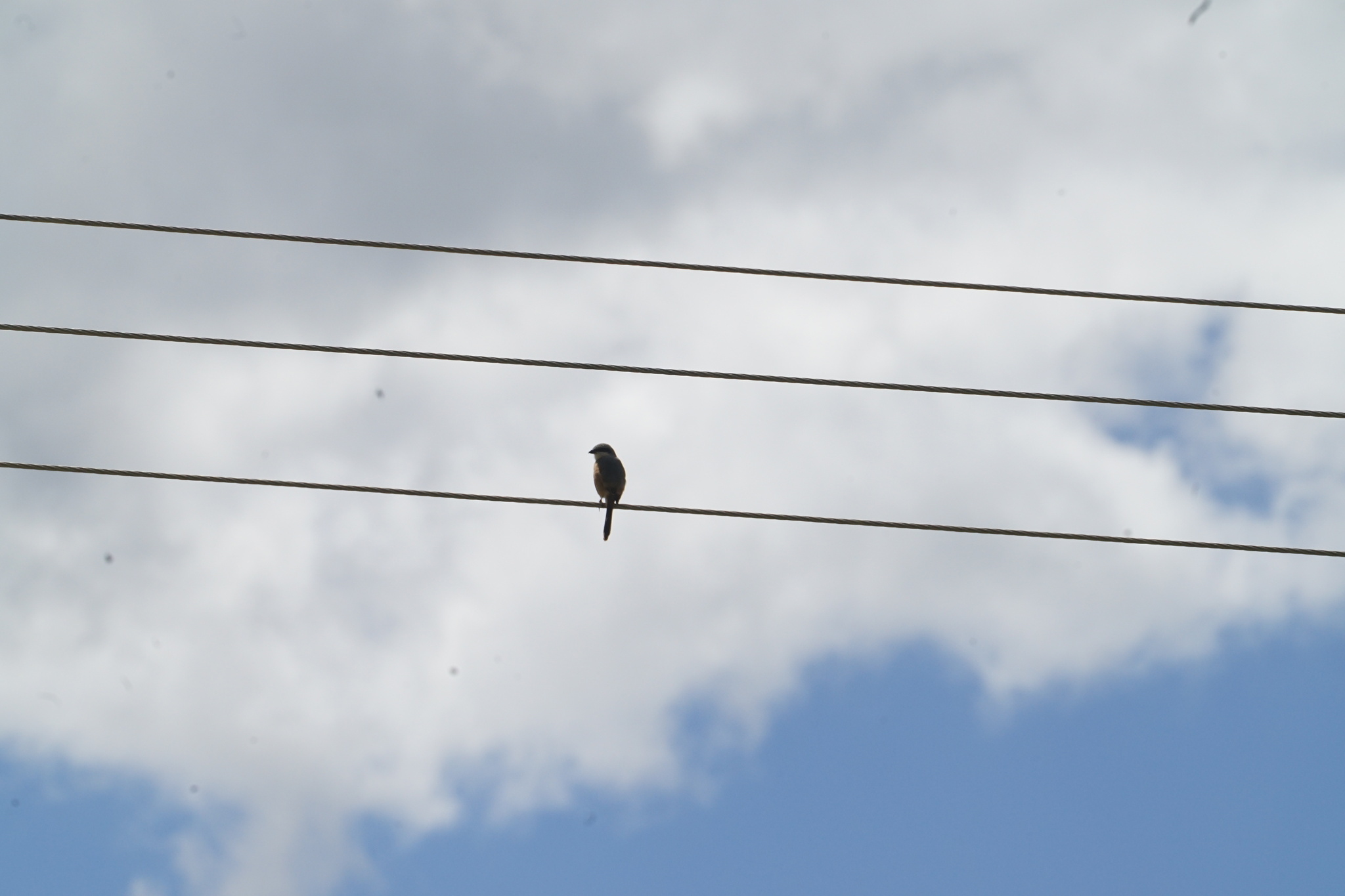
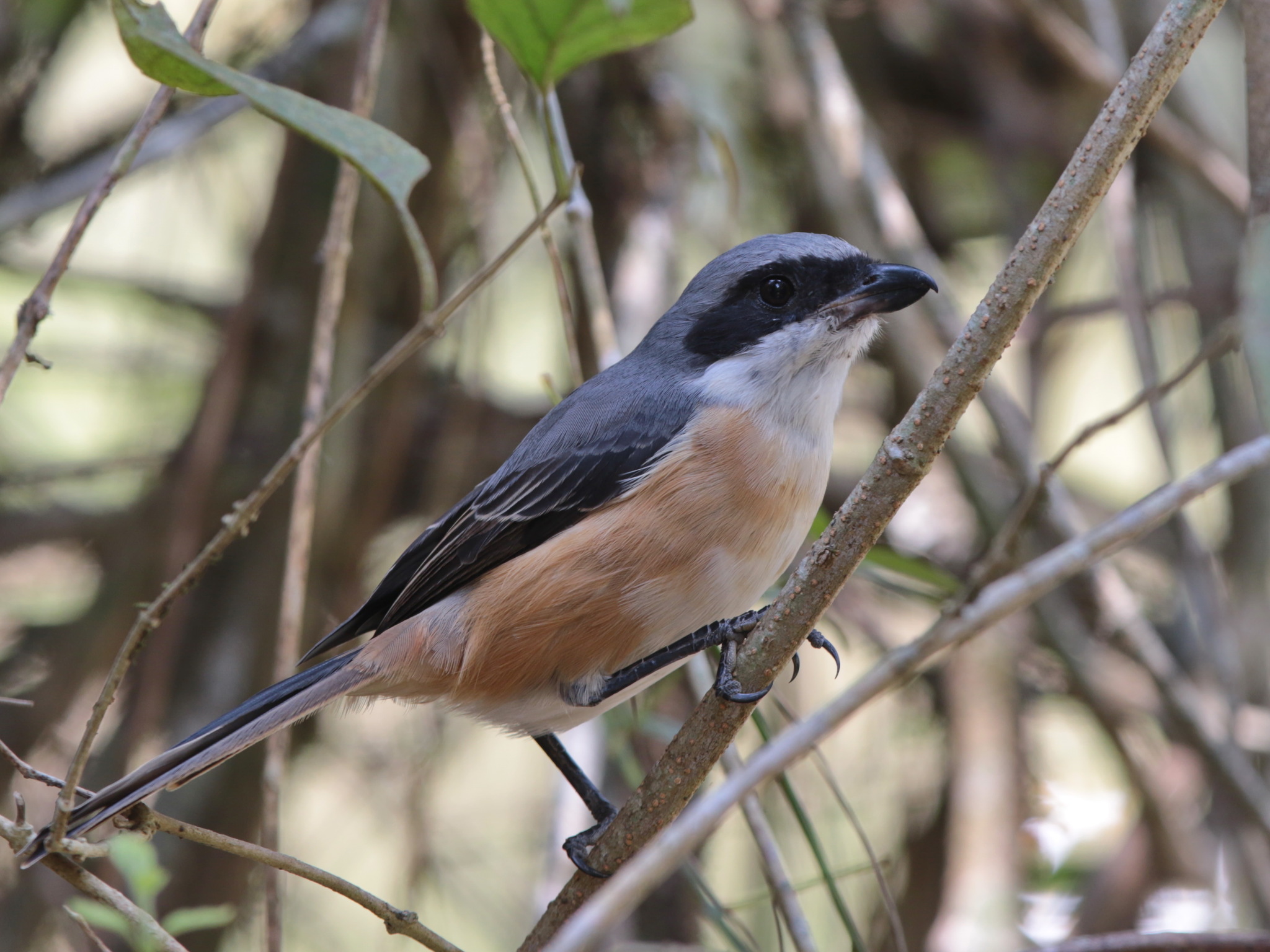
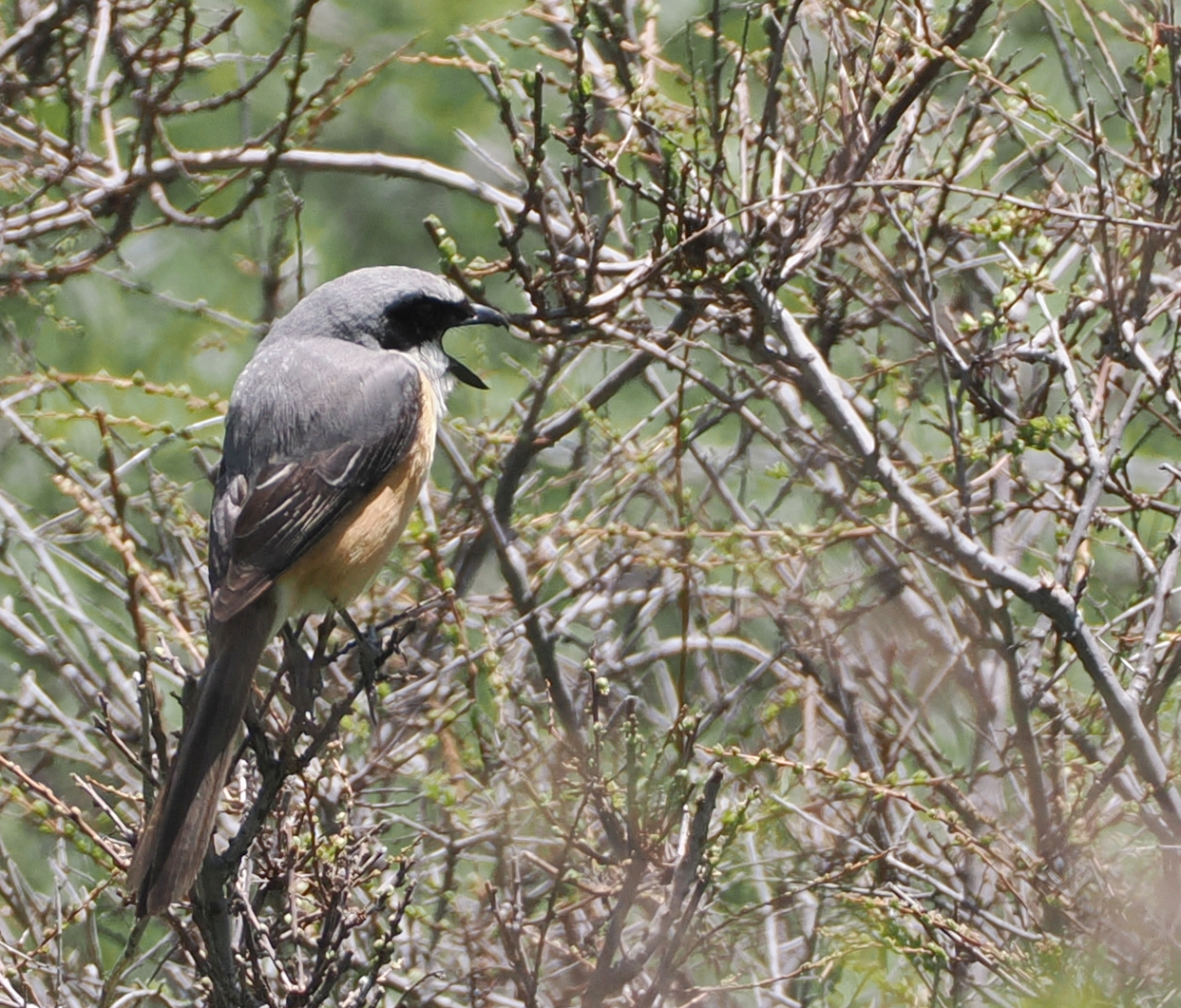
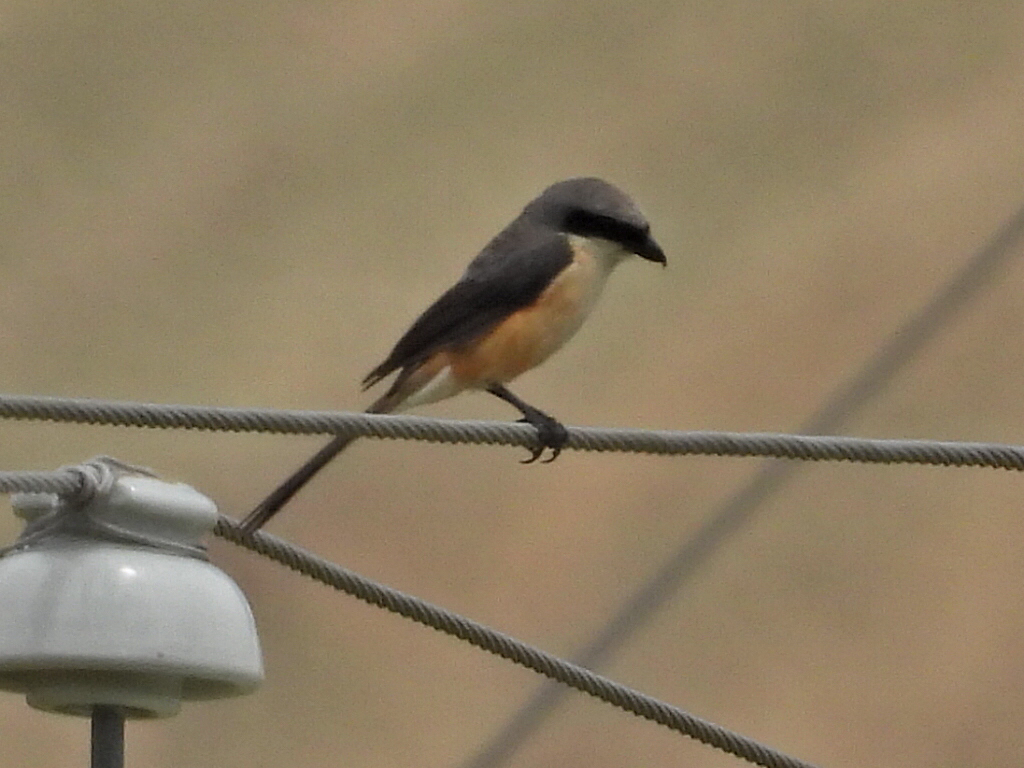
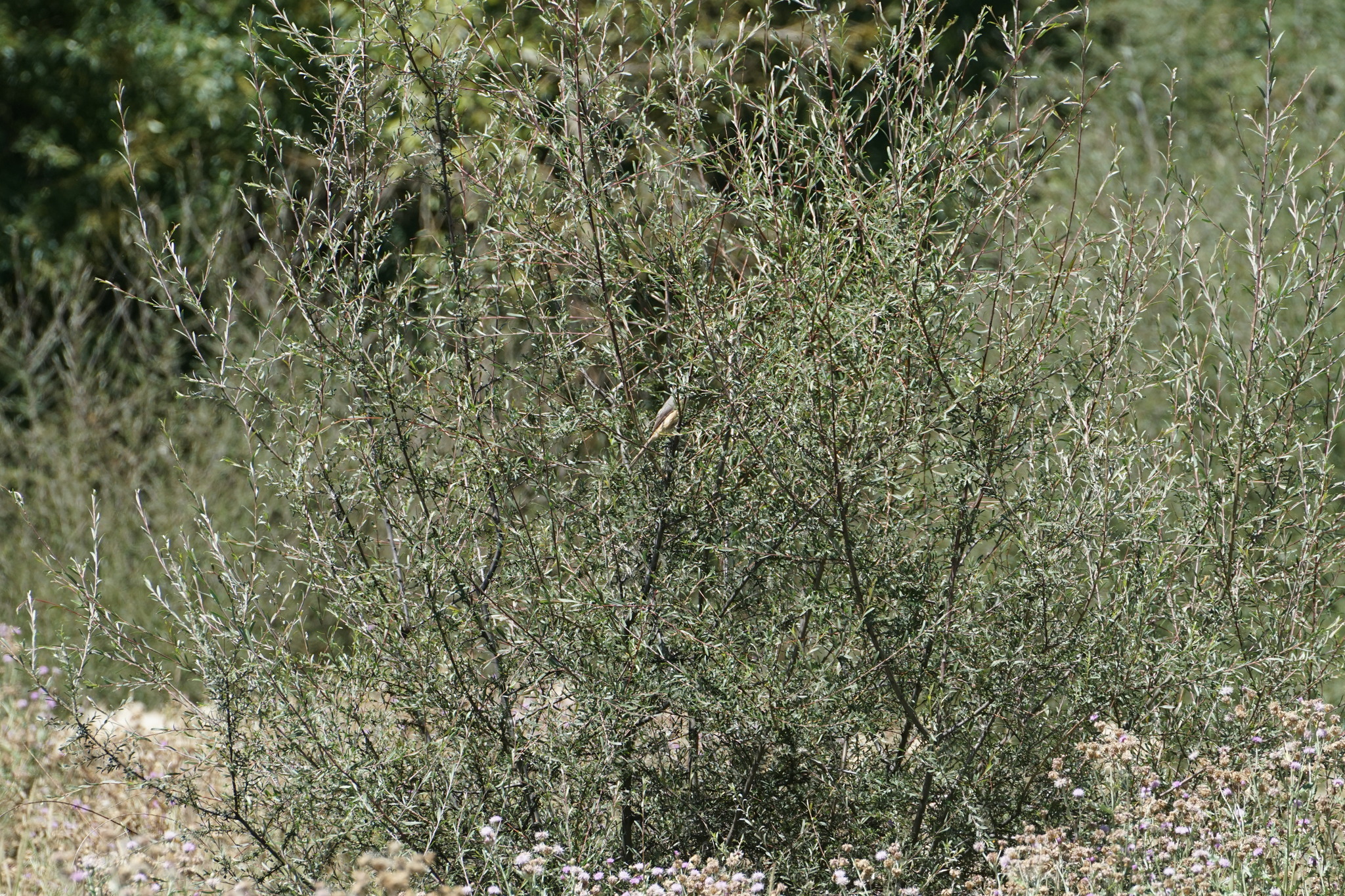
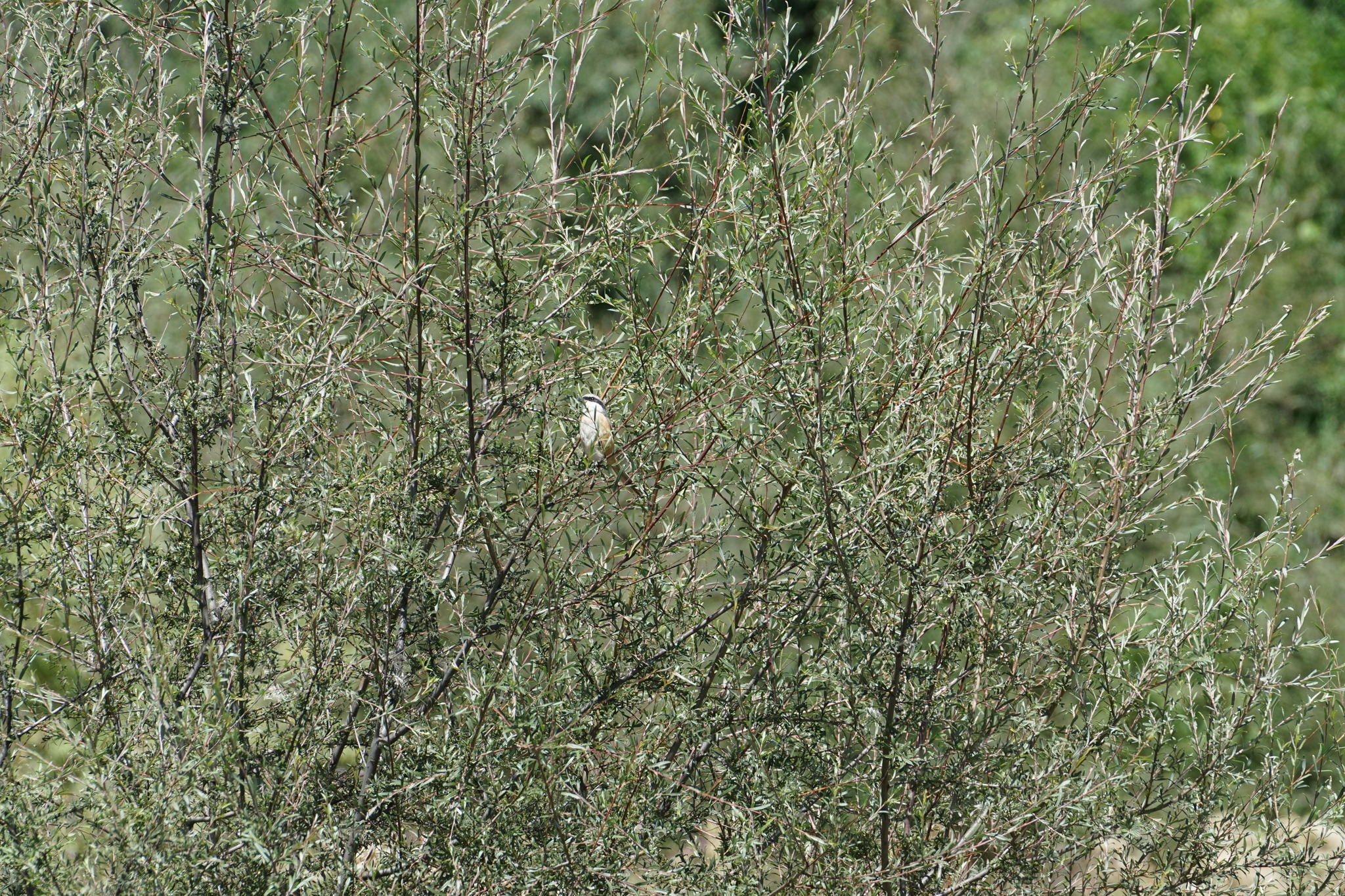
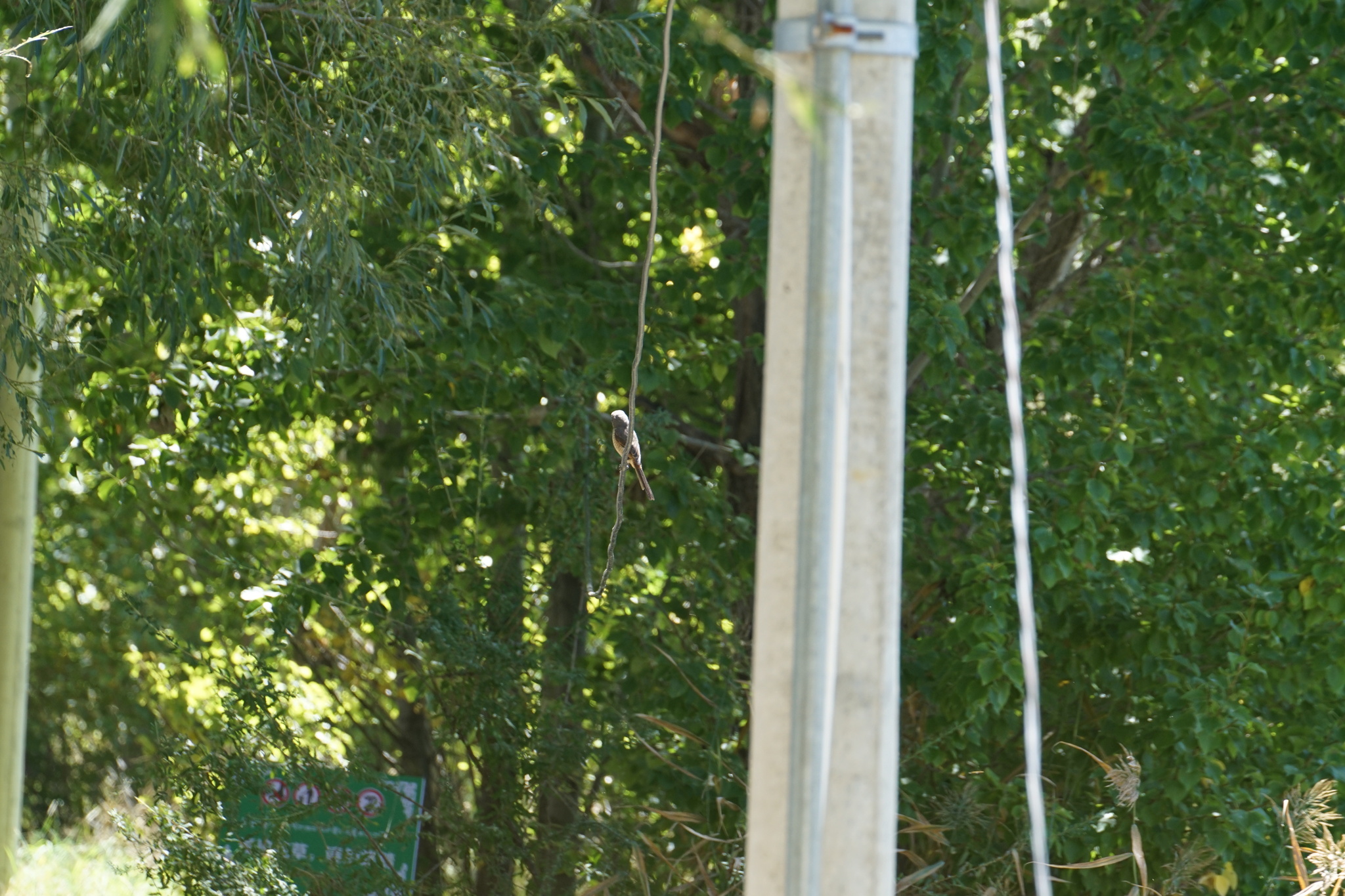
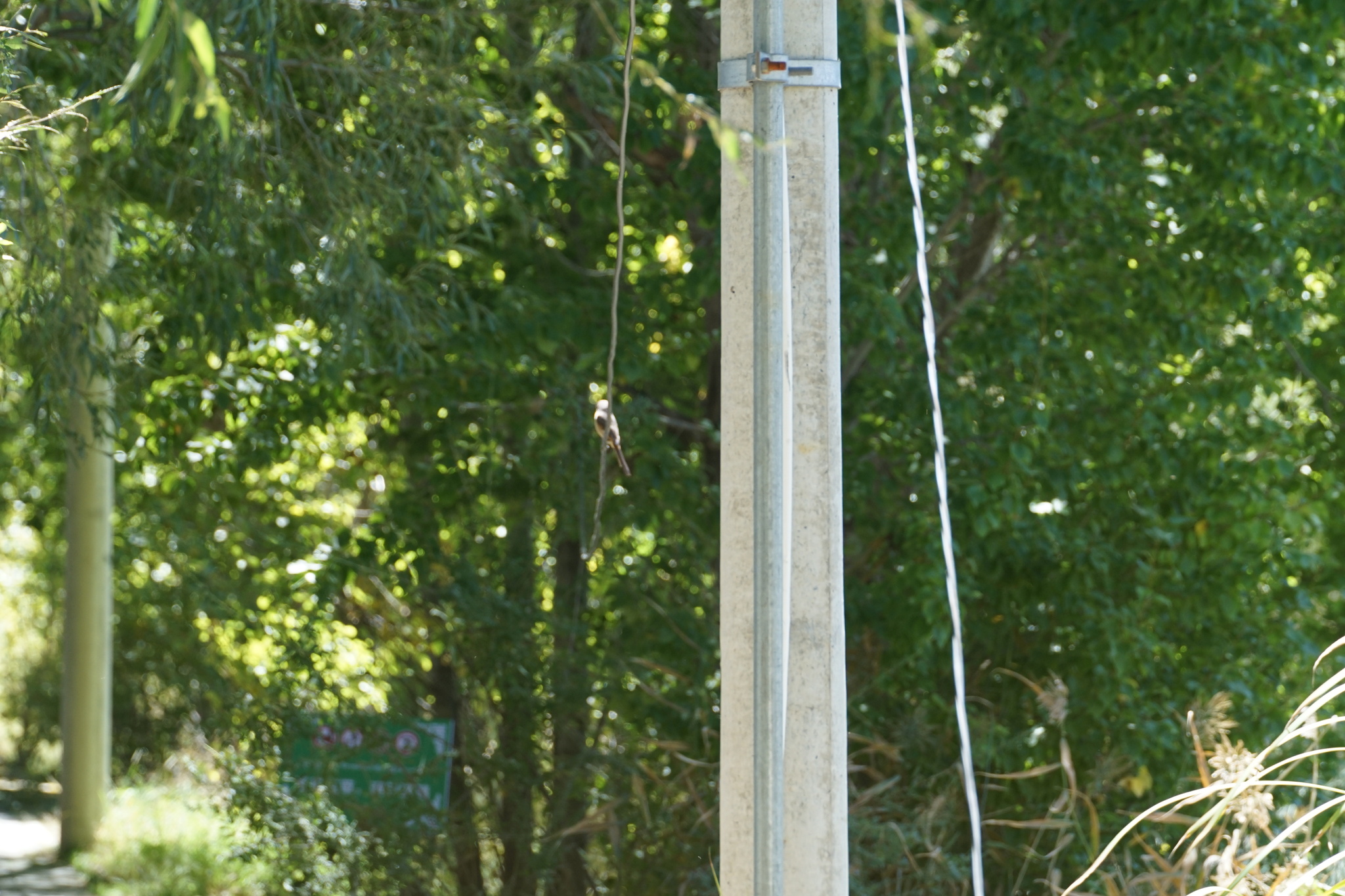
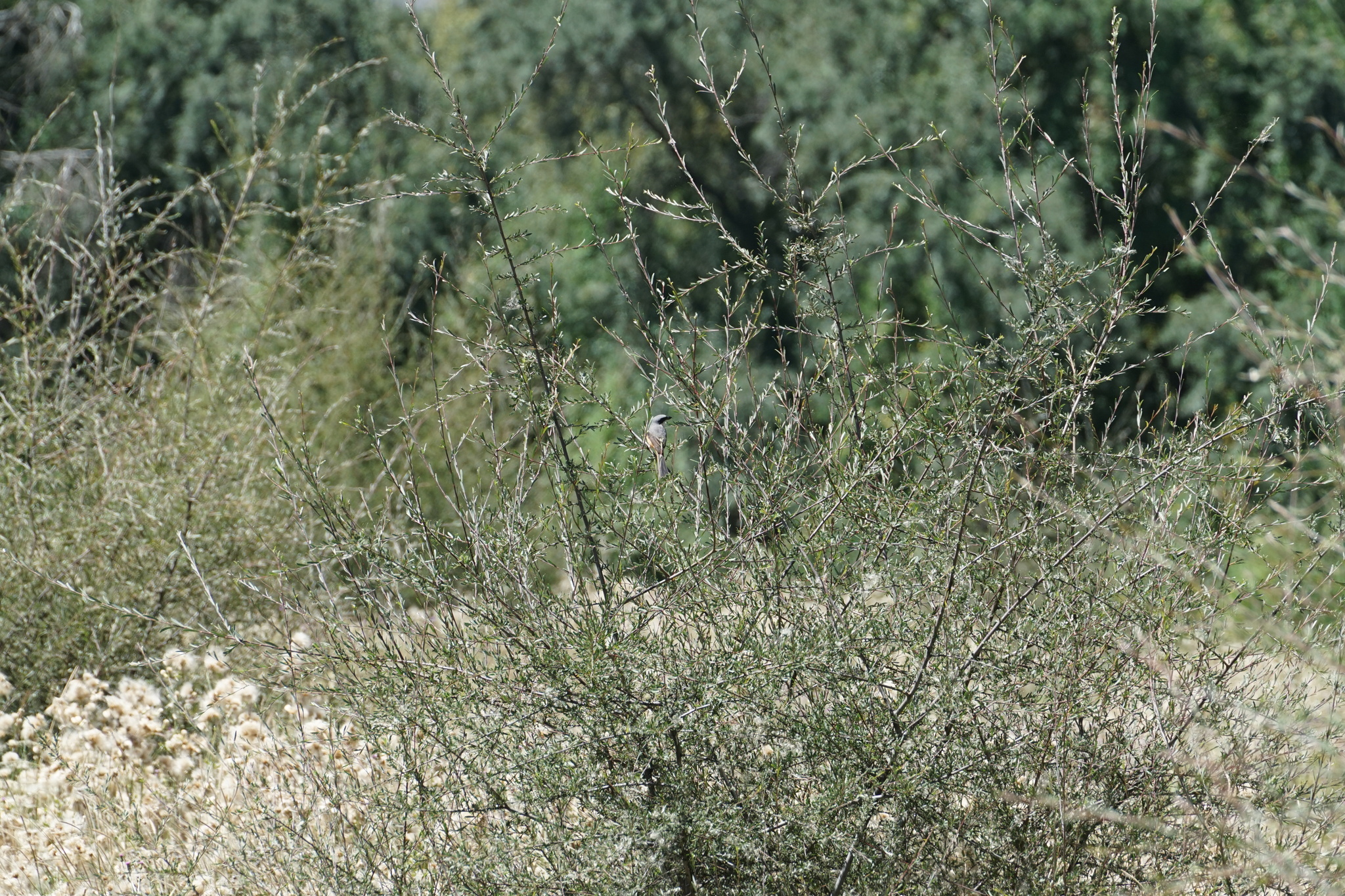
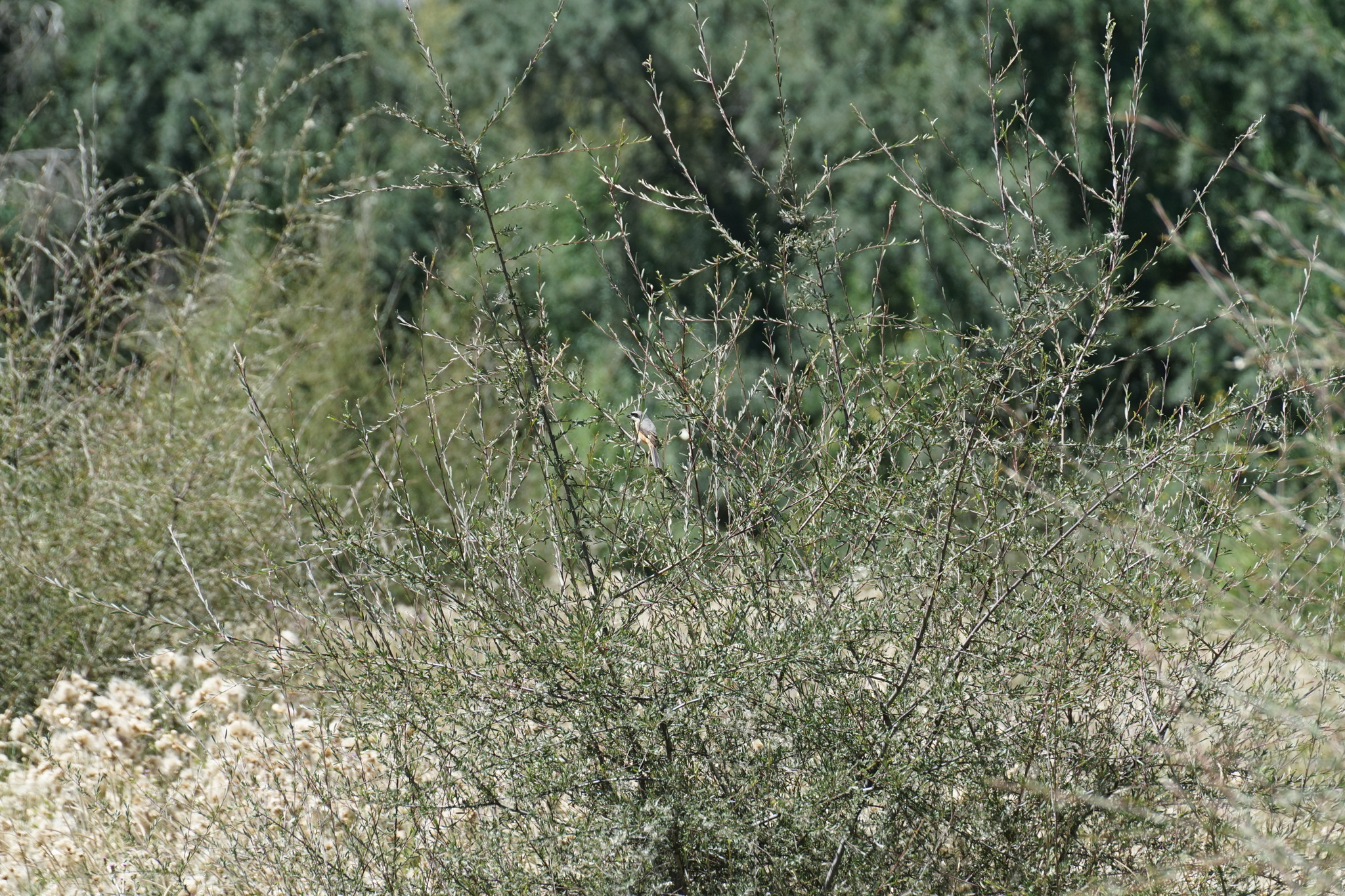
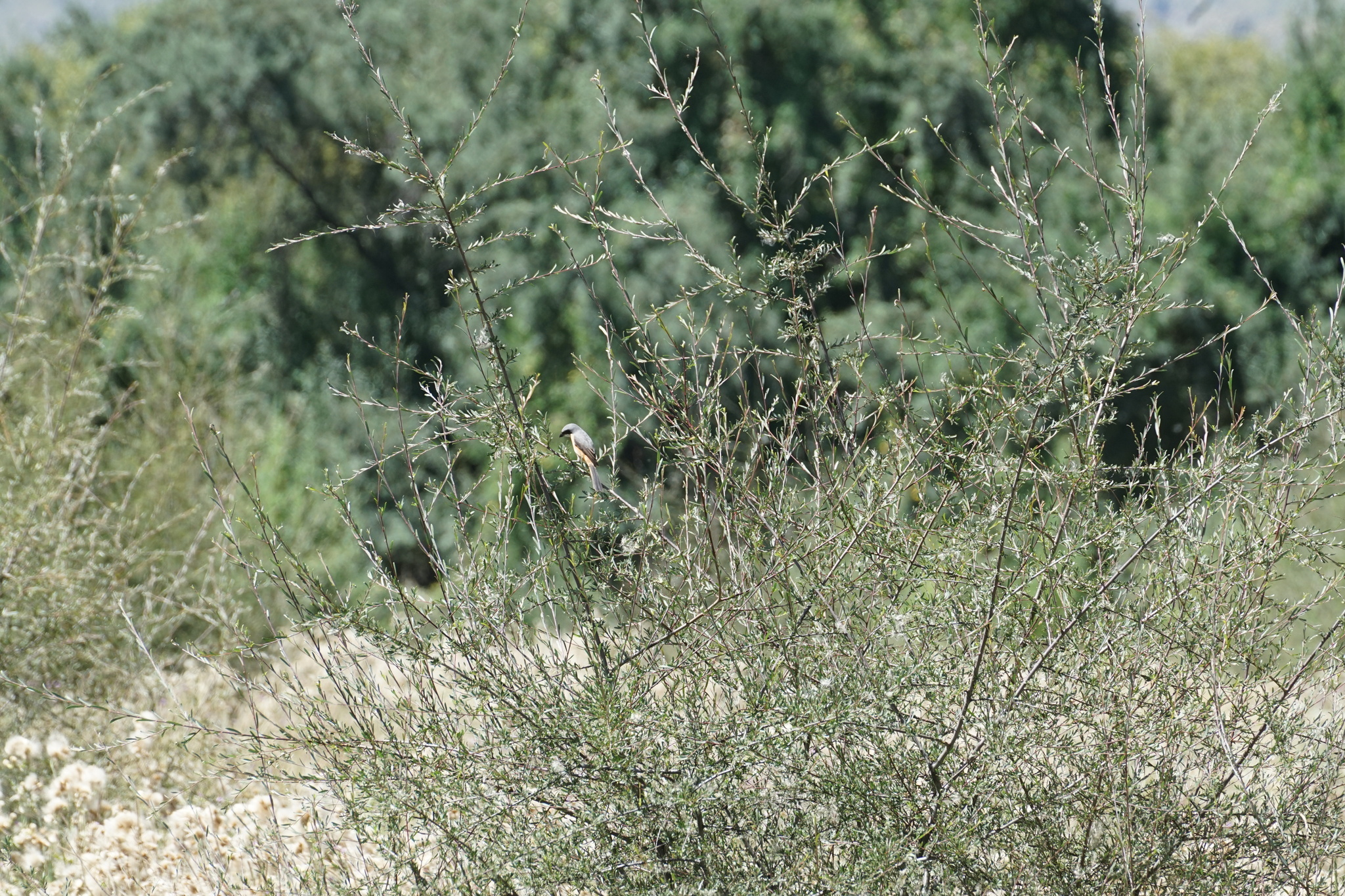
A medium-sized shrike measuring 21-25 cm in length and weighing 39-54 g, characterized by a long tail. Adults have a black facial mask extending from the lowermost forehead through the lores and eye to the rear ear-coverts, with crown to nape and upperparts dark grey. A small rufous rump patch is present. The upperwing is black with wing-coverts, secondaries and tertials fringed pale rufous to whitish; a tiny white patch at the primary bases is often lacking. The tail is chestnut-brown tipped buffish. Underparts are brownish-grey. Bill and legs are black or dark green. Sexes are very similar. Juveniles are browner above with a less distinct brown facial mask, horn-colored lower mandible, and heavily barred crown and underparts. Race lahulensis is smaller with a weaker bill, paler brownish-grey upperparts, a more visible white primary patch, and sometimes a blackish tail.
Identification
Distinguished from the closely related L. schach by morphology and largely sympatric distribution. The two subspecies can be differentiated by size and coloration: lahulensis is smaller and paler than the nominate race, with more white visible on the primaries. The combination of dark grey upperparts, black facial mask, chestnut-brown tail, and preference for high-elevation habitats helps distinguish this species from other shrikes in its range.
Distribution & Habitat
Two subspecies with separate breeding ranges: L. t. lahulensis breeds from north Kashmir east to central India and southwest China; L. t. tephronotus breeds from Nepal east to northeast India and central and southern China. The species breeds at high elevations in forest clearings, plateau plains and mountain meadows with scattered trees or bushes, up to at least 4500m in Nepal. Non-breeding distribution extends south to Bangladesh, Myanmar, Thailand and Indochina, where the species occurs in valleys, plains, gardens and abandoned cultivation. Race lahulensis is resident or descends to Himalayan foothills; the nominate race undertakes altitudinal movements or migrates south. Most individuals winter at lower altitudes within the breeding range, returning to territories by early May.
Behavior & Ecology
Diet consists primarily of insects including moths, crickets, grasshoppers, beetles and caterpillars, supplemented by small vertebrates such as lizards, frogs, birds and rodents. Hunting is mainly sit-and-wait from elevated perches, with prey taken on the ground or occasionally hawked in air; during breeding season, hunting is restricted to within 150 meters of the nest. Breeding occurs June-July in India and April-August in south China at elevations of 4010-4540m. Nests are bulky structures placed 0.7-3m above ground in bushes or small trees, built mainly of moss, straw and plant stems. Clutch size is 3-6 eggs; females incubate for 15-18 days and both parents care for nestlings for 14-15 days. Territorial year-round with harsh calls including zzert-zzert and ktcht-ktcht; breeding song is subdued and musical with mimicry. Like other shrikes, this species impales prey on thorns or store in larders.
Conservation
Evaluated as Least Concern. The species has an extremely large range and appears to be naturally common across a widespread area. Population trend is stable and does not approach thresholds for Vulnerable under population trend criterion (>30% decline over ten years or three generations). Population size has not been quantified but does not approach Vulnerable thresholds (<10,000 mature individuals with continuing decline). The species faces increased risk if habitats are altered by changes in land management, though high-elevation habitats are considered more secure than lower-lying ones.
Culture
No specific cultural significance or folklore documented.
Source: Wikipedia · CC BY-SA 3.0
Taxonomy
- Order
- Passeriformes
- Family
- Laniidae
- Genus
- Lanius
- eBird Code
- gybshr1
Subspecies (2)
-
Lanius tephronotus lahulensis
northern Kashmir to Ladakh and adjacent western Tibet
-
Lanius tephronotus tephronotus
Nepal to Sikkim, Bhutan, northern India, and west-central China
Data Sources
Species description from Wikipedia, licensed under CC BY-SA 3.0.
Bird images and sounds sourced from GBIF, contributed by citizen scientists worldwide under Creative Commons licenses.
Taxonomy data from AviList 2025.