Red-backed Shrike
Lanius collurio
红背伯劳
Introduction
A carnivorous passerine bird belonging to the shrike family Laniidae. The breeding range extends from Western Europe east to central Russia. It is migratory, wintering in eastern tropical Africa and southern Africa. This species is distinguished by its unique hunting behavior: it captures prey from prominent perches and impales carcasses on thorns or barbed wire as a food storage method. Classified as Least Concern globally on the IUCN Red List, though populations have declined sharply in parts of its range, with local status less secure.
Description
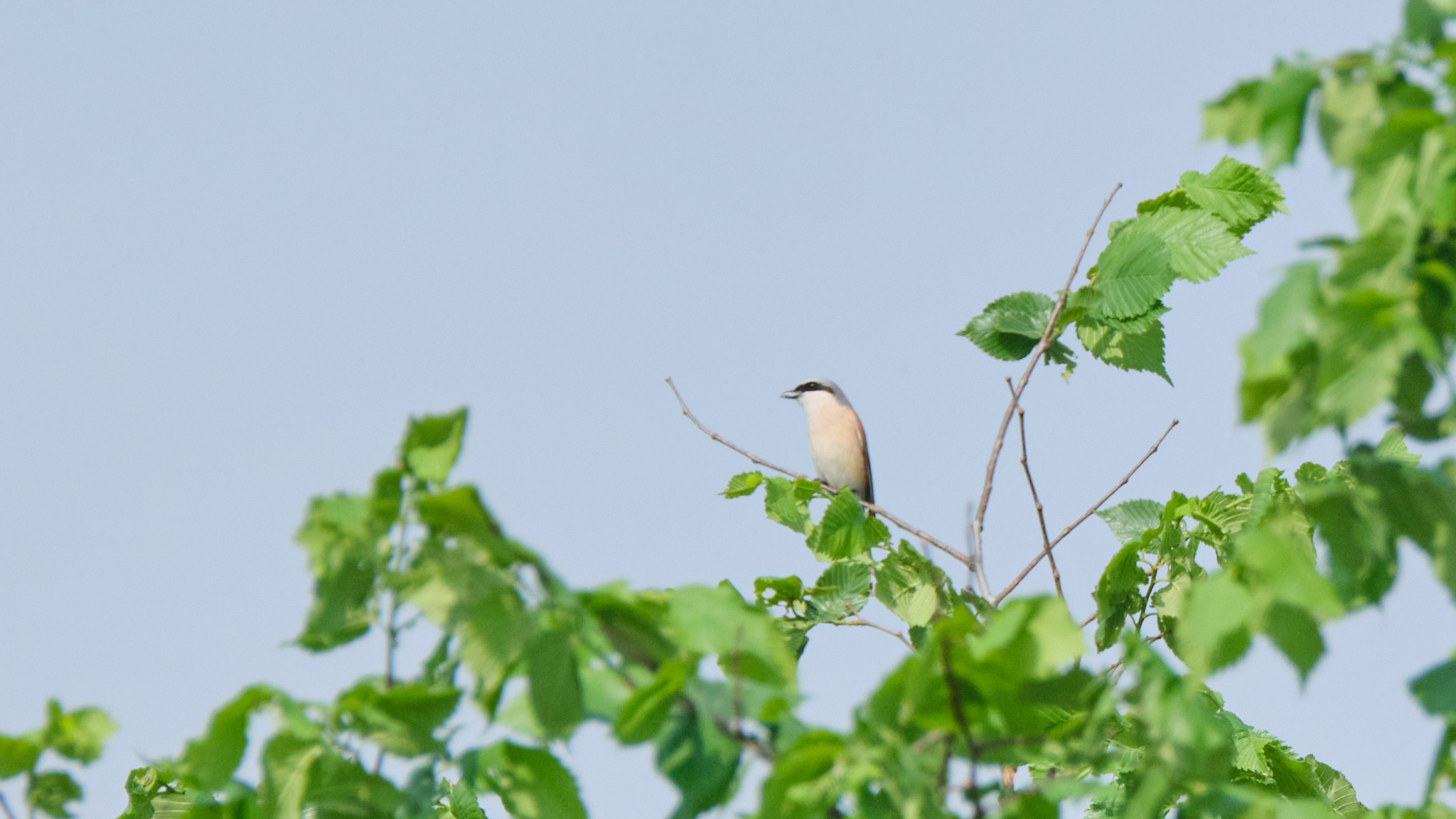
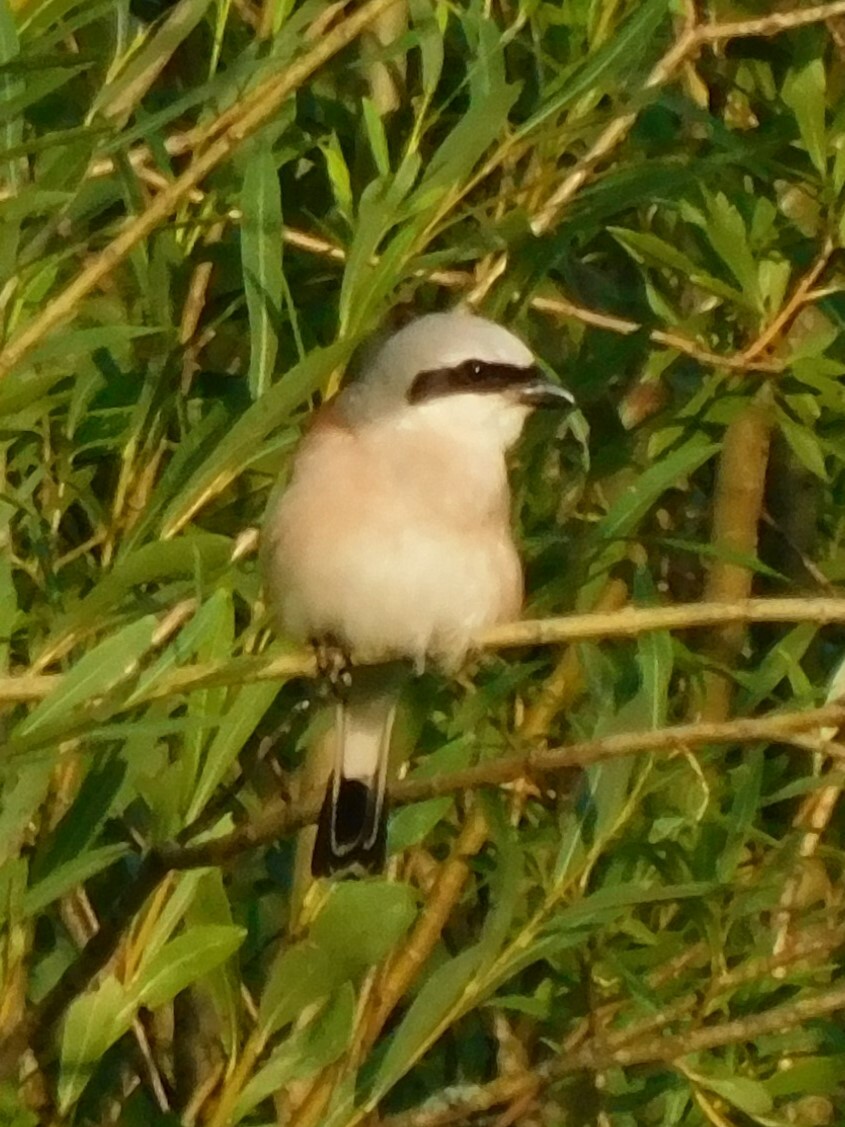
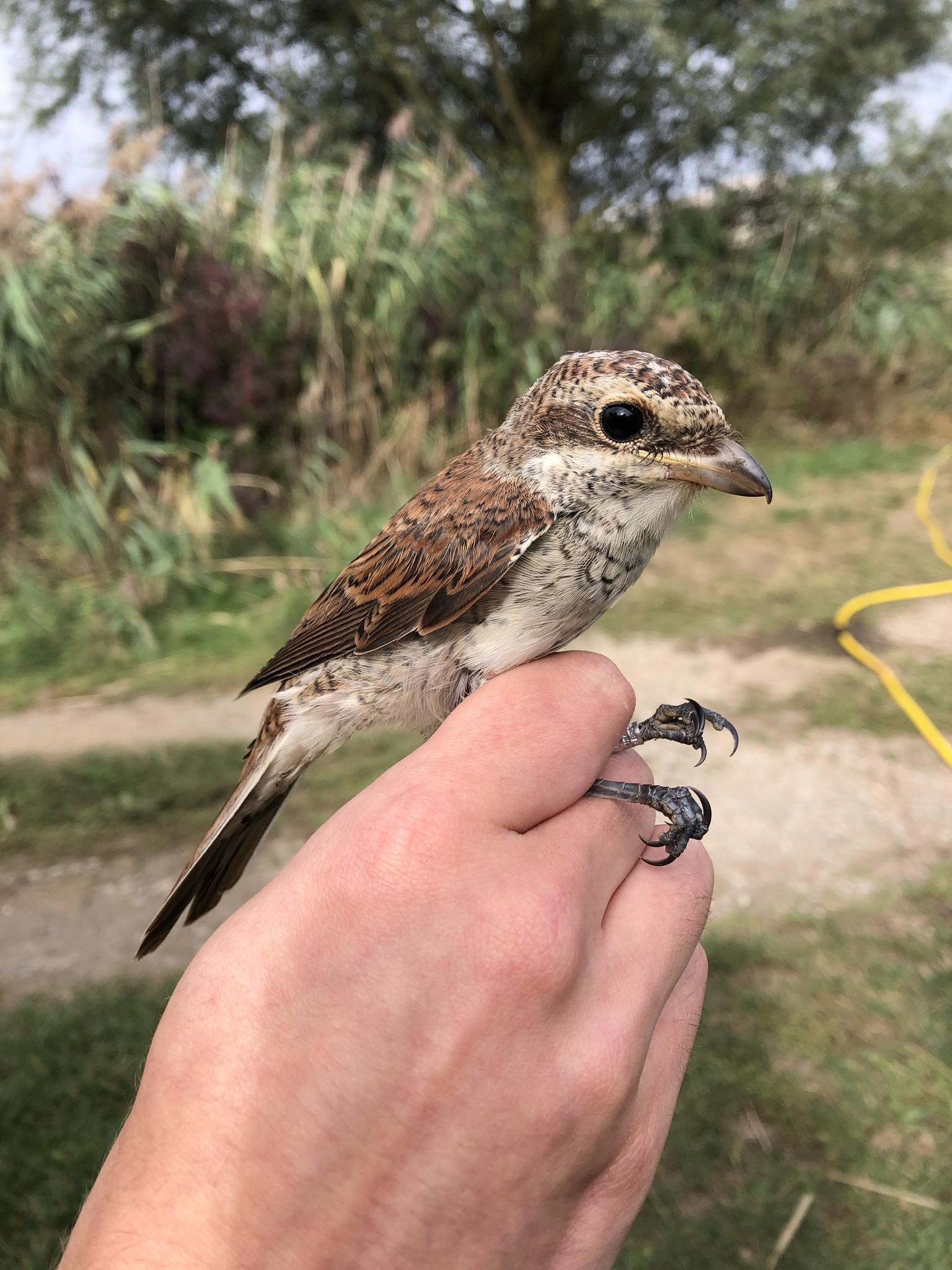
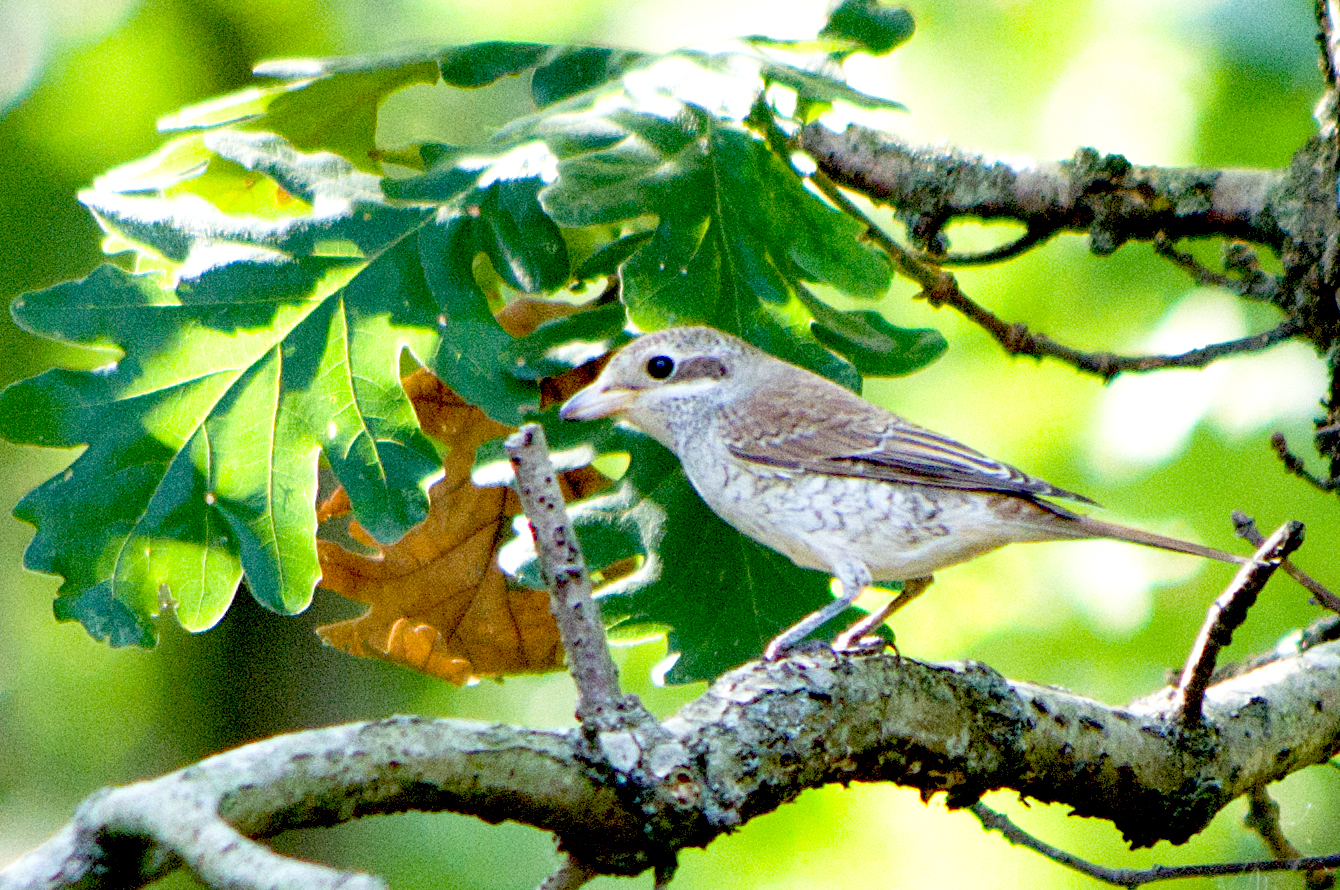
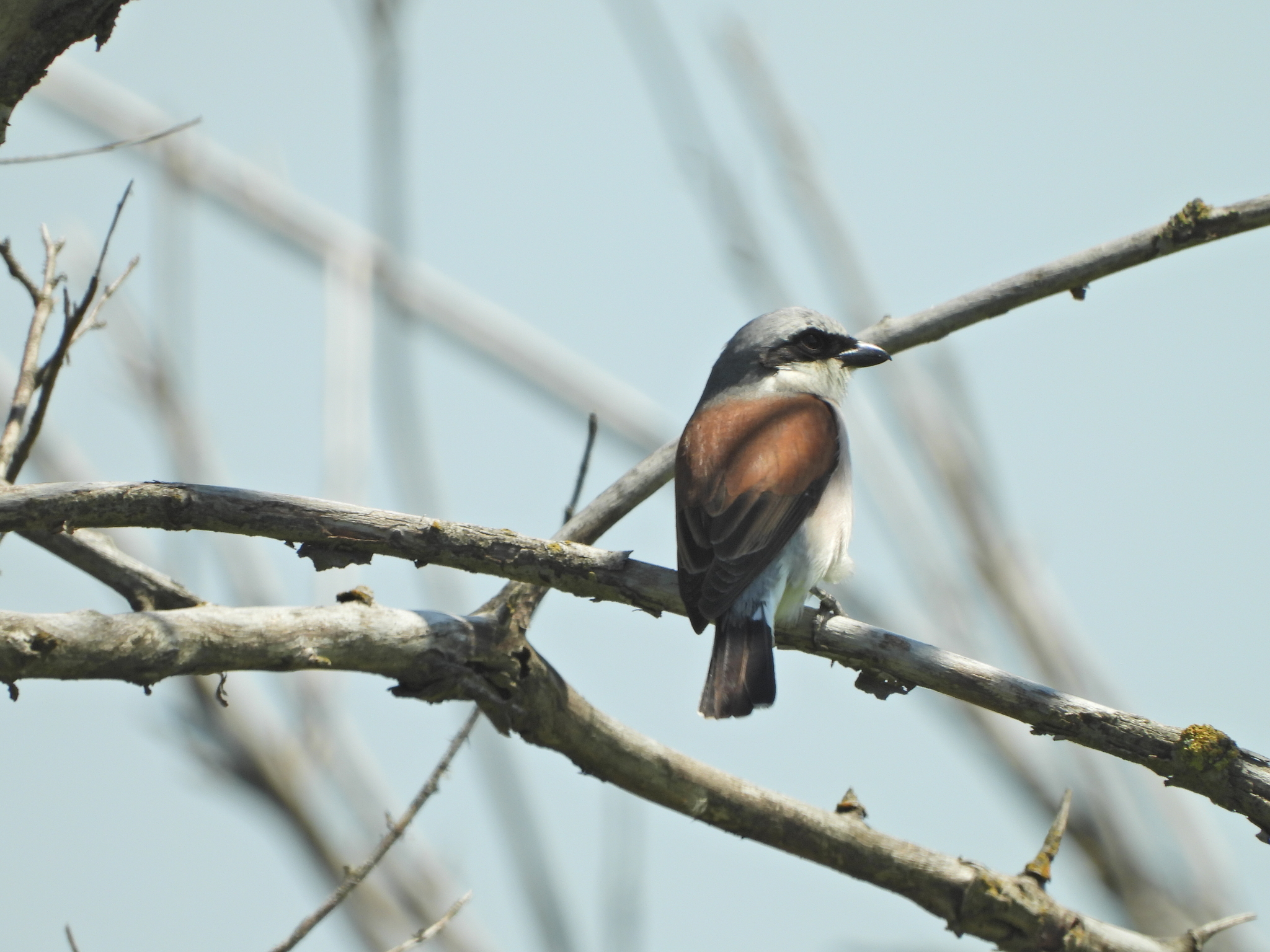
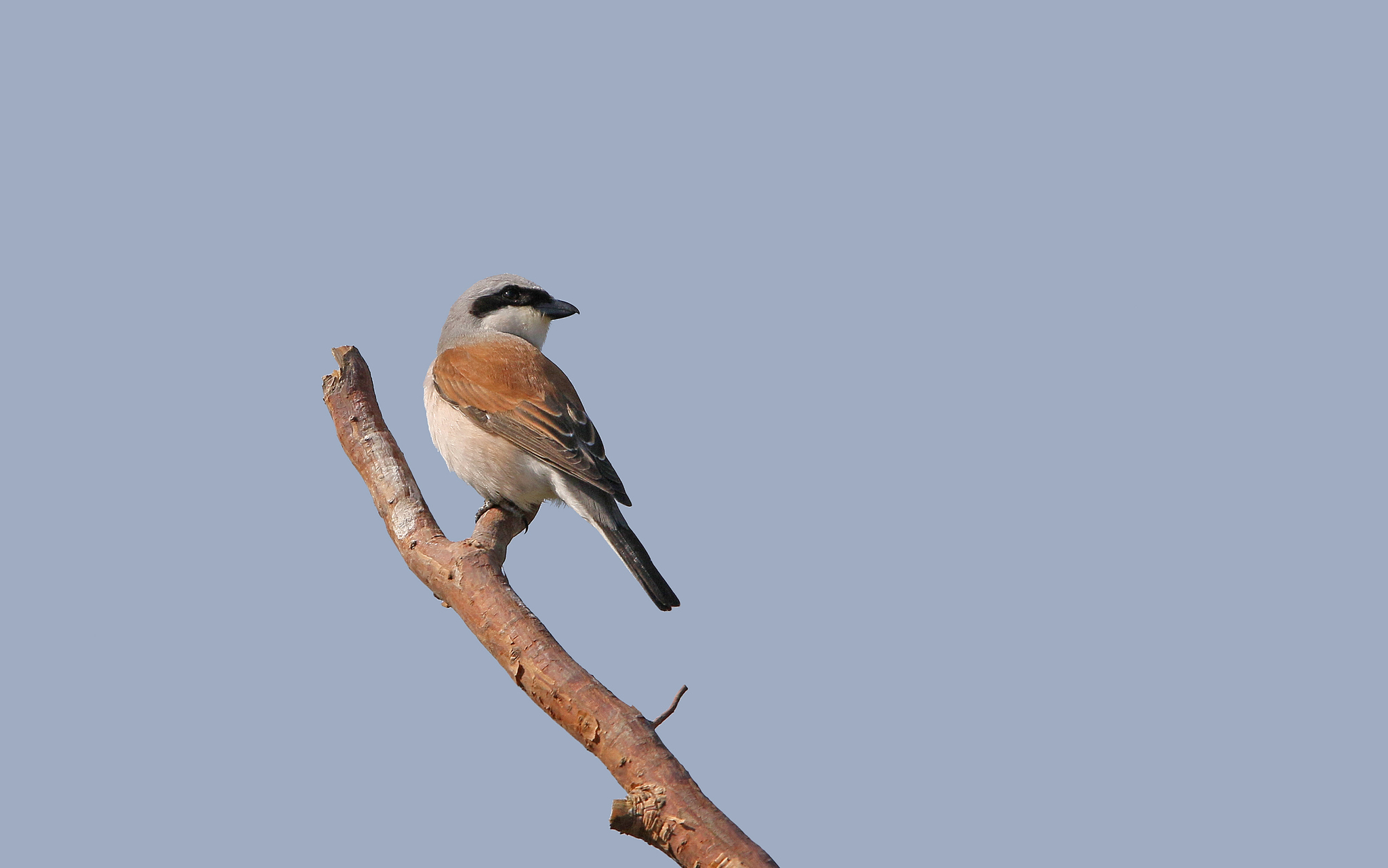
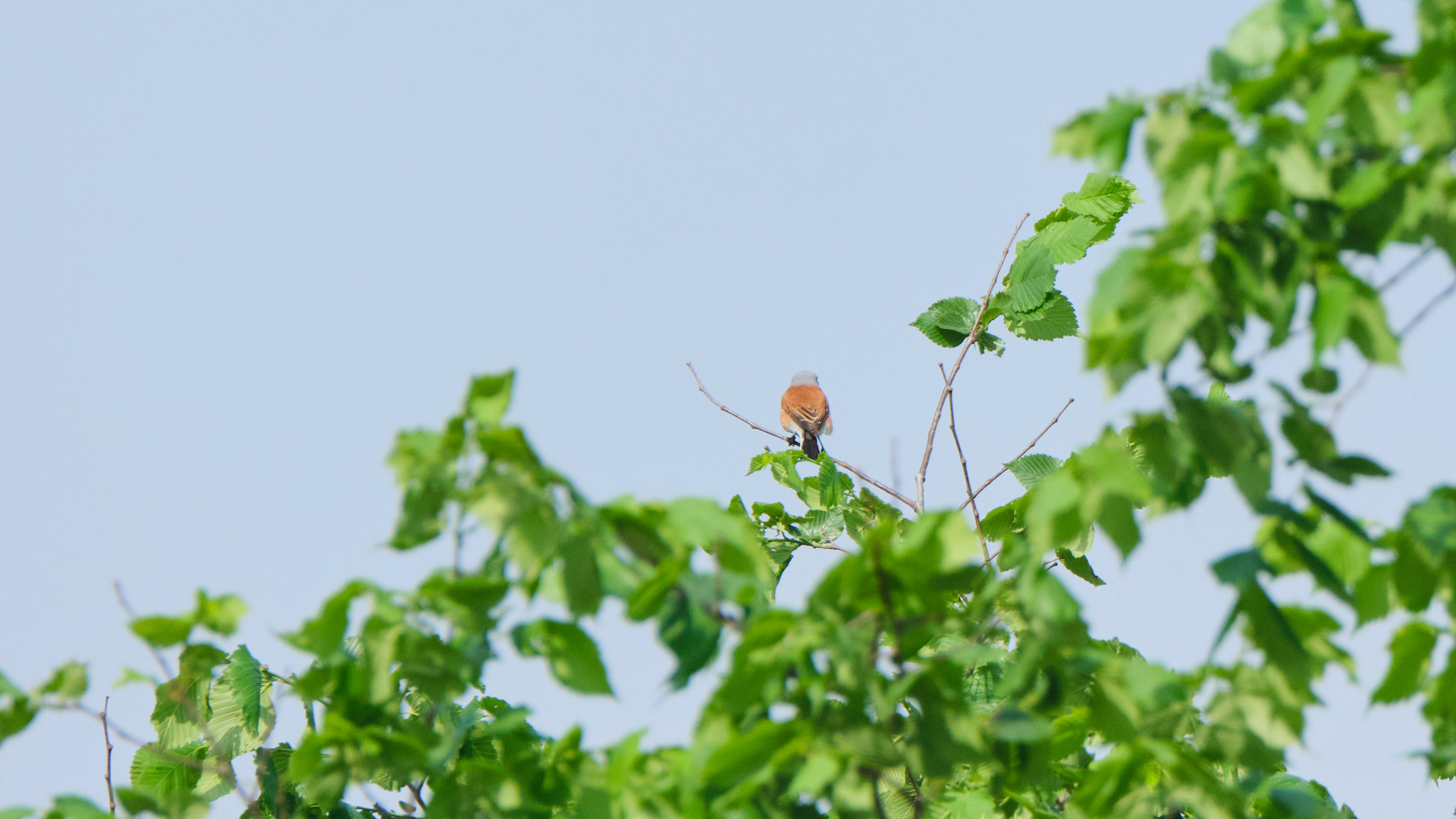
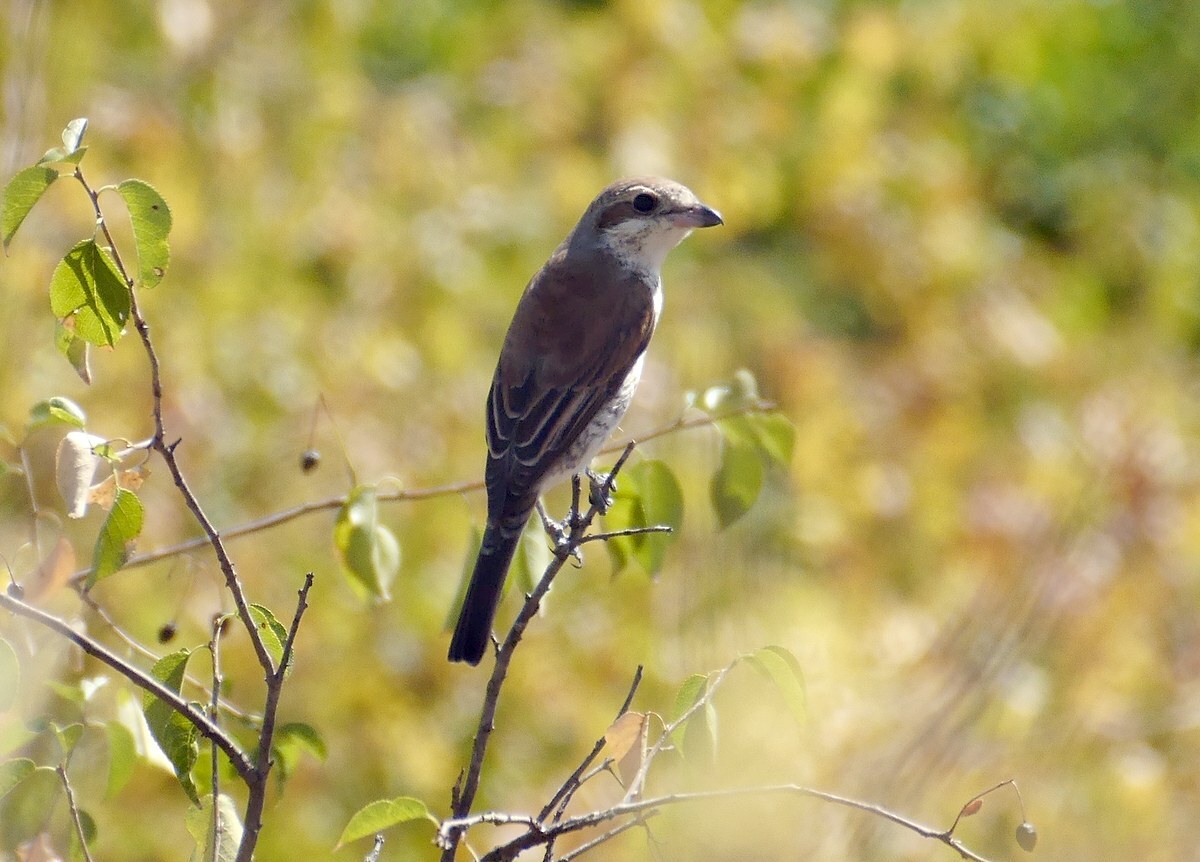
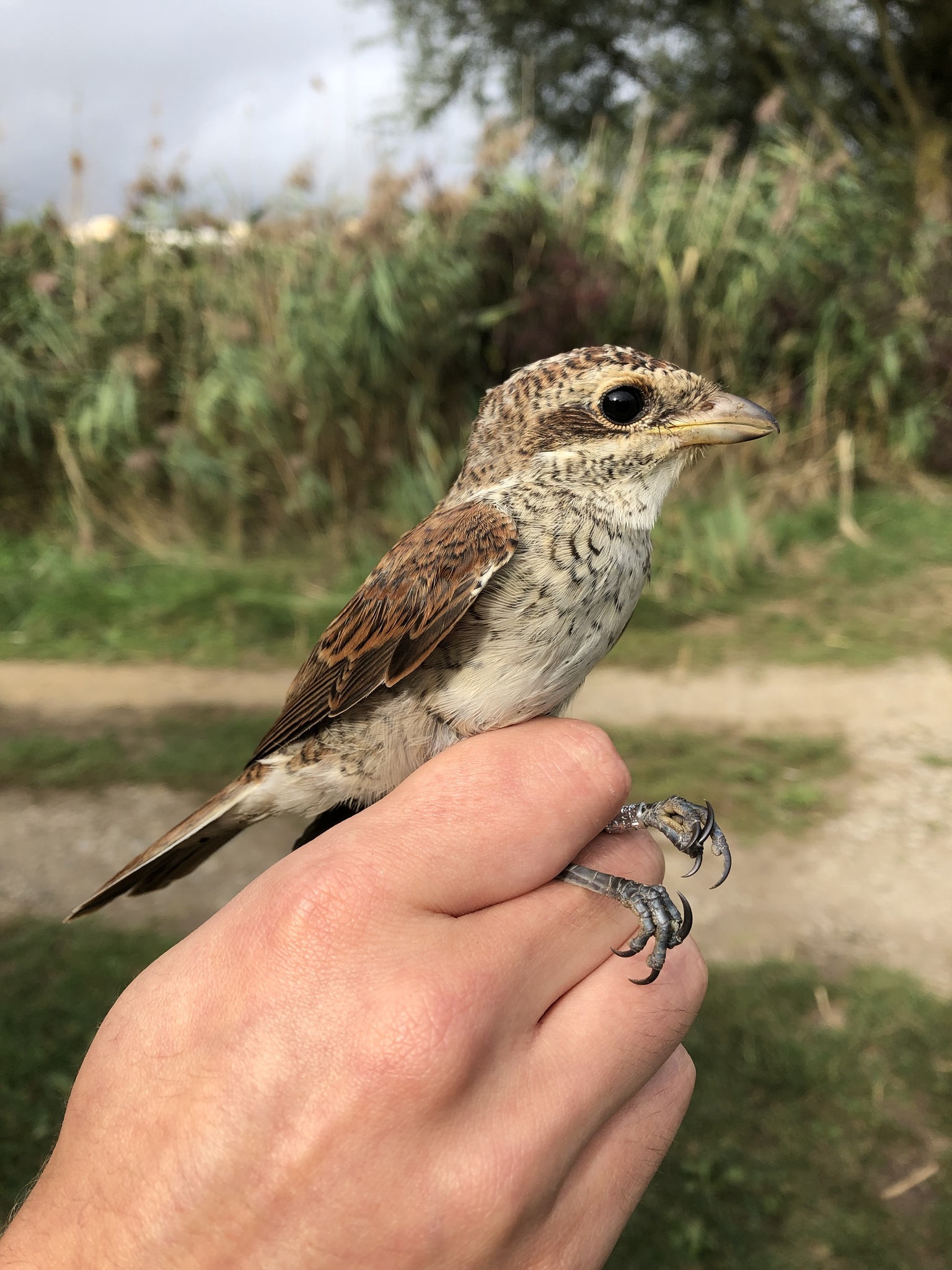
A small to medium-sized shrike measuring 16-18 cm in length. Males have reddish upper parts, a grey head, and the characteristic shrike black eye stripe. Underparts show pink coloration. The tail displays a black and white pattern similar to a wheatear. Females and juveniles have brown upper parts with vermiculated markings, and buff underparts also featuring vermiculated patterns. This species hunts from exposed perches and stores prey by impaling it on thorns or barbed wire.
Identification
The combination of reddish upper parts and grey head in males distinguishes this species from other shrikes. The black eye stripe and pink-tinged underparts are diagnostic. Females and juveniles can be identified by their brown, vermiculated upperparts and buff, vermiculated underparts. The black and white tail pattern helps distinguish it from similar species.
Distribution & Habitat
Breeds across most of Europe and western Asia. Migratory, spending the winter months in tropical Africa. Inhabits open areas with scattered shrubs and trees, typically in countryside habitats. Once a common breeding species in Great Britain, numbers declined sharply during the 20th century, with the last stronghold in Breckland. Sporadic breeding has occurred since in Scotland, Wales, and more recently in south-western England and Shetland.
Behavior & Ecology
A carnivorous predator consuming large insects, small birds, frogs, rodents, and lizards. Hunts from prominent perches, scanning the surrounding area for prey. Implements a unique food storage behavior, impaling captured prey on thorns or barbed wire to create a 'larder.' This practice, which gives the species its 'butcher bird' nickname, allows it to tackle prey larger than it could otherwise consume.
Conservation
Global status: Least Concern. However, populations have experienced steep declines across much of its range, particularly in Western Europe. In Great Britain, the species is classified as a Red List species following dramatic 20th-century population decreases. The UK population became reduced to just one pair by 1988, with no successful nests recorded in 1989. Since then, sporadic breeding has occurred in Scotland, Wales, Devon, and Shetland, with recent successful breeding confirmed in 2010, 2011, 2013, 2015, and 2020. Threats include habitat loss and agricultural intensification.
Culture
Known as the 'butcher bird' due to its distinctive feeding habits of impaling prey on thorns and barbed wire. The common English name 'shrike' derives from Middle English words meaning 'shriek,' referencing the bird's shrill call. The genus name Lanius comes from the Latin word for 'butcher.'
Source: Wikipedia · CC BY-SA 3.0
Taxonomy
- Order
- Passeriformes
- Family
- Laniidae
- Genus
- Lanius
- eBird Code
- rebshr1
Distribution
breeds Palearctic region; winters to South Africa
Data Sources
Species description from Wikipedia, licensed under CC BY-SA 3.0.
Bird images and sounds sourced from GBIF, contributed by citizen scientists worldwide under Creative Commons licenses.
Taxonomy data from AviList 2025.