Willow Ptarmigan
Lagopus lagopus
柳雷鸟
Introduction
The willow ptarmigan (Lagopus lagopus) is a ground-dwelling bird in the grouse tribe Tetraonini of the pheasant family Phasianidae. It occupies subalpine and subarctic habitats across northern Europe, the tundra of Scandinavia, Siberia, Alaska, and Canada, including Newfoundland and Labrador and Quebec. The species is notable for its dramatic seasonal plumage transformation from dappled brown in summer to pure white in winter, and for being the state bird of Alaska. It is the most numerous of the three ptarmigan species.
Description
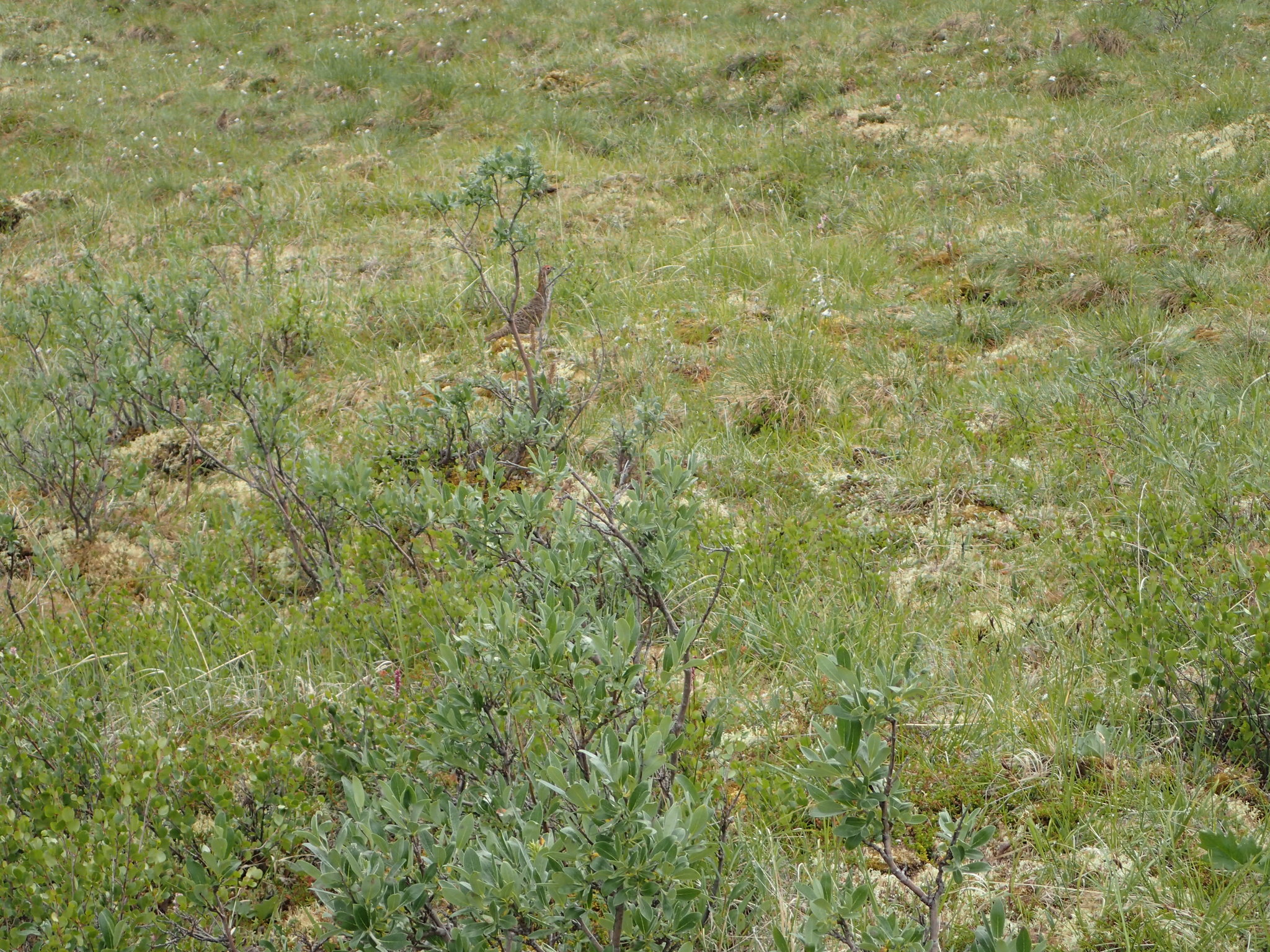
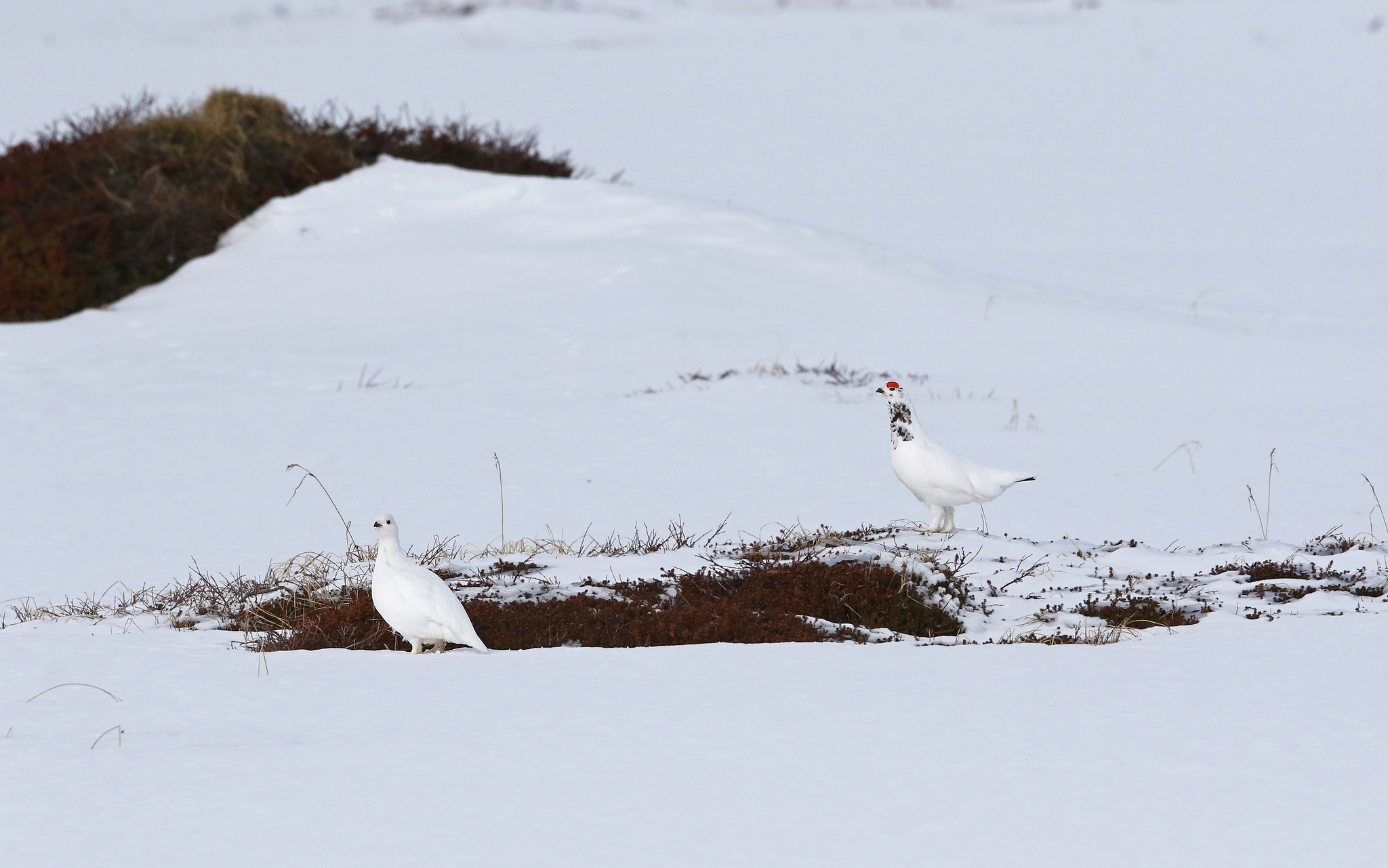
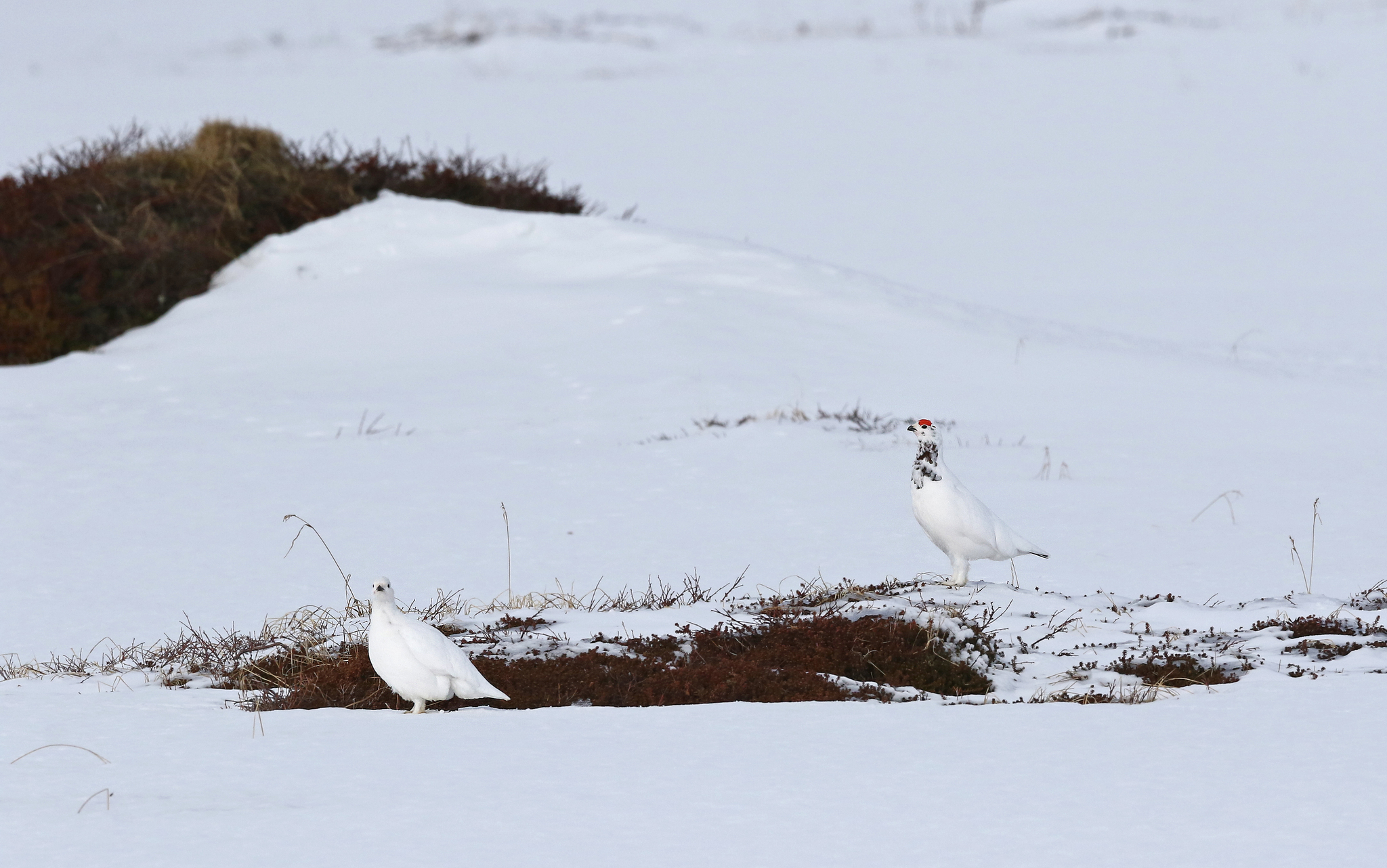
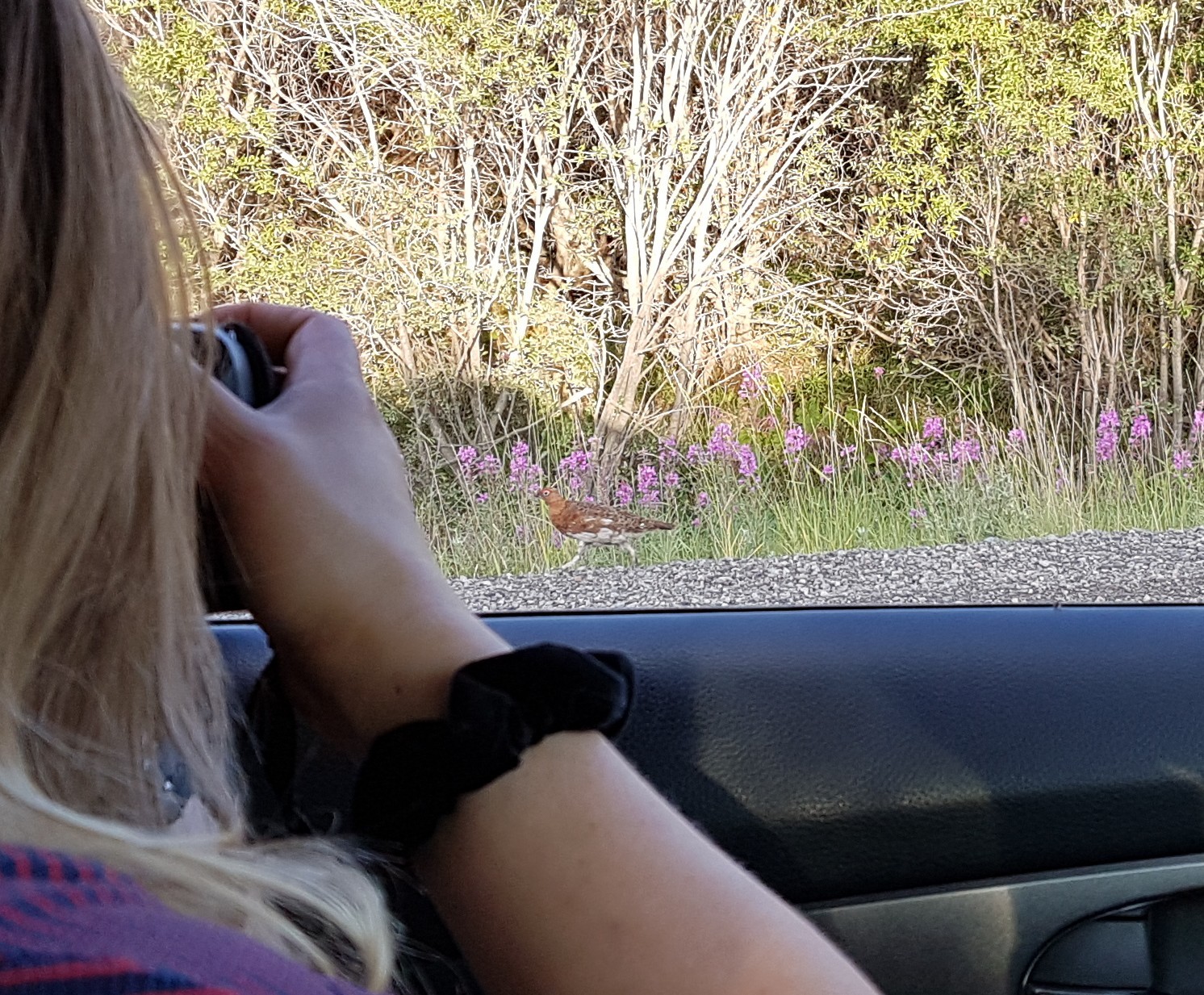
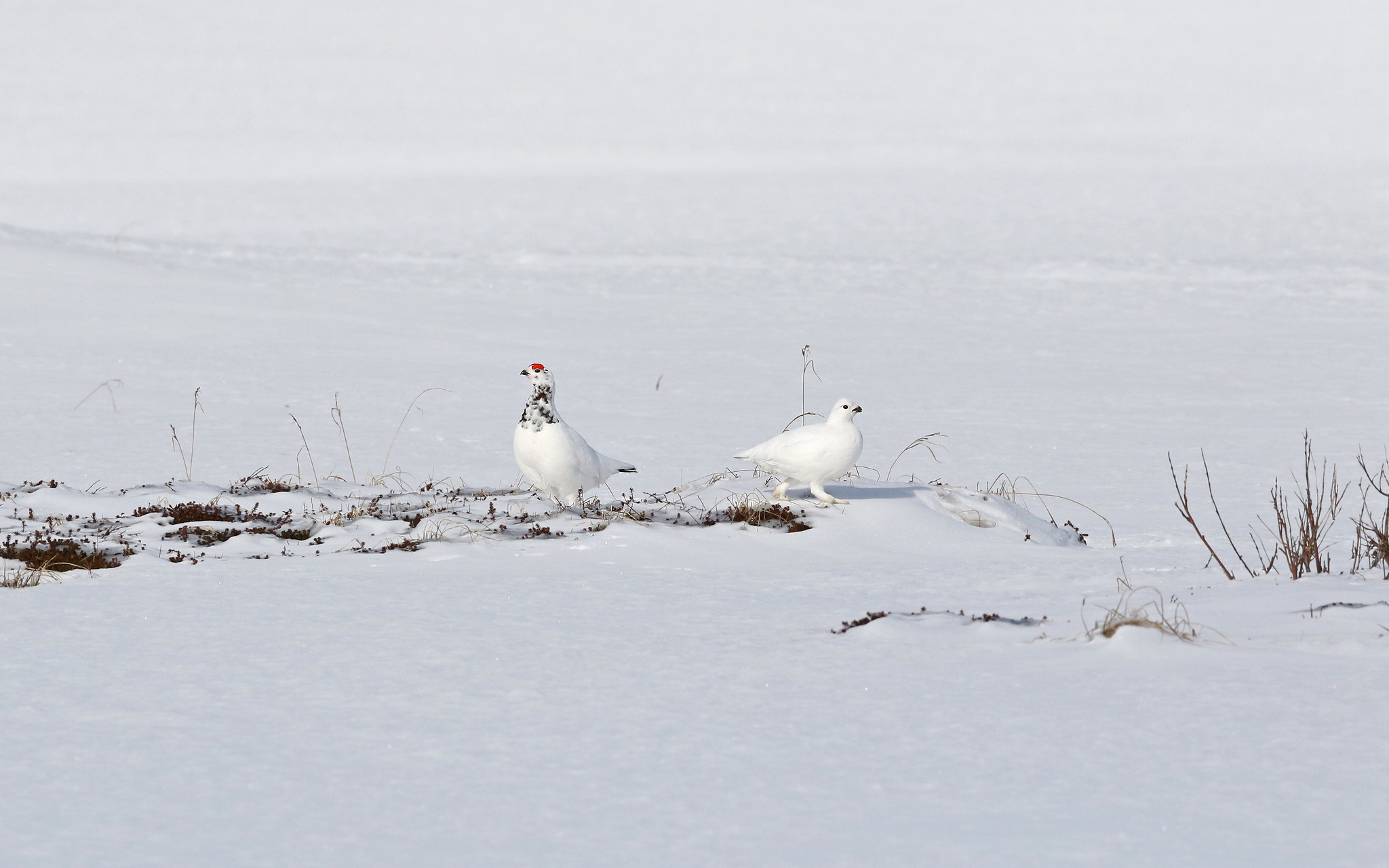
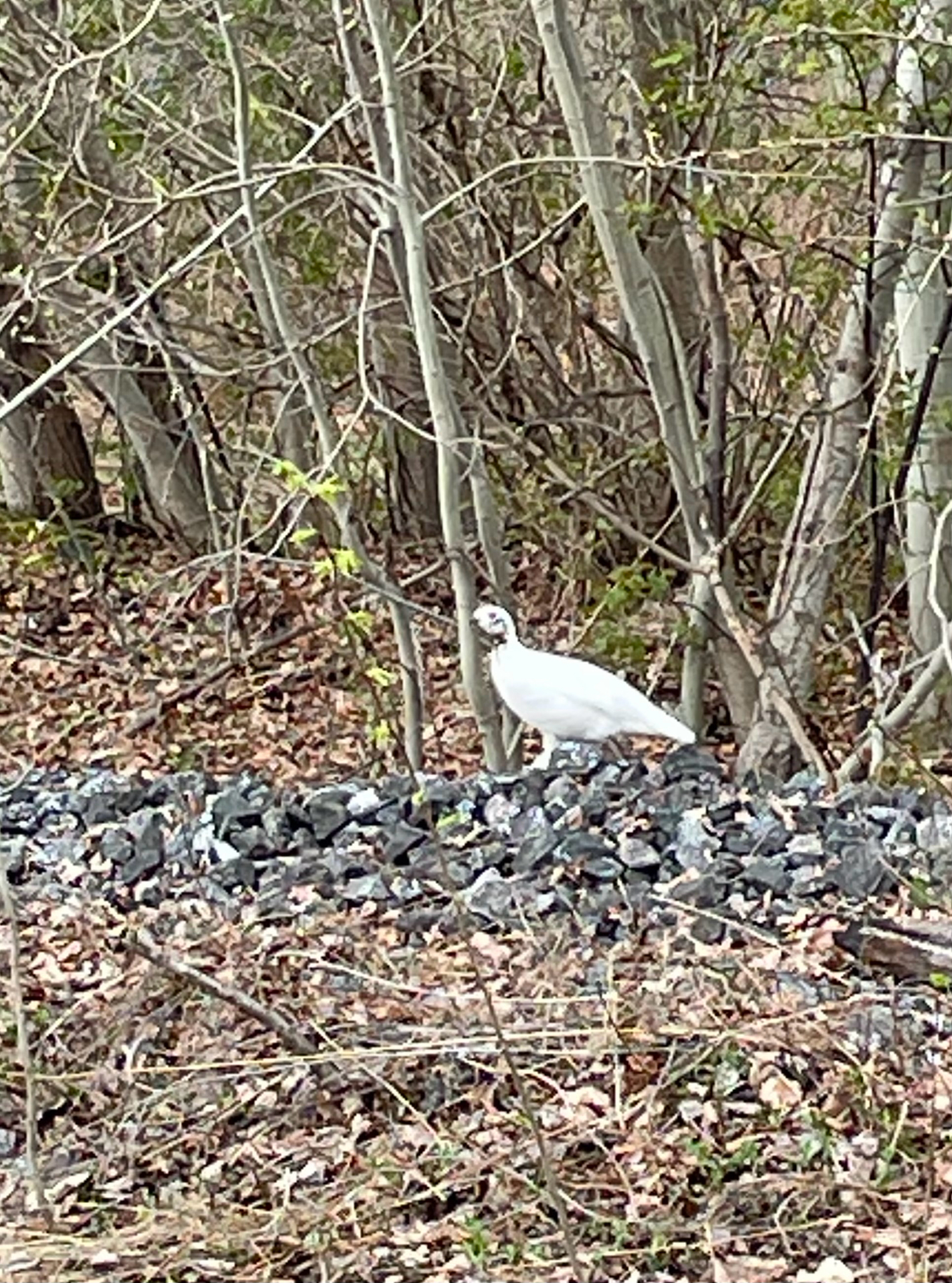
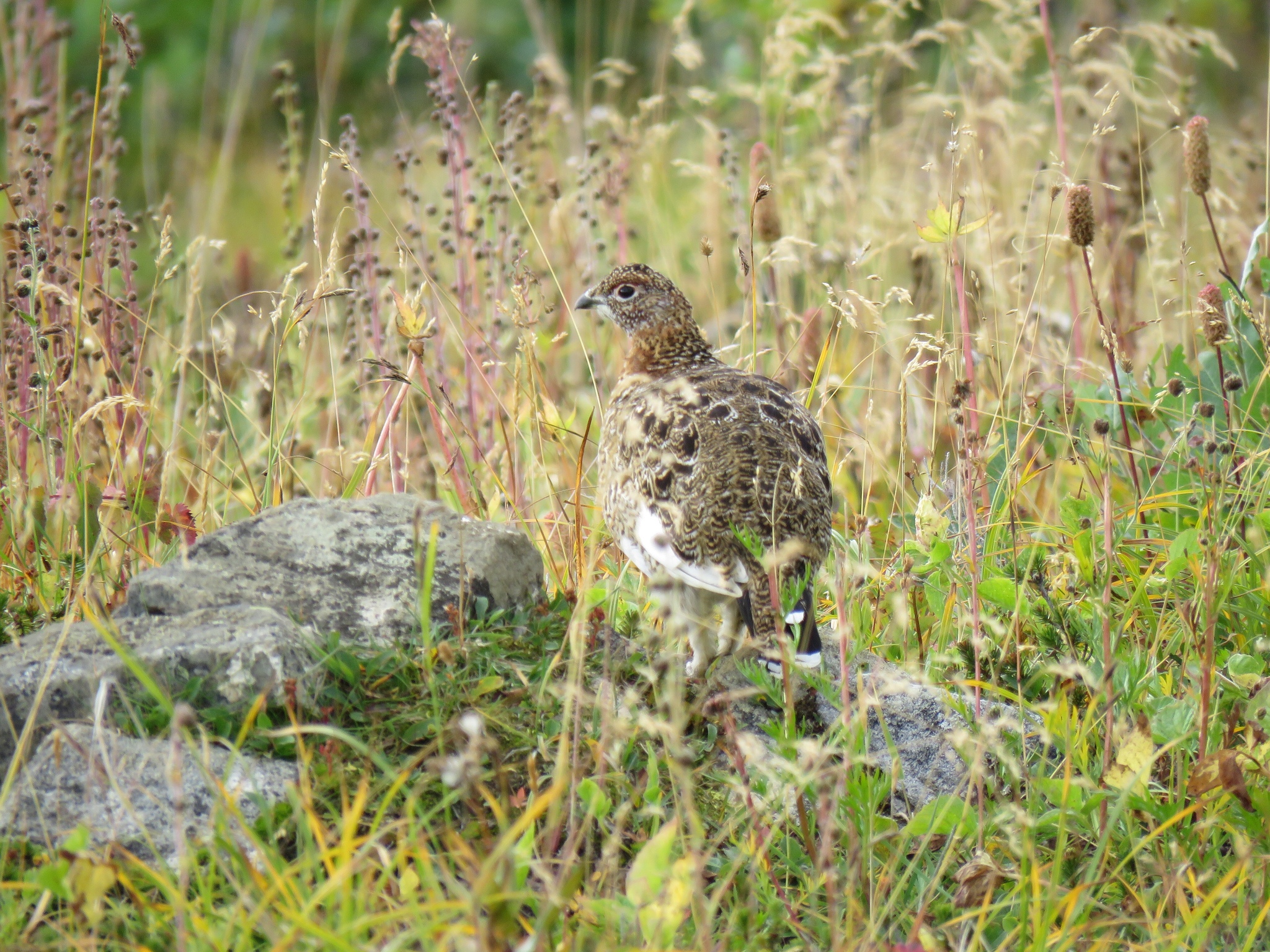
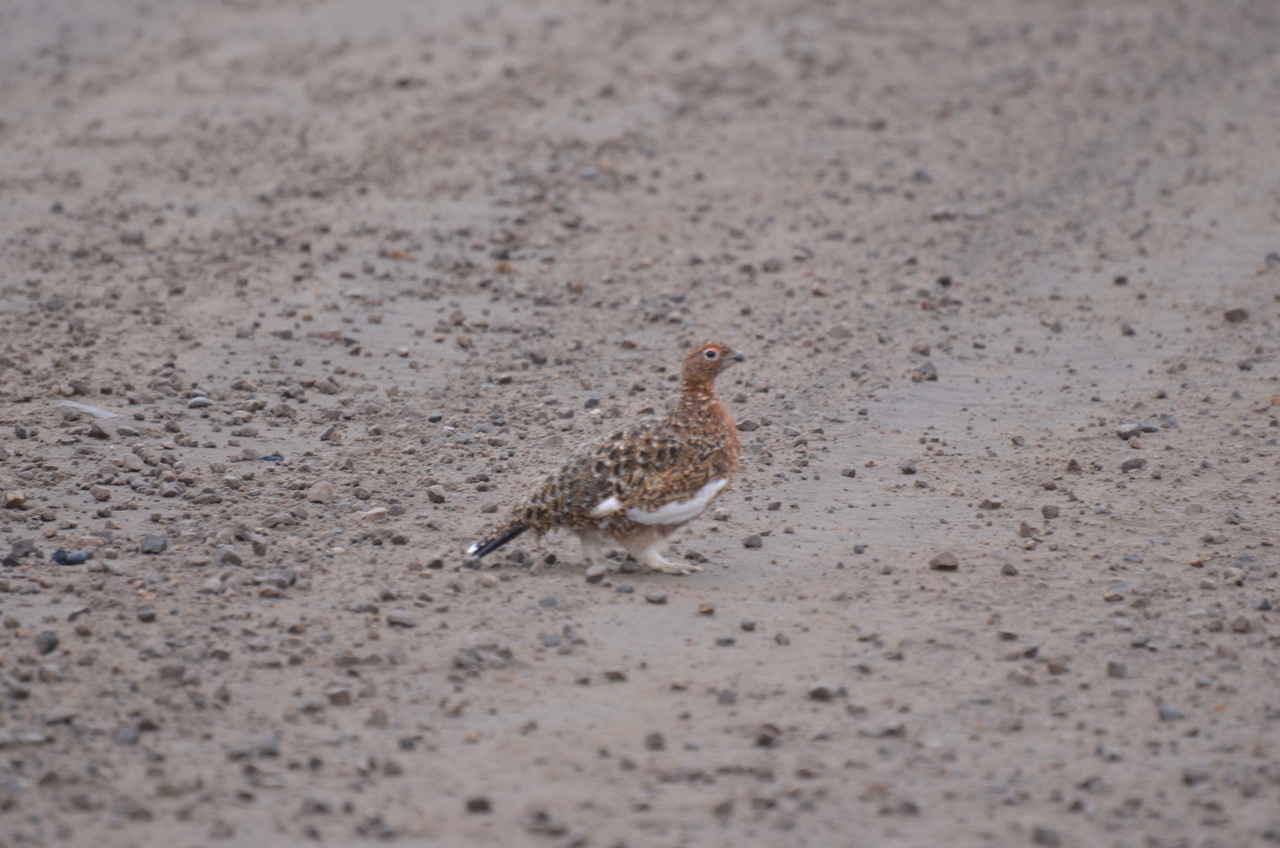
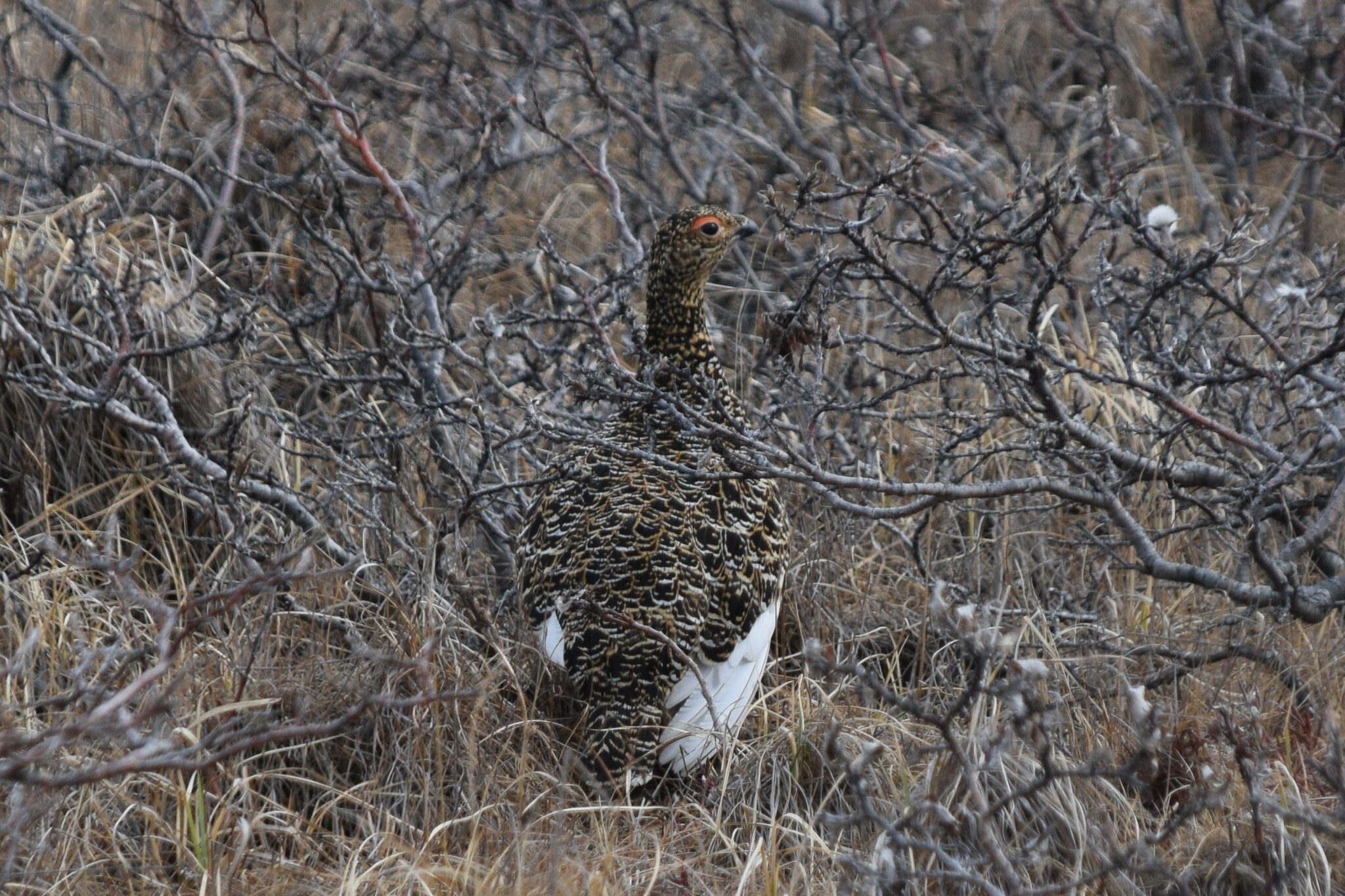
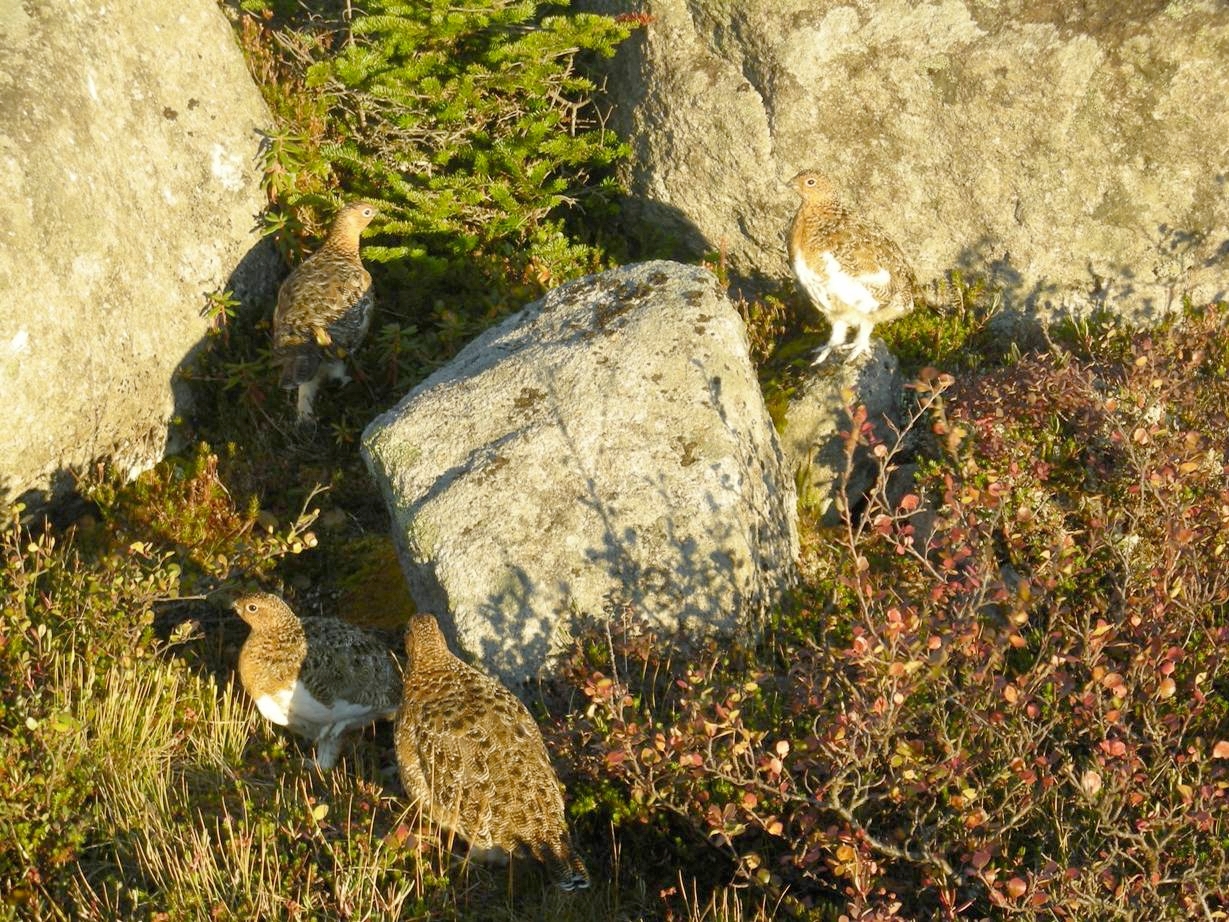
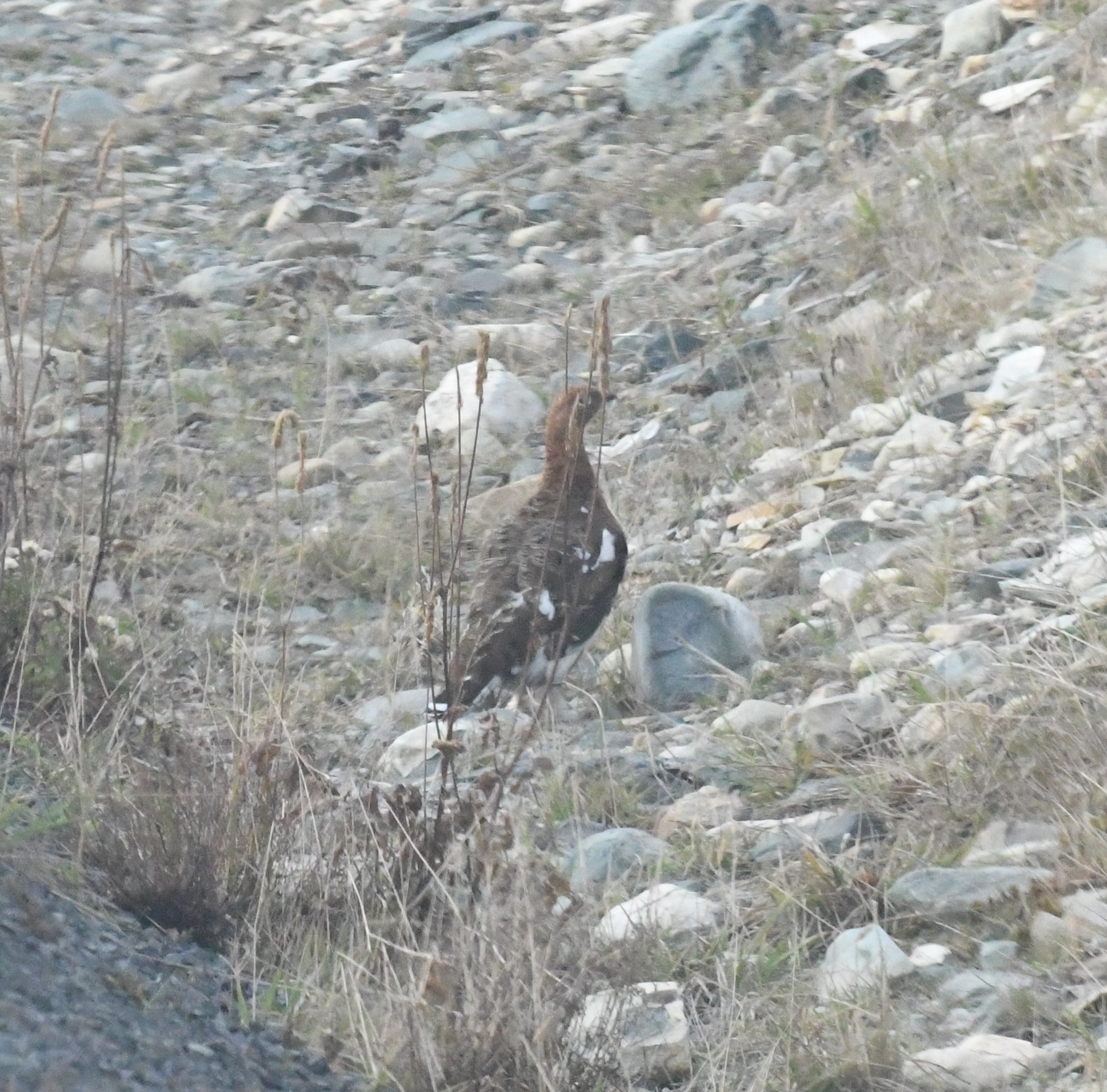
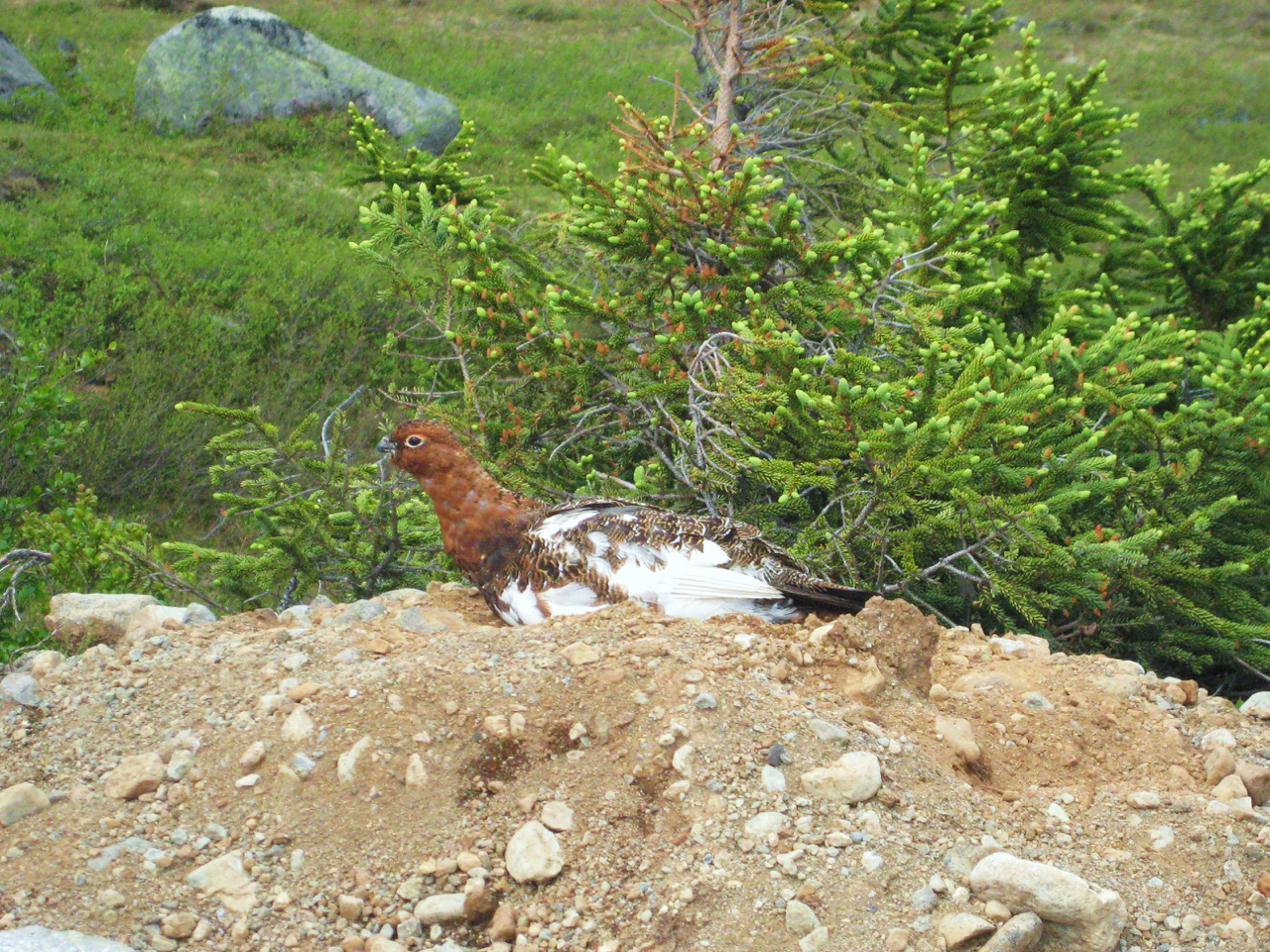
This medium to large ptarmigan measures 35-44 cm in length with a wingspan of 60-65 cm and weighs 430-810 grams. It has a deep chest, fairly long neck, broad bill, short feathered legs, and a moderately short rounded tail. Summer plumage is marbled brown with a reddish hue on the neck and breast, black tail feathers, and white wings and underparts. Males display prominent red eye combs during breeding season. Females resemble males but have smaller eye combs and brown feathers mixed with white on the belly. In winter, both sexes have completely white body plumage and central tail feathers, with black outer tail feathers; wing feathers remain white year-round.
Identification
Larger than the rock ptarmigan with a thicker bill, this species differs from its relative by typically occurring below the tree line rather than in barren alpine terrain. Summer plumage is browner, and winter males lack the rock ptarmigan's distinctive black stripe between the eyes and bill. The white-tailed ptarmigan is smaller with a pure white tail and finely-barred gray plumage, and it lives permanently above the tree line. The reddish-brown red grouse, once considered a subspecies, differs in being uniformly reddish-brown with white feet.
Distribution & Habitat
This circumboreal species is native to Canada, the United States, China, Mongolia, Russia, Kazakhstan, and northern European countries including Finland, Norway, Sweden, and the Baltic states. It inhabits sparse pine and birch forests, willow and alder thickets, heath moors, tundra, and mountain slopes. In winter, females and subadults move to lower elevations and seek shelter in valleys and densely vegetated areas, while adult males typically remain in subalpine regions. Fall migrations may carry females and young up to 160 km from breeding grounds to wooded valleys.
Behavior & Ecology
Males establish territories in April and May, performing aerial displays, strutting, and tail-fanning to attract mates. Clutches of six to ten eggs are laid in ground scrapes at clearing edges. Unlike most grouse, both parents care for the young; males defend chicks from predators and can rear them alone if the female dies. Adults are herbivorous, eating leaves, flowers, buds, seeds, and berries in summer, switching to willow buds and twigs in winter. Chicks initially eat insects. By September, families form flocks. Vocalizations include low-pitched chuckles, clucking, and rattling sounds during displays.
Conservation
Classified as Least Concern by the IUCN due to its very wide range and estimated total population of 40 million individuals. While numbers may be declining slightly, the species remains widespread and not uncommon in its remote habitat. No specific major threats were identified in the article.
Culture
Adopted as the official state bird of Alaska in 1955, it is also the regional bird of Southern Lapland. The species gained unexpected internet recognition on social media platforms where users noted its distinctive call sounds like 'awebo,' a corruption of Mexican Spanish slang, leading to popular nicknames 'the awebo bird' or simply 'awebo'.
Source: Wikipedia · CC BY-SA 3.0
Taxonomy
- Order
- Galliformes
- Family
- Phasianidae
- Genus
- Lagopus
- eBird Code
- wilpta2
Subspecies (15)
-
Lagopus lagopus alascensis
Alaska
-
Lagopus lagopus alba
tundra of northern Yukon and central British Columbia to Gulf of St. Lawrence
-
Lagopus lagopus alexandrae
Aleutian Islands to southeastern Alaskan islands (northwestern USA) and northwestern British Columbia (western Canada)
-
Lagopus lagopus alleni
Newfoundland
-
Lagopus lagopus brevirostris
Altai Mountains and Sayan Mountains
-
Lagopus lagopus koreni
Siberia to Kamchatka Peninsula
-
Lagopus lagopus kozlowae
western Mongolia (Tanmu-Ola, Khangai and Kentei mountains)
-
Lagopus lagopus lagopus
Scandinavia and northern Russia
-
Lagopus lagopus leucoptera
Arctic islands of northern Canada and adjacent mainland to southern Baffin Island
-
Lagopus lagopus maior
steppes of southwestern Siberia and northern Kazakhstan
-
Lagopus lagopus okadai
Sakhalin Island
-
Lagopus lagopus rossica
Baltic countries to central Russia
-
Lagopus lagopus sserebrowsky
eastern Siberia (Lake Baikal to Sea of Okhotsk and Sikhote Alin Mountains)
-
Lagopus lagopus ungavus
northern Quebec and northern Labrador
-
Lagopus lagopus variegata
coastal Norway (islands off Trondheim Fjord)
Data Sources
Species description from Wikipedia, licensed under CC BY-SA 3.0.
Bird images and sounds sourced from GBIF, contributed by citizen scientists worldwide under Creative Commons licenses.
Taxonomy data from AviList 2025.