Sykes's Warbler
Iduna rama
赛氏篱莺
Introduction
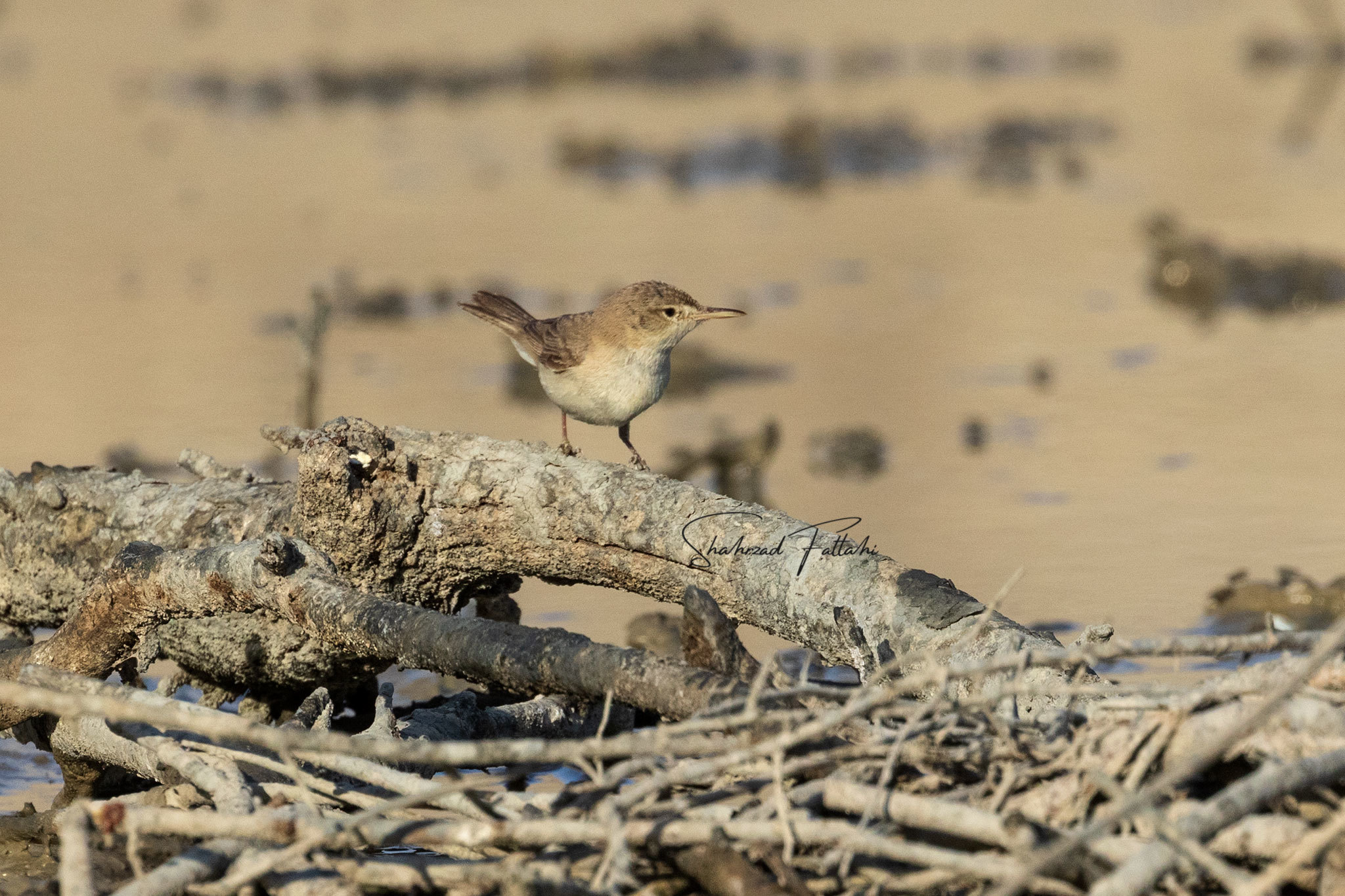
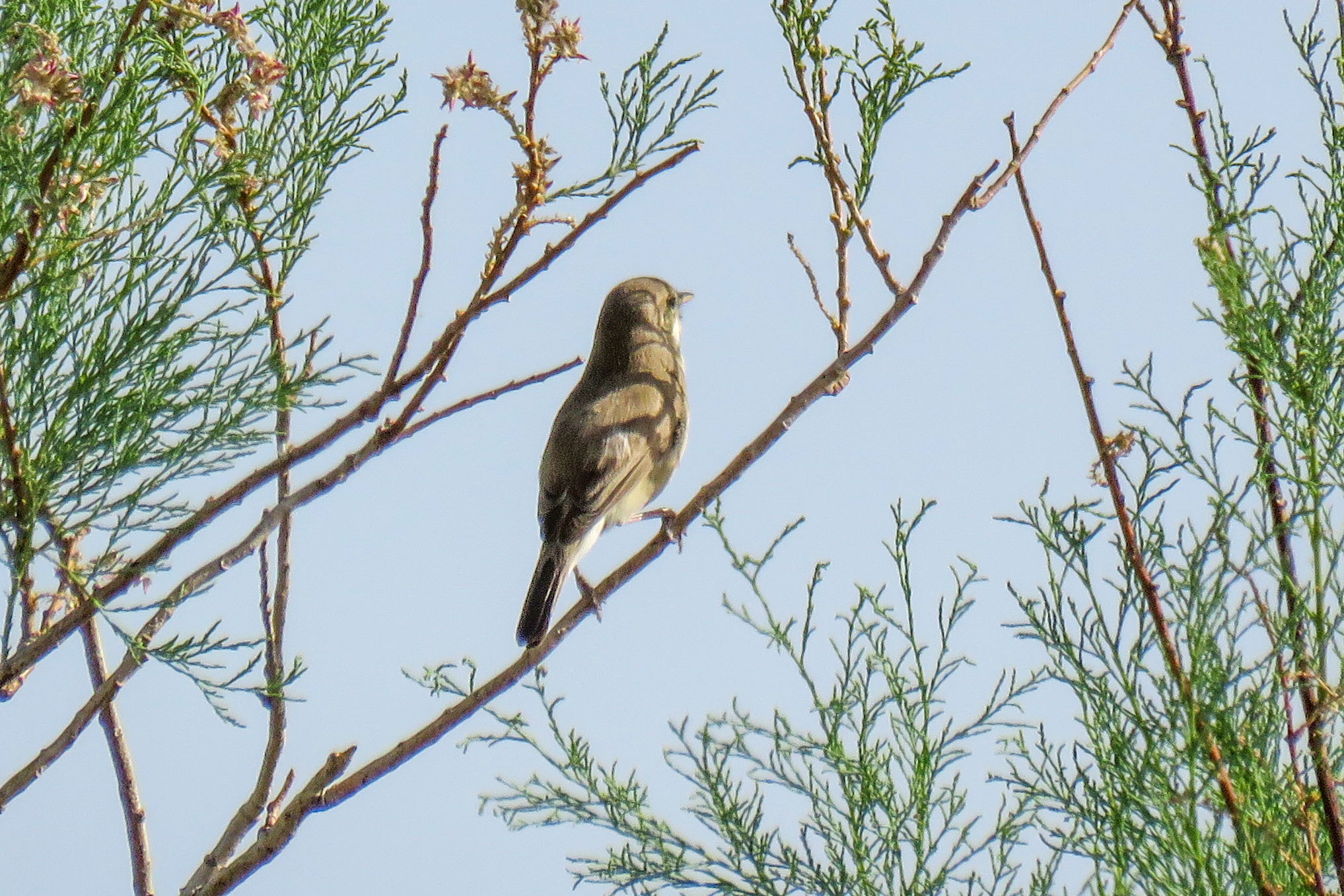
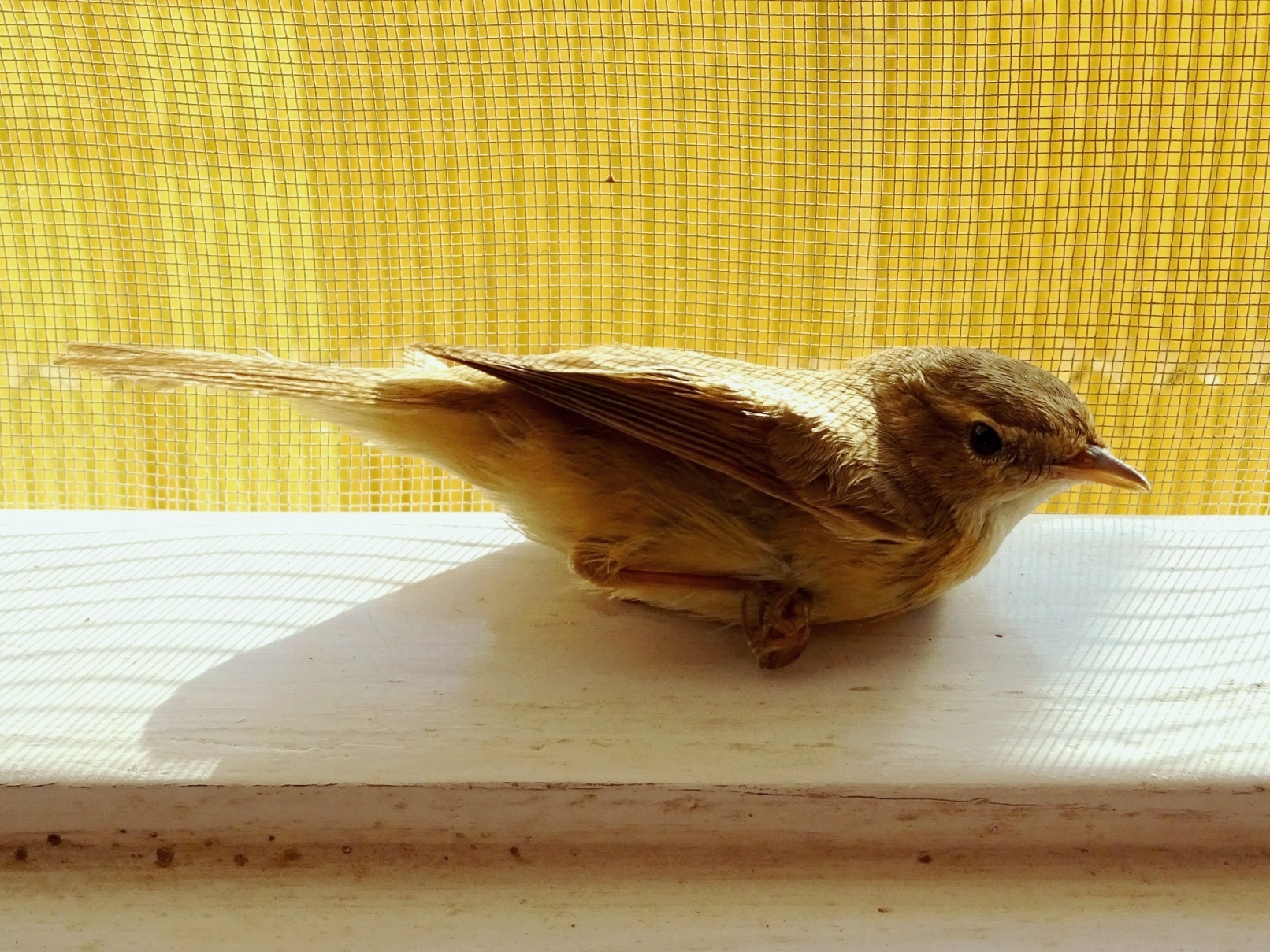
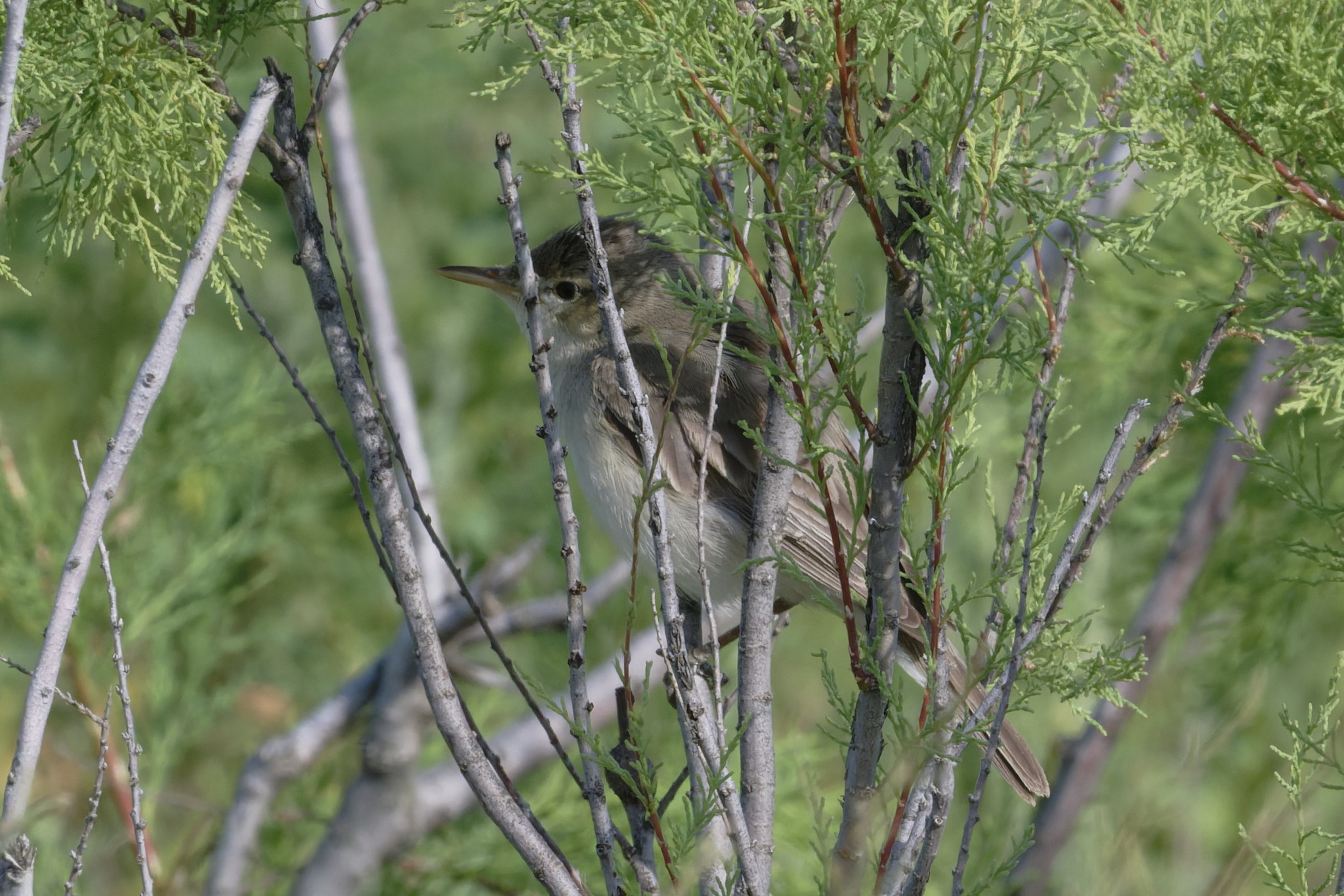
Old World warbler (family Acrocephalidae) formerly classified as a subspecies of the booted warbler (Iduna caligata). Molecular phylogeny studies in 2009 resulted in its placement in the resurrected genus Iduna, separate from Hippolais. Breeding range extends from northeast Arabia through Turkestan to west China and Afghanistan. Inhabits open country with bushes and tall vegetation. Like most warblers, it is insectivorous.
Description
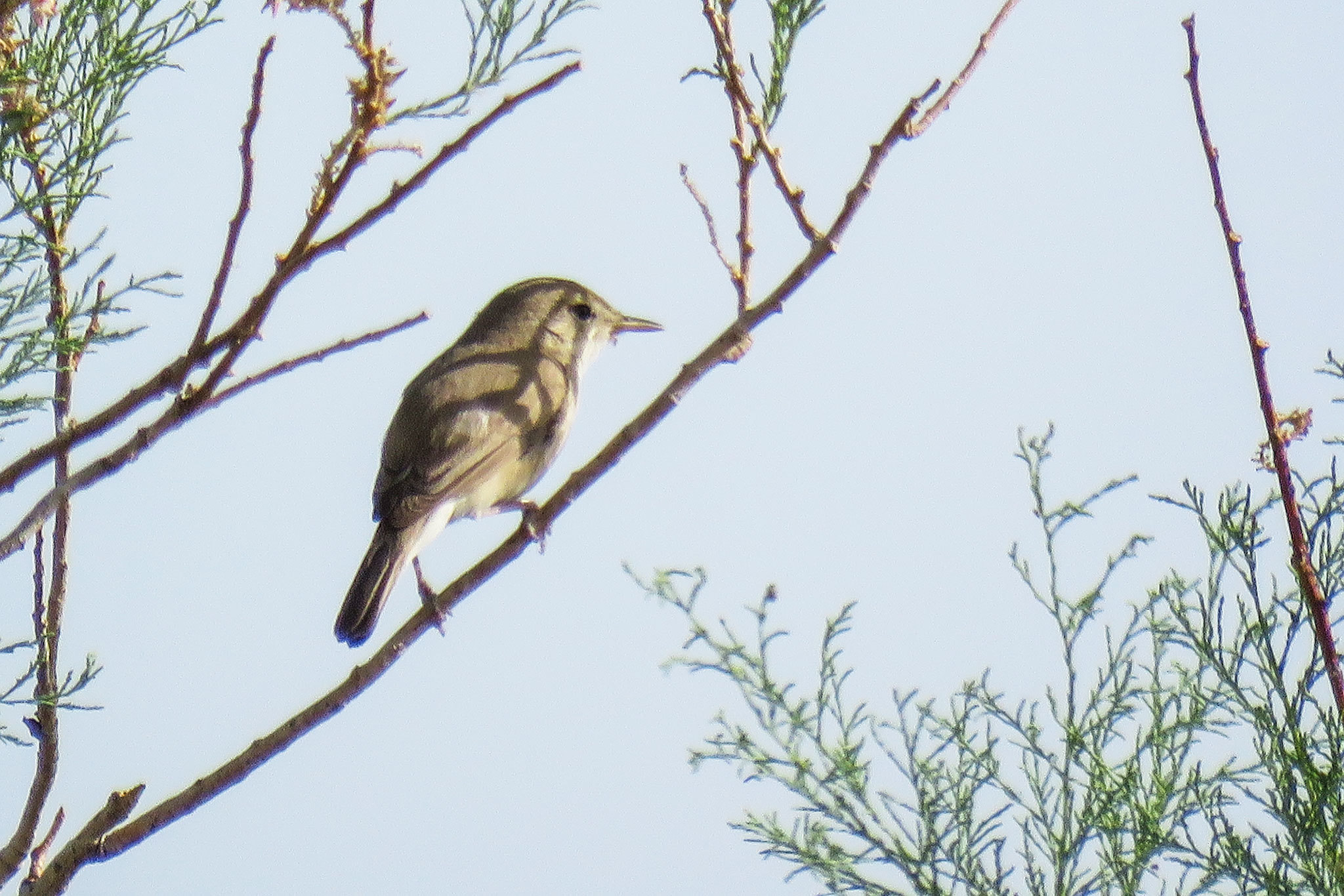
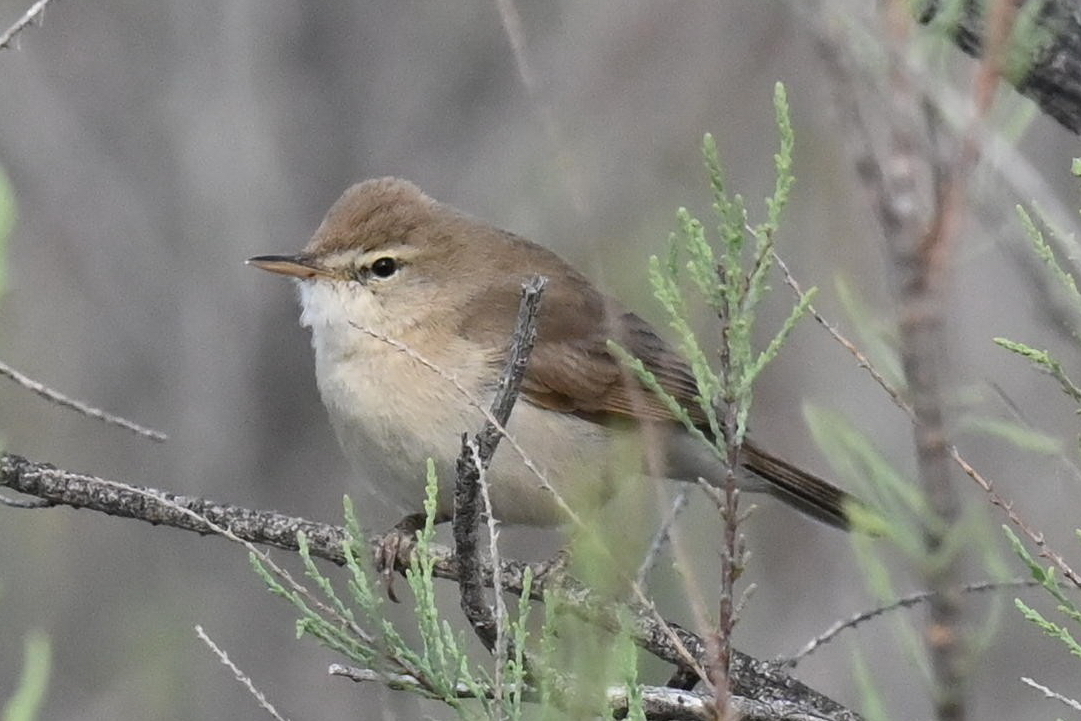
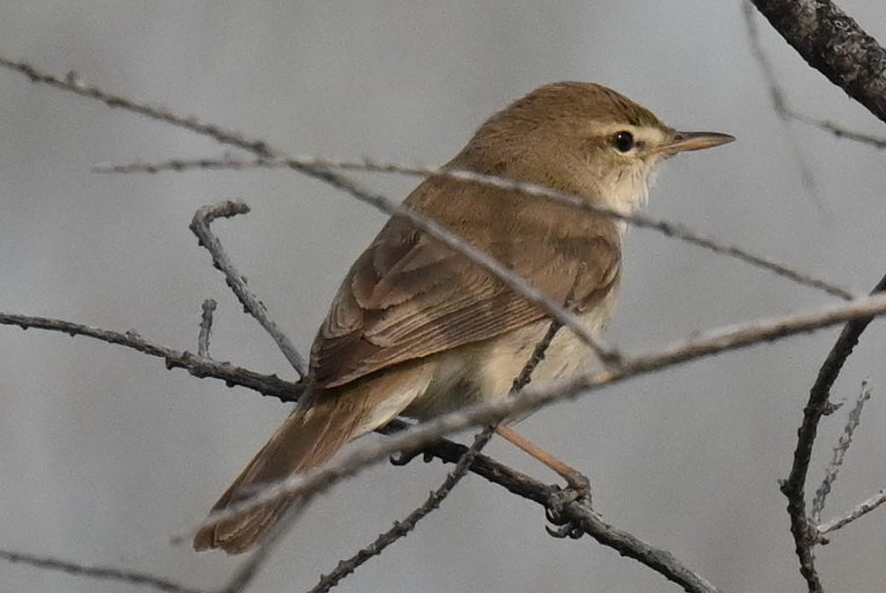
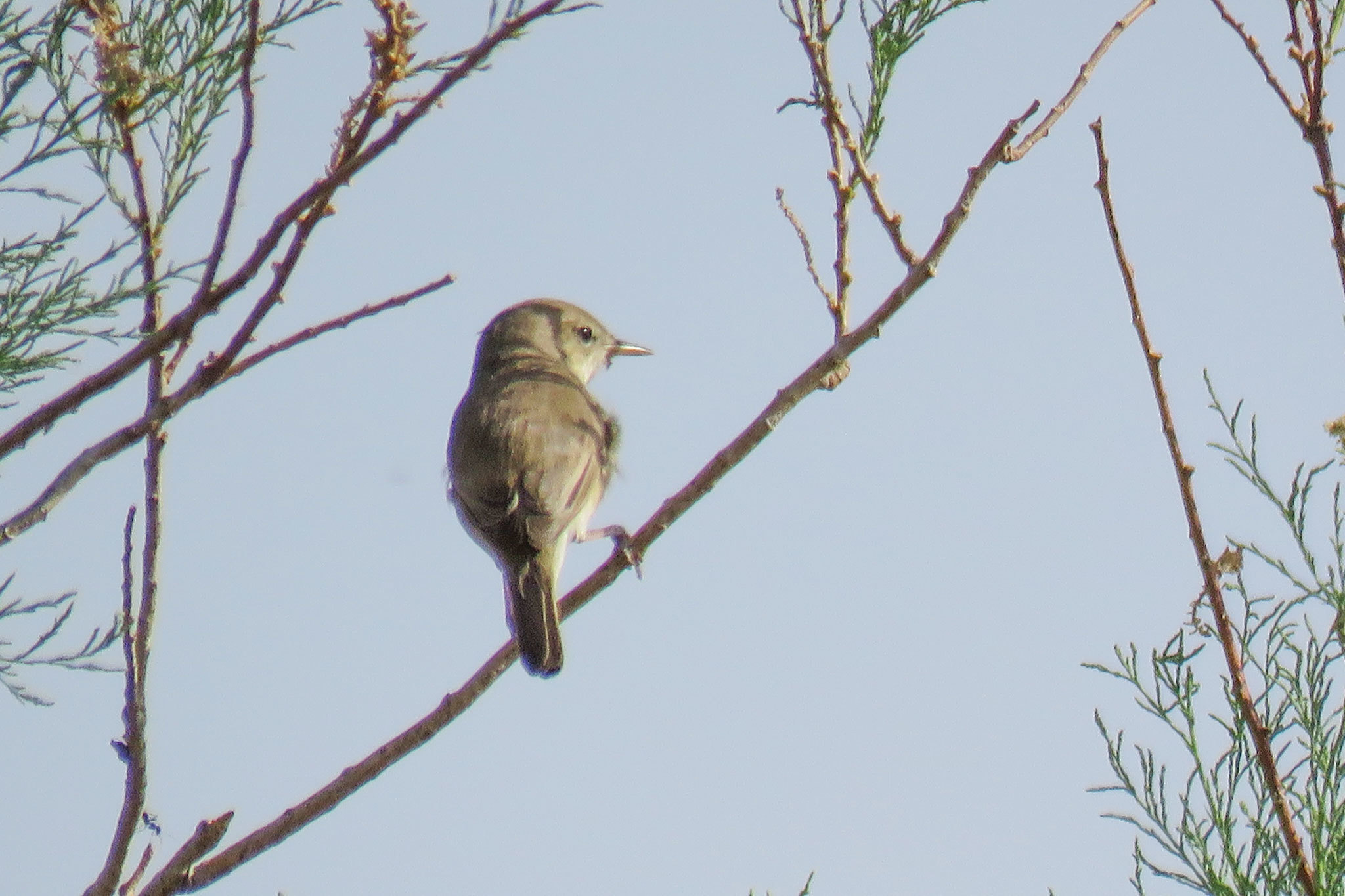
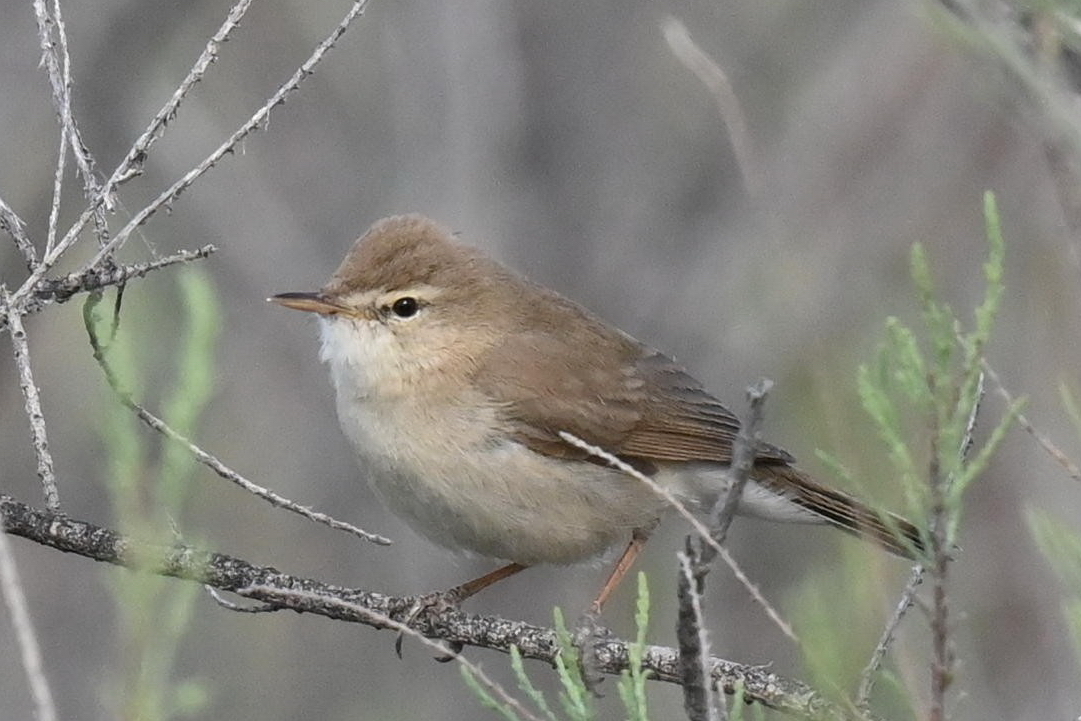
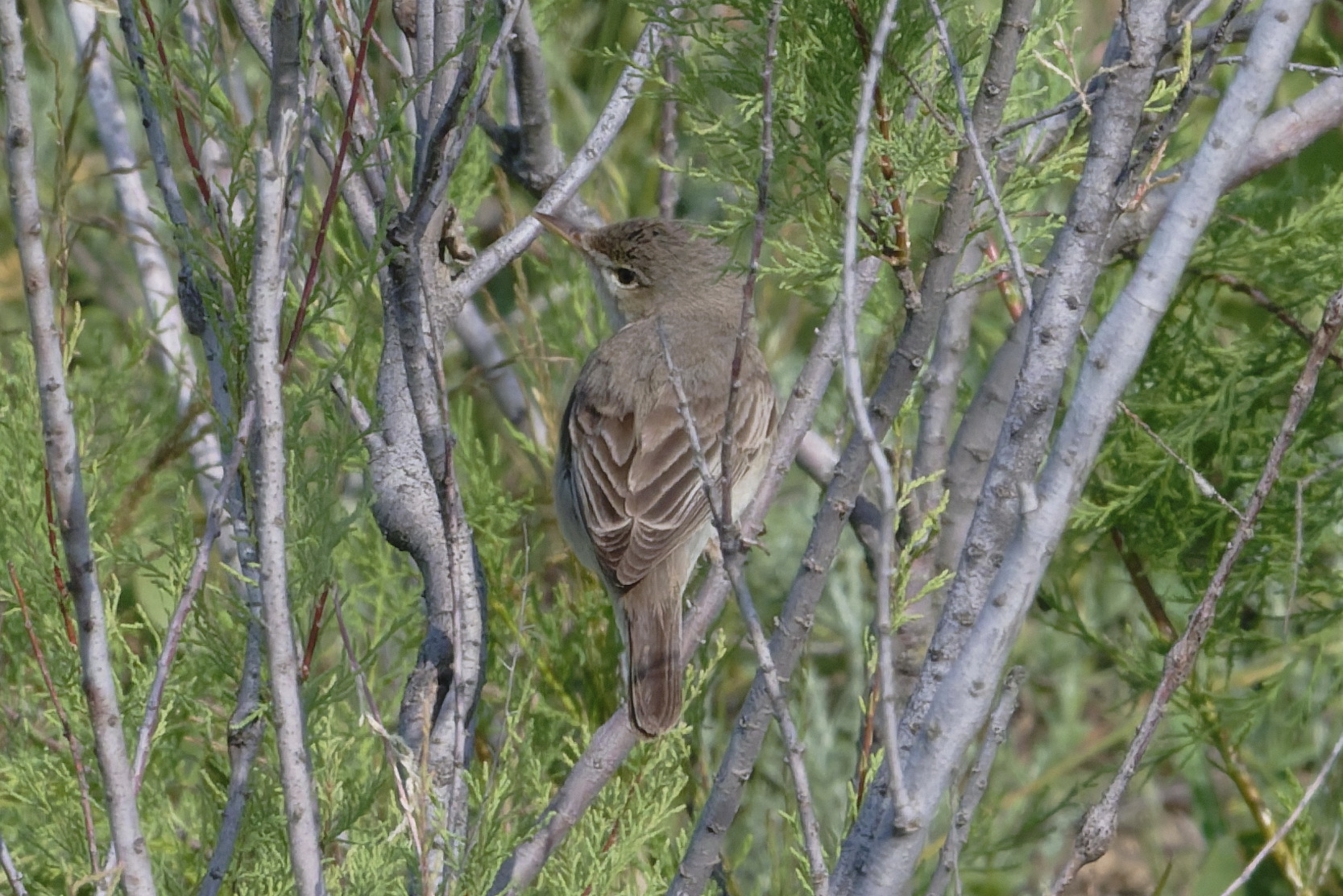
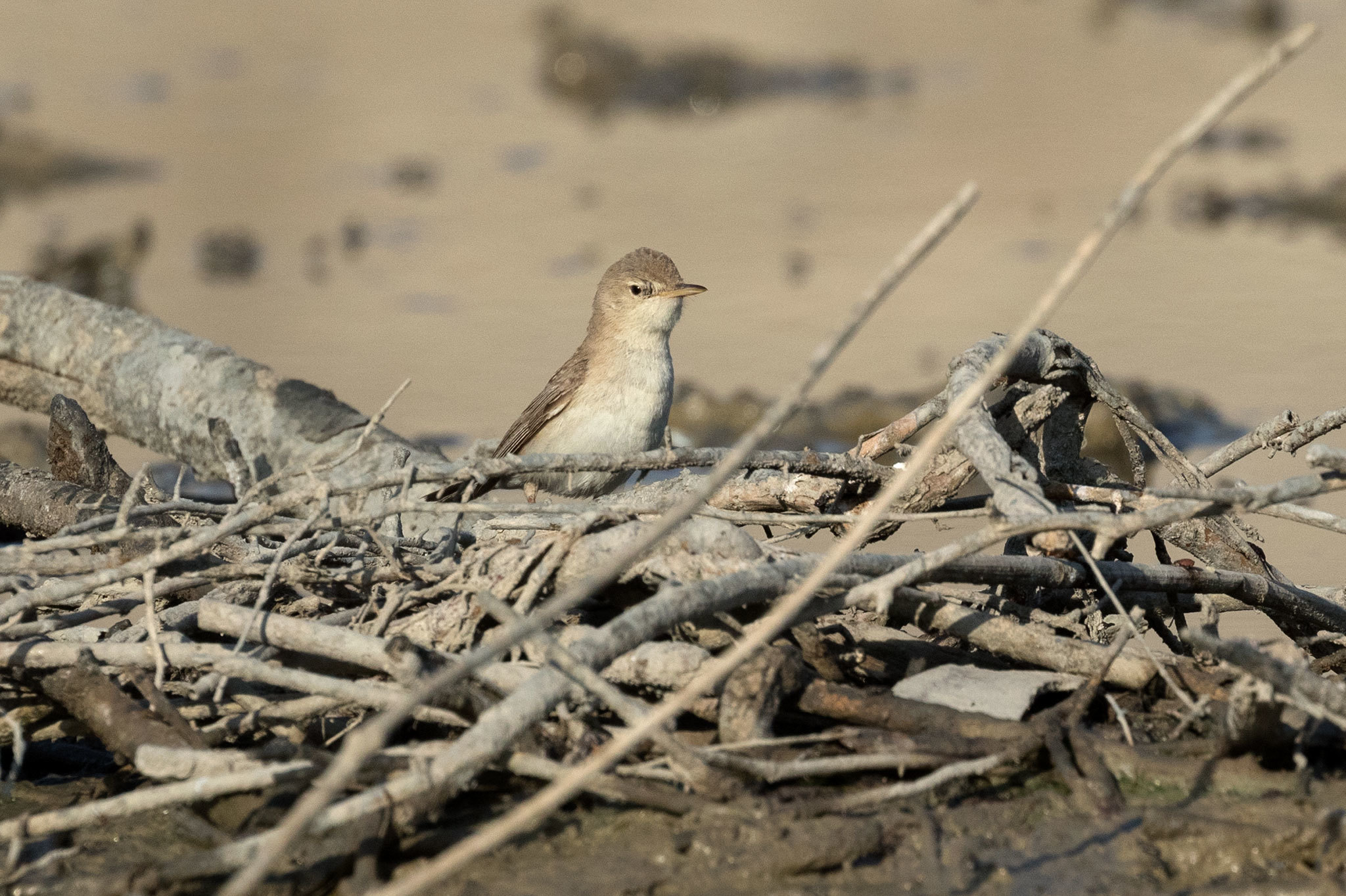
A small warbler, particularly diminutive compared to others in its genus. Upperparts are pale brown, underparts whitish with buff-colored flanks. The outer tail feathers display pale edges. Features include a short pale supercilium and a strong, pointed bill. Overall coloration is paler than many related species.
Identification
Larger and greyer than the booted warbler. Most similar in appearance to the eastern olivaceous warbler. Distinguished from the booted warbler by its larger size, greyer plumage, and differences in nesting and egg morphology.
Distribution & Habitat
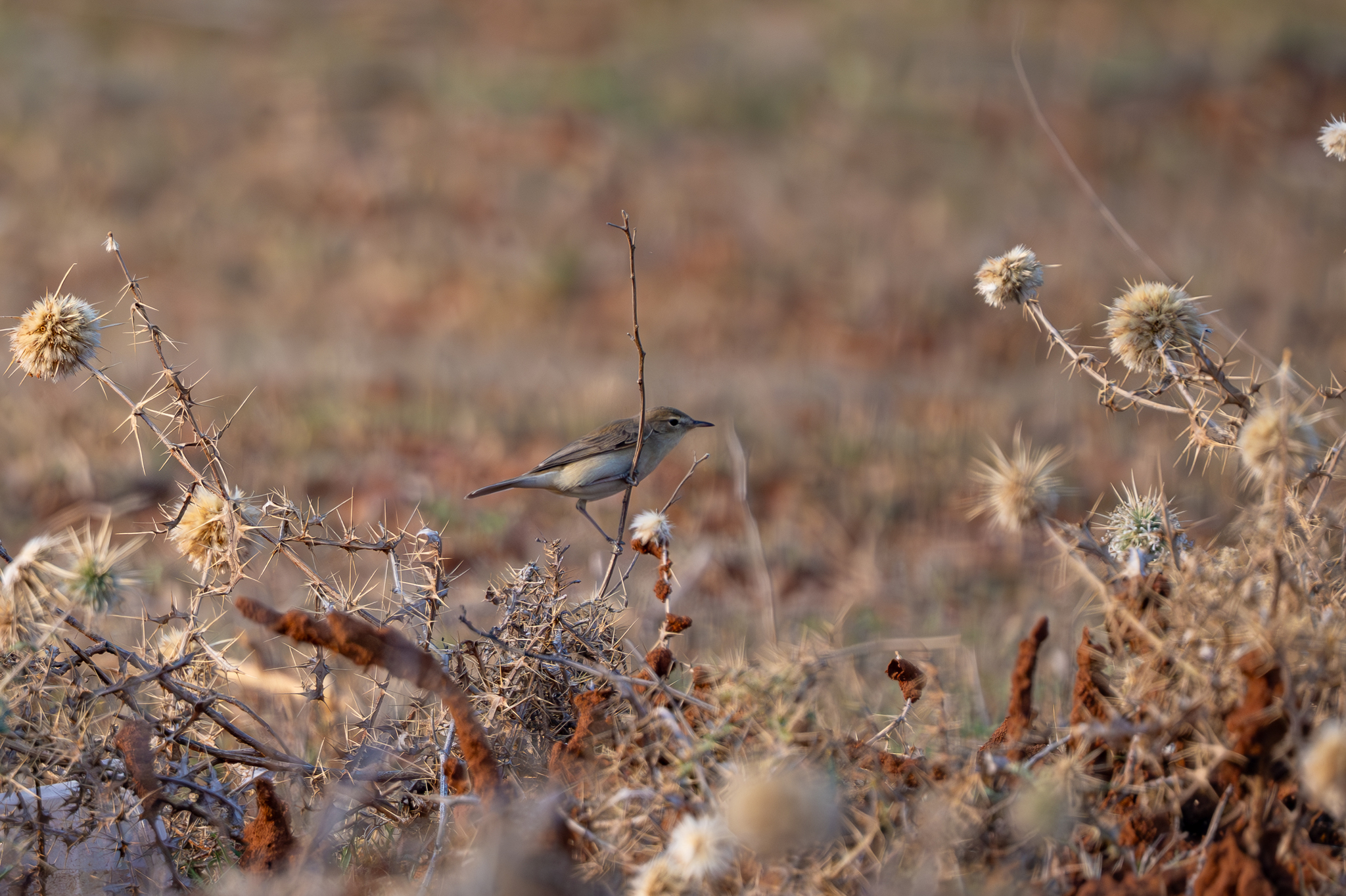
Breeds from northeast Arabia east through Turkestan to west China and Afghanistan. A migratory species; wintering range extends across the Indian subcontinent as far south as Sri Lanka. Inhabits open country with bushes and other tall vegetation during both breeding and non-breeding seasons.
Behavior & Ecology
Insectivorous diet typical of warblers. Breeding occurs in open habitats with dense vegetation; the nest is constructed in a bush or among tall vegetation. Clutch size is three or four eggs.
Culture
The English common name commemorates Colonel William Henry Sykes, who served in the British military in India. The genus name Iduna derives from Norse mythology, referring to Iðunn, the goddess of spring and fertility. The specific epithet rama references the Hindu god Rama, an incarnation of Vishnu.
Source: Wikipedia · CC BY-SA 3.0
Taxonomy
- Order
- Passeriformes
- Family
- Acrocephalidae
- Genus
- Iduna
- eBird Code
- sykwar2
Distribution
breeds lower Volga River eastward to eastern Kazakhstan (Lake Balkhash) and extreme western China (western and central Xinjiang), southward to southern Iran, Afghanistan, and western Pakistan, locally in northwestern India; small resident population in northeastern United Arab Emirates (Khor Kalba) and northwestern Oman (mangroves of Batinah coast); non-breeding to Indian Subcontinent
Vocalizations
Data Sources
Species description from Wikipedia, licensed under CC BY-SA 3.0.
Bird images and sounds sourced from GBIF, contributed by citizen scientists worldwide under Creative Commons licenses.
Taxonomy data from AviList 2025.