Booted Warbler
Iduna caligata
靴篱莺
Description
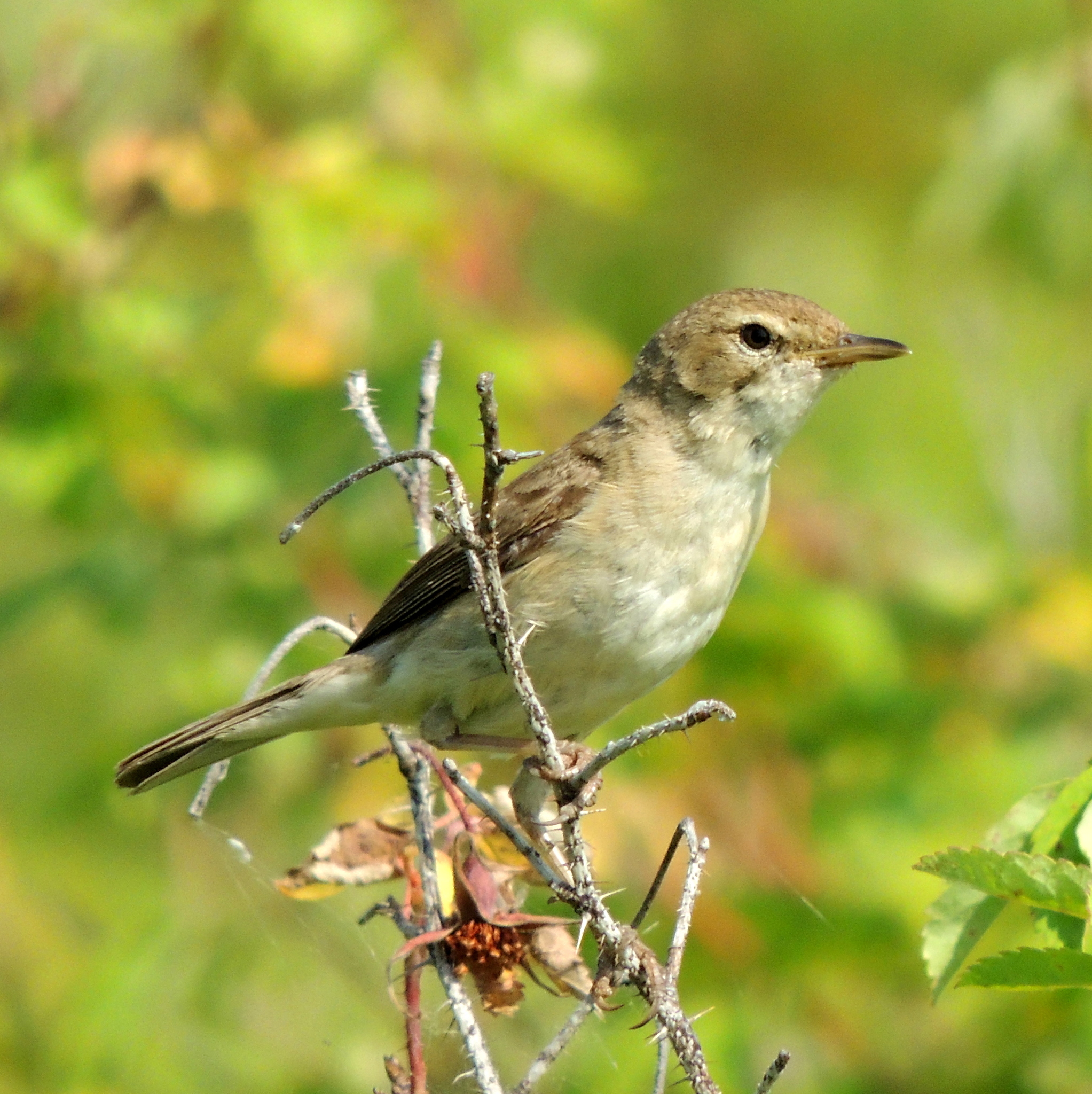
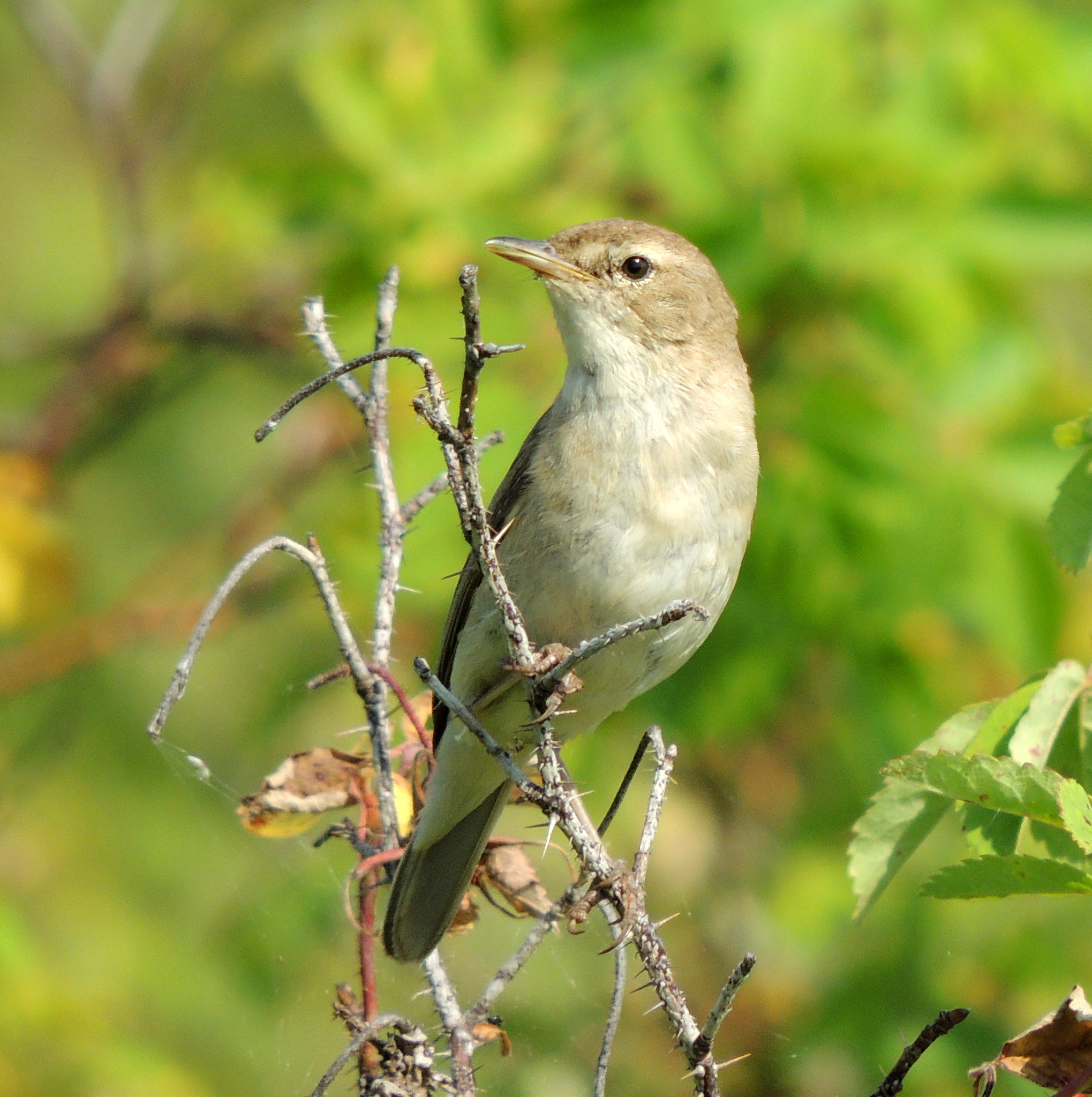
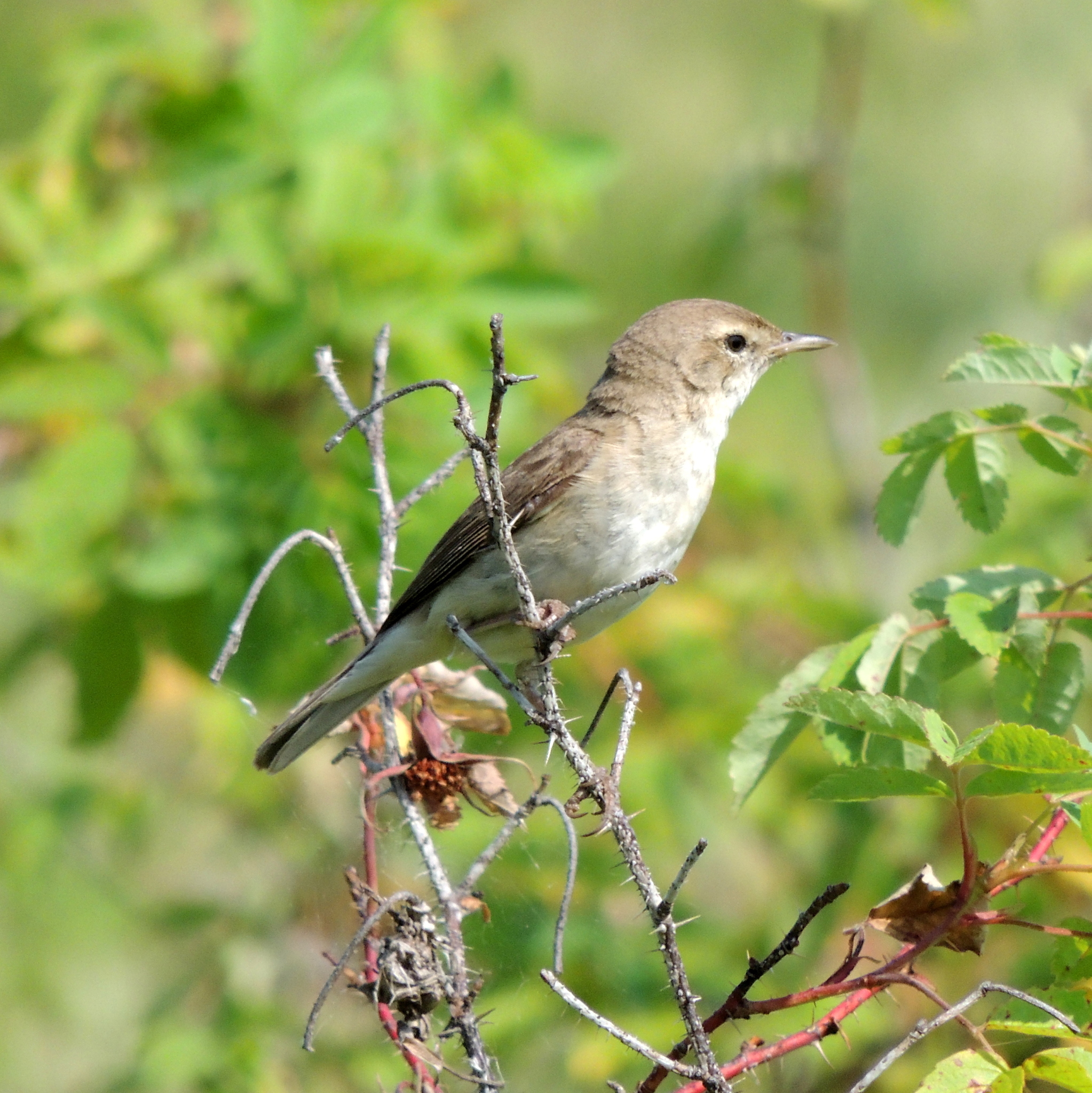
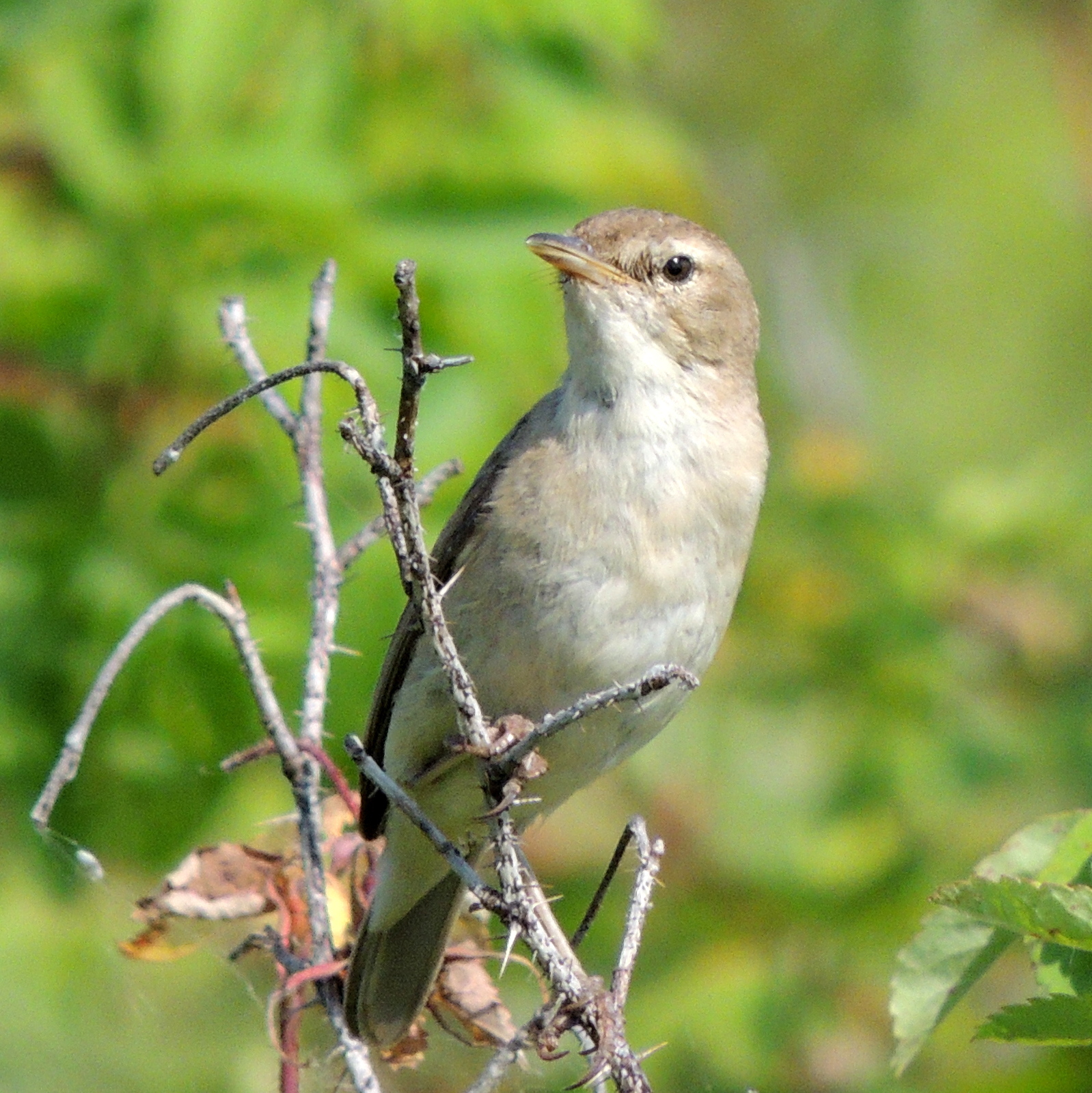
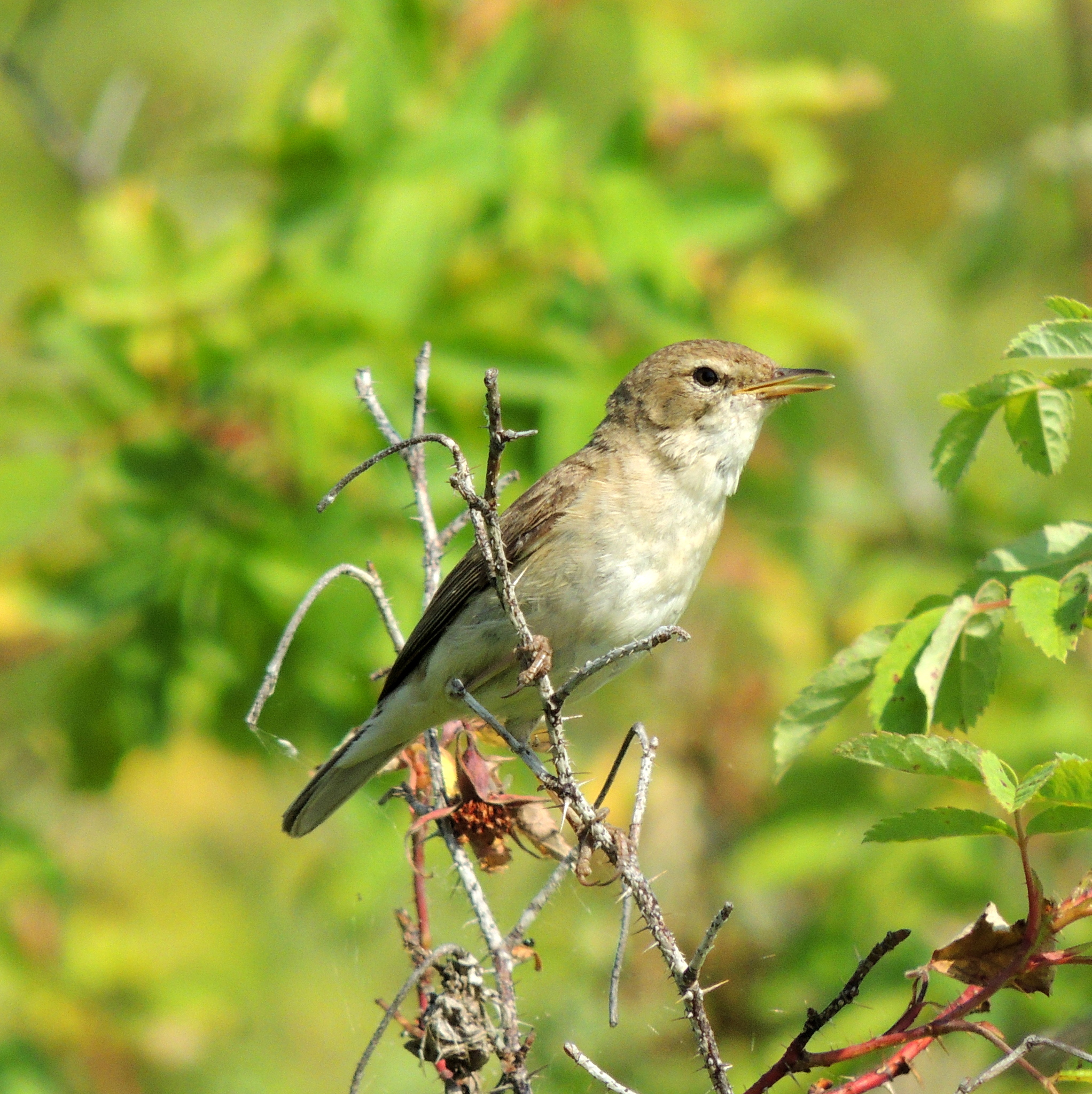
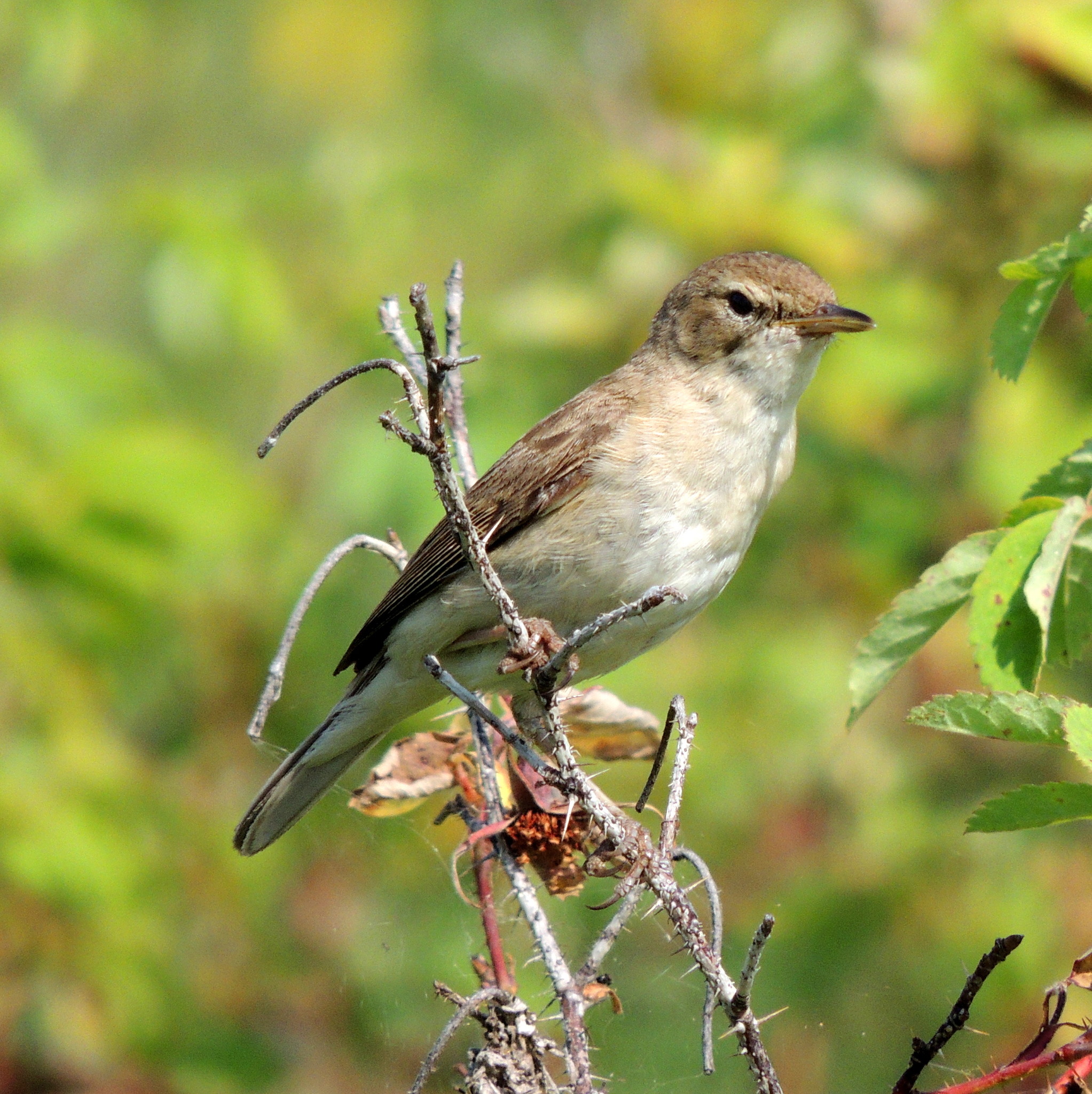
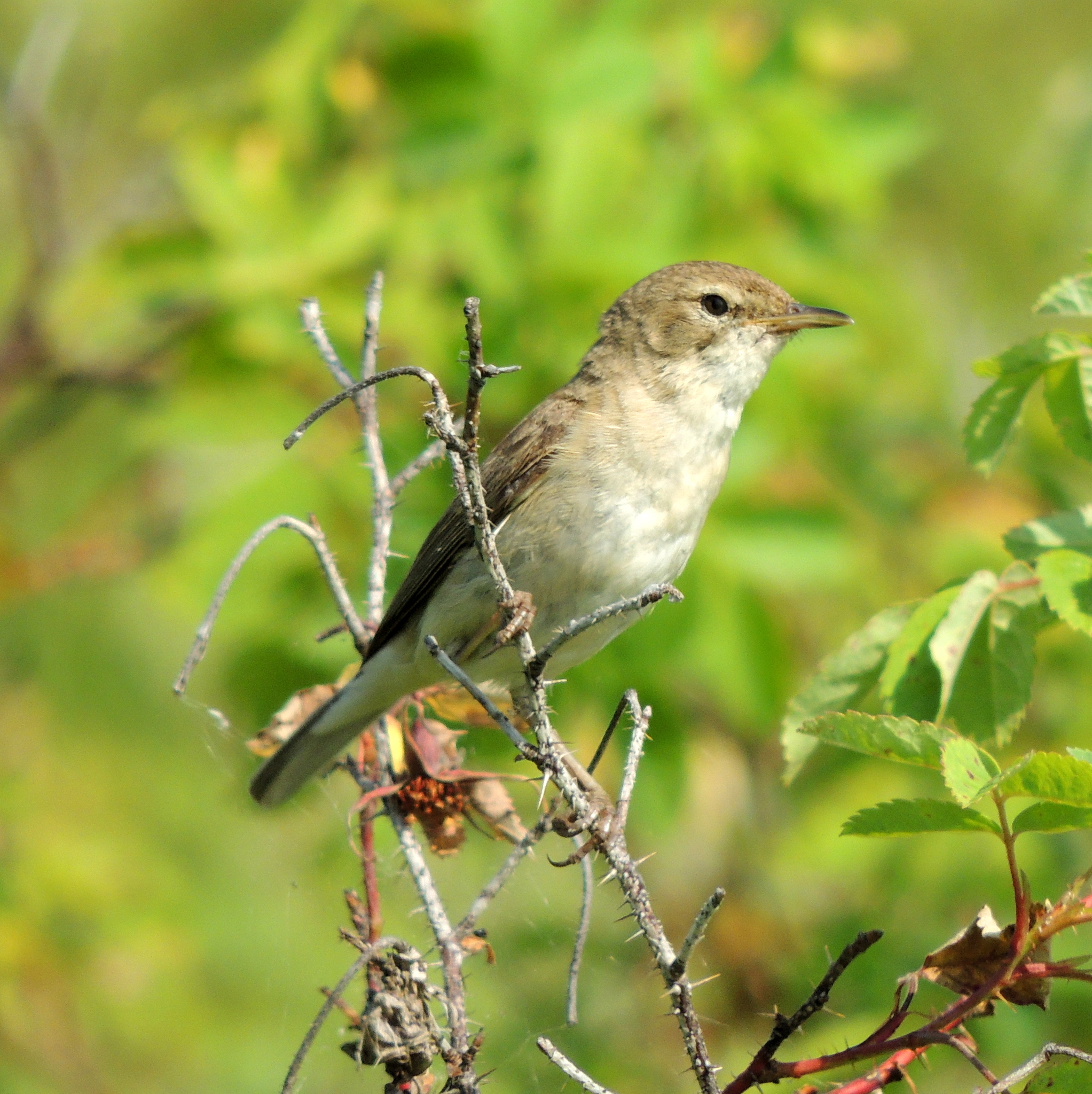
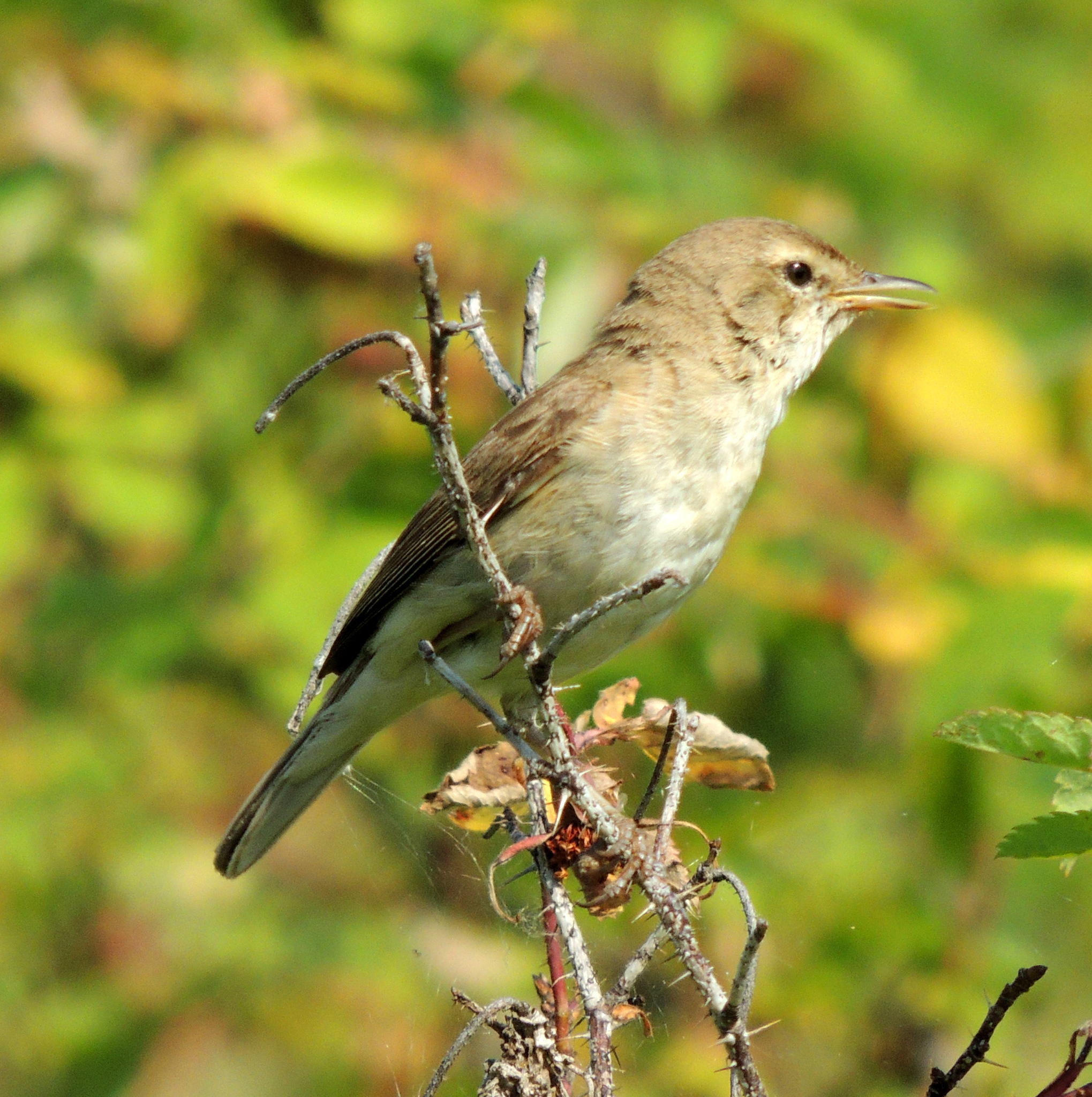
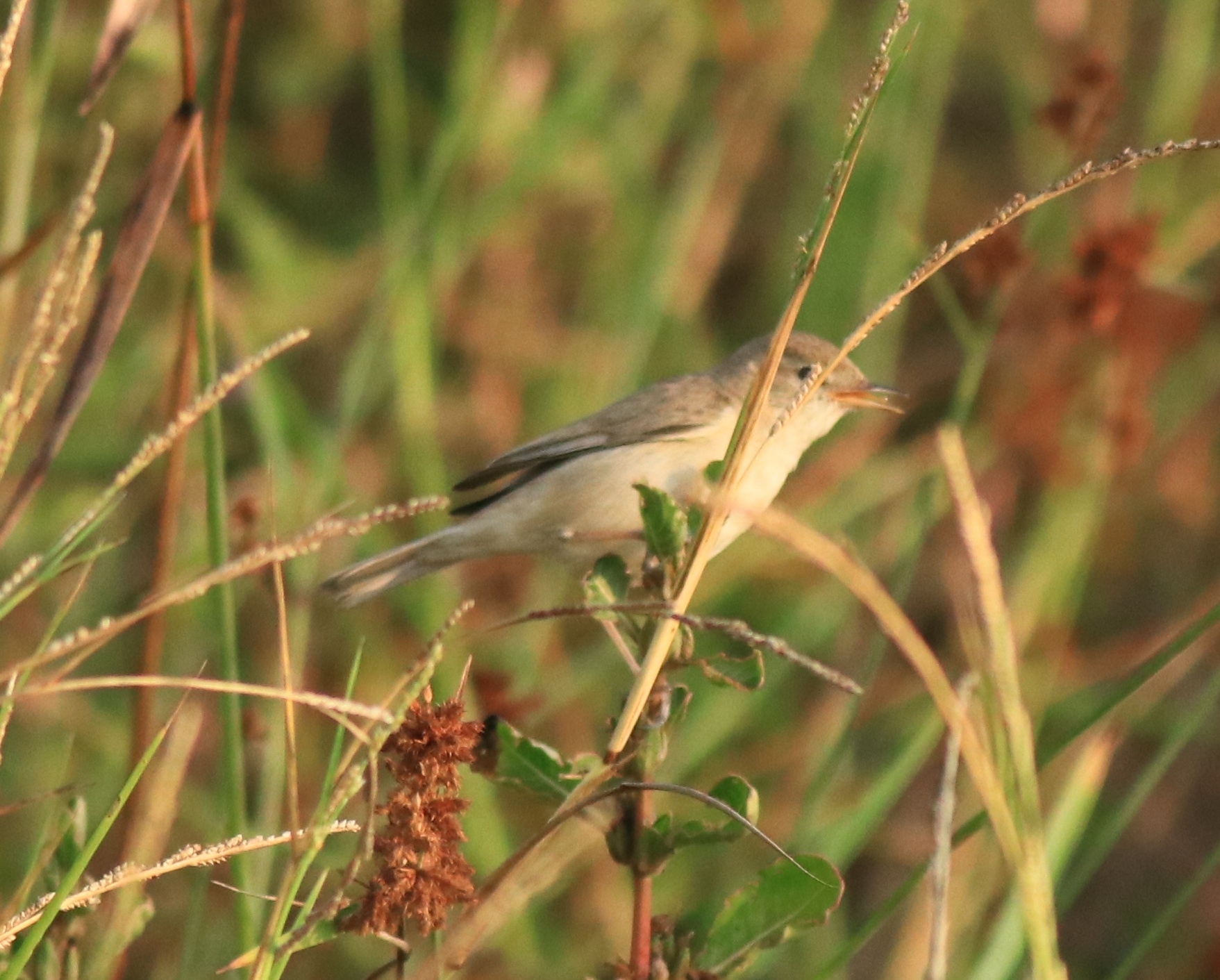
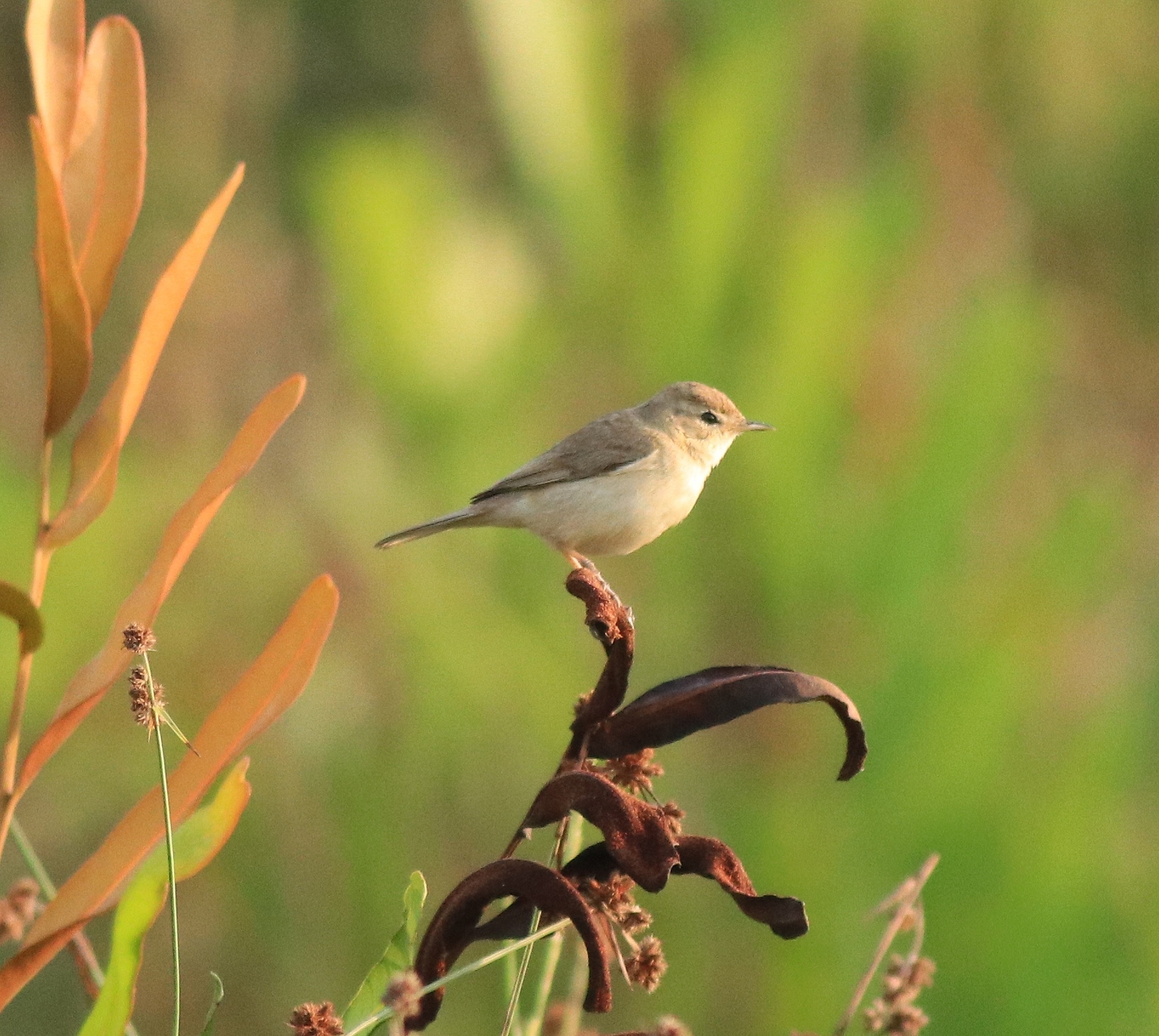
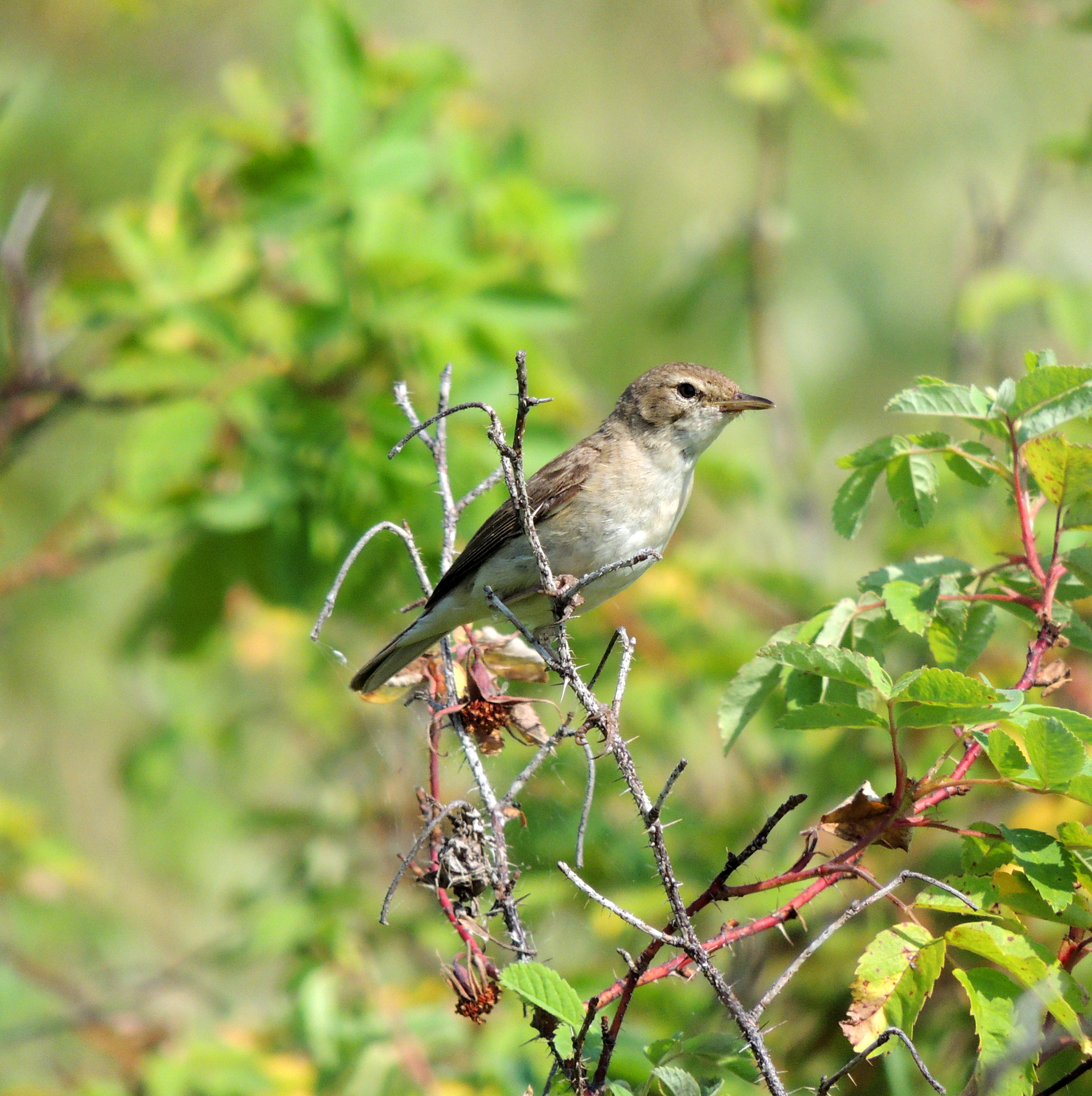
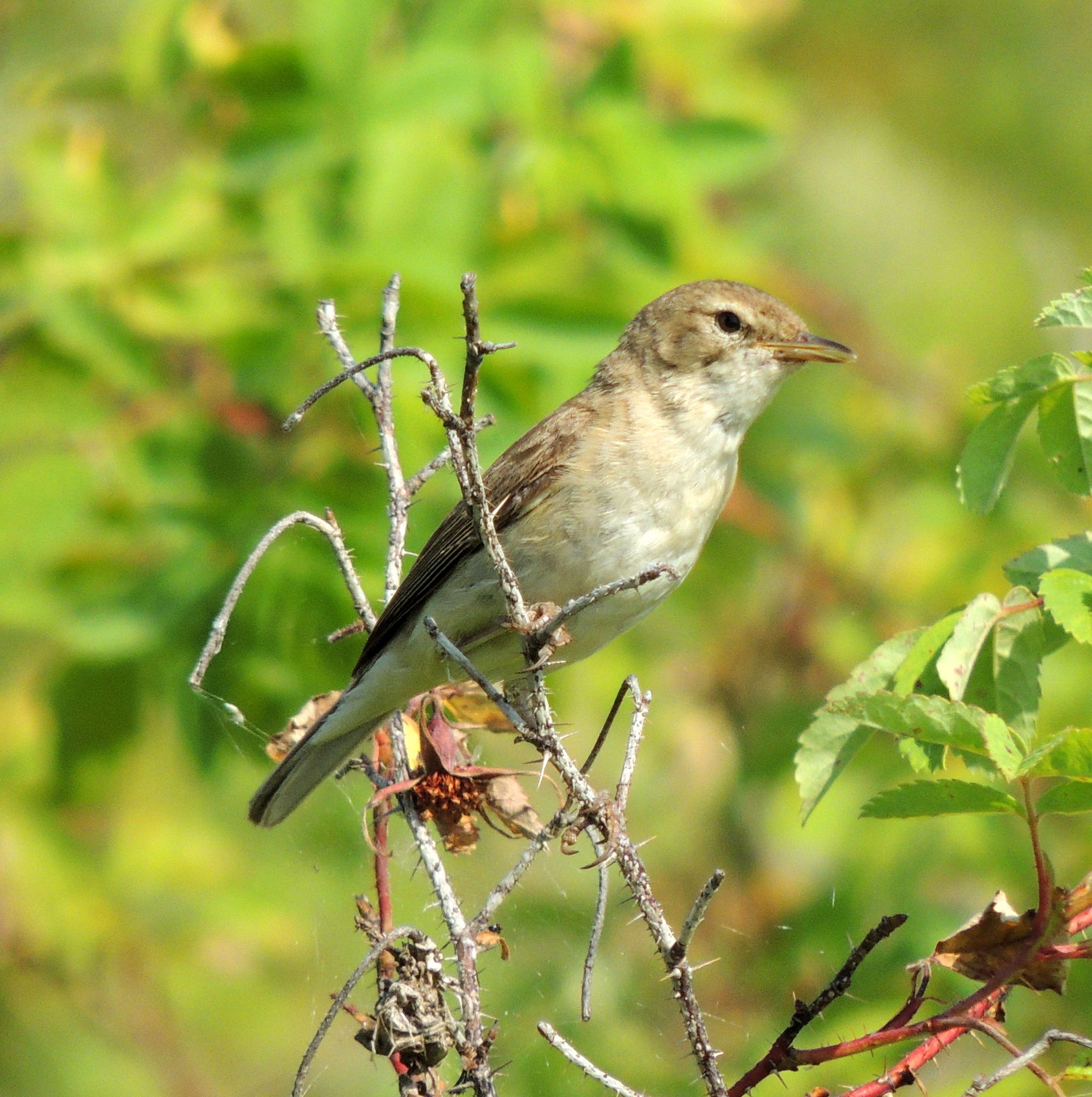
A small warbler similar in size to a common chiffchaff, with an undistinguished plain plumage. The upperparts are greyish brown, while the underparts are paler. It has a clear, pale supercilium and a short bill with a dark tip. The jizz is characterized by a short-winged, pot-bellied appearance with a square-tipped tail.
Identification
This species and Sykes's warbler are challenging to identify due to their very similar appearance. The plain, undistinguished plumage and similar size to the common chiffchaff are key characteristics. Best distinguished by careful observation of plumage details and structure.
Distribution & Habitat
Breeds from central Russia to western China, migrating to winter in the Indian subcontinent as far south as Sri Lanka. The breeding range has expanded westward in recent decades, with populations now nesting as far west and north as Finland. It is a regular vagrant to Western Europe, with over 180 records in Great Britain up to 2023.
Behavior & Ecology
Nests between May and early July, building a cup-shaped nest from twigs, roots, stems, and leaves, lined with feathers, animal hair, and plant down. Nests are located on or close to the ground, or at a maximum height of 1 metre, hidden among dense undergrowth. The diet is mainly insectivorous.
Culture
The genus name Iduna derives from Norse mythology, where Iðunn is the goddess of spring and fertility who was transformed into a sparrow to enable her rescue by Loki. The specific name caligata is Latin for 'booted'.
Source: Wikipedia · CC BY-SA 3.0
Taxonomy
- Order
- Passeriformes
- Family
- Acrocephalidae
- Genus
- Iduna
- eBird Code
- boowar1
Distribution
breeds Eastern Palearctic; winters to India and Sri Lanka
Vocalizations
Data Sources
Species description from Wikipedia, licensed under CC BY-SA 3.0.
Bird images and sounds sourced from GBIF, contributed by citizen scientists worldwide under Creative Commons licenses.
Taxonomy data from AviList 2025.