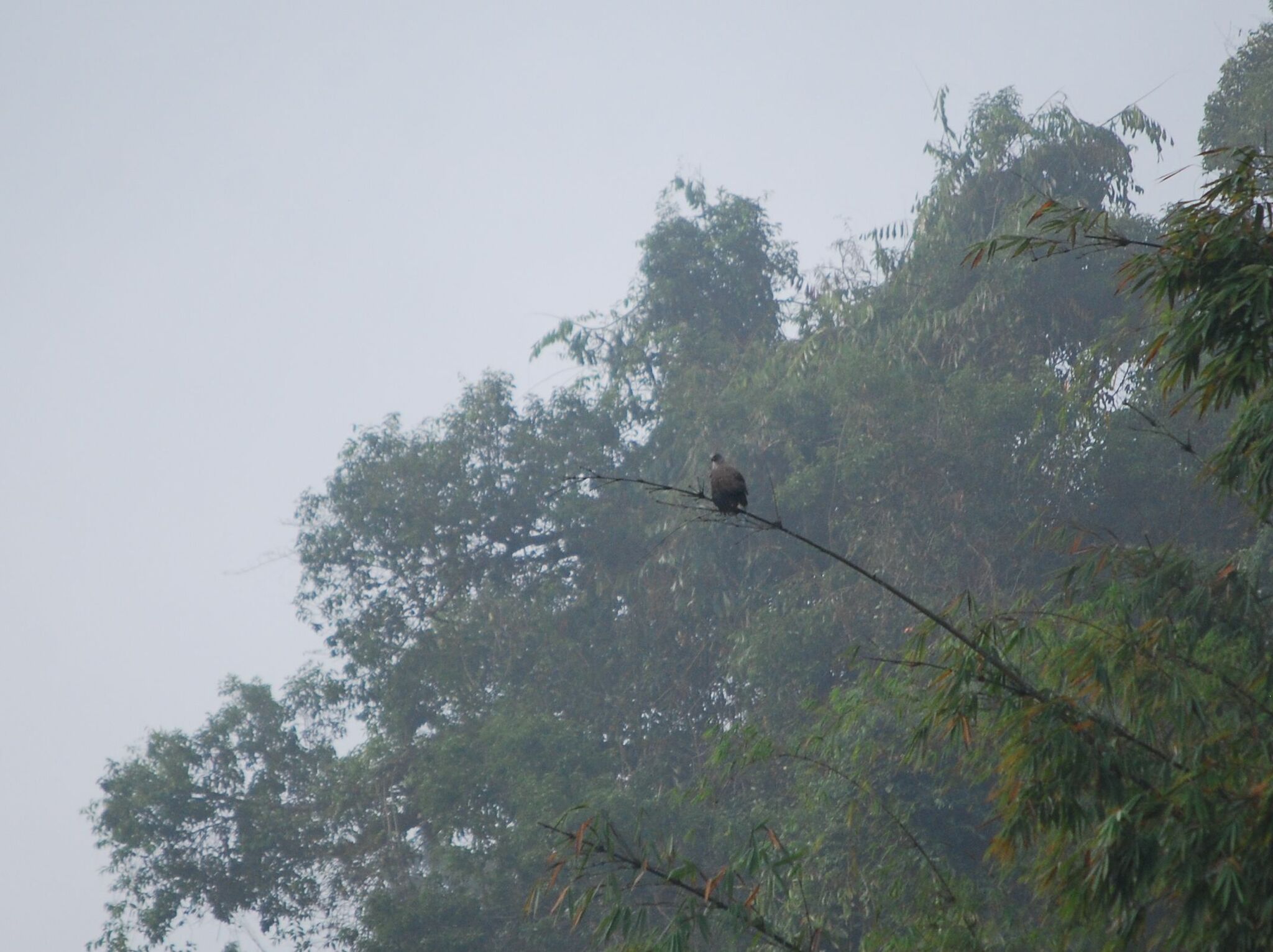
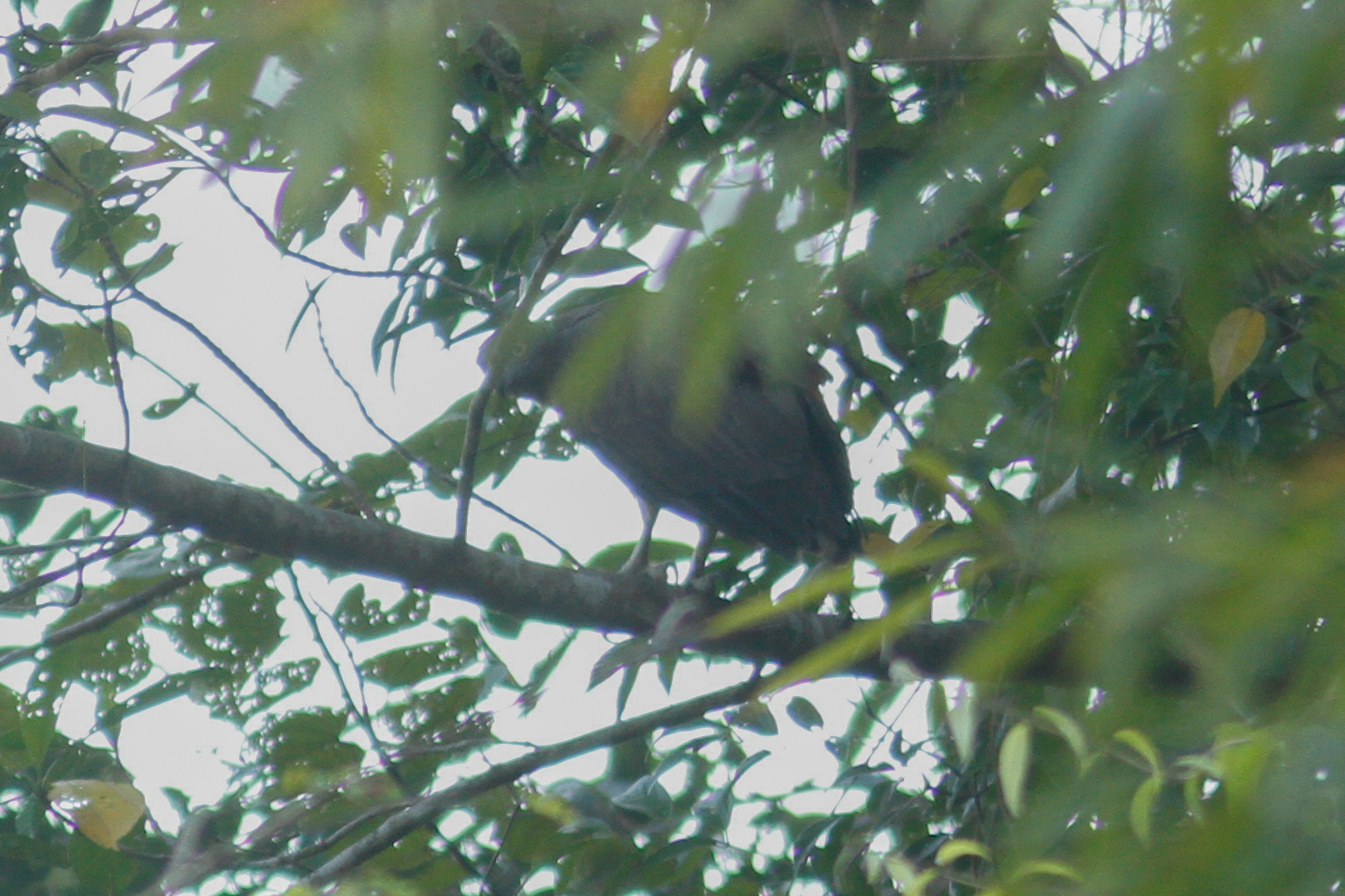
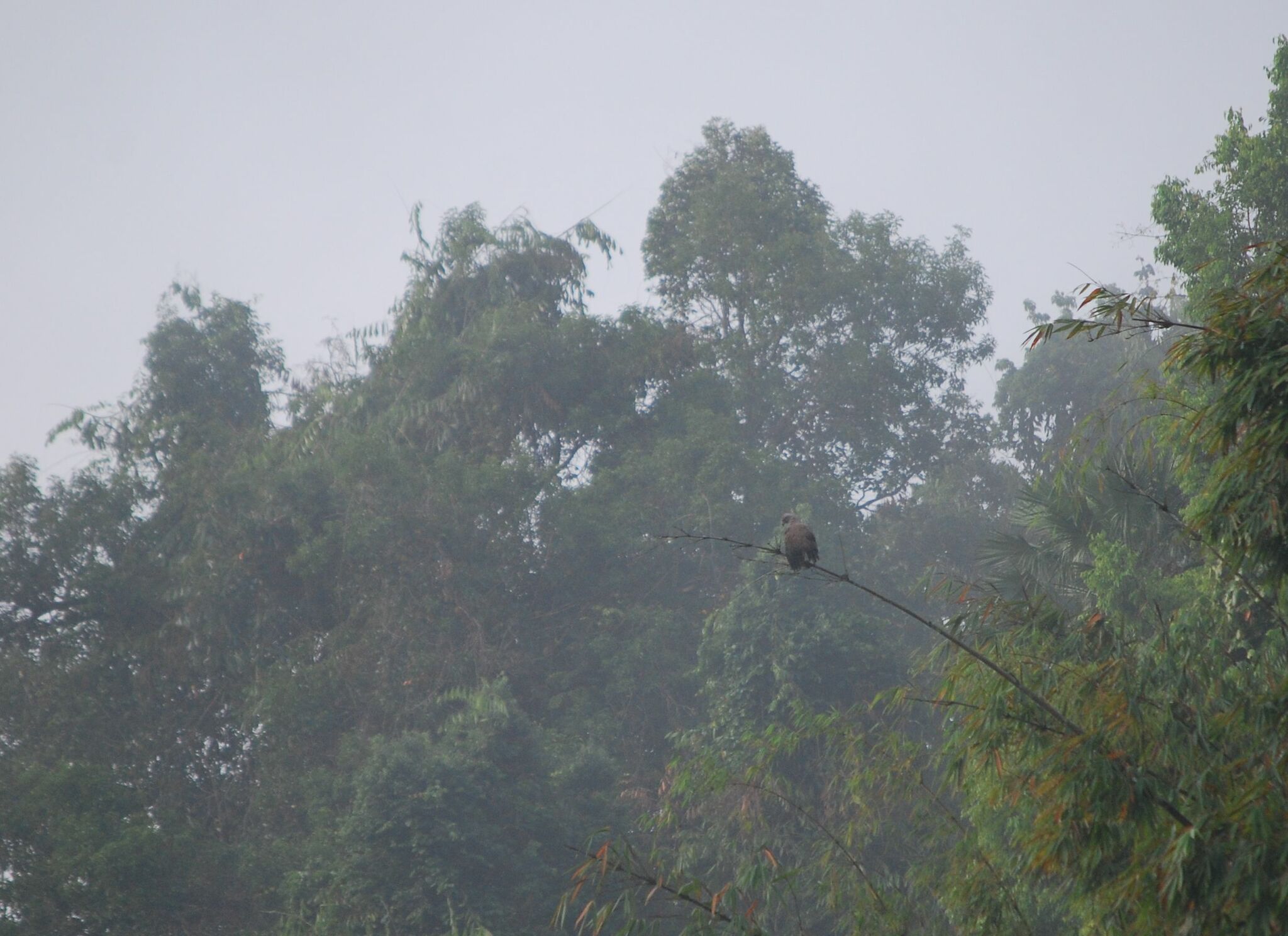
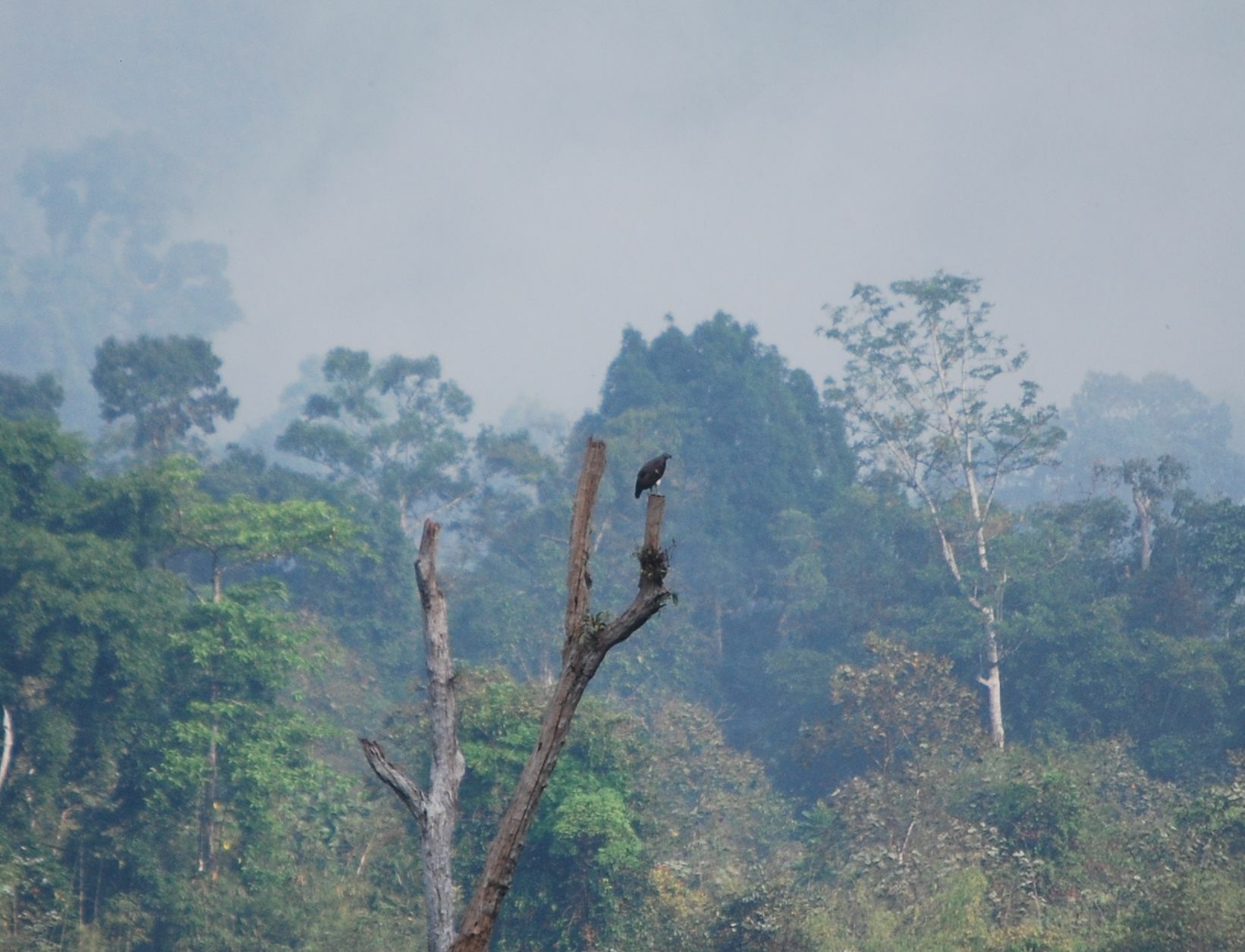
Lesser Fish Eagle
Icthyophaga humilis
渔雕
Description
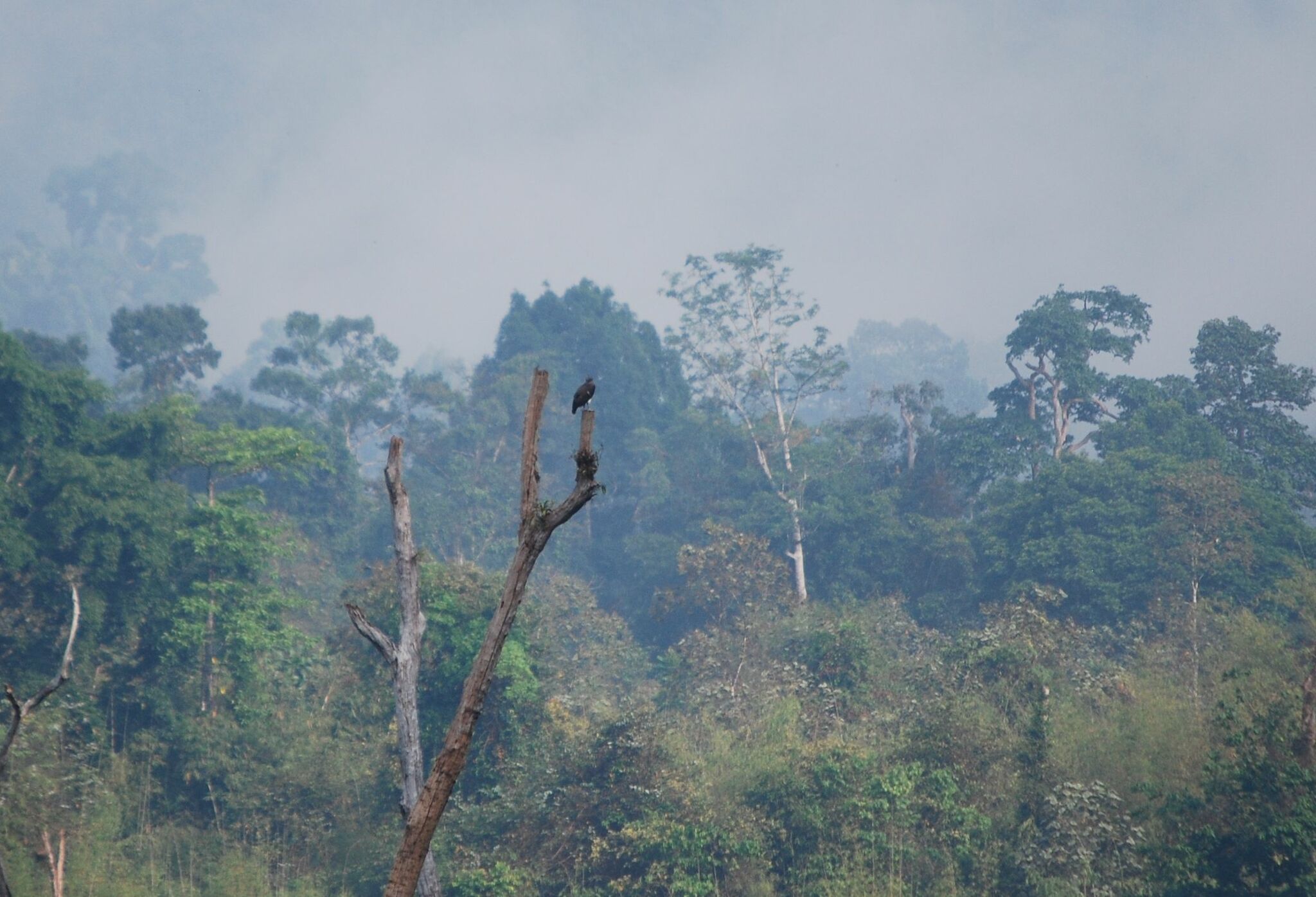
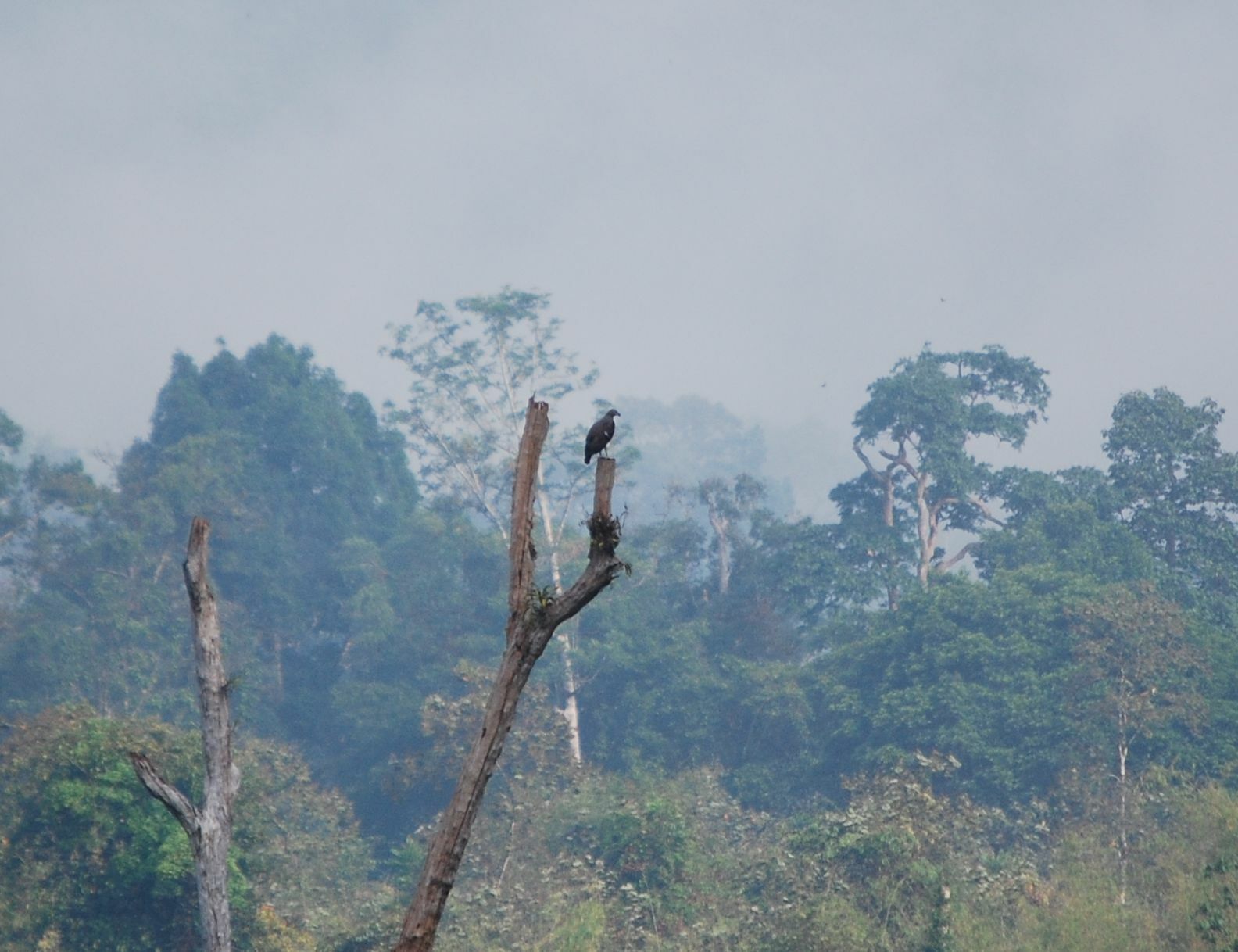
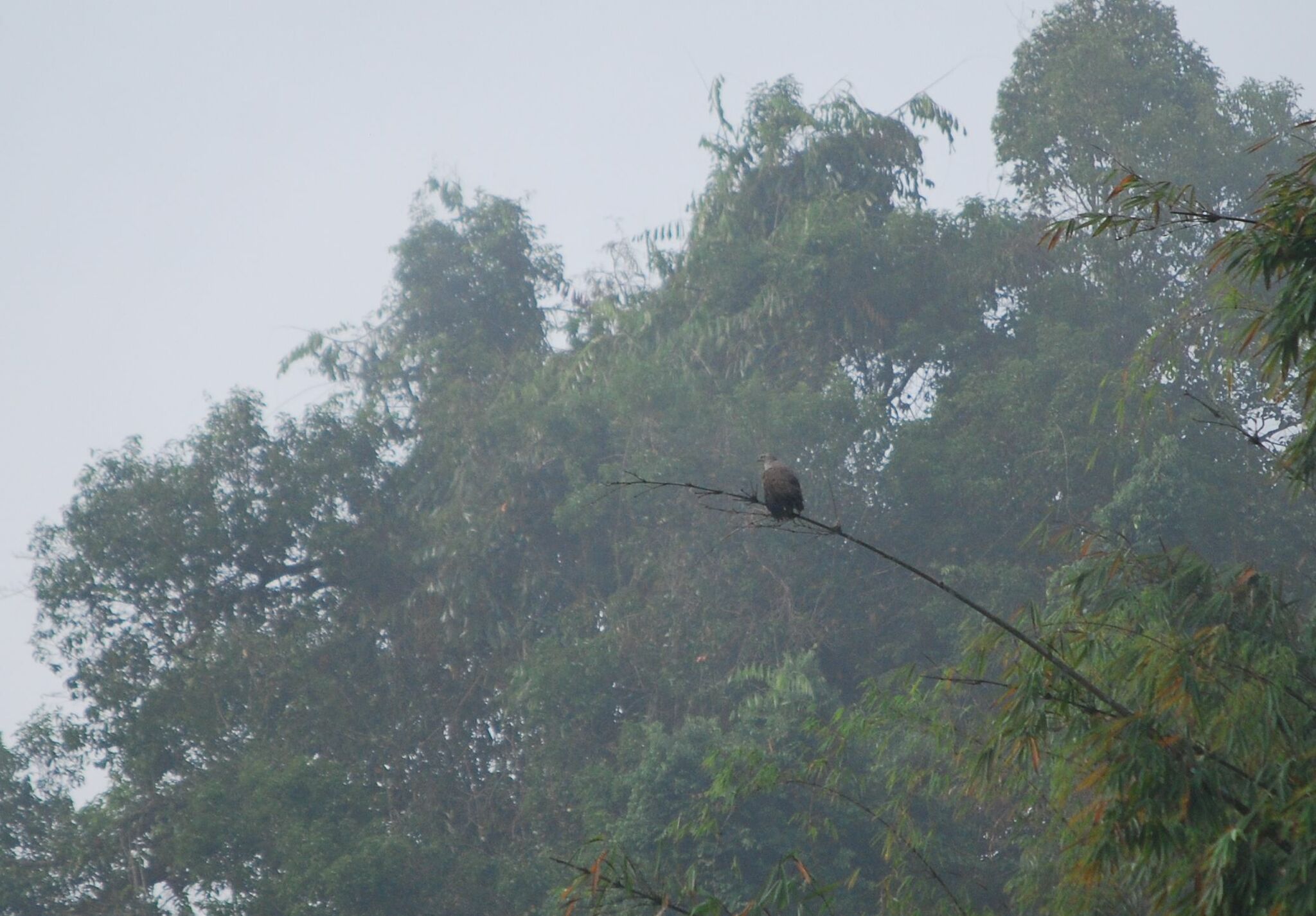
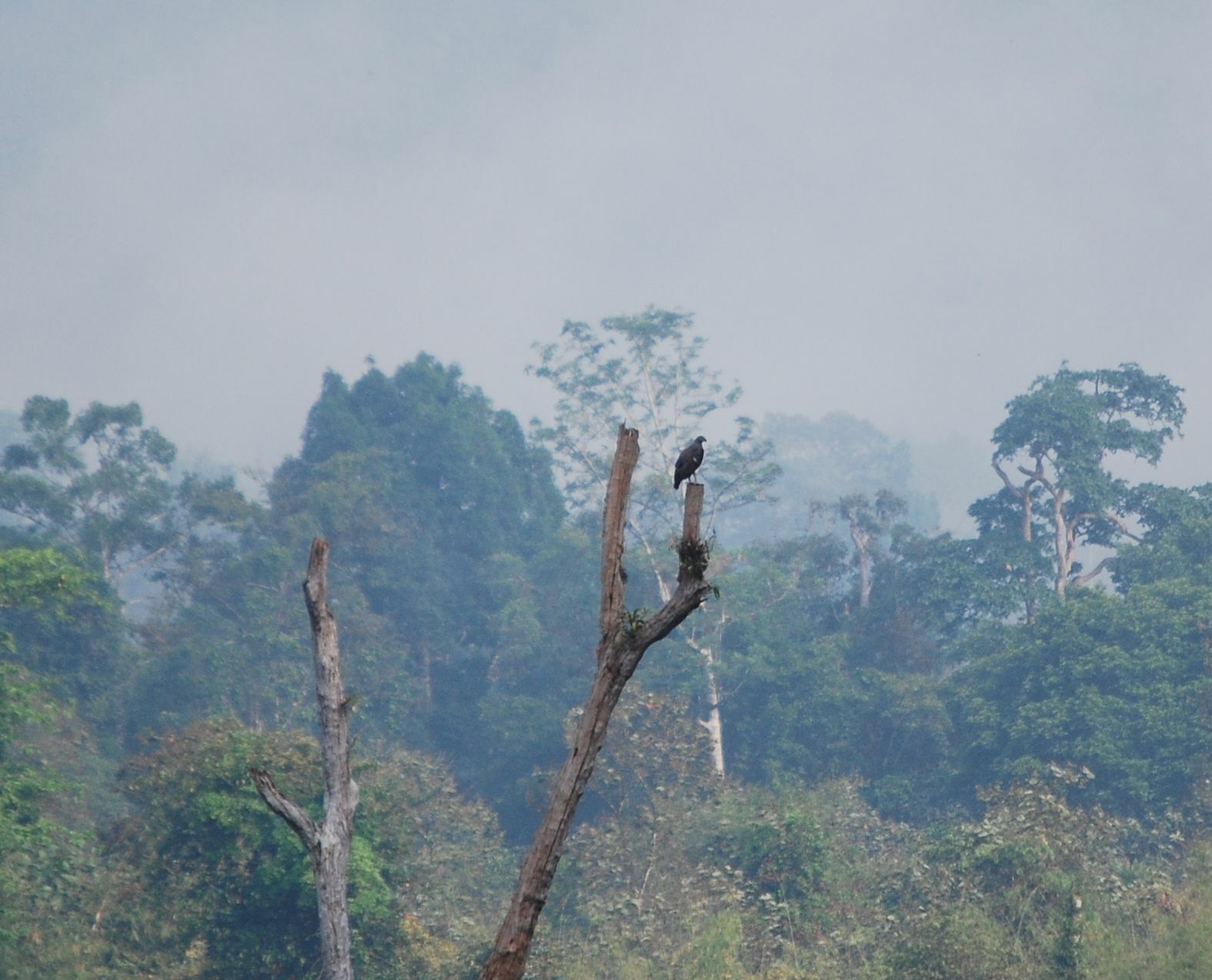
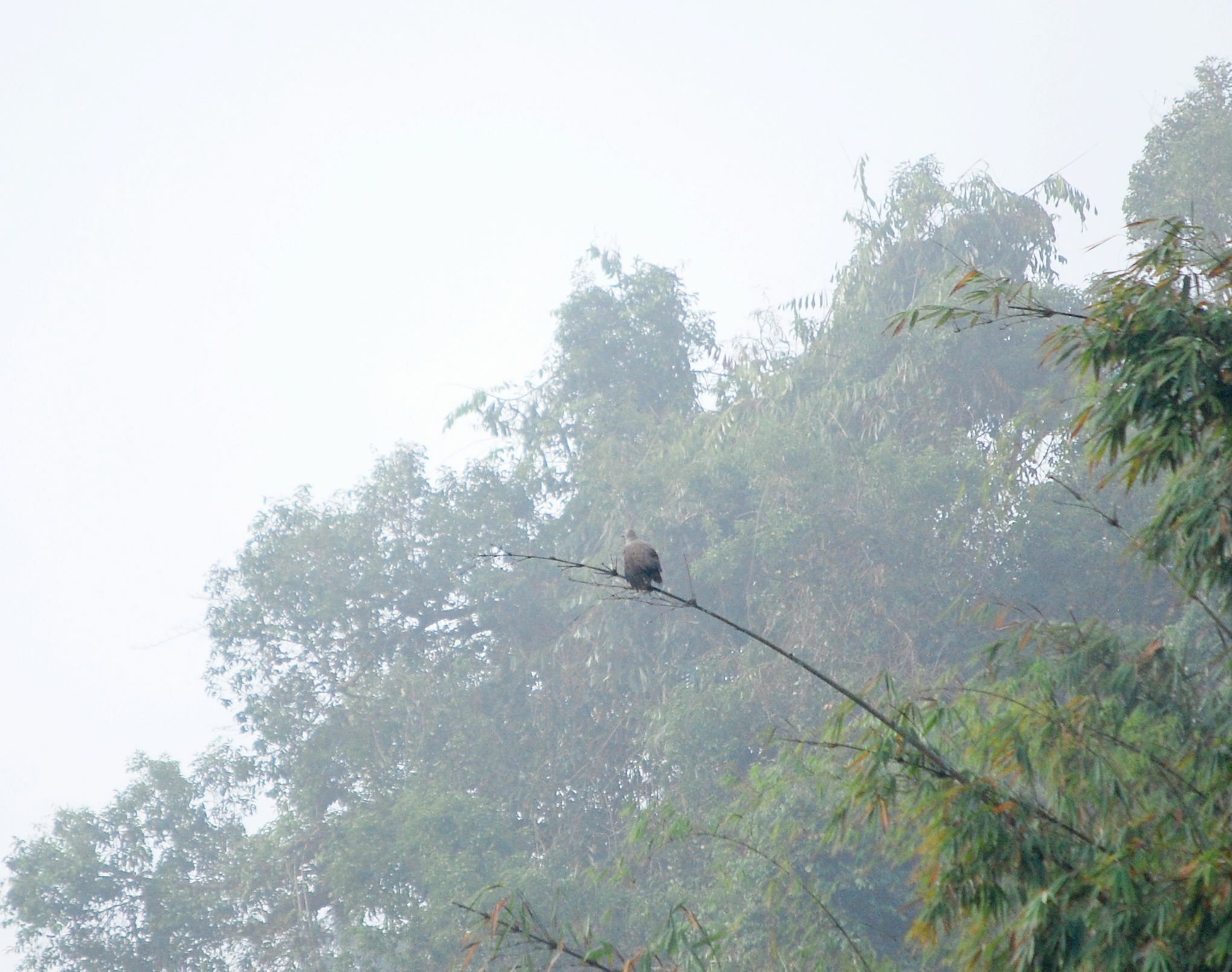
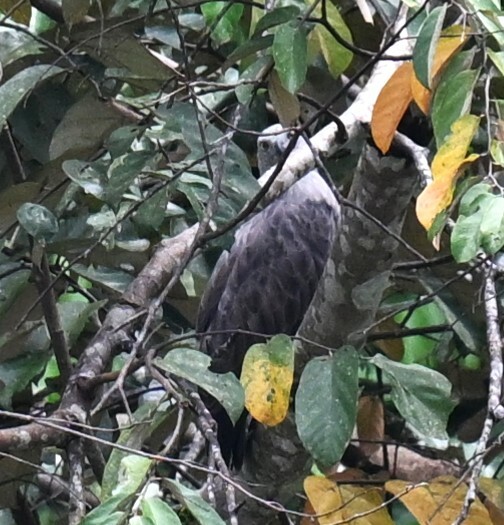
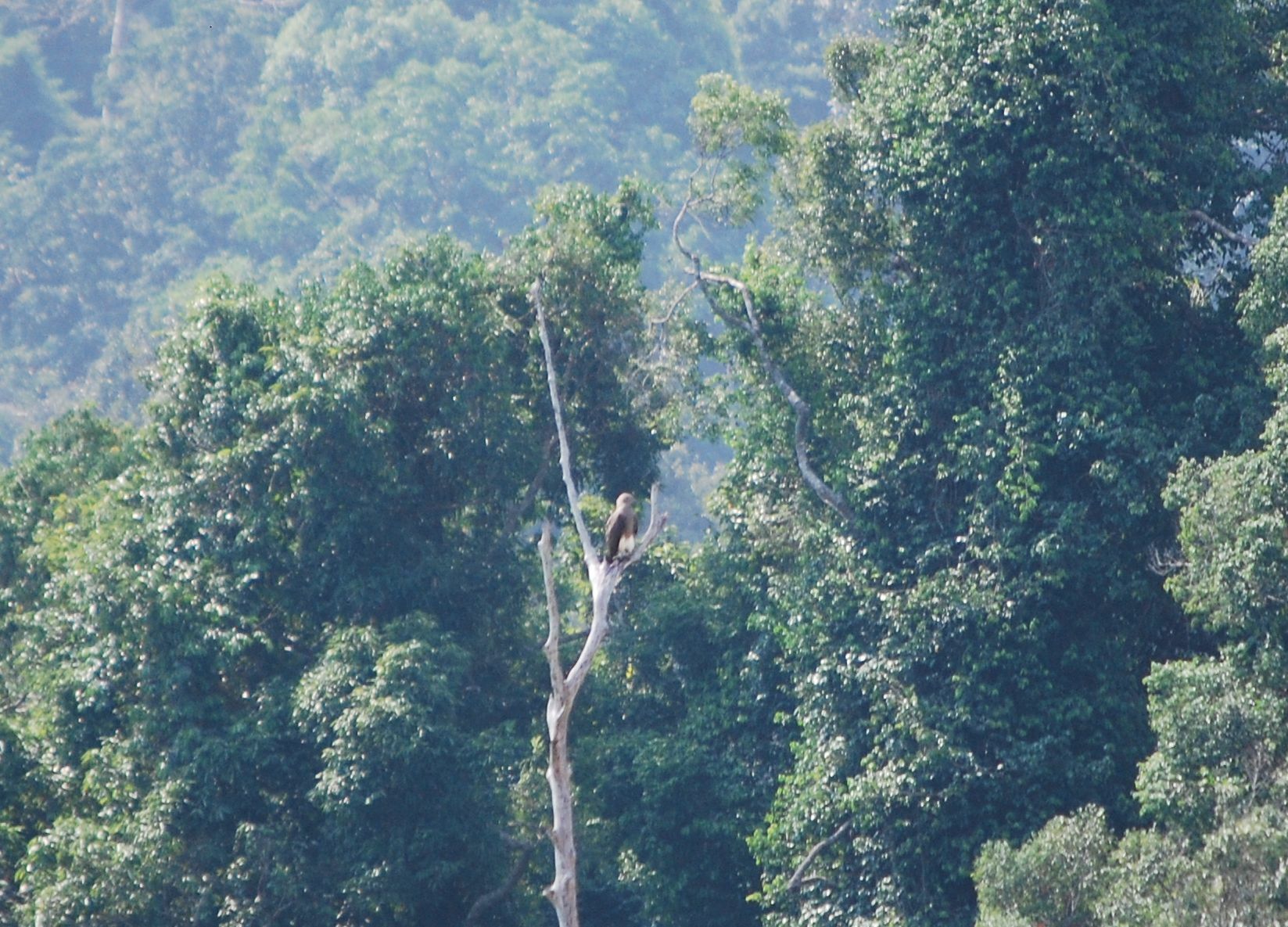
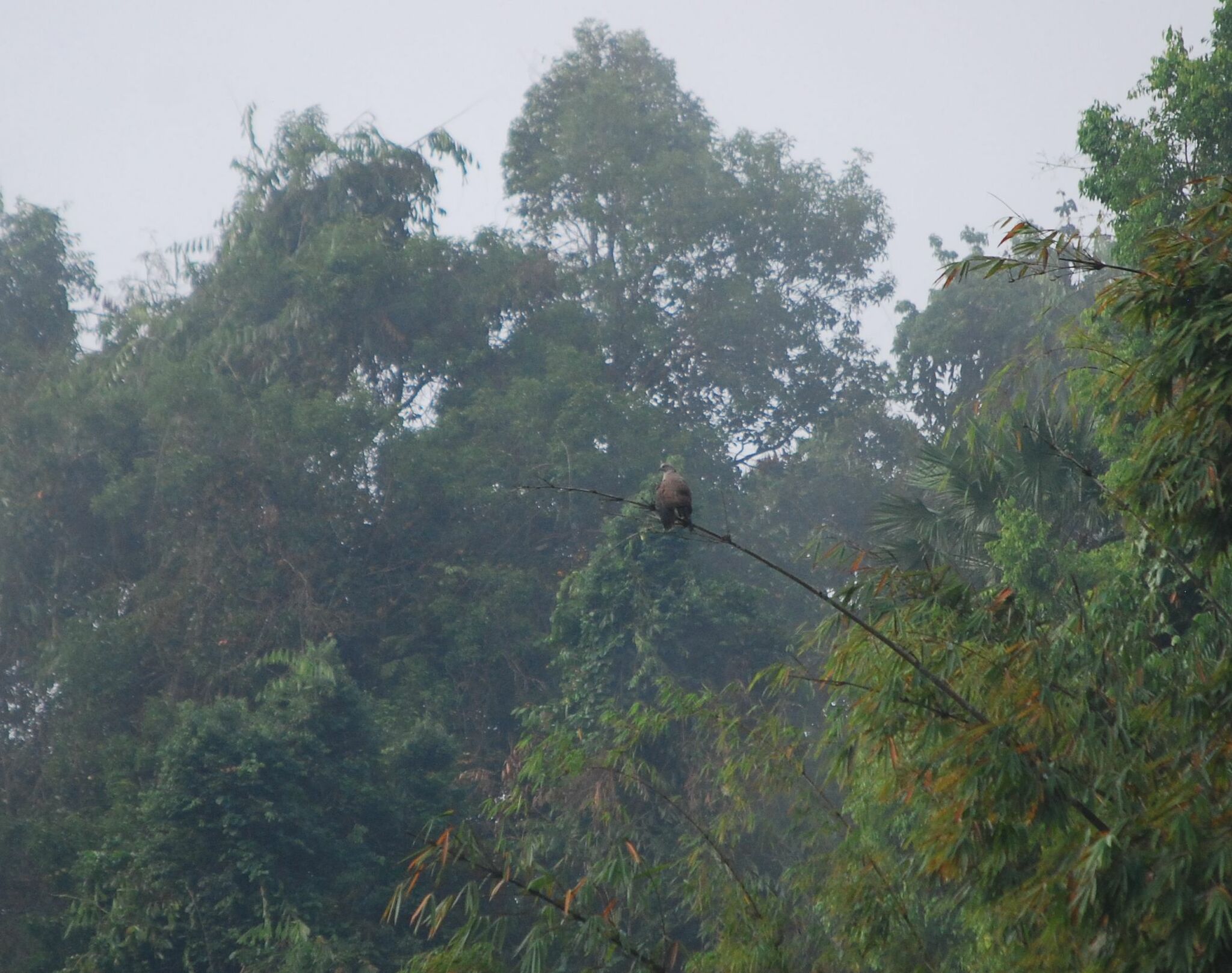
Medium-sized bird of prey with gray-brown plumage, broad blunt wings, and coarse featherless legs. Features a brown breast, white thighs and belly, short rounded tail, long neck, and small head. Adults have yellow eyes and reach a wingspan of 1.2 m (3 ft 11 in) and height of 64 cm (25 in). Juveniles have brown eyes.
Identification
Similar in appearance to the grey-headed fish eagle (Icthyophaga ichthyaetus) but distinctly smaller. The brown breast, white thighs and belly, and short rounded tail help distinguish this species.
Distribution & Habitat
Ranges across the Indian subcontinent from Gujarat and Central India through Himalayan foothills of Kashmir and Nepal, eastward through Burma to Indochina, and south to the Malaysian Peninsula, Sumatra, Borneo, and Sulawesi. Adults move south of Himalayan ranges but remain in altitudinal habitats year-round. Inhabits rivers, lakes, wetlands, and hill streams, typically below 1,000 m elevation but recorded up to 4,000 m in Nepal.
Behavior & Ecology
Specialist fish predator that snatches prey from water while perched on overhanging trees or rocks. Uses several personal perches during feeding. Equipped with large curved talons and spicules on toe undersides for gripping slippery fish. Breeding season runs March to August in northern parts of range and November to April elsewhere. Clutch size is 2-4 eggs. Nests built of sticks and green leaves can reach 1 m across and 1.5 m deep with repeated use.
Conservation
Listed as Near Threatened by BirdLife International. Population estimated at 1,000 to 10,000 individuals and declining. Primary threats include habitat loss, human disturbance, hunting, and nest robbery.
Source: Wikipedia · CC BY-SA 3.0
Taxonomy
- Order
- Accipitriformes
- Family
- Accipitridae
- Genus
- Icthyophaga
- eBird Code
- lefeag1
Subspecies (2)
-
Icthyophaga humilis humilis
Malaya to Borneo, Sumatra, Sulawesi, and Banggai and Sula islands (off eastern Sulawesi)
-
Icthyophaga humilis plumbea
Kashmir to southeastern Asia and Hainan (southern China)
Data Sources
CBR Notes: 由Haliaeetus属移入重新恢复的Icthyophaga属(Mindell et al. 2018)
Species description from Wikipedia, licensed under CC BY-SA 3.0.
Bird images and sounds sourced from GBIF, contributed by citizen scientists worldwide under Creative Commons licenses.
Taxonomy data from AviList 2025.