
Pallas's Gull
Ichthyaetus ichthyaetus
渔鸥
Introduction
A large gull species (Ichthyaetus ichthyaetus) traditionally classified in genus Larus. Breeds in colonies in marshes and islands from southern Russia to Mongolia. Migratory, wintering in the eastern Mediterranean, Arabia, and India. Occurs as a vagrant in western Europe, the Indian Ocean south of its normal range, and along northern and eastern coasts of Africa where it visits annually on an irregular basis. Nests on the ground, laying two to four eggs. Covered under the Agreement on the Conservation of African-Eurasian Migratory Waterbirds (AEWA).
Description
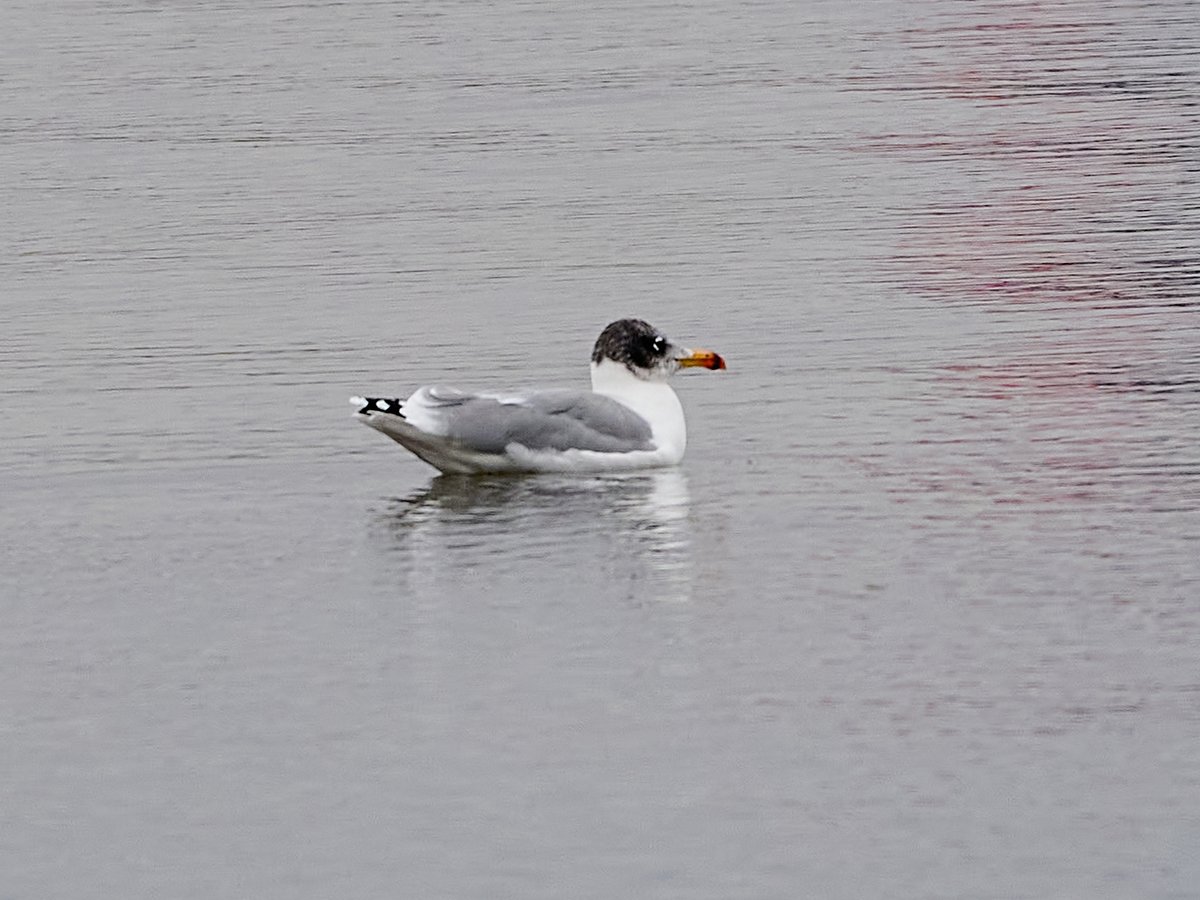
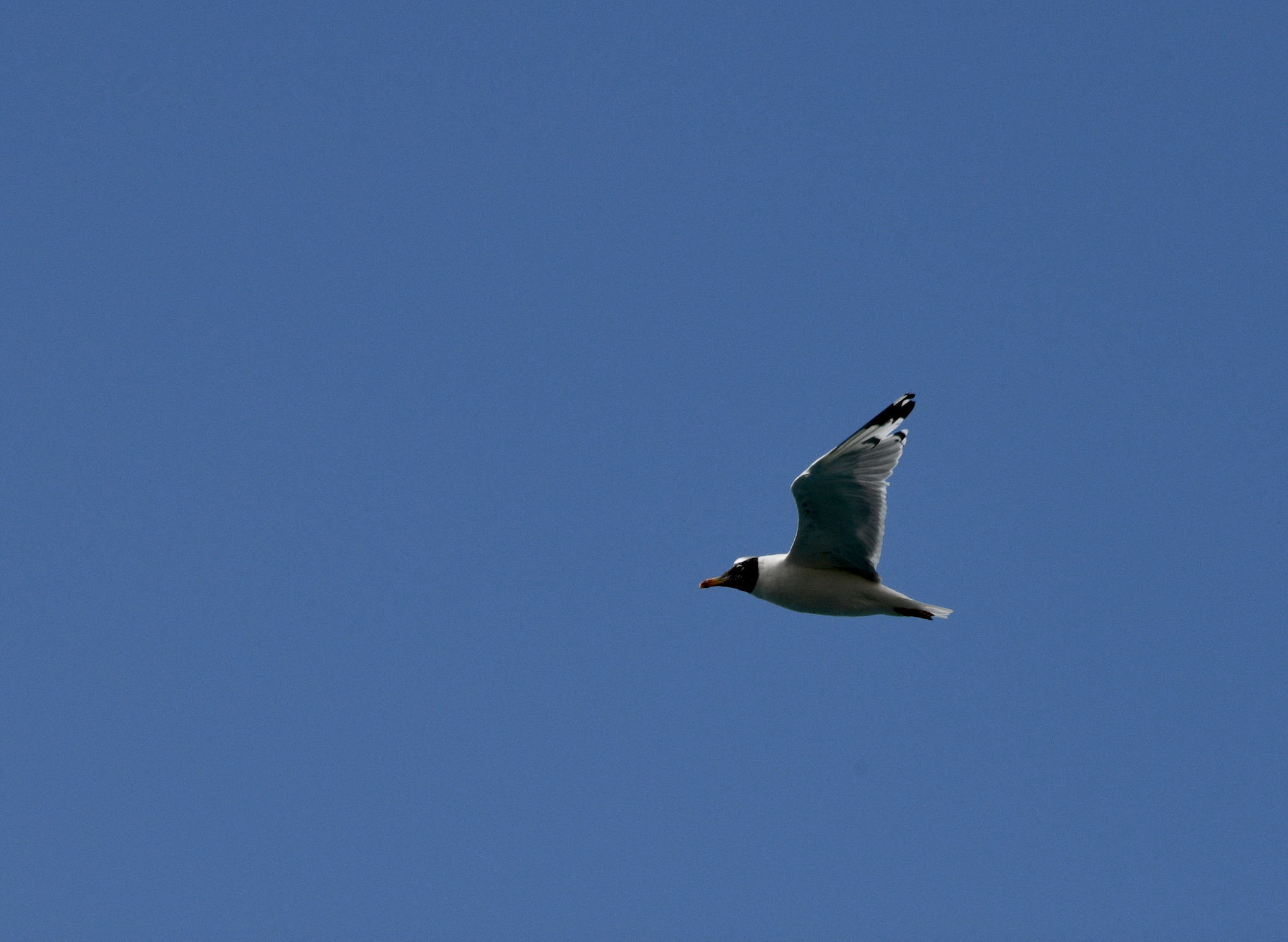
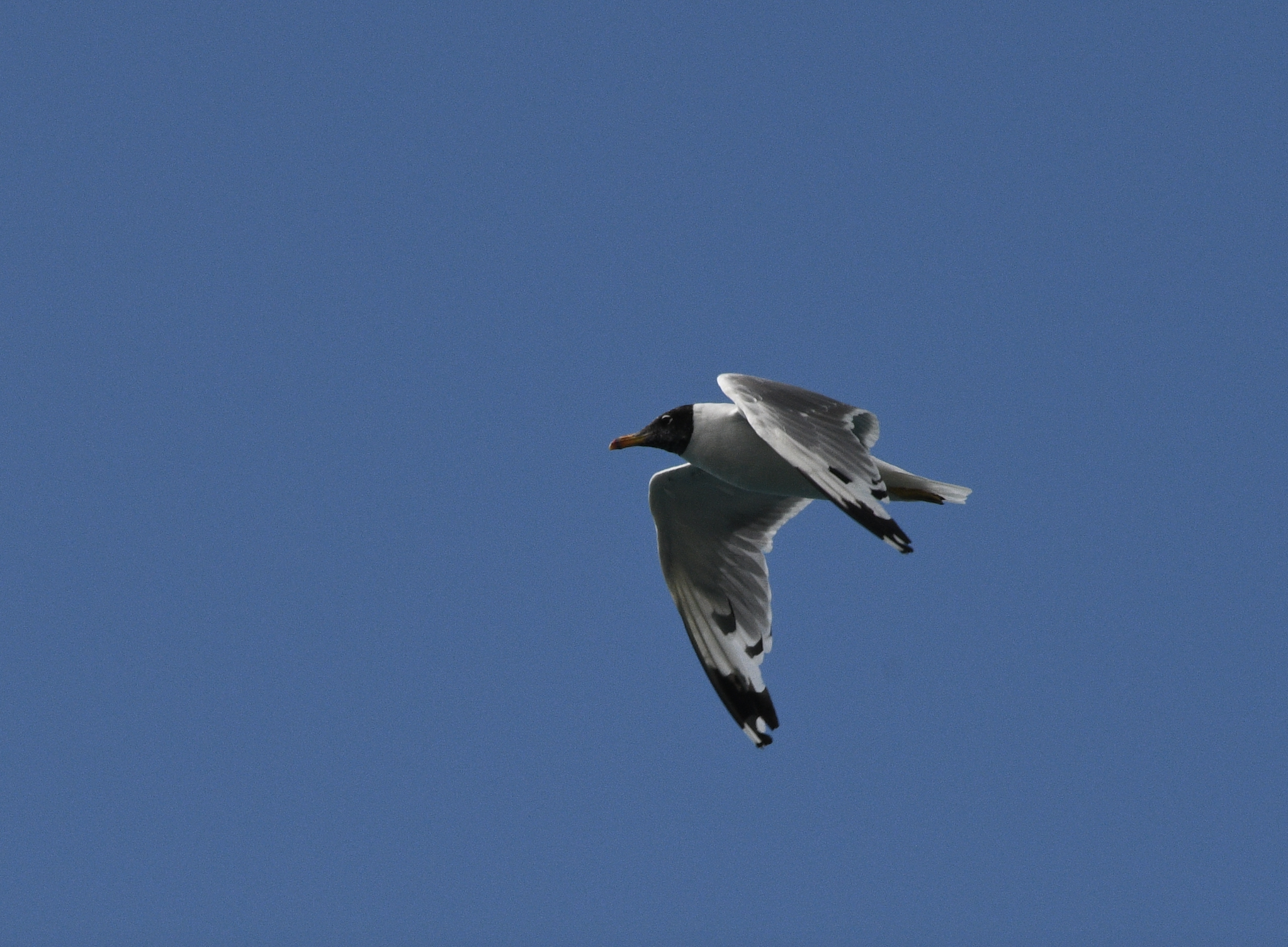
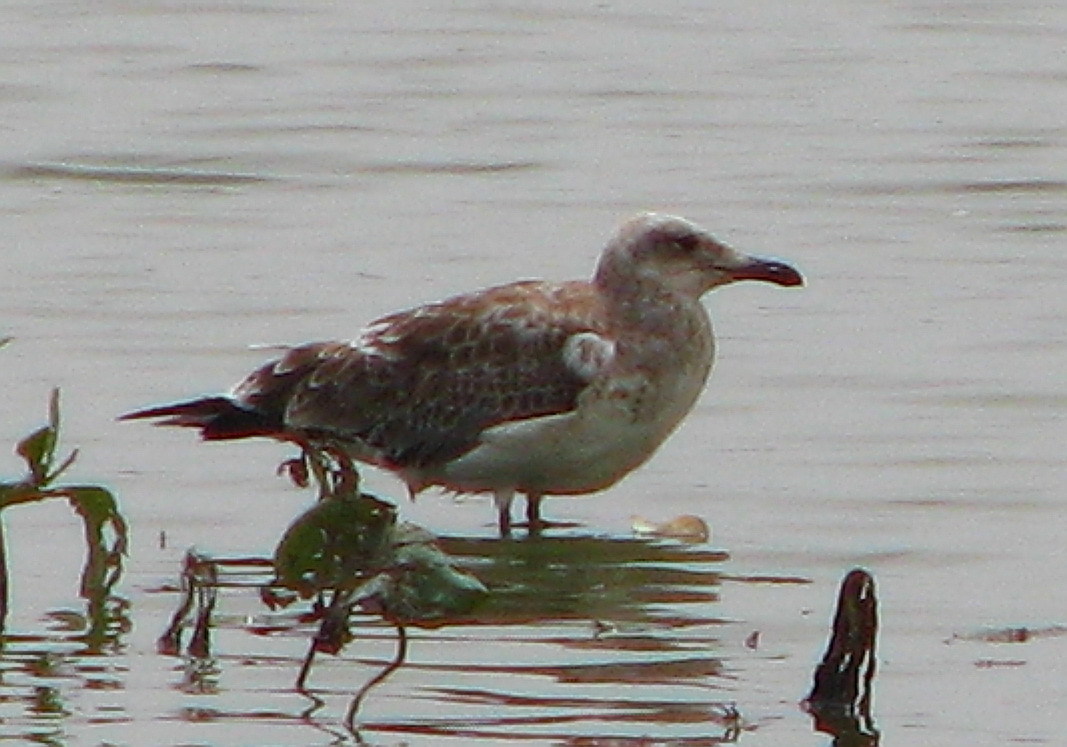
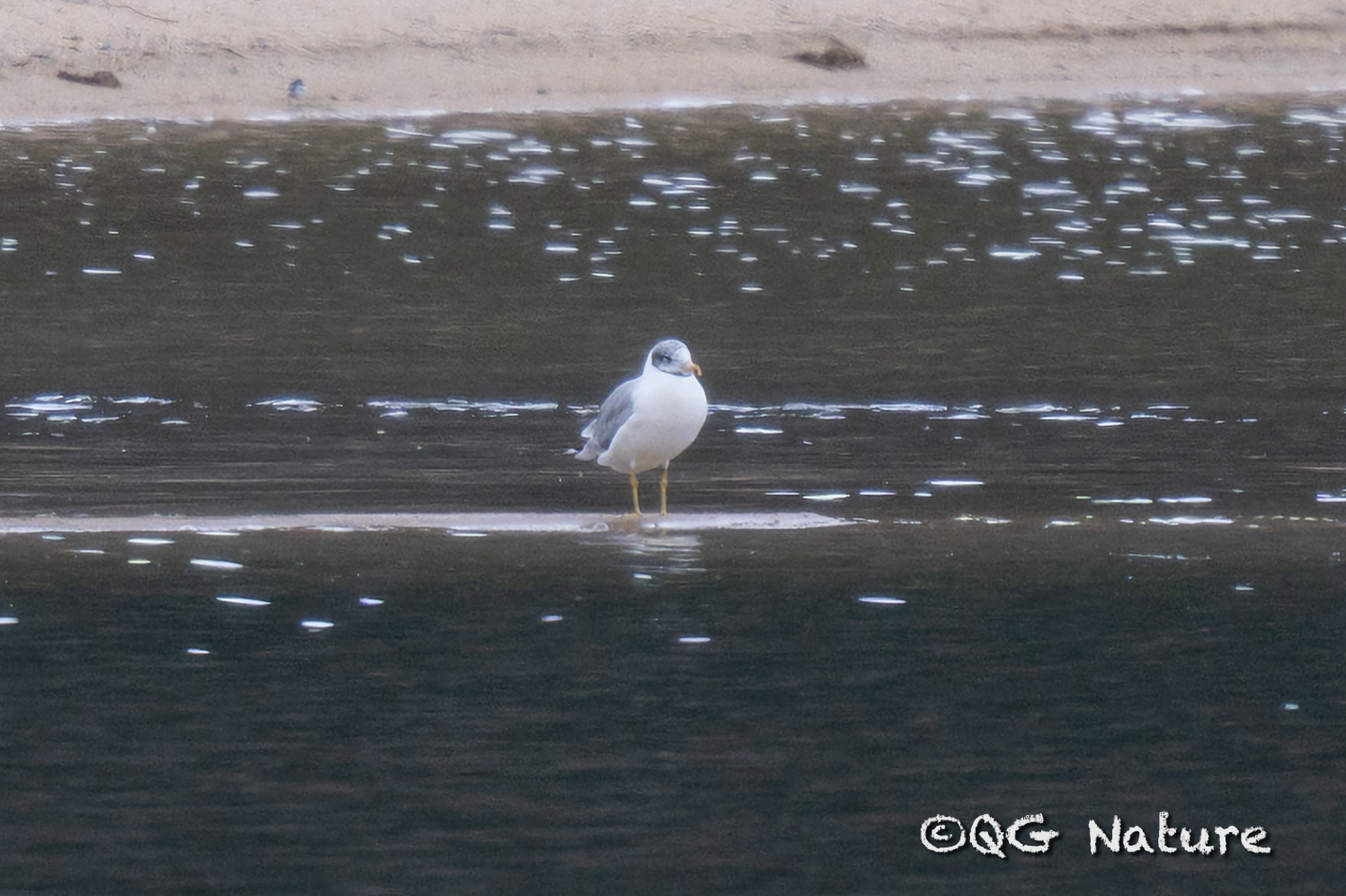
A very large gull, being the world's largest black-headed gull and the third largest gull species overall after the great black-backed gull and the glaucous gull. Measures 55–72 cm in length with a 142–170 cm wingspan. Weight ranges from 0.96–2.1 kg, with males averaging 1.6 kg and females 1.22 kg. Standard measurements: wing chord 43.5–52 cm, bill 4.7–7.3 cm, tarsus 6.5–8.4 cm. Summer adults have a distinctive black hood, grey wings and back, conspicuous white mirrors at the wing tips, yellow legs, and an orangey-yellow bill with a red tip. Other plumages show a dark mask through the eye. Takes four years to reach full maturity.
Identification
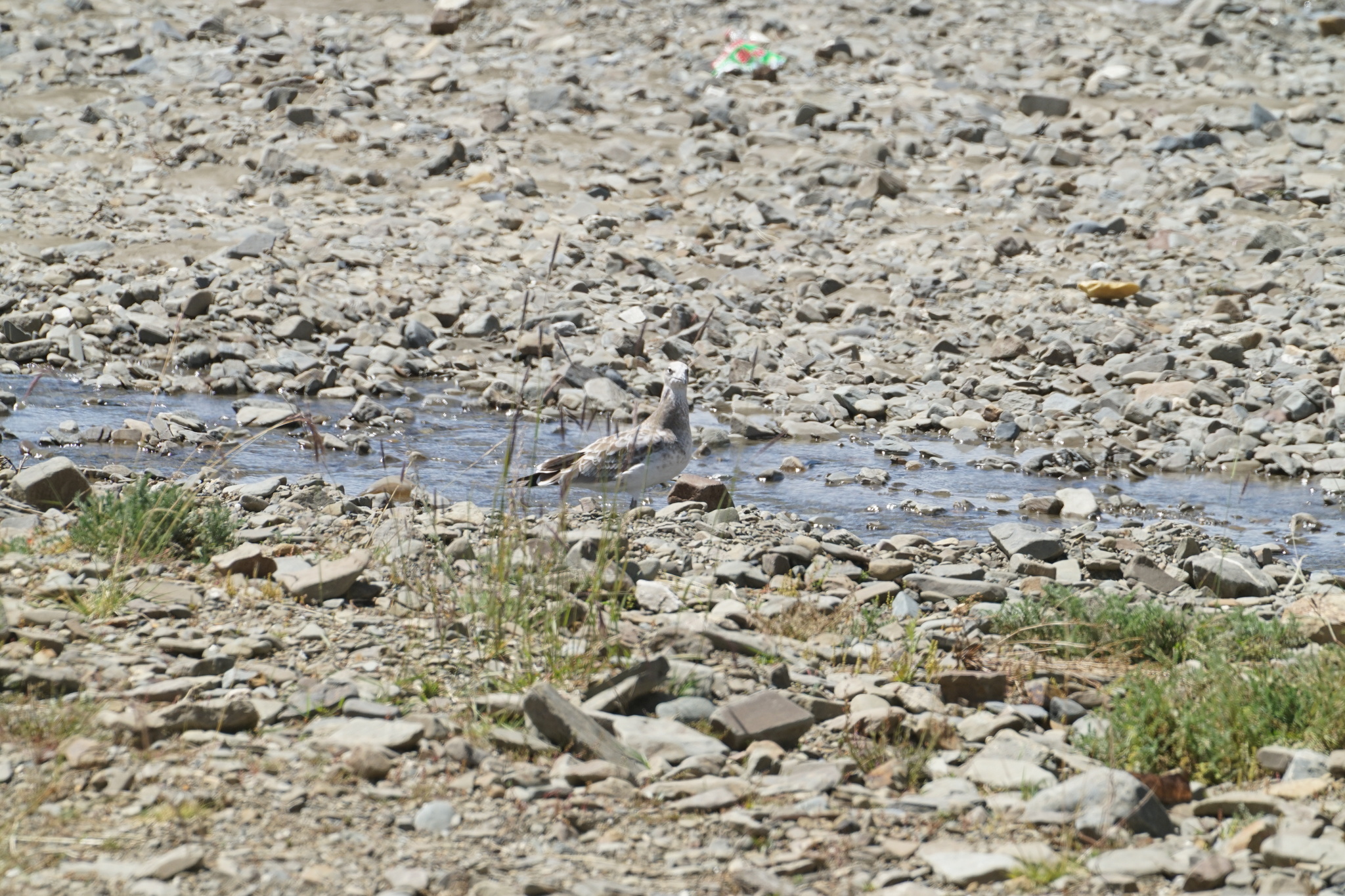
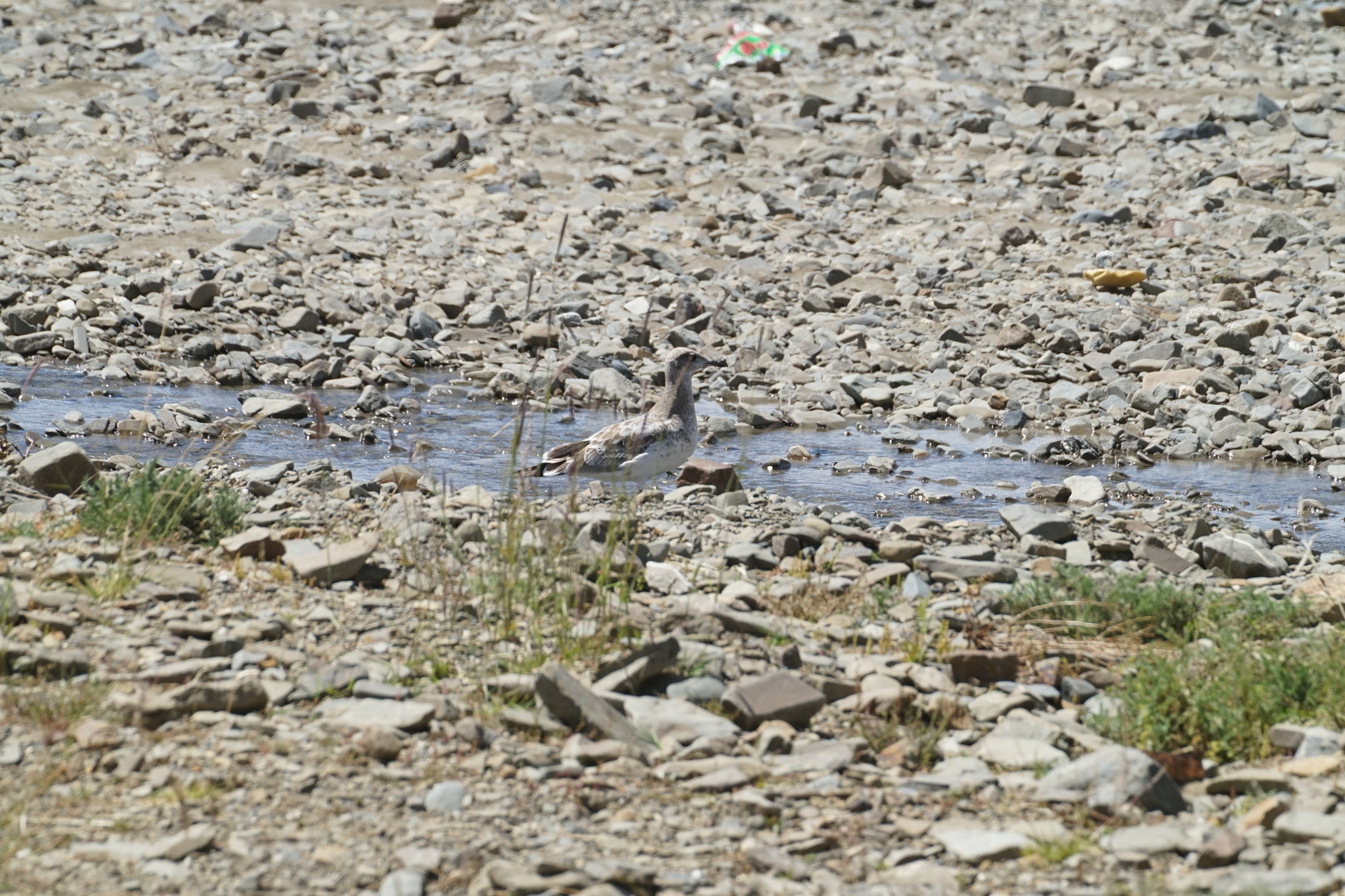
Summer adults are unmistakable—no other gull of this size has a black hood. The deep aargh cry call is distinctive. In all other plumages, a dark mask through the eye indicates the vestiges of the hood. The deep, nasal flight-call resembles that of the lesser black-backed gull.
Distribution & Habitat
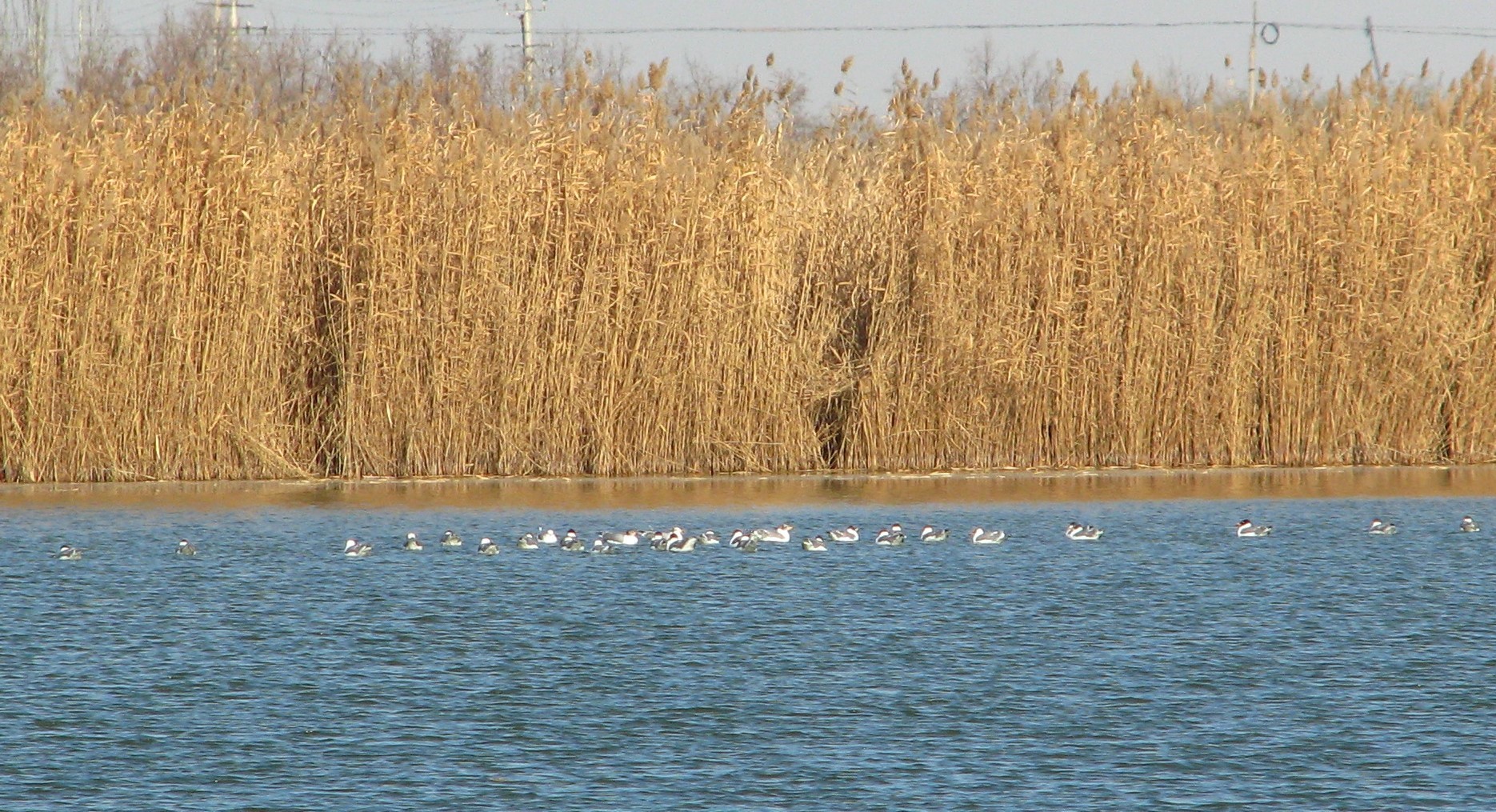
Breeds in colonies in marshes and islands from southern Russia to Mongolia. Migratory, wintering in the eastern Mediterranean, Arabia, and India. Occurs as a vagrant in western Europe, with only one acceptable British record from 1859. Also appears as a vagrant in the Indian Ocean south of its normal range and along northern and eastern coasts of Africa on an irregular annual basis.
Behavior & Ecology
Nests on the ground, laying two to four eggs. Predatory diet includes fish, crustaceans, insects, and small mammals. Has a deep, nasal flight-call resembling the lesser black-backed gull. Noisy at colonies but mostly silent when breeding. Takes four years to reach maturity.
Conservation
IUCN conservation status not provided in source. The species is protected under the Agreement on the Conservation of African-Eurasian Migratory Waterbirds (AEWA).
Culture
No cultural significance or folklore information provided in source.
Source: Wikipedia · CC BY-SA 3.0
Taxonomy
- Order
- Charadriiformes
- Family
- Laridae
- Genus
- Ichthyaetus
- eBird Code
- gbhgul2
Distribution
breeds patchily on lake islands from Crimea eastward through Kazakhstan and Mongolia to Gansu, Qinghai, and Inner Mongolia (west-central China); winters to coasts, landlocked seas, and rivers from Black Sea eastward across Bay of Bengal to Bangladesh and south-central Myanmar
Data Sources
Species description from Wikipedia, licensed under CC BY-SA 3.0.
Bird images and sounds sourced from GBIF, contributed by citizen scientists worldwide under Creative Commons licenses.
Taxonomy data from AviList 2025.