Blue-naped Pitta
Hydrornis nipalensis
蓝枕八色鸫
Introduction
A species of bird in the family Pittidae. Found across Bangladesh, Bhutan, China, India, Laos, Myanmar, Nepal, and Vietnam. Inhabits subtropical and tropical moist lowland forests, subtropical and tropical moist montane forests, and bamboo jungles. A terrestrial bird that forages on the ground and ventures into clearings only early morning and late evening. Both parents share incubation and chick-rearing duties during the breeding season.
Description
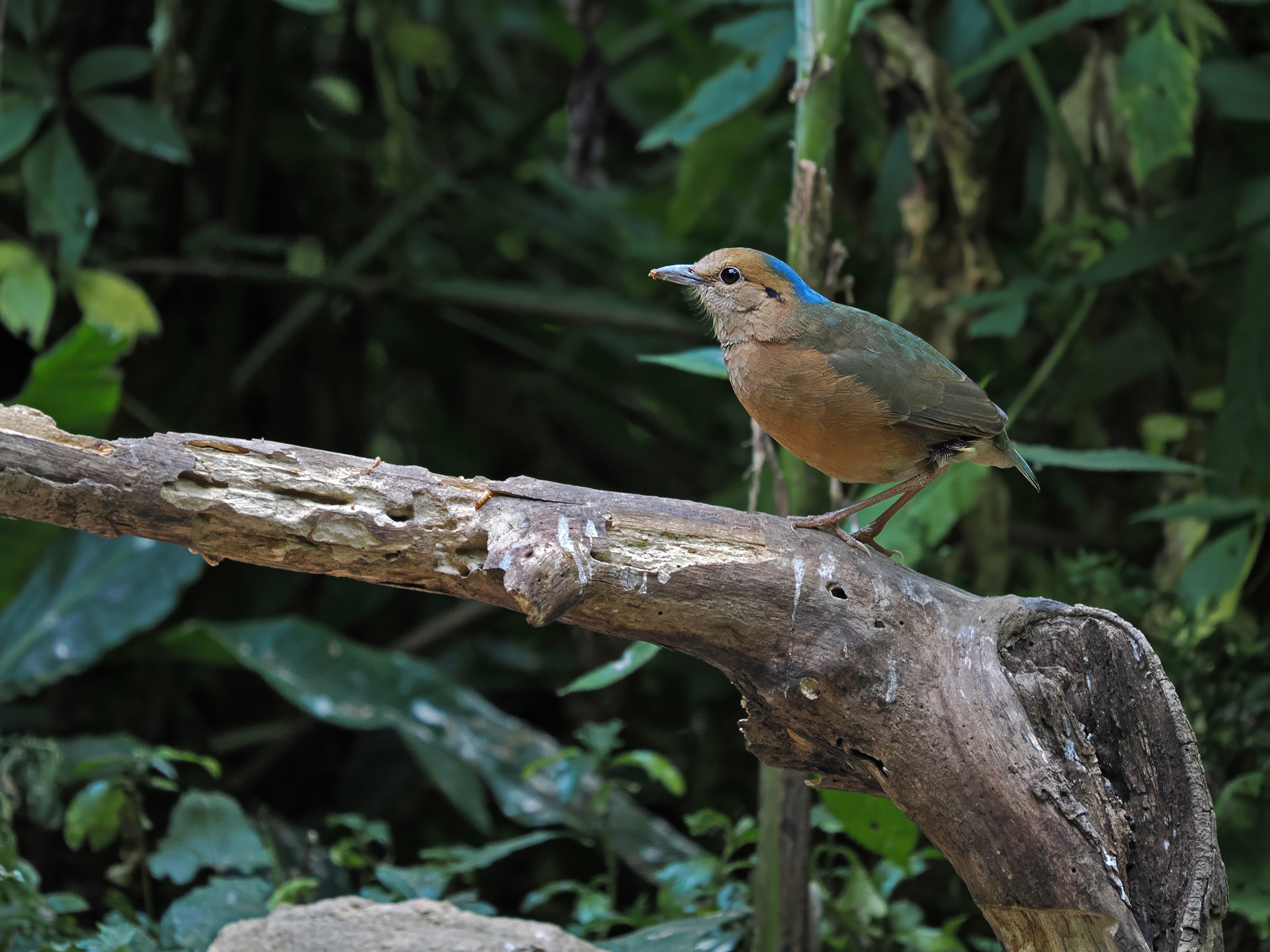
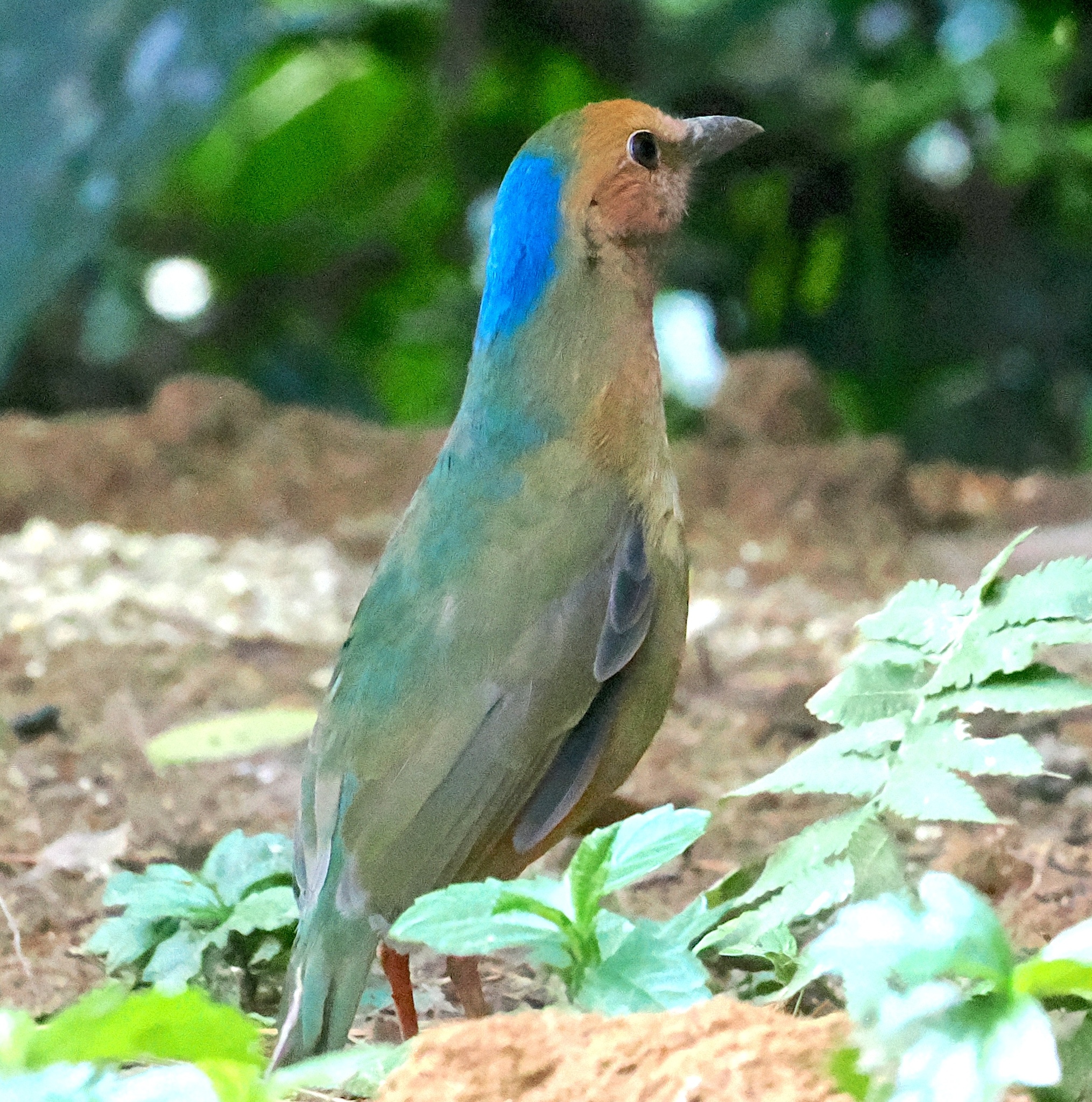
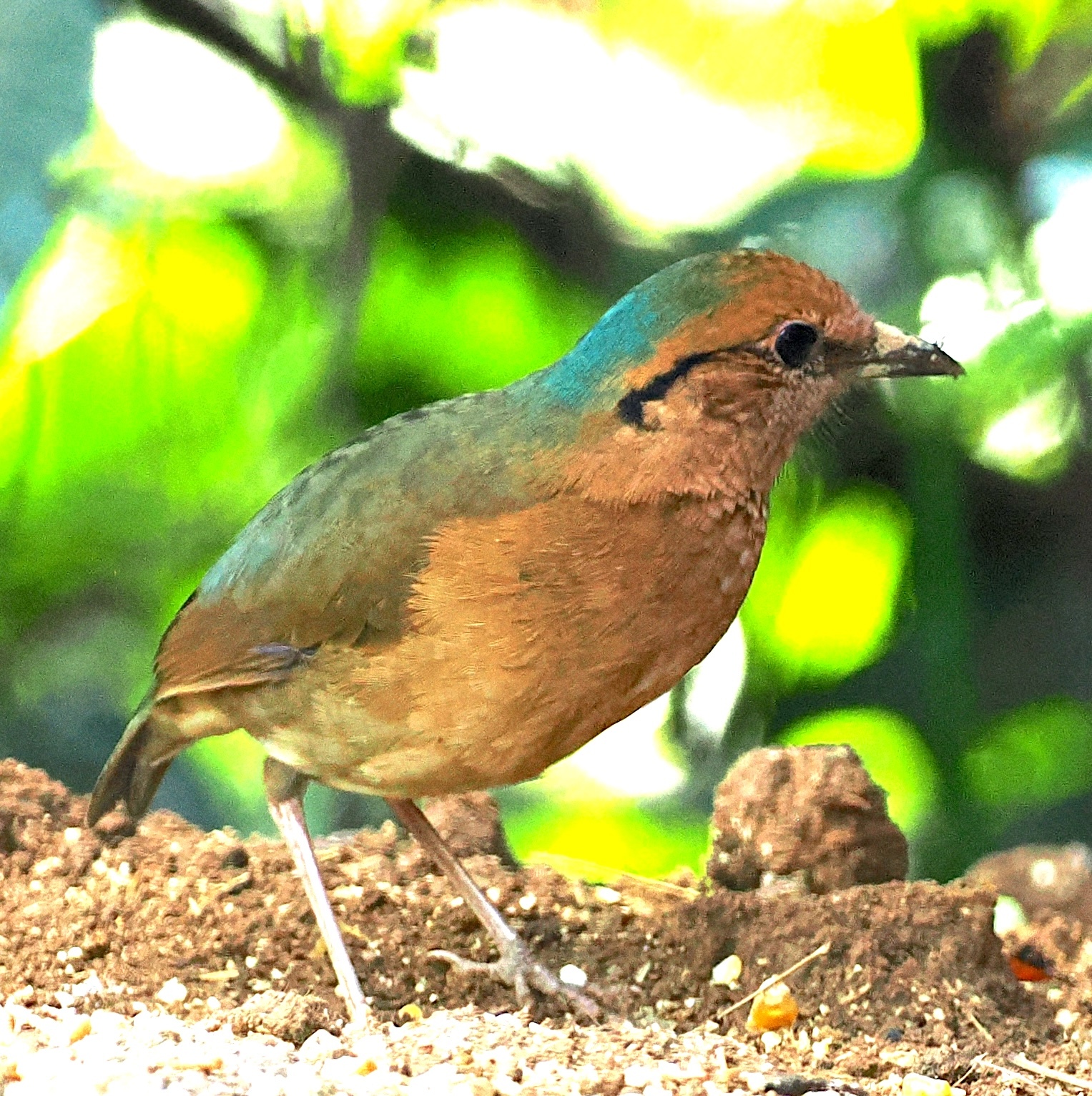
A brightly colored bird with a stub-tail. Upperparts are blue and green, while underparts are reddish-yellow. The nape and hindneck are bright blue, and the tail is brown with green markings. Sexes are similar, but the female differs in having a reddish-brown hindcrown (not blue) and a green hindneck.
Distribution & Habitat
Range includes Bangladesh, Bhutan, China, India, Laos, Myanmar, Nepal, and Vietnam. Inhabits subtropical and tropical moist lowland forests, subtropical and tropical moist montane forests, and bamboo jungles.
Behavior & Ecology
Terrestrial bird that forages on the ground. Typically ventures into clearings only early in the morning and late in the evening. Produces a double whistle call audible from the ground and trees at dawn and dusk. Nesting season extends from April to August. Both male and female share parental duties. Diet consists of ground insects and other small animals.
Conservation
Status not assessed in article.
Culture
Not mentioned in article.
Source: Wikipedia · CC BY-SA 3.0
Taxonomy
- Order
- Passeriformes
- Family
- Pittidae
- Genus
- Hydrornis
- eBird Code
- blnpit1
Subspecies (2)
-
Hydrornis nipalensis hendeei
southern China (southeastern Yunnan and southwestern Guangxi) to northern Vietnam and northern Laos
-
Hydrornis nipalensis nipalensis
Himalayas (central Nepal to southeastern Tibet, northeastern India, and Myanmar)
Data Sources
Species description from Wikipedia, licensed under CC BY-SA 3.0.
Bird images and sounds sourced from GBIF, contributed by citizen scientists worldwide under Creative Commons licenses.
Taxonomy data from AviList 2025.