Blue Pitta
Hydrornis cyaneus
蓝八色鸫
Introduction
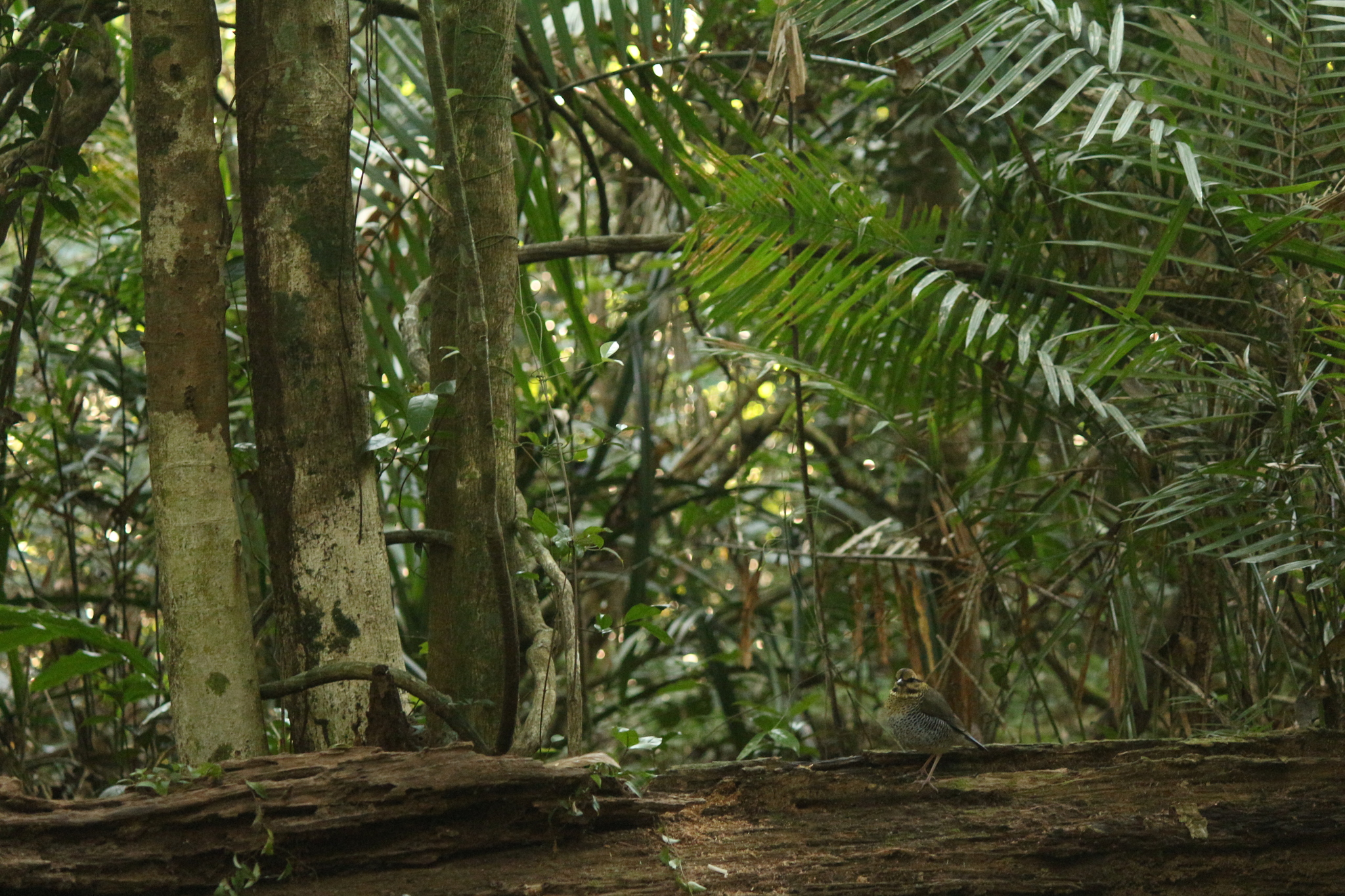
A medium-sized, stocky passerine bird in the family Pittidae. Found across the northeastern Indian subcontinent, southern China, and Indochina. Inhabits both moist evergreen forests and drier tropical forests, ranging from sea level to approximately 2,000 meters elevation. A shy, unobtrusive, and typically solitary species that forages on the forest floor for insects and other small invertebrates. The International Union for Conservation of Nature assessed its conservation status as 'least concern' due to its very wide range, though it remains scarce in India and China.
Description
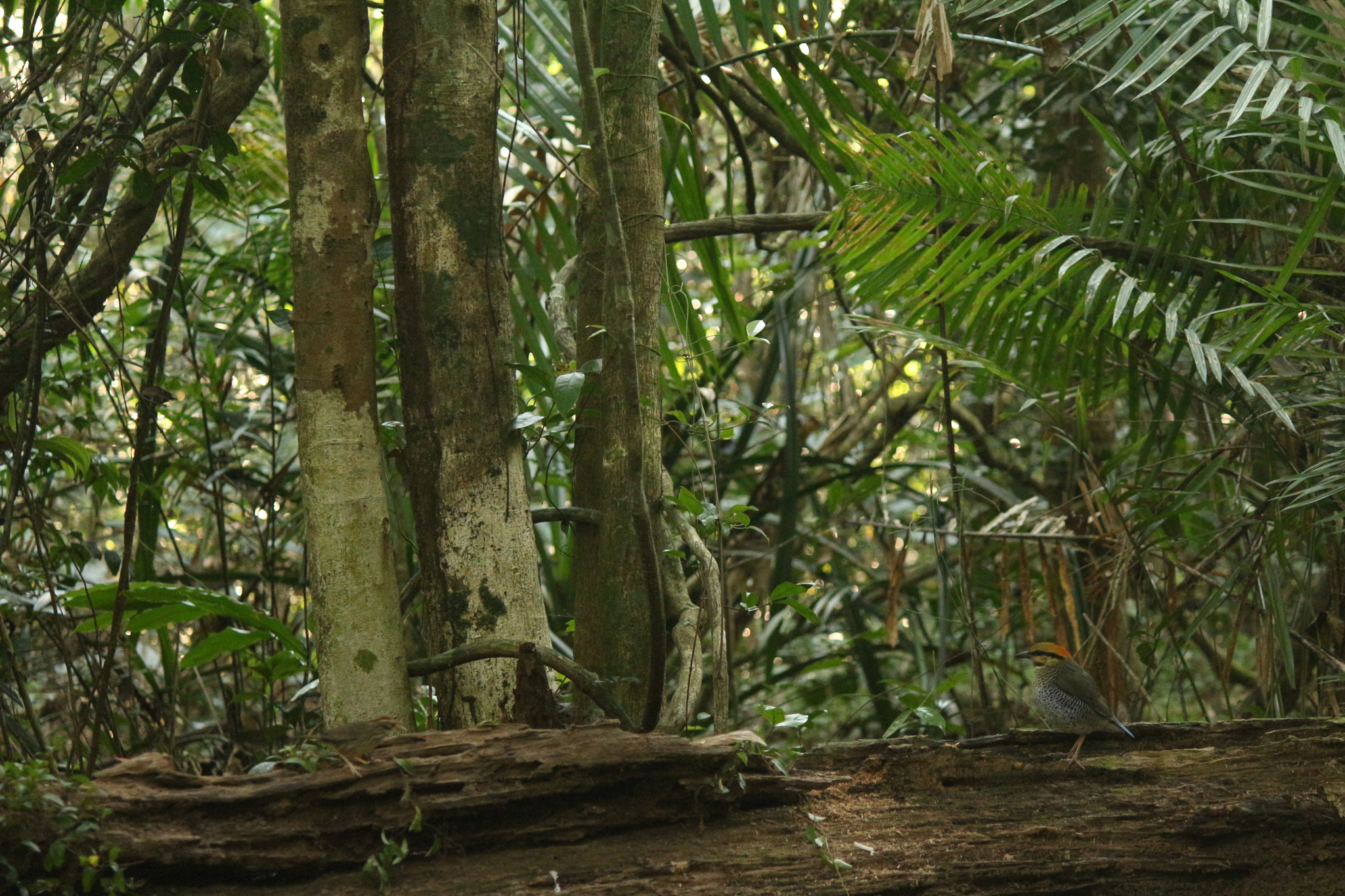
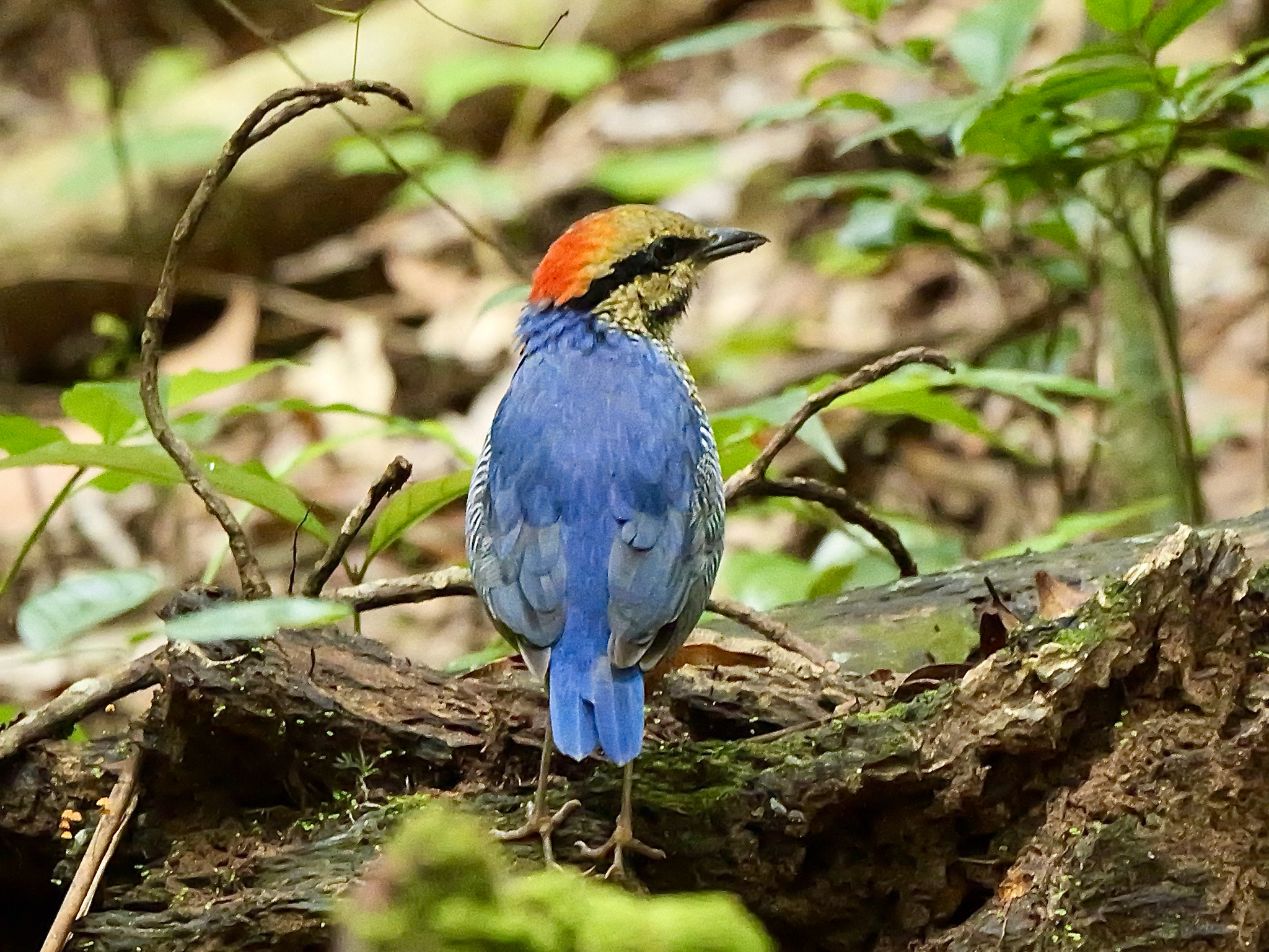
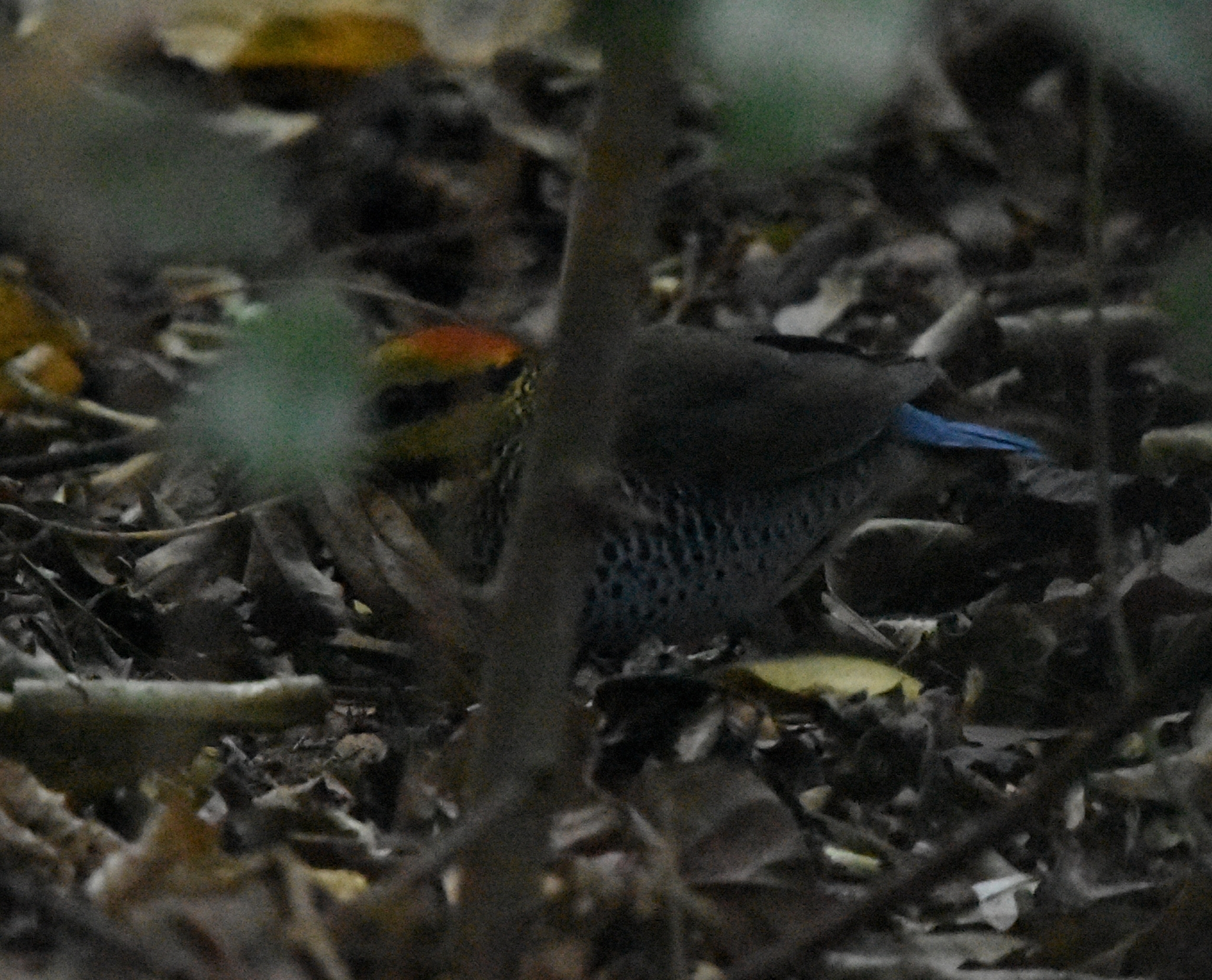
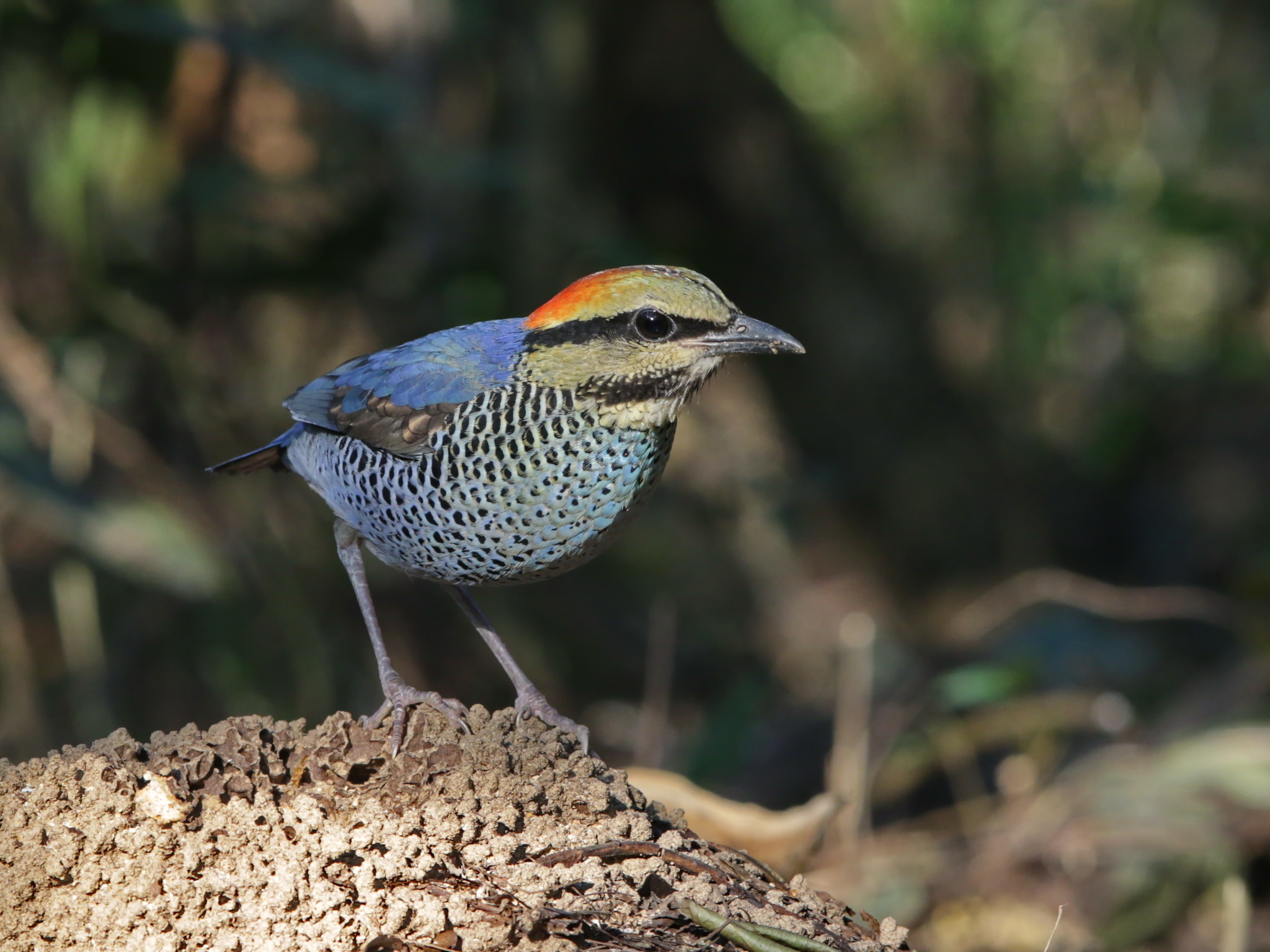
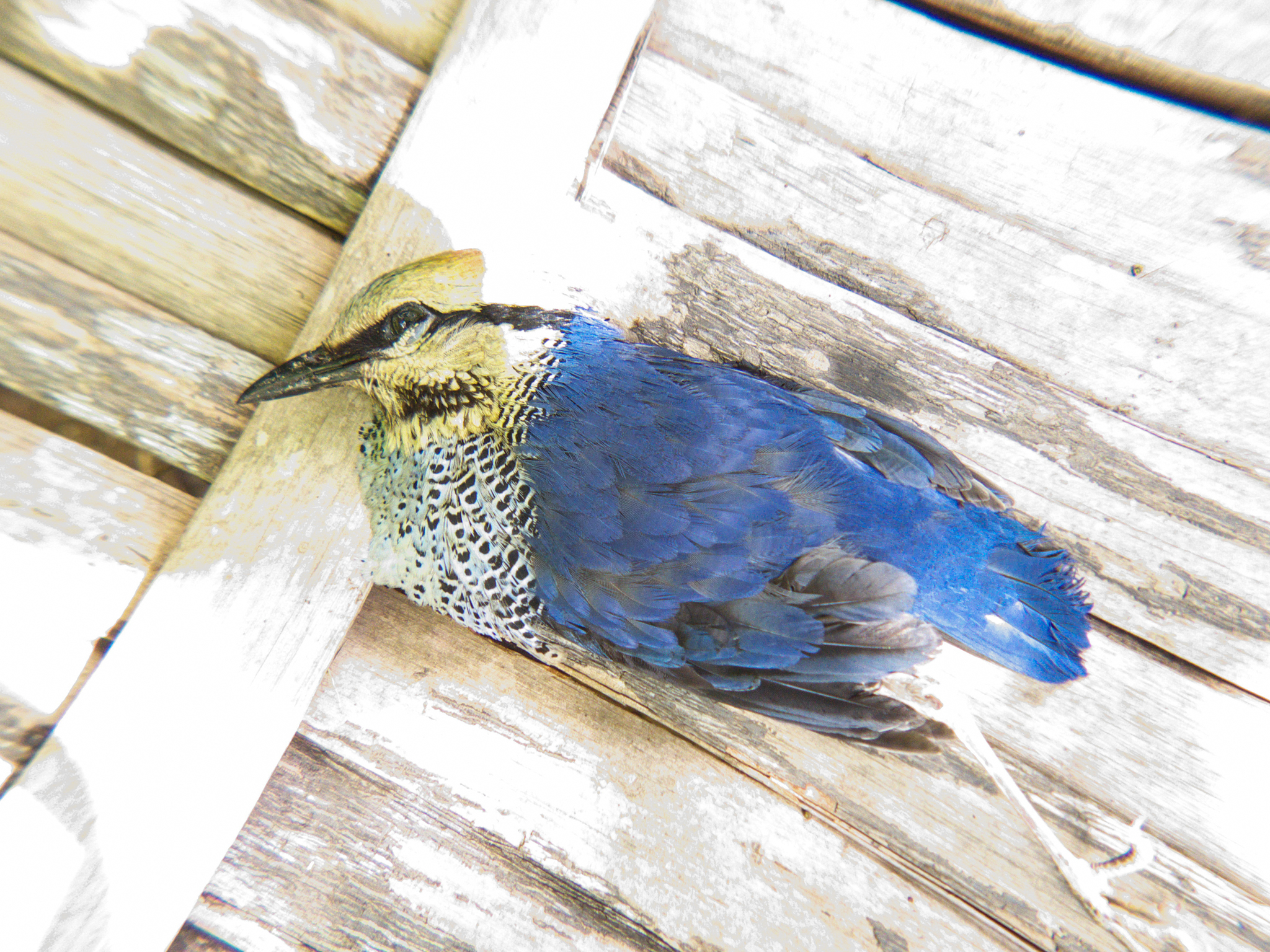
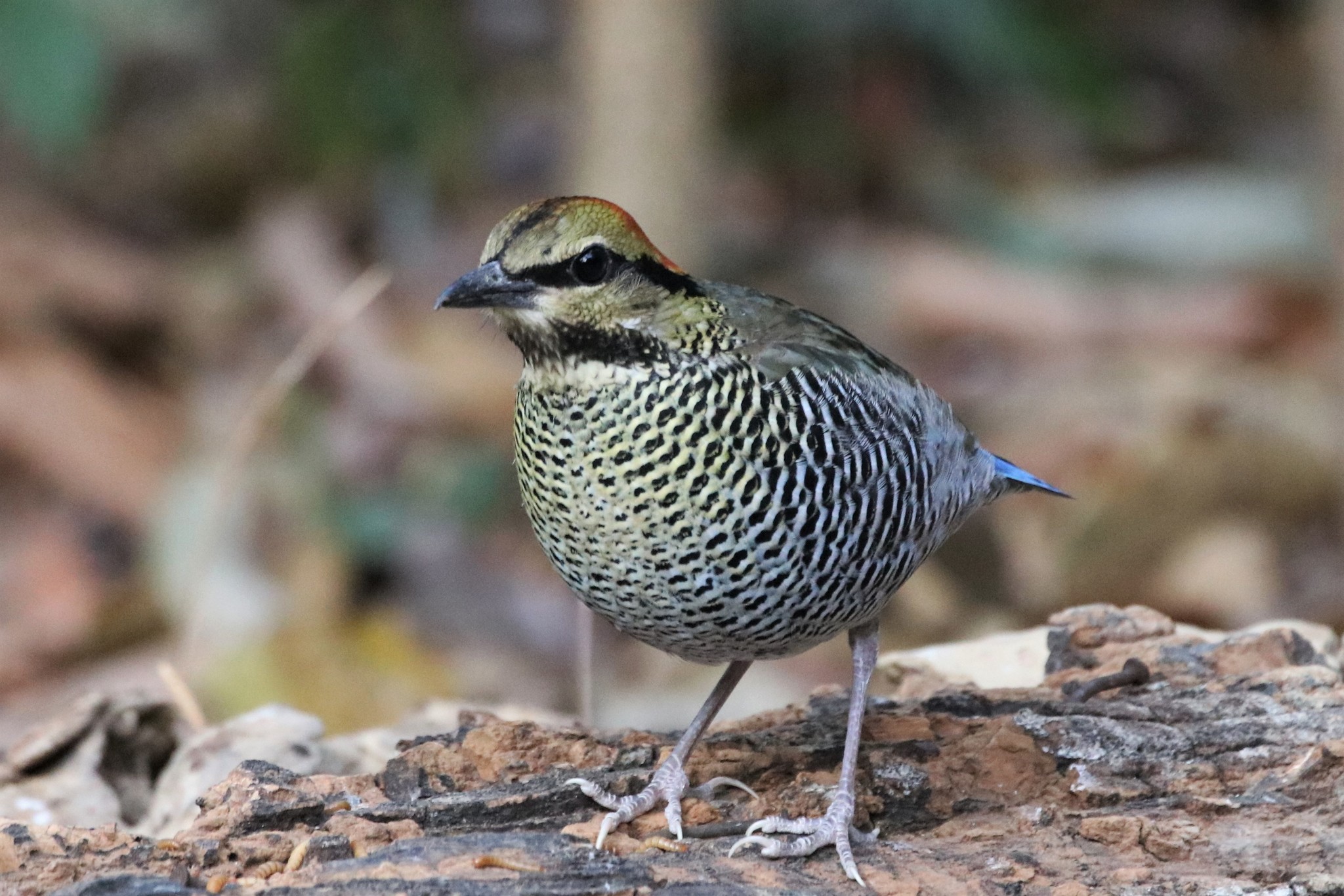
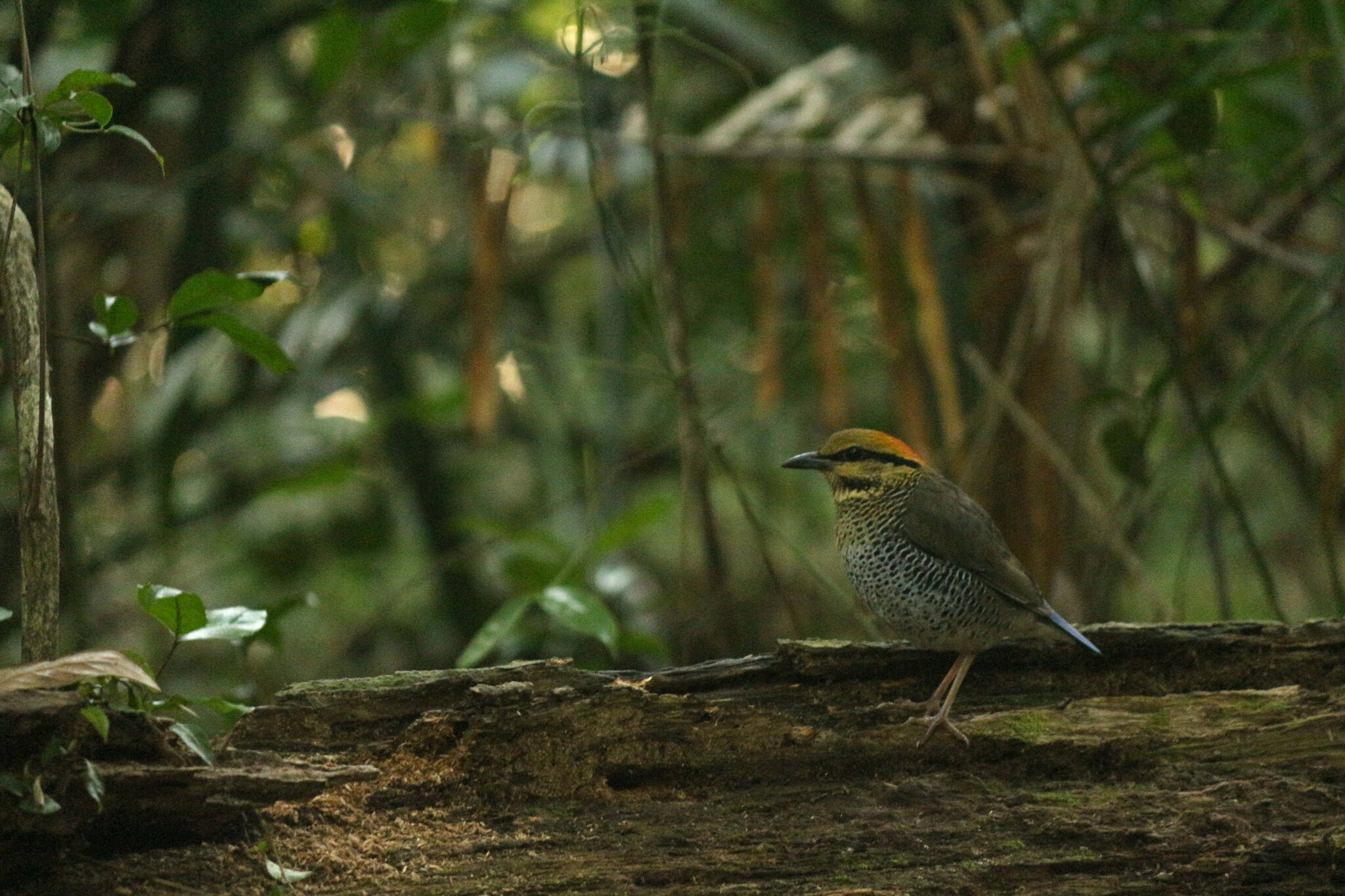
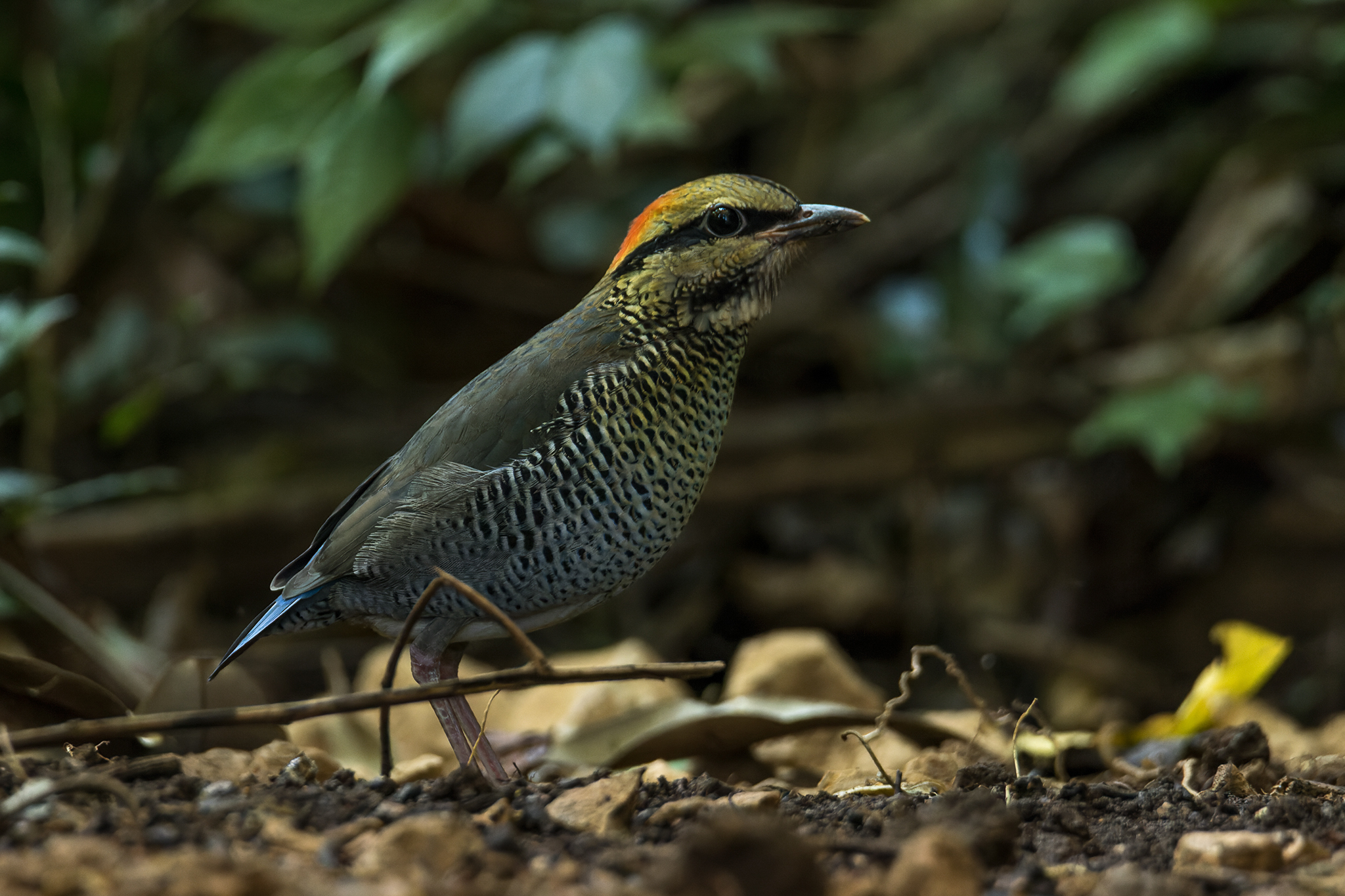
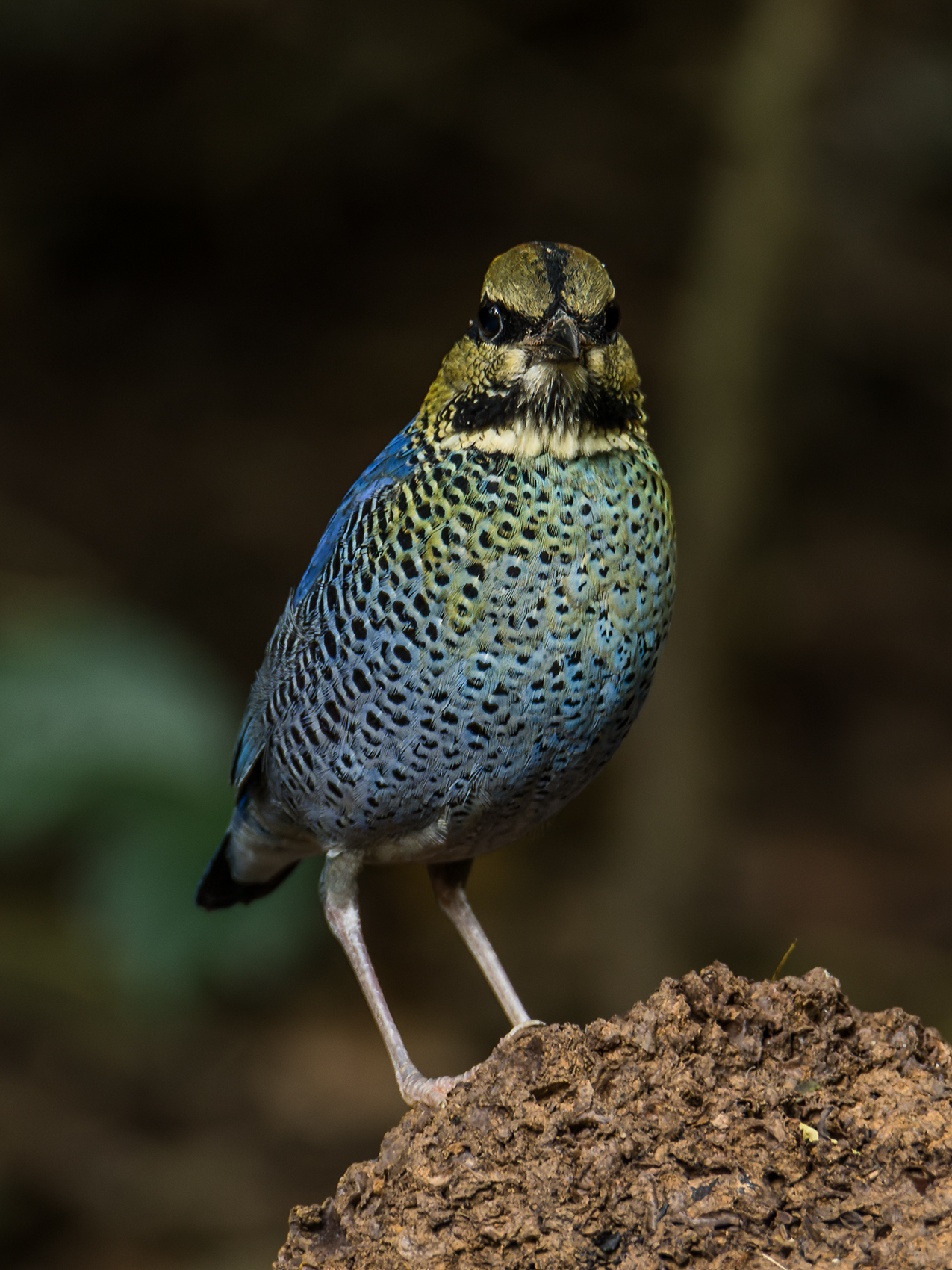
A medium-sized, stocky pitta with long legs and a short tail, reaching approximately 23 cm (9 inches) in length. The head features a yellow forehead and crown with a bright orange nape, and a bold black stripe through the eye. A less distinct short stripe marks the chin. The male has a blue back and tail with a pale bluish breast speckled with black. The female has a grey back and pale grey breast also speckled with black. The bill is dark grey and the legs are pale pink.
Identification
The combination of yellow and orange on the head, black eye stripe, and blue upperparts in males distinguish this species from other pittas. Females are identified by their grey back and breast with black speckling. The stocky build with long legs and short tail is characteristic of the family.
Distribution & Habitat
Three subspecies are recognized: H. c. cyaneus occurs in northeastern India, eastern Bangladesh, Myanmar, northern Laos, Vietnam, southern Thailand, and southern China; H. c. aurantiacus occurs in eastern Thailand and southwestern Cambodia; H. c. willoughbyi occurs in central Laos and southern Vietnam. The species inhabits lowland and montane moist evergreen forest with bamboos, often near streams and in ravines, but also occurs in drier tropical forests. Altitudinal range extends from sea level to about 2,000 m (6,600 ft).
Behavior & Ecology
A shy, secretive bird that is typically encountered singly. Diurnal, it forages by searching through leaf litter on the forest floor, flicking away leaves and probing the ground with its beak to find insects (especially beetles), spiders, snails, worms, and grubs. The call is a long, drawn-out 'pleoow-whit' or 'choocoo-whip' that ends suddenly. Breeding occurs in May and June in India and Myanmar, and between June and October in Thailand. The nest is a large, bulky dome-shaped structure with a side entrance, hidden amongst tangled vegetation.
Conservation
Assessed as 'least concern' by the International Union for Conservation of Nature. The species has a very wide range and is common in suitable habitat over much of its distribution, being particularly abundant on the Bolaven Plateau in Laos. However, it is scarce in India and China. The species occurs in several protected areas.
Source: Wikipedia · CC BY-SA 3.0
Taxonomy
- Order
- Passeriformes
- Family
- Pittidae
- Genus
- Hydrornis
- eBird Code
- blupit1
Subspecies (3)
-
Hydrornis cyaneus aurantiacus
mountains of southwestern Cambodia and southeastern Thailand
-
Hydrornis cyaneus cyaneus
eastern Bangladesh, northeastern India, southern China, Myanmar, Thailand, and Indochina
-
Hydrornis cyaneus willoughbyi
mountains of central Laos to southern Annam
Data Sources
Species description from Wikipedia, licensed under CC BY-SA 3.0.
Bird images and sounds sourced from GBIF, contributed by citizen scientists worldwide under Creative Commons licenses.
Taxonomy data from AviList 2025.