Little Gull
Hydrocoloeus minutus
小鸥
Introduction
A small gull species belonging to the family Laridae, with a Palearctic distribution extending from northern Scandinavia and the Baltic Sea east to Siberia, plus isolated colonies around the Great Lakes in North America. This species breeds in freshwater marshes and wetlands with dense emergent vegetation, nesting in mixed colonies alongside other gulls and terns. It is the world's smallest gull species, with a body length of 24-28 cm. Migratory, it winters along European coastlines from the Baltic south to the Mediterranean, Black, and Caspian Seas. Non-breeding birds increasingly summer in western Europe, with the first successful breeding in Great Britain recorded in 2016.
Description
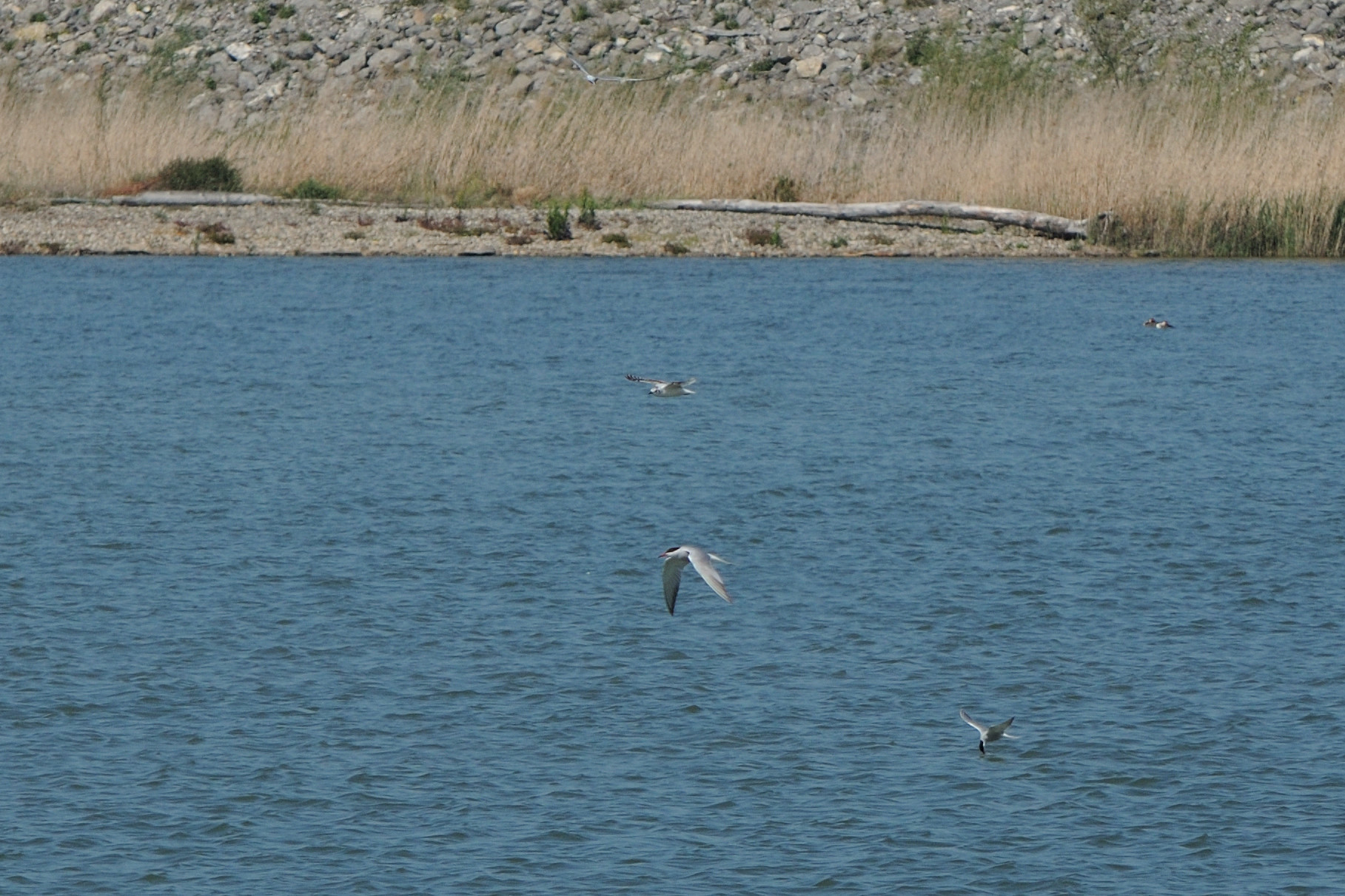
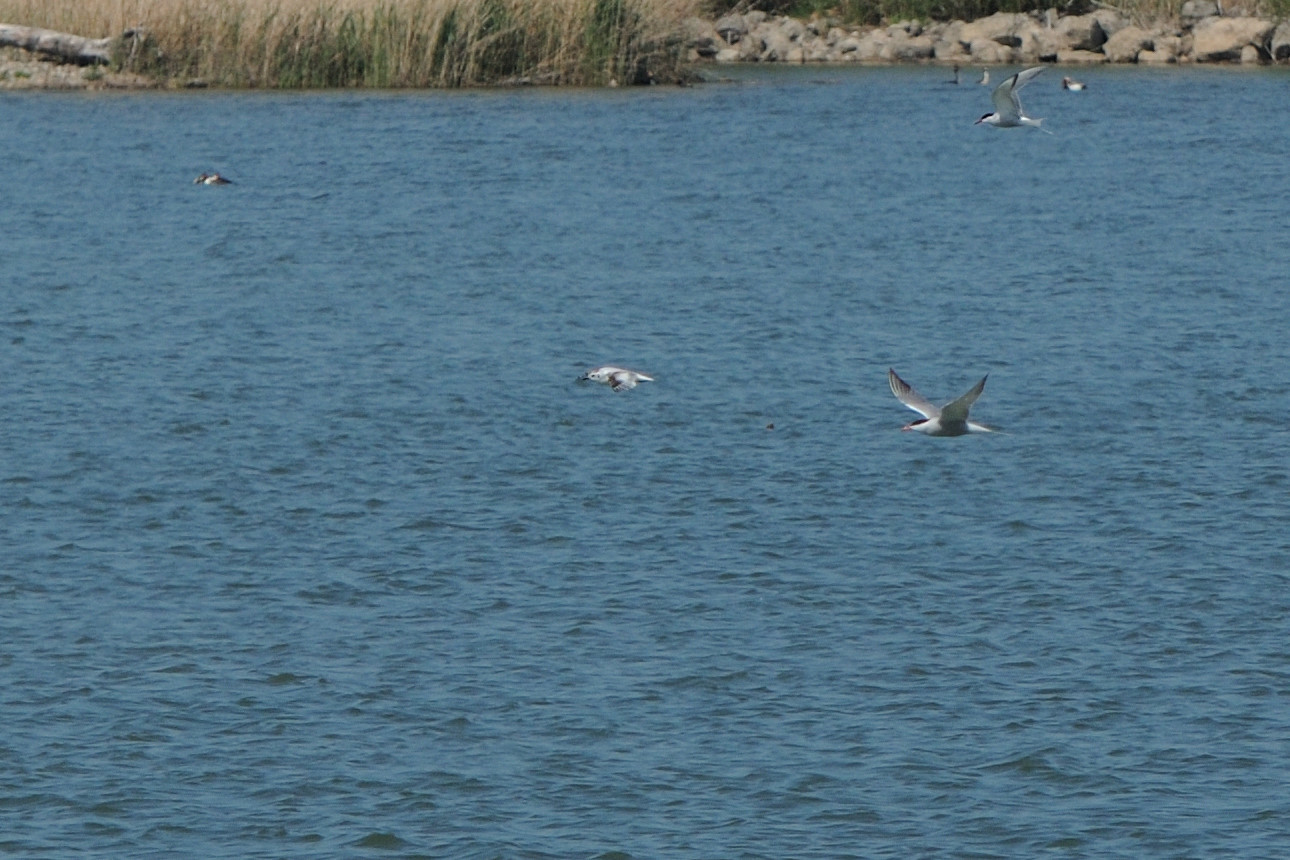
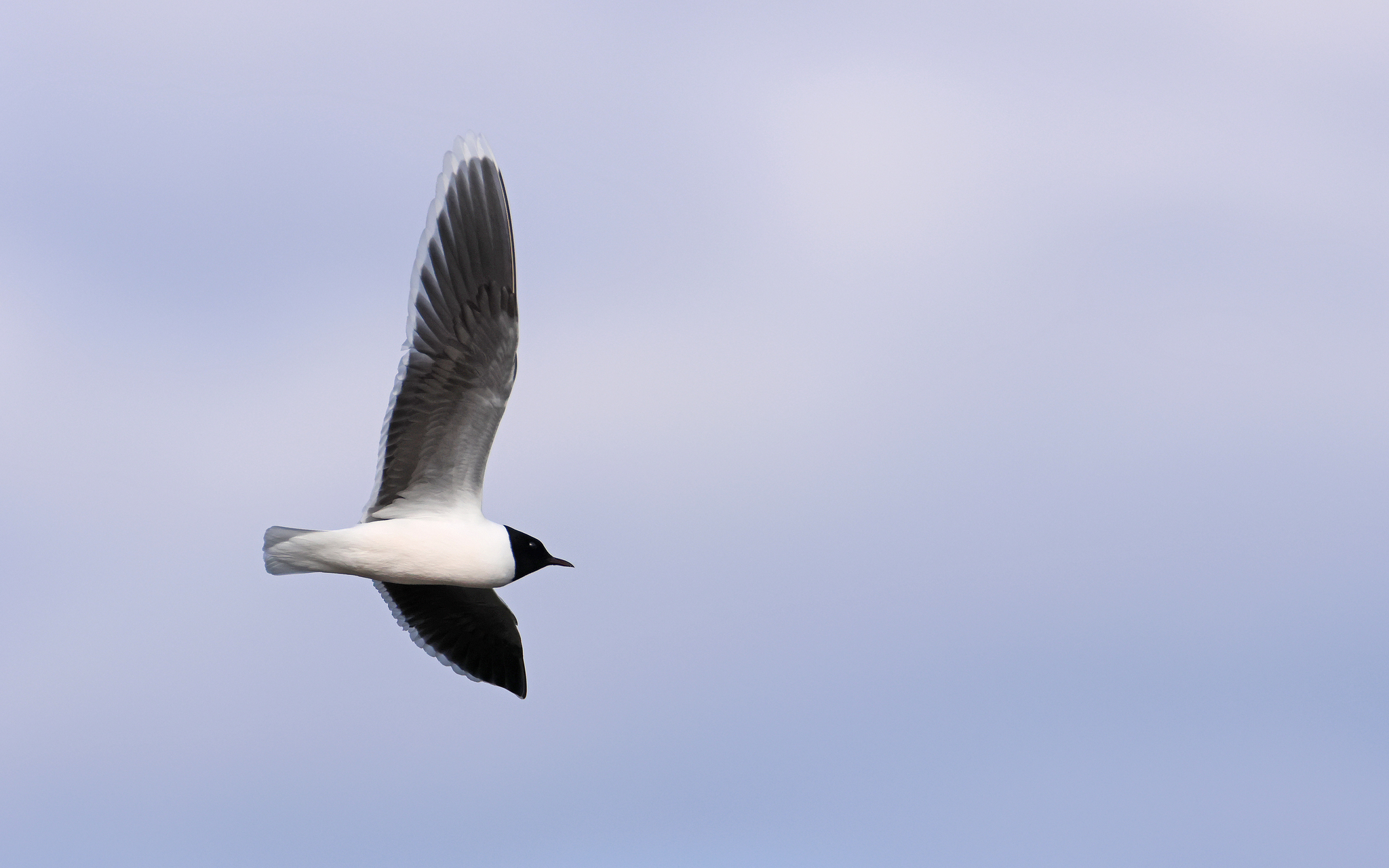
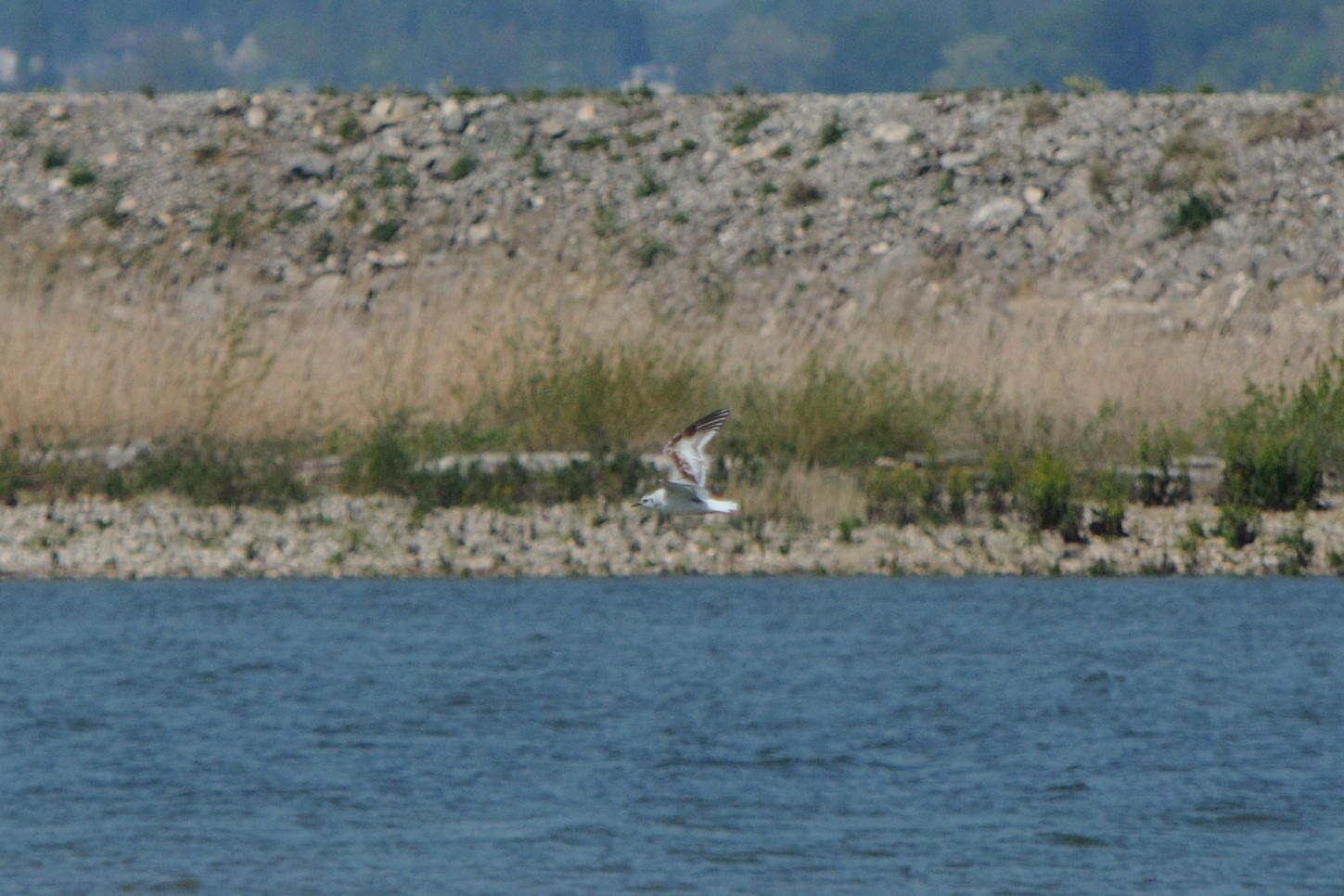
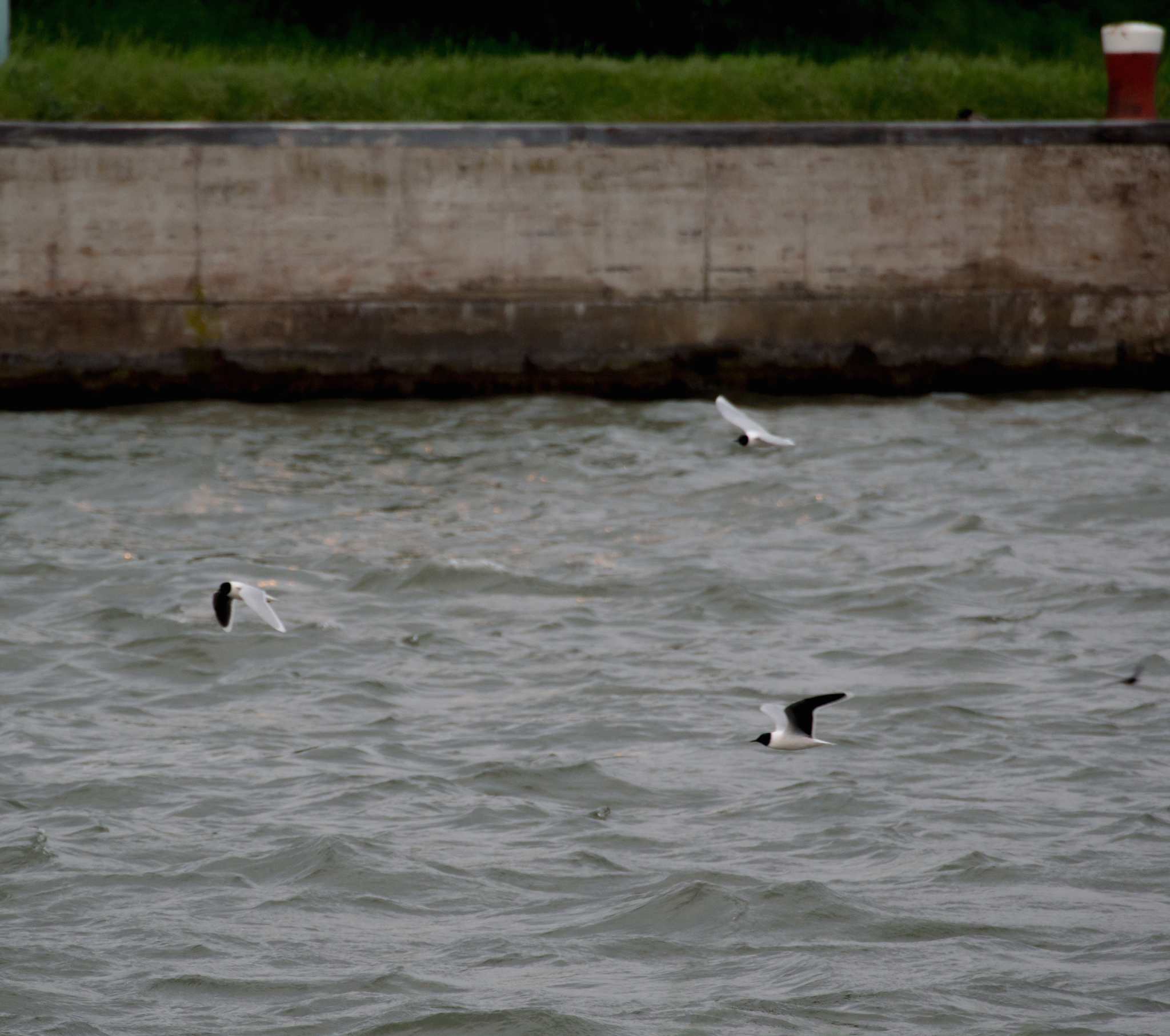
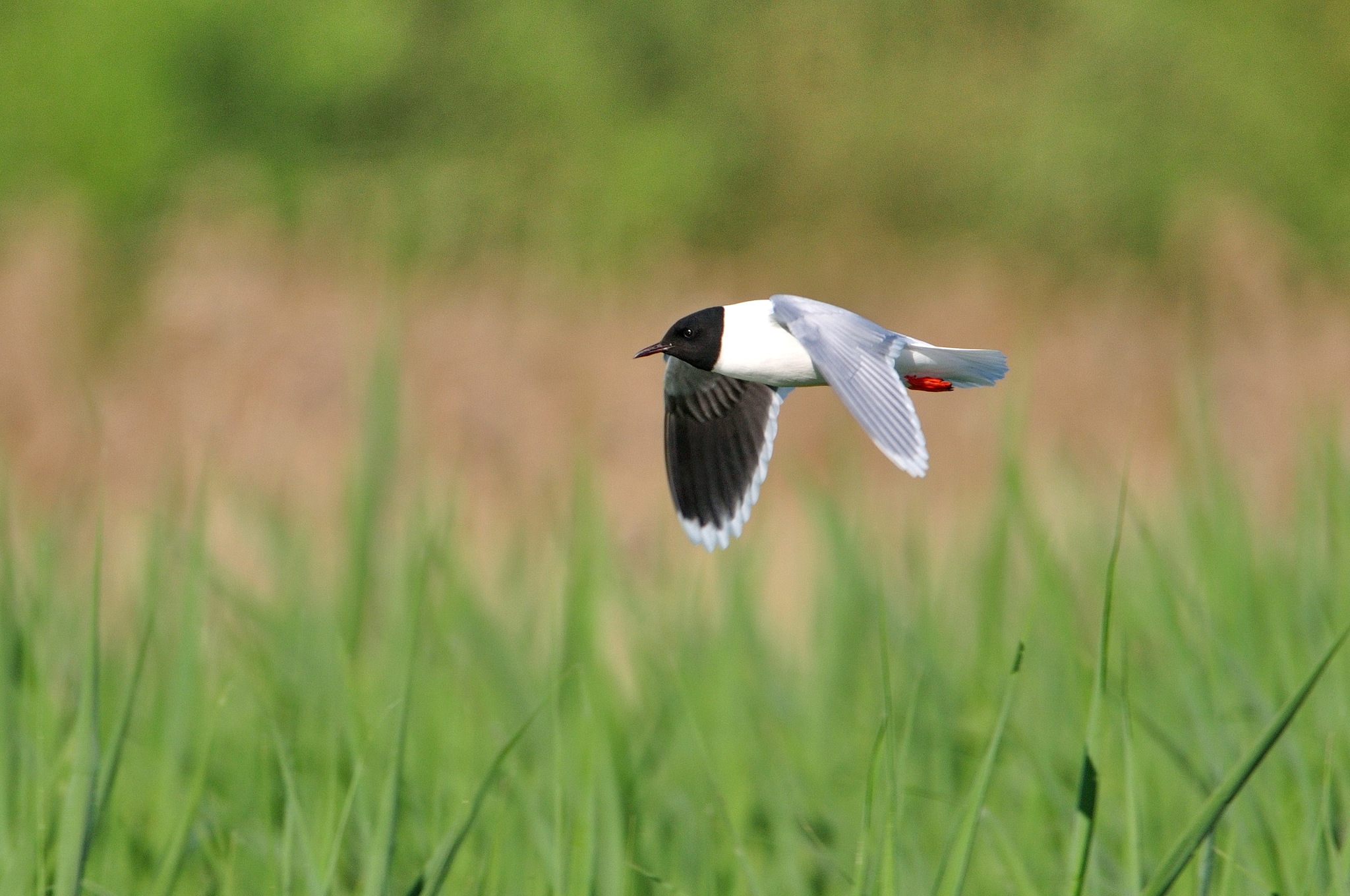
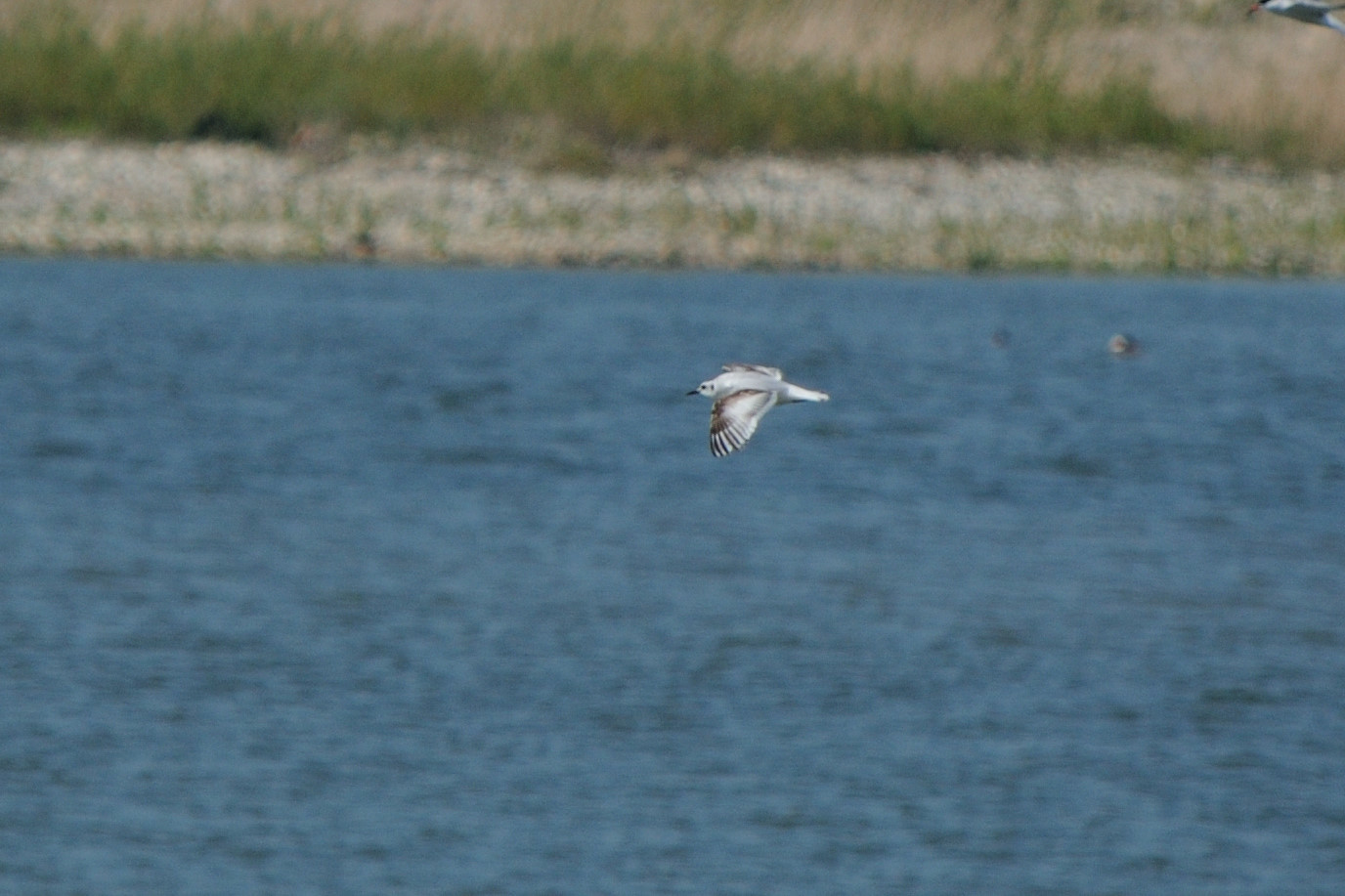
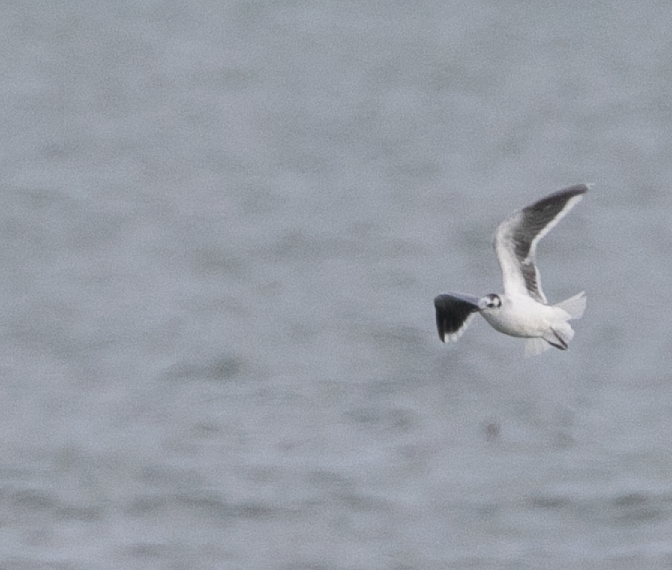
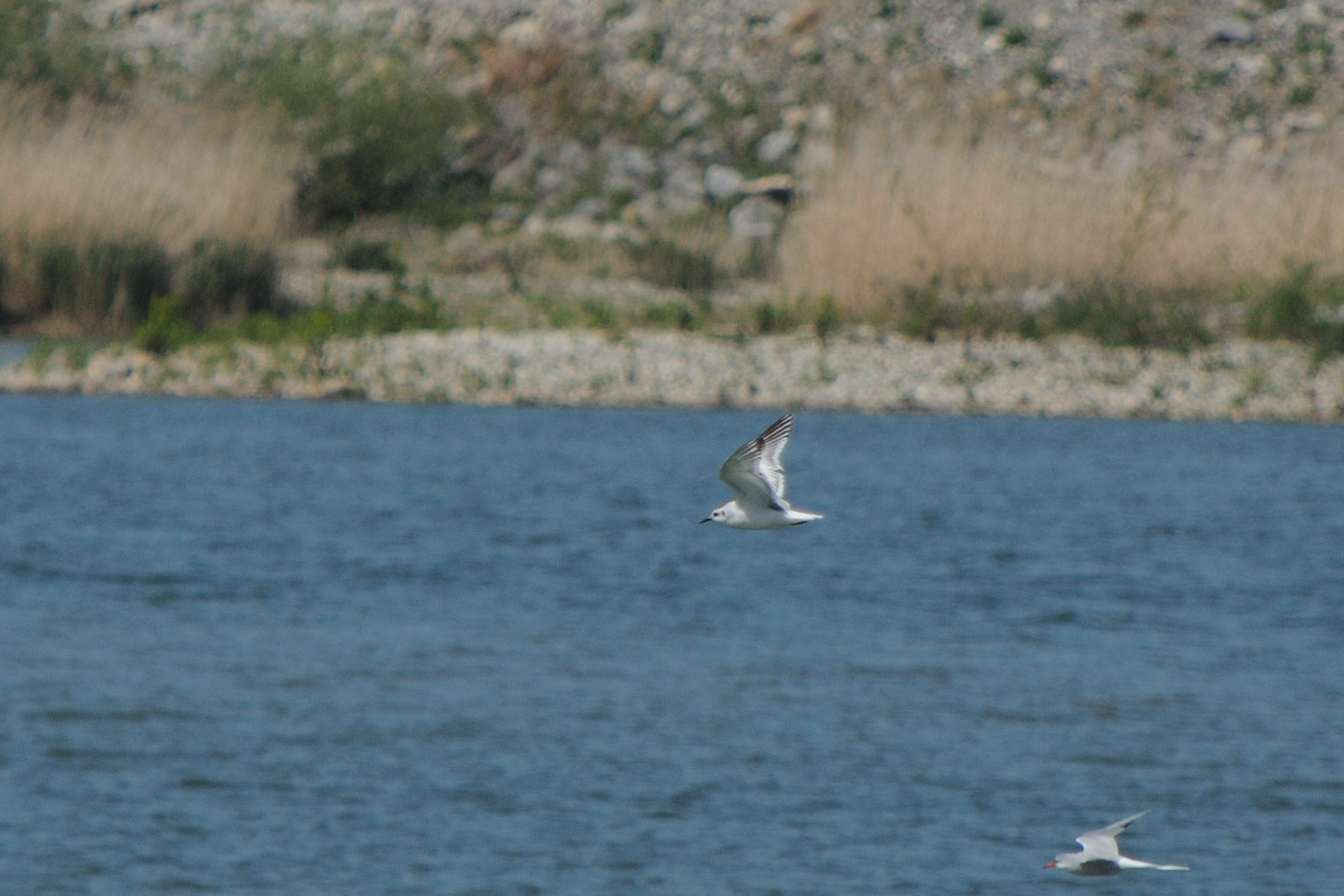
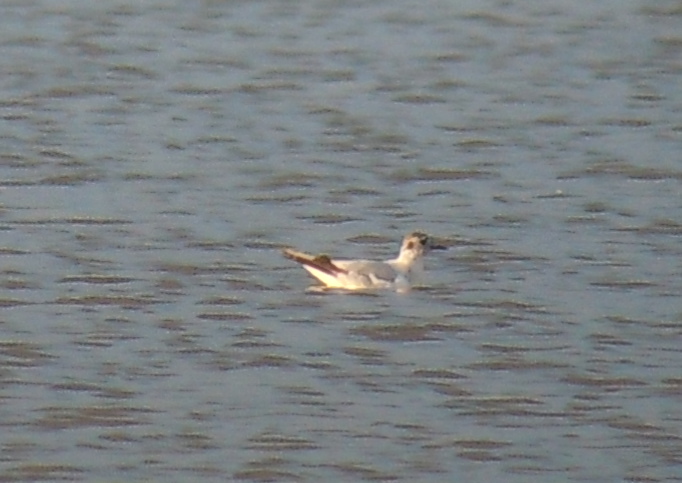
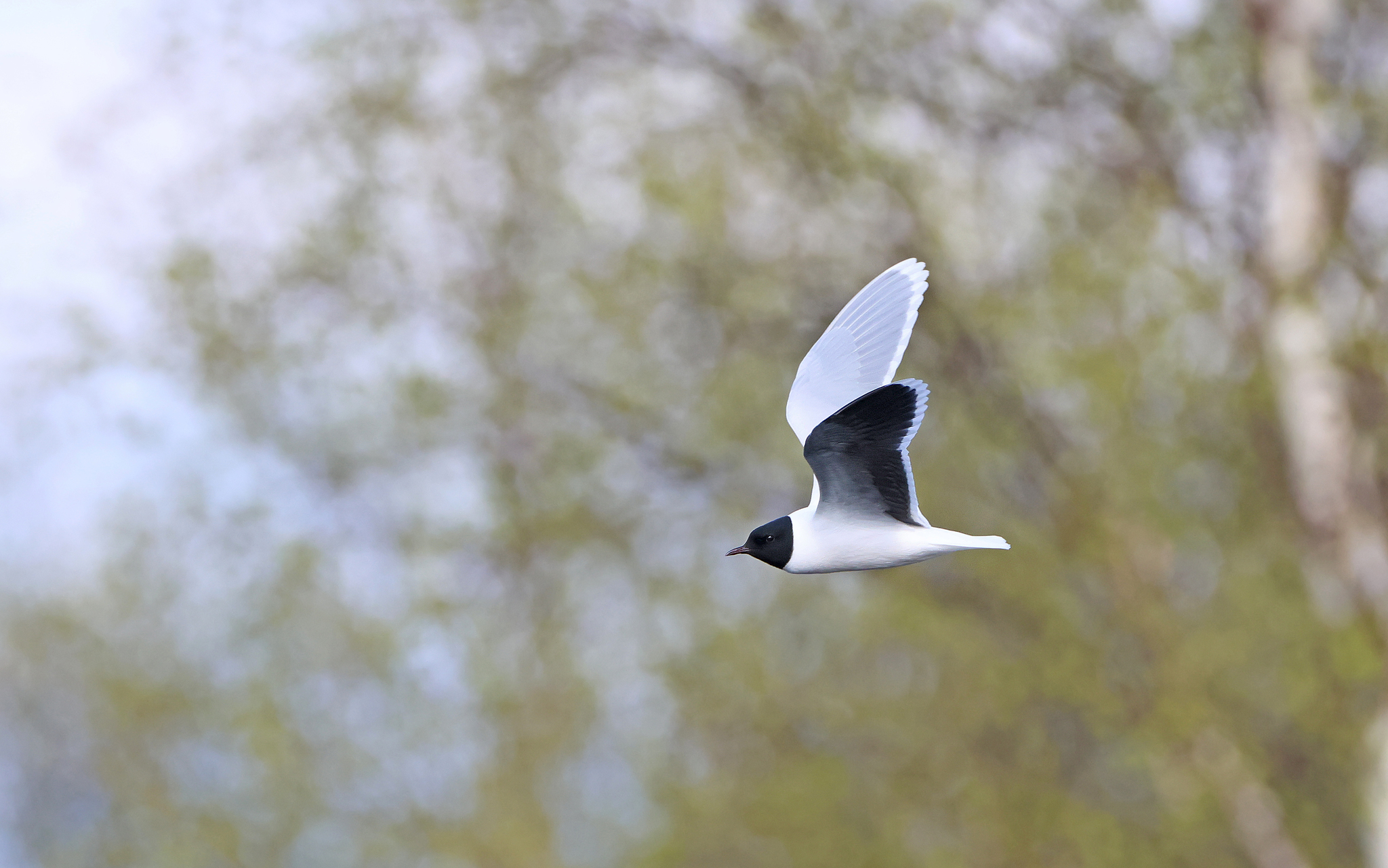
The world's smallest gull, measuring 24-28 cm in length with a wingspan of 62-69 cm. Breeding adults have a black hood, dark red bill, bright red legs, and may show a rosy flush on the underparts. Non-breeding adults have a black cap and ear spot, white underparts, black bill, and duller red legs. All plumages show pale grey upperparts, white primaries, and very dark grey underwings. Juveniles have extensive blackish coloring on the back and head with a distinctive dark 'W' pattern on the upperwings in flight and white underwings. First-winter birds resemble adults but retain the juvenile upperwing pattern. By the second year they closely resemble adults but show some black primary feathers.
Identification
This species' small size and dark underwings are key identification features. The combination of pale grey upperparts, white primaries contrasting with very dark grey underwings, and a black-hooded breeding plumage distinguishes it from other small gulls. Black-headed gulls are larger with different wing patterns. juveniles show a unique dark 'W' across the upperwings unlike other small gulls. The dark underwing is a reliable year-round field mark, visible even at distance.
Distribution & Habitat
Breeds across the Palearctic from northern Scandinavia and the eastern Baltic east to eastern Siberia, with isolated populations around the Great Lakes in North America. Migratory, wintering along European coasts from the Baltic south to the Mediterranean, Black, and Caspian Seas, with small numbers on the Atlantic coast of North America south to the Carolinas. Uncommon in the western Pacific. Breeding habitat consists of shallow freshwater bodies with emergent or floating-leaf vegetation including lakes, marshes, bogs, and slow-moving rivers; occasionally uses coastal lagoons. Winters on sandy and muddy coastlines, at river mouths, and at sea.
Behavior & Ecology
Arrives at breeding areas from late April to late May, laying eggs from mid-June onward. Nests in mixed colonies with other gull and tern species, with pairs spaced 1-1.5 m apart on the ground or floating vegetation. Highly social outside the breeding season, forming large flocks that may number thousands in sheltered waters. Diet is primarily insects during the breeding season, shifting to small fish and marine invertebrates in winter. Departure from breeding areas begins by mid-July.
Conservation
IUCN Red List status is Least Concern. The species has a very large range with an estimated population exceeding 200,000 breeding pairs. No significant population declines have been reported. The species has expanded its range westward in recent decades, with increasing summering numbers in western Europe and successful breeding recorded in Great Britain in 2016.
Source: Wikipedia · CC BY-SA 3.0
Taxonomy
- Order
- Charadriiformes
- Family
- Laridae
- Genus
- Hydrocoloeus
- eBird Code
- litgul
Distribution
breeds Baltic region eastward to Sea of Okhotsk and southward to northern Kazakhstan and northeastern China, also rarely Great Lakes, Hudson and James bays (east-central Canada); winters North Atlantic coasts and North, Mediterranean, Baltic, Black, and Caspian seas
Vocalizations
Data Sources
Species description from Wikipedia, licensed under CC BY-SA 3.0.
Bird images and sounds sourced from GBIF, contributed by citizen scientists worldwide under Creative Commons licenses.
Taxonomy data from AviList 2025.