Swinhoe's Storm Petrel
Hydrobates monorhis
黑叉尾海燕
Introduction
A small seabird of the storm petrel family Hydrobatidae. It breeds on islands in the northwest Pacific off the Russian Far East, China, Japan, and Korea, nesting in colonies close to the sea in rock crevices and laying a single white egg. The species spends the rest of the year at sea, ranging into the Indian Ocean and Arabian Sea. It is strictly nocturnal at breeding sites to avoid predation by gulls and skuas, and will even avoid coming to land on clear moonlit nights. The world population is estimated at a minimum of 130,000 pairs. Formerly placed in the genus Oceanodroma, it was uplisted to near threatened on the IUCN Red List in 2012 due to expected population declines from introduced species.
Description
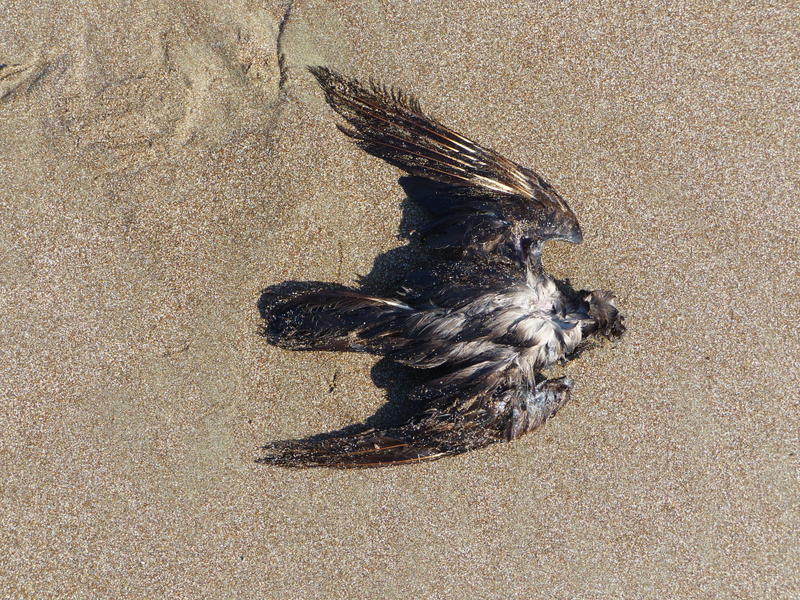
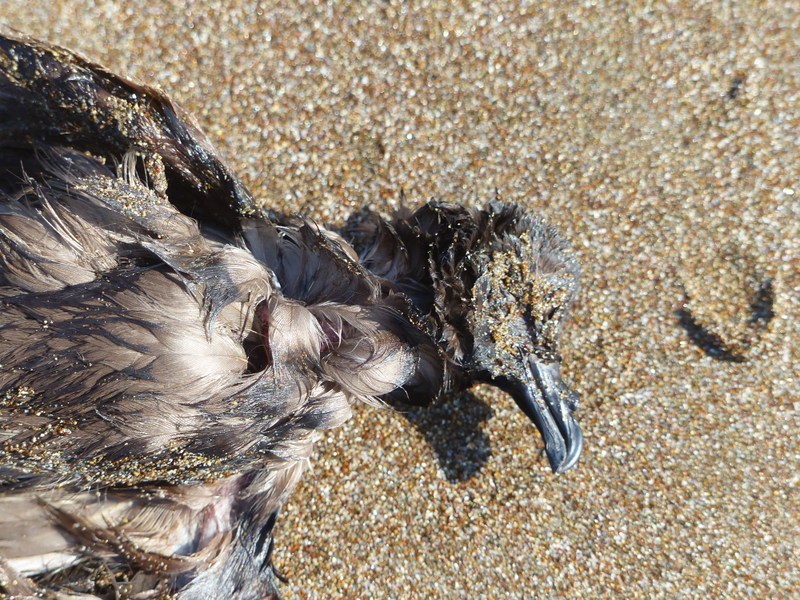
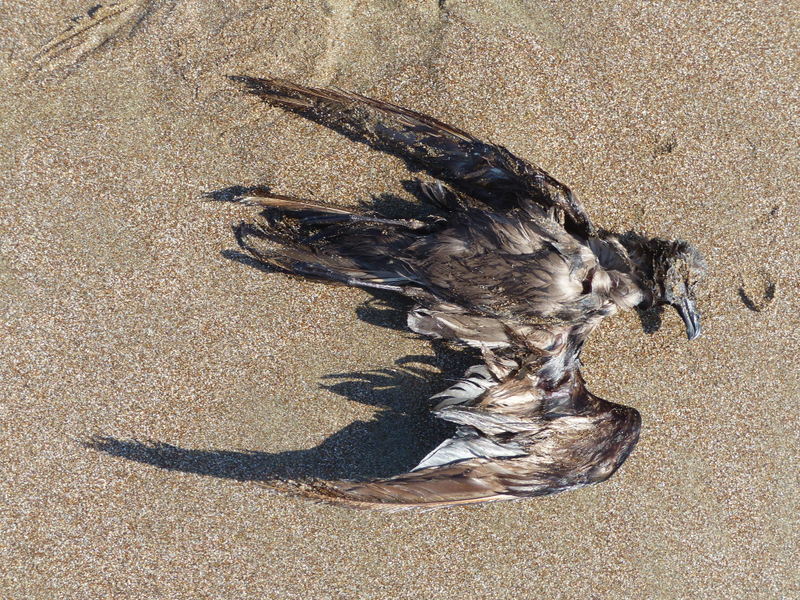
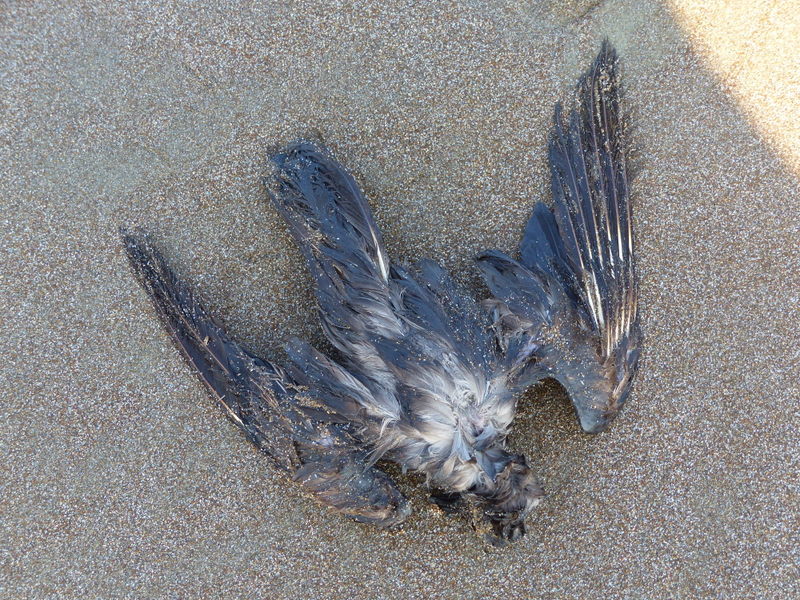
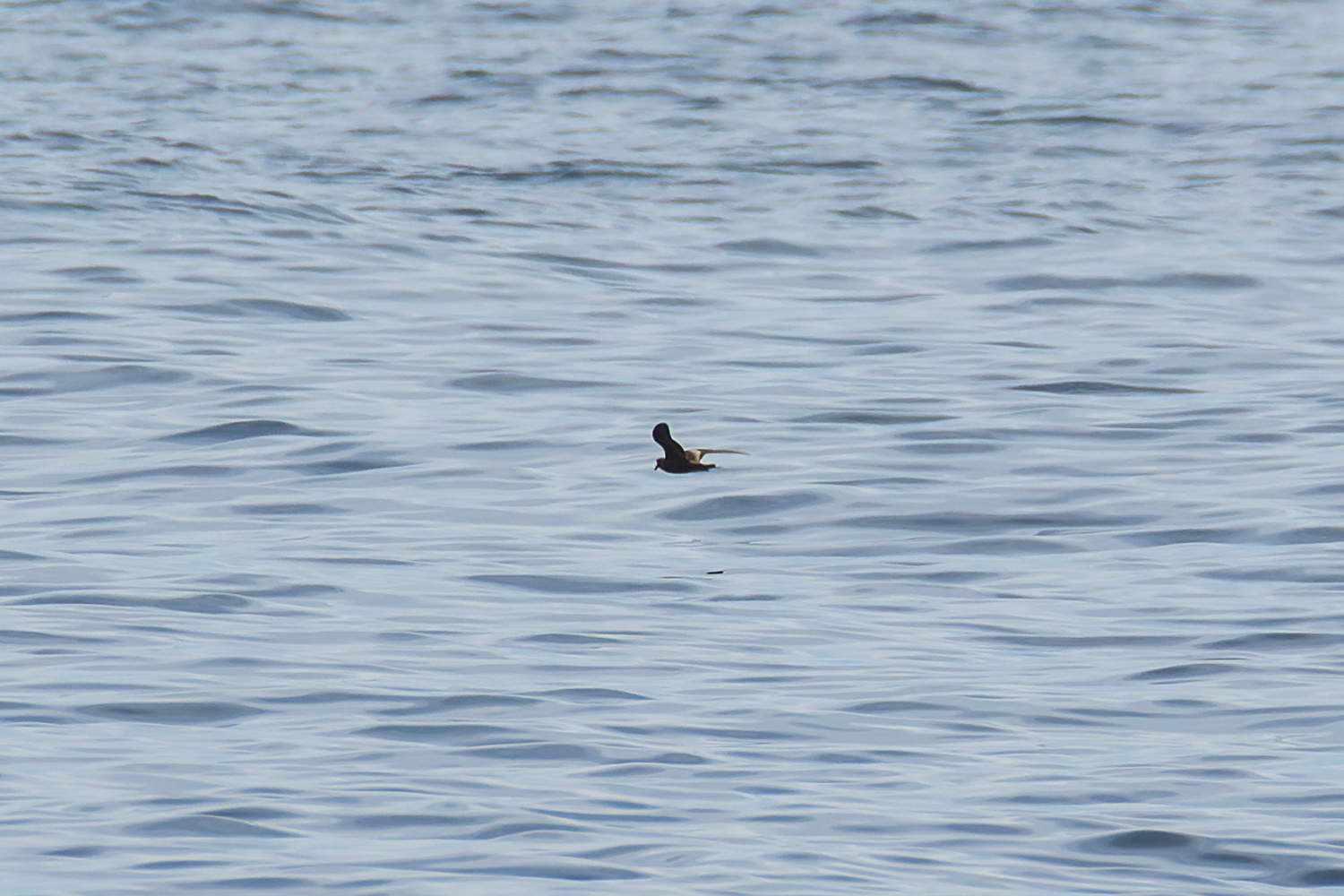
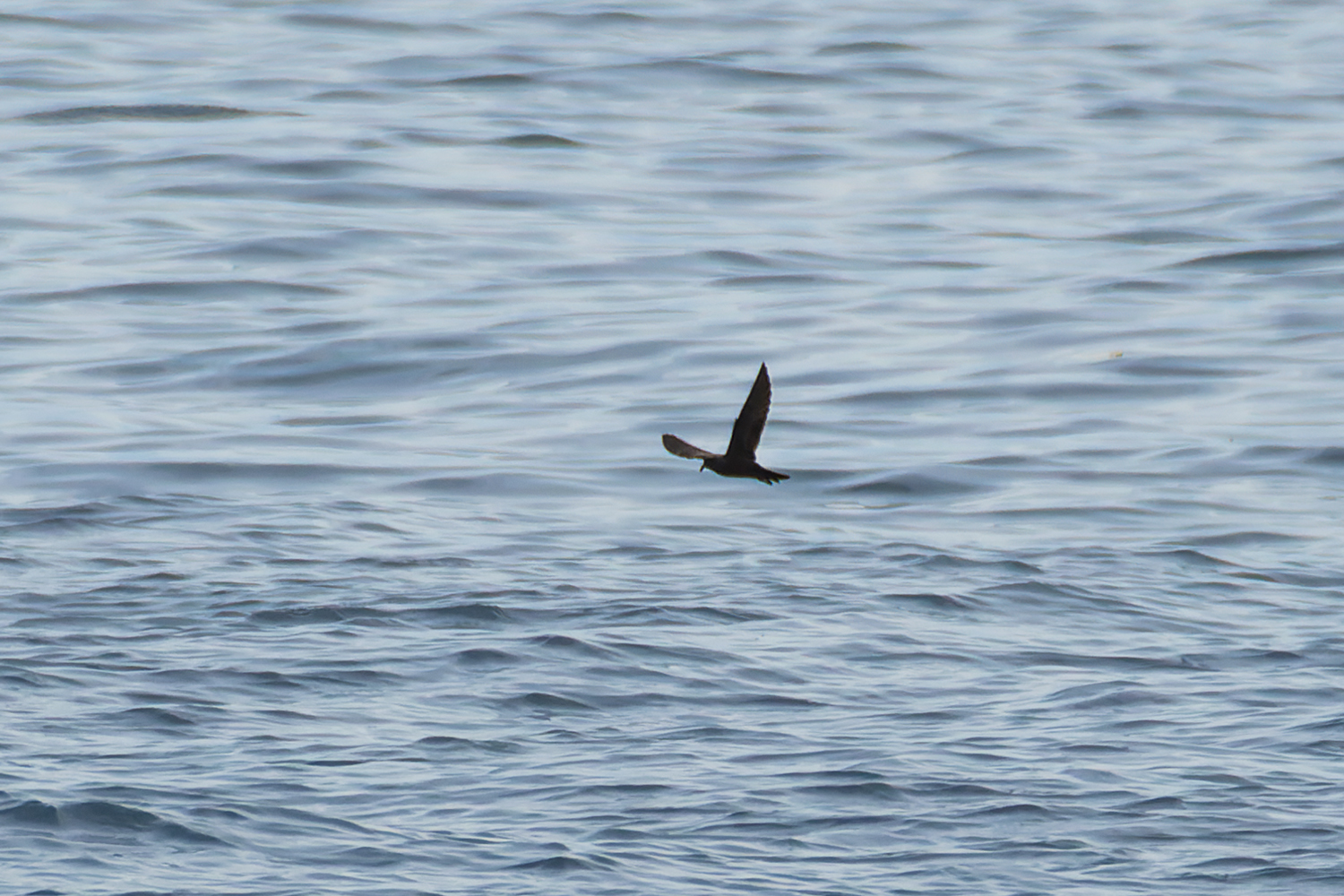
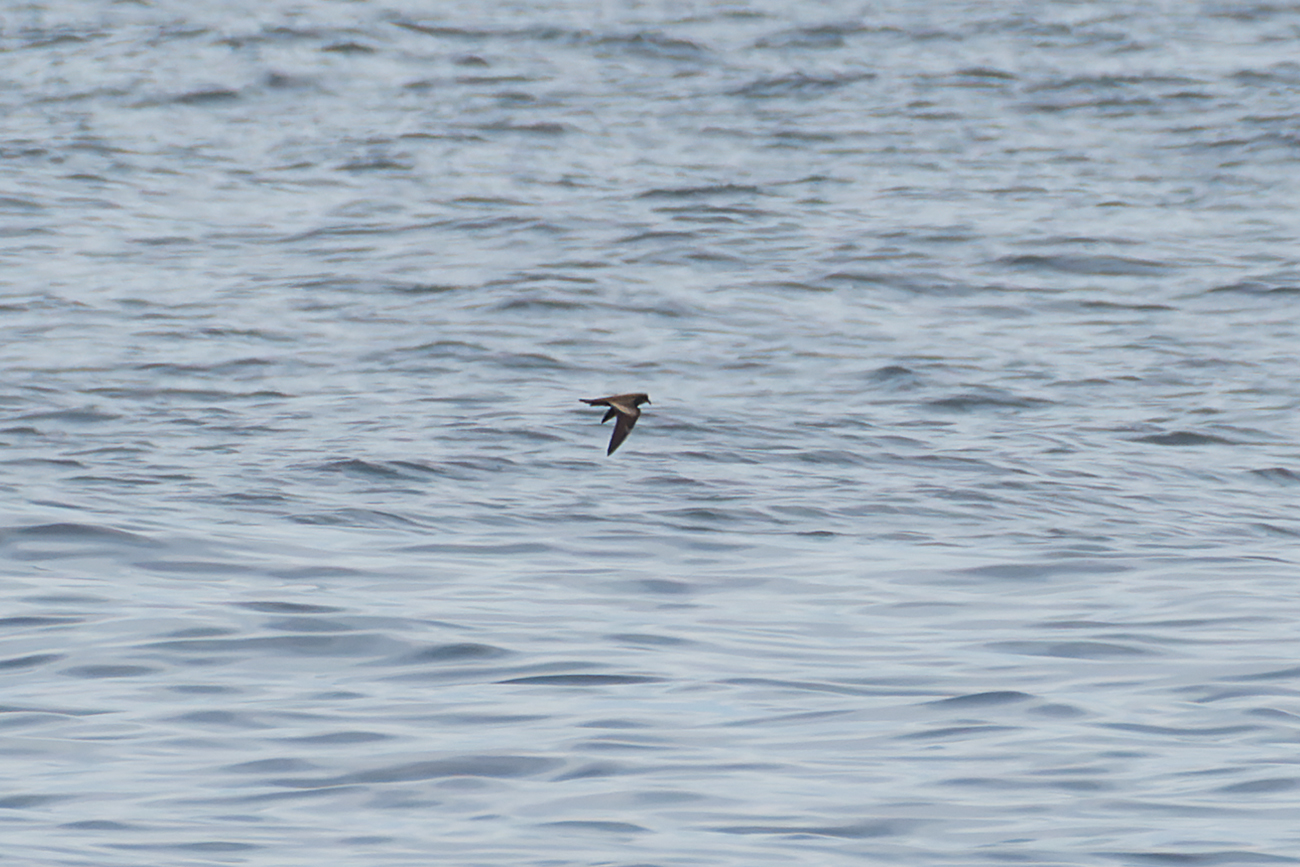
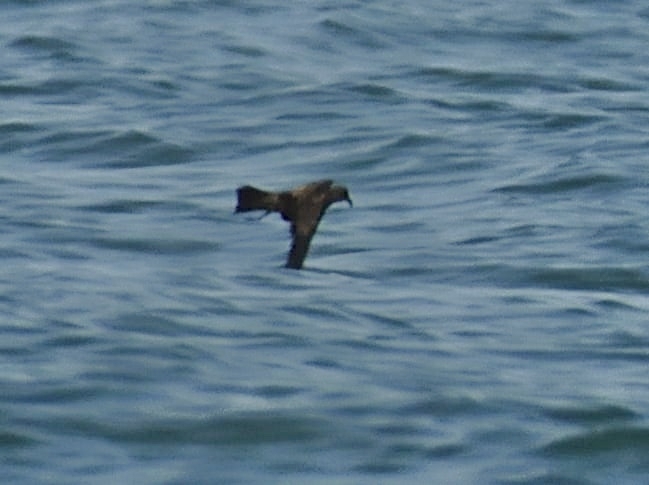
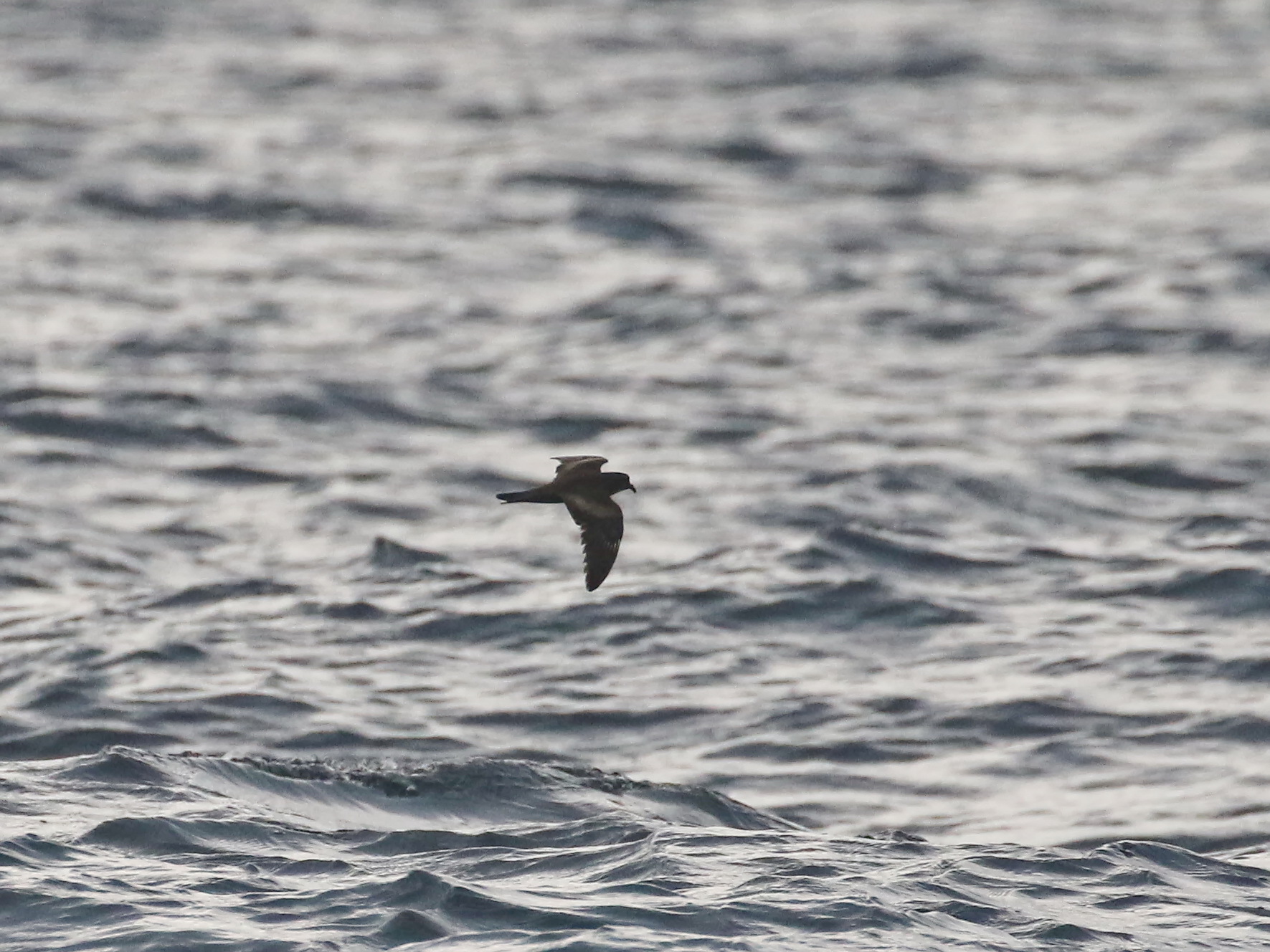
A small bird 18–21 cm in length with a 45–48 cm wingspan. It is essentially dark brown in all plumages, distinctly larger than the European storm petrel. It has a forked tail and longish wings, resembling a Leach's storm petrel in structure. The flight is fluttering, with the bird pattering on the water surface as it picks planktonic food items from the ocean surface.
Identification
Difficult to distinguish from other all-dark Hydrobates species. It resembles Leach's storm petrel in structure with its forked tail, longish wings, and flight behaviour, but lacks a white rump and has a different call. It does not follow ships, unlike the European storm petrel. The first English record required DNA testing to eliminate the possibility of a Leach's storm petrel, as populations of north-eastern Pacific Leach's petrels contain individuals with completely dark rumps.
Distribution & Habitat
Breeds on islands off the Russian Far East, China, Japan, and Korea. Major breeding colonies include Verkhovsky Island (7,500 pairs) and Japan (minimum 1,000 pairs). Six or seven breeding islets exist in South Korea, with possibly over 75% of the global population nesting on Gugeul Islet. Little-known populations exist in China, Taiwan, North Korea, and South Korea. In winter, it migrates south and west to the northern Indian Ocean. Breeding may also occur in the North Atlantic.
Behavior & Ecology
Strictly nocturnal at breeding sites to avoid predation by gulls and skuas, even avoiding land on clear moonlit nights. Walking ability is limited to a short shuffle to the burrow. Strictly pelagic outside the breeding season, making it difficult to observe from land. Feeds mainly on the wing by dipping, picking planktonic food items from the ocean surface. It does not patter on the water while feeding.
Conservation
Assessed as near threatened on the IUCN Red List since 2012, having been previously classified as least concern. The population is expected to undergo a moderately rapid decline over the next three generations, primarily due to the impact of introduced species. Anecdotal evidence suggests some colonies are in decline. The world population is estimated at a minimum of 130,000 pairs.
Culture
Named after British naturalist Robert Swinhoe, who first described the species in 1867. The scientific name Hydrobates is derived from Ancient Greek, meaning 'water walker', while monorhis comes from 'single nostril'.
Source: Wikipedia · CC BY-SA 3.0
Taxonomy
- Order
- Procellariiformes
- Family
- Hydrobatidae
- Genus
- Hydrobates
- eBird Code
- swspet
Distribution
breeds mainly islands off Japan, also islets off southeastern Russia, Korean Peninsula, eastern China, and Taiwan; ranges through eastern Indonesian Archipelago to southern India and Sri Lanka, Arabian Sea, and off northeastern African coast; recent records from Atlantic Ocean and Mediterranean
Data Sources
Species description from Wikipedia, licensed under CC BY-SA 3.0.
Bird images and sounds sourced from GBIF, contributed by citizen scientists worldwide under Creative Commons licenses.
Taxonomy data from AviList 2025.