Wire-tailed Swallow
Hirundo smithii
线尾燕
Introduction
A small passerine bird in the swallow family (Hirundinidae) with two subspecies: H. s. smithii throughout Africa and H. s. filifera in southern and southeastern Asia. Mainly resident, but populations in Pakistan and northern India migrate further south in winter. Inhabits open country near water and human habitation. Distinguished by extremely long, filamentous outermost tail feathers that trail like wires, and associates more closely with water than most swallow species.
Description
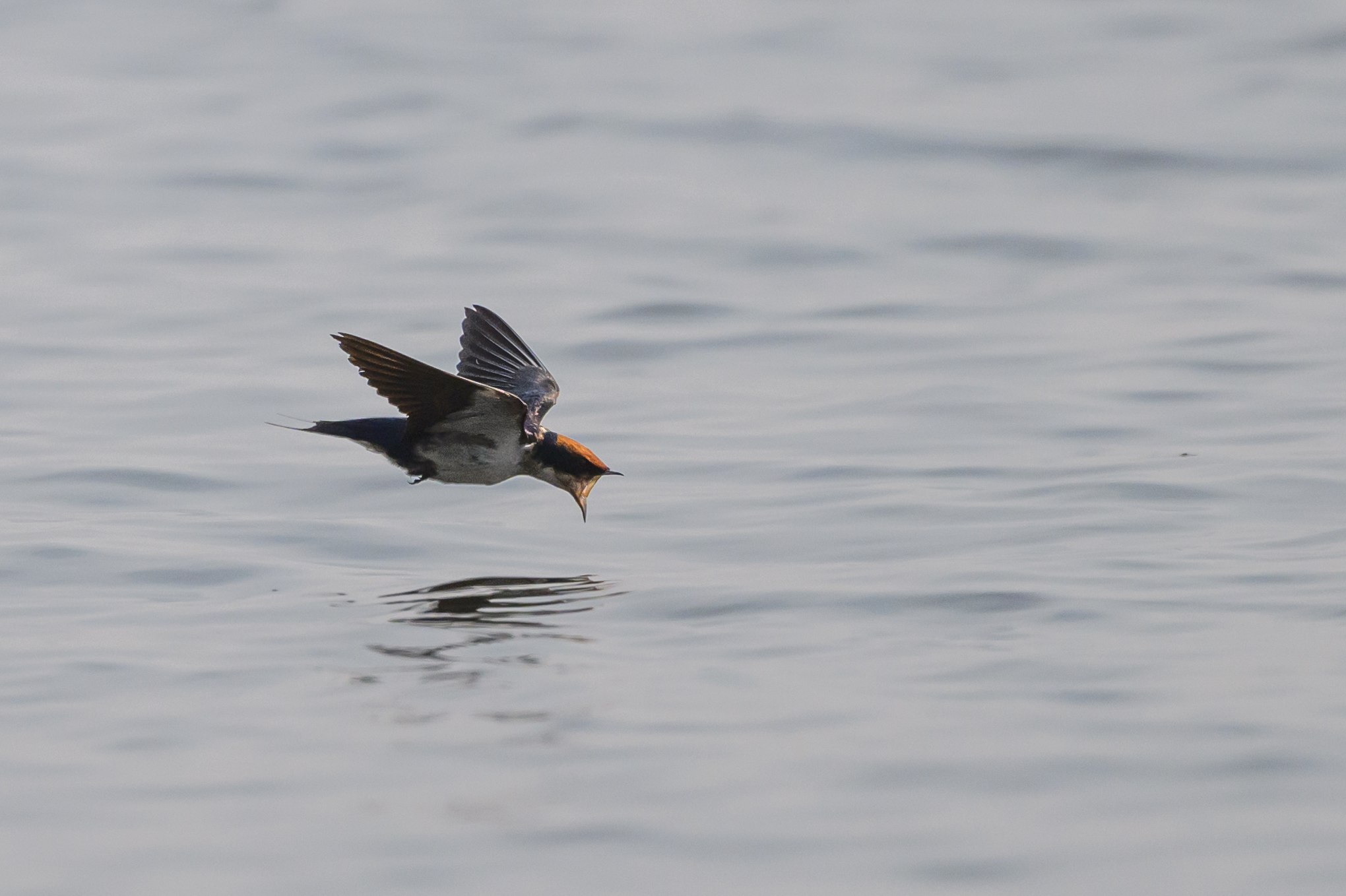
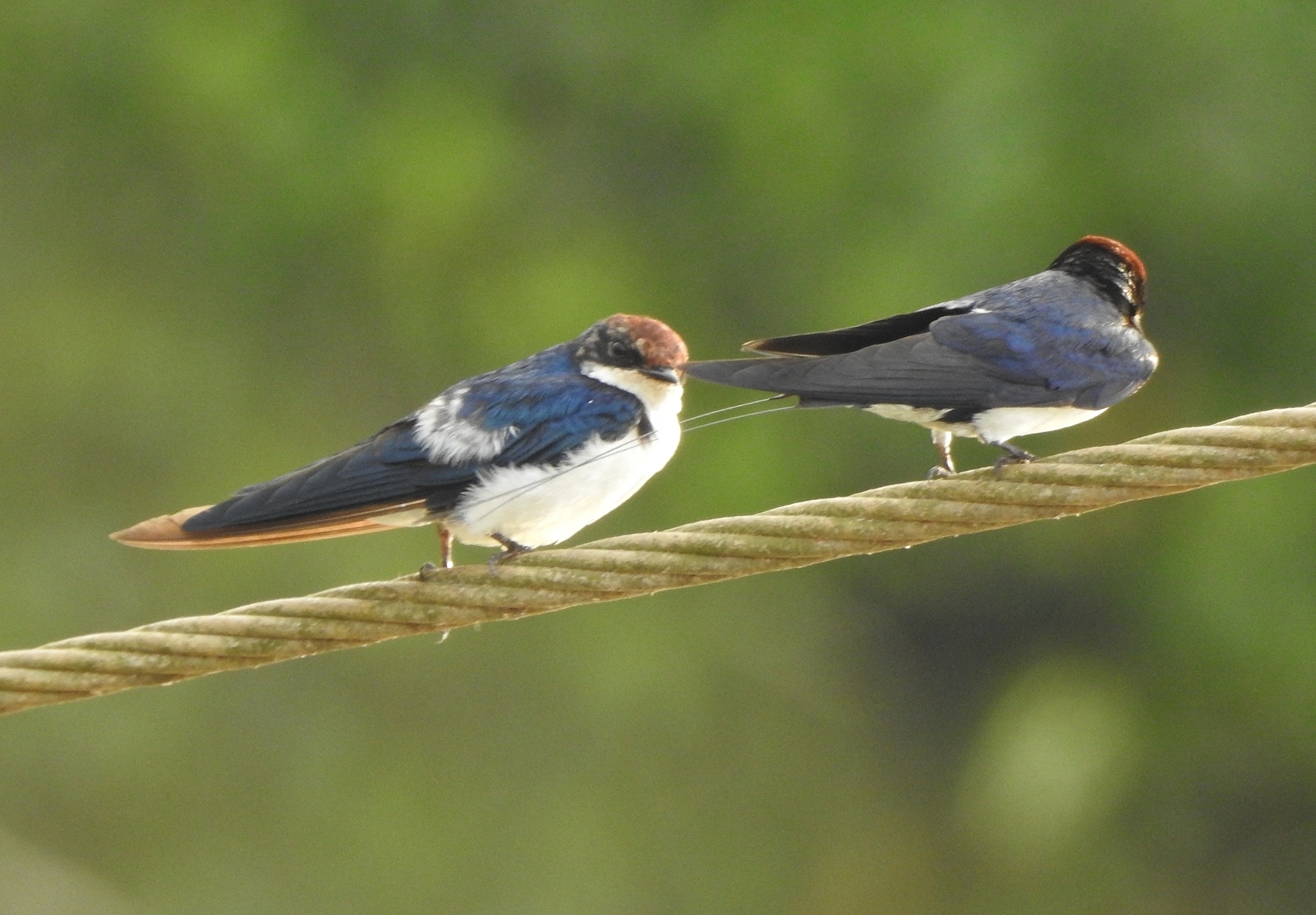
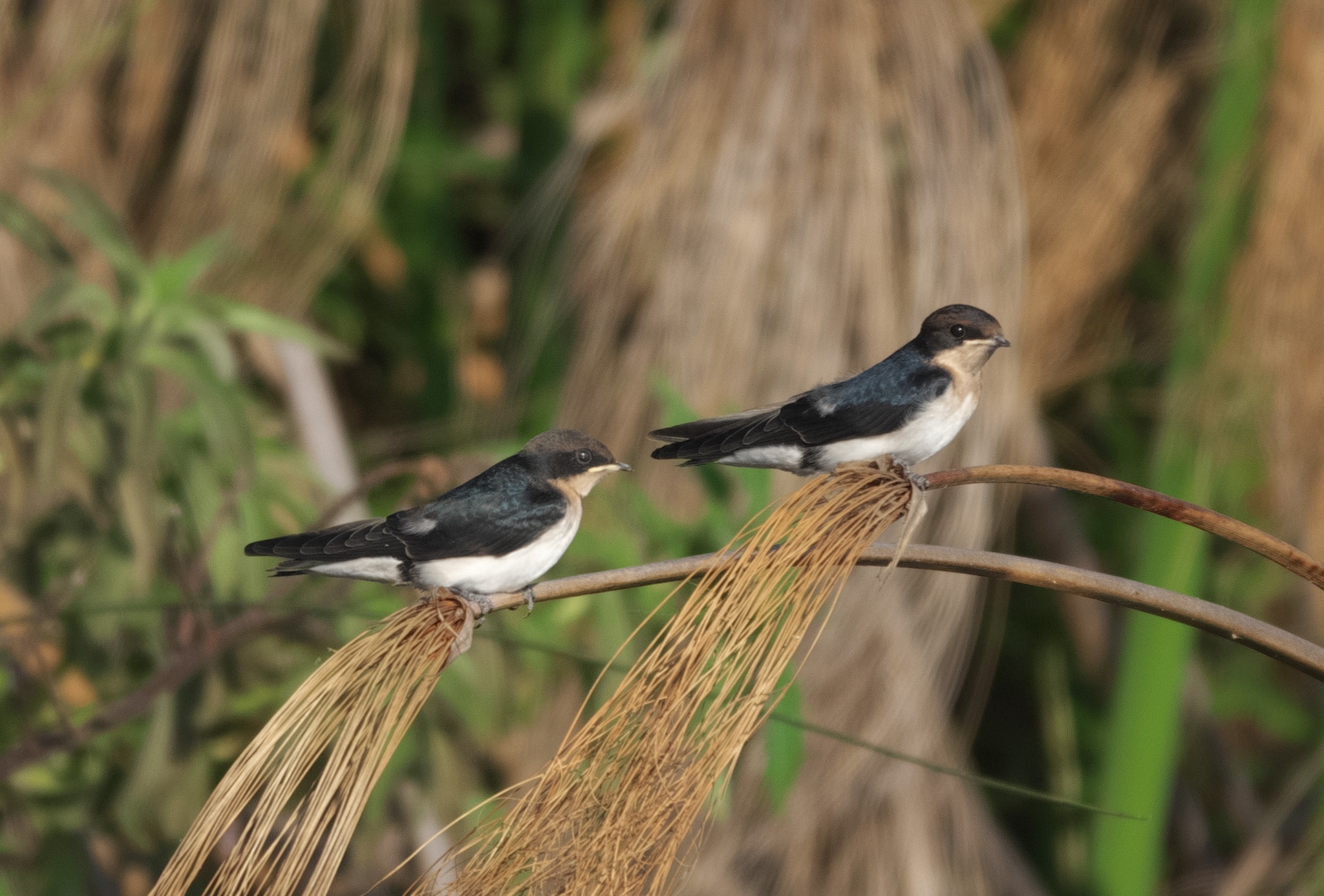
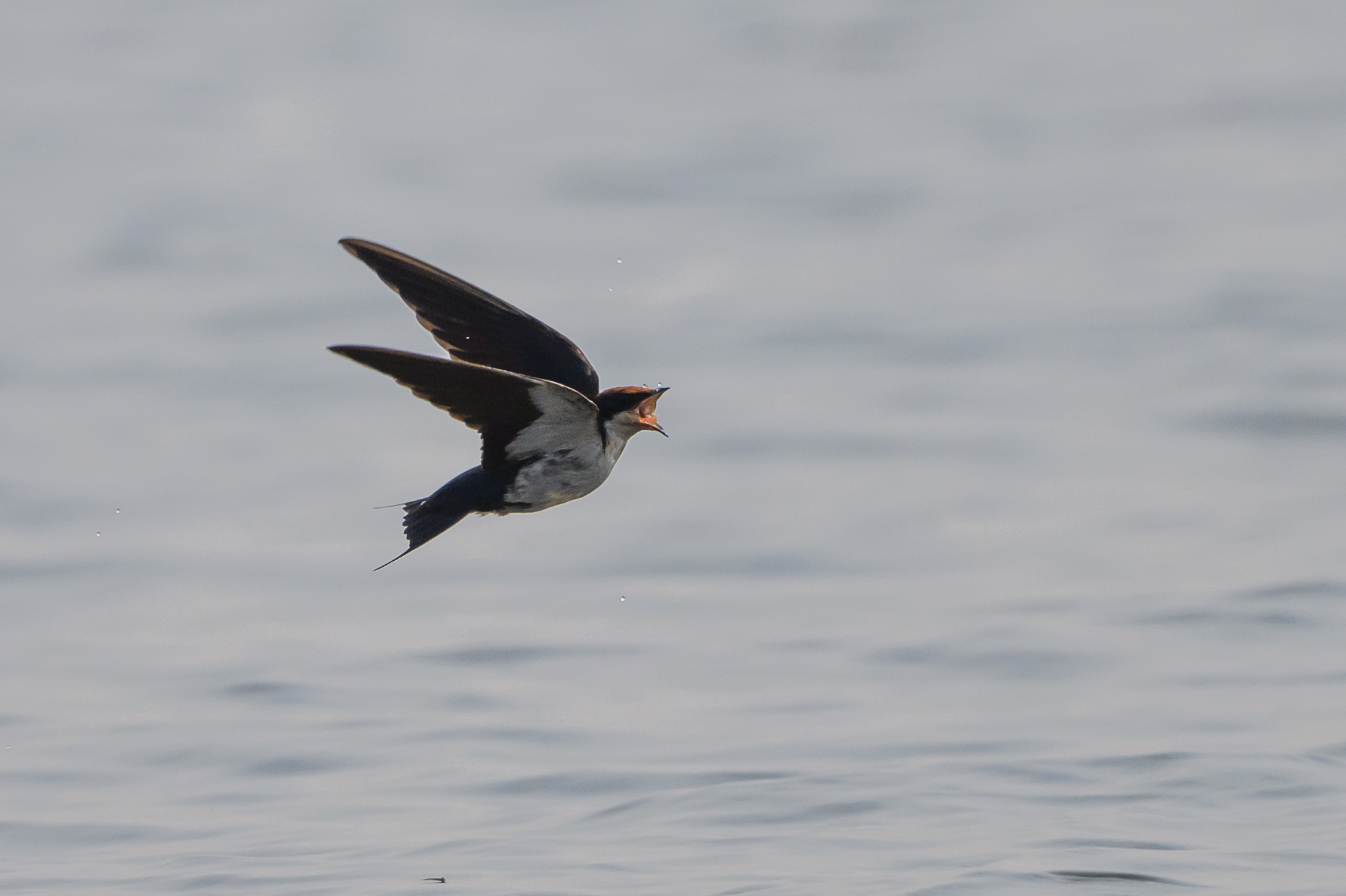
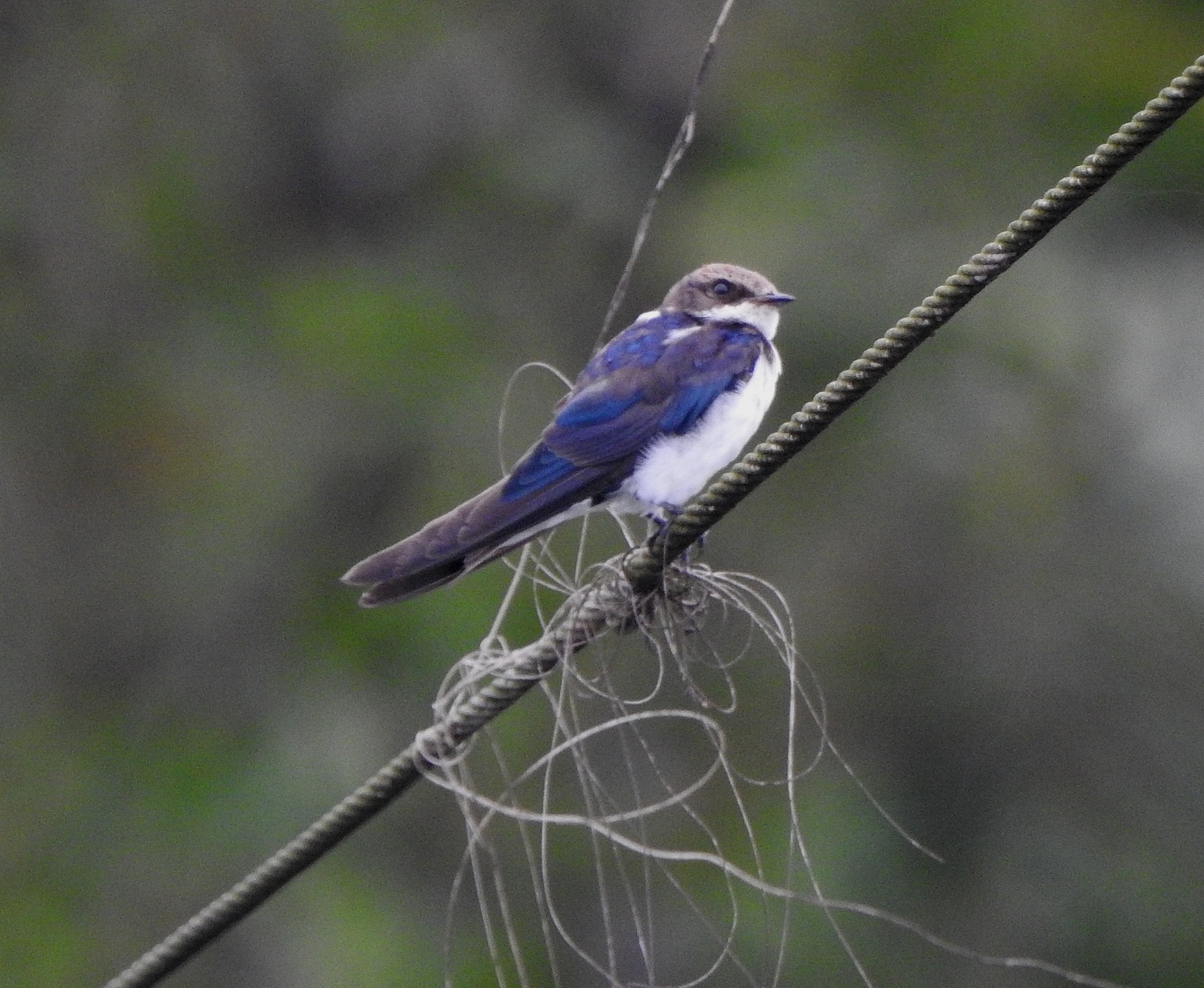
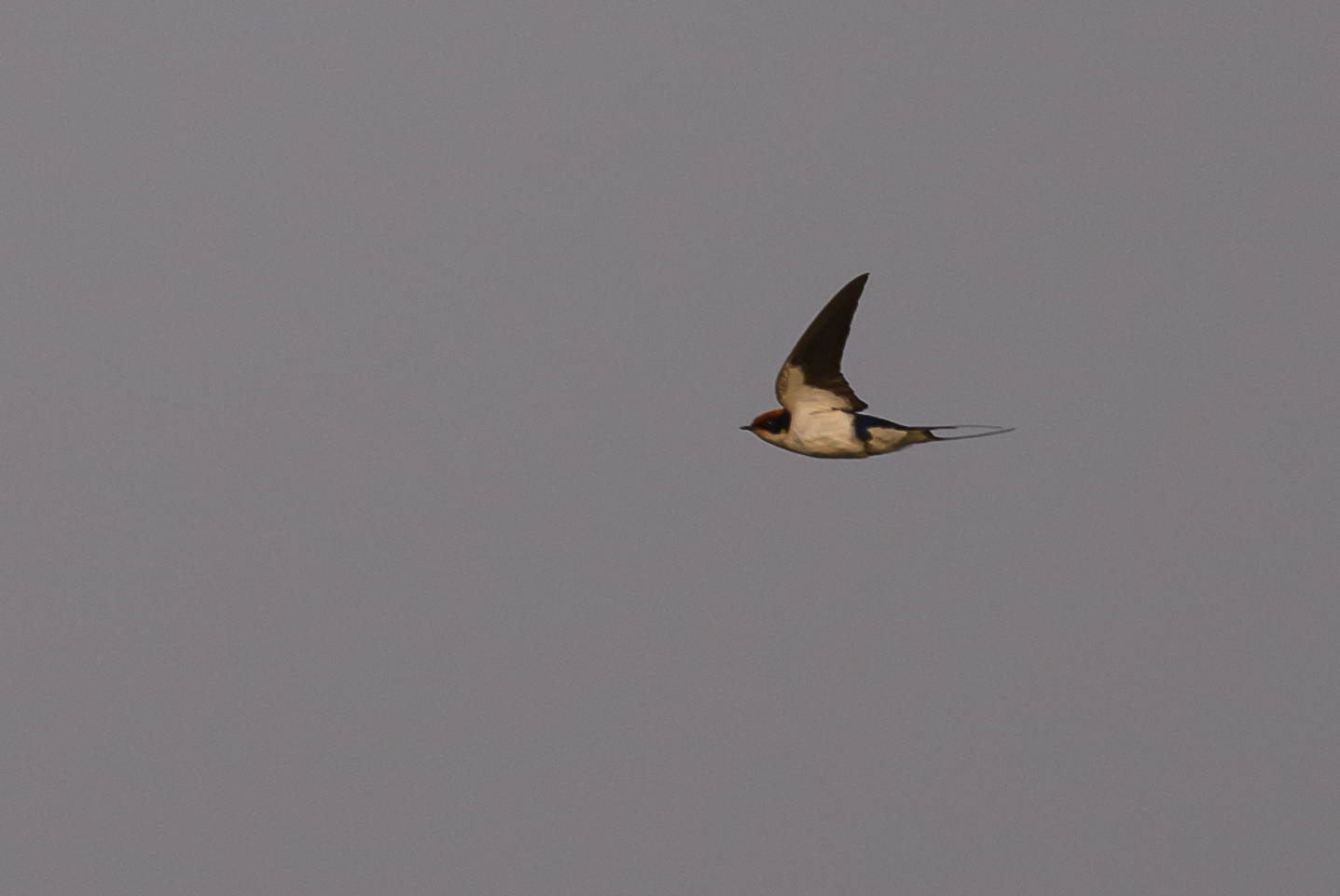
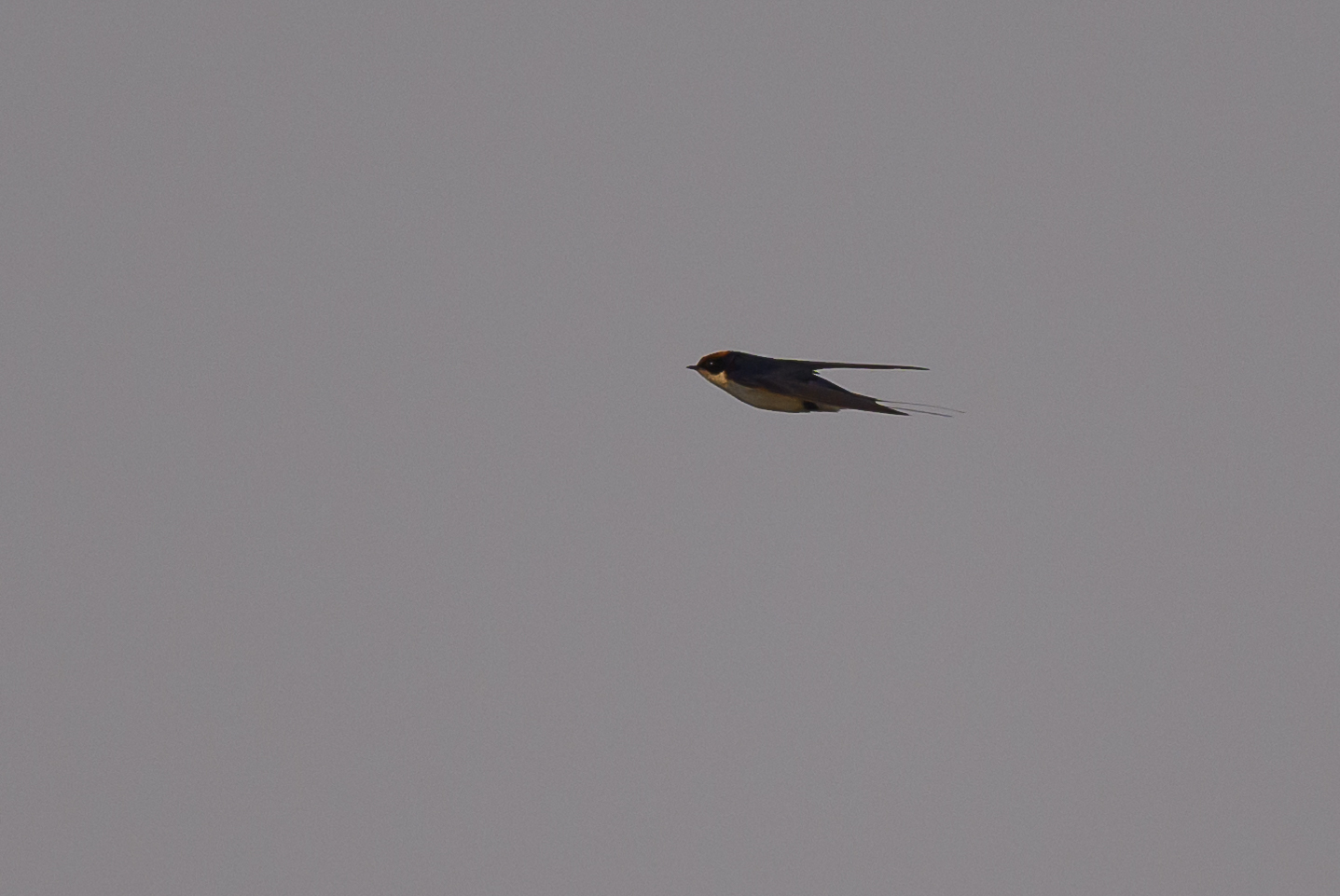
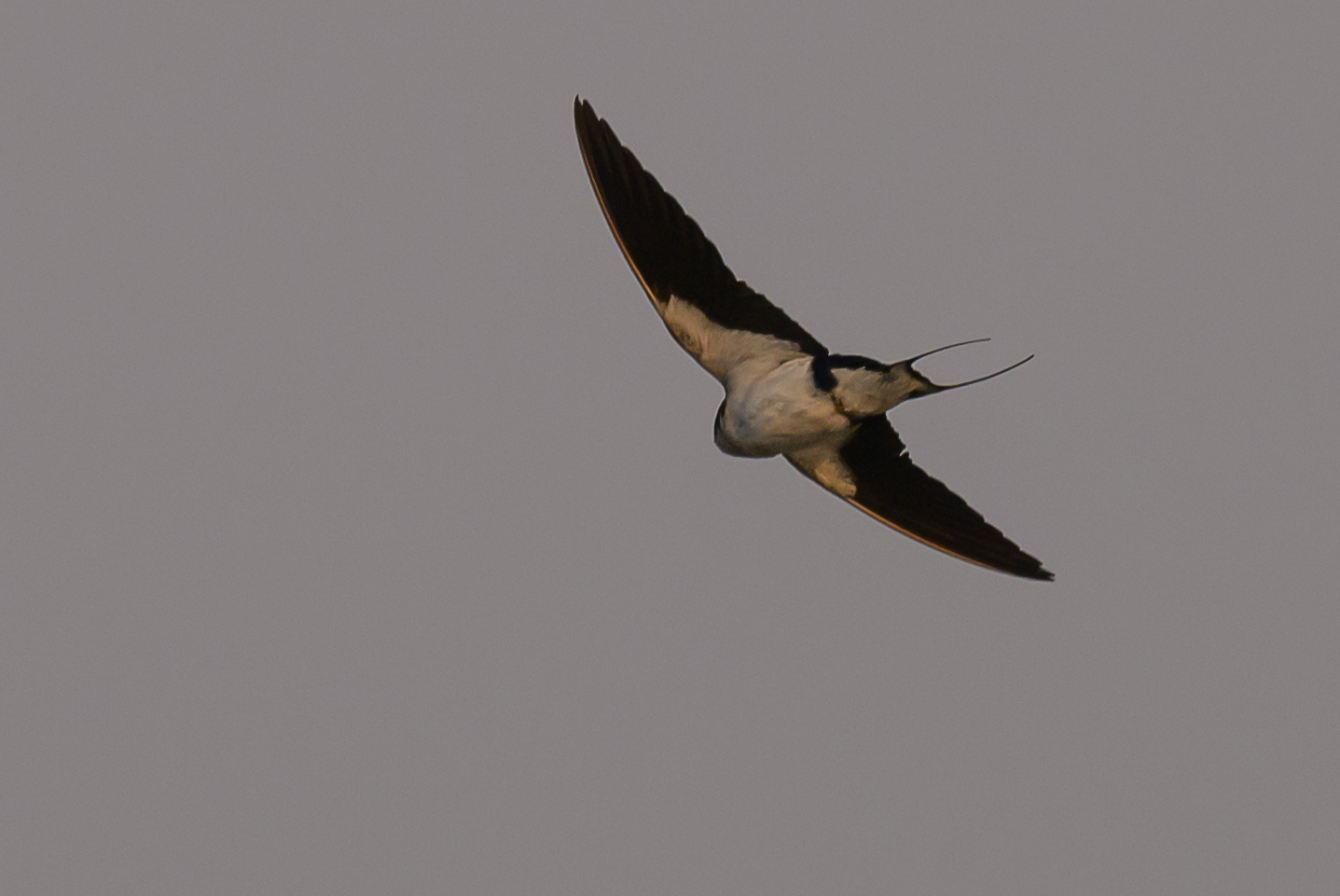
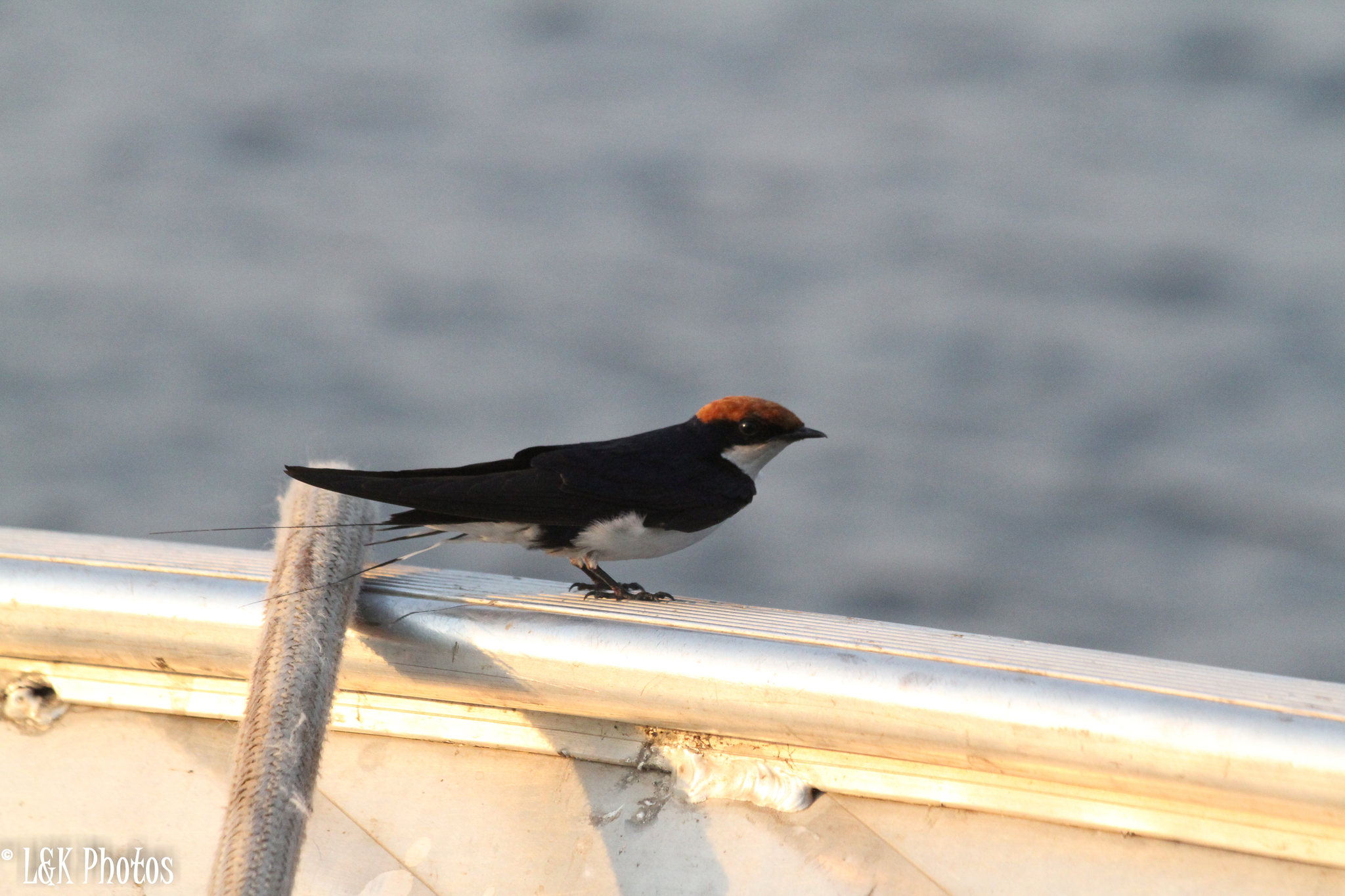
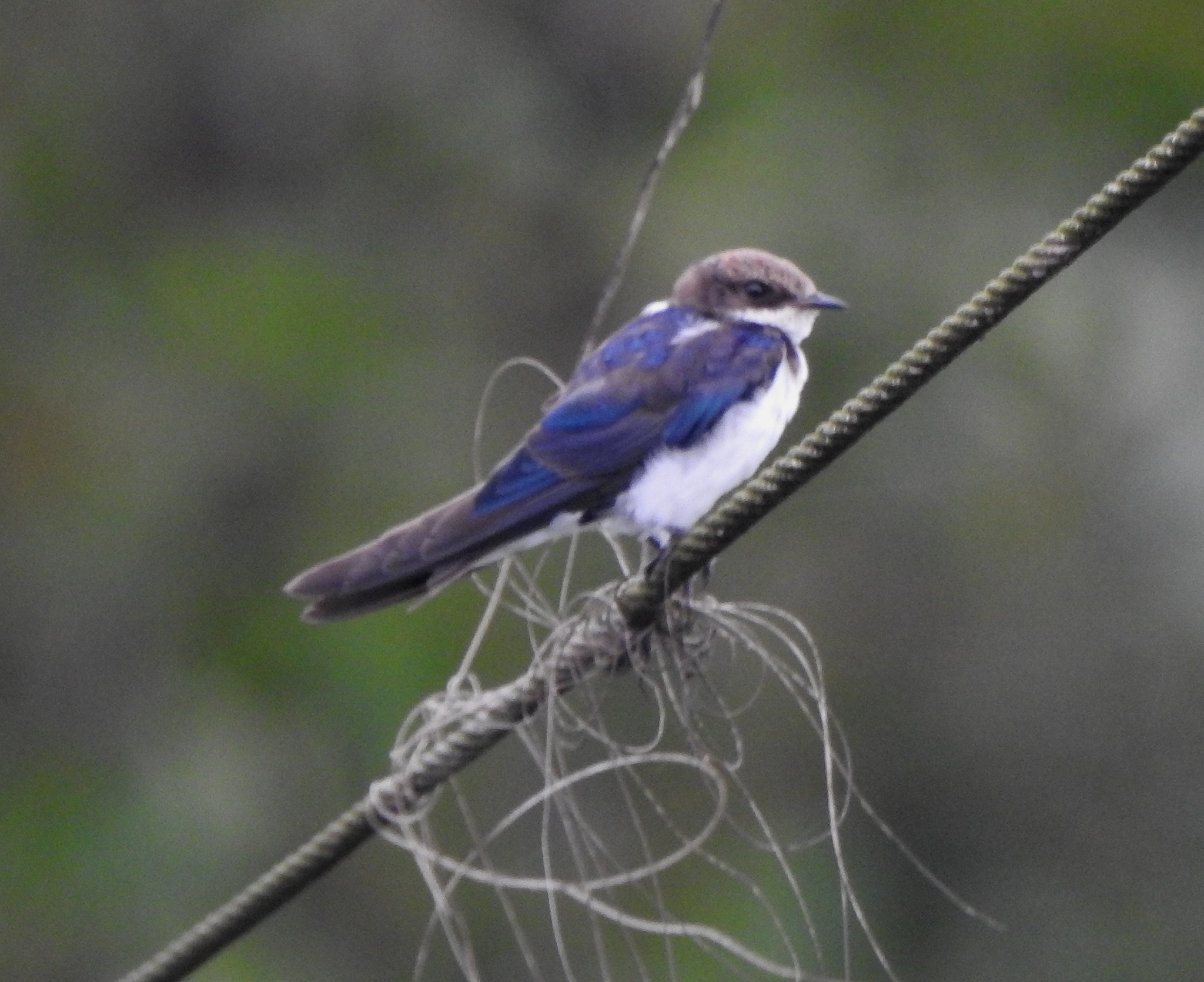
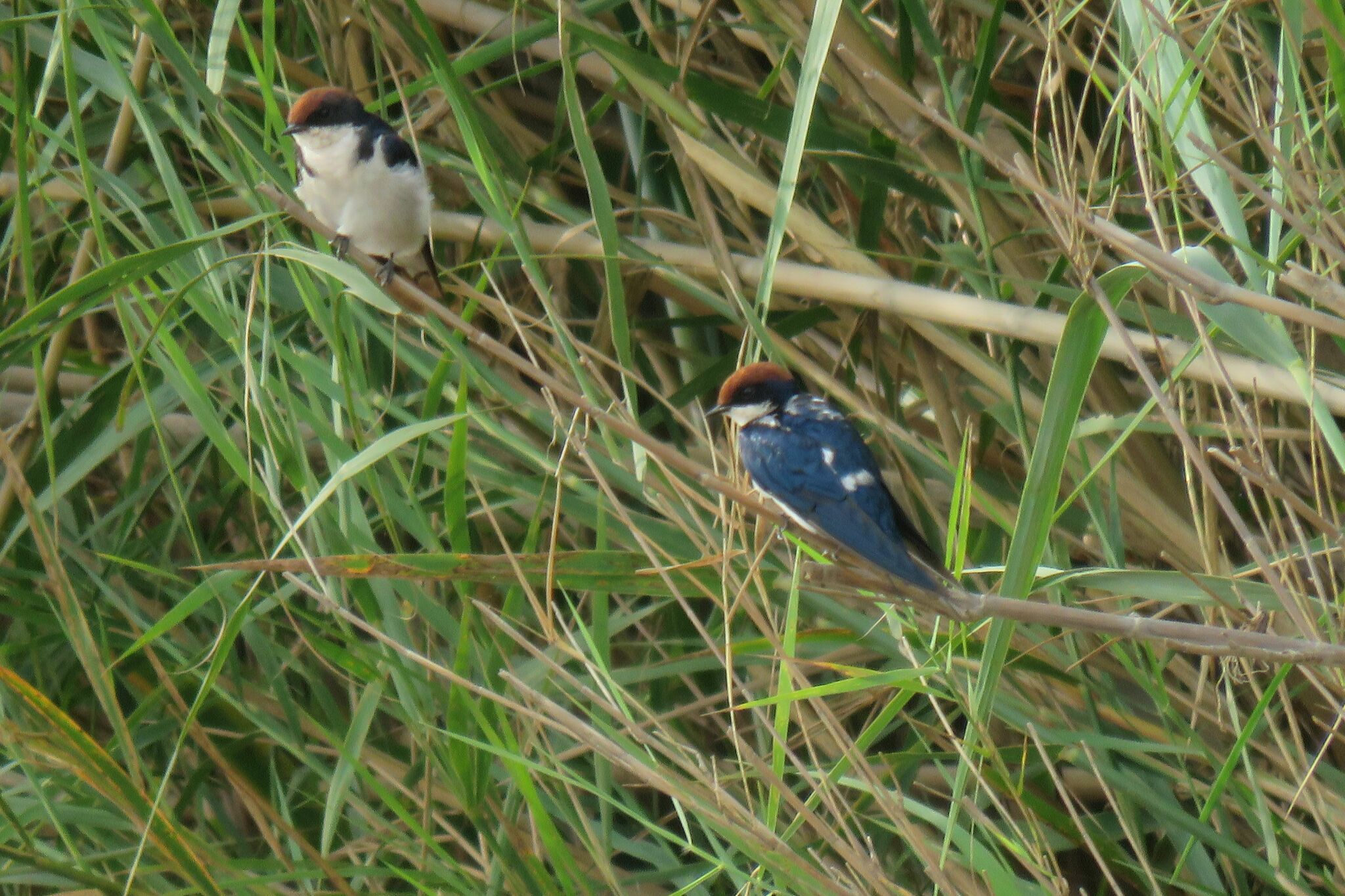
A small swallow measuring 18 cm (7.1 in) in length. Has bright blue upperparts, bright white underparts, and a chestnut cap. The species is named for its distinctive long, wire-like outermost tail feathers that trail behind. Sexes are similar in appearance, though females have shorter 'wires'. Juveniles have brown crowns, backs, and tails, lacking both the chestnut cap and tail wires. The Asian subspecies (H. s. filifera) is larger and longer-tailed than the African subspecies (H. s. smithii).
Distribution & Habitat
Range covers Africa (H. s. smithii) and southern to southeastern Asia (H. s. filifera). Populations in Pakistan and northern India are migratory, moving south in winter. Found in open country near water and human habitation.
Behavior & Ecology
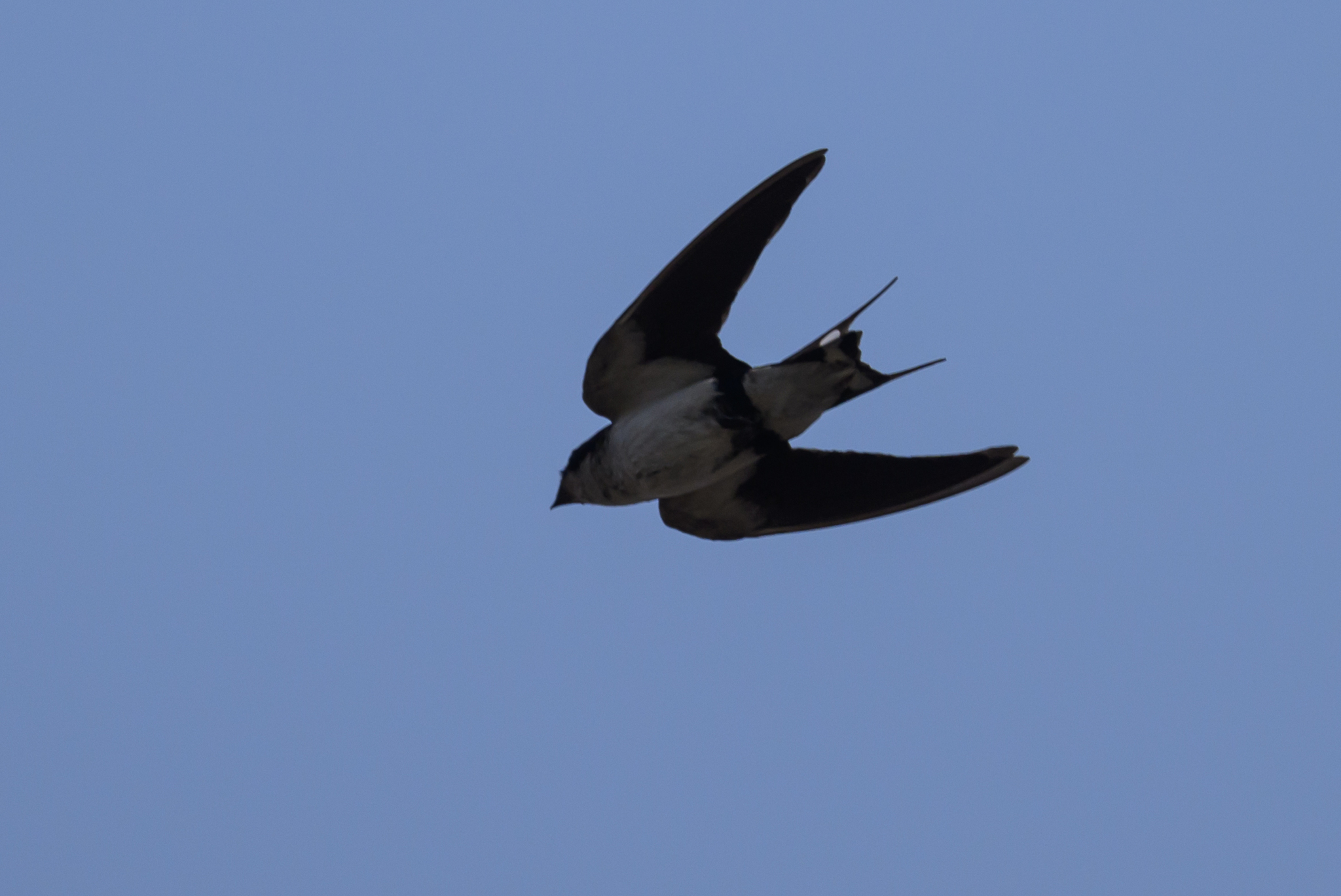
Feeds on insects, especially flies, while airborne. Typically seen low over water. Nests on vertical surfaces near water under cliff ledges or man-made structures like buildings and bridges. Clutch size is 3-4 eggs in Africa, up to 5 in Asia. Solitary and territorial nesters, unlike many colonial swallows.
Source: Wikipedia · CC BY-SA 3.0
Taxonomy
- Order
- Passeriformes
- Family
- Hirundinidae
- Genus
- Hirundo
- eBird Code
- witswa1
Subspecies (2)
-
Hirundo smithii filifera
Afghanistan and Baluchistan to India, Myanmar, and Indochina
-
Hirundo smithii smithii
widespread in sub-Saharan Africa
Data Sources
Species description from Wikipedia, licensed under CC BY-SA 3.0.
Bird images and sounds sourced from GBIF, contributed by citizen scientists worldwide under Creative Commons licenses.
Taxonomy data from AviList 2025.