
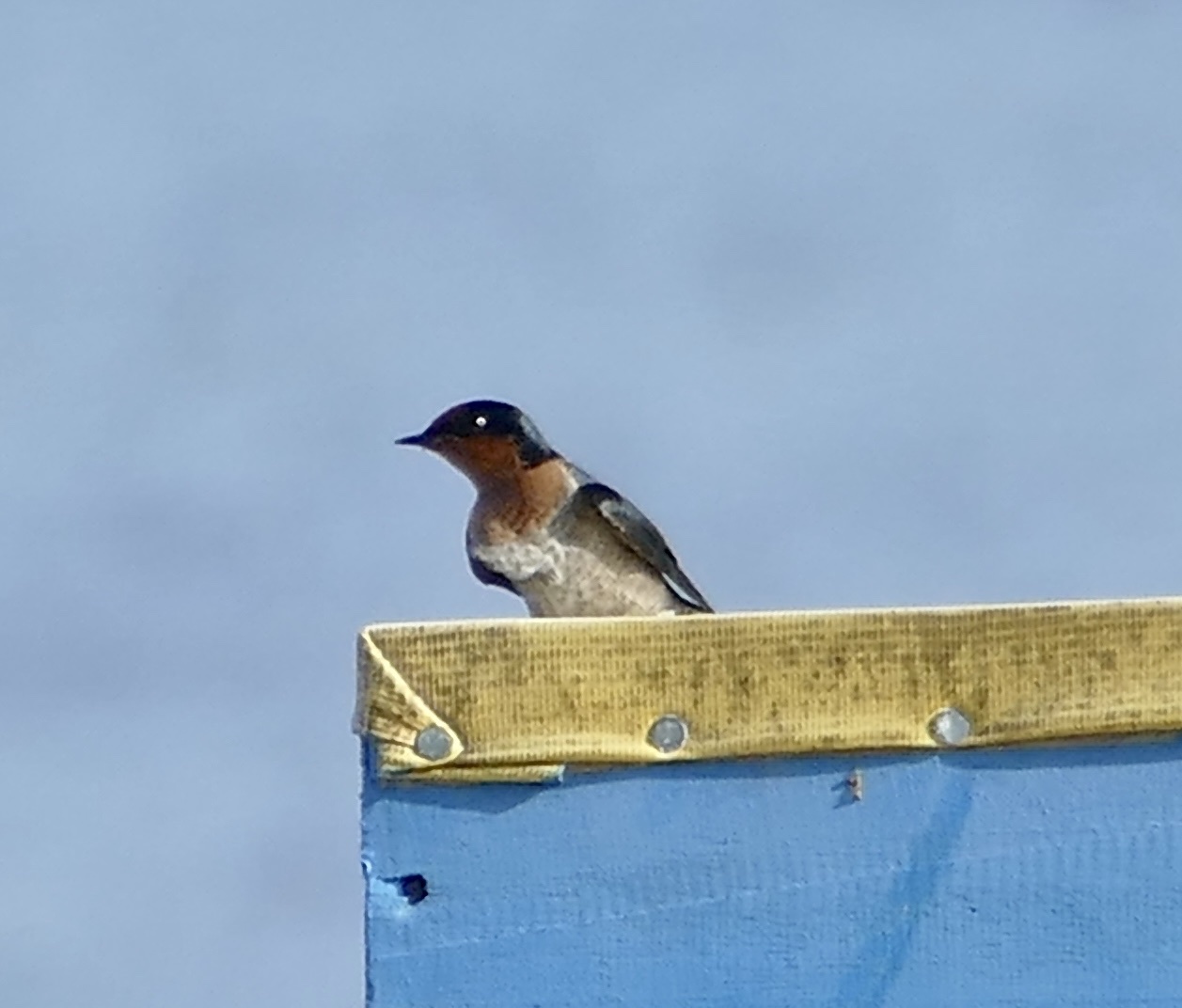
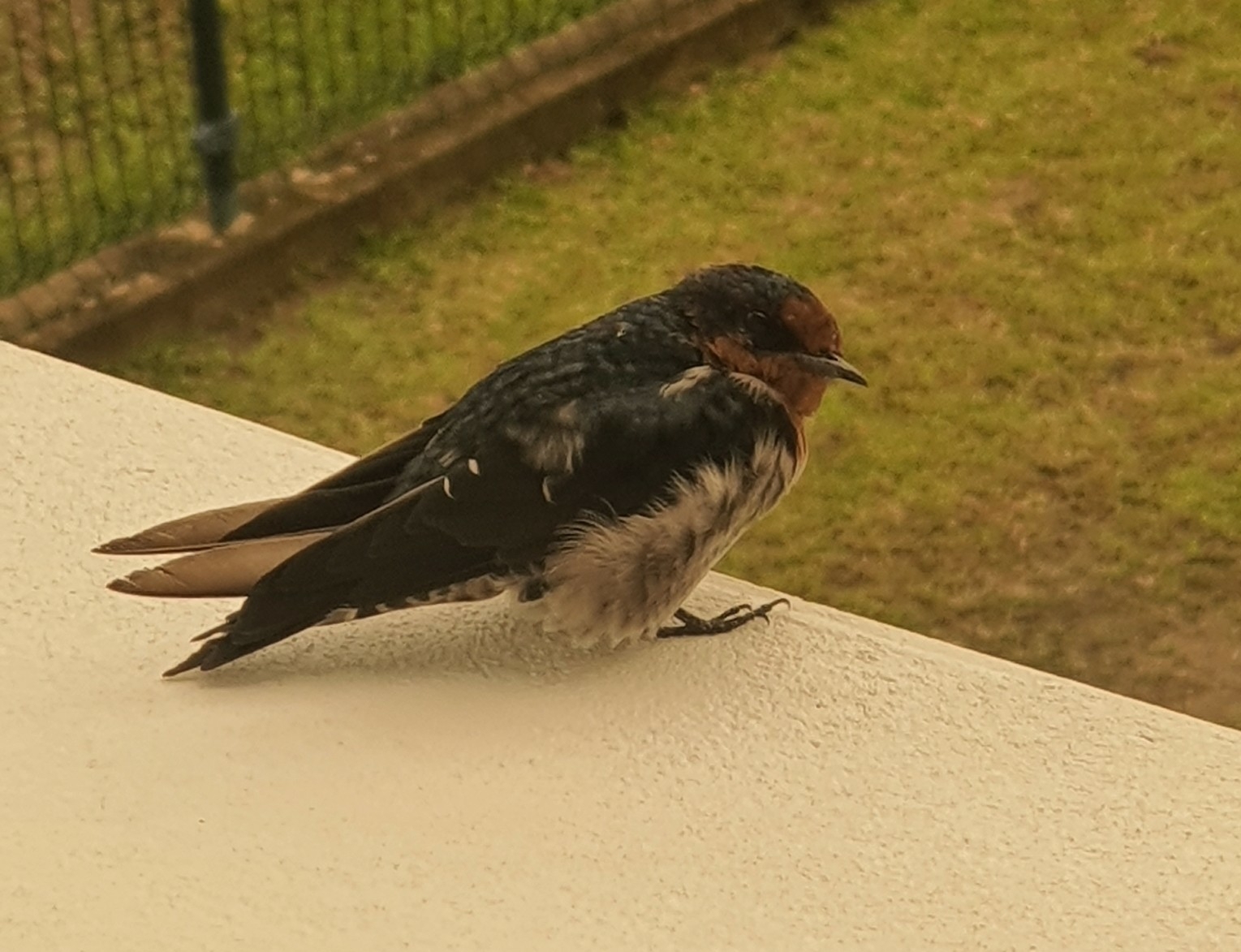
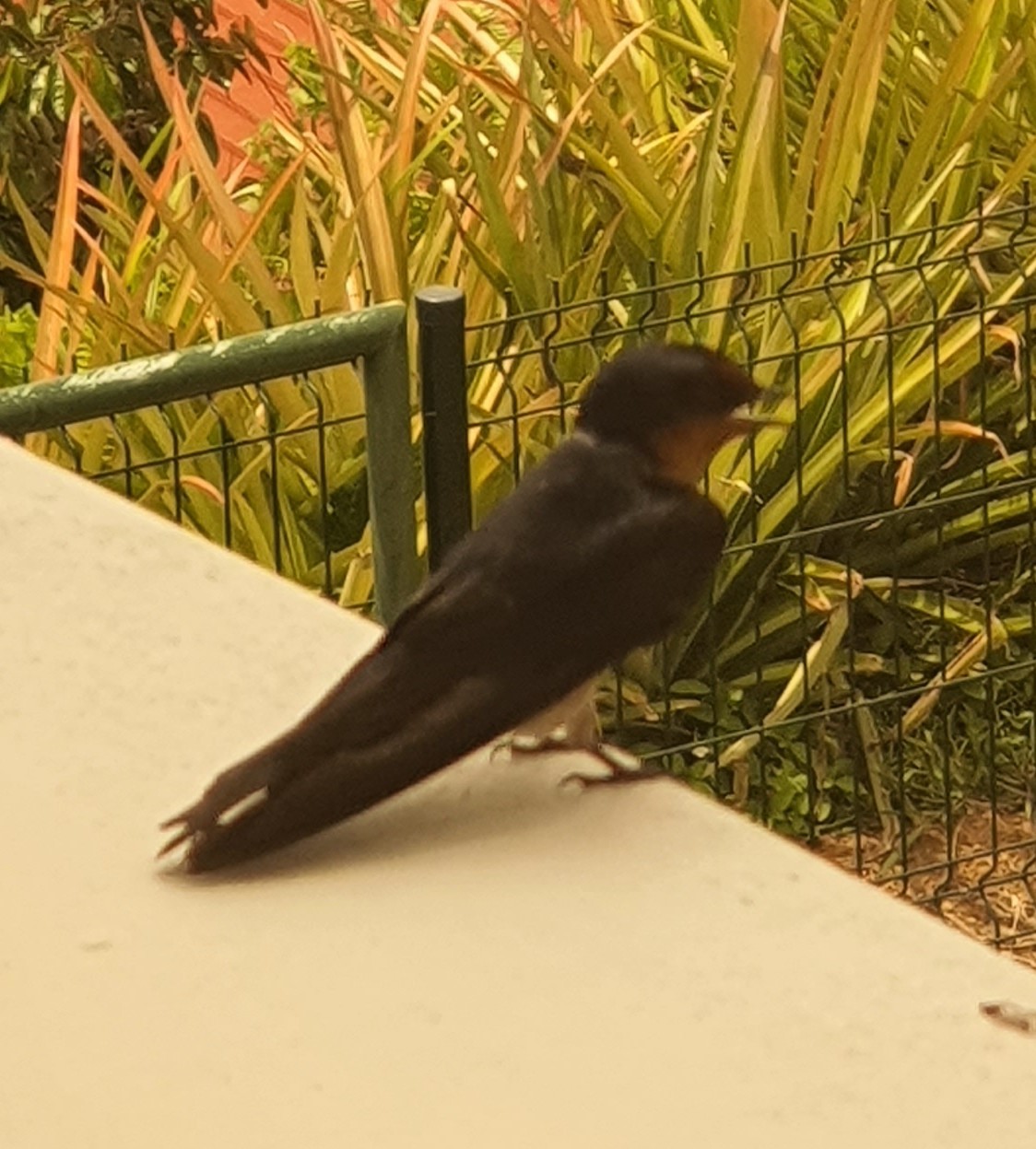
Pacific Swallow
Hirundo javanica
洋燕
Introduction
Small passerine bird in the swallow family Hirundinidae. Breeds in tropical southern Asia and islands of the south Pacific. Resident apart from some local seasonal movements. Associated with coasts but increasingly spreading to forested uplands. Formerly treated as conspecific with hill swallow, welcome swallow, and Tahiti swallow. The Pacific swallow and Tahiti swallow were split as separate species based on morphological differences. Six subspecies are recognized.
Description
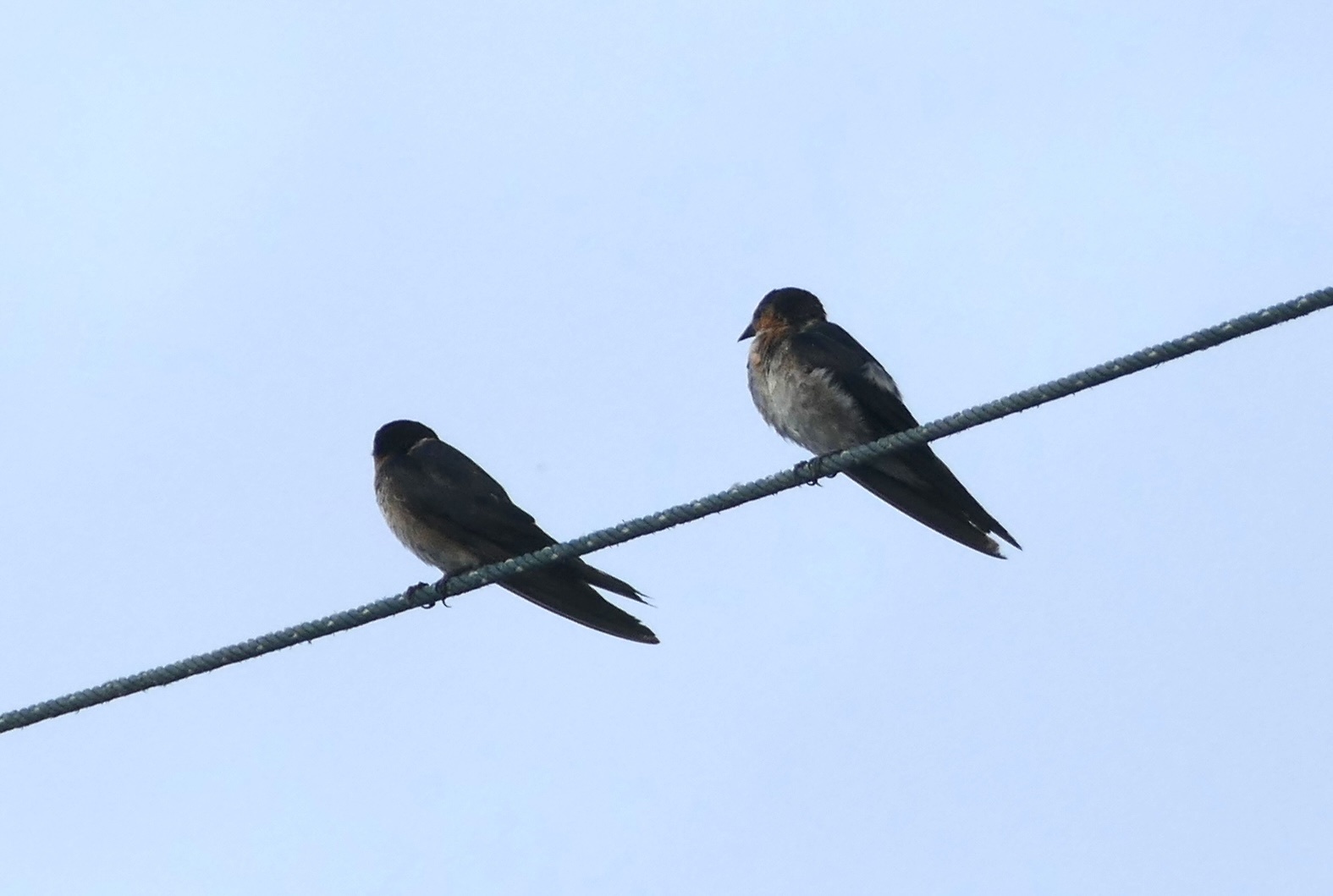
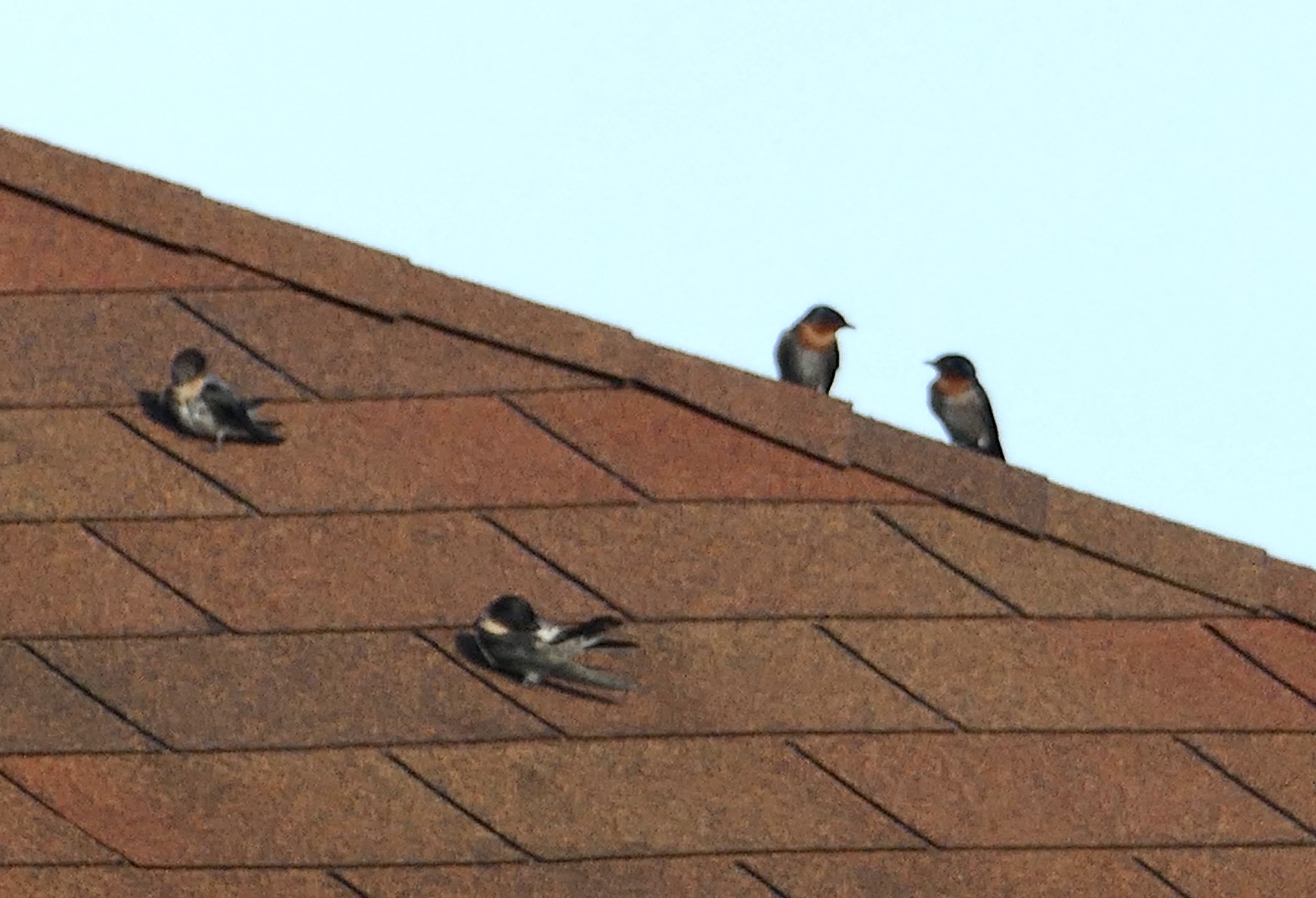
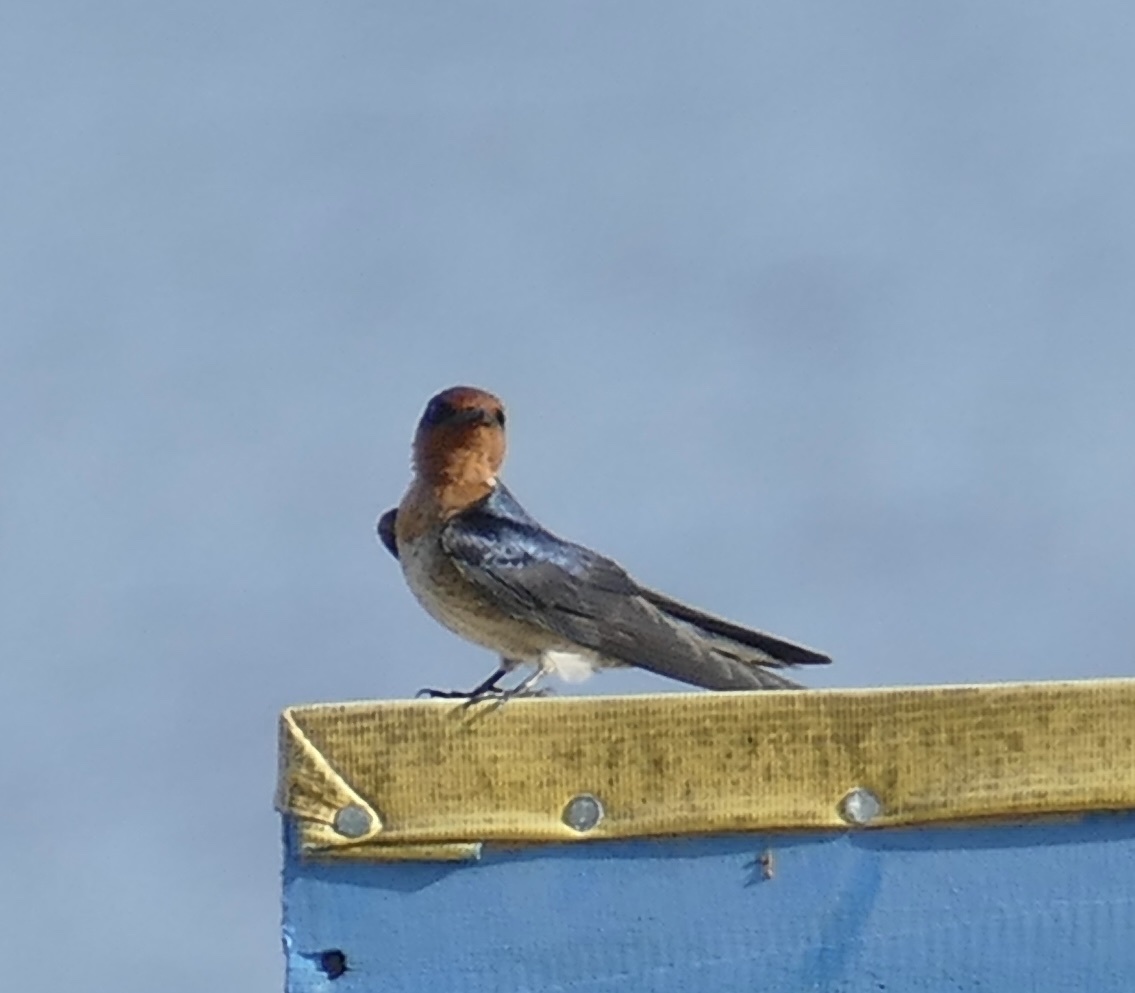
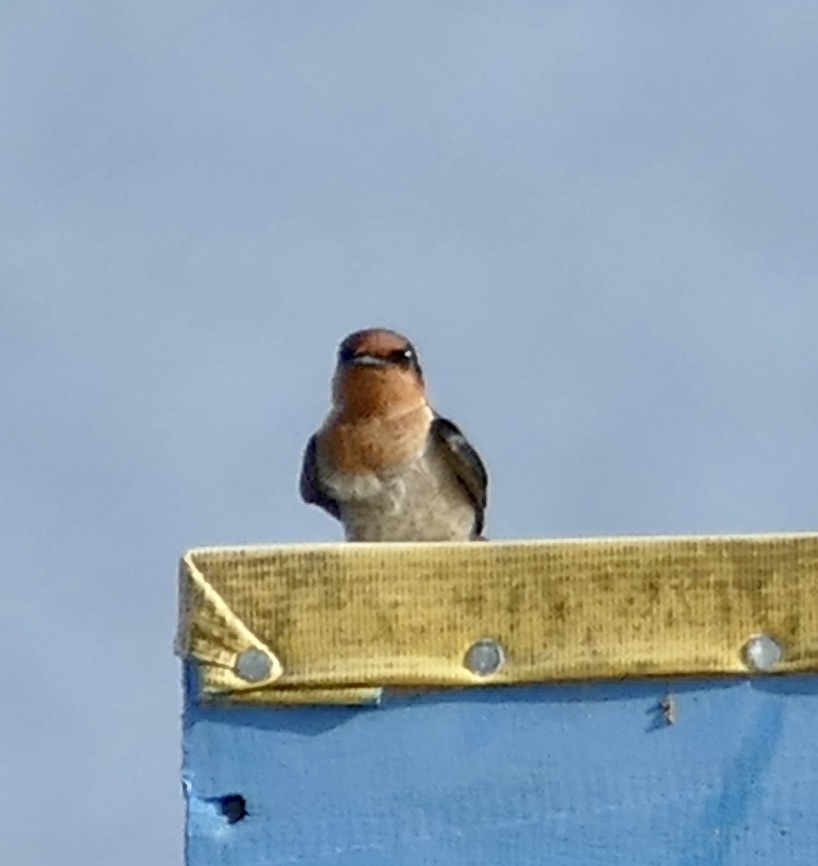
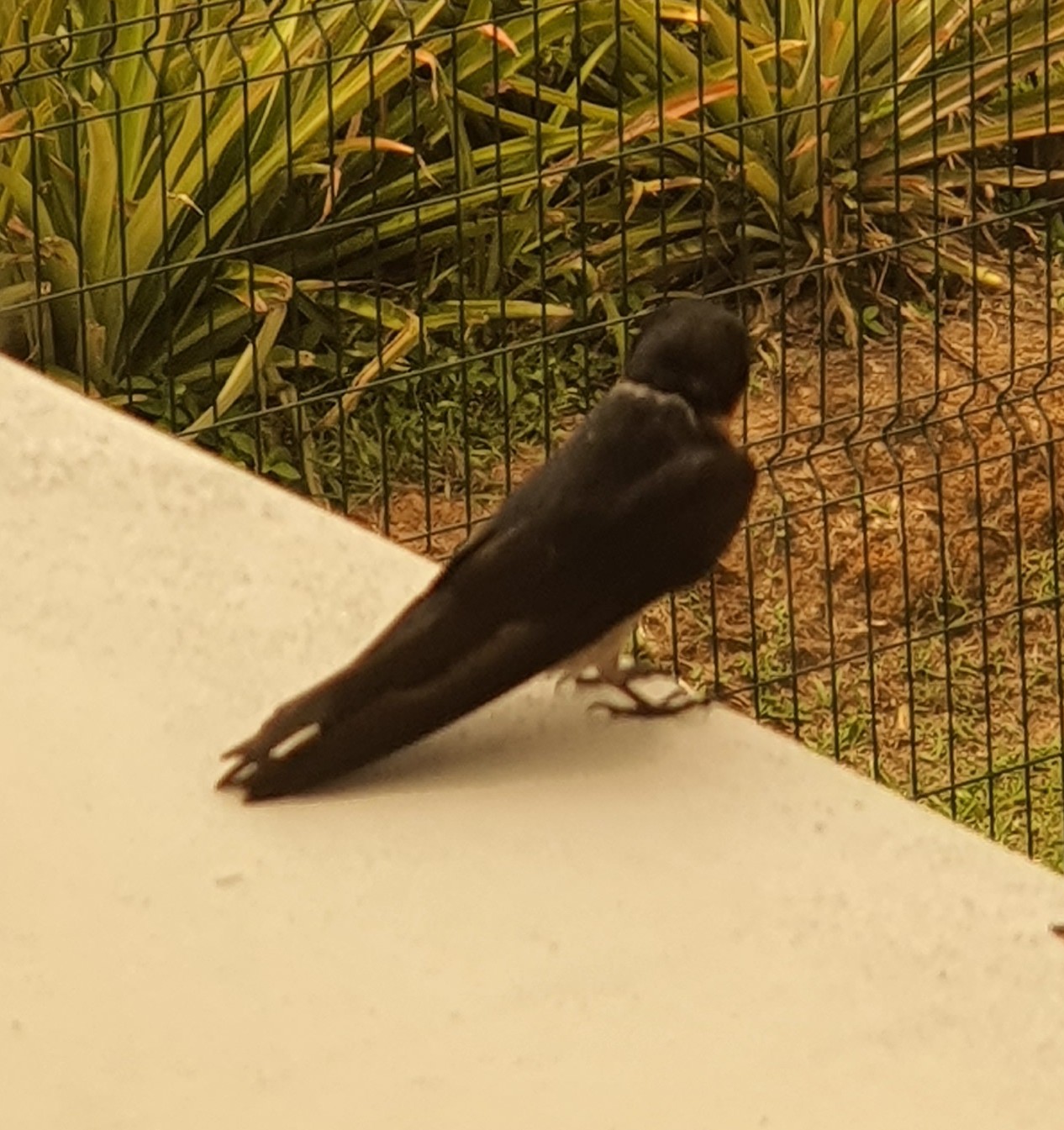
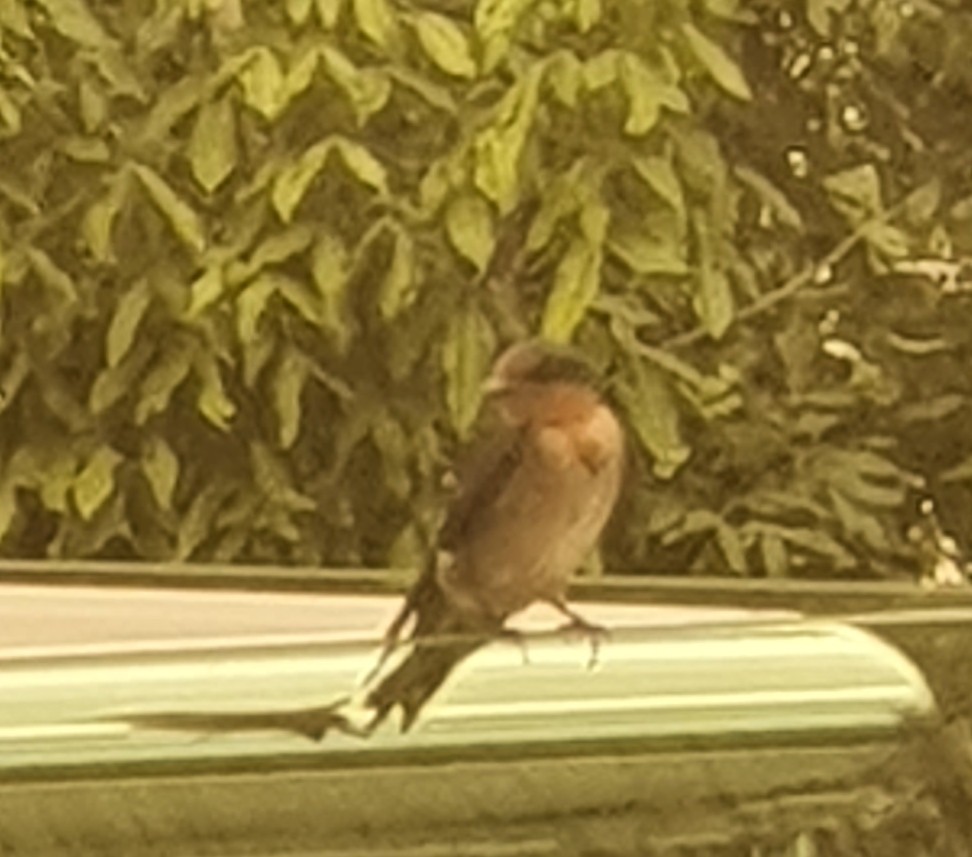
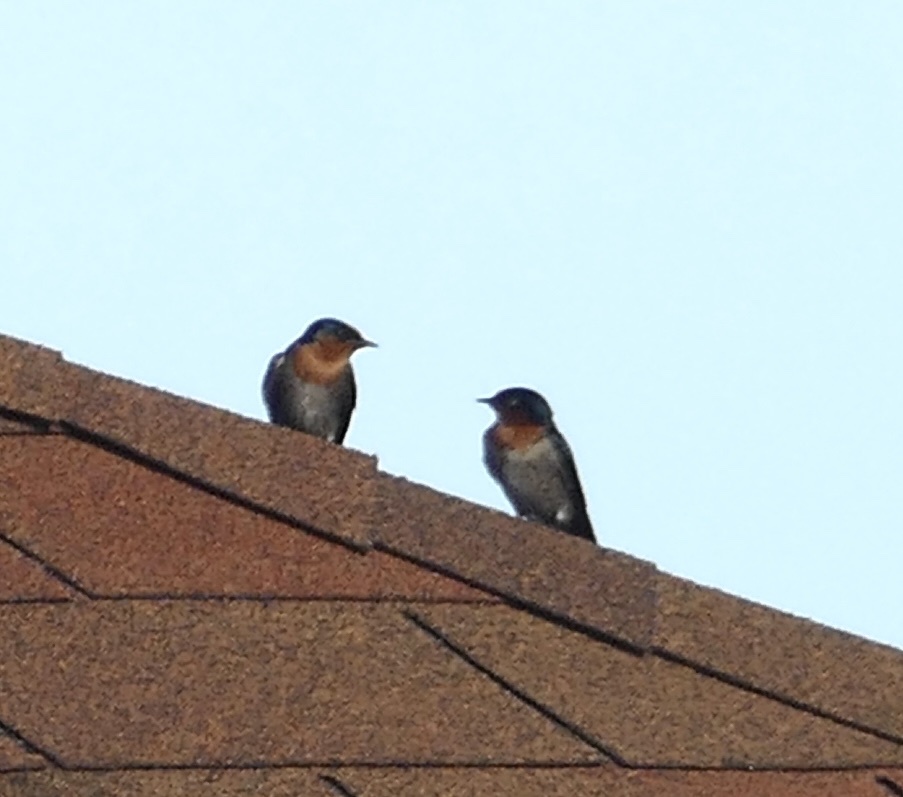
A small swallow measuring 13 cm (5.1 in) in length. The upperparts are blue-black on the back and crown, with browner wings and tail. The face and throat are red, while the underparts are dusky. The tail is shorter and less forked compared to the barn swallow and the closely related welcome swallow.
Identification
Distinguished from the barn swallow by its shorter, less forked tail. Also differs from the welcome swallow in tail shape and structure. The combination of blue-black upperparts, red face and throat, and dusky underparts distinguishes it from similar species in its range.
Distribution & Habitat
Breeds across tropical southern Asia and islands of the south Pacific. Occurs from south Myanmar and the Andaman Islands through the Philippines to the Moluccas and Greater and Lesser Sunda Islands. Also found in the Ryukyu Islands, Taiwan, New Guinea and associated islands, the Bismarck Archipelago, Solomon Islands, Vanuatu, Fiji, and Tonga. Inhabits coastal areas but increasingly spreads to forested uplands. Resident apart from some local seasonal movements.
Behavior & Ecology
Feeds on insects, especially flies, taken in flight. Builds a neat cup-shaped nest constructed with mud pellets collected in the beak. Nests are placed under cliff ledges or on man-made structures such as buildings, bridges, or tunnels. The nest is lined with softer material. Clutch size is two to three eggs. A fast flyer with behavior typical of aerial insectivores.
Source: Wikipedia · CC BY-SA 3.0
Taxonomy
- Order
- Passeriformes
- Family
- Hirundinidae
- Genus
- Hirundo
- eBird Code
- pacswa4
Subspecies (6)
-
Hirundo javanica albescens
southern and eastern New Guinea
-
Hirundo javanica ambiens
New Britain (southeastern Bismarck Archipelago)
-
Hirundo javanica frontalis
northern and western New Guinea
-
Hirundo javanica javanica
Andamans and Myanmar to Indochina, Sundas, Wallacea, and Philippines
-
Hirundo javanica namiyei
Ryukyu Islands (southern Japan) and Taiwan
-
Hirundo javanica subfusca
New Ireland (northeastern Bismarck Archipelago) to Solomon Islands, New Caledonia, Vanuatu, Fiji, and Tonga
Data Sources
CBR Notes: 中文名由洋斑燕改为洋燕,学名由Hirundo tahitica改为Hirundo javanica
Species description from Wikipedia, licensed under CC BY-SA 3.0.
Bird images and sounds sourced from GBIF, contributed by citizen scientists worldwide under Creative Commons licenses.
Taxonomy data from AviList 2025.