Brown-backed Needletail
Hirundapus giganteus
褐背针尾雨燕
Introduction
A large swift species in the genus Hirundapus. Taxonomic family Apodidae. Resident breeders in hill forests across southern India and southeast Asia, extending through the Greater Sunda islands of Indonesia to Palawan in the southern Philippines. Distinguished by extremely short legs used exclusively for clinging to vertical surfaces, as this species never settles voluntarily on the ground and spends virtually its entire life airborne, catching insects in flight. The tail terminates in spines rather than a fork, giving the genus its common name. Among the largest swift species worldwide.
Description
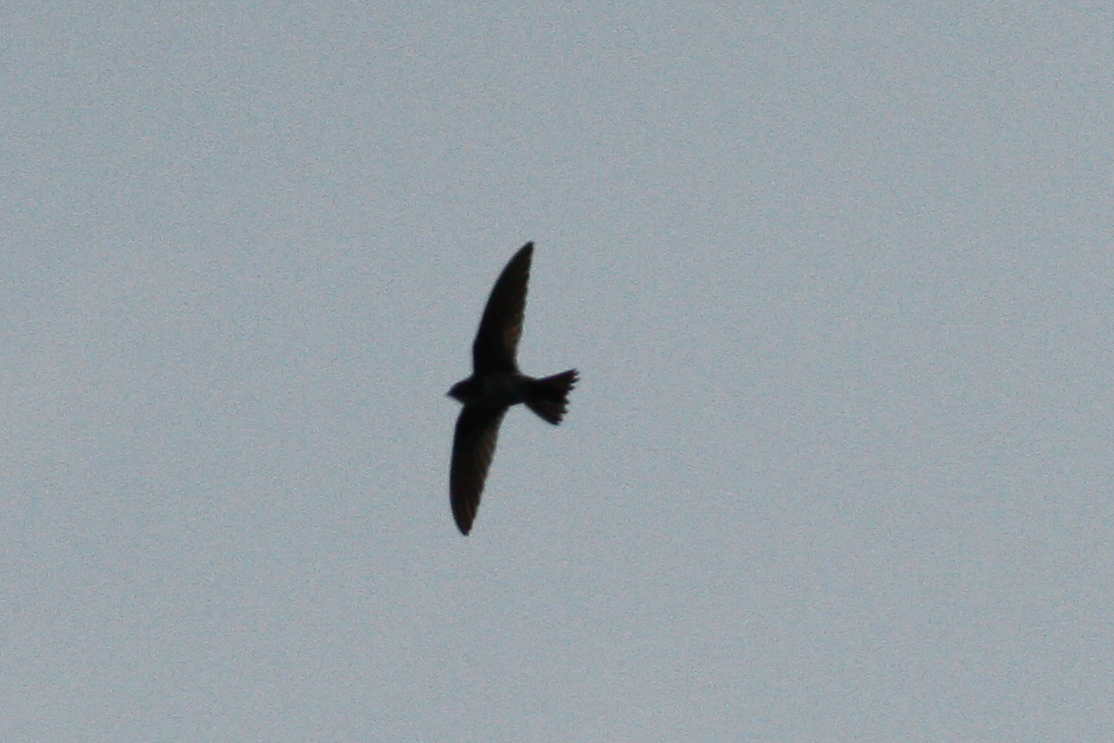
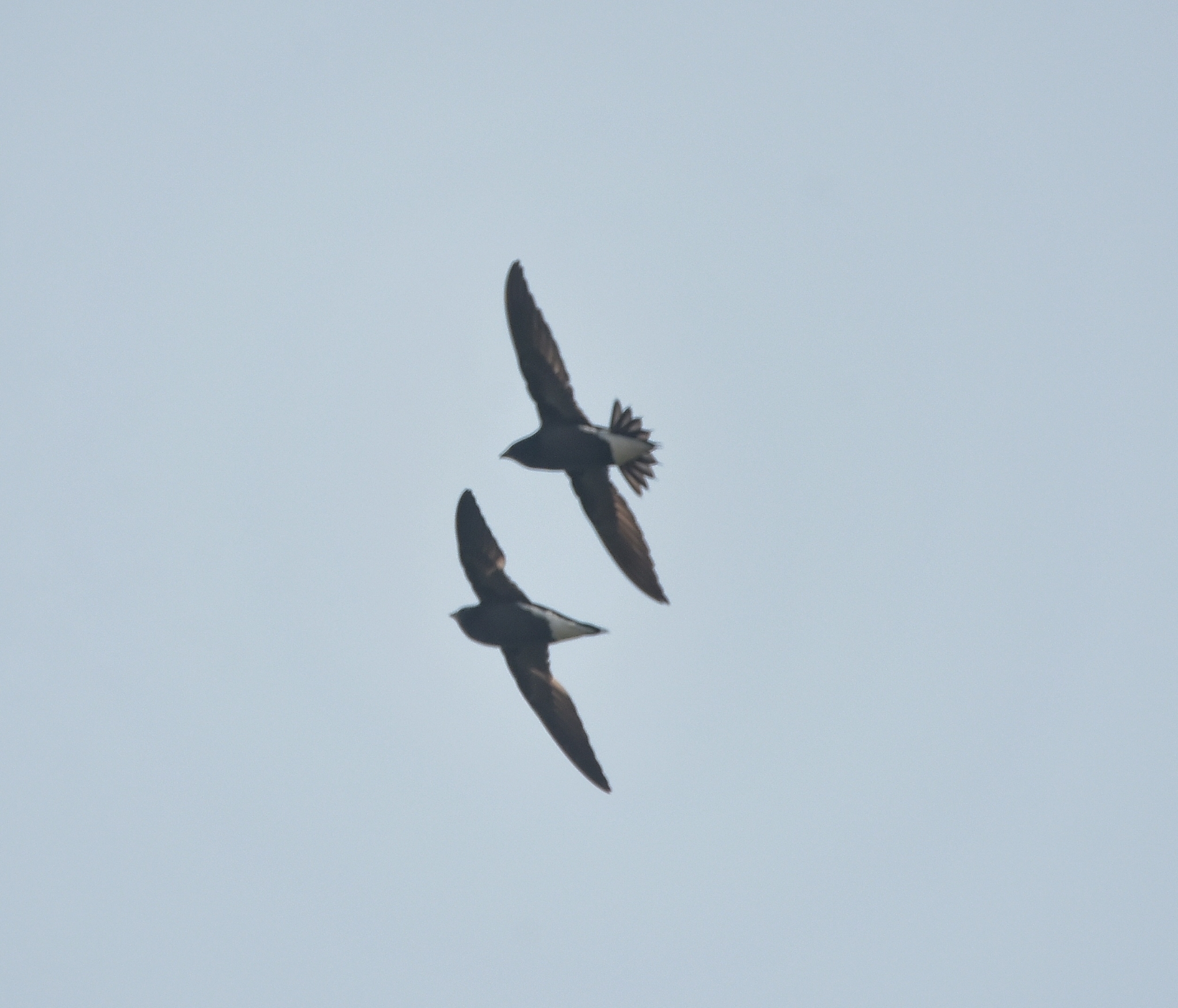
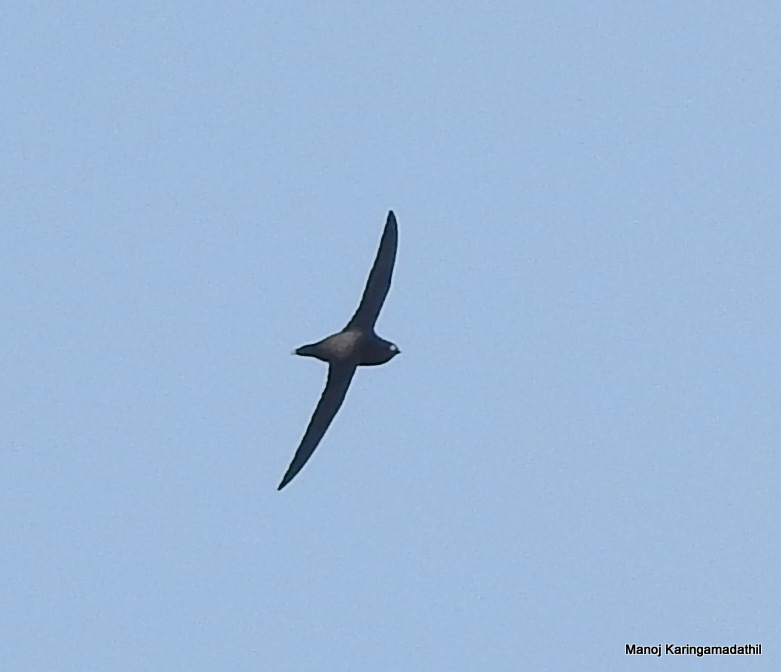
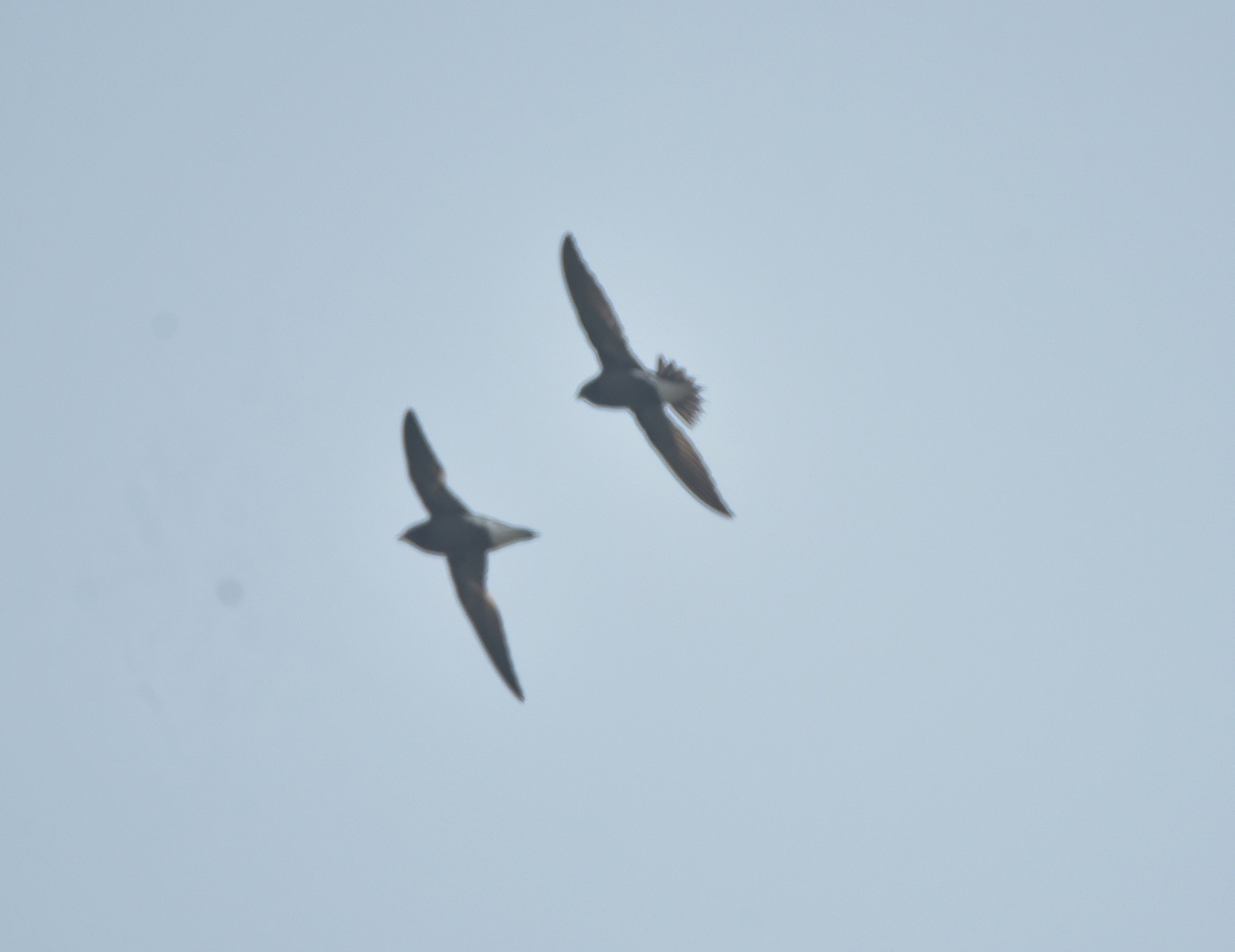
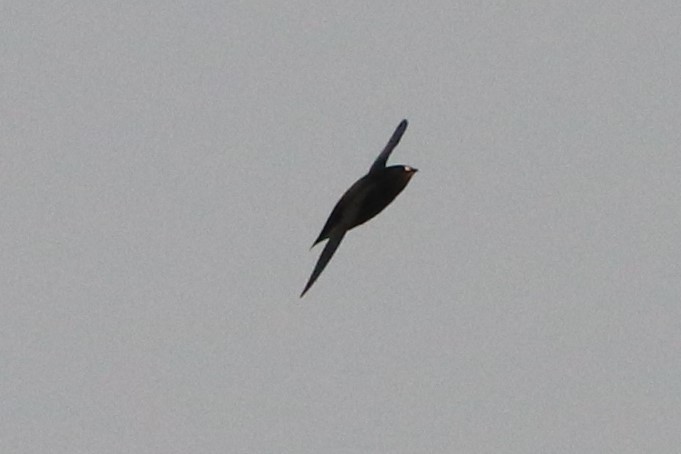
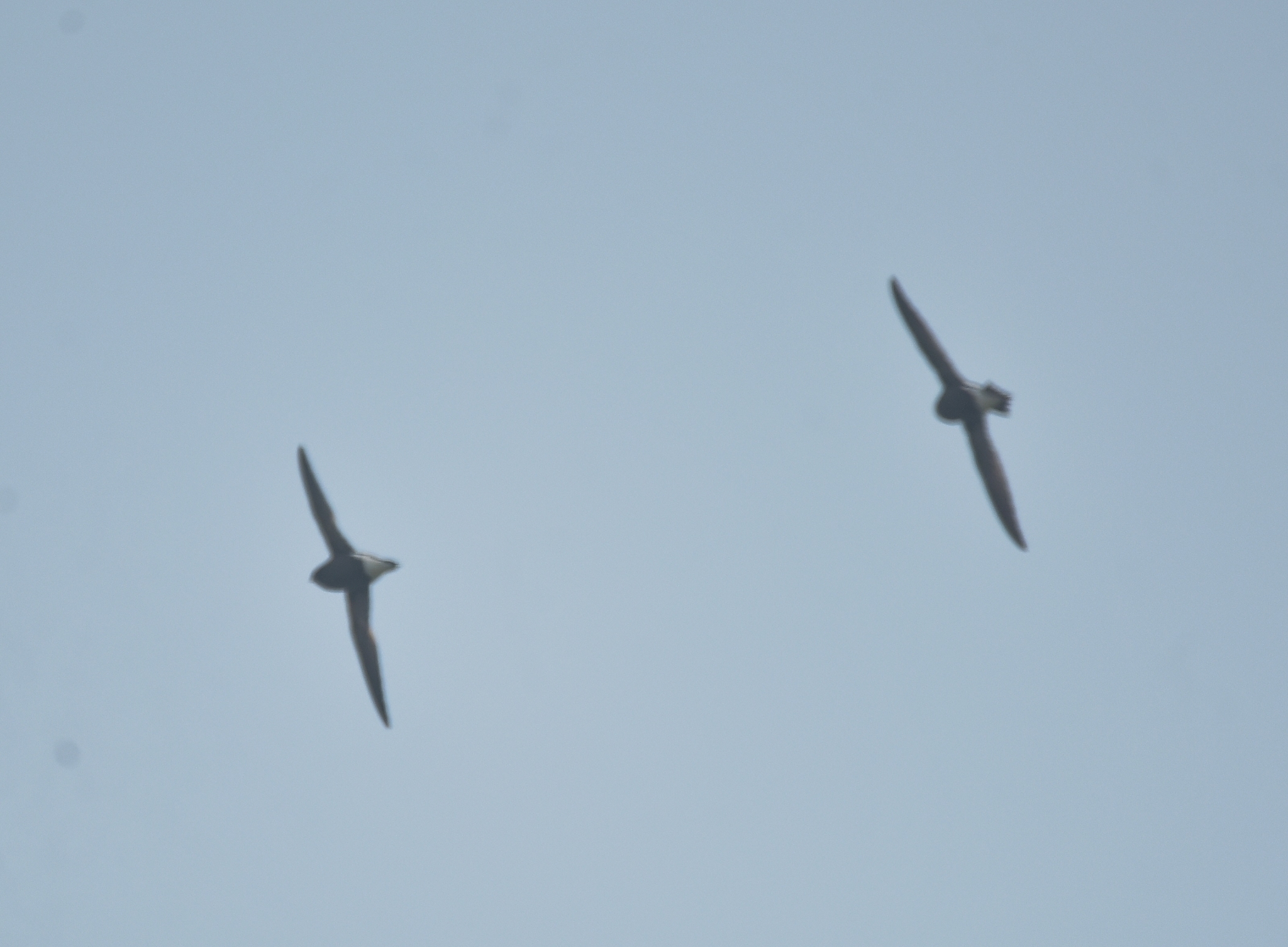
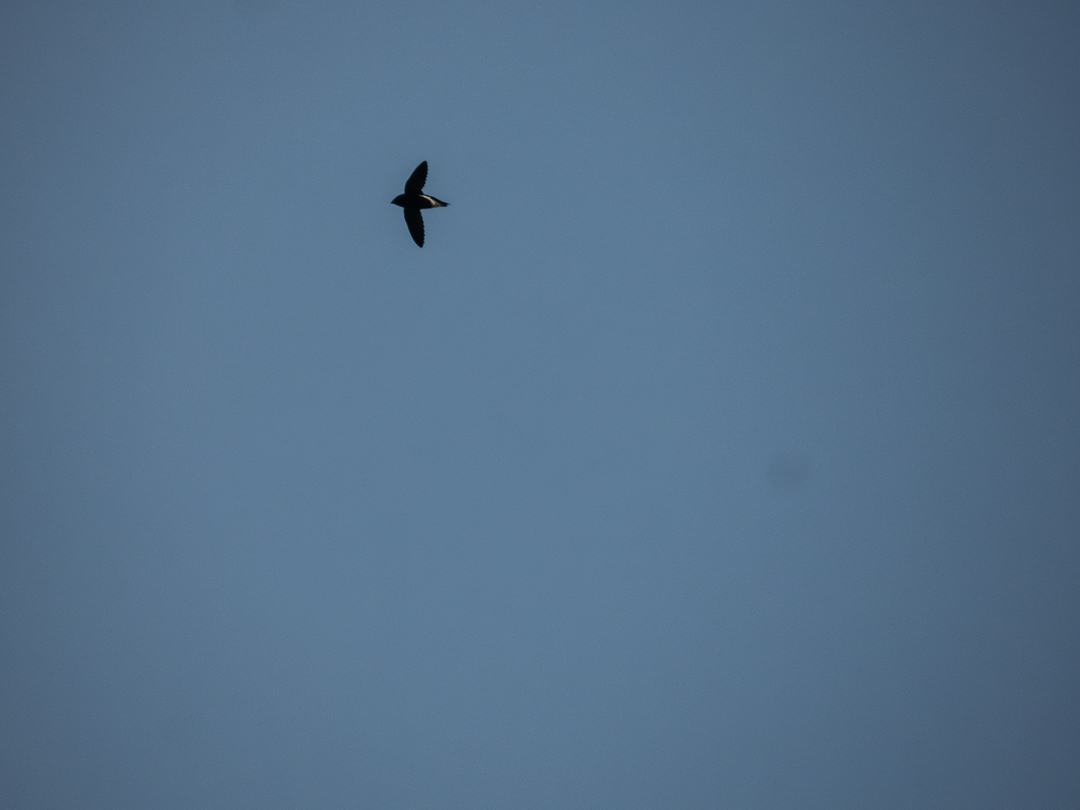
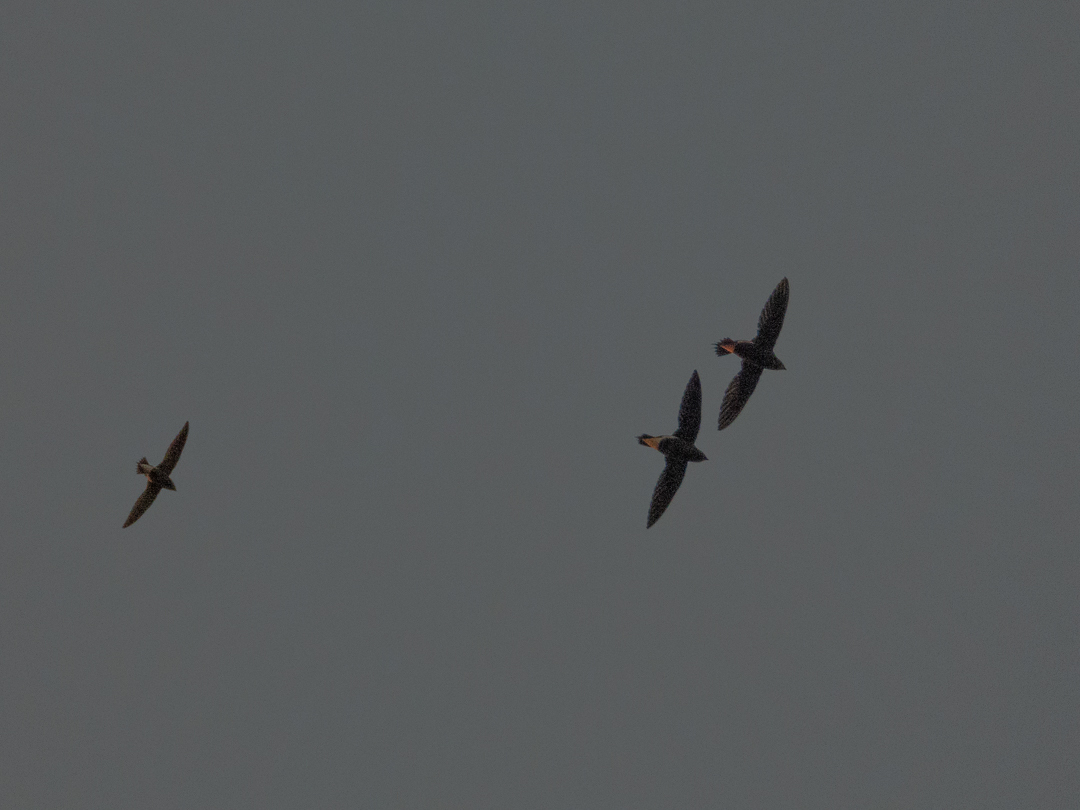
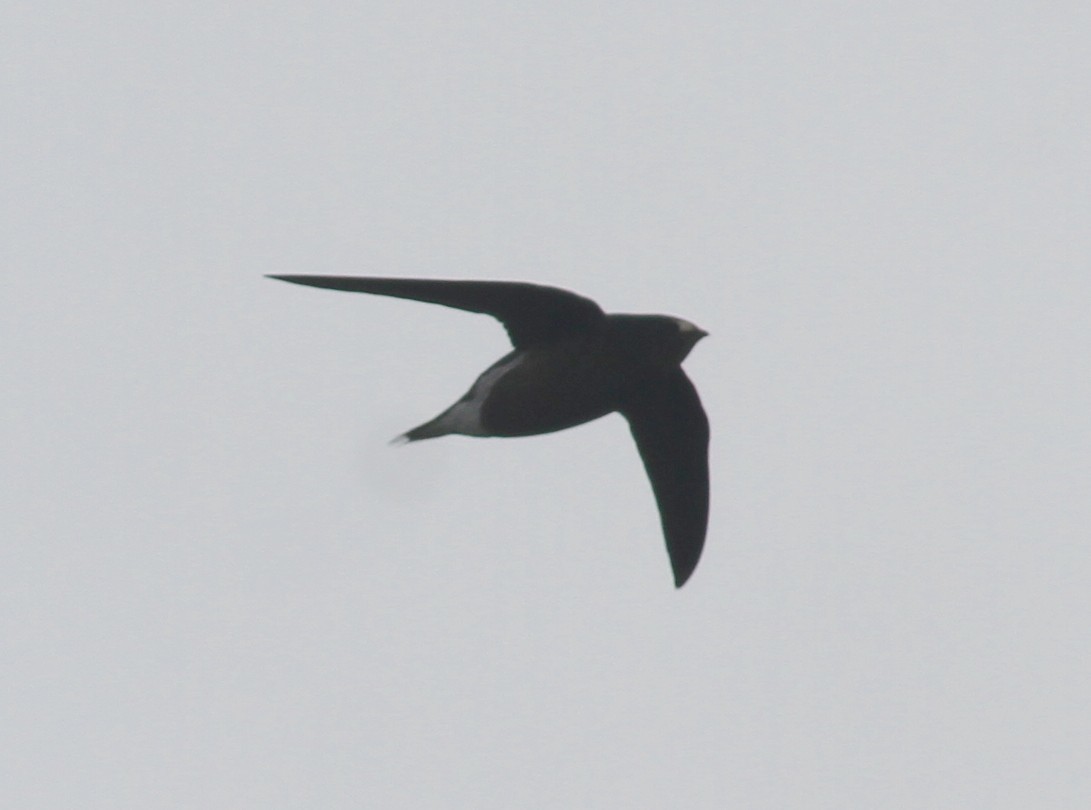
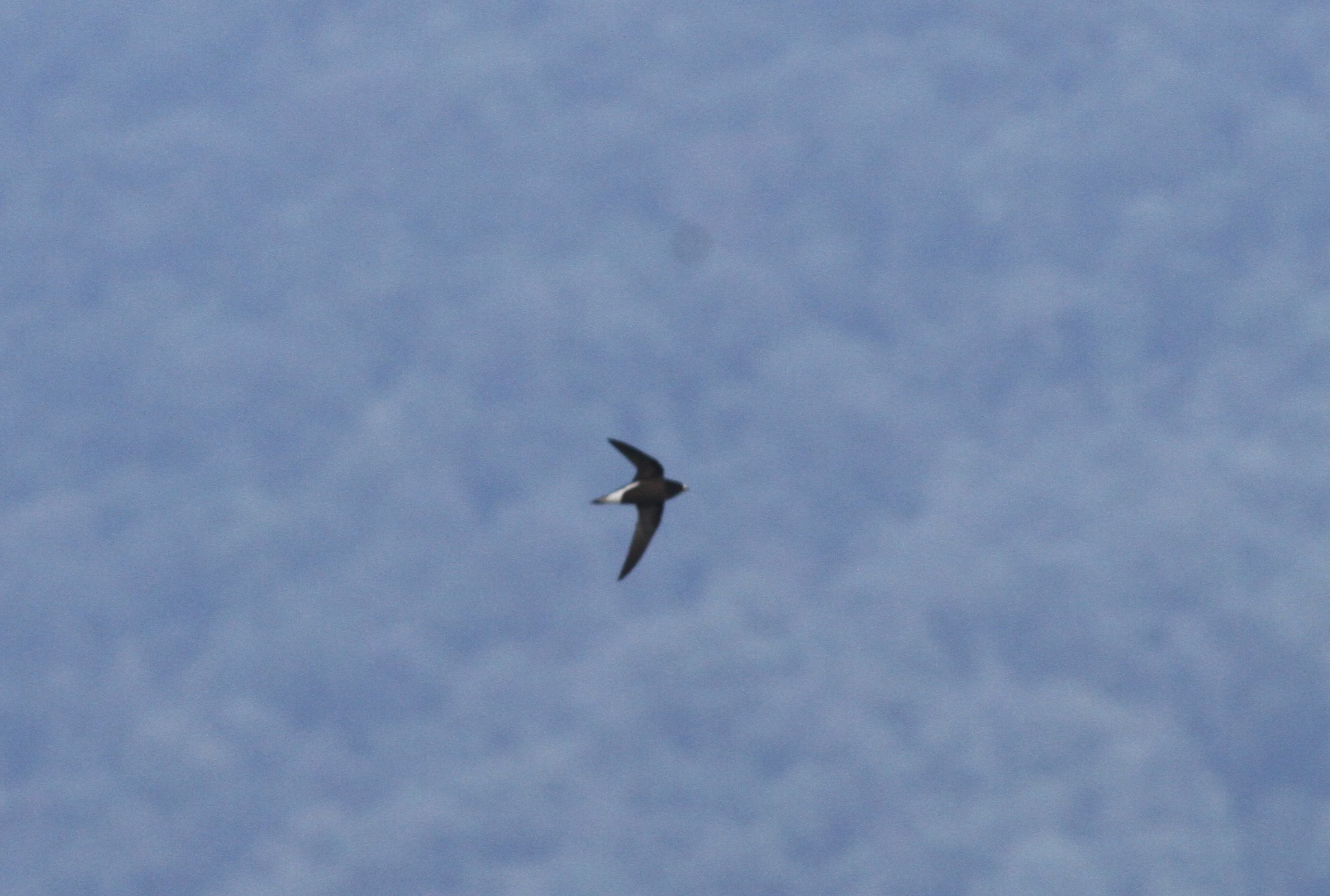
A very large swift measuring 23 cm in length, making it larger than both the Alpine swift and white-throated needletail. Has a heavy, barrel-shaped body typical of the genus. Plumage is predominantly dark brown throughout. The distinguishing feature is the white undertail covert feathers, which extend onto the flanks. Tail spines are more prominently developed than in other needletail species. Overall build is robust and powerful.
Identification
Size is a key identification feature, being the largest swift in much of its range at 23 cm, notably larger than Alpine swifts and white-throated needletails. The heavy, barrel-like body shape distinguishes it from more slender swift species. Dark brown plumage combined with white extending from the undertail coverts onto the flanks is diagnostic. The prominent tail spines differentiate it from typical forked-tailed swifts in the genus Apus. Two subspecies exist: the southern Indian population has white lores, while the southeast Asian nominate form lacks this feature.
Distribution & Habitat
Resident breeder throughout southern India, mainland southeast Asia, the Greater Sunda islands of Indonesia, and Palawan in the southern Philippines. Inhabits hill forests and surrounding areas. Nests are constructed in rock crevices within cliff faces. The species is non-migratory within its broad range. Two subspecies are recognized: H. g. indicus in southern India and H. g. giganteus in southeast Asia.
Behavior & Ecology
Aerial insectivore that captures prey in flight using its beak. Nests in rock crevices along cliff faces, typically laying a clutch of 3-5 eggs. Flight is described as impressively fast, even by swift standards. Possesses extremely reduced legs used solely for clinging to vertical surfaces; the bird cannot take off from level ground and never perches voluntarily. Spends nearly all waking hours airborne.
Conservation
Information not available in source material.
Source: Wikipedia · CC BY-SA 3.0
Taxonomy
- Order
- Apodiformes
- Family
- Apodidae
- Genus
- Hirundapus
- eBird Code
- brbnee1
Subspecies (2)
-
Hirundapus giganteus giganteus
Malay Peninsula, Greater Sundas, and Palawan (southwestern Philippines)
-
Hirundapus giganteus indicus
southwestern India and Sri Lanka; Bangladesh to southeastern Asia; Andaman Islands
Data Sources
Species description from Wikipedia, licensed under CC BY-SA 3.0.
Bird images and sounds sourced from GBIF, contributed by citizen scientists worldwide under Creative Commons licenses.
Taxonomy data from AviList 2025.