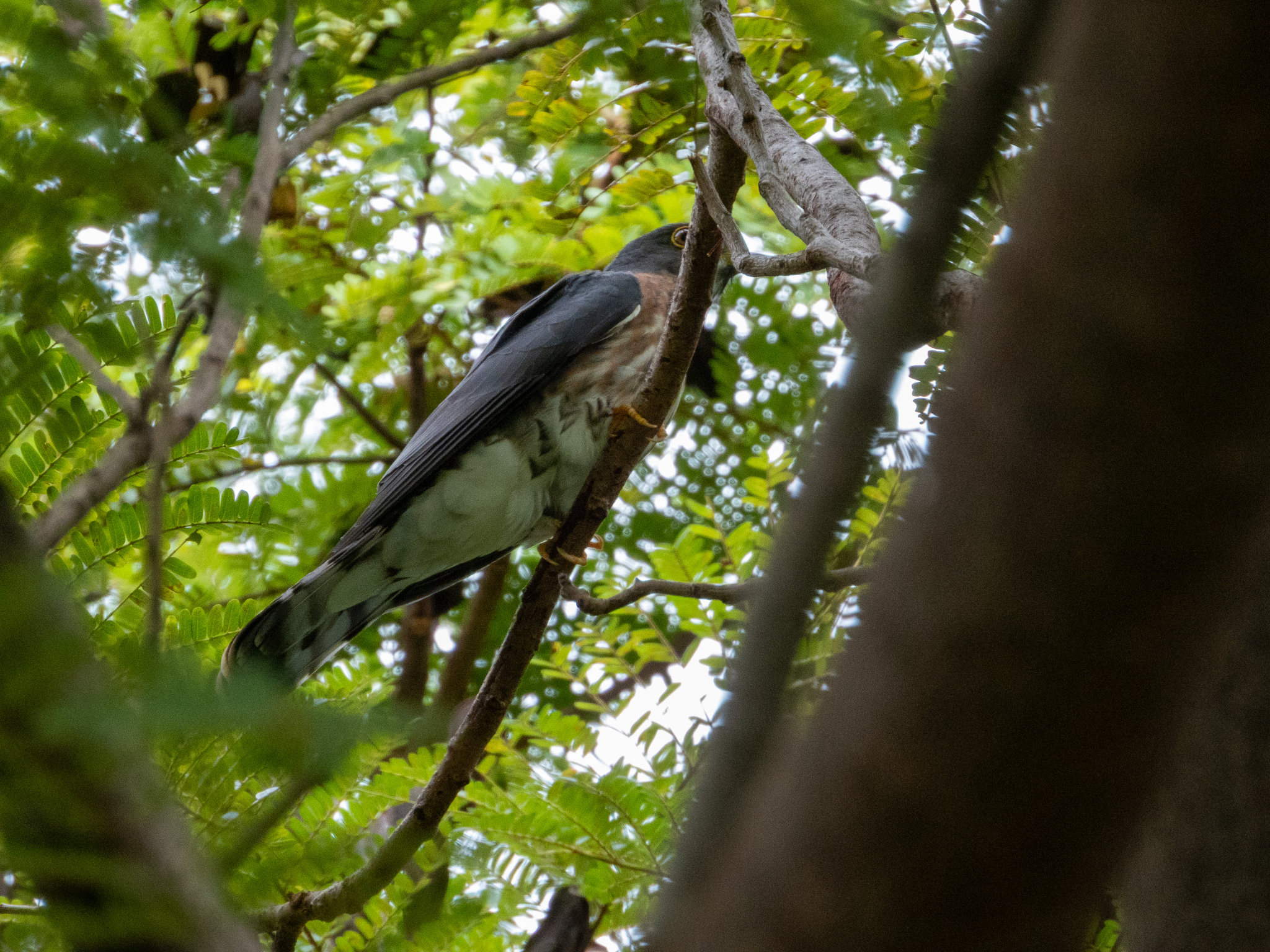
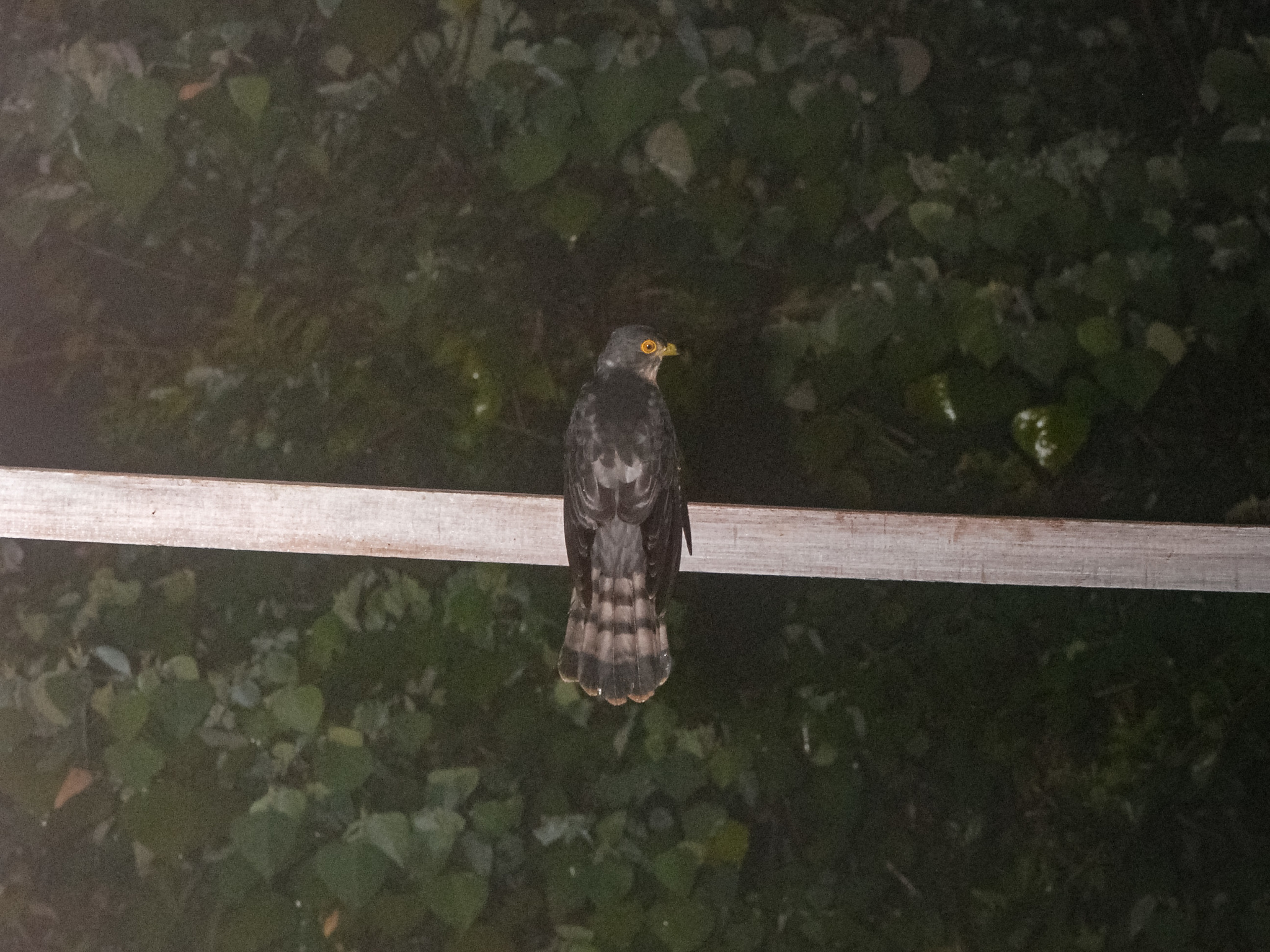
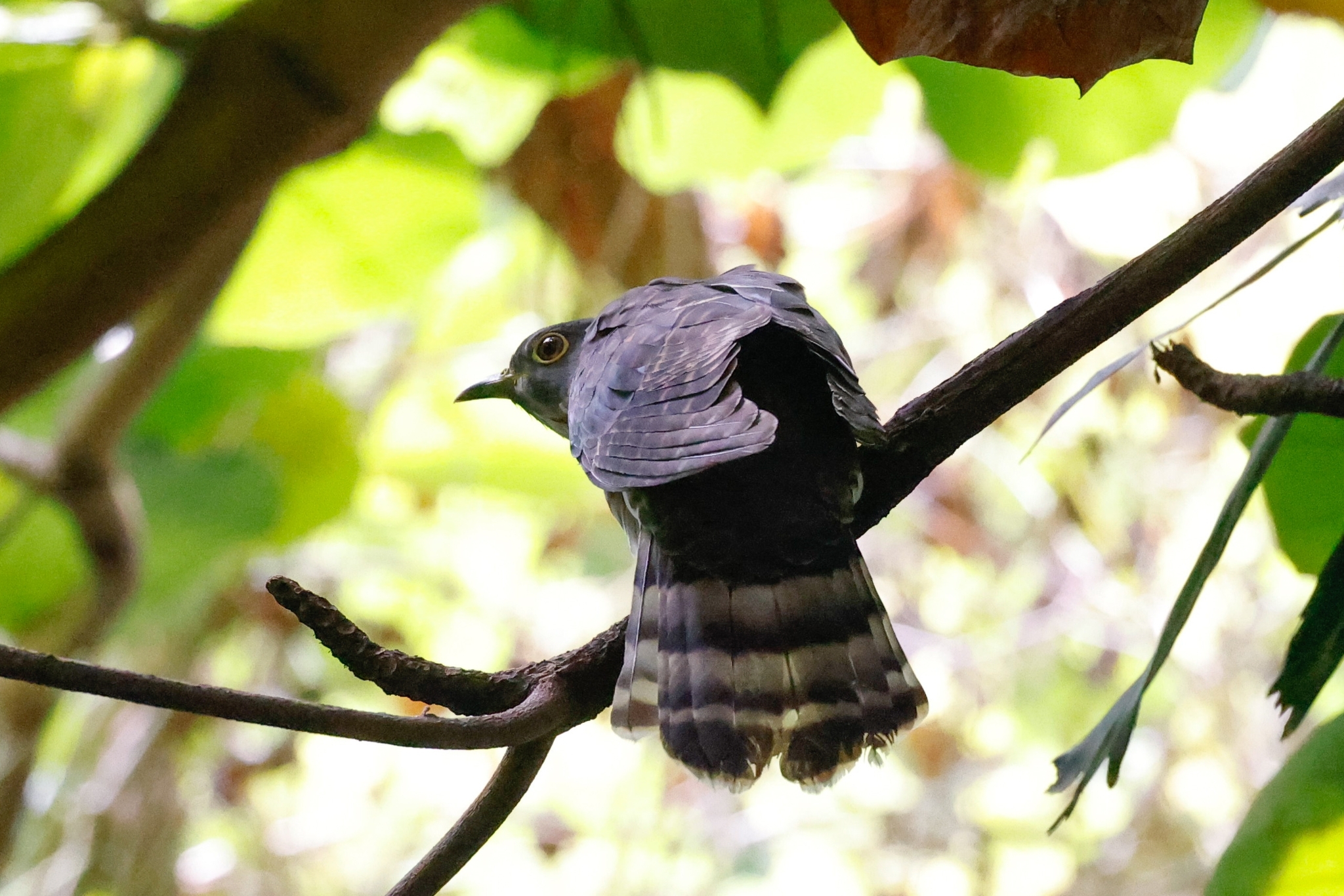
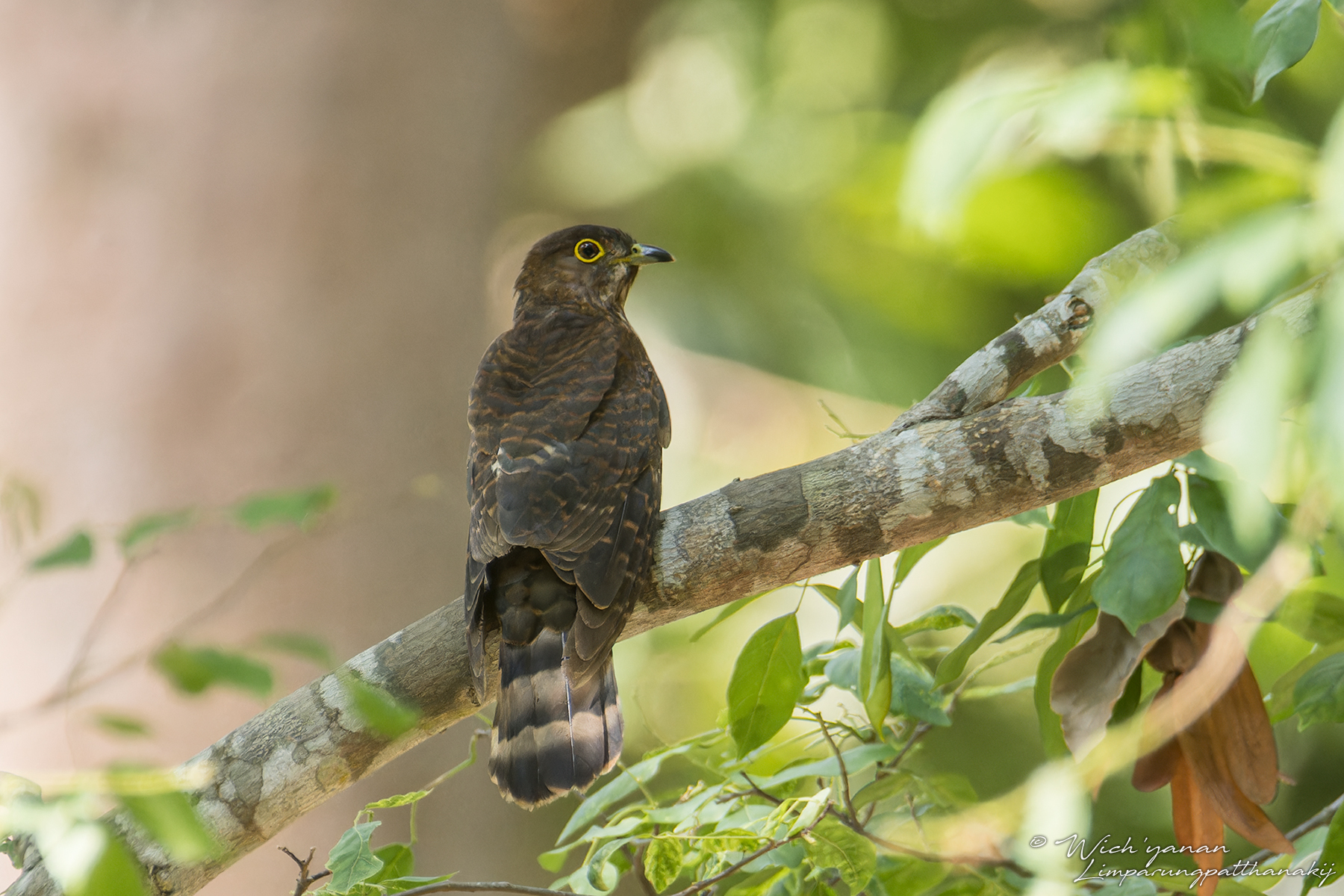
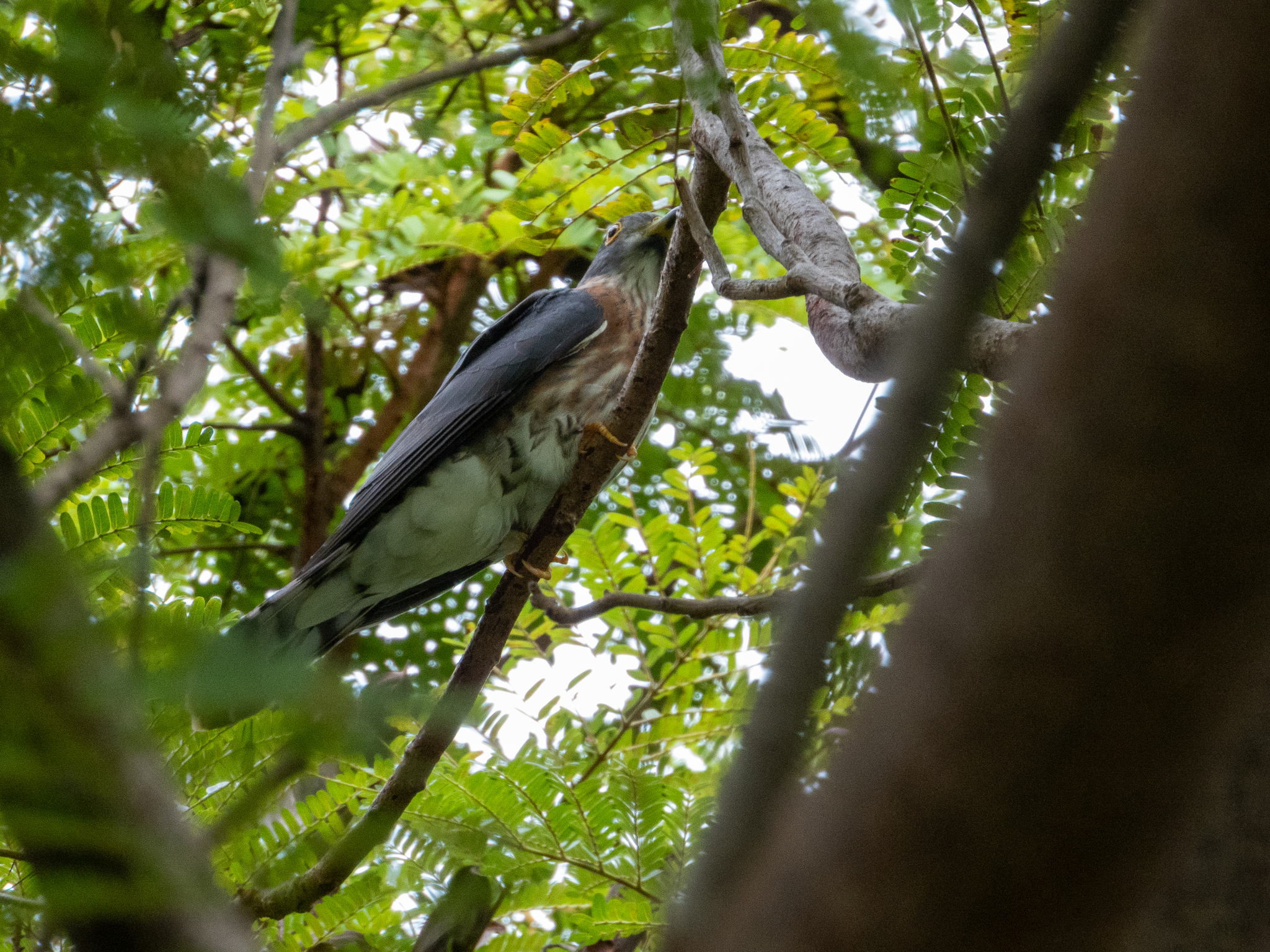
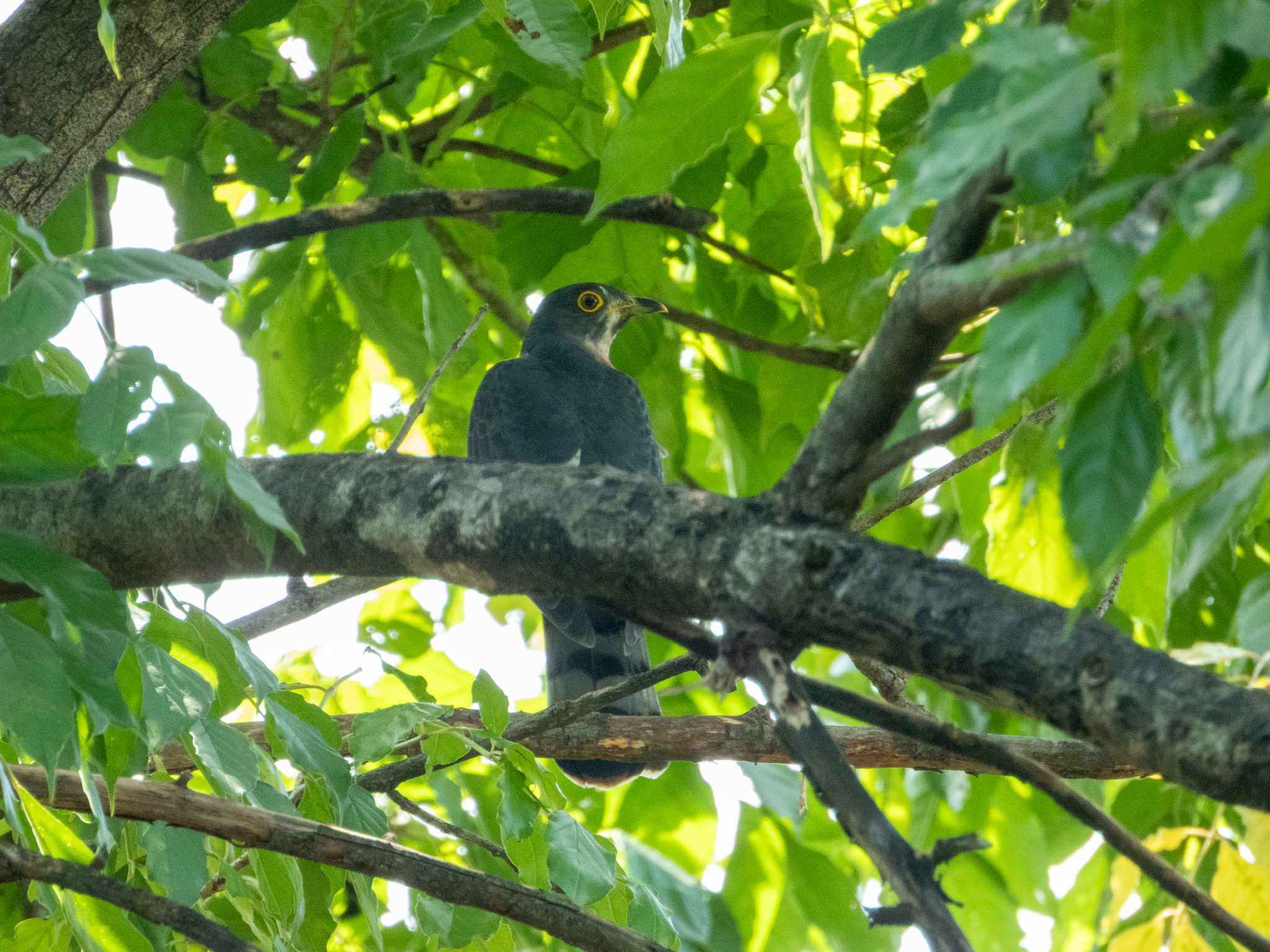
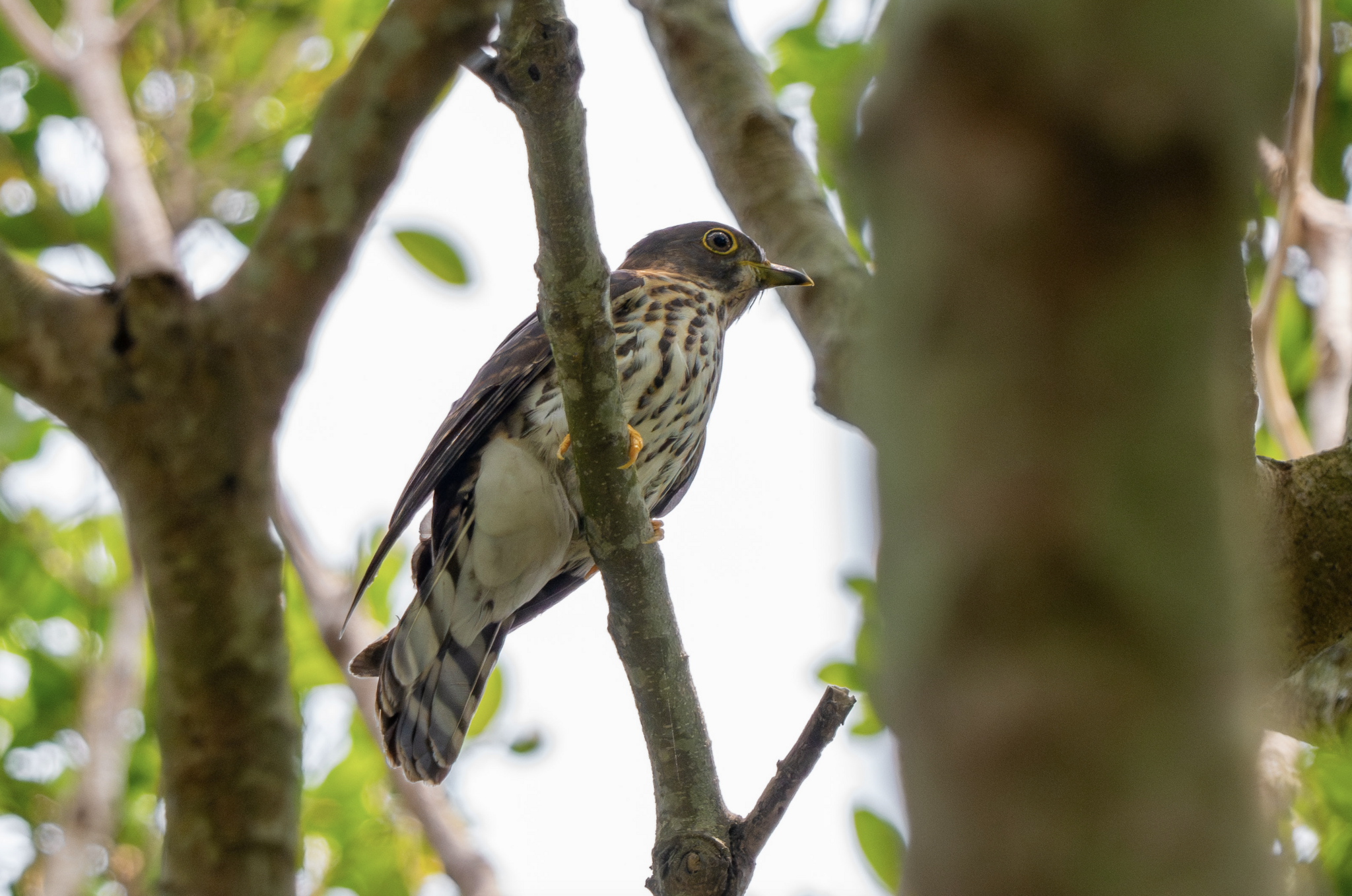
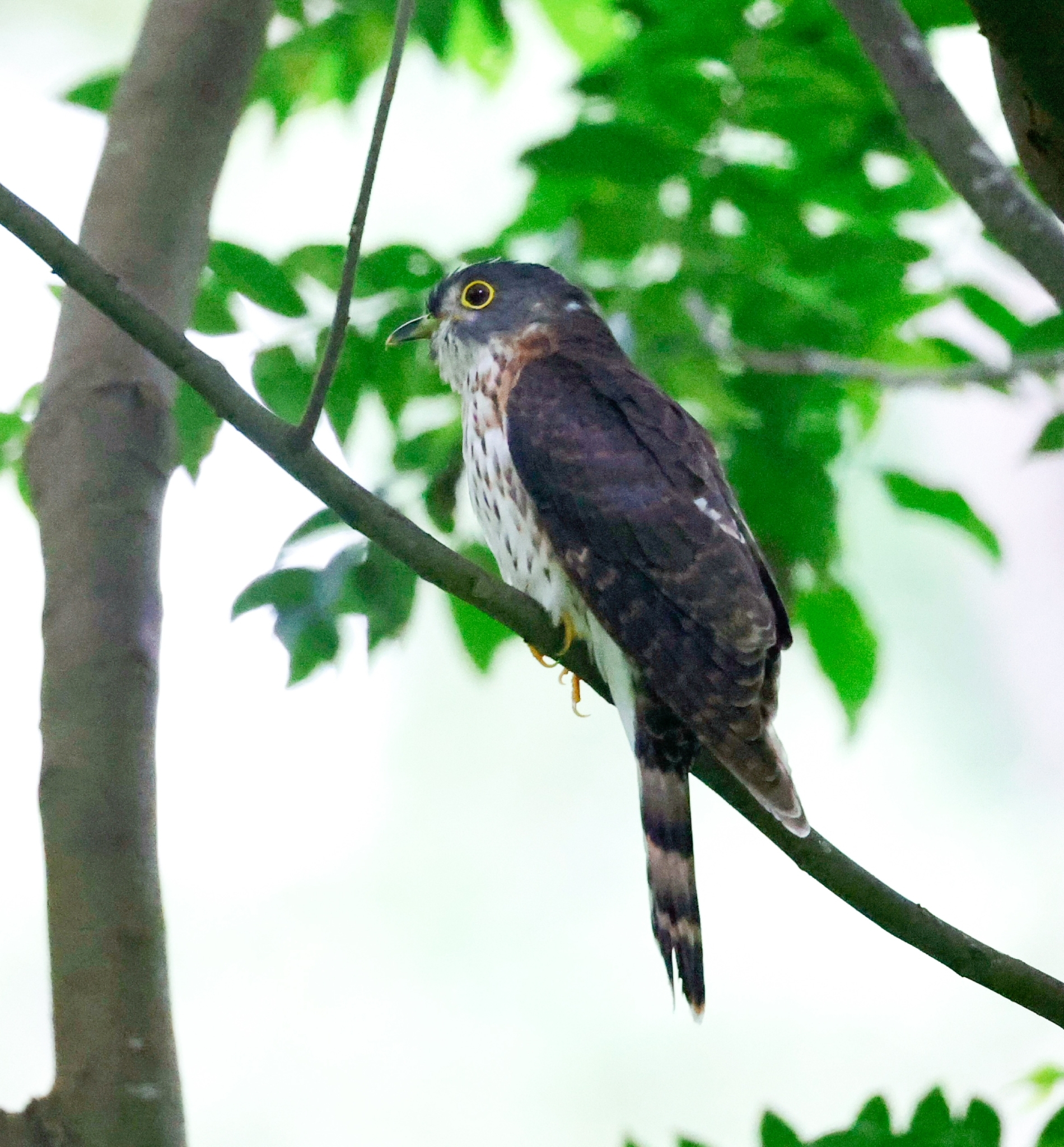
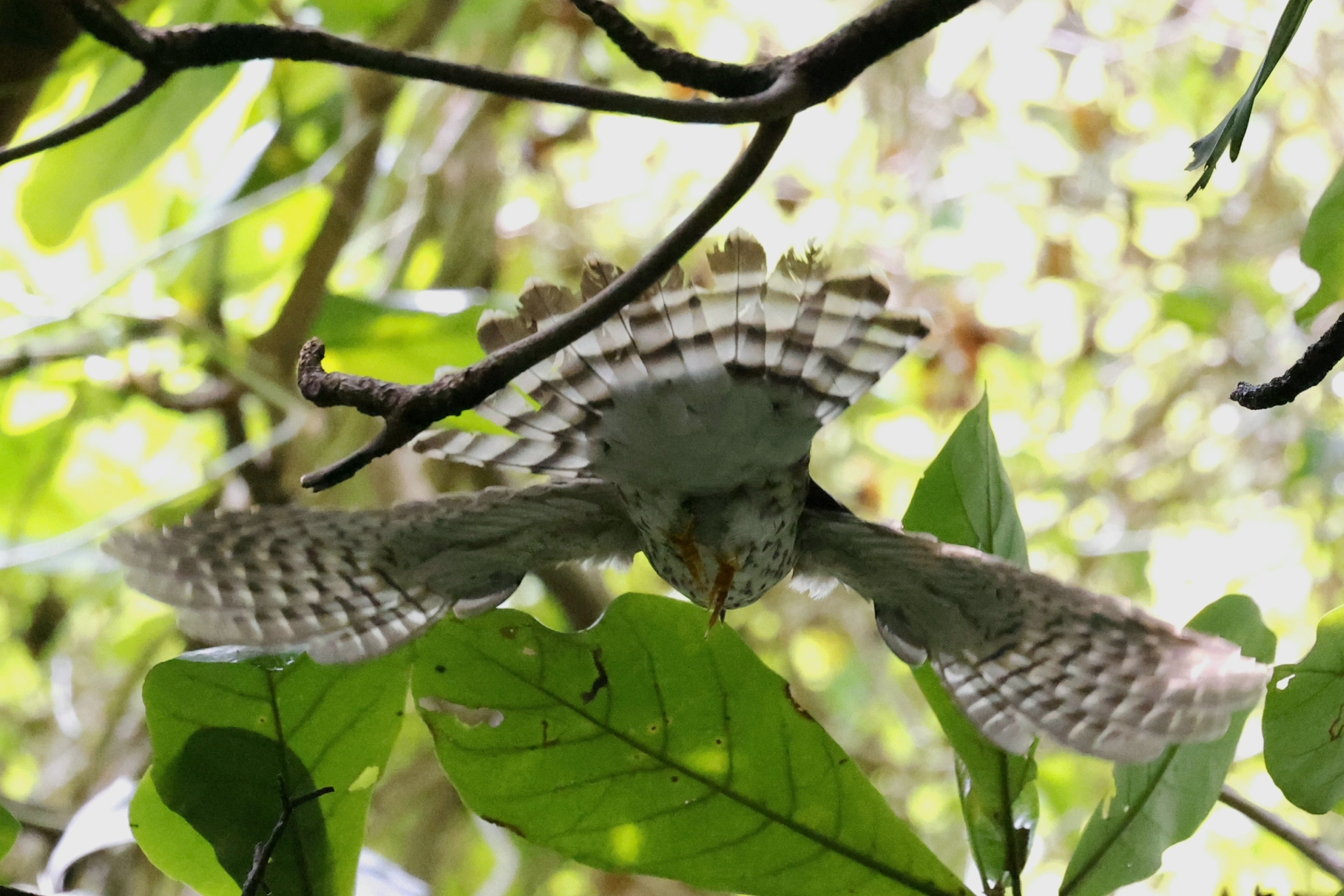
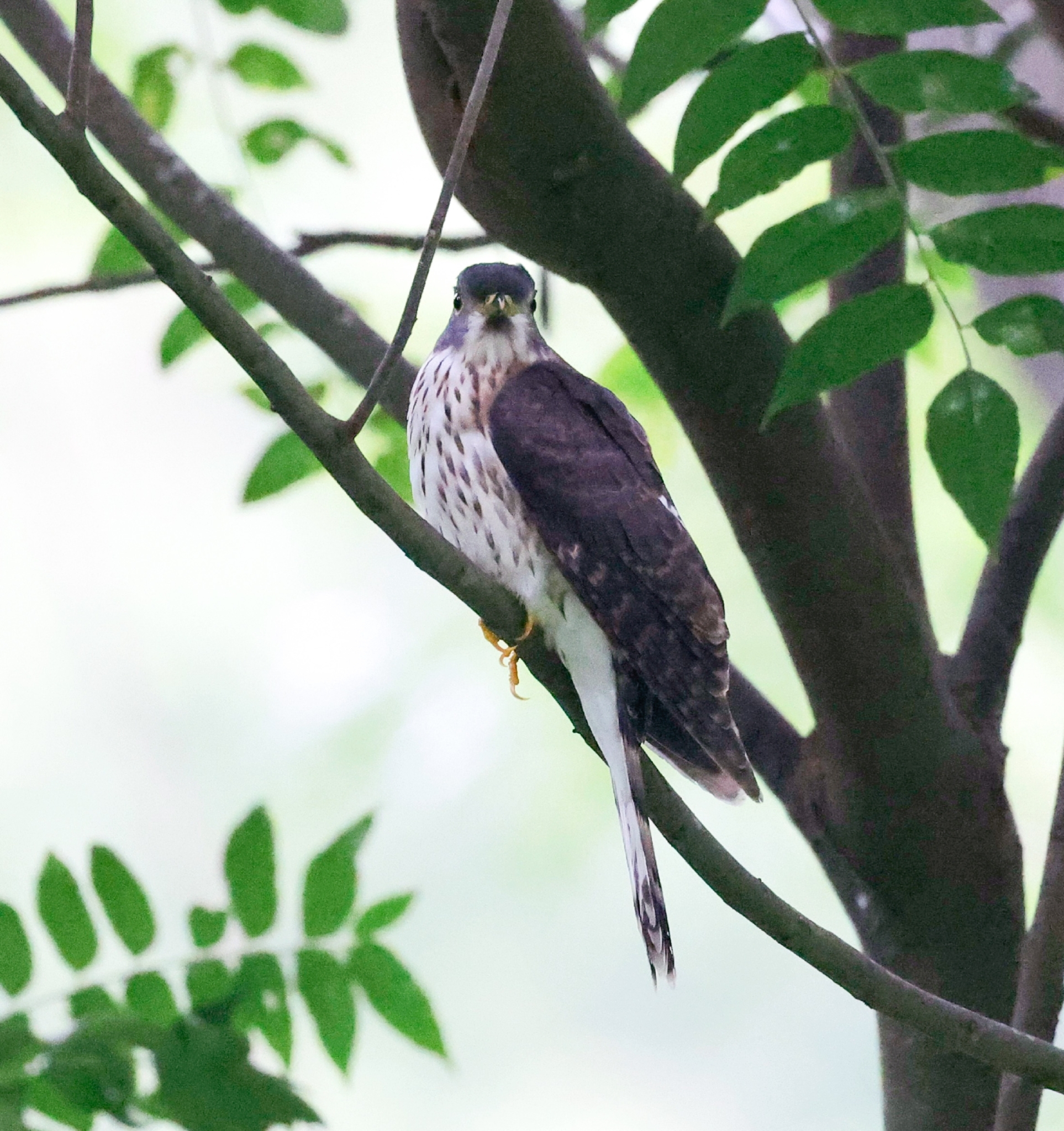
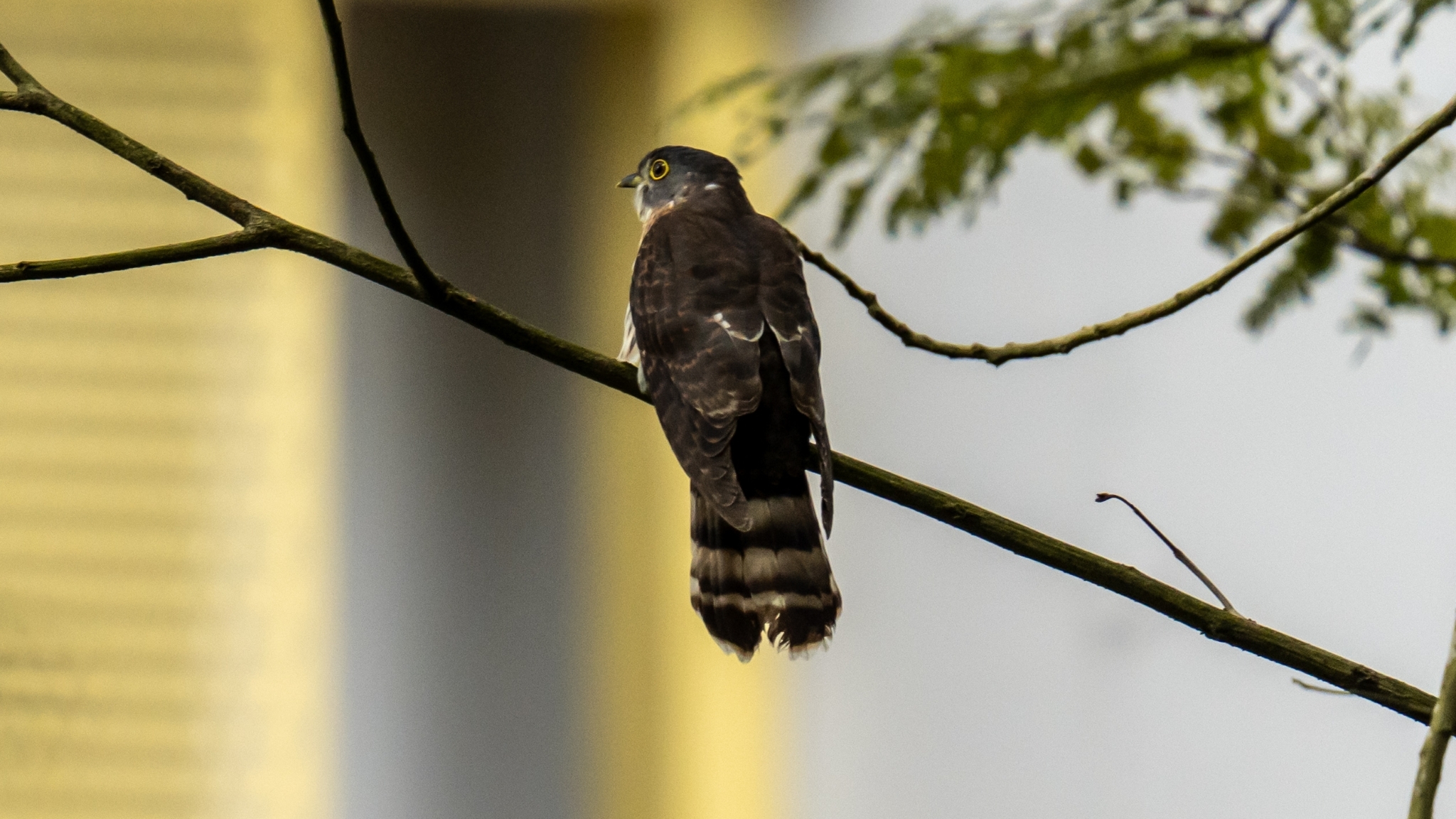
Hodgson's Hawk-Cuckoo
Hierococcyx nisicolor
棕腹鹰鹃
Introduction
A brood-parasitic cuckoo species found in northeastern India, Myanmar, southern China, and Southeast Asia. The species employs a sophisticated deception strategy: chicks evict all other nest occupants and display gape-coloured patches of skin beneath their wings to simulate additional hungry mouths. This visual mimicry increases provisioning rates from foster parents, who sometimes even place food directly into these skin patches. This contrasts with other cuckoo species, such as the common cuckoo, which rely on rapid, high-pitched hunger calls to achieve the same effect.
Description
Information about physical appearance, size, and plumage not available in source material.
Identification
Information about field identification and distinguishing features not available in source material.
Distribution & Habitat
Range extends through northeastern India, Myanmar, southern China, and Southeast Asia. Formerly considered conspecific with the Philippine hawk-cuckoo, Malaysian hawk-cuckoo, and rufous hawk-cuckoo, all now treated as separate species following taxonomic revisions.
Behavior & Ecology
Obligate brood parasite. Chicks remove all legitimate nestlings from parasitized nests, becoming the sole occupant. To counteract the reduced provisioning that would result from a single gape, displays bright skin patches under wings that mimic additional gapes. This visual deception convinces host parents to deliver food at higher rates. The strategy differs from vocal manipulation used by other cuckoo species.
Conservation
Information about conservation status not available in source material.
Culture
The common name commemorates Brian Houghton Hodgson, a British naturalist. Formerly classified with four subspecies, taxonomic revision has elevated the Philippine hawk-cuckoo to full species status and split the remaining forms into three distinct species: the Malaysian hawk-cuckoo, Hodgson's hawk-cuckoo, and rufous hawk-cuckoo.
Source: Wikipedia · CC BY-SA 3.0
Taxonomy
- Order
- Cuculiformes
- Family
- Cuculidae
- Genus
- Hierococcyx
- eBird Code
- hodhac1
Distribution
breeds Himalayas from eastern Nepal and hills south of the Brahmaputra River eastwards to eastern China, from southern Sichuan northeast to Jiangsu and southeast to Hainan, and northern southeastern Asia; winters to Greater Sundas
Vocalizations
Data Sources
CBR Notes: 中文名由霍氏鹰鹃改为棕腹鹰鹃
Species description from Wikipedia, licensed under CC BY-SA 3.0.
Bird images and sounds sourced from GBIF, contributed by citizen scientists worldwide under Creative Commons licenses.
Taxonomy data from AviList 2025.