White-eared Sibia
Heterophasia auricularis
白耳奇鹛
Introduction
A bird species in the laughingthrush family Leiothrichidae, sometimes placed in the monotypic genus Malacias. Endemic to the island of Taiwan, where it occupies a range of forest and woodland habitats. It is a partial altitudinal migrant, moving between different elevations seasonally. The species is known for its varied diet including insects, nectar, and plant materials, and frequently joins mixed-species flocks, particularly with Taiwan yuhina, at flowering trees. No subspecies are recognized.
Description
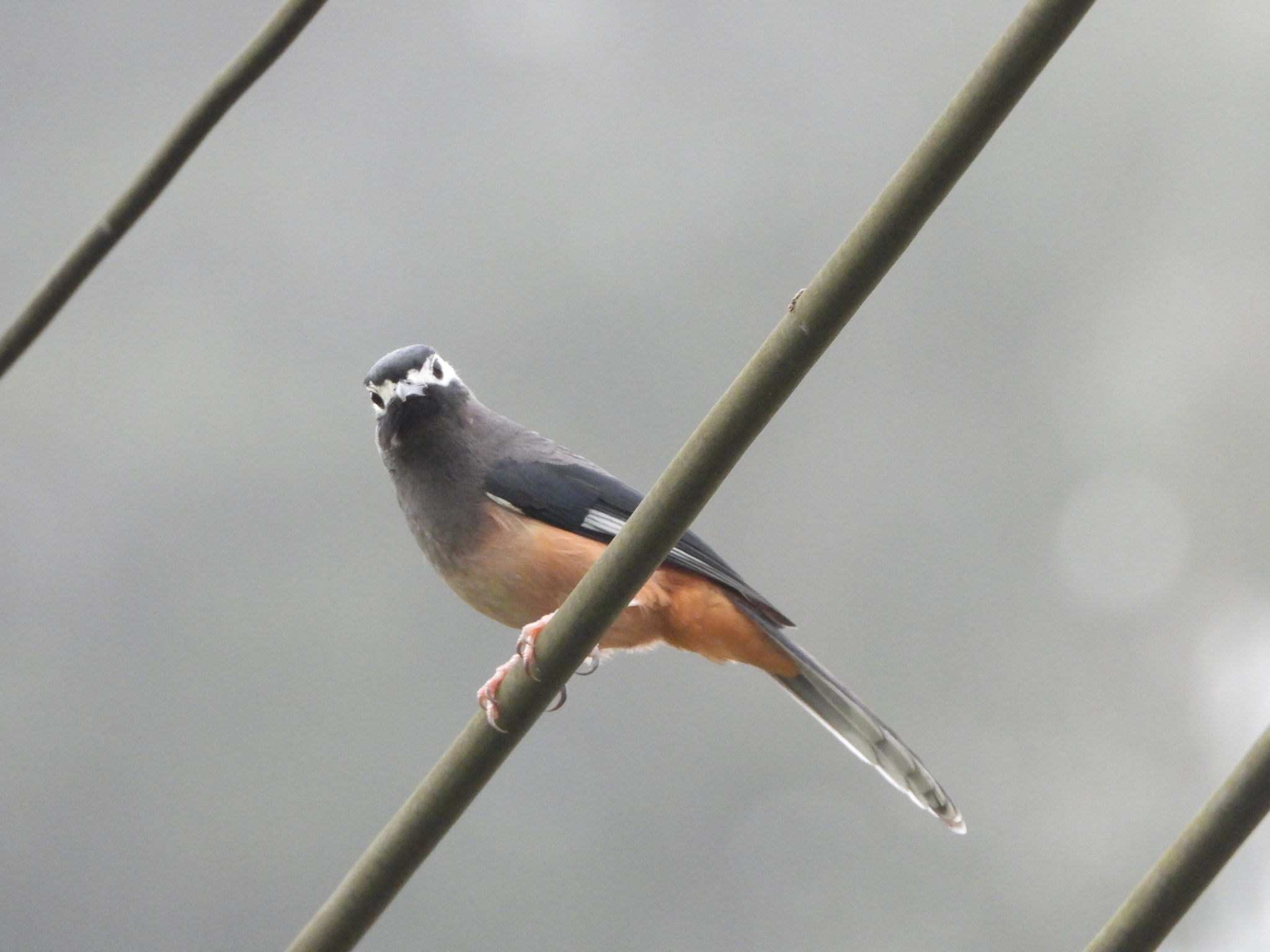
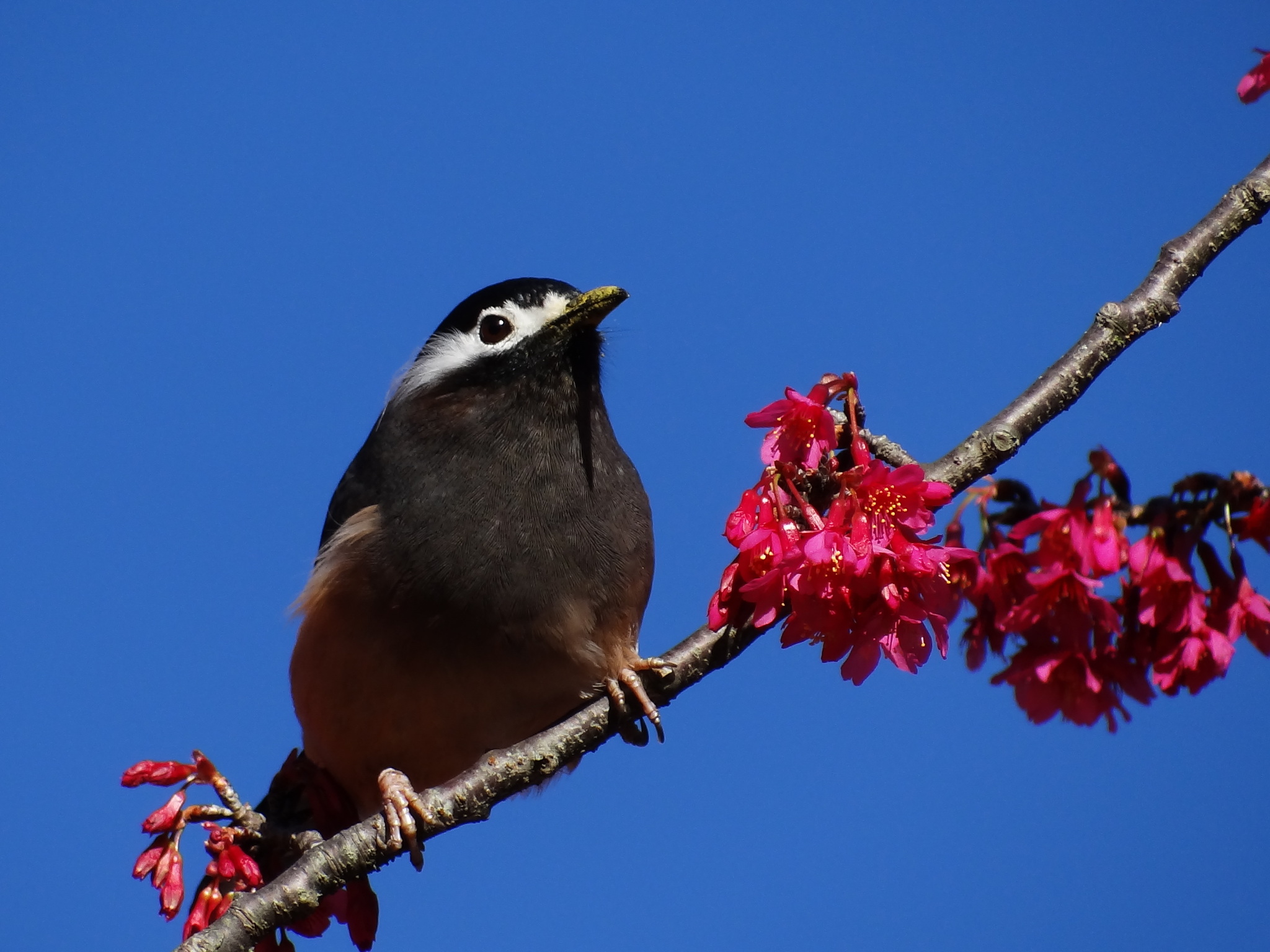
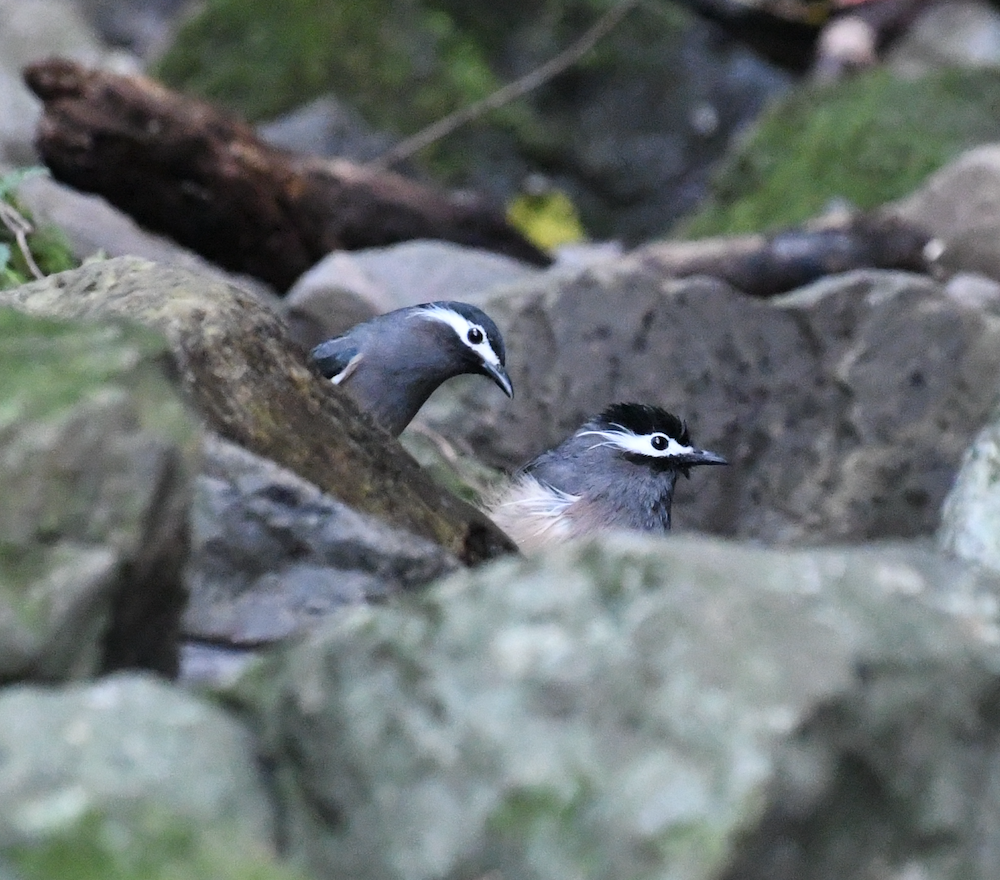
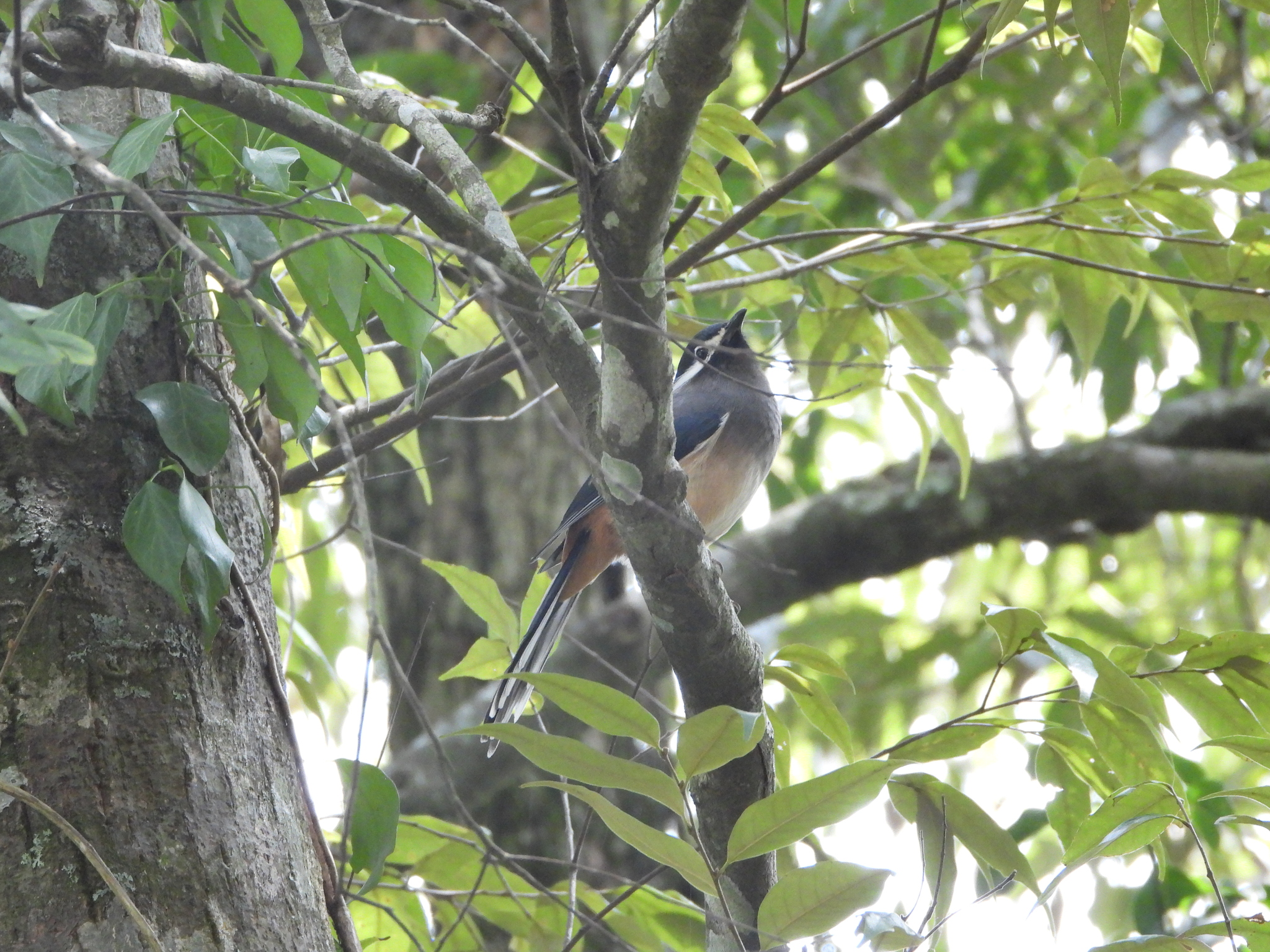
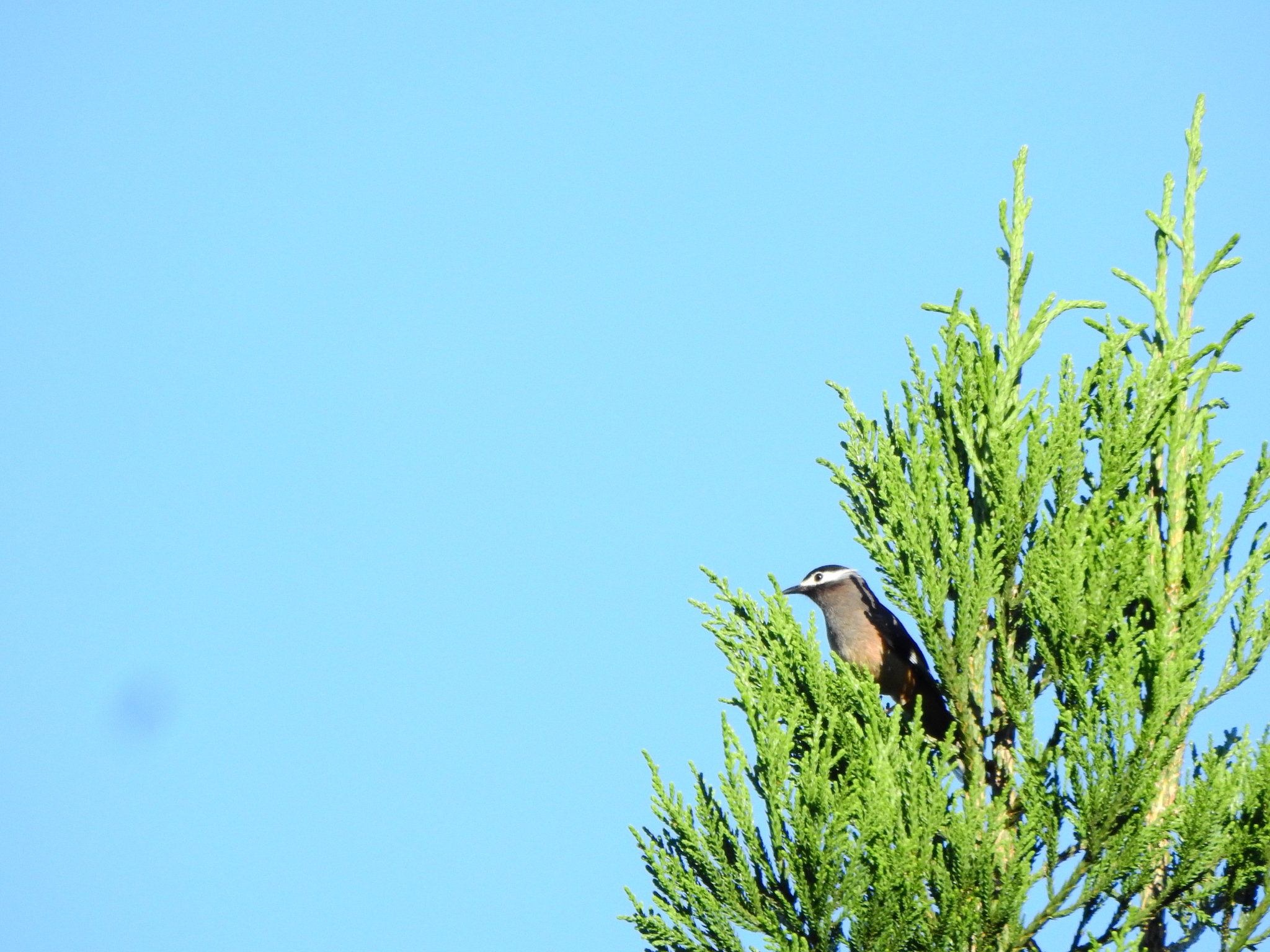
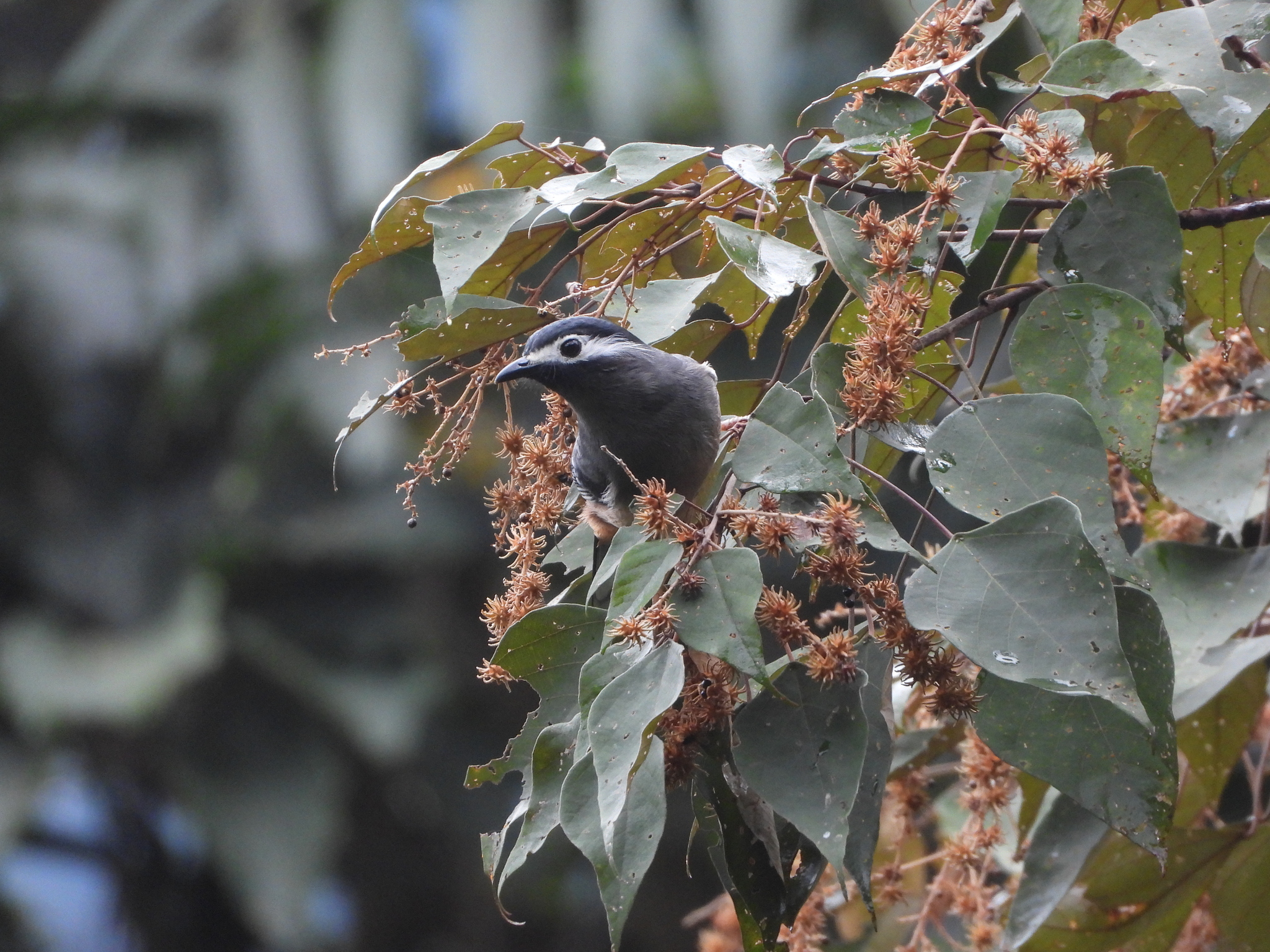
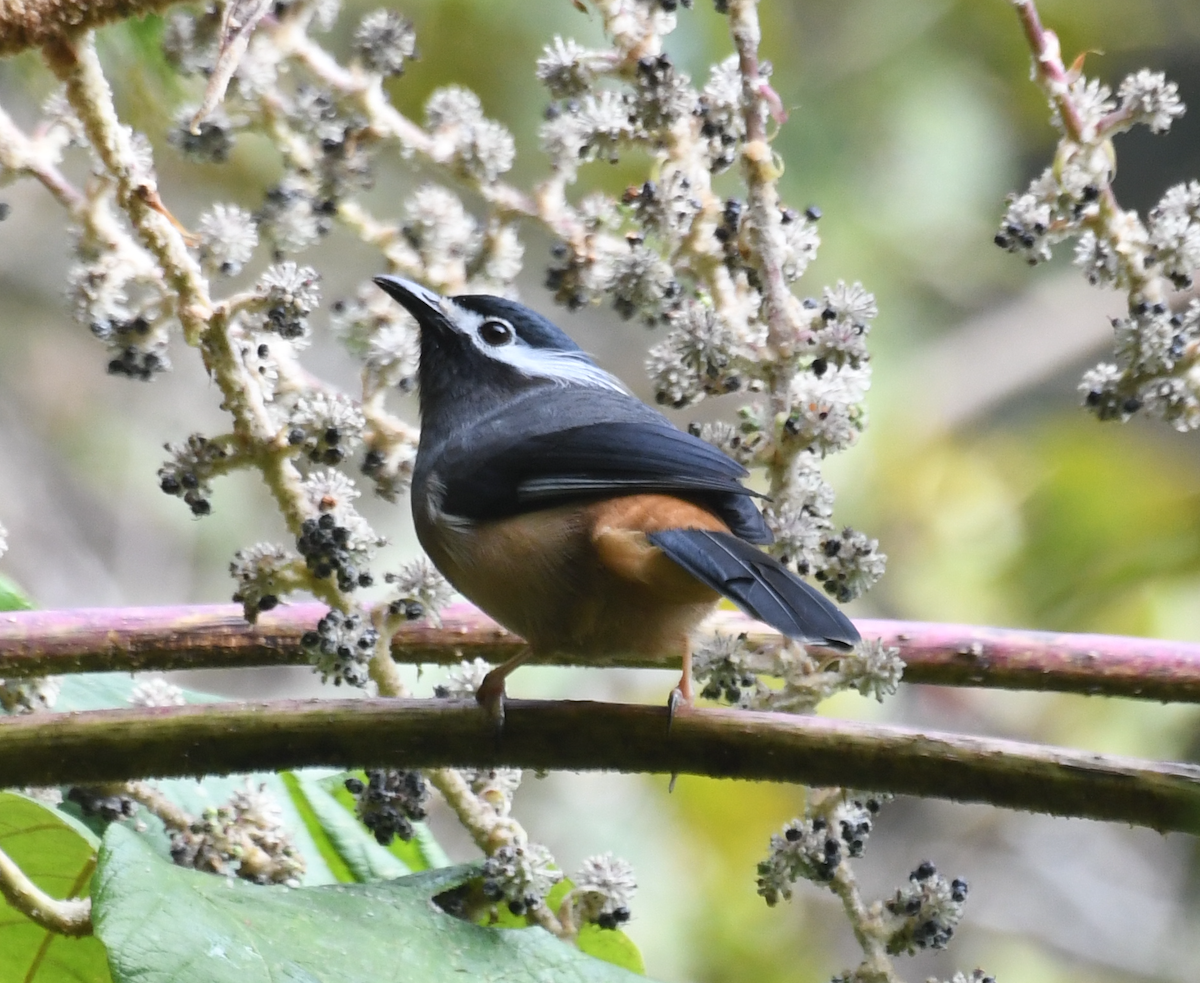
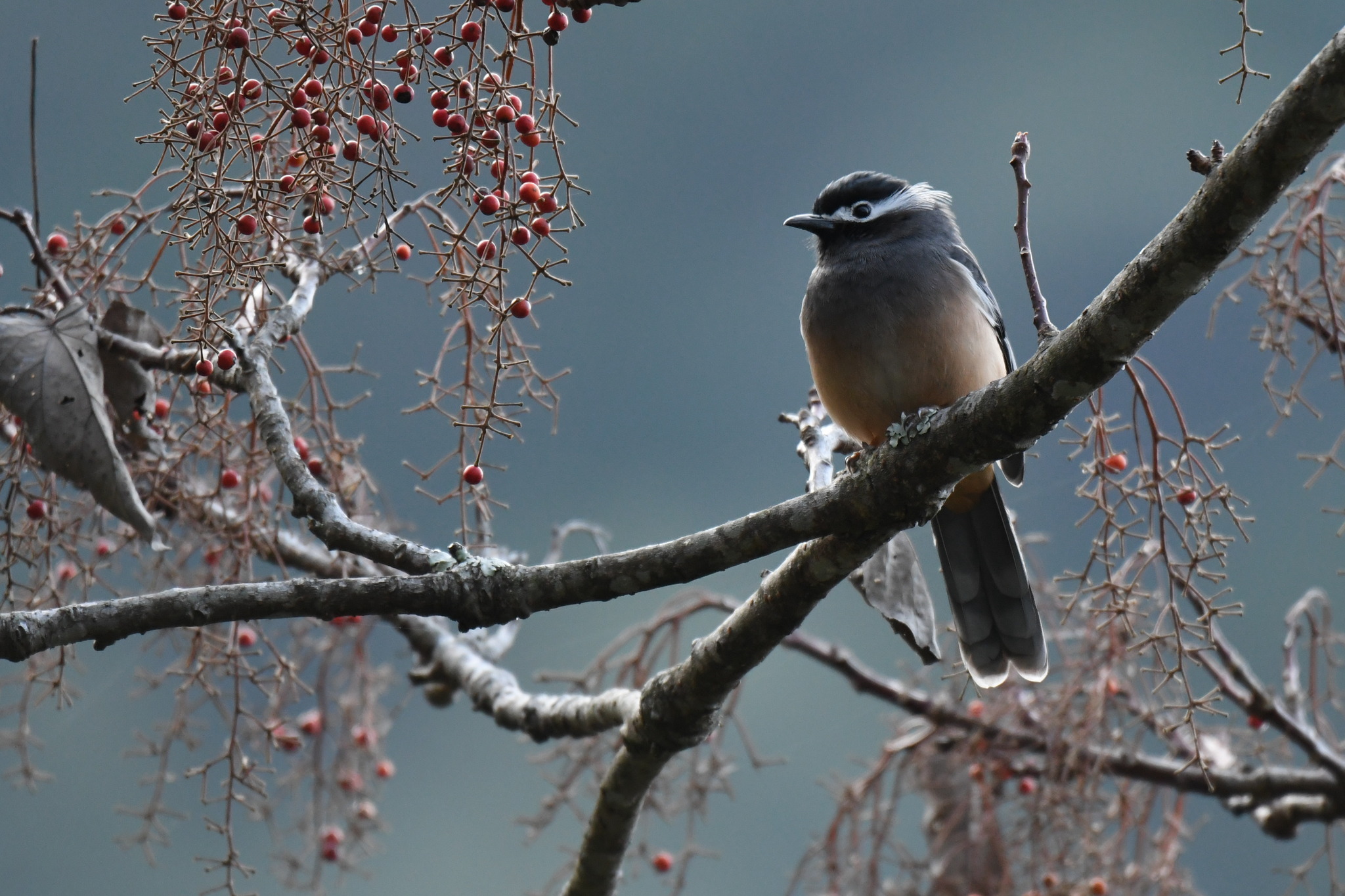
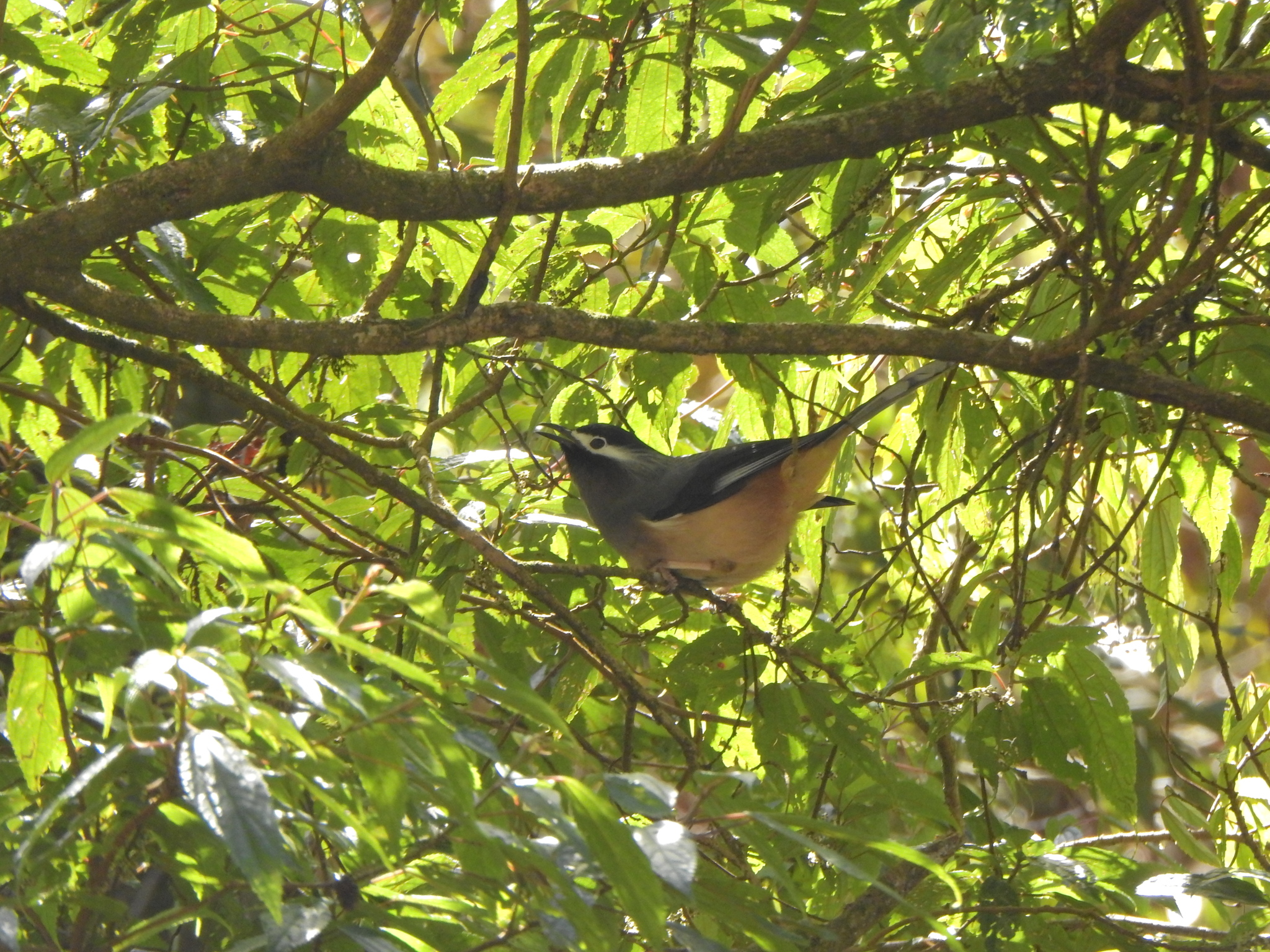
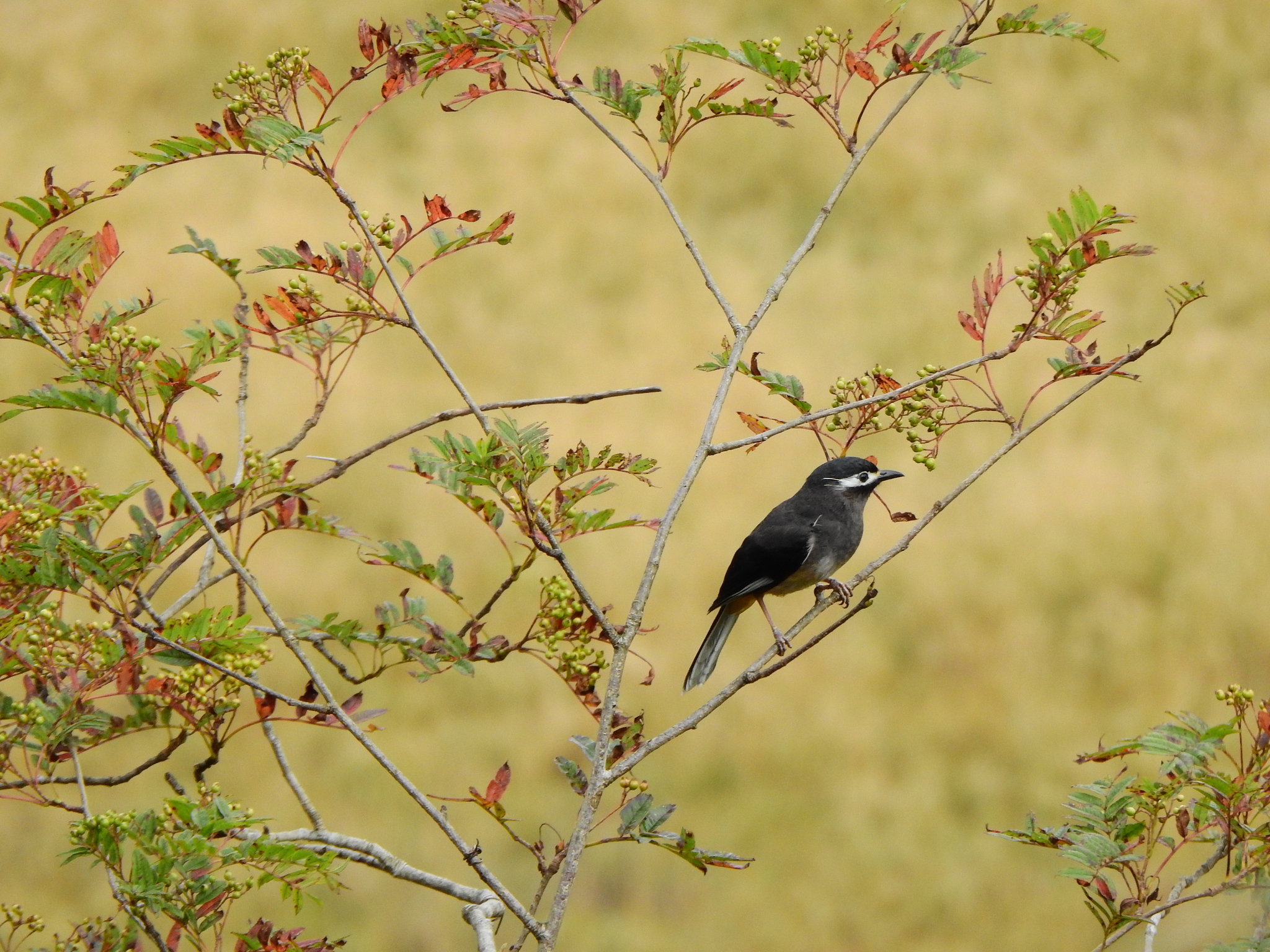
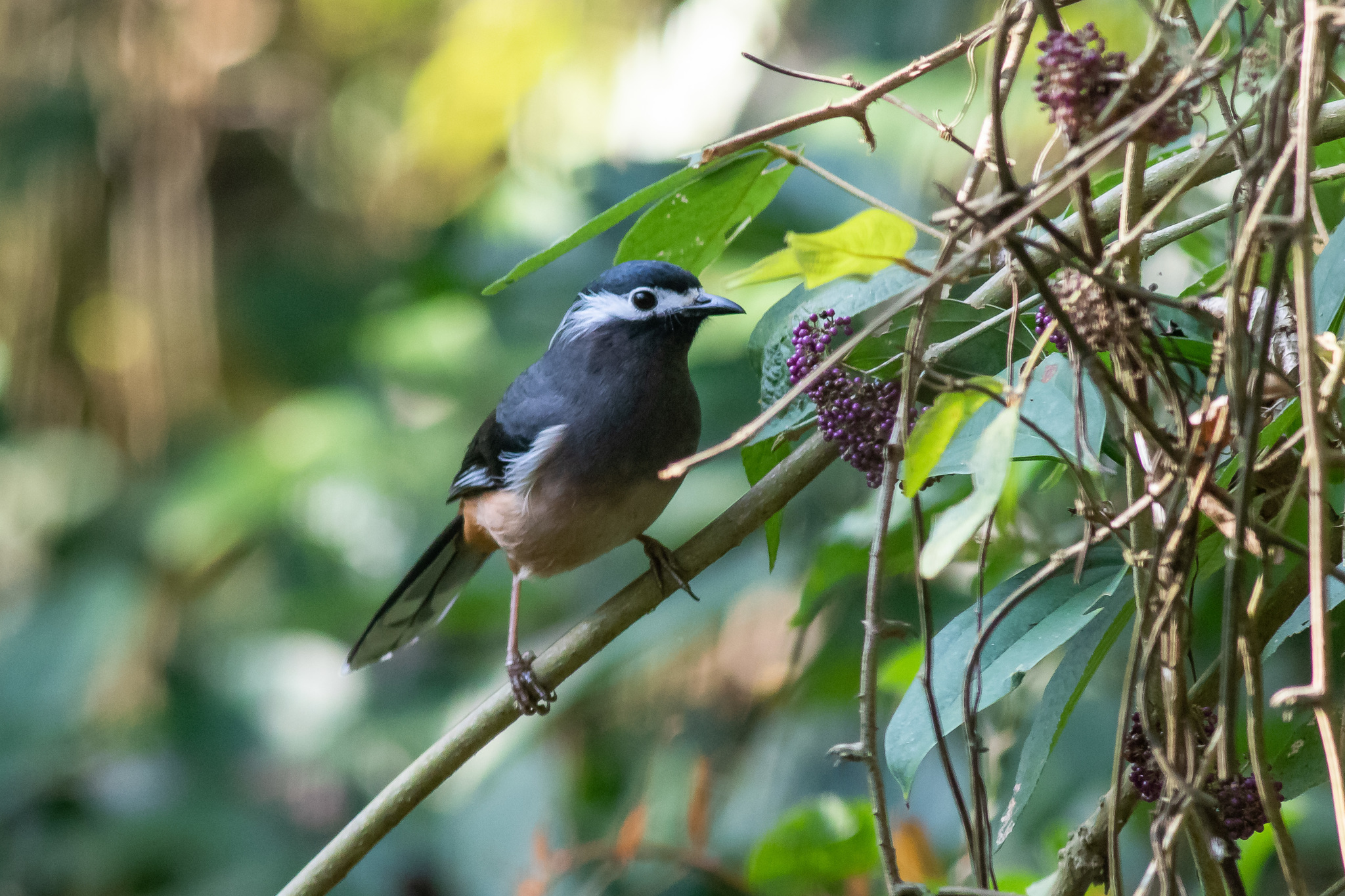
An elegant, long-tailed babbler measuring 22-24 cm in length with an average weight of 40-50 g. The head is black with a conspicuous white stripe through the eye that extends into long white filamentous plumes. The wings and tail are deep blue-black, displaying a noticeable white wingbar. The upper back and breast are dark grey, while the belly and rump are deep rufous chestnut. The bill is black and the legs are brown-flesh coloured. Both sexes have identical plumage; juvenile plumage remains undescribed.
Identification
The combination of black head with white eye stripe and filamentous plumes, white wingbar, and rufous chestnut belly and rump distinguishes this species from similar babblers. The long tail and elegant profile are characteristic features.
Distribution & Habitat
Endemic to Taiwan. Breeds at elevations of 1,200-3,000 m (3,900-9,800 ft) during summer, or 2,780 m (9,120 ft) in northern Taiwan. In winter, individuals descend to 700 m (2,300 ft), occasionally reaching 200 m (660 ft) during harsh weather. Summer habitat consists of evergreen forests including mixed broadleaf-coniferous forests, while winter habitat includes deciduous forests.
Behavior & Ecology
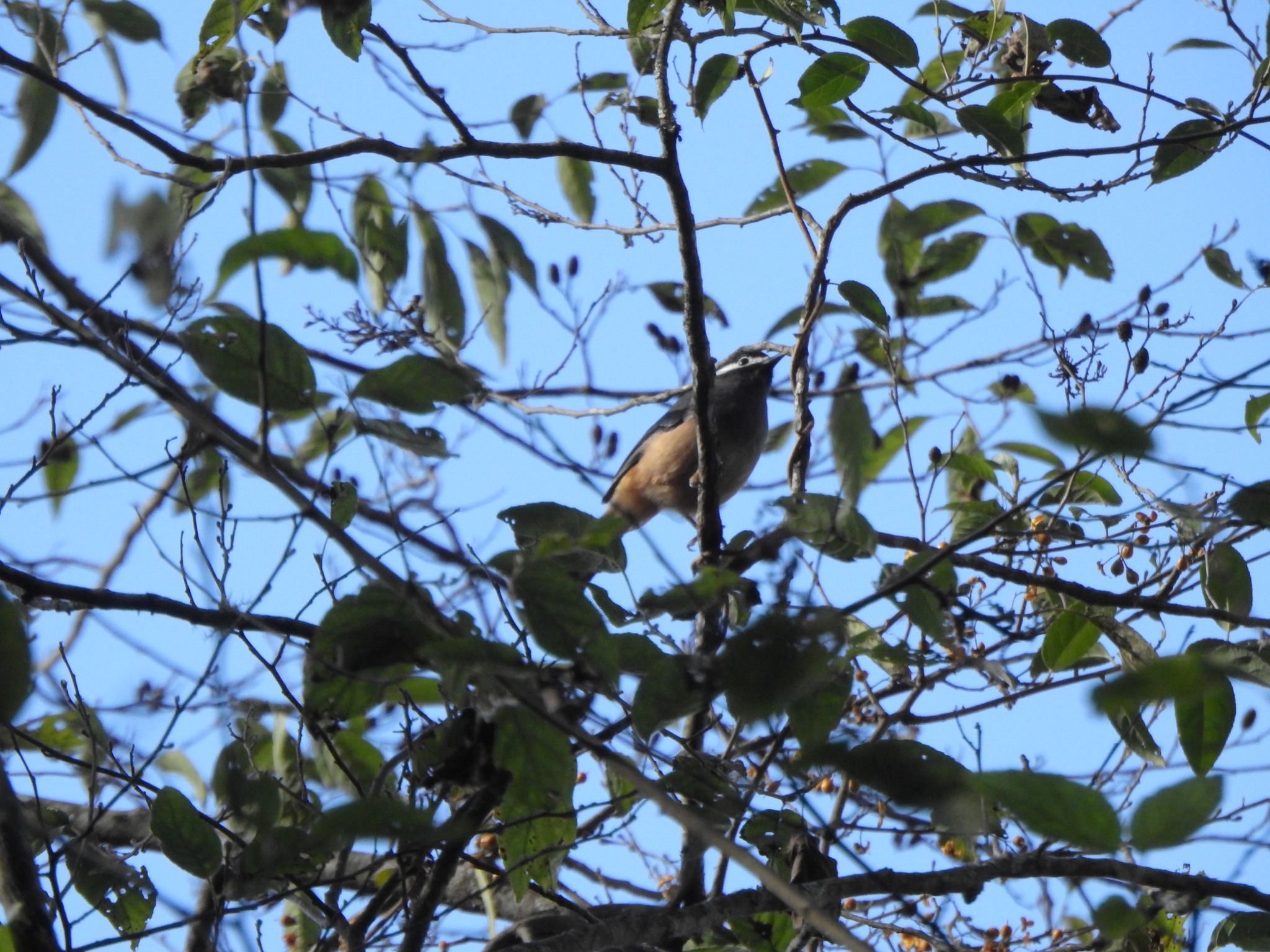
An active and opportunistic feeder with a varied diet including insects taken from flowers, nectar, acorns, berries, fruit, and seeds. Possesses a brushy tongue adapted for nectar consumption but is not dependent on it. Frequently joins flocks of Taiwan yuhina in flowering trees and has been observed taking eggs and nestlings, including those of Taiwan yuhina. Feeds from the canopy to the forest floor but more commonly at higher levels. Forages individually, in pairs, or small flocks. Breeding behavior is poorly documented; known to nest in the canopy of tall trees, though not shy.
Conservation
Not evaluated by the IUCN; no population data or conservation status information available in the source material.
Culture
No cultural or folklore significance documented in the source material.
Source: Wikipedia · CC BY-SA 3.0
Taxonomy
- Order
- Passeriformes
- Family
- Leiothrichidae
- Genus
- Heterophasia
- eBird Code
- whesib1
Distribution
montane oak forest of Taiwan
Vocalizations
Data Sources
Species description from Wikipedia, licensed under CC BY-SA 3.0.
Bird images and sounds sourced from GBIF, contributed by citizen scientists worldwide under Creative Commons licenses.
Taxonomy data from AviList 2025.