
Chestnut Bulbul
Hemixos castanonotus
栗背短脚鹎
Introduction
The Bulbul family member (Pycnonotidae) occupies forested habitats in southern China and northern Vietnam. First described in 1870, this medium-sized passerine is a common resident of subtropical and tropical moist lowland forests throughout its range. It exhibits a preference for canopy dwelling, moving actively through upper forest layers. As an omnivore, it displays flexible feeding habits. The species occupies intact forest habitats and may utilize secondary growth areas with sufficient canopy cover.
Description
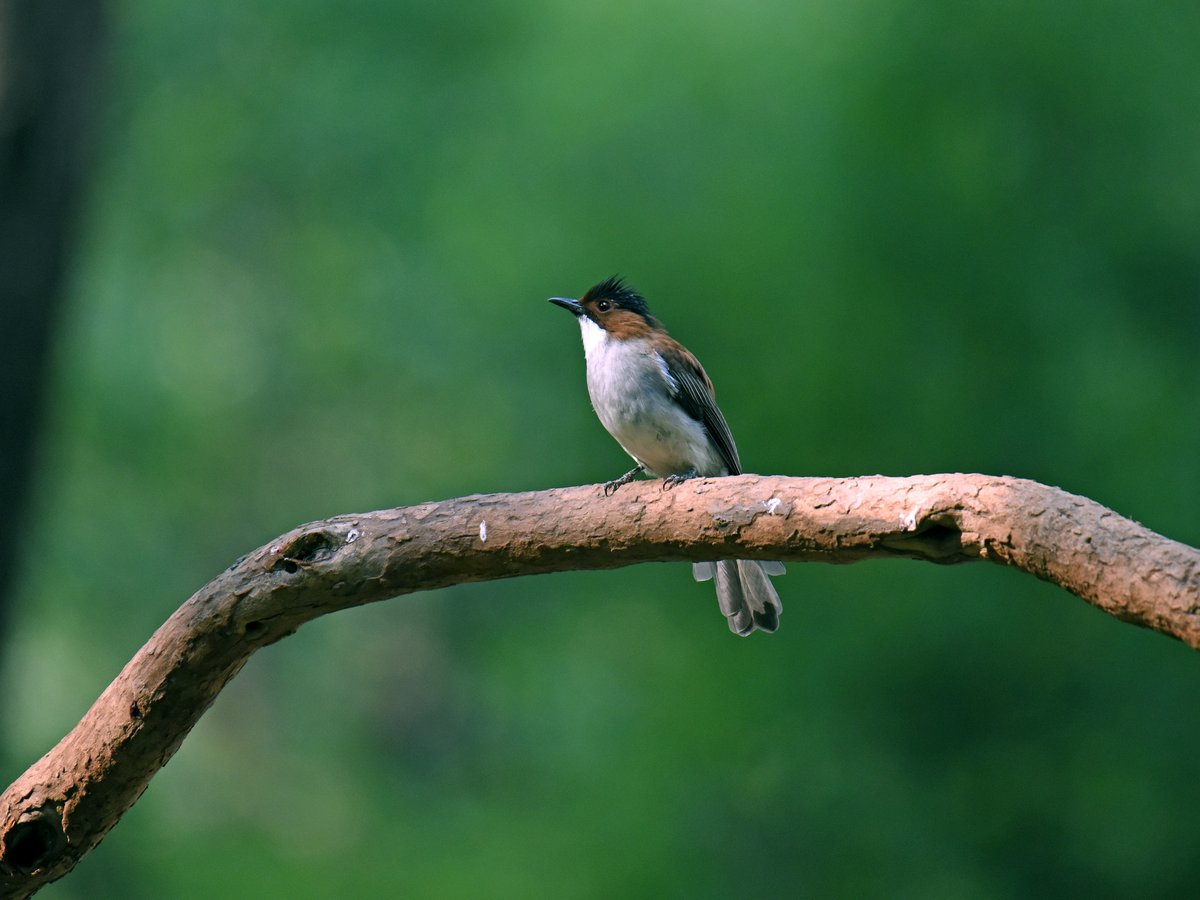
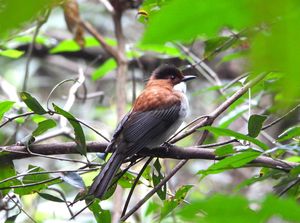
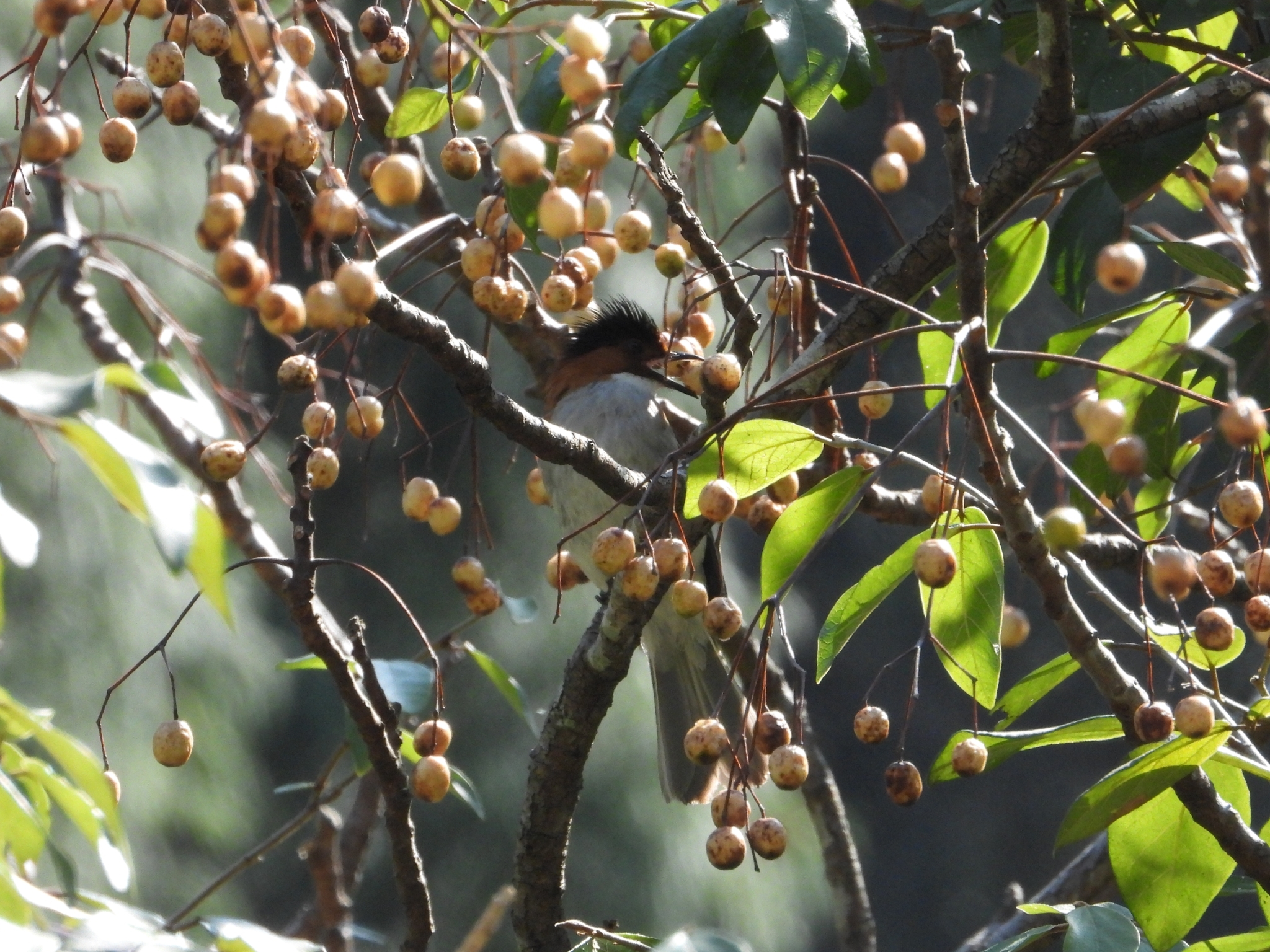
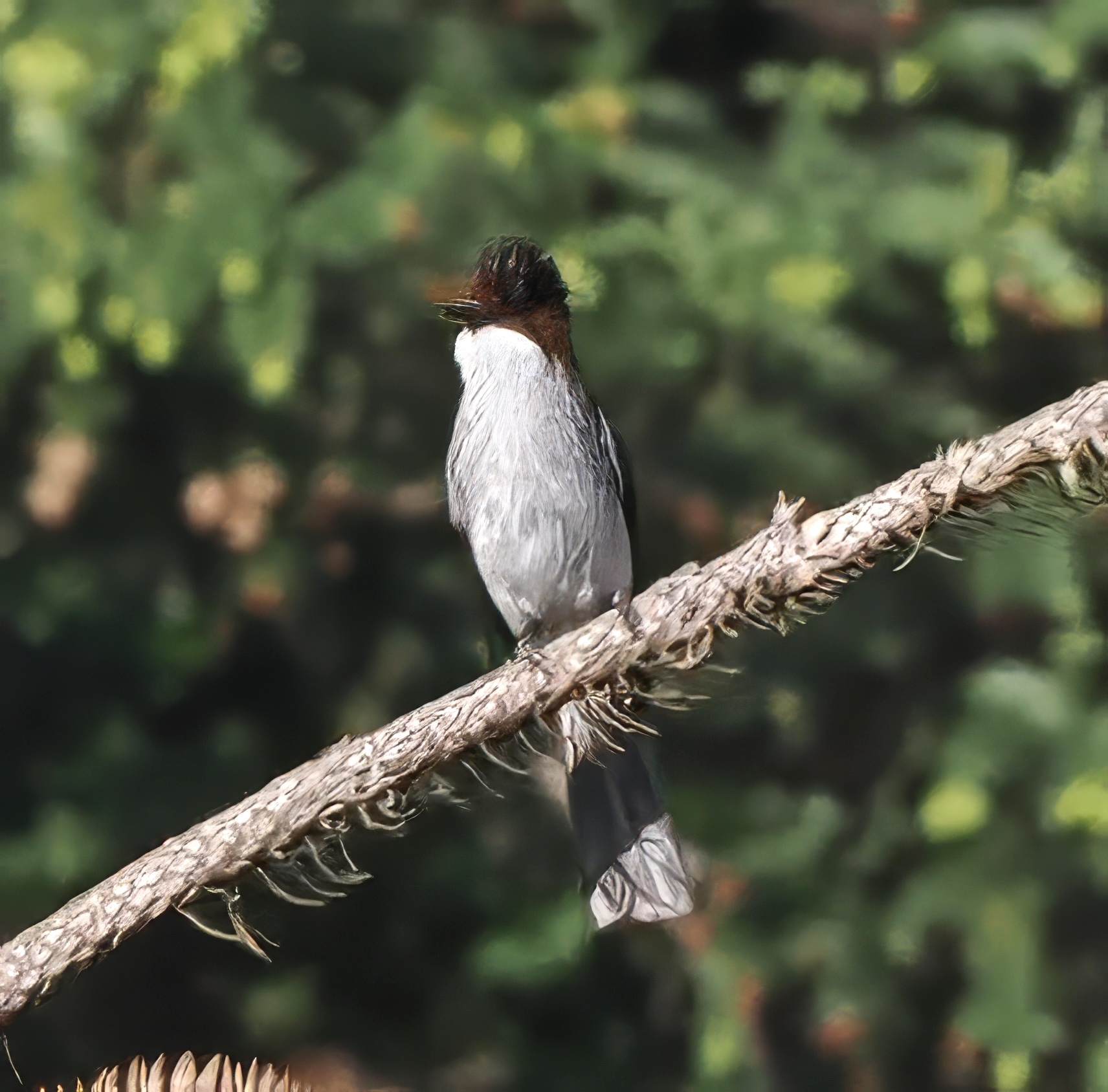
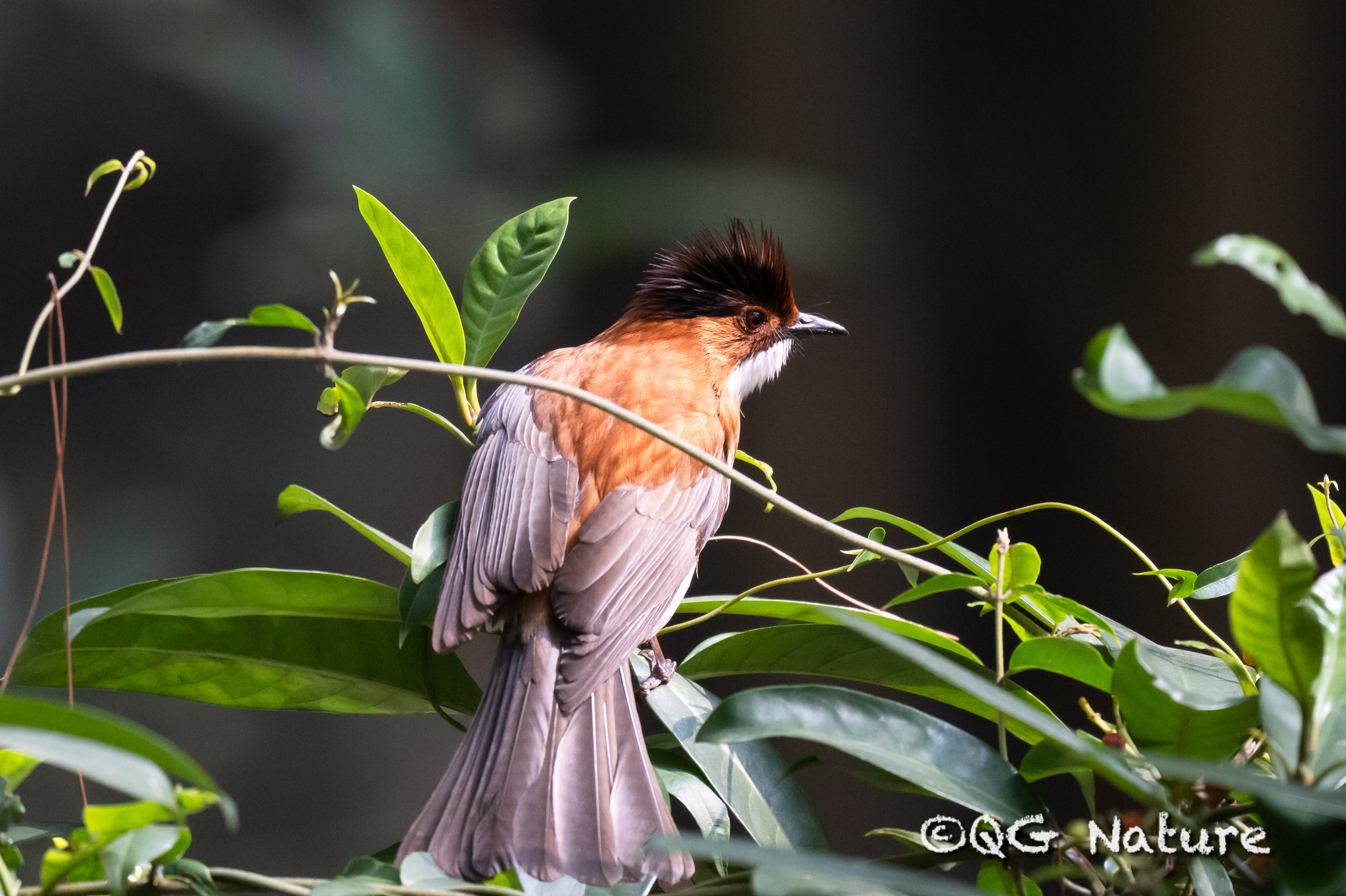
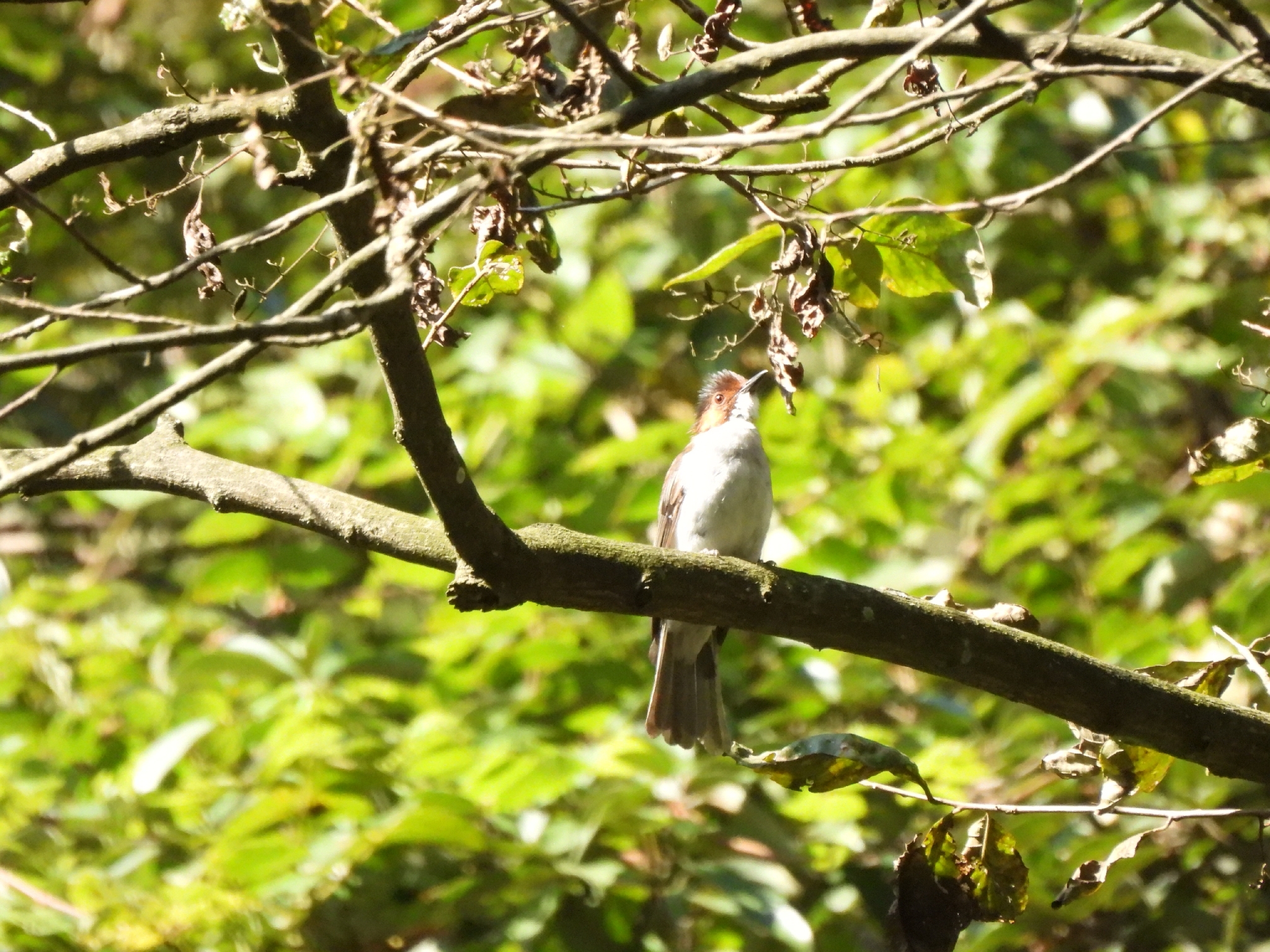
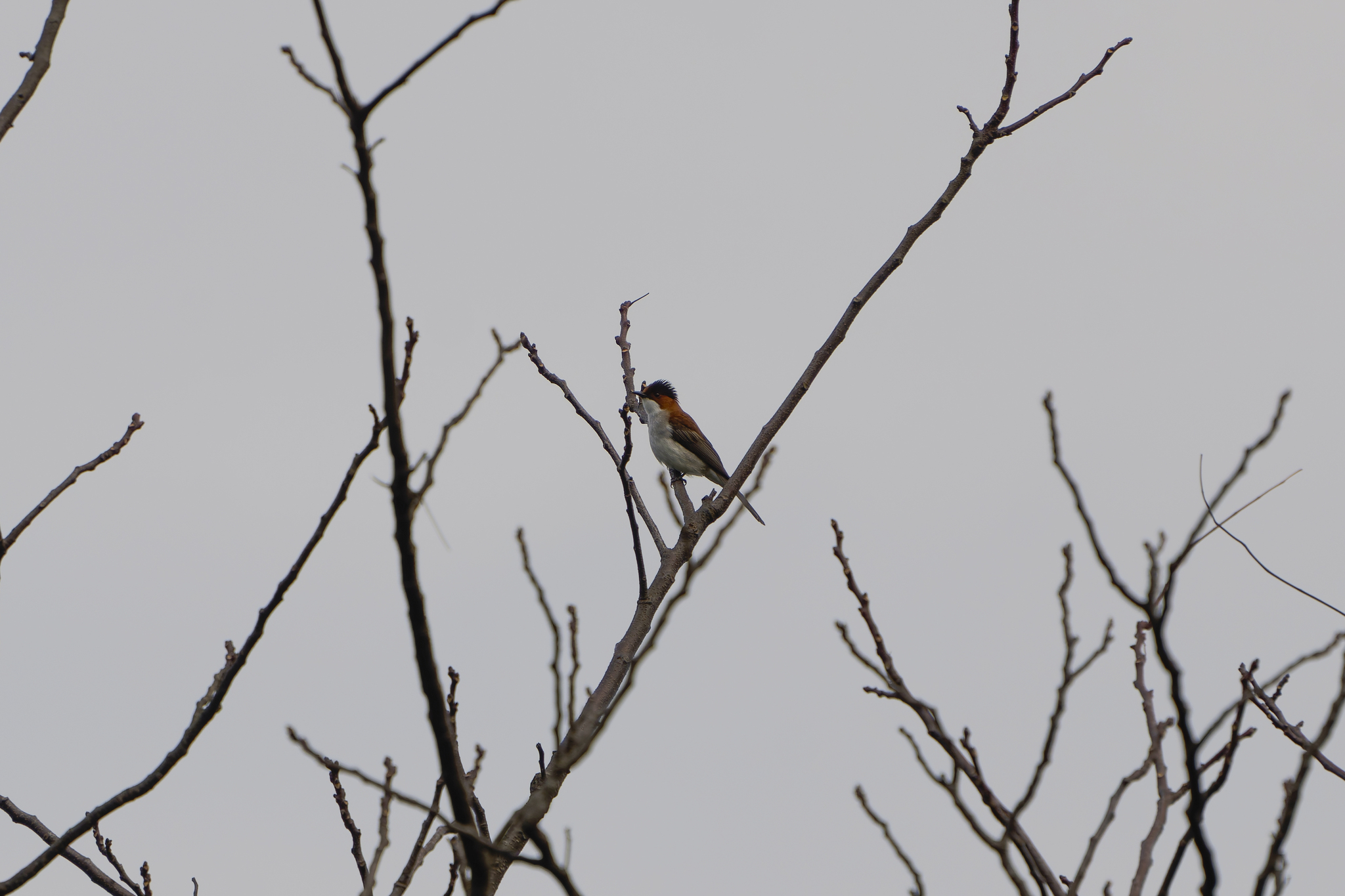
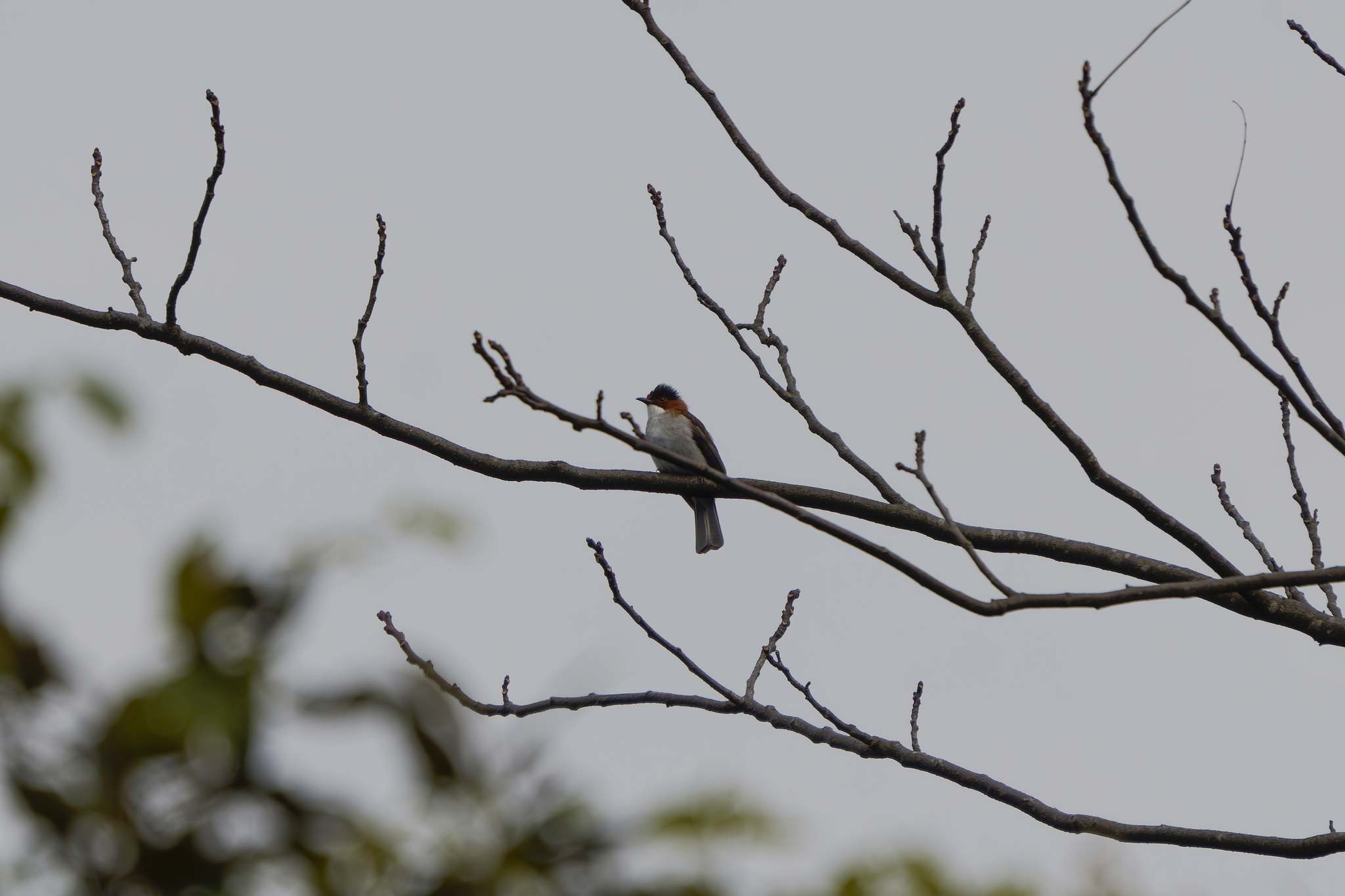
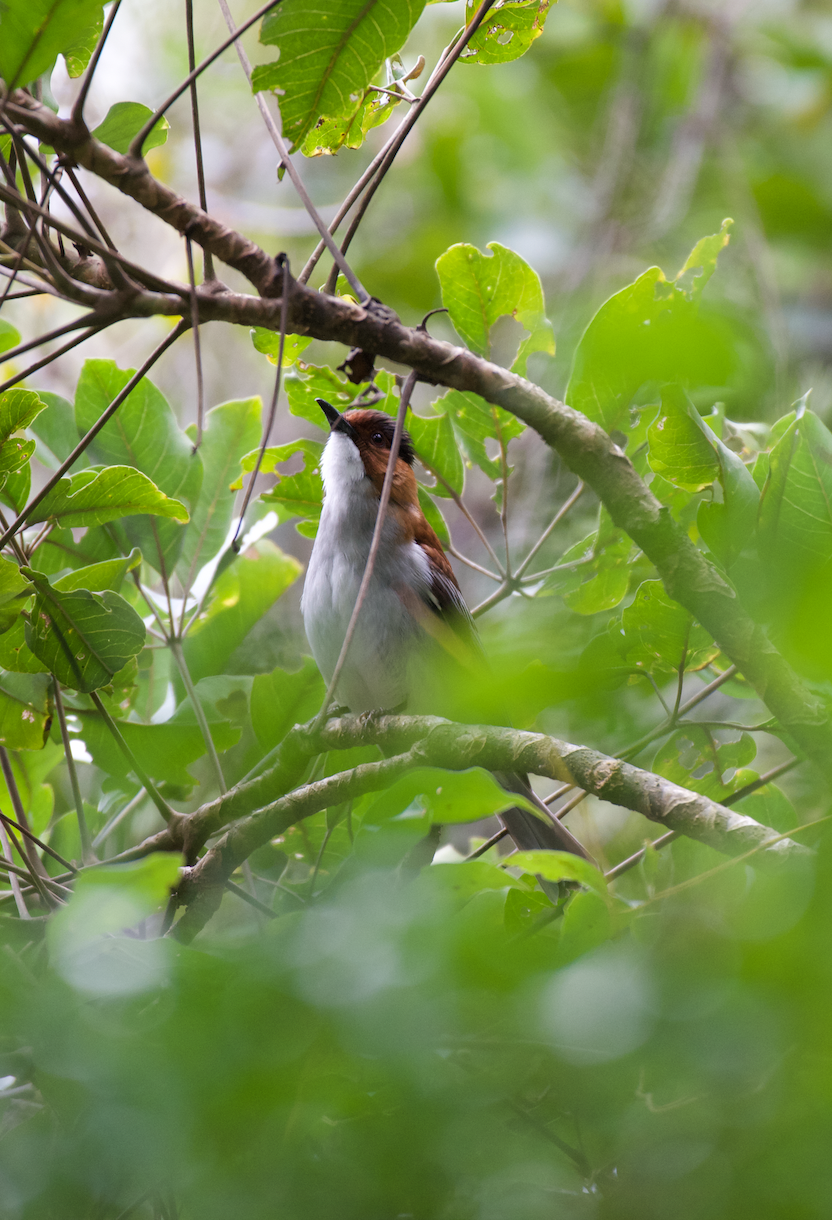
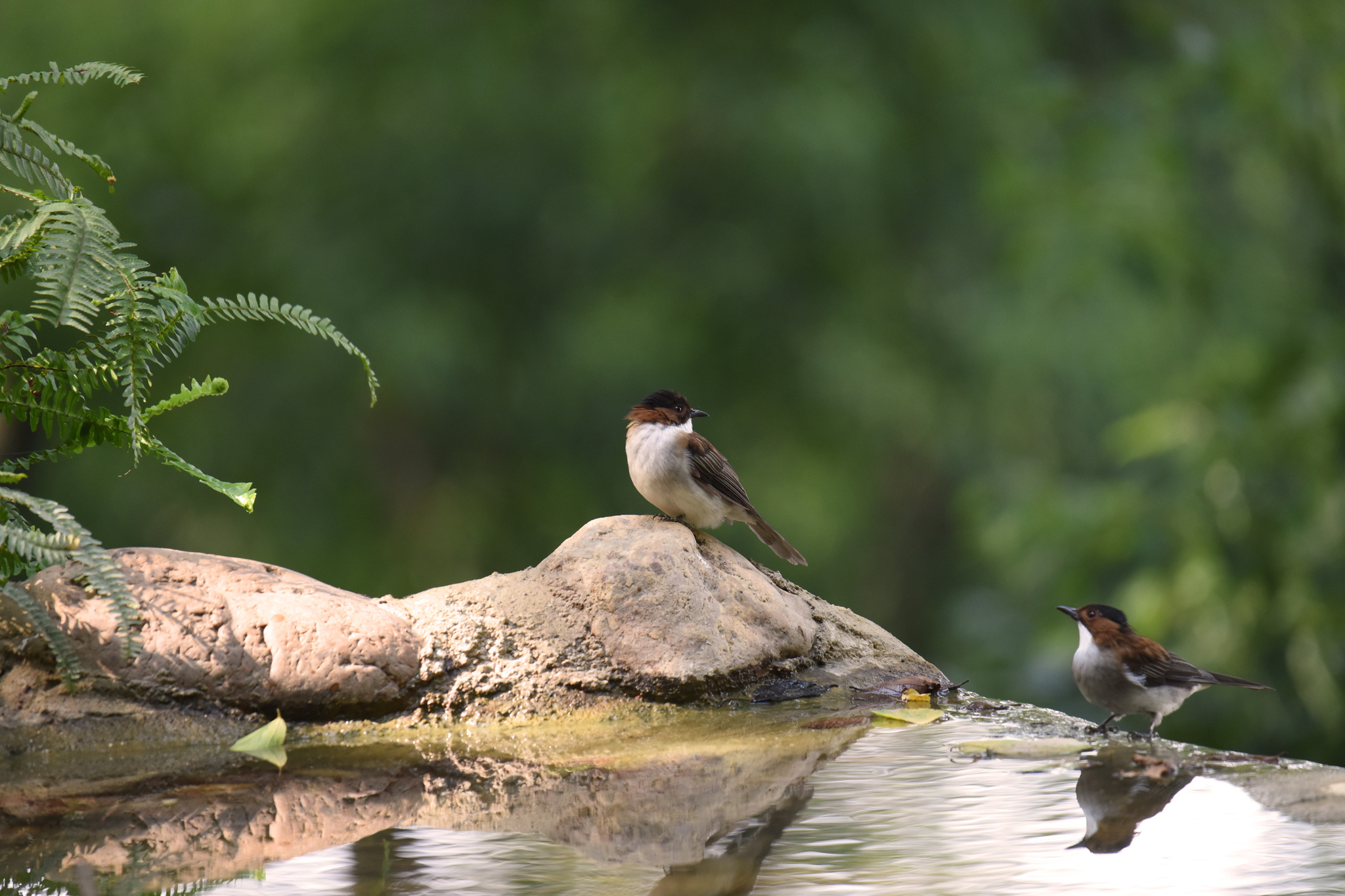
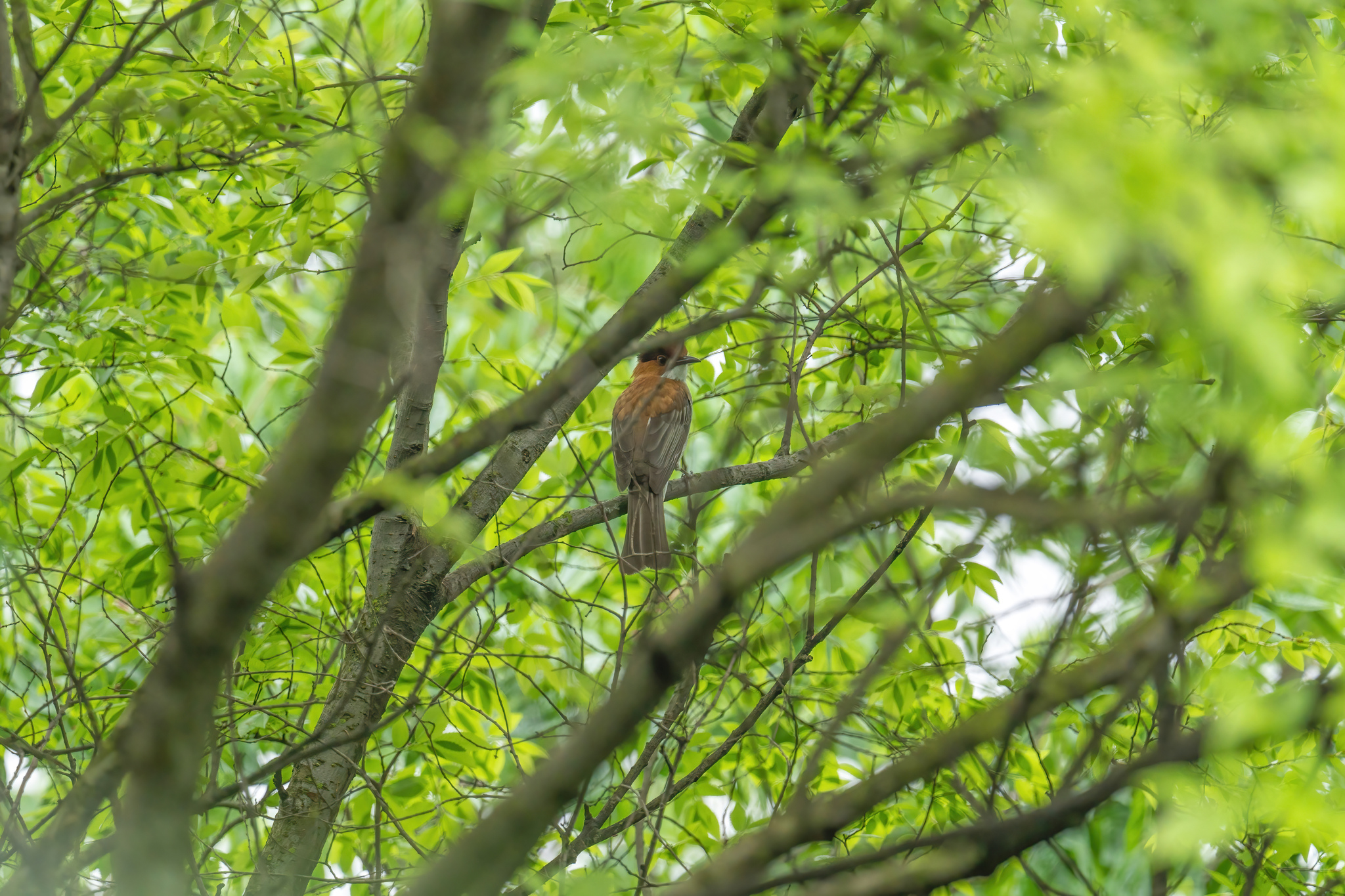
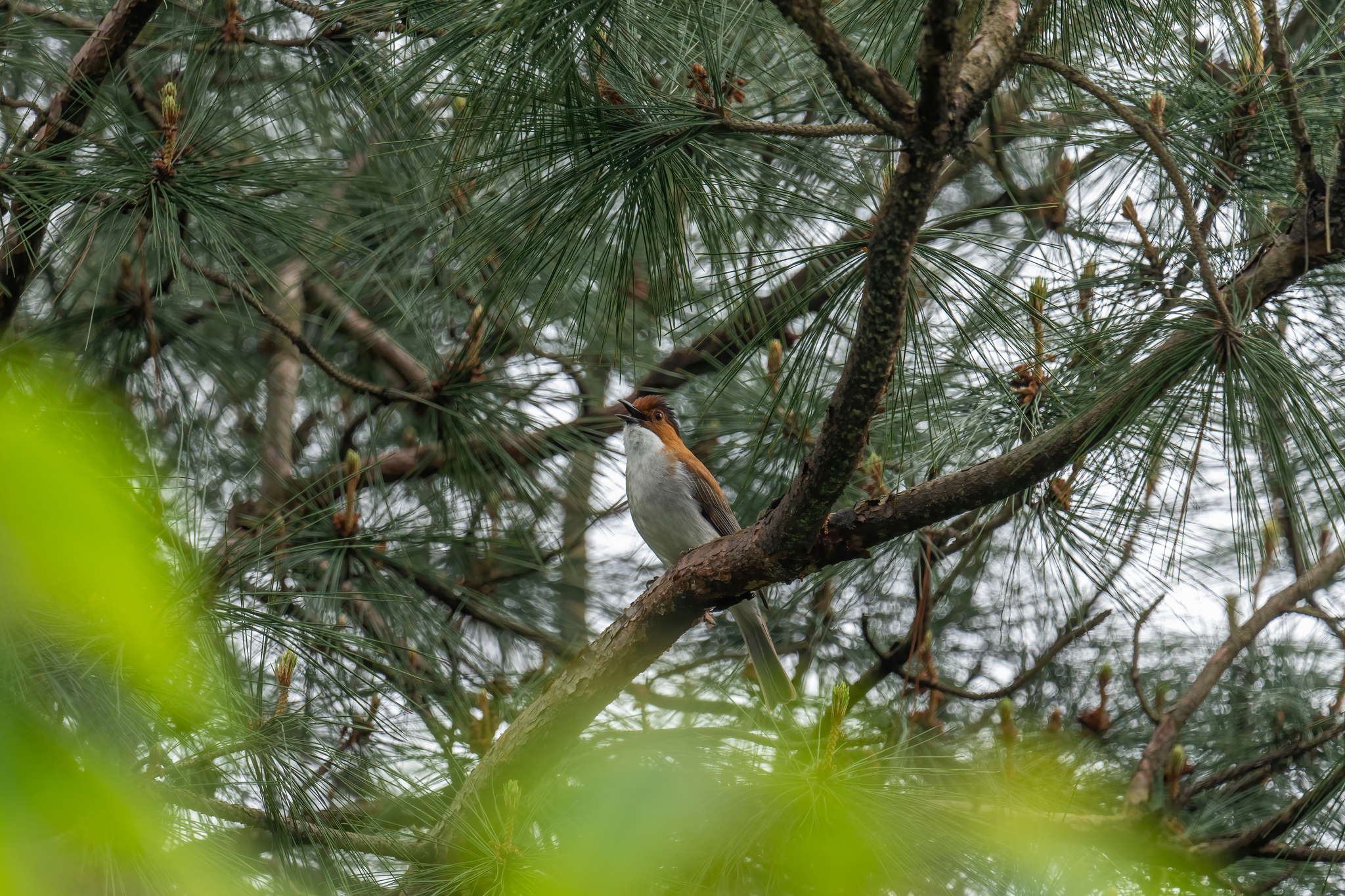
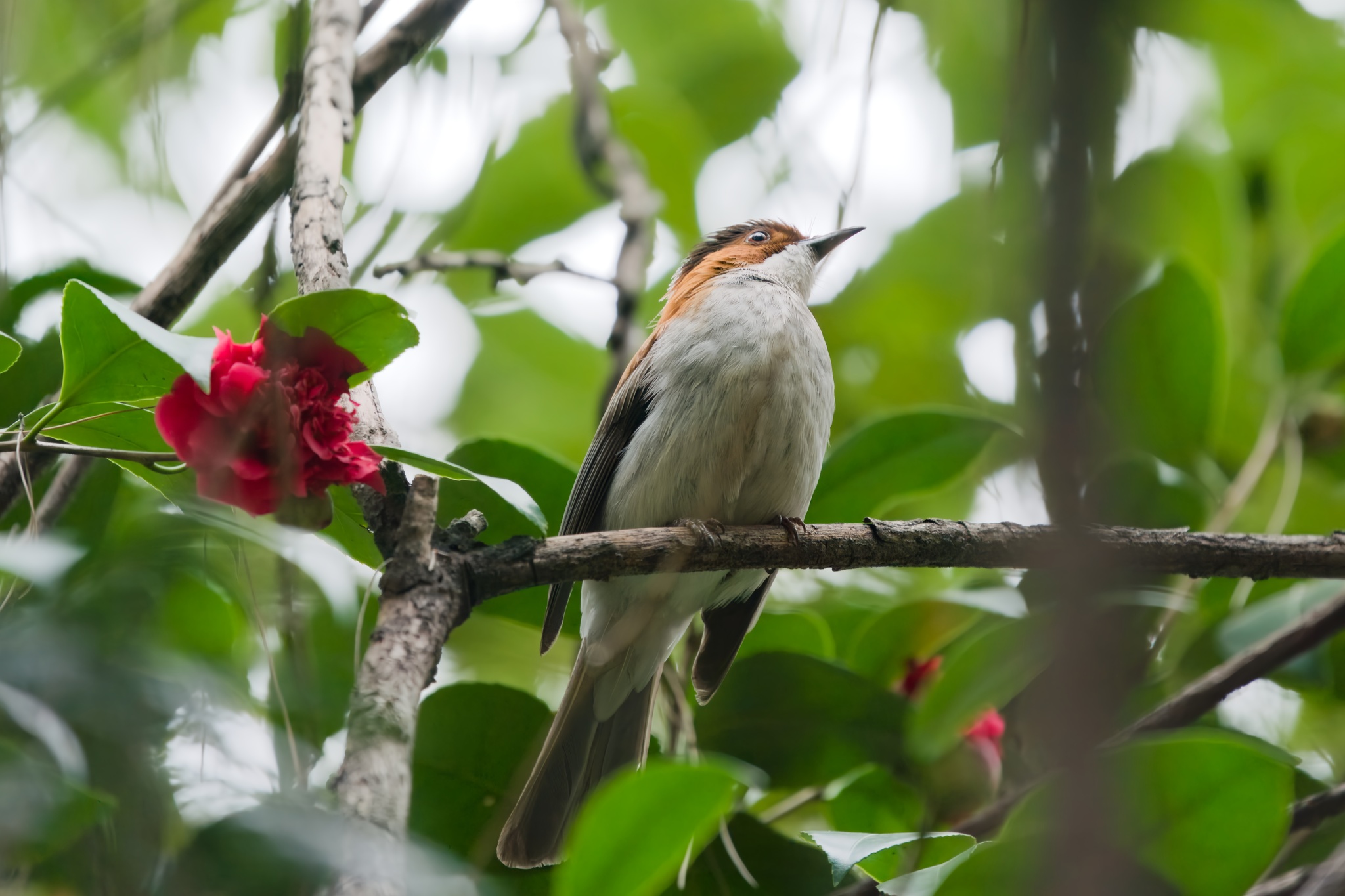
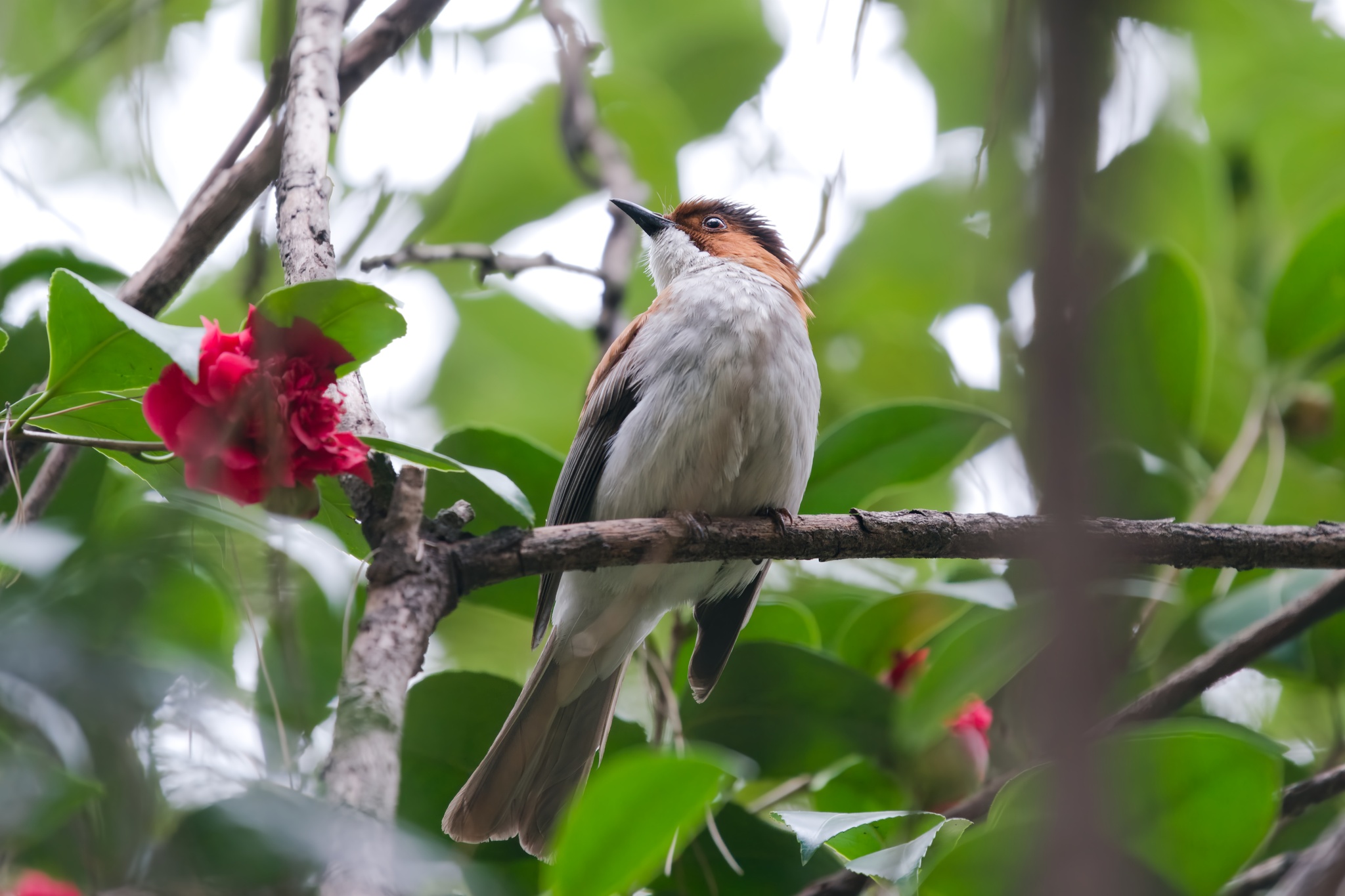
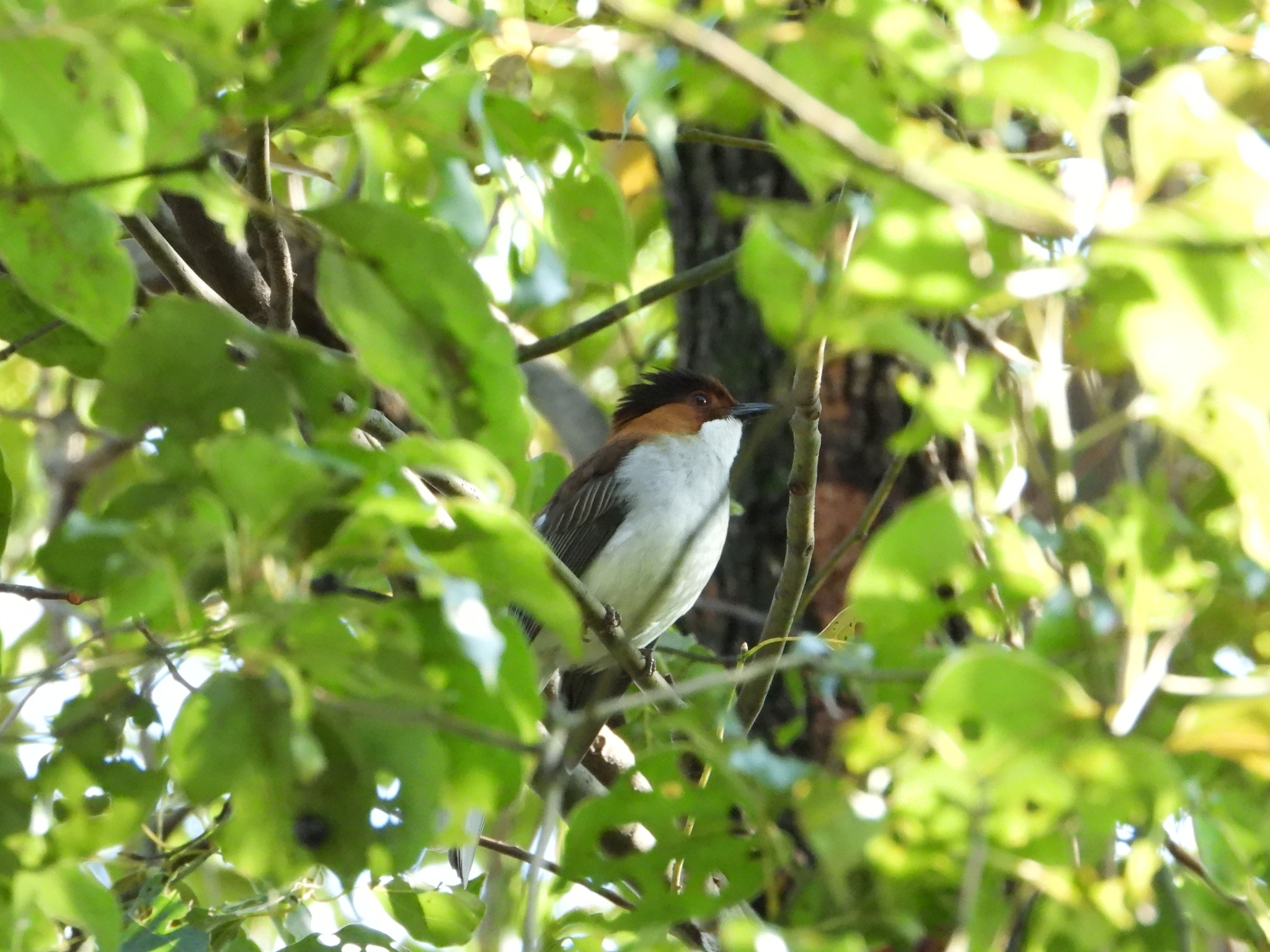
This bulbul displays predominantly brownish plumage with chestnut tones on the back and rump, providing effective camouflage against the forest canopy. The underparts tend to be lighter, typically showing pale yellowish or whitish coloration. The head features a slight crest common among bulbuls, with dark eye patches adding contrast to the face. The bill is relatively stout and slightly curved, adapted for a varied diet. The tail is moderately long and squared at the tip. Size information suggests it falls within the typical range for small to medium bulbuls.
Identification
Field identification focuses on the distinctive chestnut-colored back and rump, which distinguish it from similar bulbul species in its range. The combination of brown upperparts, lighter underparts, and the absence of prominent facial markings helps separate it from the closely related ashy bulbul. The species lacks the distinctive head patterns seen in some other Pycnonotidae members. Observers should note the habitat preference for canopy levels in lowland forests when attempting to locate and identify this species.
Distribution & Habitat
The species occurs across two main regions: southern China extending into northeastern Vietnam, and northern Vietnam including the island of Hainan. Two subspecies are recognized, with H. c. canipennis occupying the northern continental range and H. c. castanonotus found in northern Vietnam and Hainan. It inhabits subtropical and tropical moist lowland forests, typically remaining below elevations associated with montane habitats. The species shows strong fidelity to forest canopy layers and requires sufficient tree cover for foraging and breeding activities.
Behavior & Ecology
As an omnivore, this species consumes a varied diet including fruits, insects, and other small invertebrates encountered in the canopy. It forages actively through the upper forest layers, moving with agility among branches and foliage. Breeding behavior follows typical bulbul patterns, though specific details of nest construction, courtship displays, and chick rearing are not extensively documented in available sources. The species is likely resident within its range, though some local movements in response to food availability may occur.
Conservation
Population status and detailed conservation assessments are not provided in the available sources. The species' dependence on intact forest habitats makes it vulnerable to deforestation and habitat fragmentation throughout its range in southern China and northern Vietnam. Conservation efforts focused on protecting subtropical and tropical moist lowland forests would benefit this and many other canopy-dwelling bird species in the region.
Source: Wikipedia · CC BY-SA 3.0
Taxonomy
- Order
- Passeriformes
- Family
- Pycnonotidae
- Genus
- Hemixos
- eBird Code
- chebul1
Vocalizations
Subspecies (2)
-
Hemixos castanonotus canipennis
southern China (Hunan, Guangxi, Fujian, and Guangdong)
-
Hemixos castanonotus castanonotus
northern Vietnam (Tonkin) and Hainan
Data Sources
Species description from Wikipedia, licensed under CC BY-SA 3.0.
Bird images and sounds sourced from GBIF, contributed by citizen scientists worldwide under Creative Commons licenses.
Taxonomy data from AviList 2025.