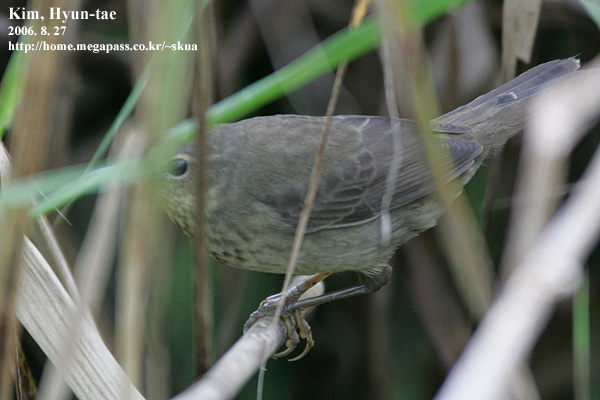
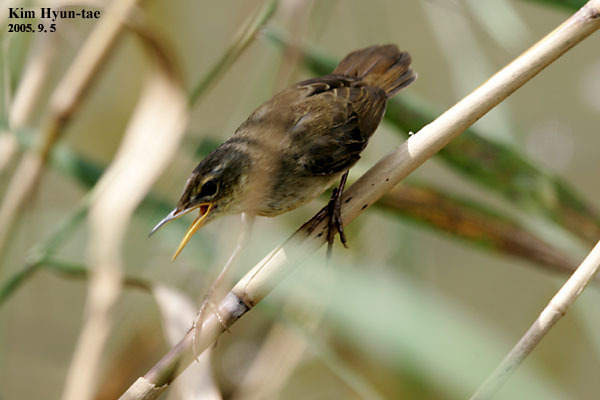
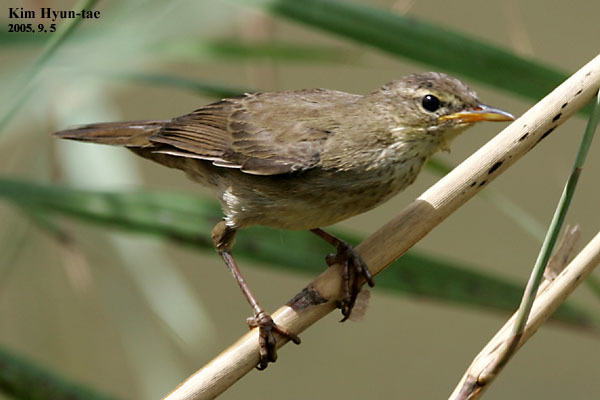
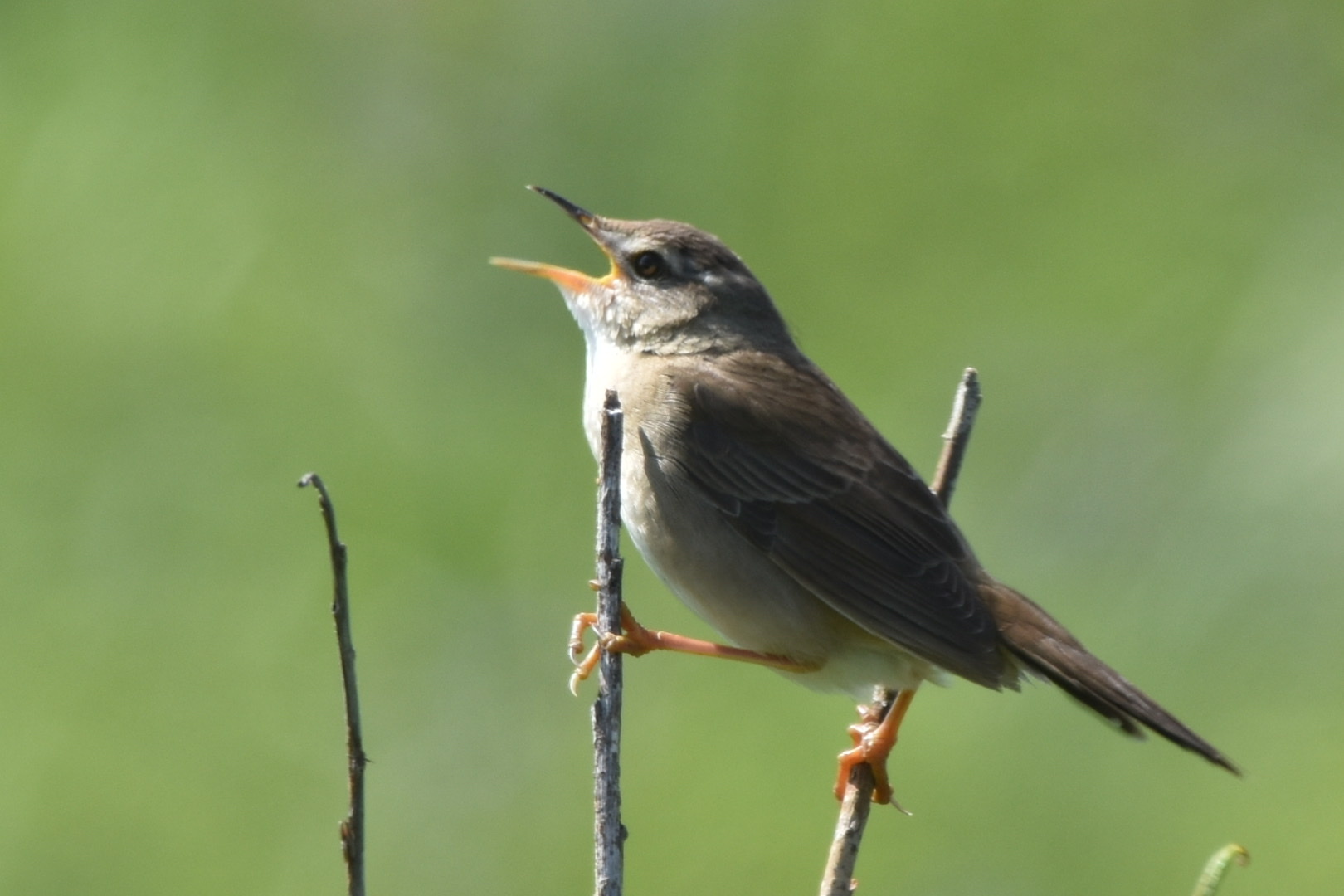
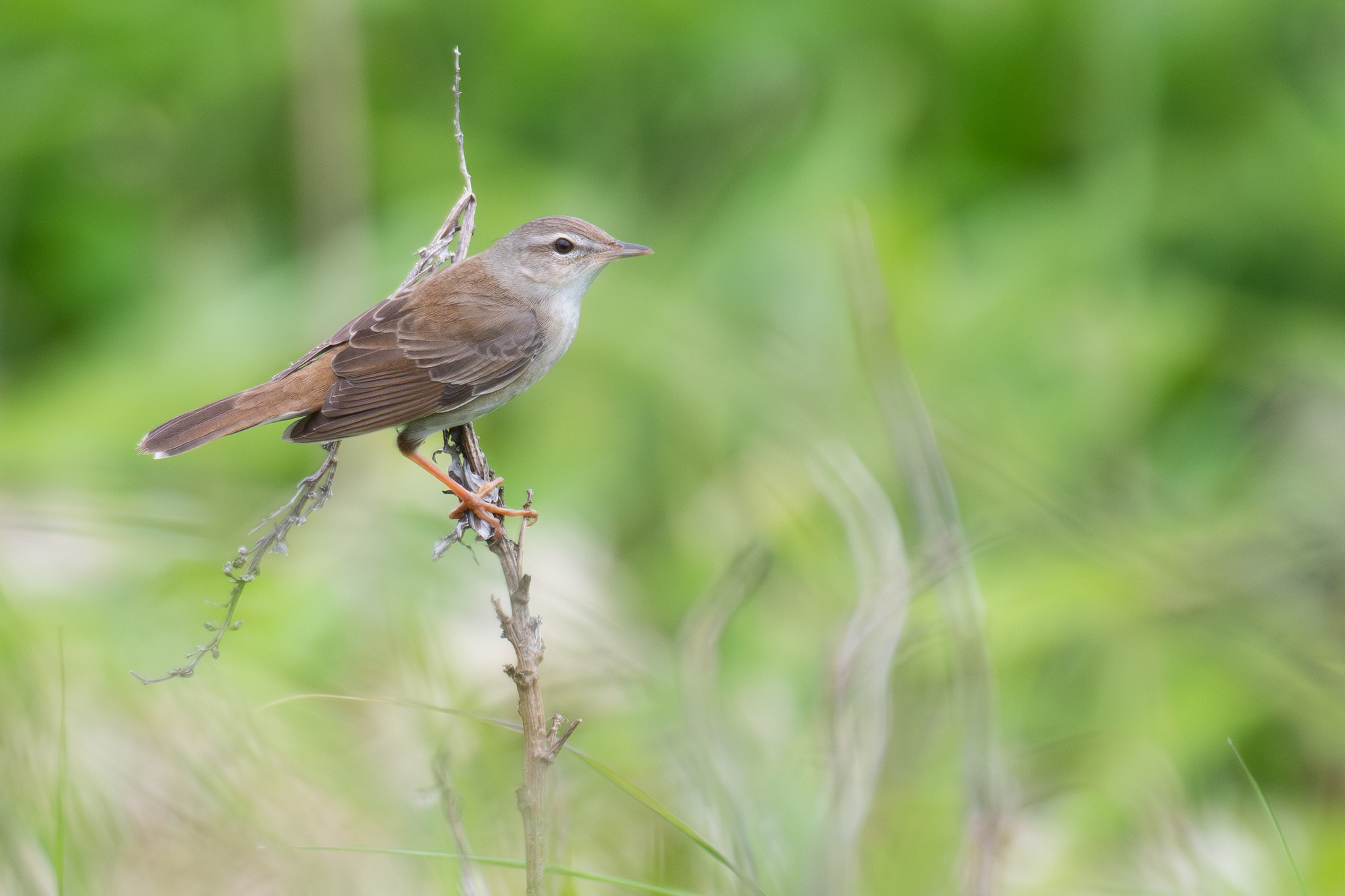
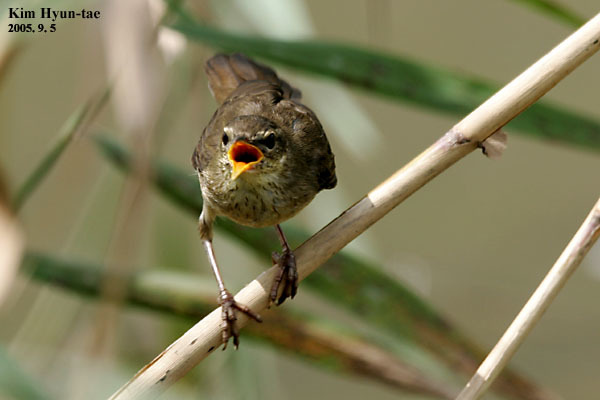
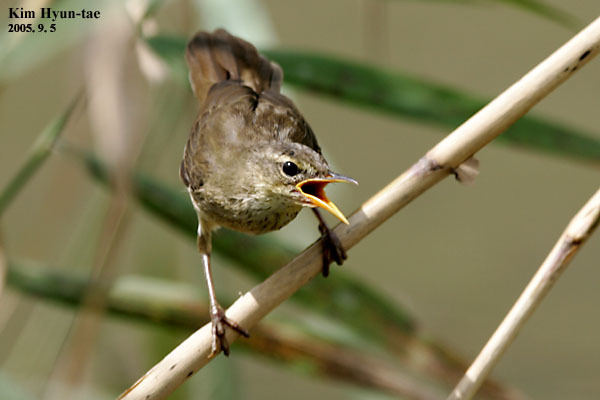
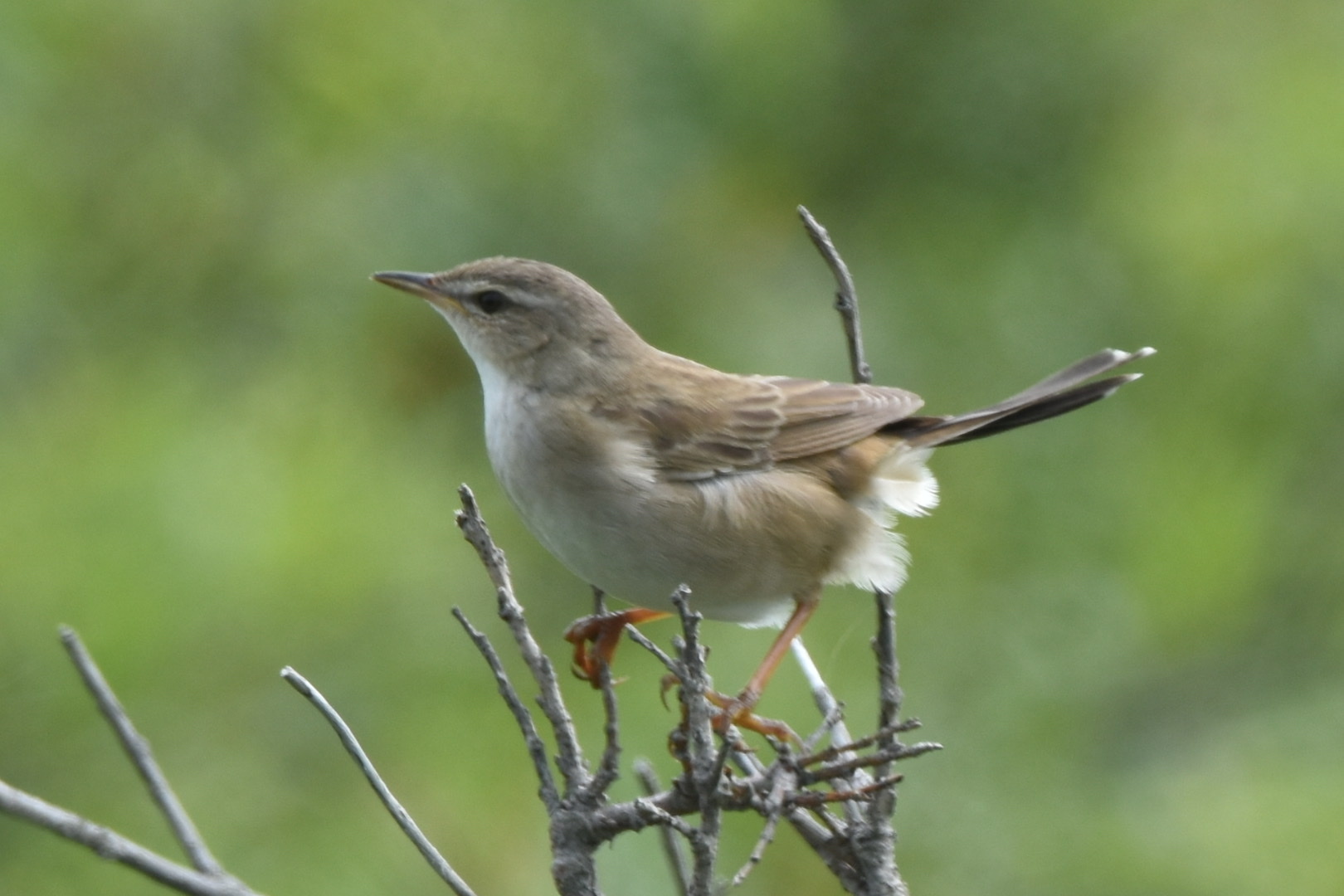
Middendorff's Grasshopper Warbler
Helopsaltes ochotensis
北蝗莺
Introduction
Old World warbler in the family Locustellidae. Breeds in eastern Siberia, northern Japan, Kamchatka Peninsula, and northern Kuril Islands. Winters primarily in the Philippines, Borneo, and Sulawesi, with smaller numbers in China, Hong Kong, South Korea, Malaysia, Taiwan, and the USA. Inhabits forests near water and scrubwoods. Performs a distinctive short song flight.
Description
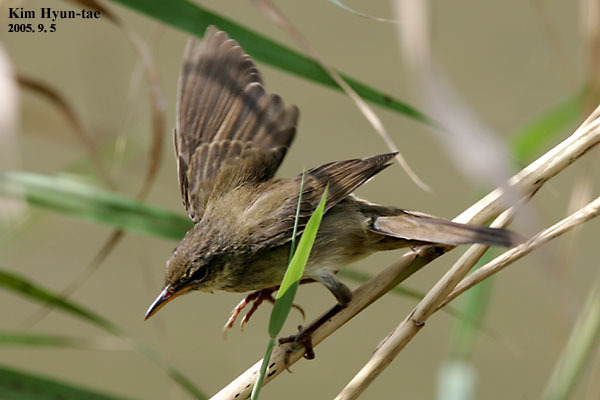
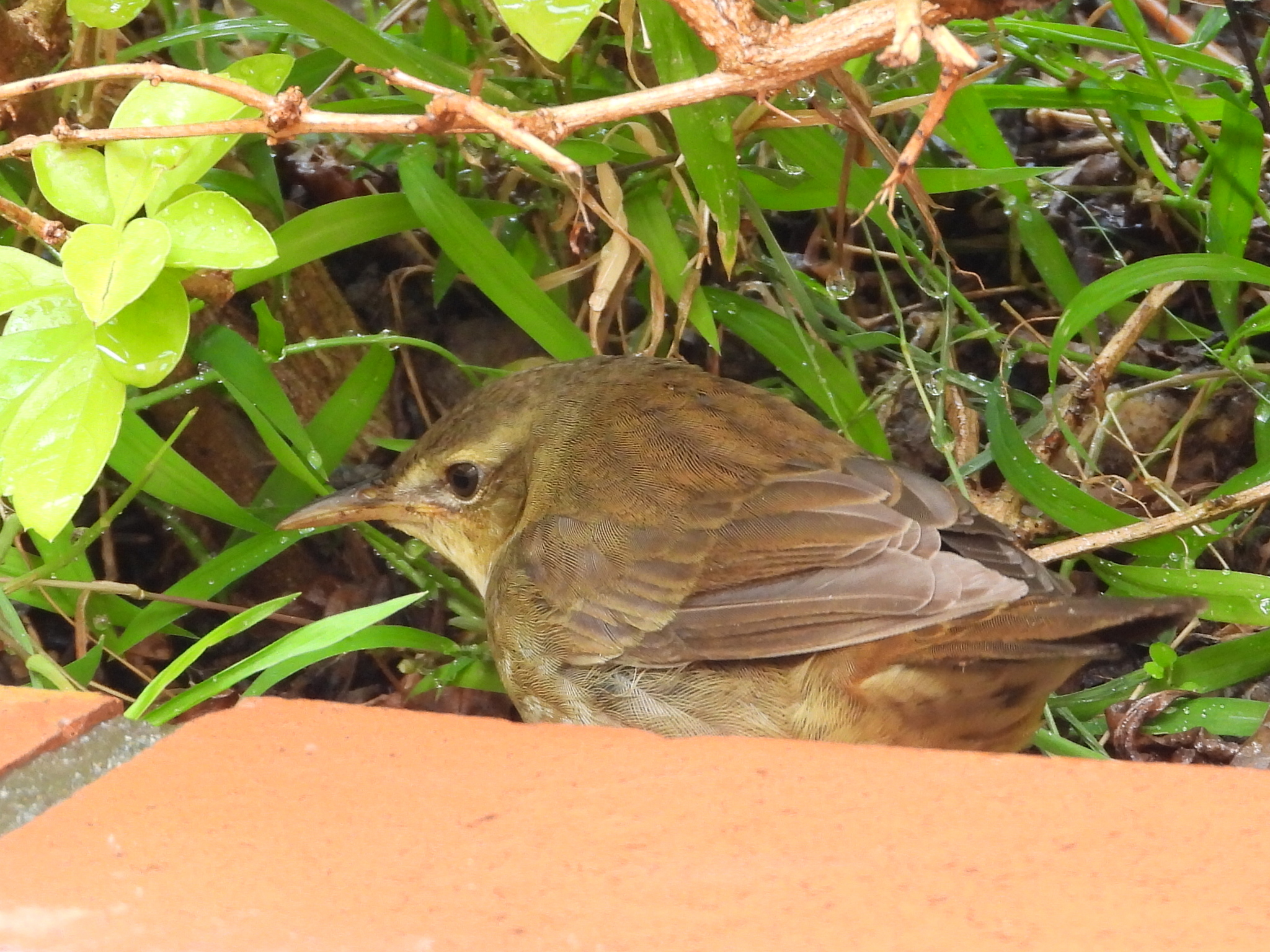
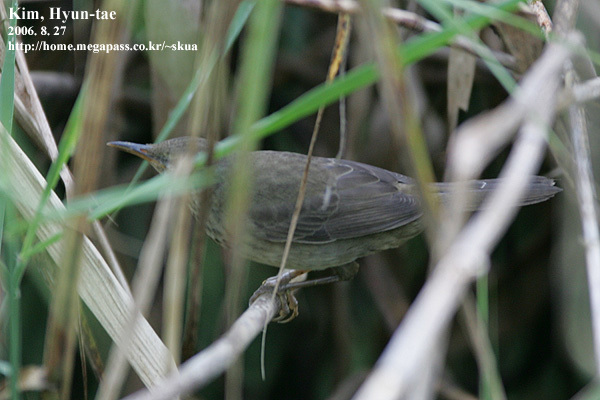
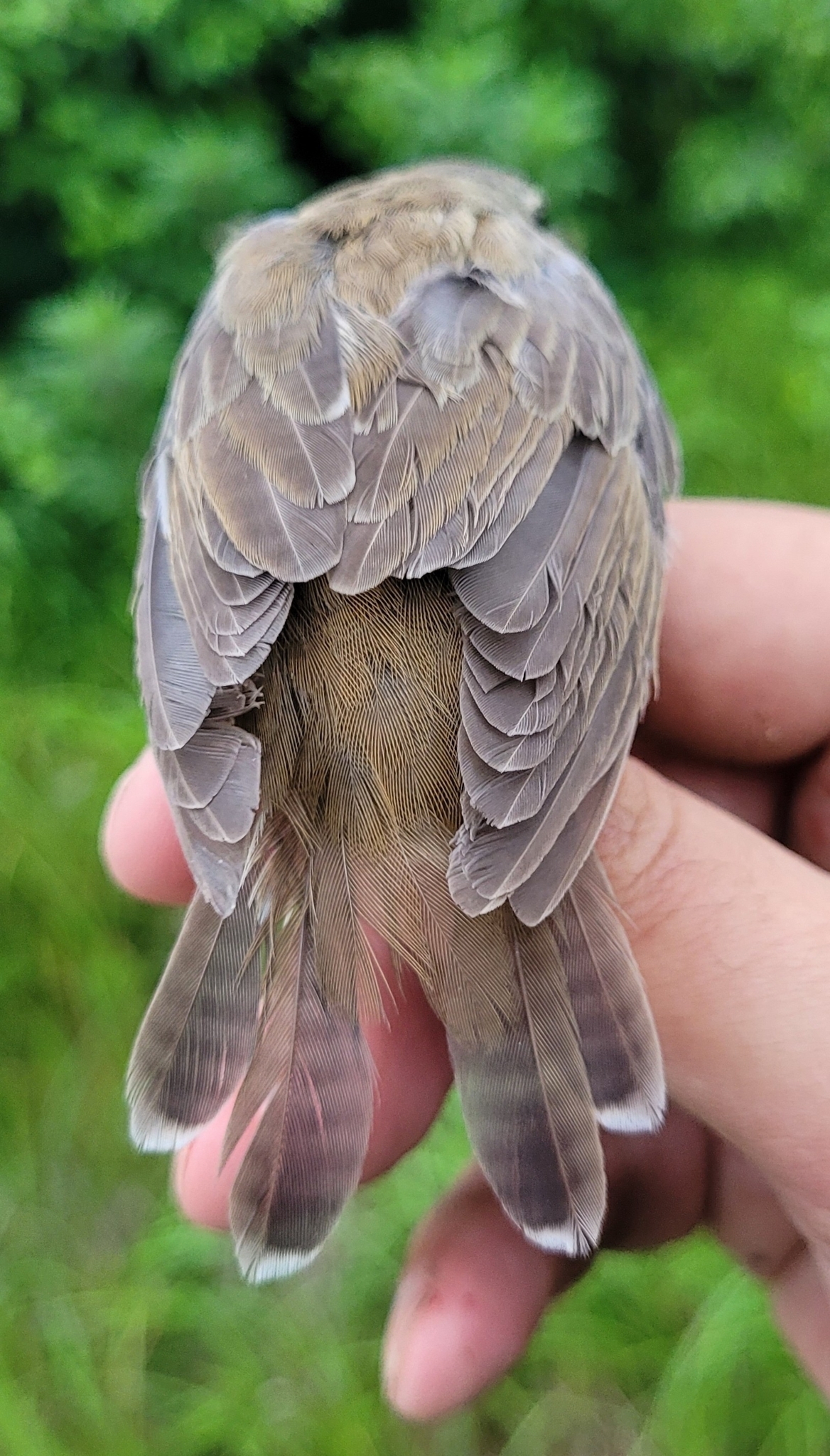
Small warbler measuring 15.5 cm (6.1 in) in length. The crown, nape, lores, and eye-stripe are greyish brown, while the mantle is browner with olive tones. A pale creamy supercilium extends to the ear coverts. The rump and uppertail coverts display yellowish to rufous brown coloration. The tail is graduated with white tips and may appear rounded.
Distribution & Habitat
Breeding range extends across eastern Siberia, northern Japan, the Kamchatka Peninsula, and northern Kuril Islands. Wintering grounds include the Philippines, Borneo, and Sulawesi, with occasional individuals in China, Hong Kong, South Korea, Malaysia, Taiwan, and the USA. Occupies forest habitats near water and scrublands.
Behavior & Ecology
Vocalizations consist of a high-pitched, spaced 'chit, chit' song that precedes a trilled 'trrrrrrrr-schoy-schoy-schoy' sequence. The call is described as 'tluk, tluk...'. Performs a short song flight. Forages in dense vegetation near water.
Culture
The species is named after Alexander Theodor von Middendorff (1815–1894), a German-Russian naturalist who conducted extensive travels throughout Siberia.
Source: Wikipedia · CC BY-SA 3.0
Taxonomy
- Order
- Passeriformes
- Family
- Locustellidae
- Genus
- Helopsaltes
- eBird Code
- migwar
Distribution
breeds far eastern Russia and northern Japan (Hokkaido); winters to Philippines and northern Borneo
Vocalizations
Data Sources
Species description from Wikipedia, licensed under CC BY-SA 3.0.
Bird images and sounds sourced from GBIF, contributed by citizen scientists worldwide under Creative Commons licenses.
Taxonomy data from AviList 2025.