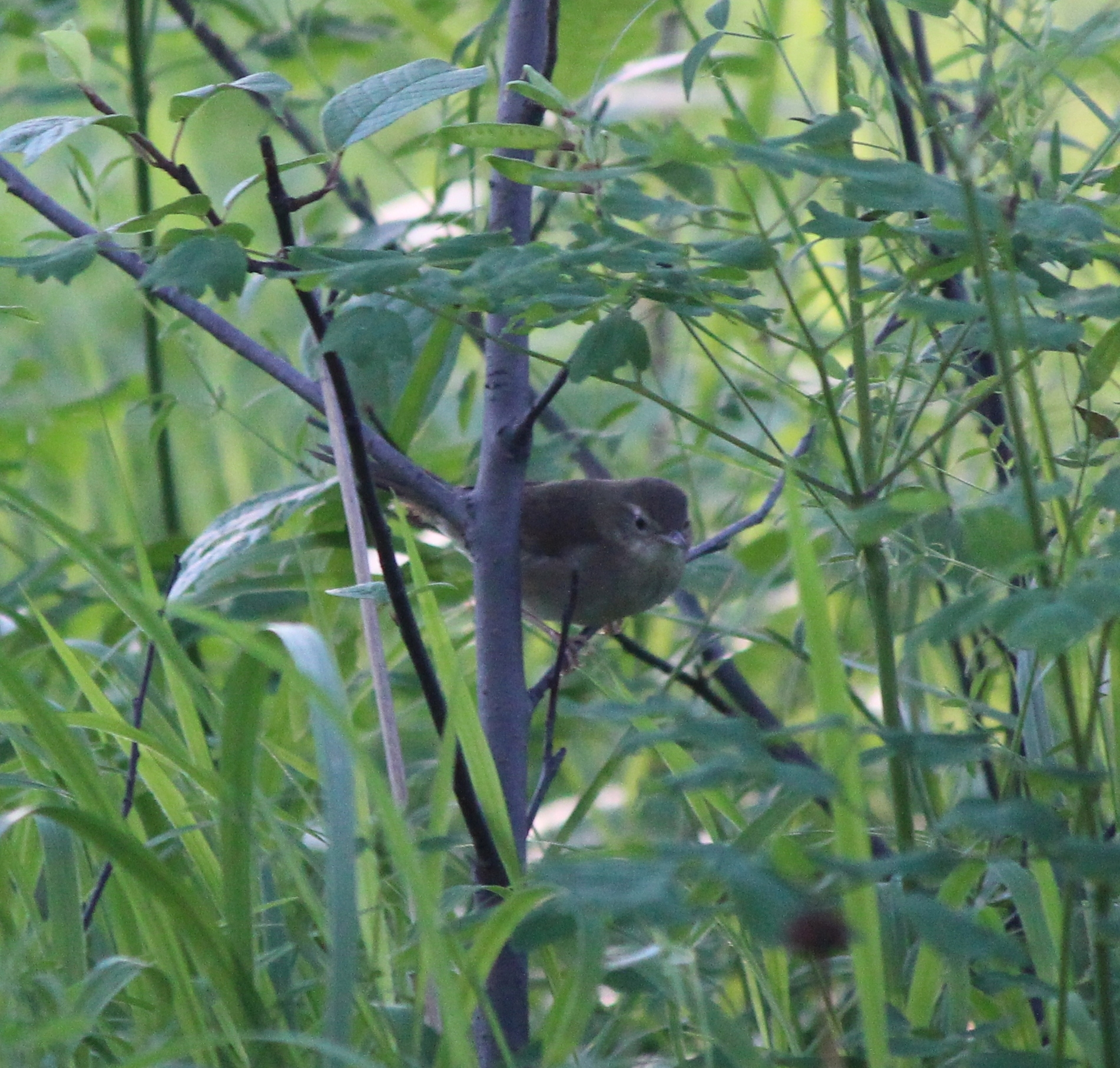
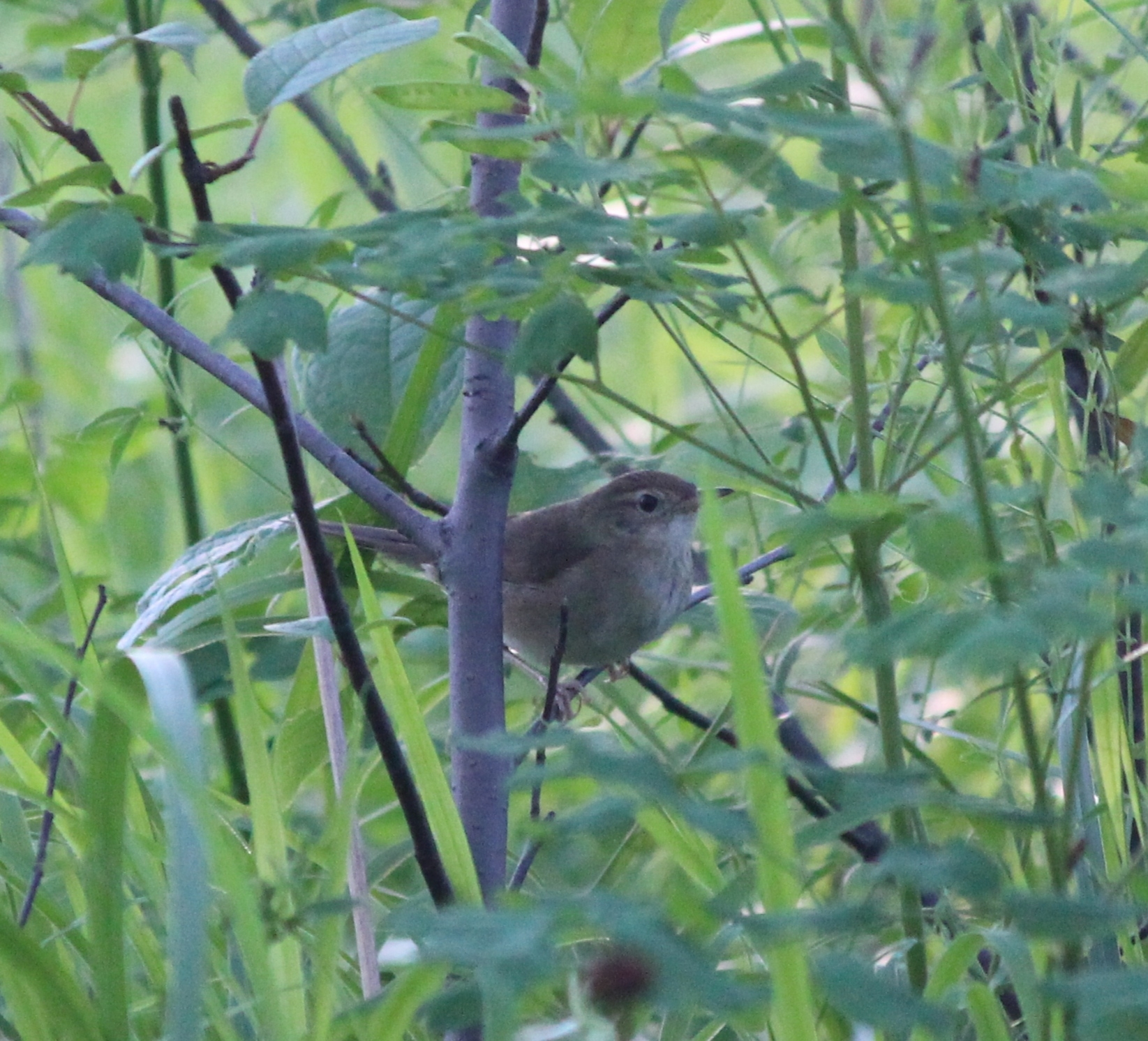
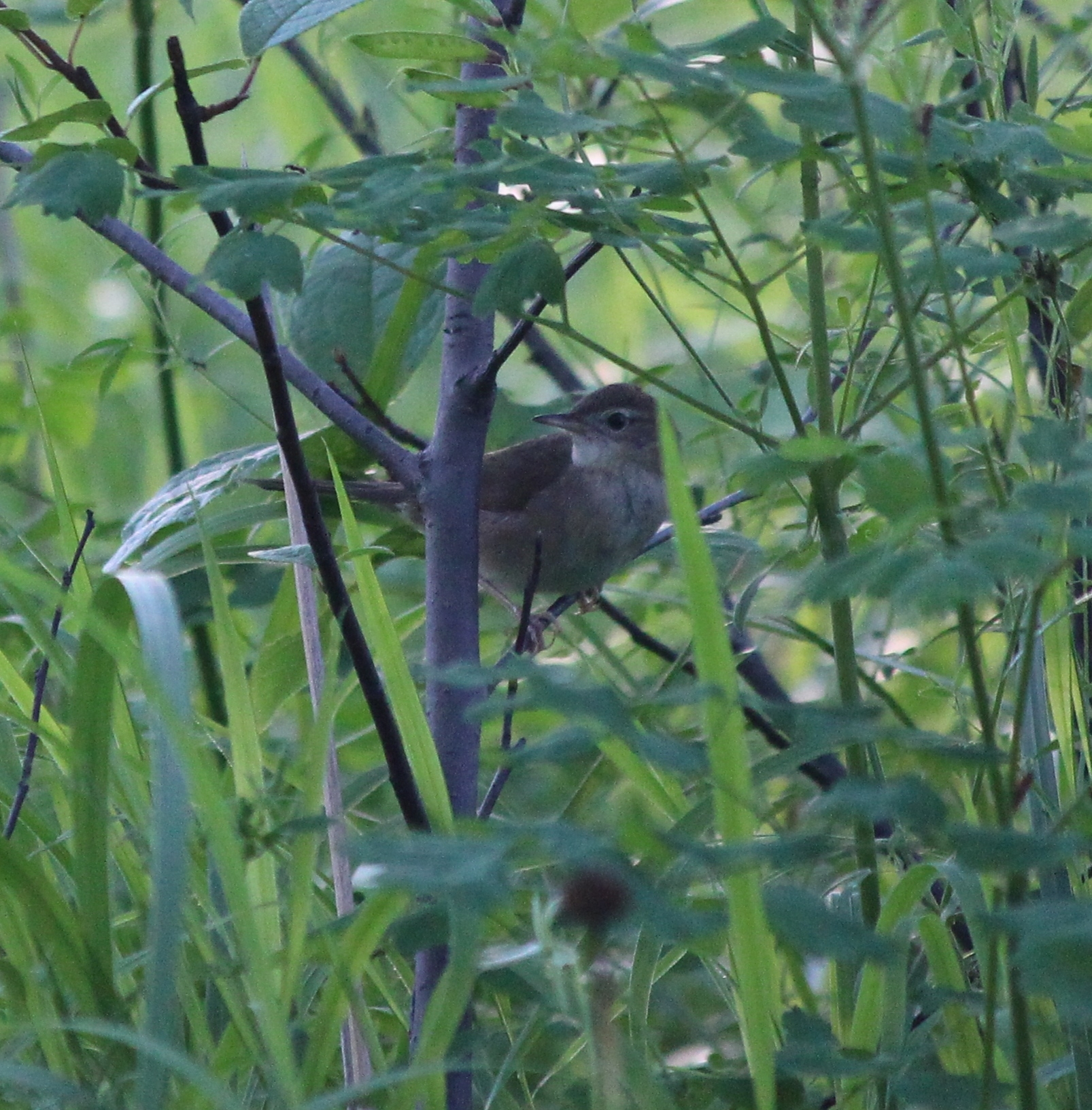
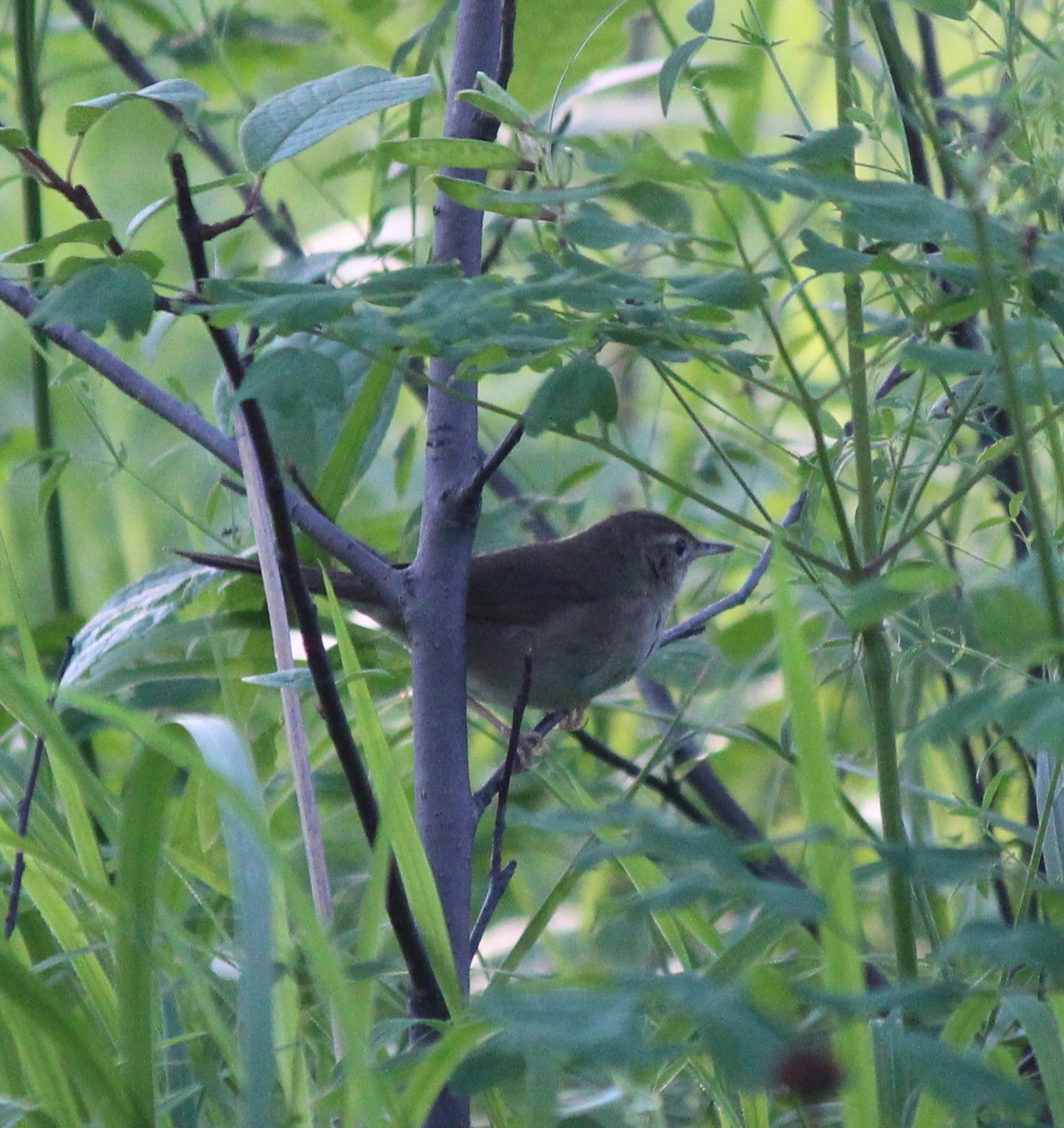
Gray's Grasshopper Warbler
Helopsaltes fasciolatus
苍眉蝗莺
Introduction
This warbler breeds in southern Siberia, northeastern China, and Korea, migrating to Southeast Asia for the winter. It inhabits lowland and coastal forests and thickets with dense undergrowth. The species is secretive and remains concealed within vegetation. It was formerly considered conspecific with the Sakhalin Grasshopper Warbler.
Description
This small passerine has a relatively uniform appearance that can make identification challenging. The adult displays an unstreaked olive-brown upperparts, lacking the streaking seen in many related species. The breast is uniformly grey, creating a clean contrast with the buff-coloured underparts. The undertail coverts are particularly distinctive - they are unmottled and show a dull orange coloration that stands out in certain lighting conditions. The overall plumage is relatively plain and cryptic, providing excellent camouflage within its preferred dense habitat.
Identification
The unstreaked olive-brown upperparts and uniformly grey breast help separate this species from other grasshopper warblers that typically show streaking. The key identification feature is the vocalization: unlike the insect-like reeling sounds of European Locustella species, this bird delivers a short, loud, and distinctive song phrase. It is also more musical than the song of Pallas's Grasshopper Warbler. The dull orange, unmottled undertail coverts provide additional visual identification clues when views are obtained.
Distribution & Habitat
The breeding range extends across southern Siberia, northeastern China, and Korea. This is a migratory species, travelling to Southeast Asia for the winter months. Within its breeding range, it inhabits lowland and coastal regions, nesting primarily in forests or thickets where dense understorey vegetation provides cover and nesting habitat.
Behavior & Ecology
As a skulking species of dense undergrowth, direct observations can be challenging. The song is the most reliable means of detection - a short, loud, and distinctive phrase that is more musical than the reeling sounds of related species. This vocal performance helps establish territory during the breeding season and may serve as an attraction point for birders hoping to catch a glimpse of this secretive bird.
Source: Wikipedia · CC BY-SA 3.0
Taxonomy
- Order
- Passeriformes
- Family
- Locustellidae
- Genus
- Helopsaltes
- eBird Code
- grgwar1
Distribution
breeds northeastern Asia; winters to Philippines, Indonesia, and western New Guinea
Vocalizations
Data Sources
Species description from Wikipedia, licensed under CC BY-SA 3.0.
Bird images and sounds sourced from GBIF, contributed by citizen scientists worldwide under Creative Commons licenses.
Taxonomy data from AviList 2025.