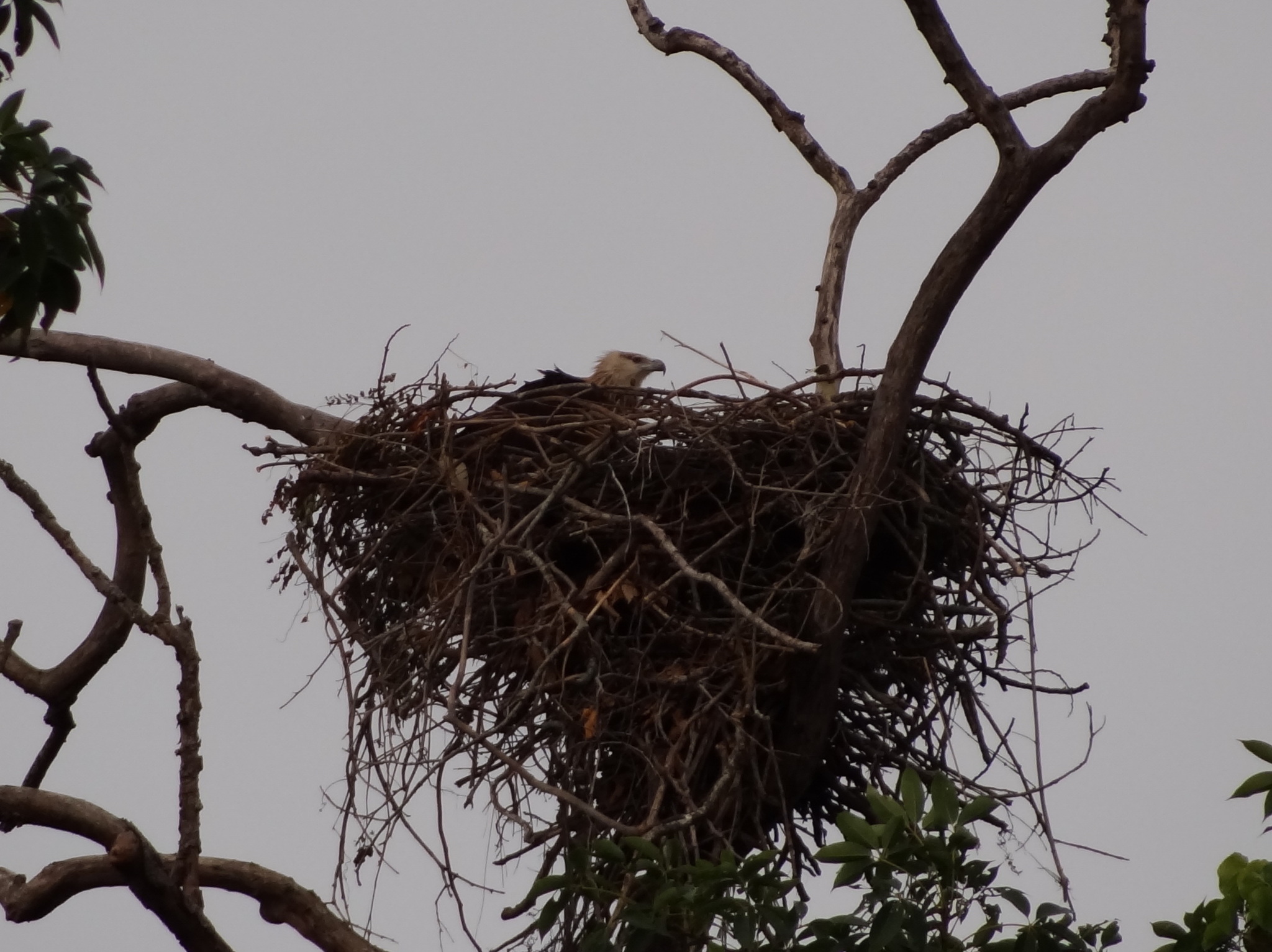
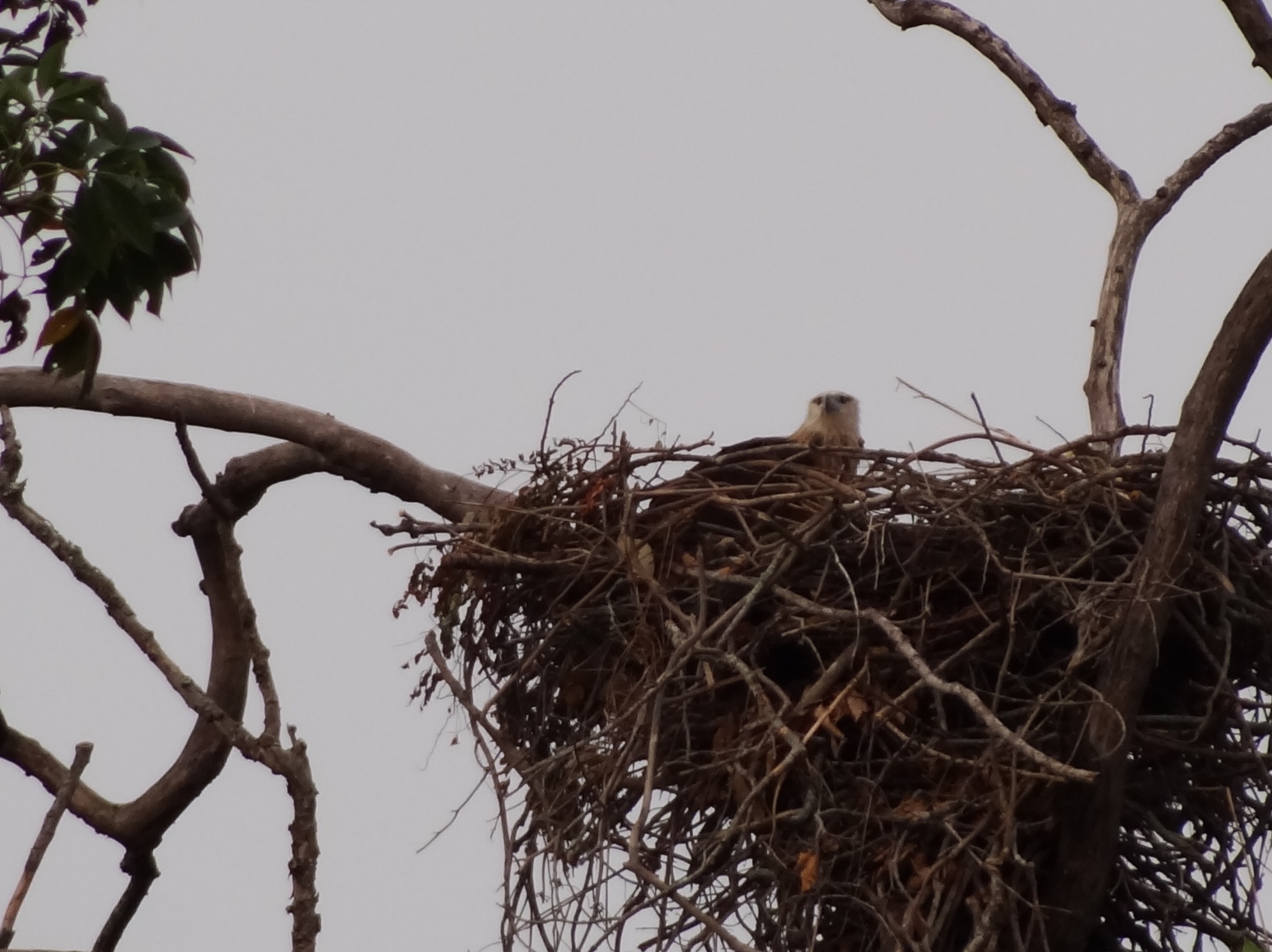
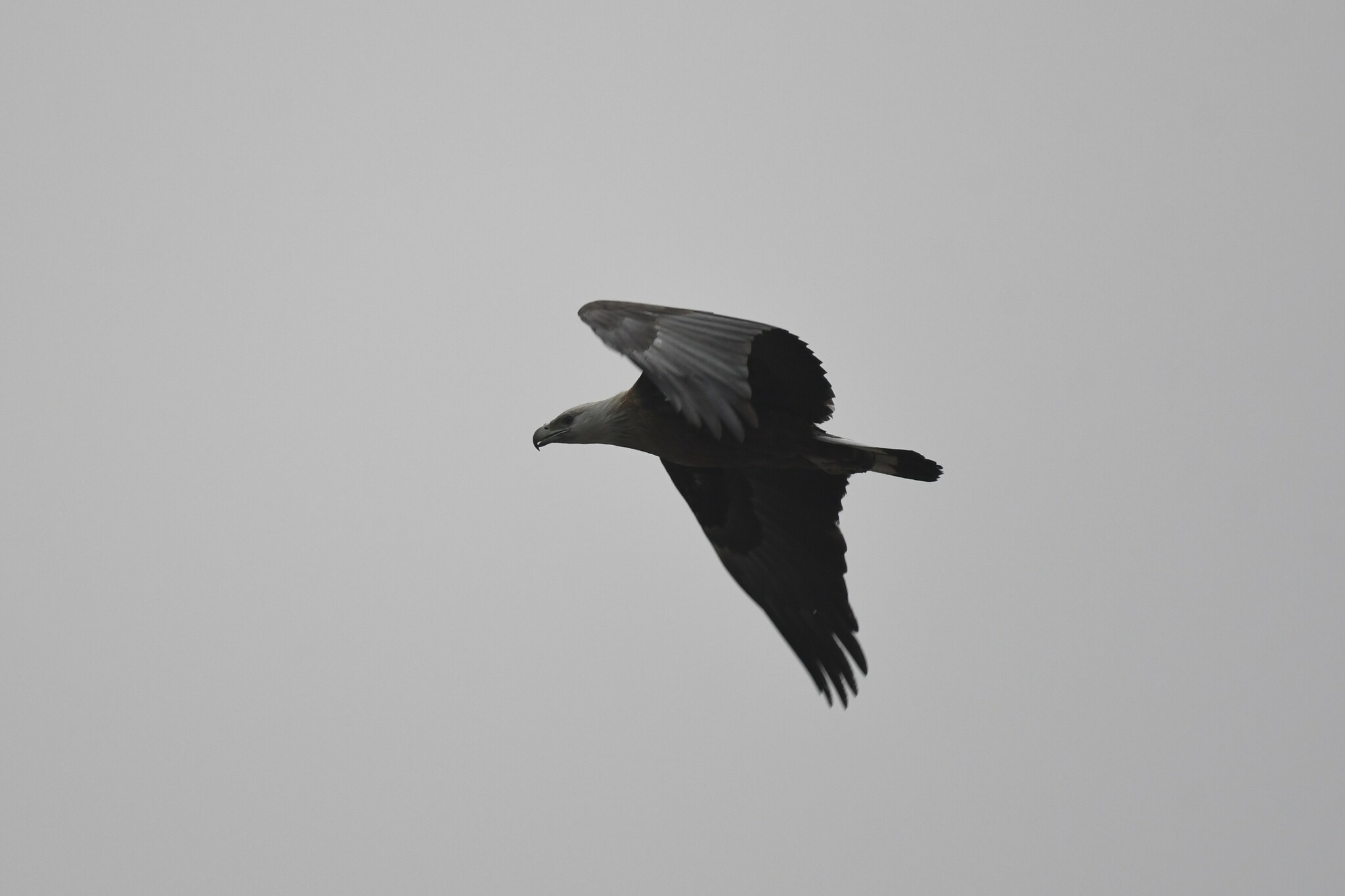
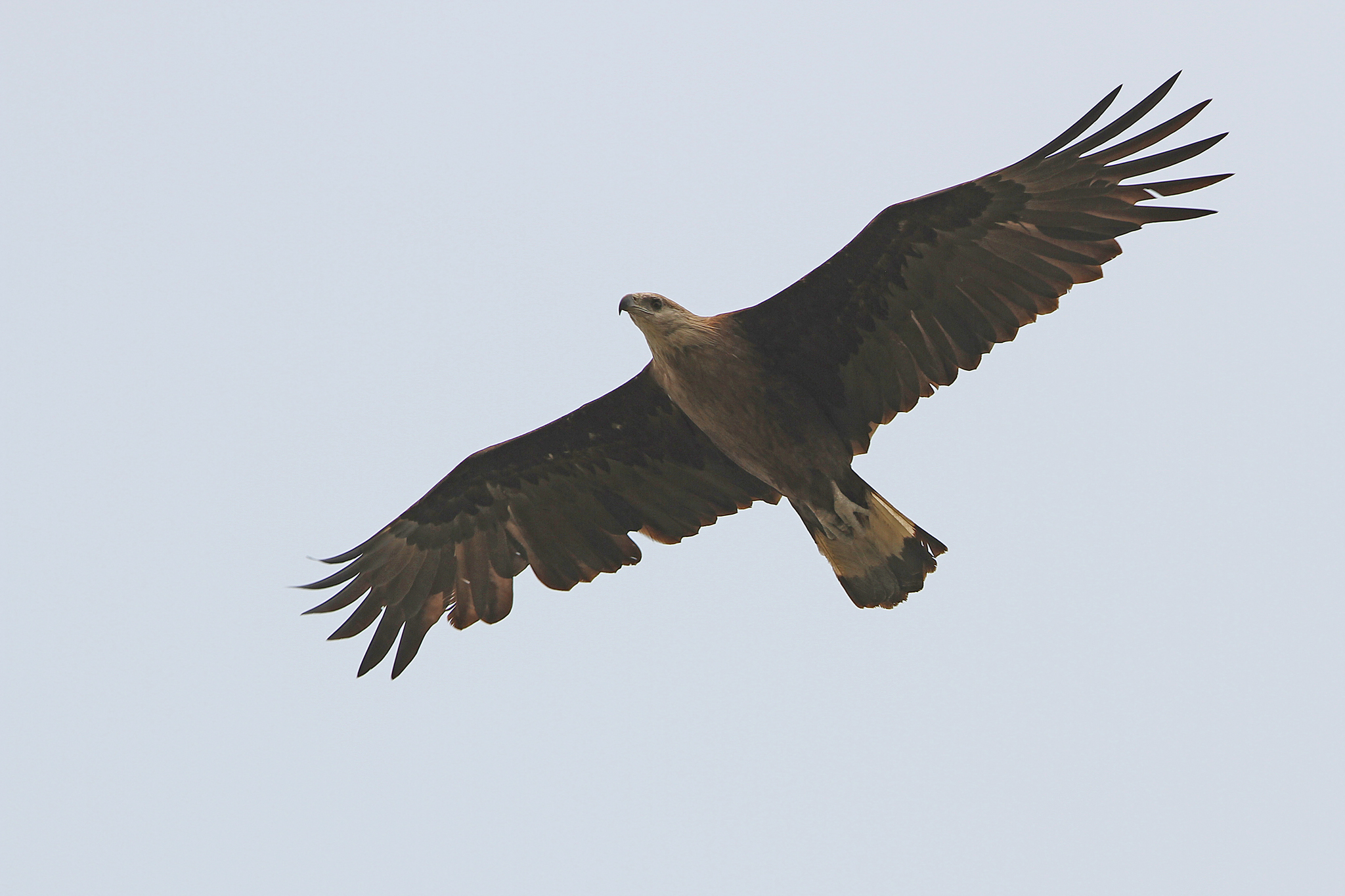
Pallas's Fish Eagle
Haliaeetus leucoryphus
玉带海雕
Introduction
A large brownish sea eagle (Haliaeetus leucoryphus) found in the East Palearctic, ranging across Kazakhstan, Russia, Tajikistan, Turkmenistan, Uzbekistan, Mongolia, China, India, Nepal, Bangladesh, Myanmar, and Bhutan. Inhabits inland freshwater habitats including lakes, rivers, and wetlands. Partial migration occurs, with Central Asian populations wintering in northern India and westward to the Persian Gulf. Listed as Endangered on the IUCN Red List.
Description
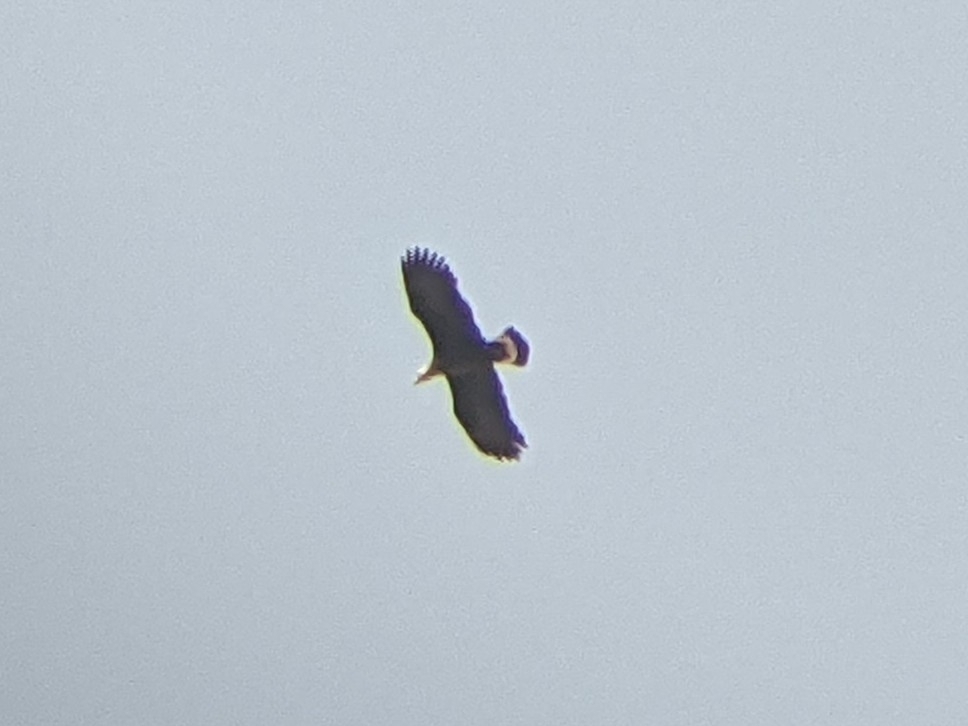
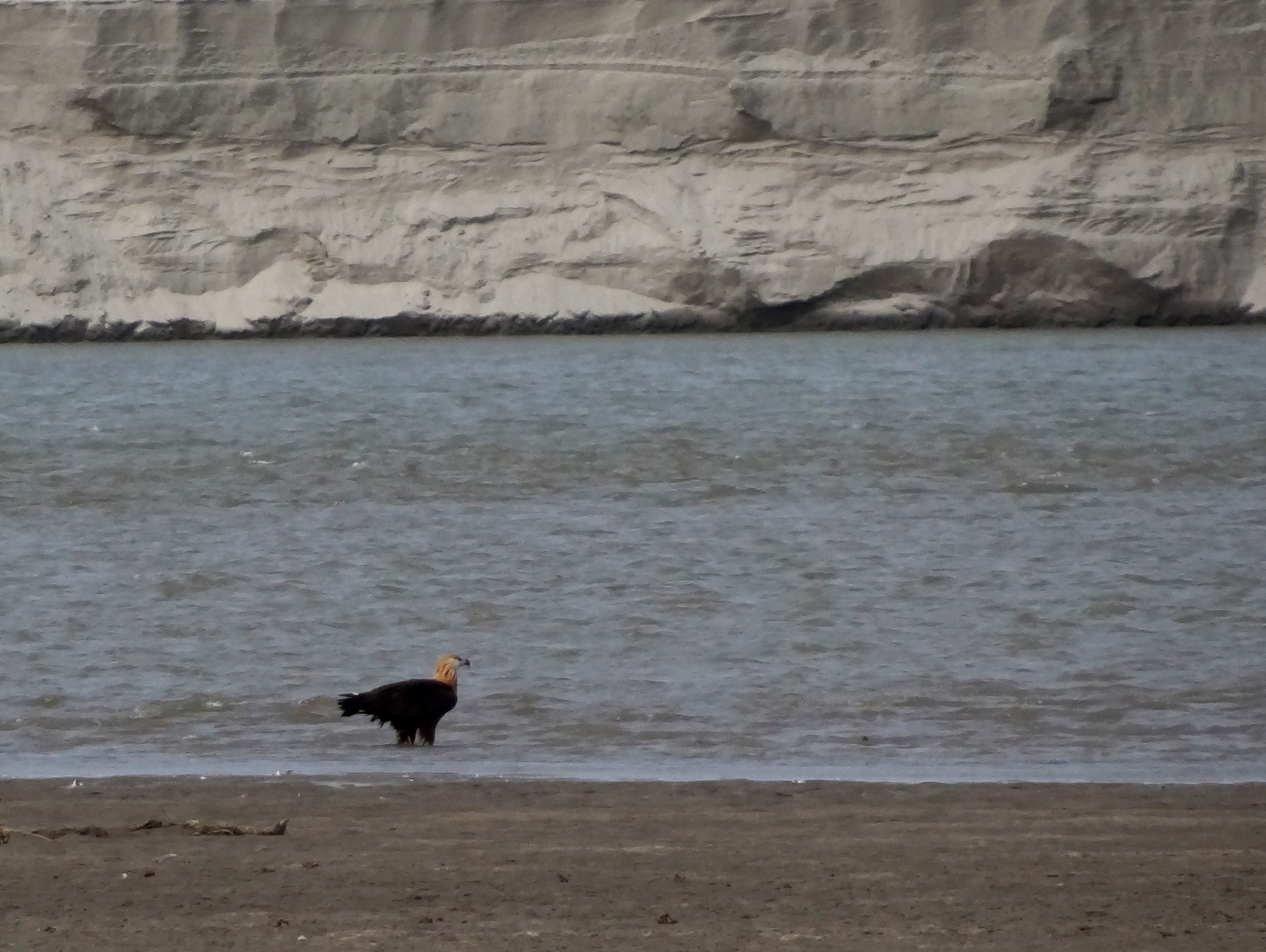
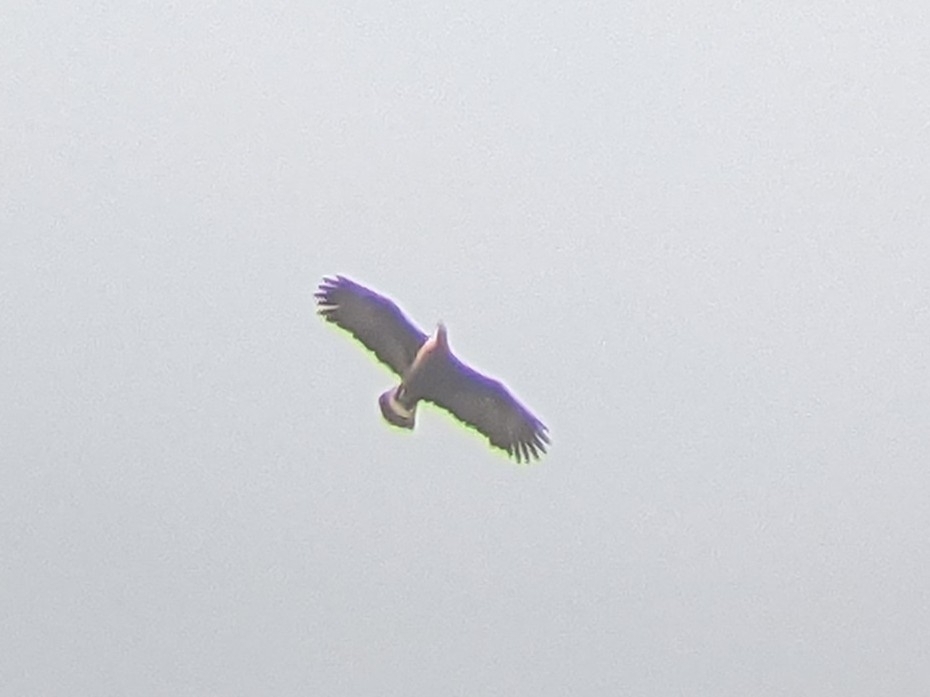
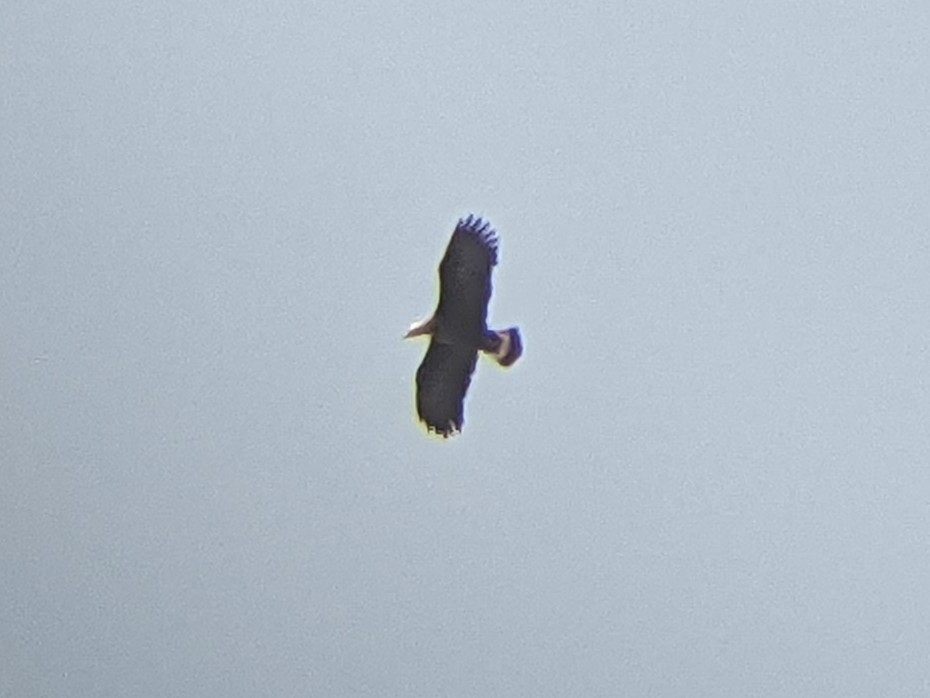
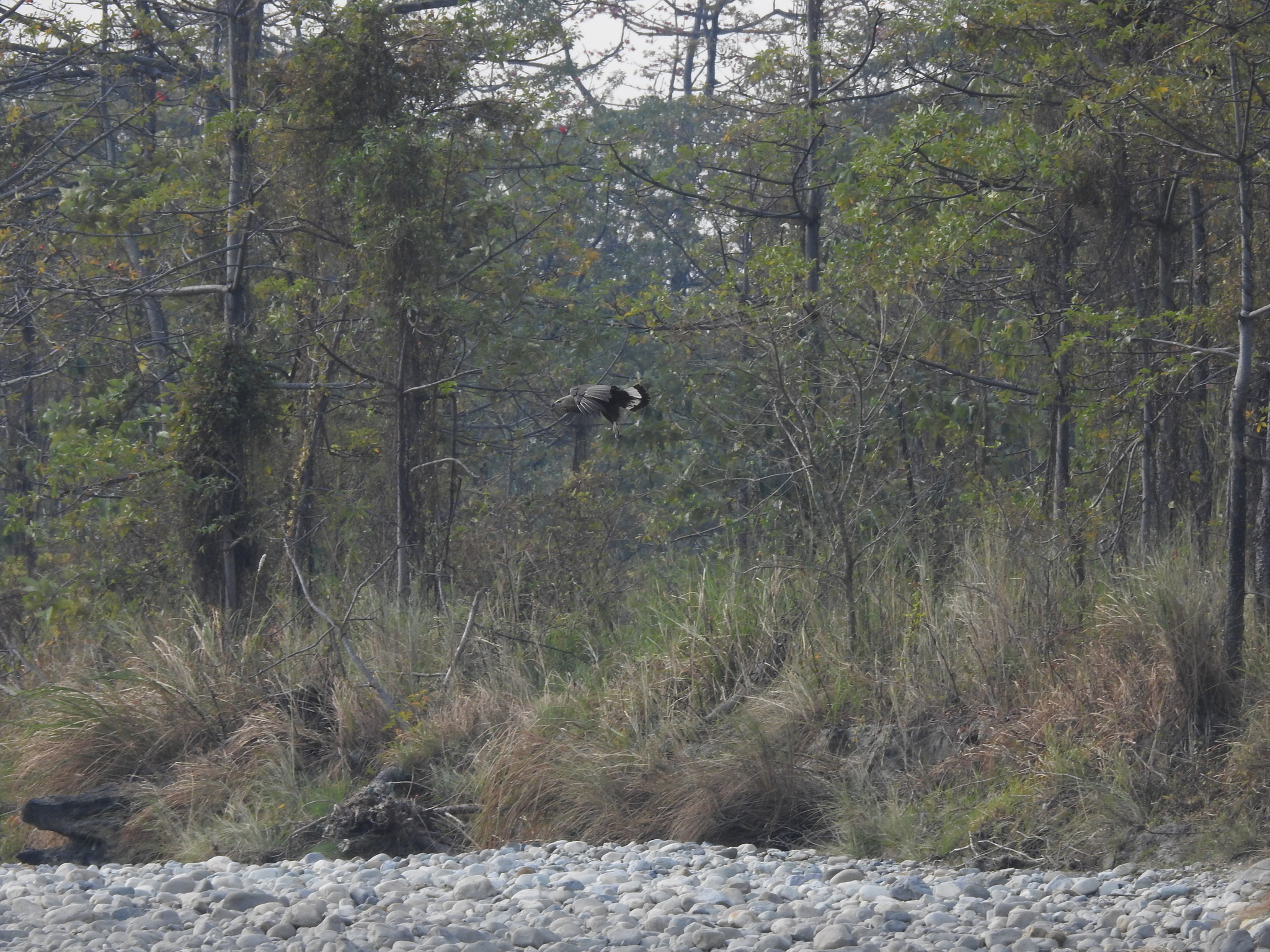
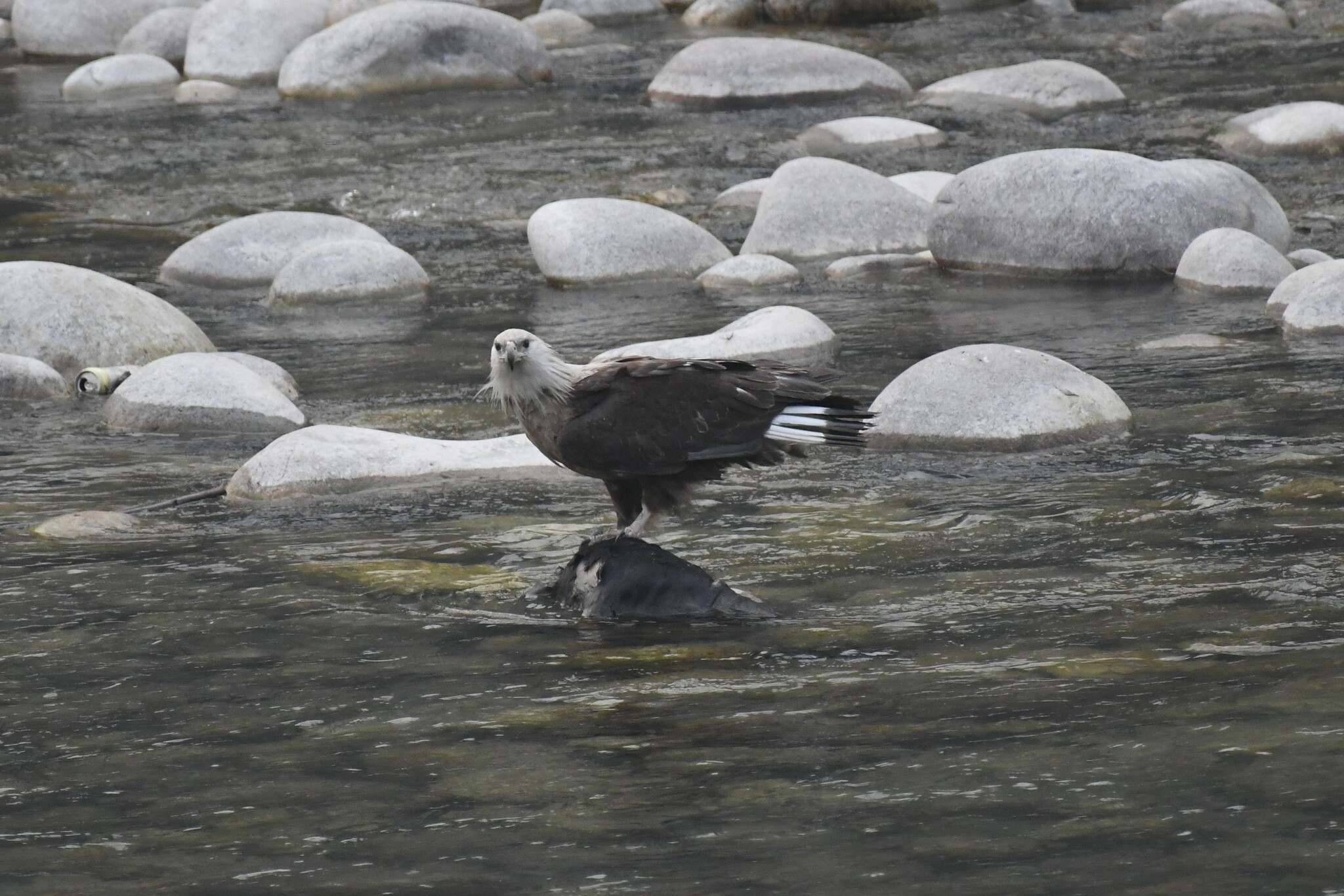
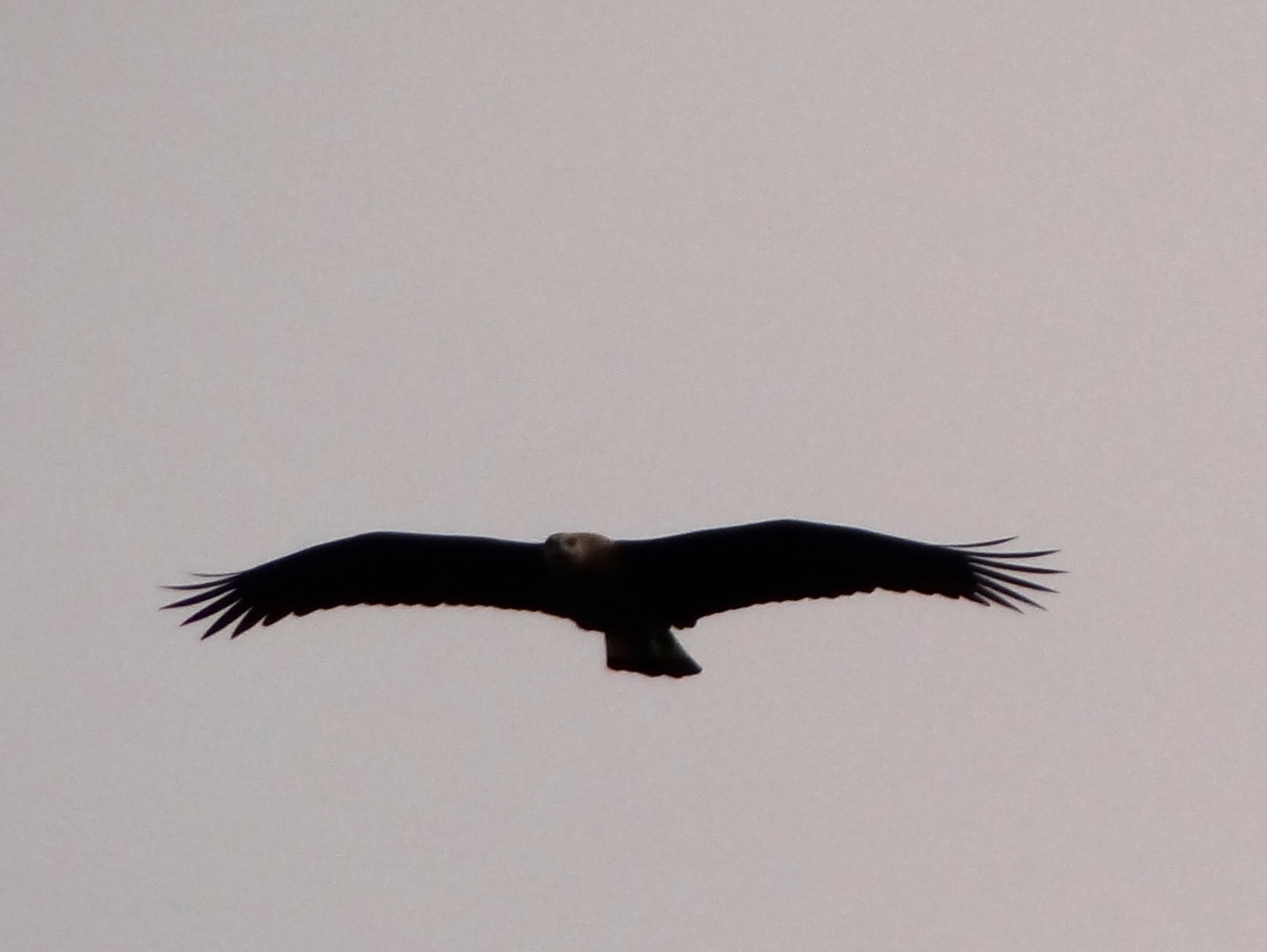
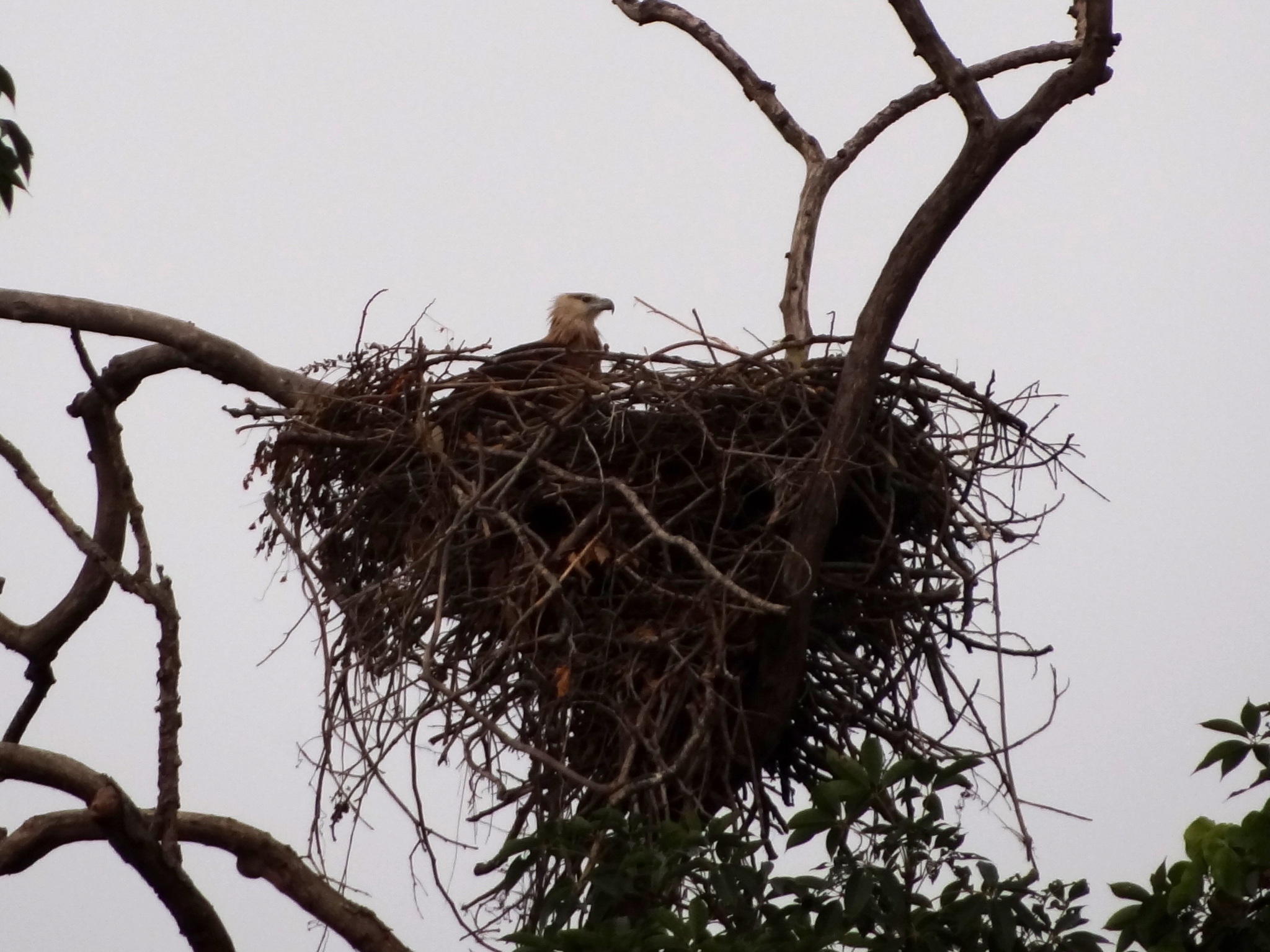
Adults have a light sandy-brown hood and whitish face, with darker brown wings and a rufous back. The long, slender wings are dark brown underneath—a distinctive feature among sea eagles. The tail is black with a wide, distinctive white stripe. Juveniles are darker, cooler brown without a tail band, showing pale areas on the underwing coverts and inner primaries, creating a white band across the underwings. Full adult plumage is attained by approximately 4 years of age. Measures 72-85 cm in length with a wingspan of 180-215 cm. Females weigh 2.1-3.7 kg (averaging 3.2 kg), while males weigh 2.03-3.3 kg (averaging 2.6 kg). Some individuals reach 4-5.5 kg with wingspans up to 240 cm.
Identification
Separated from the grey-headed fish eagle by much longer, slimmer wings and slightly larger size. Differs from the white-tailed eagle in being smaller with bulkier build, much narrower wings, and distinct tail pattern. Adults show unique combination of sandy-brown hood, black tail with broad white band, and dark underwings. Juveniles lack the tail band but display prominent pale wing patches creating a white underwing band—unlike similar-aged grey-headed fish eagles.
Distribution & Habitat
Occurs across Russia, Turkmenistan, Uzbekistan, Tajikistan, Kazakhstan, Mongolia, China, India, Nepal, Bangladesh, Myanmar, and Bhutan. Inhabits inland freshwater ecosystems including large lakes, rivers, and wetlands. Central Asian populations are partially migratory, wintering among southern populations in northern India and extending to the Persian Gulf. Despite extensive range, populations are sparse and isolated throughout the territory, with many areas supporting no breeding pairs.
Behavior & Ecology
Diet consists primarily of large freshwater fish but is broadly opportunistic. Regularly preys upon water birds including pheasant-tailed jacana, lesser whistling duck, ferruginous duck, common pochard, and little grebe. Other prey includes mammals (hares, rodents), frogs, reptiles (snakes, terrapins), insects, and carrion. Remarkably capable of attacking large water birds—greylag geese, bar-headed geese, and Demoiselle crane—lifting prey heavier than itself. One documented case involved carrying a 6.5 kg carp. During winter, may dominate other eagle species including eastern imperial eagles and steppe eagles, selecting highest perches and achieving highest daily food intake.
Conservation
Classified as Endangered on the IUCN Red List with a global population estimated at fewer than 2,500 individuals. Threats include direct persecution, habitat degradation, pollution, and draining or overfishing of lakes. In India, spread of water hyacinth in lakes may impair prey detection. Although possessing a large geographic range, the species remains rare and isolated throughout its territory, with potentially large areas supporting no breeding activity.
Culture
No specific cultural information provided.
Source: Wikipedia · CC BY-SA 3.0
Taxonomy
- Order
- Accipitriformes
- Family
- Accipitridae
- Genus
- Haliaeetus
- eBird Code
- pafeag1
Distribution
central Asia to India, Myanmar, and south-central China (Sichuan)
Data Sources
Species description from Wikipedia, licensed under CC BY-SA 3.0.
Bird images and sounds sourced from GBIF, contributed by citizen scientists worldwide under Creative Commons licenses.
Taxonomy data from AviList 2025.