White-rumped Vulture
Gyps bengalensis
白背兀鹫
Introduction
Old World vulture (genus Gyps) native to South and Southeast Asia. The smallest species in its genus, it is distinguished by its white rump, neck ruff, and contrasting white underwing coverts against otherwise dark plumage. This medium-sized vulture weighs 3.5–7.5 kg, measures 75–93 cm in length, and has a wingspan of 1.92–2.6 m. It is a colonial nester, building stick nests in tall trees near human habitations. Classified as Critically Endangered on the IUCN Red List since 2000, the global population crashed from several million individuals in the 1980s to fewer than 6,000 mature individuals by 2021, representing a 99% decline since the early 1990s. The primary cause is diclofenac poisoning, a veterinary NSAID that causes fatal kidney failure.
Description
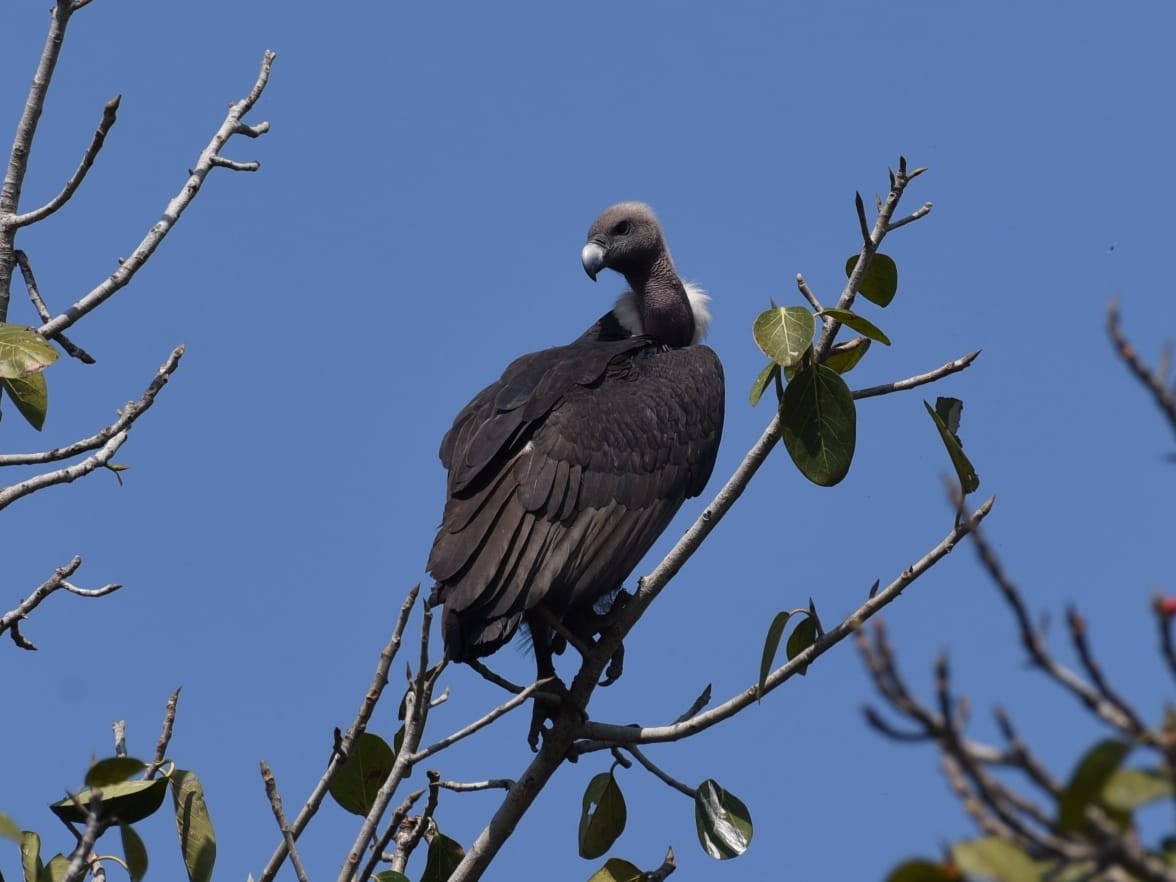
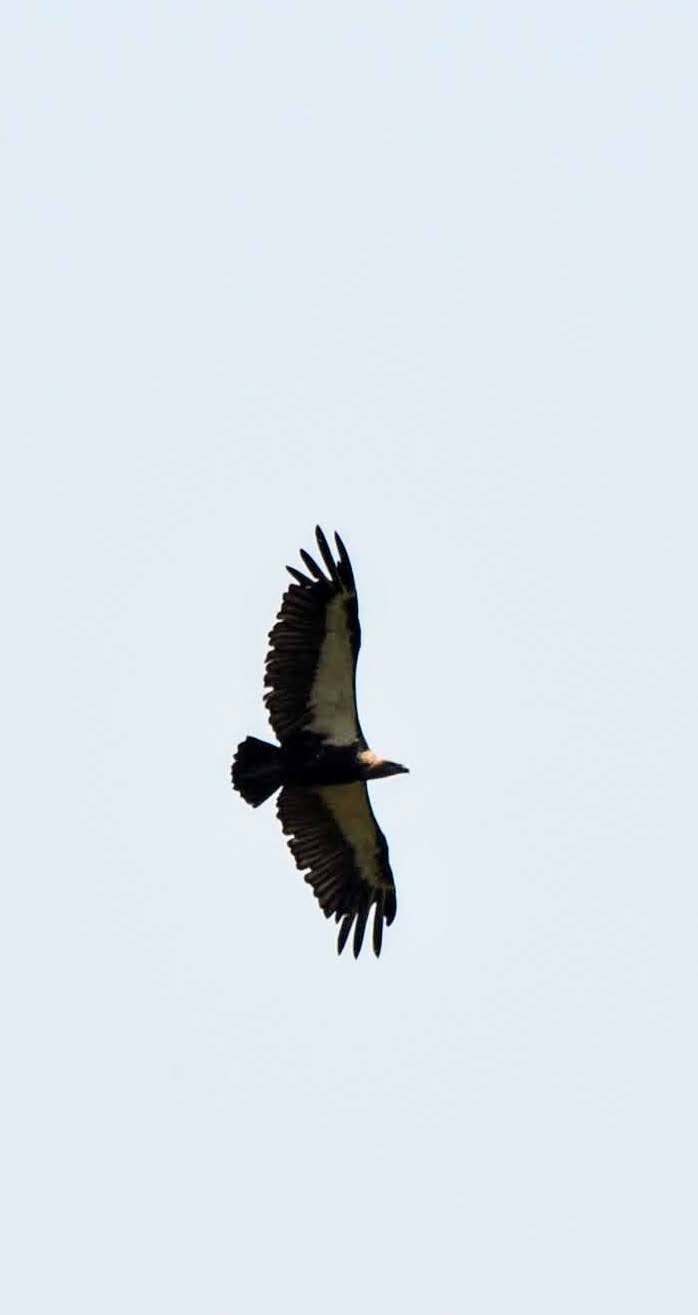
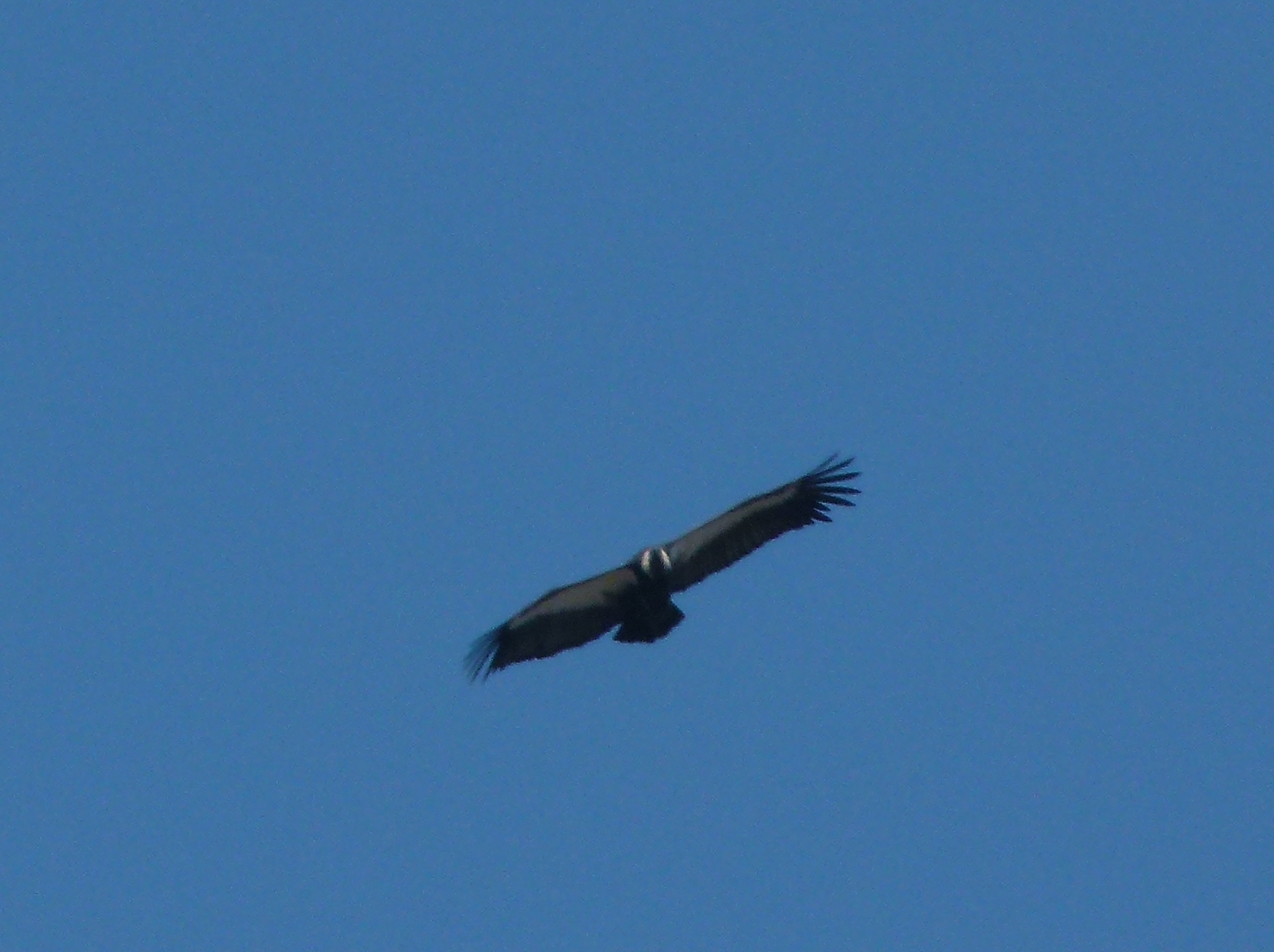
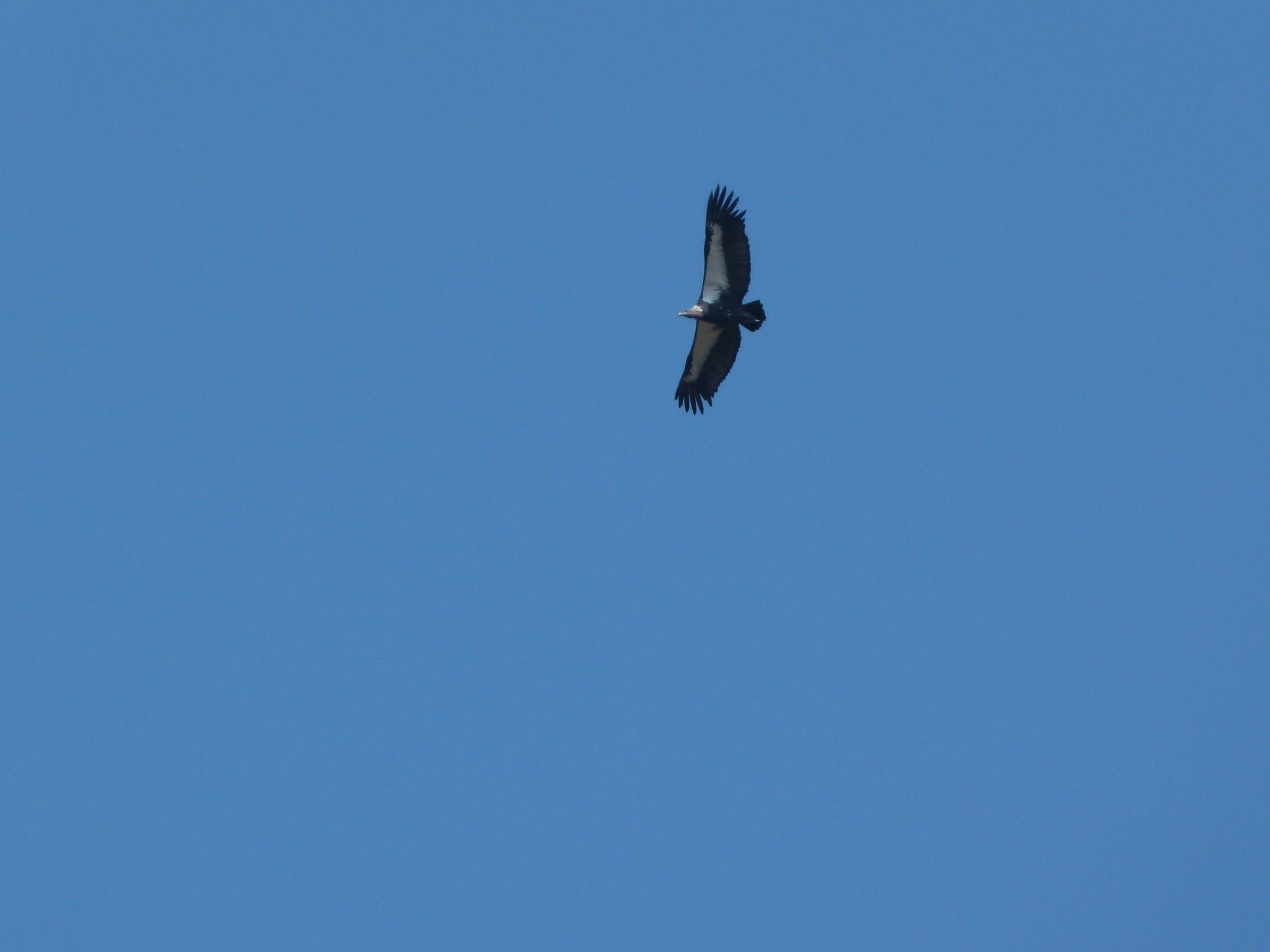
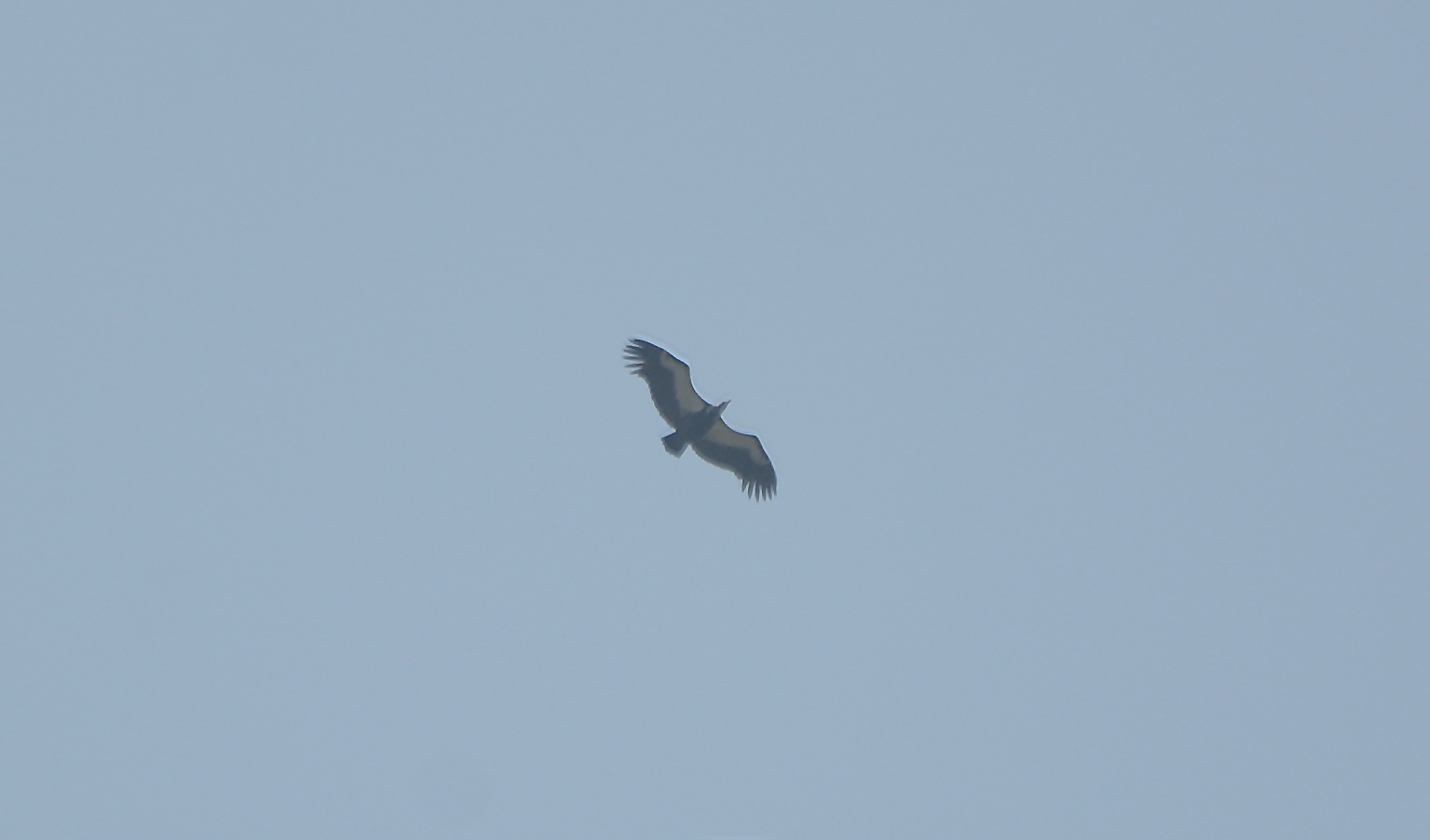
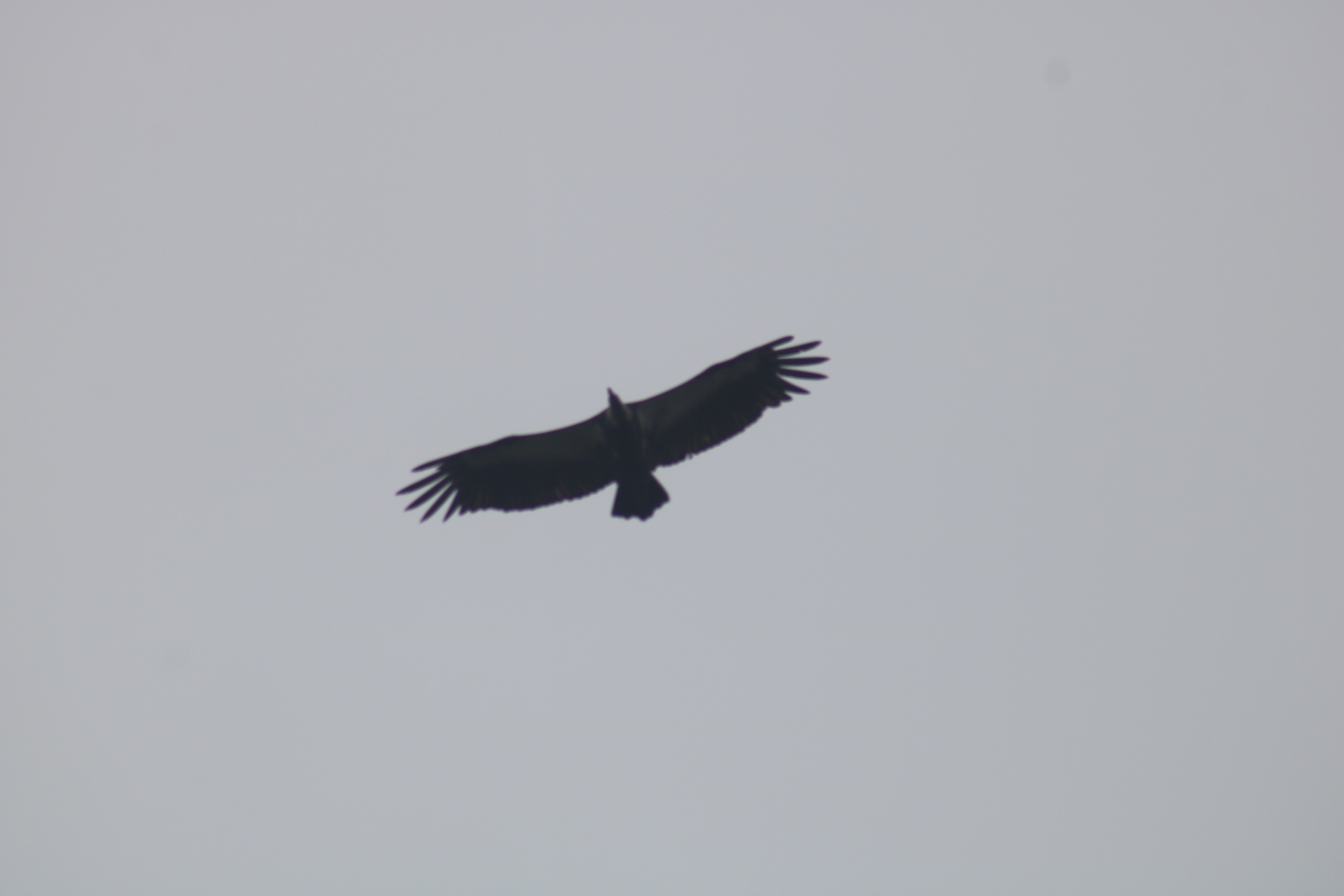
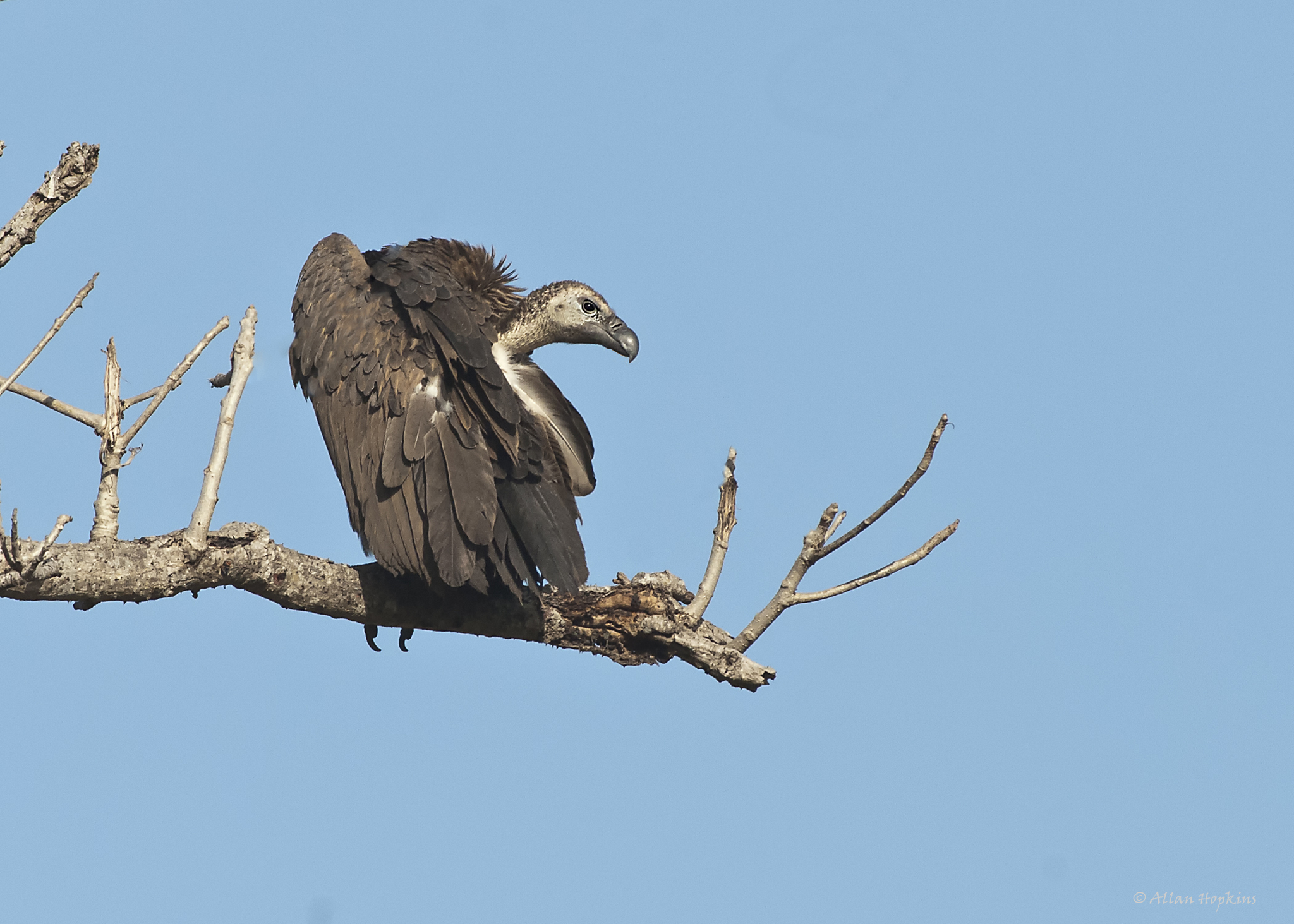
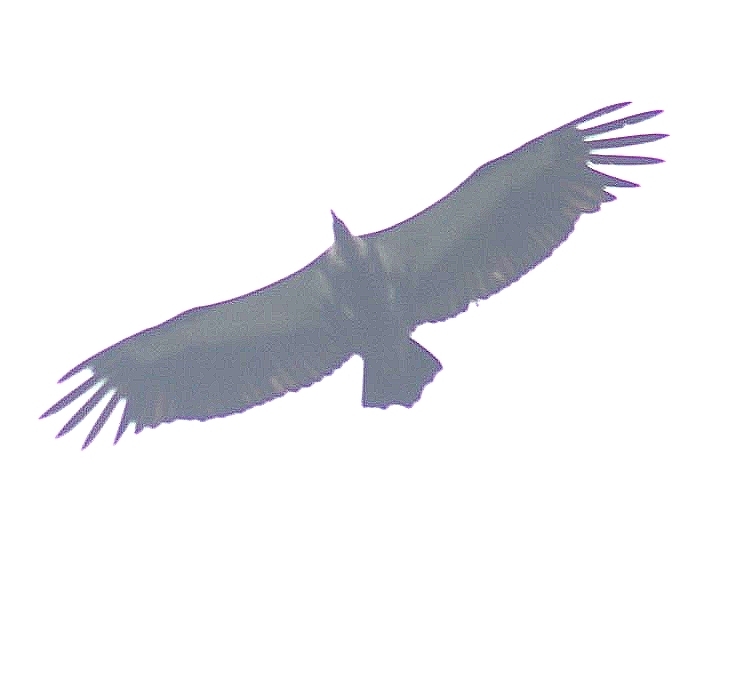
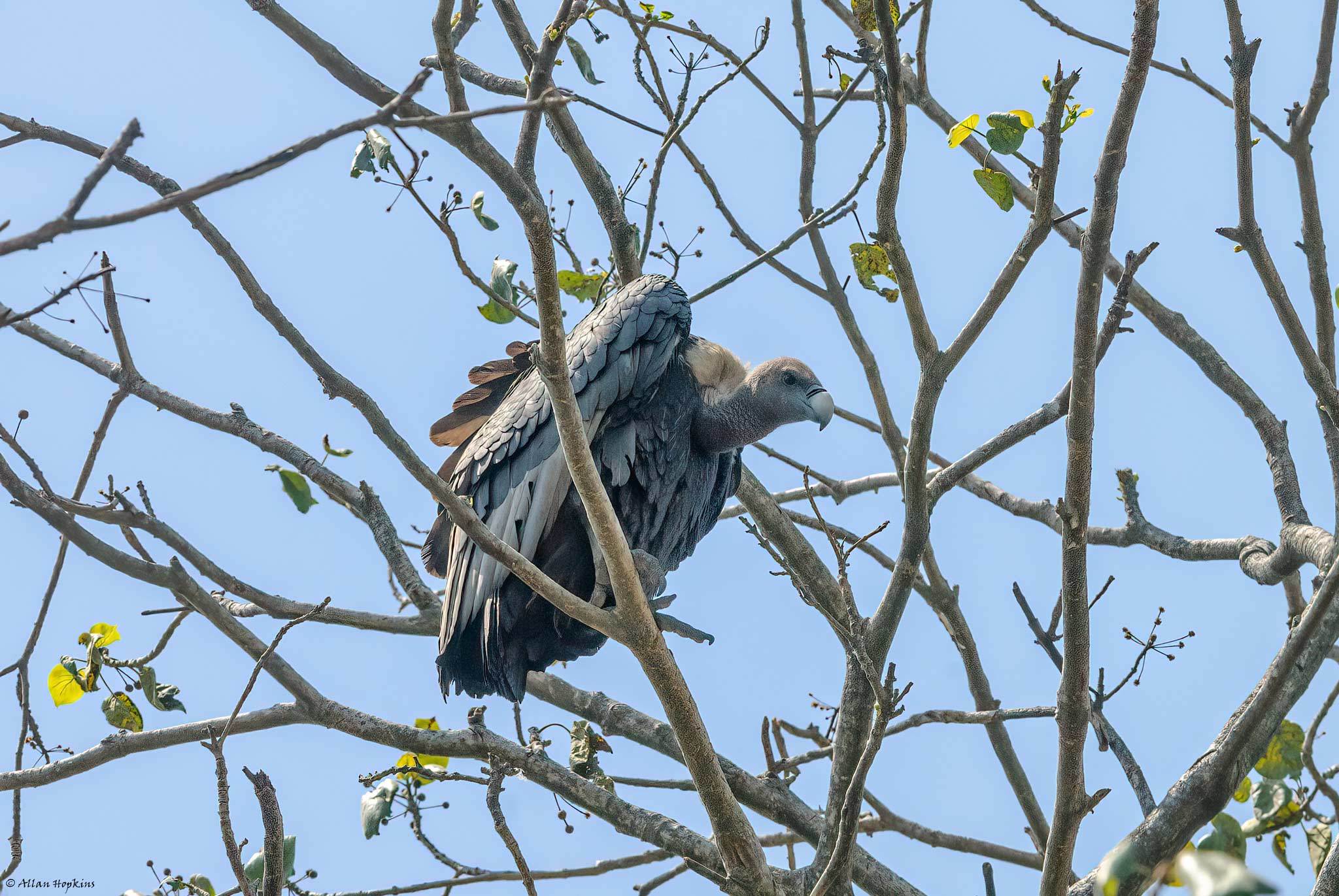
A medium-sized, typical vulture with an unfeathered head and neck, very broad wings, and short tail feathers. Adults have a striking white neck ruff, whitish back, rump, and underwing coverts contrasting with black body plumage and silvery-grey secondaries. The head shows a pink tinge, the bill is silvery with dark ceres, and nostril openings are slit-like. Juveniles are largely dark and require four to five years to attain adult plumage. In flight, adults display a dark leading wing edge, white wing-lining on the underside, and black undertail coverts. This is the smallest of the Gyps vultures.
Identification
Distinguished from similar Gyps vultures by its smaller size, white rump, and prominent white neck ruff. Unlike the larger Eurasian Griffon, it shows contrasting white underwing coverts in flight. Adults are readily identified by the combination of black body, white back and rump, and white wing lining. Juveniles are darker overall and take several years to develop adult plumage, making them more difficult to distinguish from other juvenile Gyps species.
Distribution & Habitat
Historically occurred across northern and central India, Pakistan, Nepal, Bangladesh, and Southeast Asia. Inhabits open areas, cultivated regions, and forested areas with tall trees suitable for nesting. Forms roost colonies in large trees, including species such as Banyan, Peepul, Arjun, and Neem. The population is largely resident, though some local movements may occur. Nesting occurs at elevations up to 1,500 m, with trees selected near human habitations and in forest reserves. Viable populations now remain primarily in Cambodia and Burma, with fewer than 6,000 mature individuals globally.
Behavior & Ecology
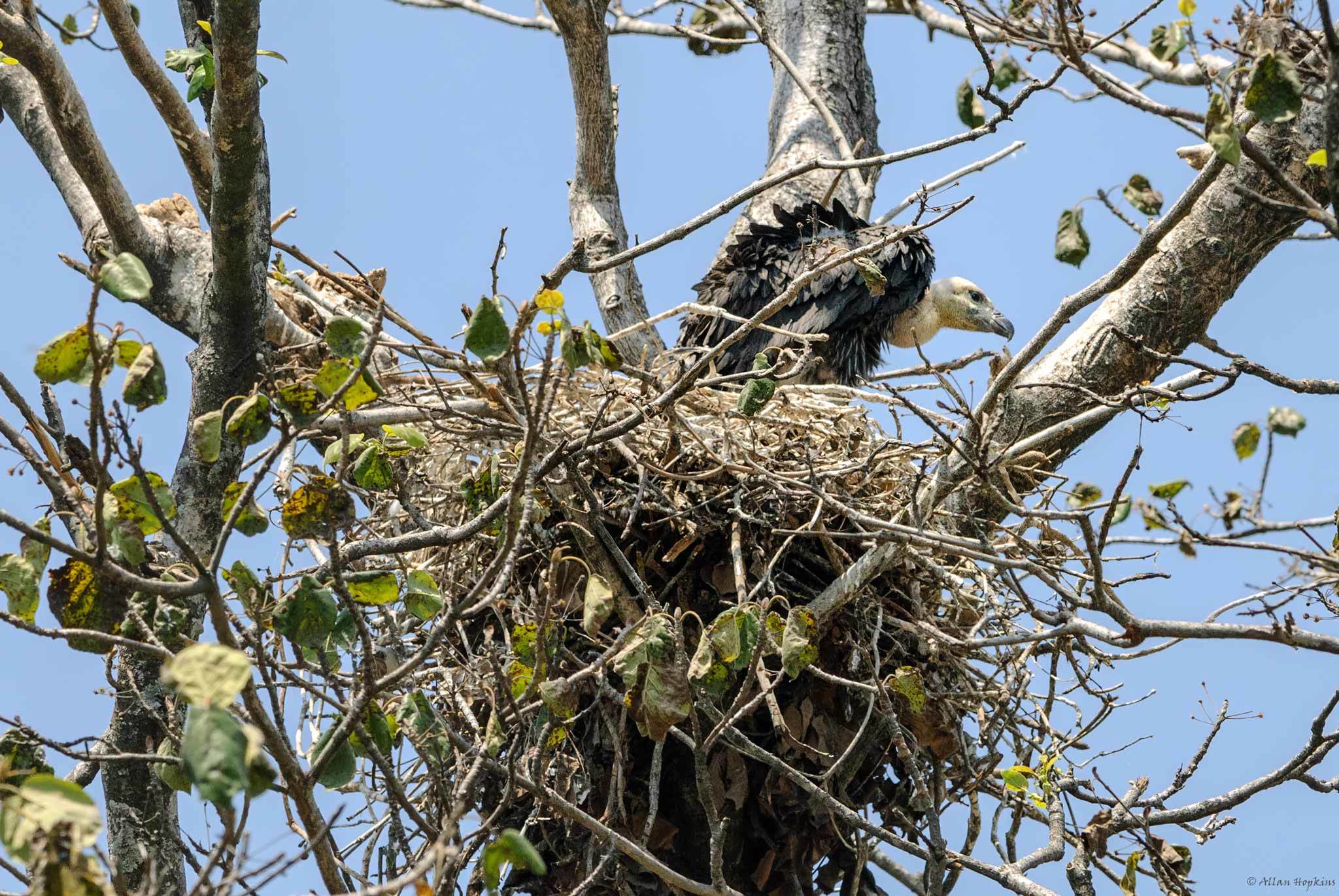
Feeds exclusively on carcasses, locating them by soaring high in thermals and observing other scavengers. An experiment demonstrated it may also detect carrion by smell. Flies and feeds in flocks, though red-headed vultures dominate at kill sites. Bathes regularly where water is available and drinks frequently. Nesting occurs from November to March, with eggs laid mainly in January. Nests are large structures of sticks lined with green leaves, built in tall trees at mean heights around 27 m. Females lay a single bluish-green tinged white egg, incubated for 30-35 days. Young remain in the nest for about three months. Usually silent but makes hissing and roaring sounds at nests and during feeding disputes.
Conservation
Critically Endangered (IUCN Red List, since 2000). Global population declined from several million in the 1980s to fewer than 6,000 mature individuals by 2021—a 99% decrease since the early 1990s. The primary cause is diclofenac poisoning, a veterinary NSAID causing fatal kidney failure at low dosages. Annual decline rates in India averaged 43.9% between 2000-2007. Additional threats include habitat loss, reduced food availability from improved livestock management, and competition for carcasses. Conservation measures include banning diclofenac in veterinary practice, promoting meloxicam as a safer alternative, captive-breeding programs, and artificial feeding stations. Only Cambodia and Burma populations remain viable, though still very small.
Culture
Historically abundant and familiar in Indian cities, often nesting on avenue trees. Considered a nuisance to aircraft due to bird strike incidents. Noted for roosting in urban trees, where their acidic excreta killed host trees, making them unwelcome in orchards. Historically familiar to visitors of the Towers of Silence in Bombay, where Parsi communities traditionally left their deceased for vulture consumption. Its dramatic decline has raised concerns about increased rabies cases in India due to reduced consumption of livestock carcasses.
Source: Wikipedia · CC BY-SA 3.0
Taxonomy
- Order
- Accipitriformes
- Family
- Accipitridae
- Genus
- Gyps
- eBird Code
- whrvul1
Distribution
lowlands of Iran to India, southwestern China, and southeastern Asia
Data Sources
Species description from Wikipedia, licensed under CC BY-SA 3.0.
Bird images and sounds sourced from GBIF, contributed by citizen scientists worldwide under Creative Commons licenses.
Taxonomy data from AviList 2025.