
Grandala
Grandala coelicolor
蓝大翅鸲
Introduction
A passerine bird in the thrush family Turdidae and the sole species in the genus Grandala. It occurs across the northwestern and northeastern Indian subcontinent, ranging northeast to western China through the Himalayas and Tibetan Plateau. Found in Bhutan, India, Myanmar, Nepal, Tibet, and Chinese provinces north to southeast Gansu. Inhabits high to very high altitudes. An insectivore and frugivore that feeds on insects and small fruit such as Vaccinium berries.
Description
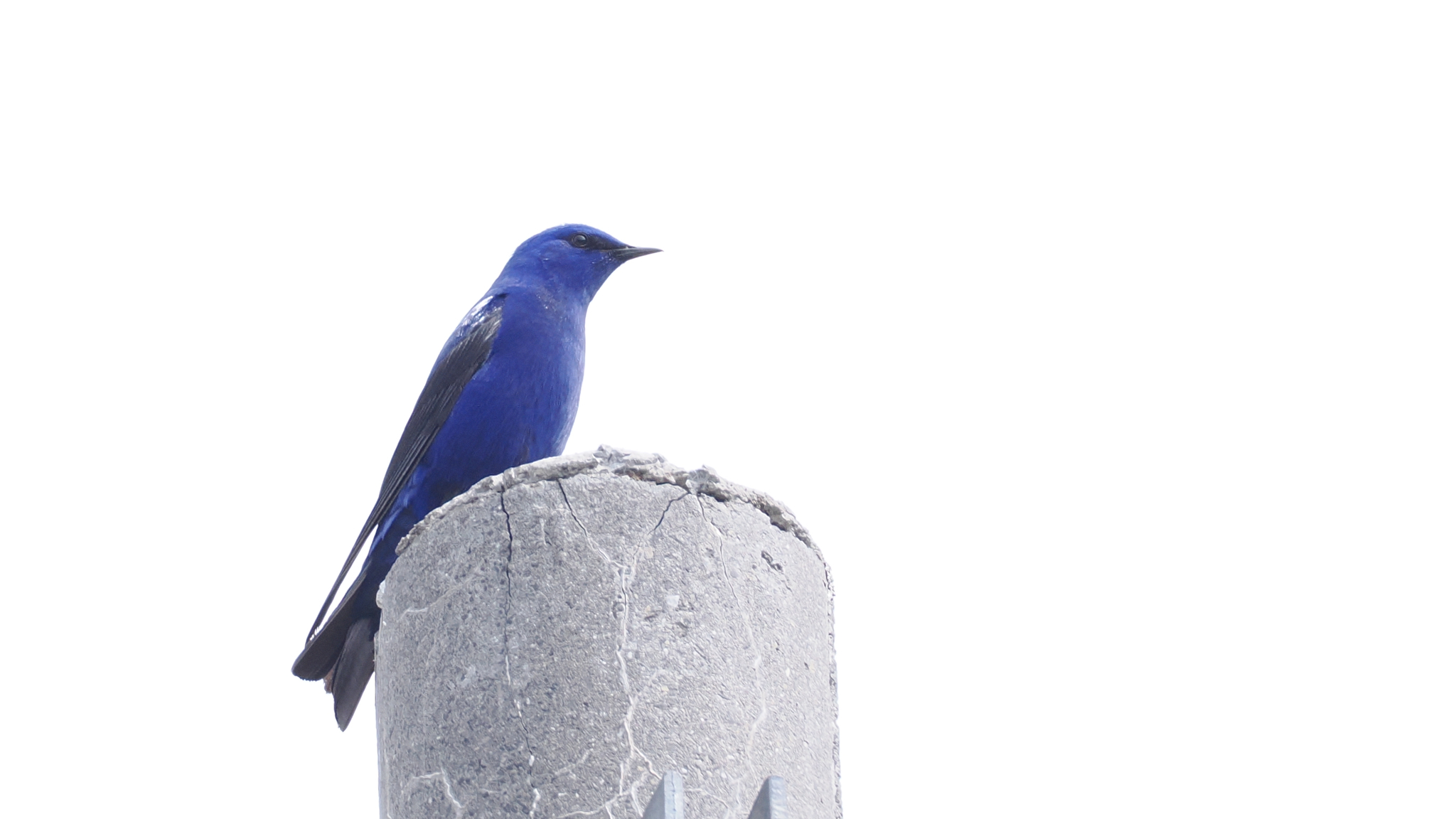
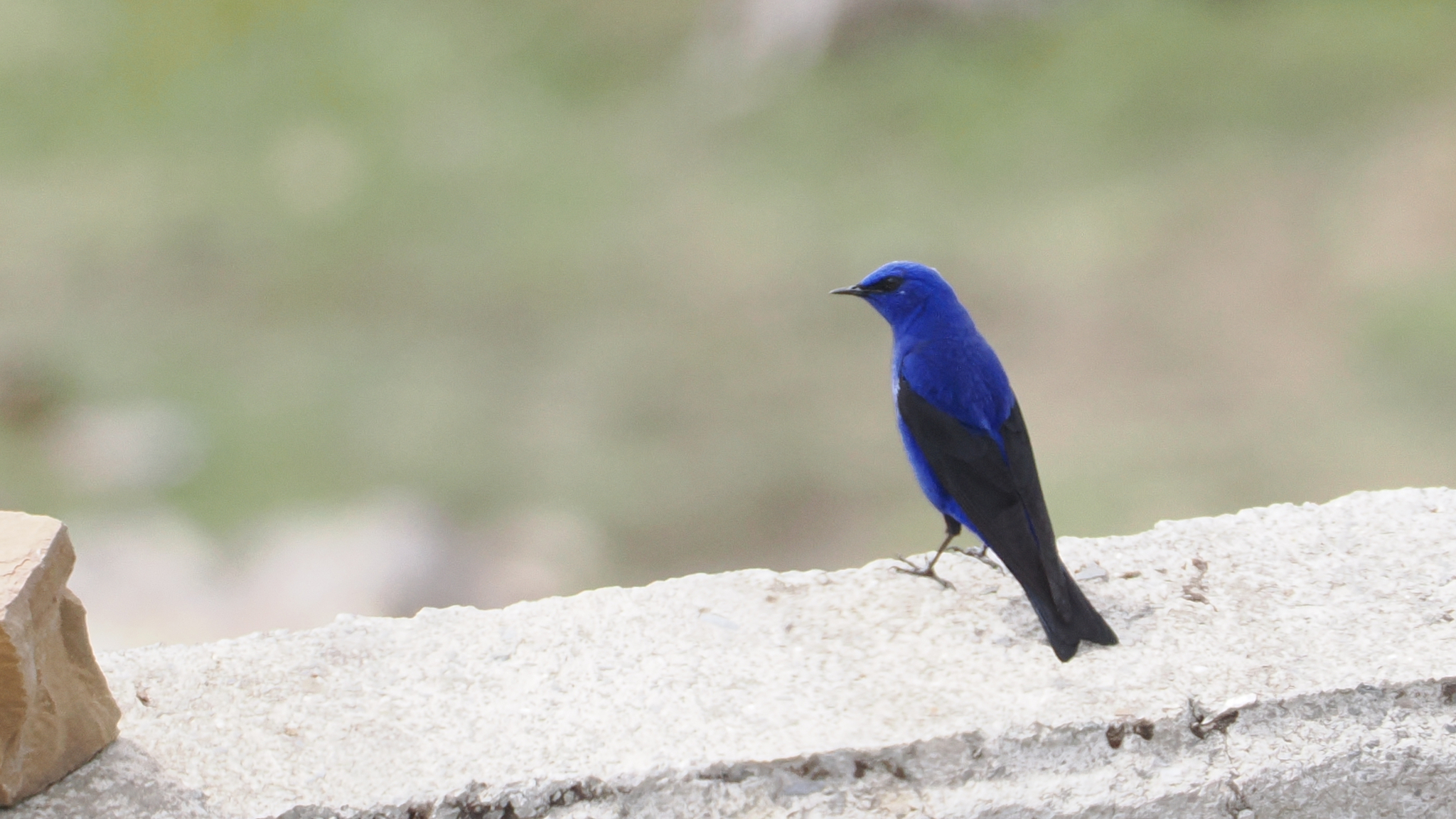
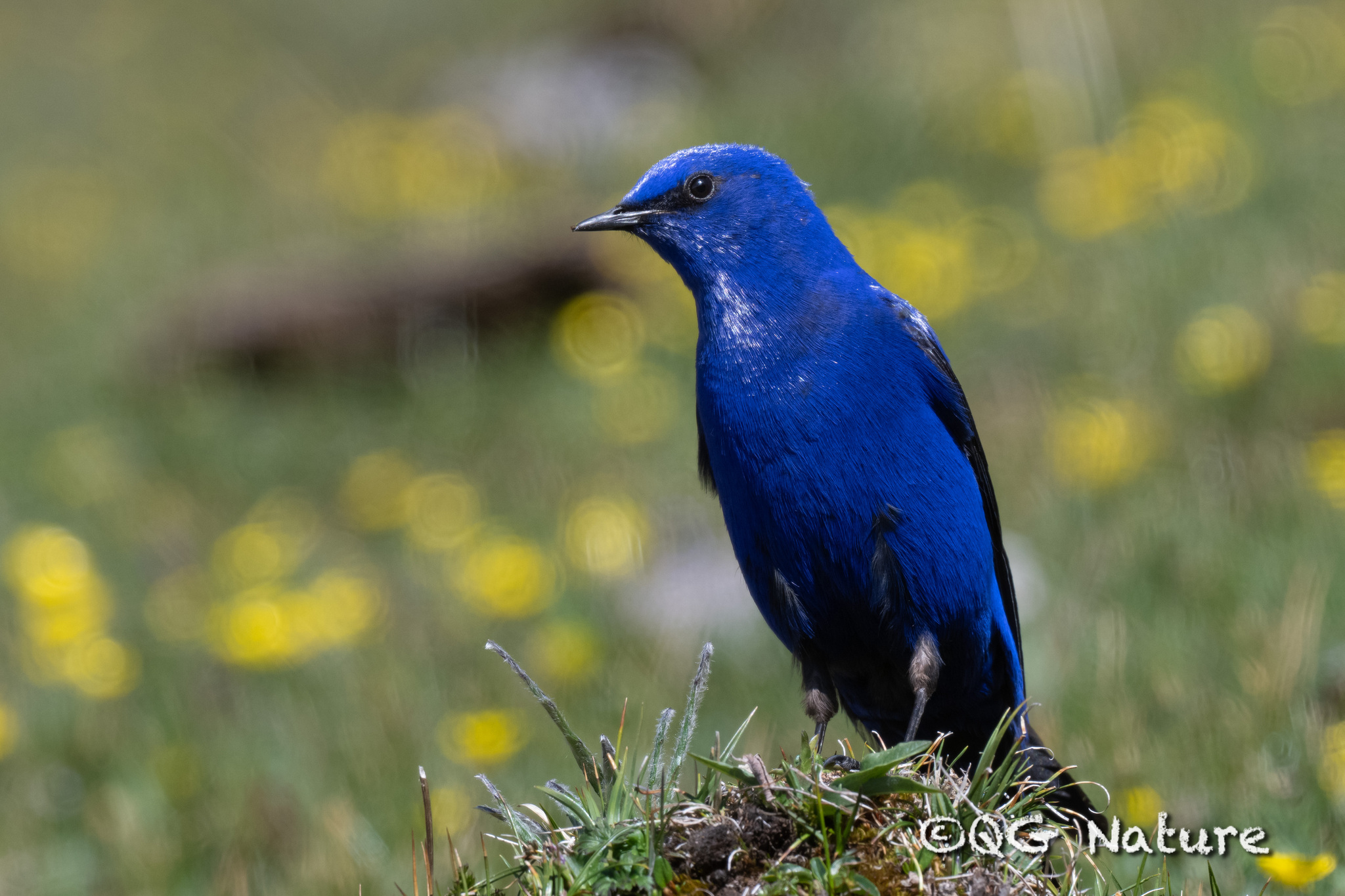
A small thrush measuring 19-23 cm in body length and weighing 38-52 g. Adult males display intense dark blue plumage throughout, with the tail and wings appearing blacker than the body. Adult females are greyish-brown overall, with fine white streaks on the underparts, a greyish-blue rump, and white tips and undersides on the wing feathers. Juveniles resemble females but lack the bluish tint on the rump and upper tail feathers.
Distribution & Habitat
A partial altitudinal migrant. Breeds in high alpine scrub and meadows at 3,900-5,500 m elevation during summer, descending to 2,000-4,300 m in winter where it inhabits orchards. In India, occurs throughout the Himalayas from Kashmir (Kishenganga and Liddar valleys), Himachal Pradesh, and Uttarakhand, through Nepal and Sikkim, east to Arunachal Pradesh.
Behavior & Ecology
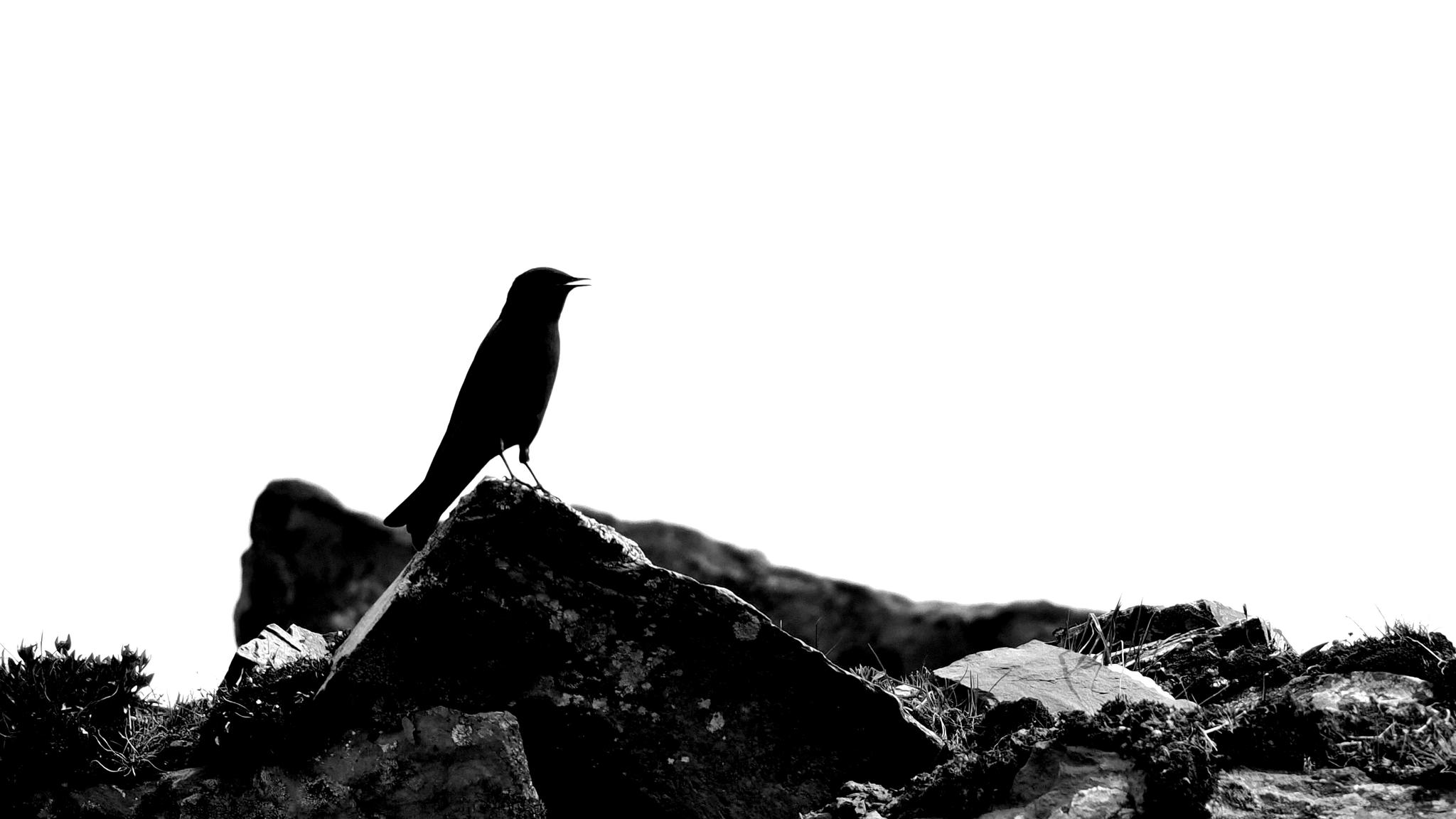
A social species that forages in groups. Diet consists primarily of insects and small fruits, including Vaccinium berries. Vocalizations include the calls 'dew-ee' and 'dewee'.
Conservation
No IUCN assessment or population data provided in the source material.
Source: Wikipedia · CC BY-SA 3.0
Taxonomy
- Order
- Passeriformes
- Family
- Turdidae
- Genus
- Grandala
- eBird Code
- granda1
Distribution
alpine meadows of Kashmir to southeastern Tibet, Myanmar, and western China
Data Sources
Species description from Wikipedia, licensed under CC BY-SA 3.0.
Bird images and sounds sourced from GBIF, contributed by citizen scientists worldwide under Creative Commons licenses.
Taxonomy data from AviList 2025.