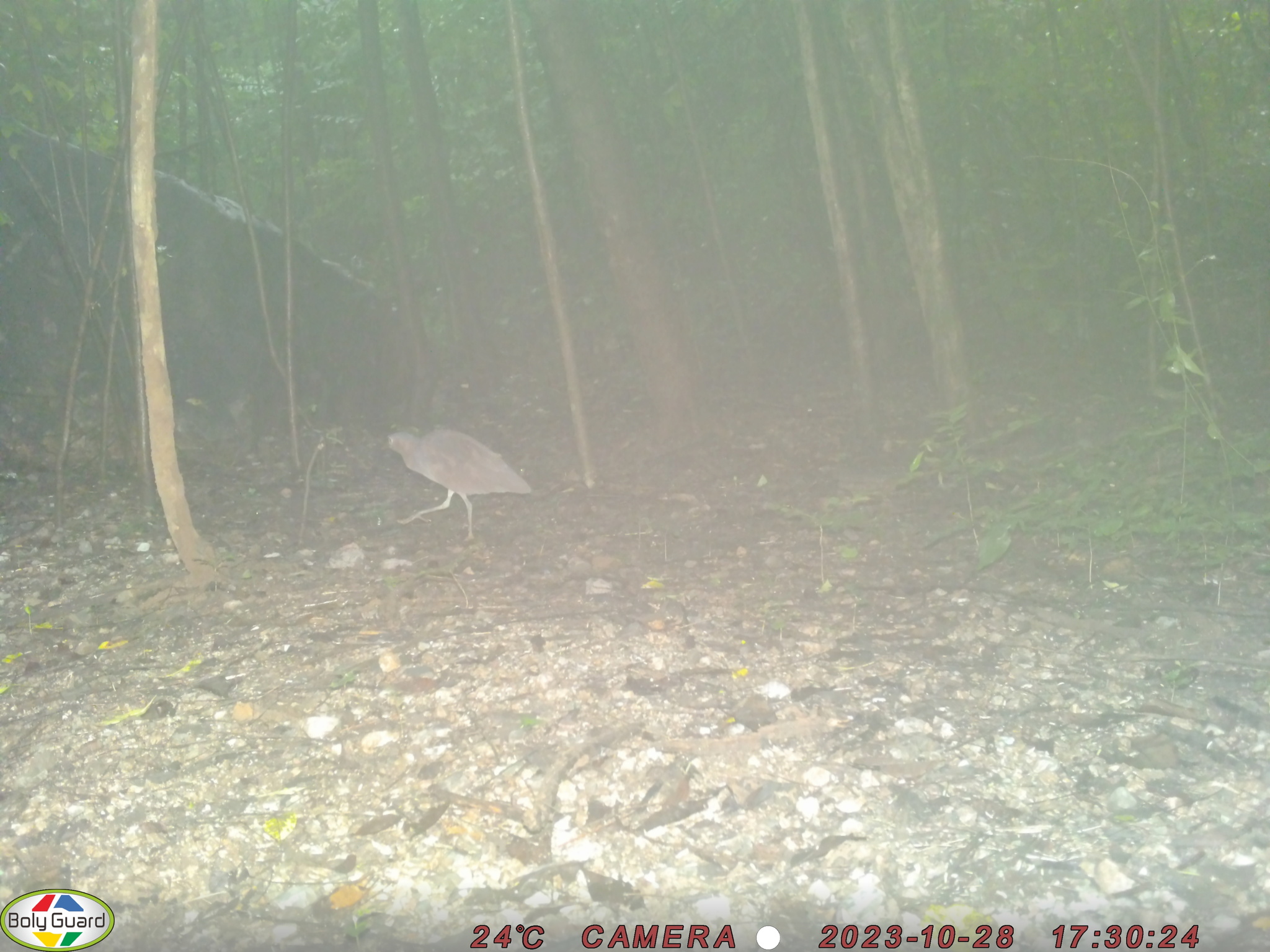
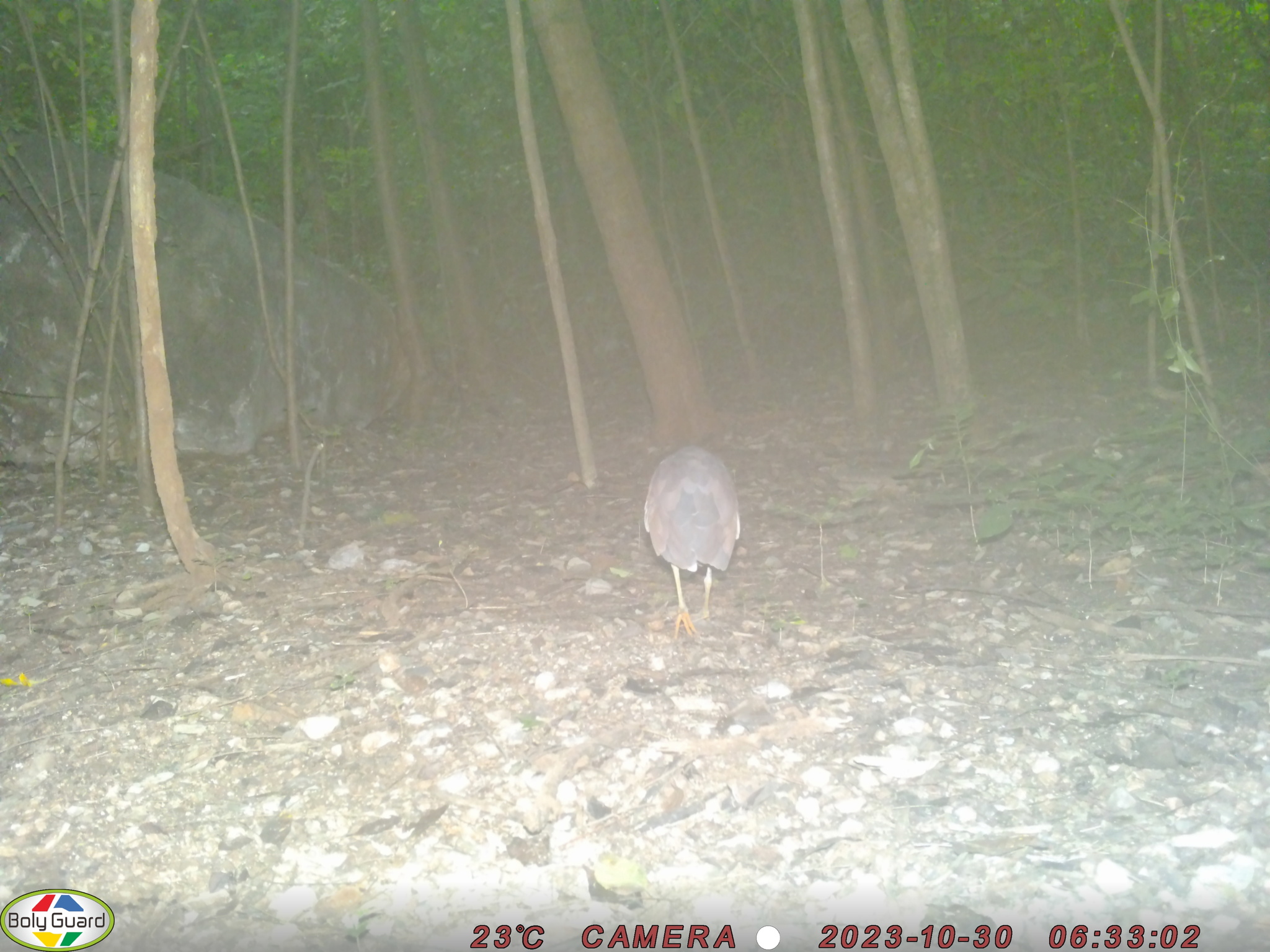
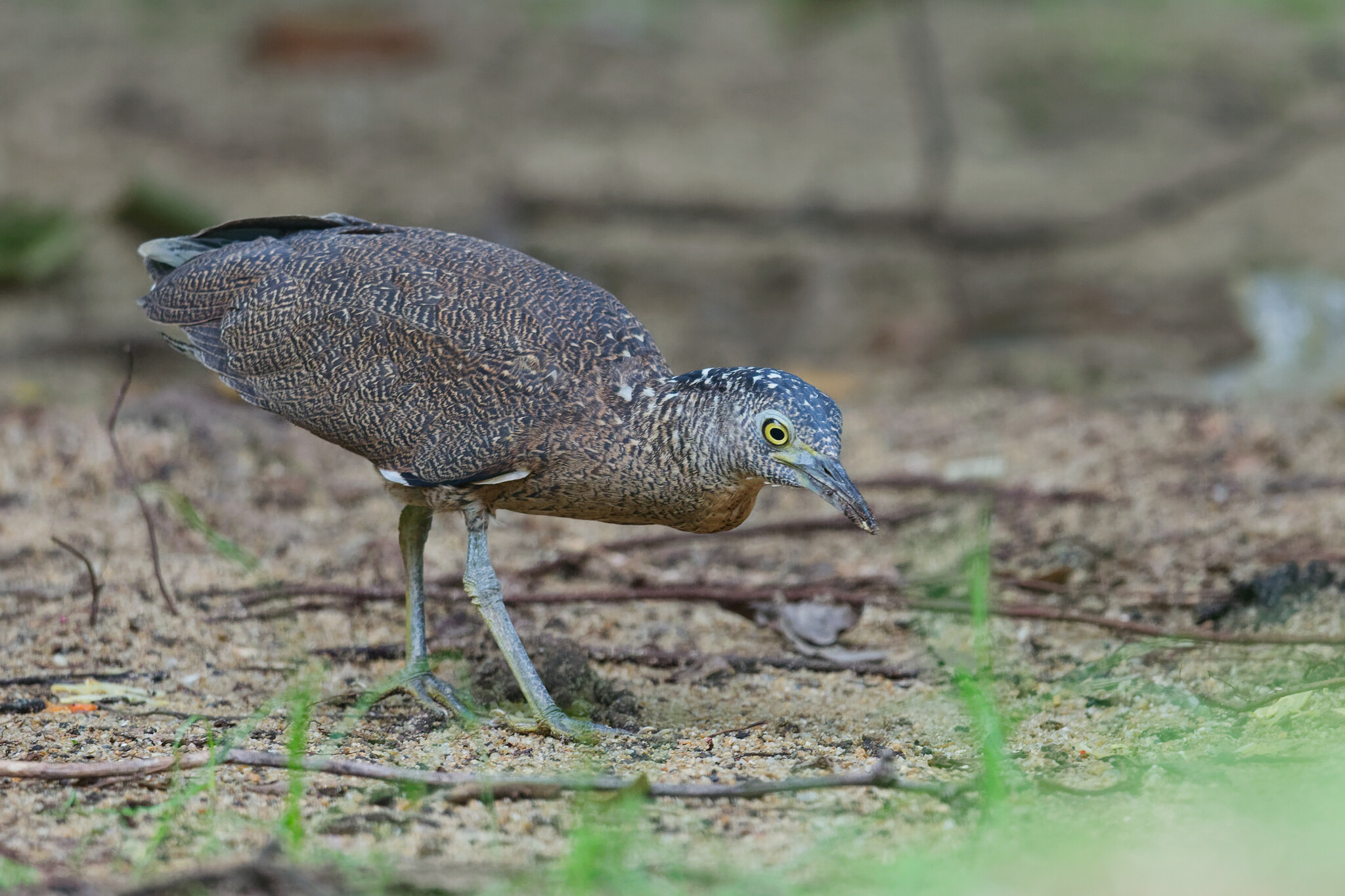
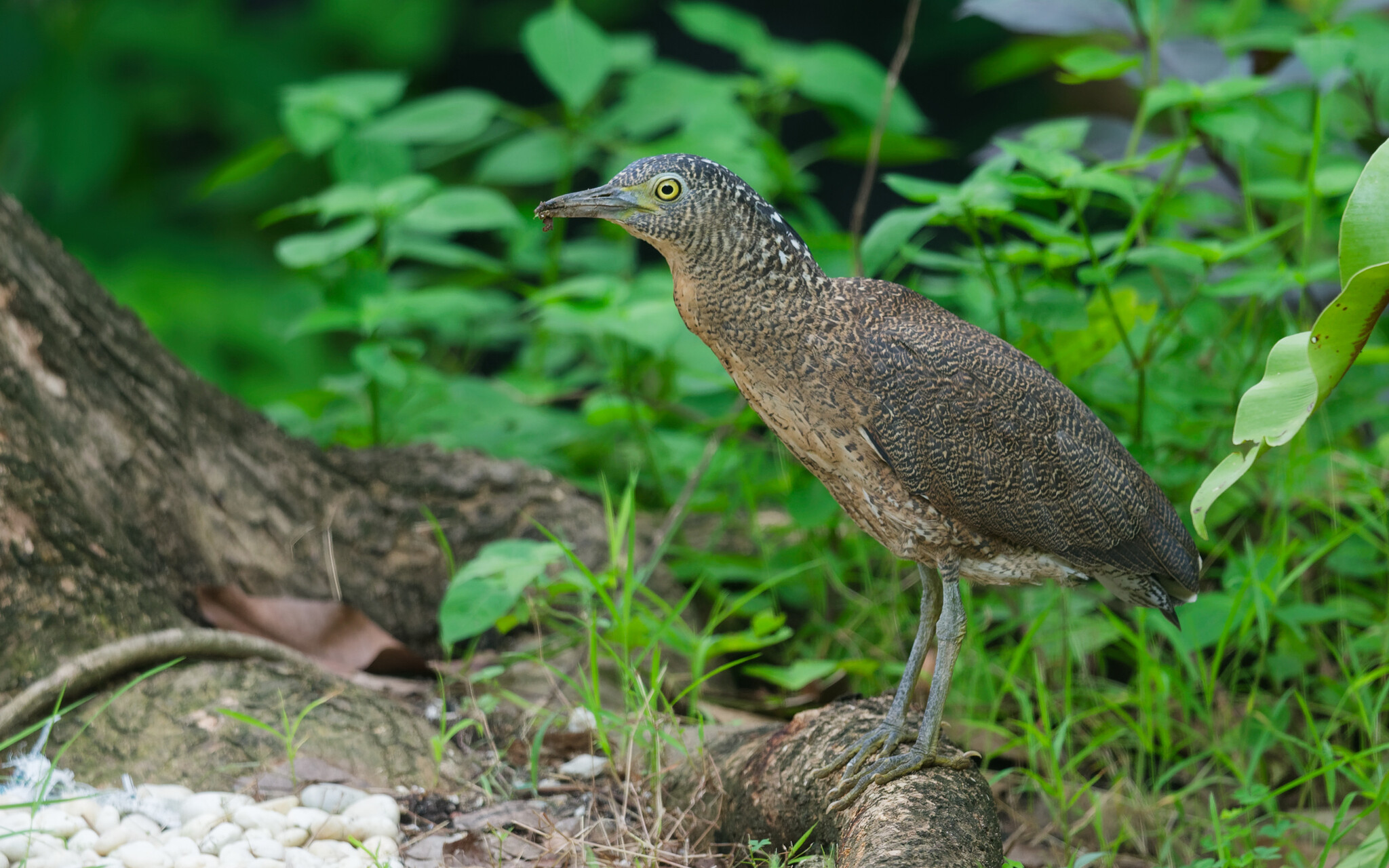
Malayan Night Heron
Gorsachius melanolophus
黑冠鳽
Introduction
A medium-sized heron (Gorsachius melanolophus) distributed across southern and eastern Asia. Range extends through India, Sri Lanka, Nepal, Bangladesh, Myanmar, Cambodia, Laos, Vietnam, Thailand, Malaysia, Singapore, Brunei, China, Indonesia, Philippines, Taiwan, and Japan, with vagrant records in Palau and Korea. Inhabits forests, streams, and marshes. Usually solitary, roosts in trees and feeds in open areas. Global population estimated at 2,000-20,000 individuals across a range of 1,240,000 km²; population trend unknown but does not meet vulnerable species criteria.
Description
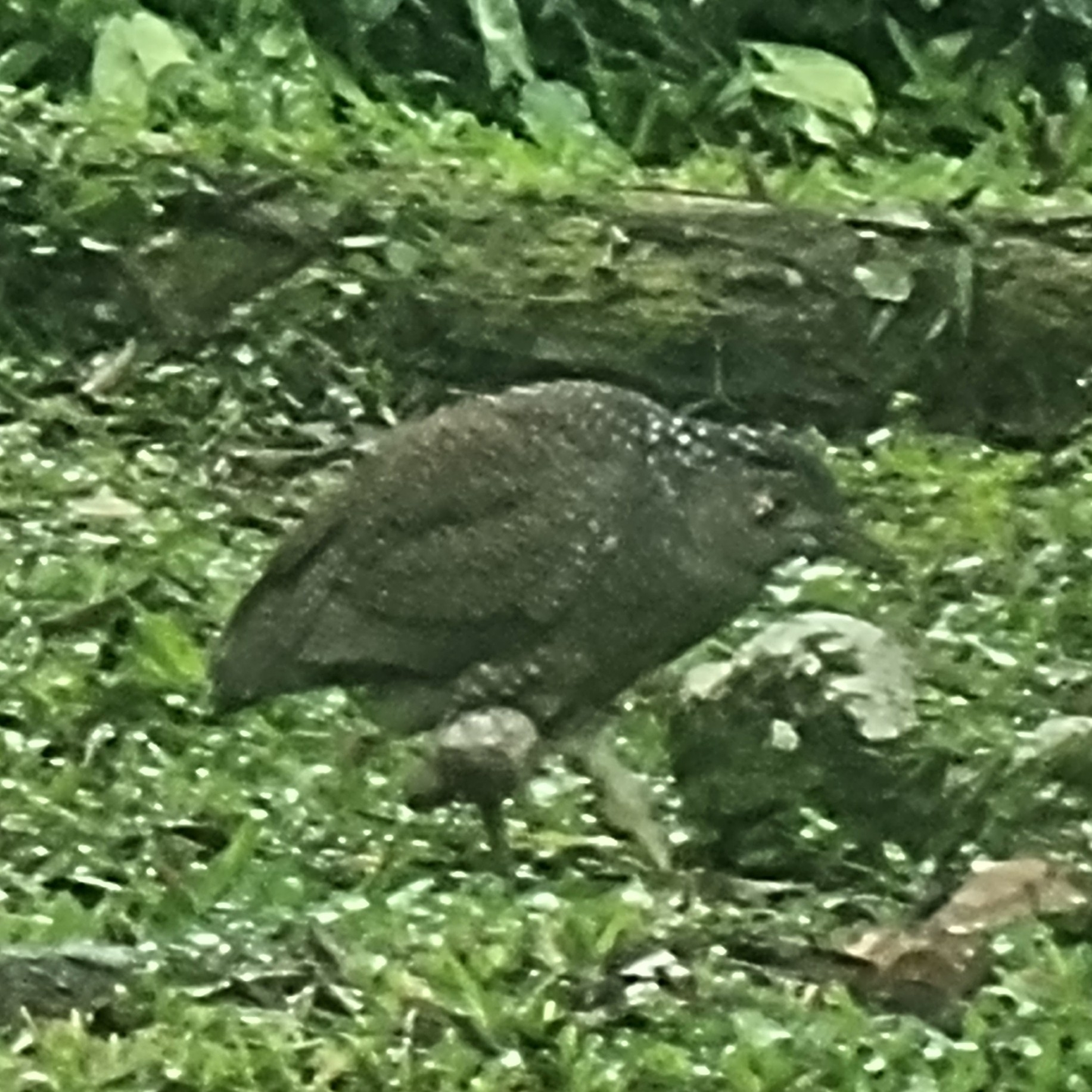
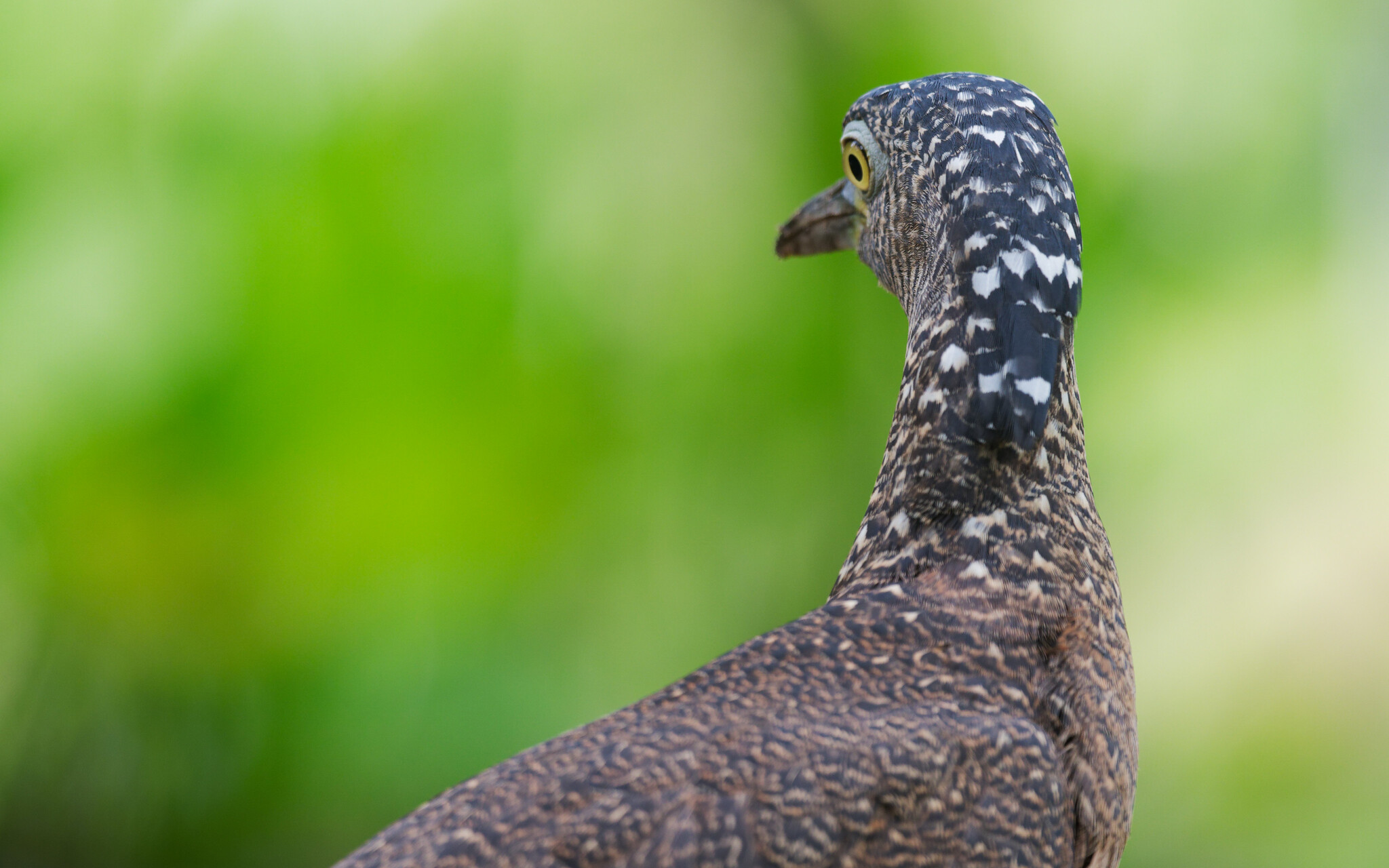
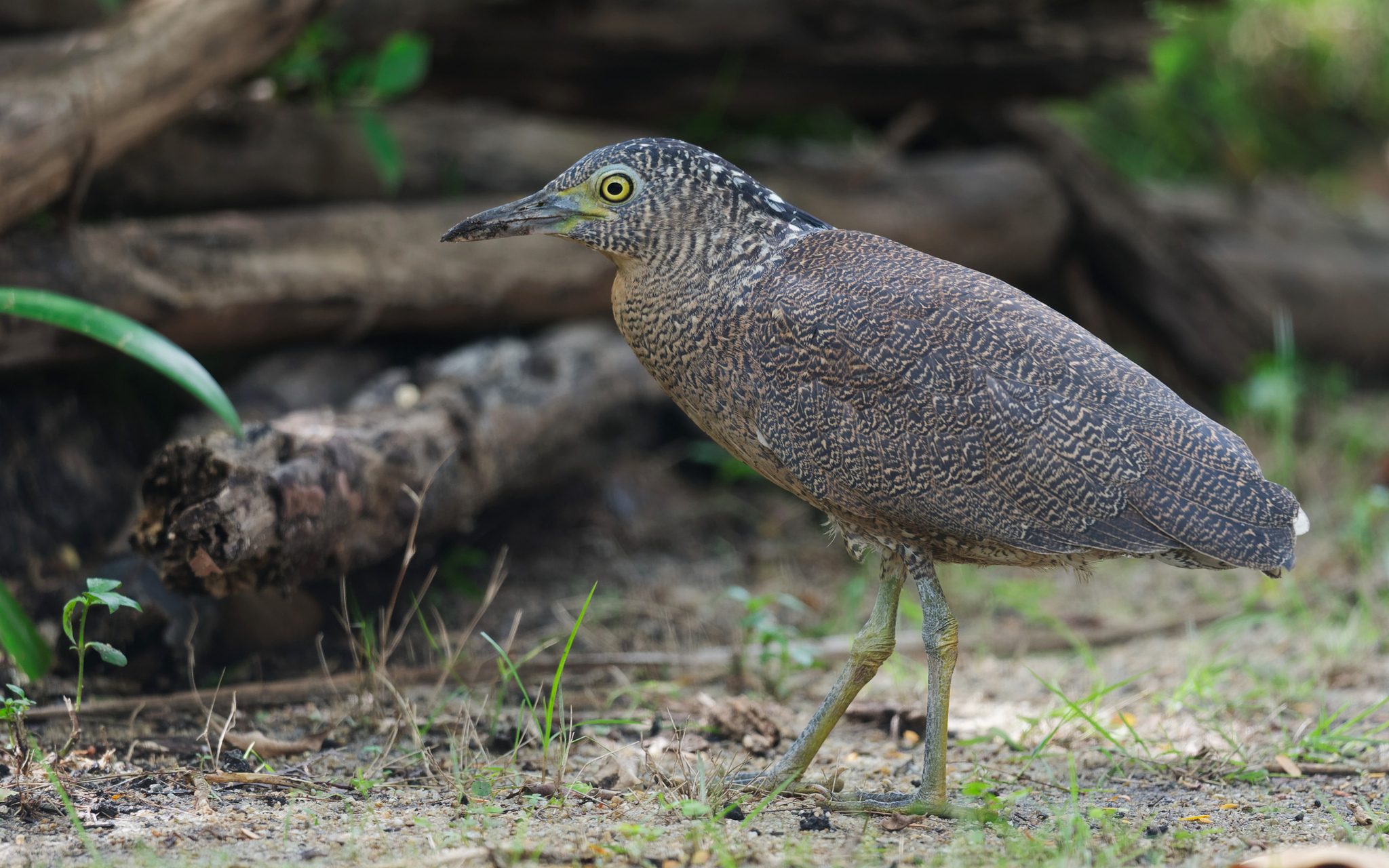
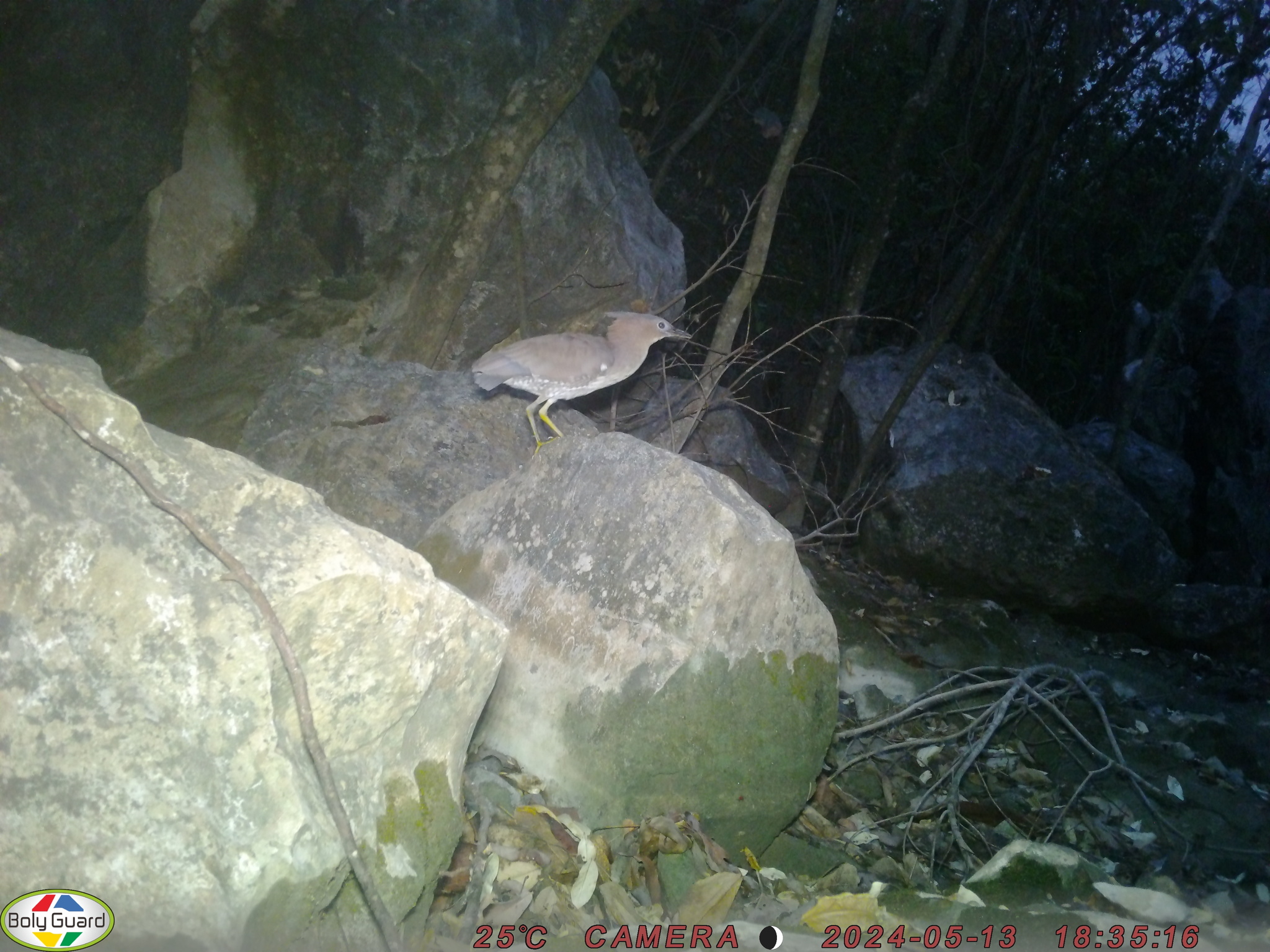
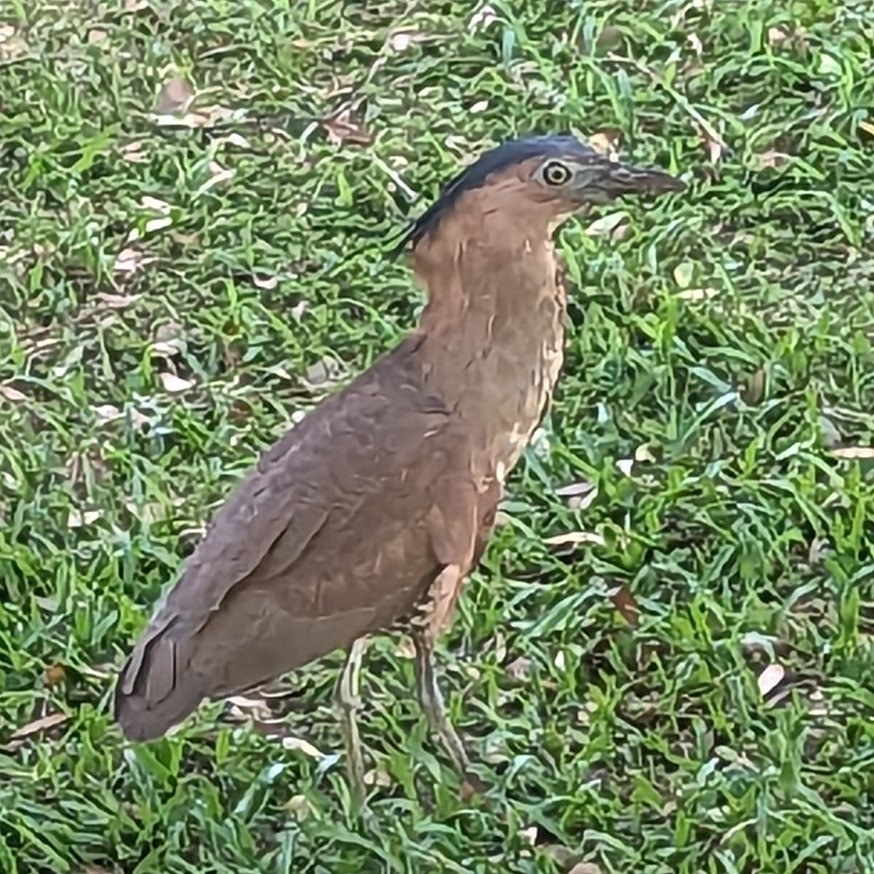
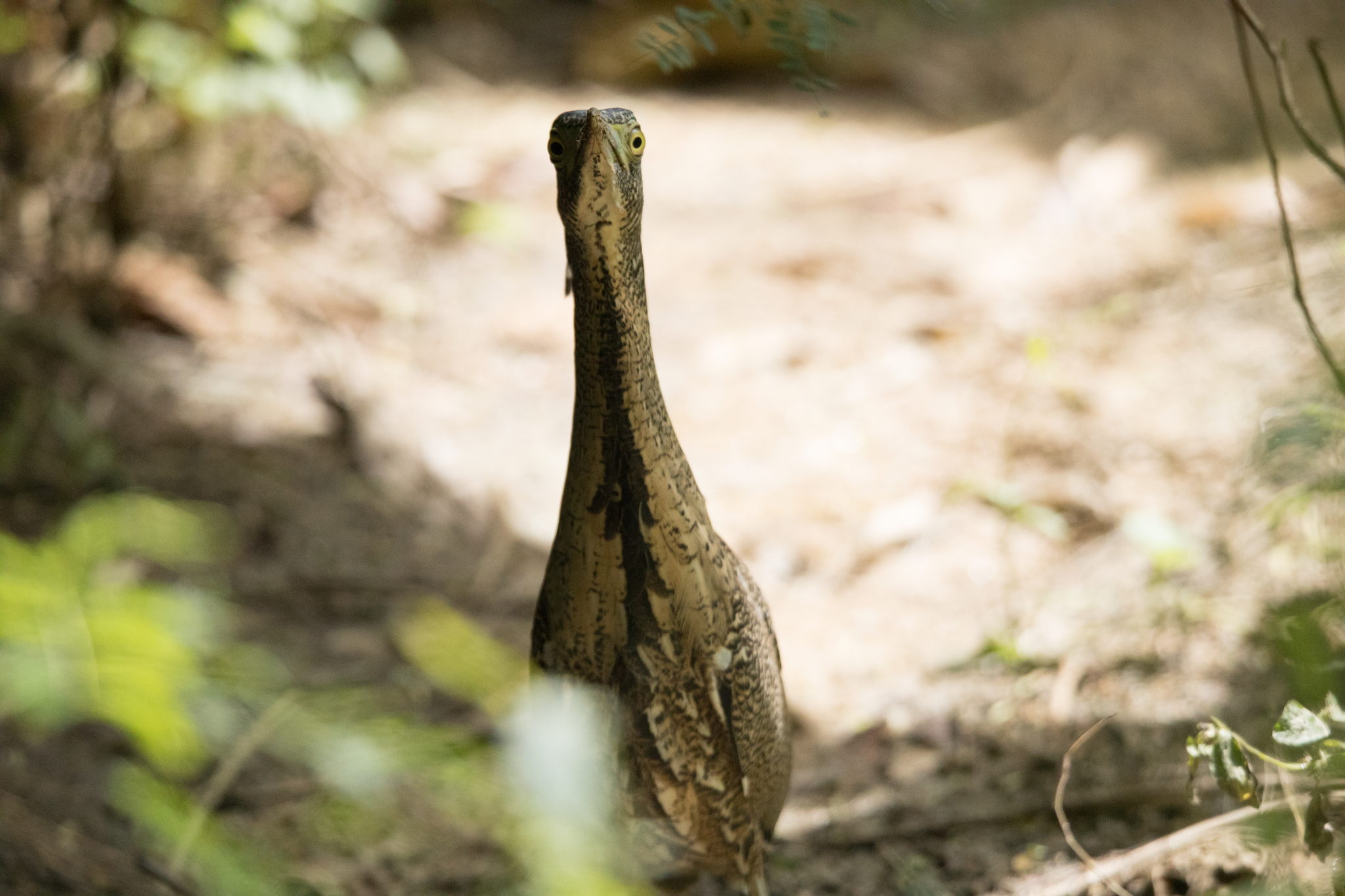
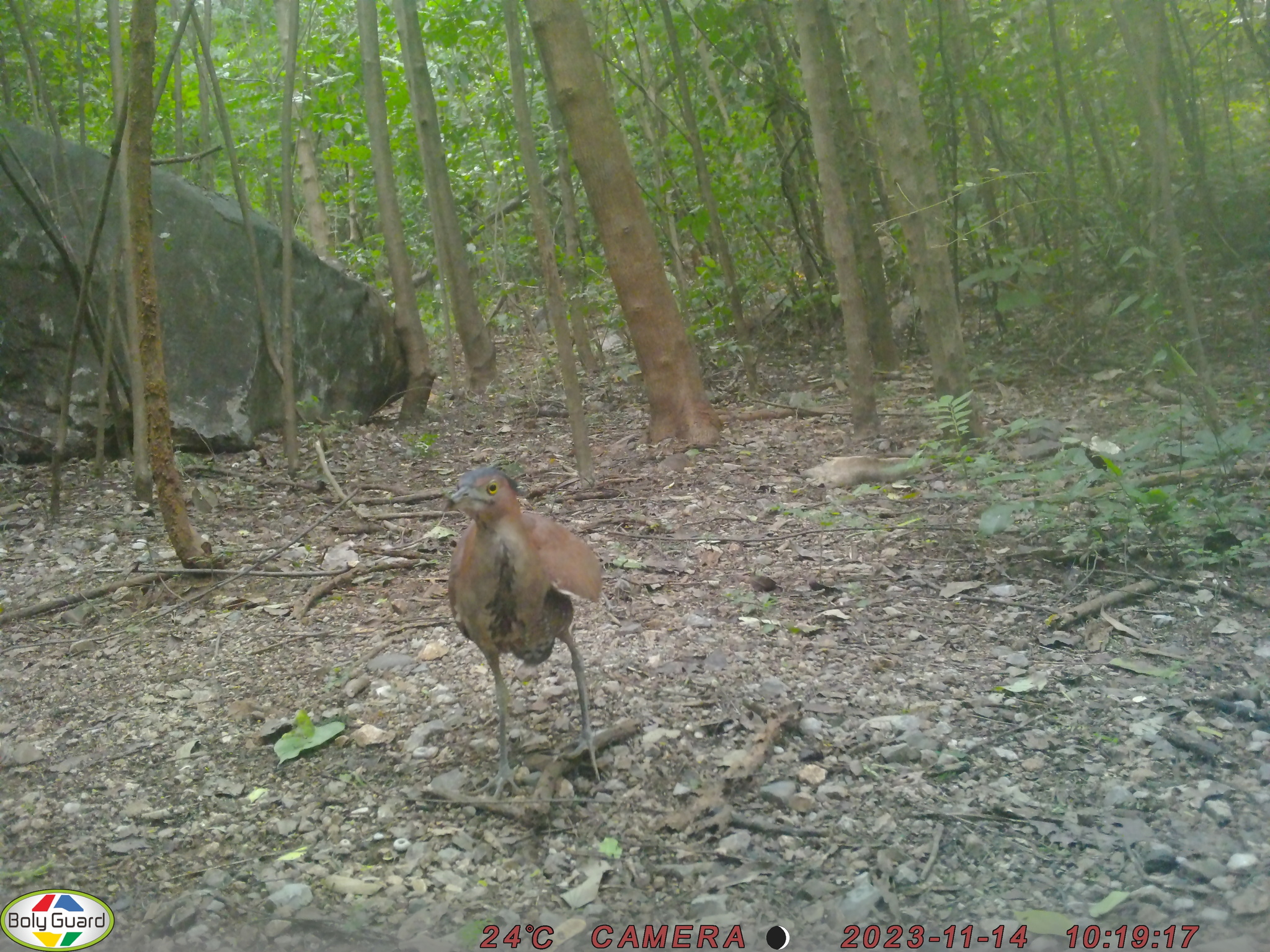
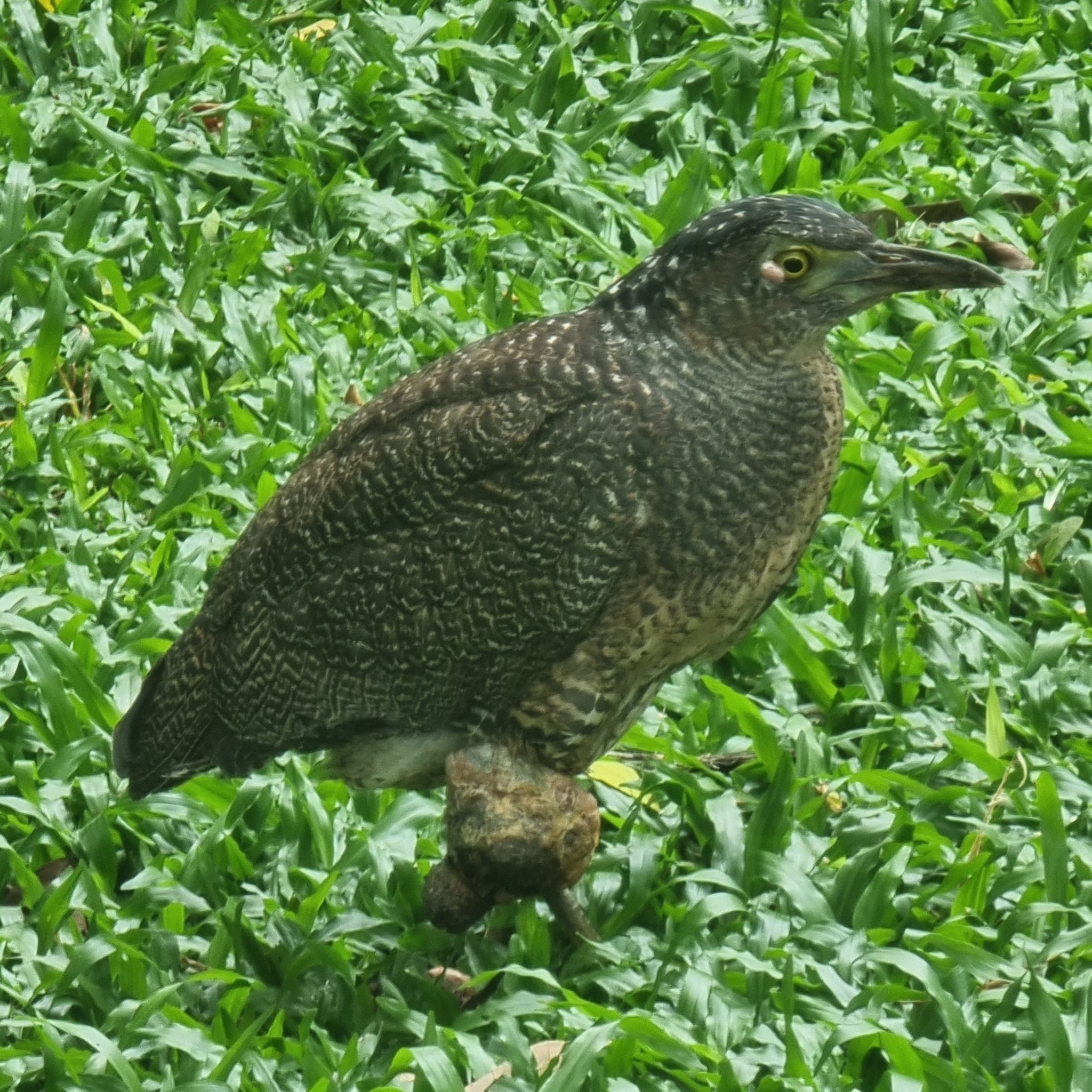
Stocky heron measuring approximately 48 cm in length with an 86 cm wingspan. Neck and breast are rufous with streaks extending down the center. Upperparts chestnut and vermiculated; flight feathers blackish. Crown black, chin white, eyes yellow. Beak black, legs greenish. Males develop deeper blue lores and longer crests during breeding season, with lores fading through green shades as incubation progresses. Juveniles are greyish to rufous with spotted and vermiculated plumage.
Identification
Stocky build and short beak distinguish this species from similar herons. The rufous neck and breast with central streaks, combined with chestnut upperparts and black flight feathers, are key field marks. Yellow eyes and black crown provide additional identification cues. Breeding males show distinctive blue lores, though this fades during incubation.
Distribution & Habitat
Occurs from India and Sri Lanka eastward through Southeast Asia to China, Indonesia, and the Philippines, with populations in Taiwan and Japan. Has been recorded as a vagrant in Palau, Korea, and Christmas Island, Australia. Inhabits forested areas near streams and marshes. Population densities in Japan increase with undisturbed forest cover on islands.
Behavior & Ecology
Solitary except during breeding. Nests singly rather than colonially; in Taiwan, nests sometimes occur near urban buildings. Diet primarily earthworms and frogs, supplemented by fish, reptiles, snails, insects, arachnids, and crabs. Territorial call consists of deep oo notes, with additional hoarse croaks and arh sounds. Adults in immature plumage may attempt to disrupt breeding pairs, and immature birds may pair with adults to breed.
Conservation
Large range of 1,240,000 km² with global population between 2,000 and 20,000 individuals. Population trend unknown; does not meet IUCN vulnerable species criteria. No specific threats identified in available data.
Culture
Also known as tiger bittern, though no specific cultural significance or folklore documented in available sources.
Source: Wikipedia · CC BY-SA 3.0
Taxonomy
- Order
- Pelecaniformes
- Family
- Ardeidae
- Genus
- Gorsachius
- eBird Code
- manher1
Distribution
breeds wooded wetlands of Western Ghats (southwestern India), eastern Nepal and northeastern India eastward through southeastern China and Taiwan to Philippines (scarce and local), also Peleng (Banggai Islands); partial migrant, reaching Sri Lanka and Greater Sundas
Vocalizations
Data Sources
Species description from Wikipedia, licensed under CC BY-SA 3.0.
Bird images and sounds sourced from GBIF, contributed by citizen scientists worldwide under Creative Commons licenses.
Taxonomy data from AviList 2025.