Zebra Dove
Geopelia striata
斑姬地鸠
Introduction
Small dove of the family Columbidae, genus Geopelia. Native to Southeast Asia including Southern Thailand, Peninsular Malaysia, Singapore, Sumatra, and Java, with uncertain native status on Borneo, Bali, Lombok, Sumbawa, and Philippine islands. Introduced populations now established in central Thailand, Laos, Sulawesi, Hawaii (1922), Tahiti (1950), New Caledonia, Seychelles, Chagos Archipelago (1960), Mauritius, Réunion, and Saint Helena. Inhabits scrub, farmland, open country, parks, and gardens in lowland areas. Distinguished by predominantly brownish-grey plumage with black-and-white barring and a series of soft, staccato cooing notes. Common throughout most of its range though rare in parts of Indonesia due to trapping for the cagebird trade.
Description
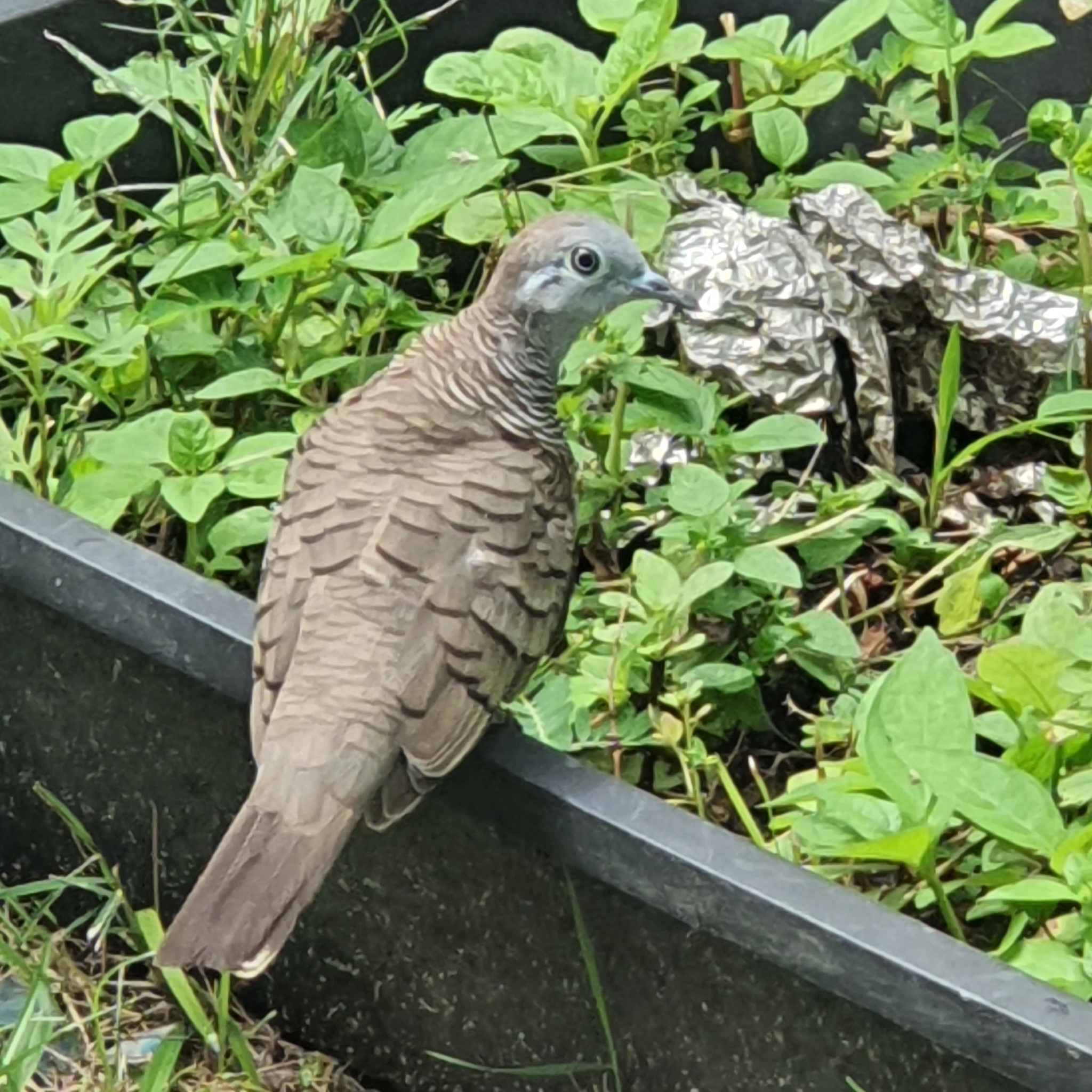
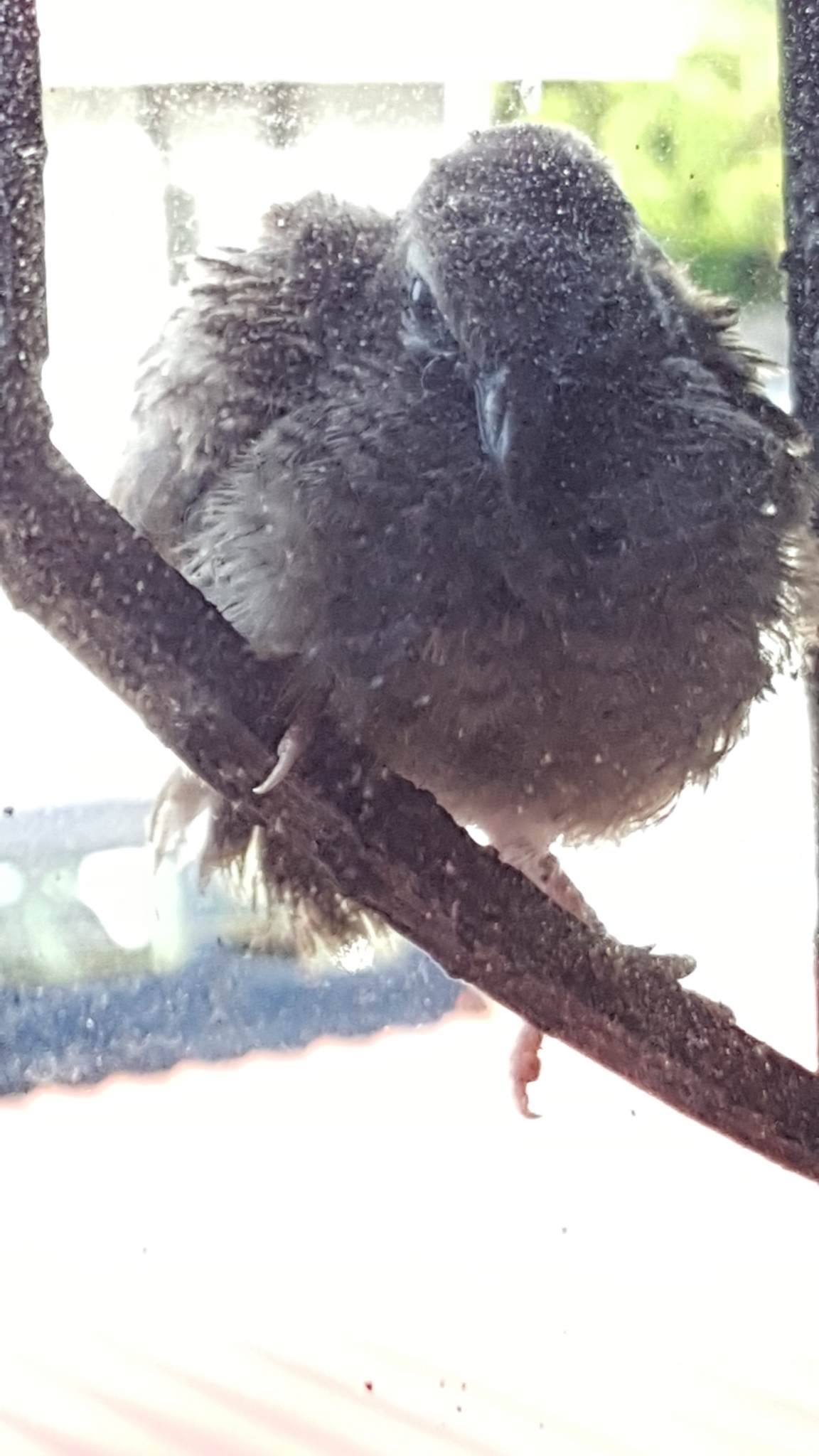
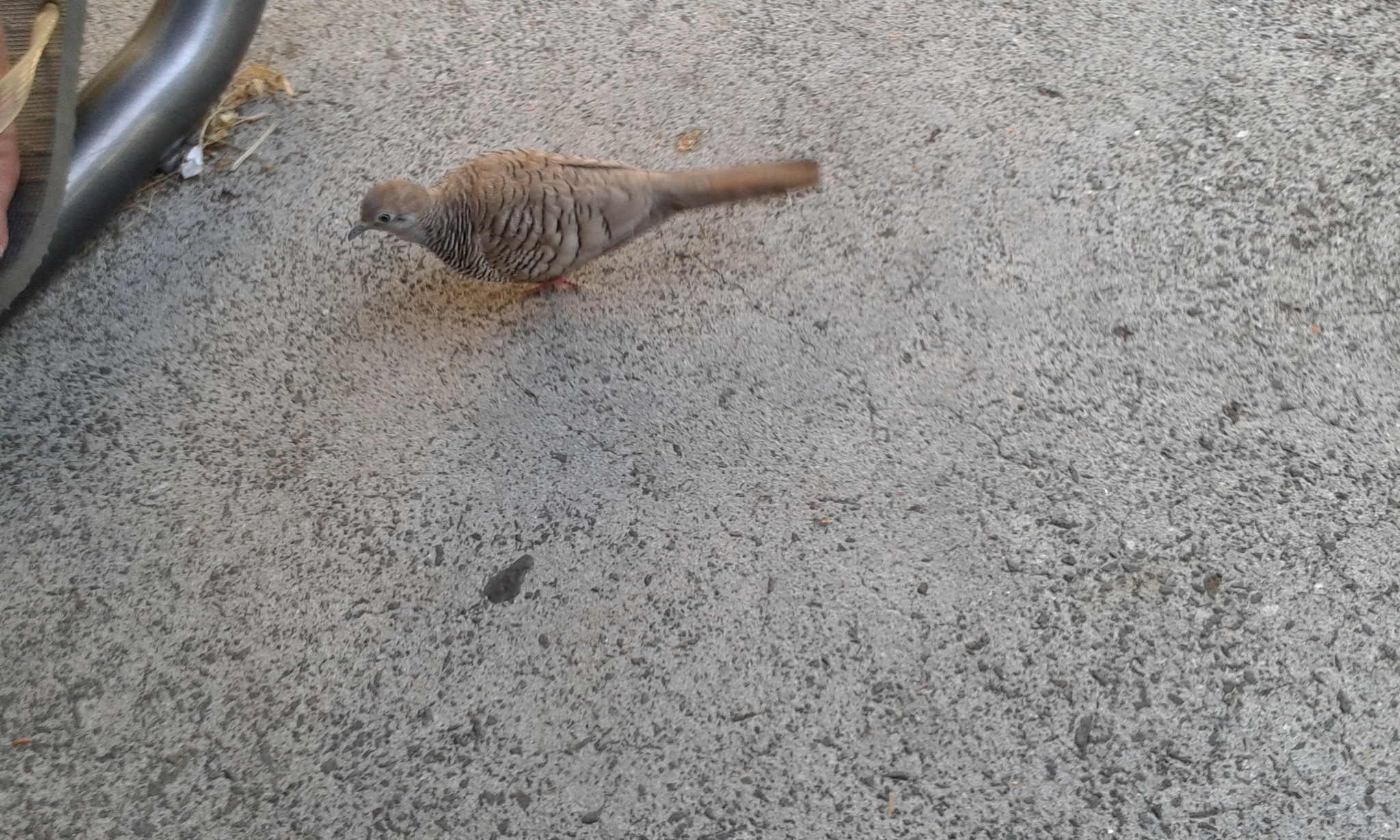
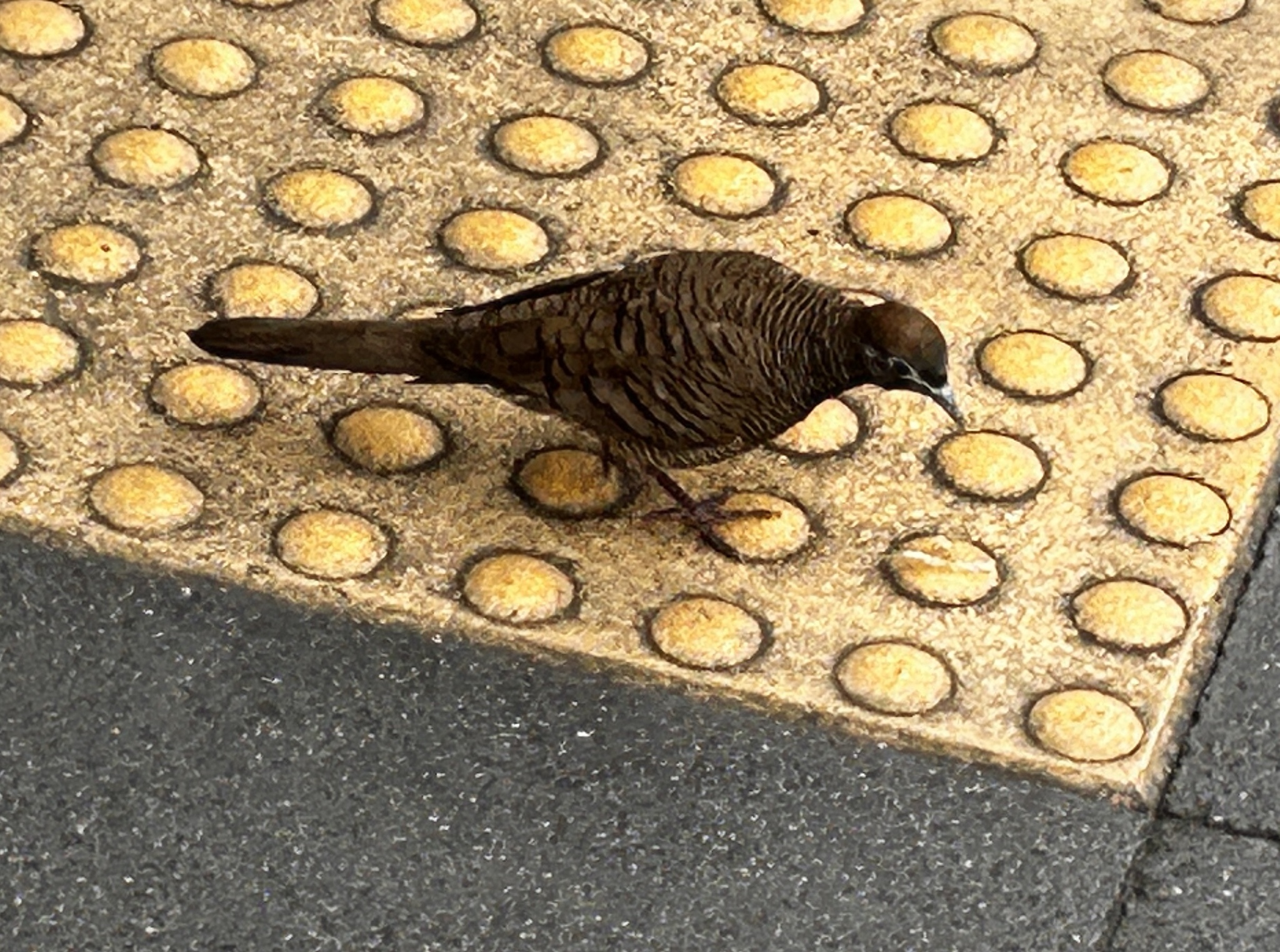
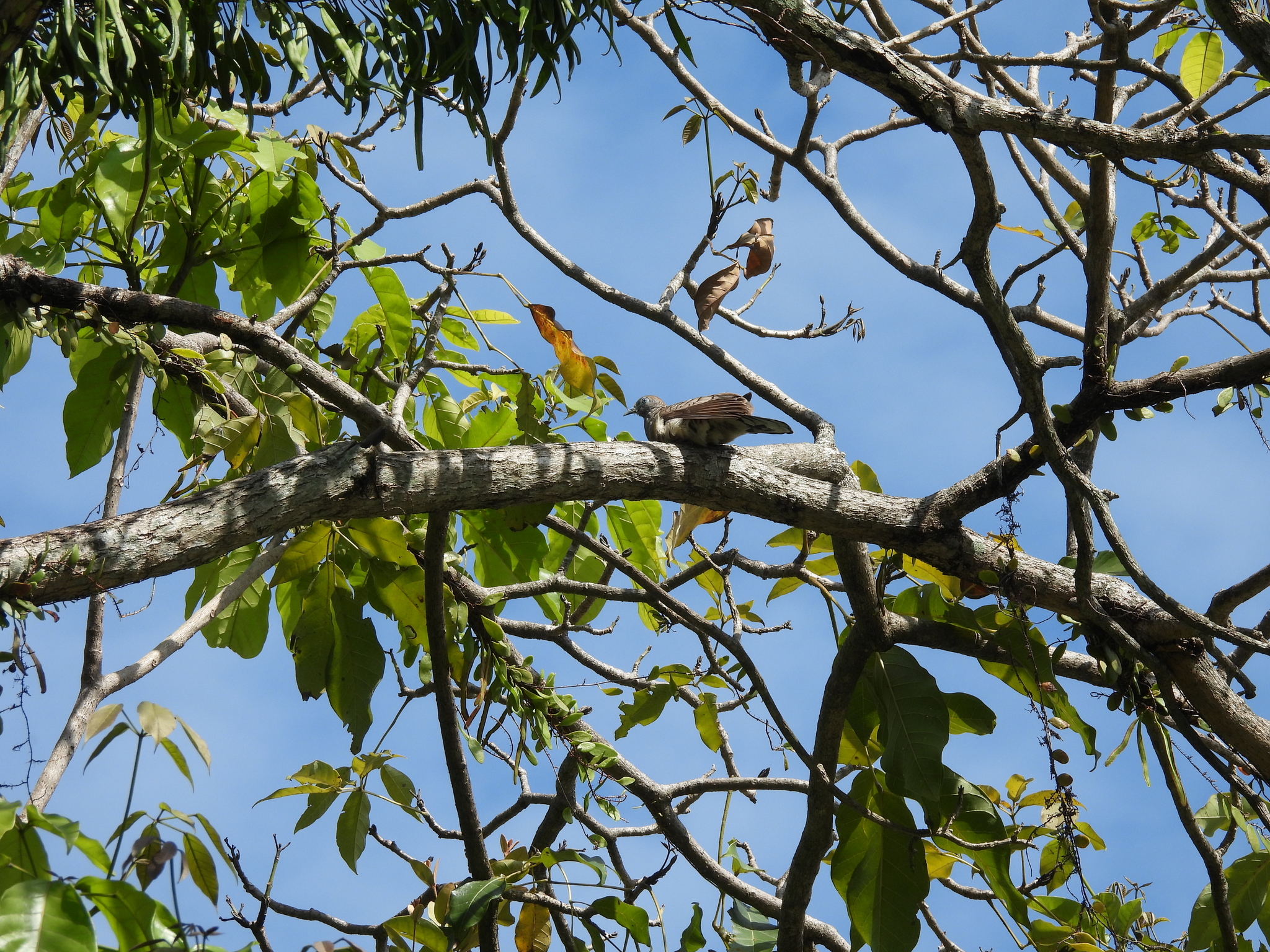
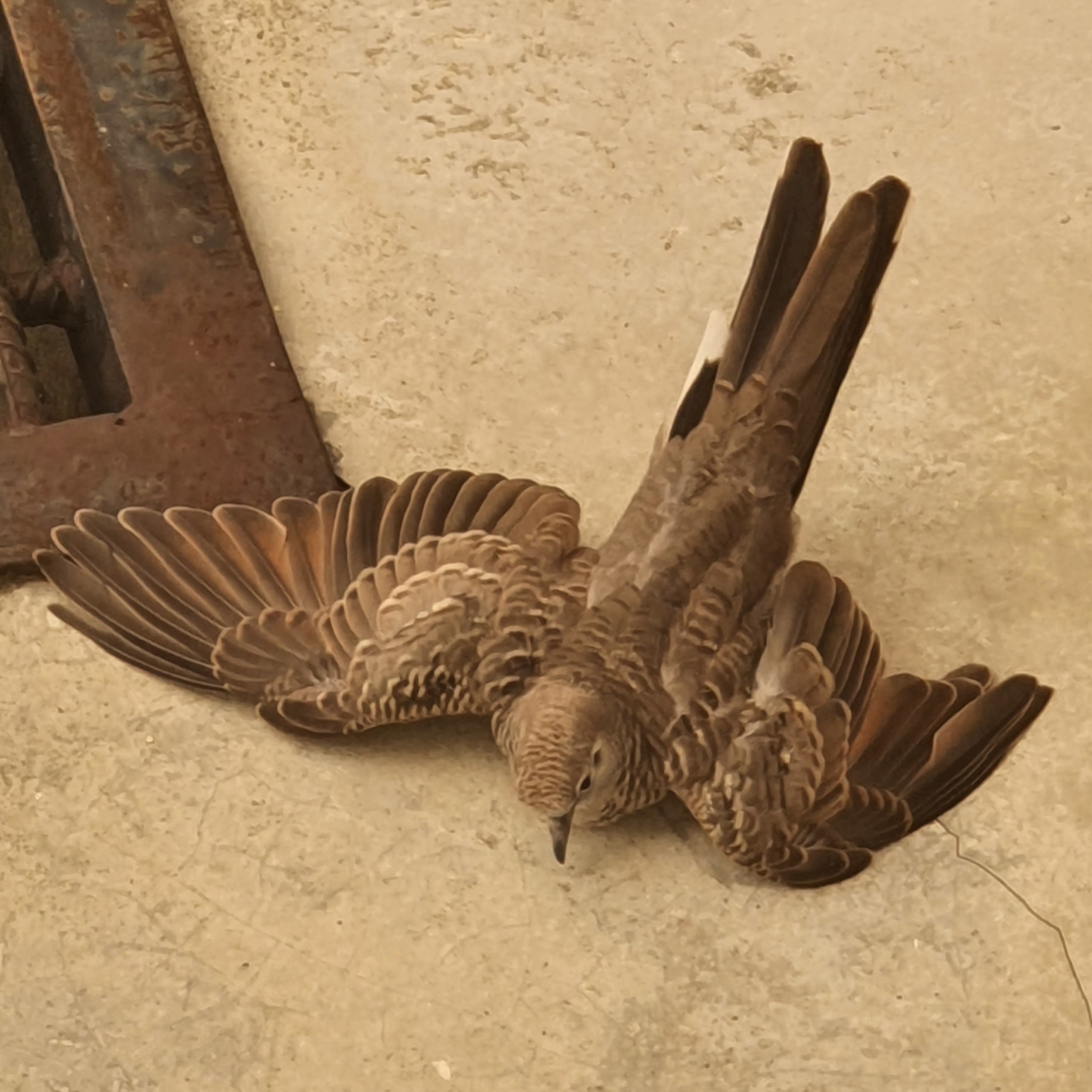
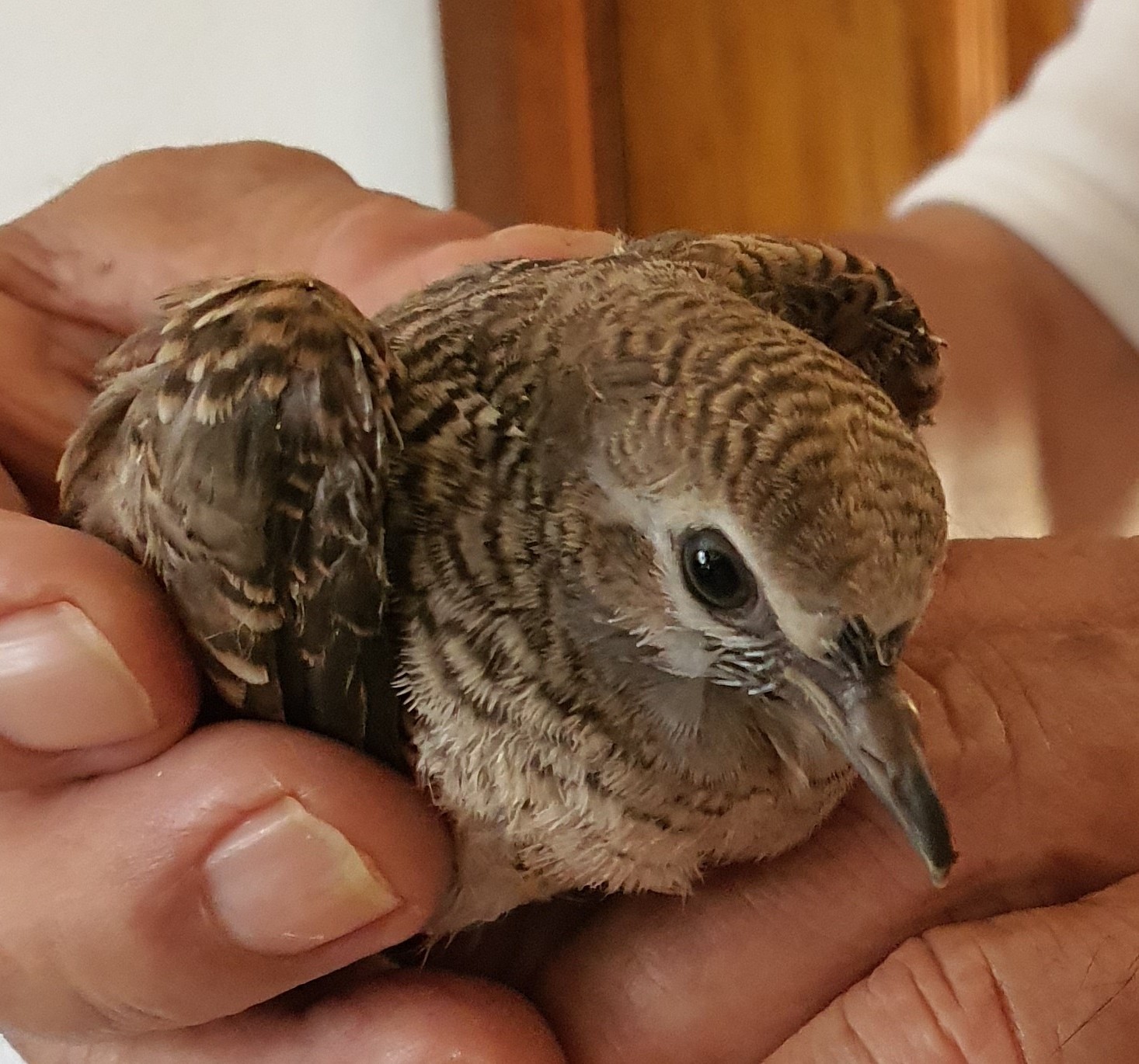
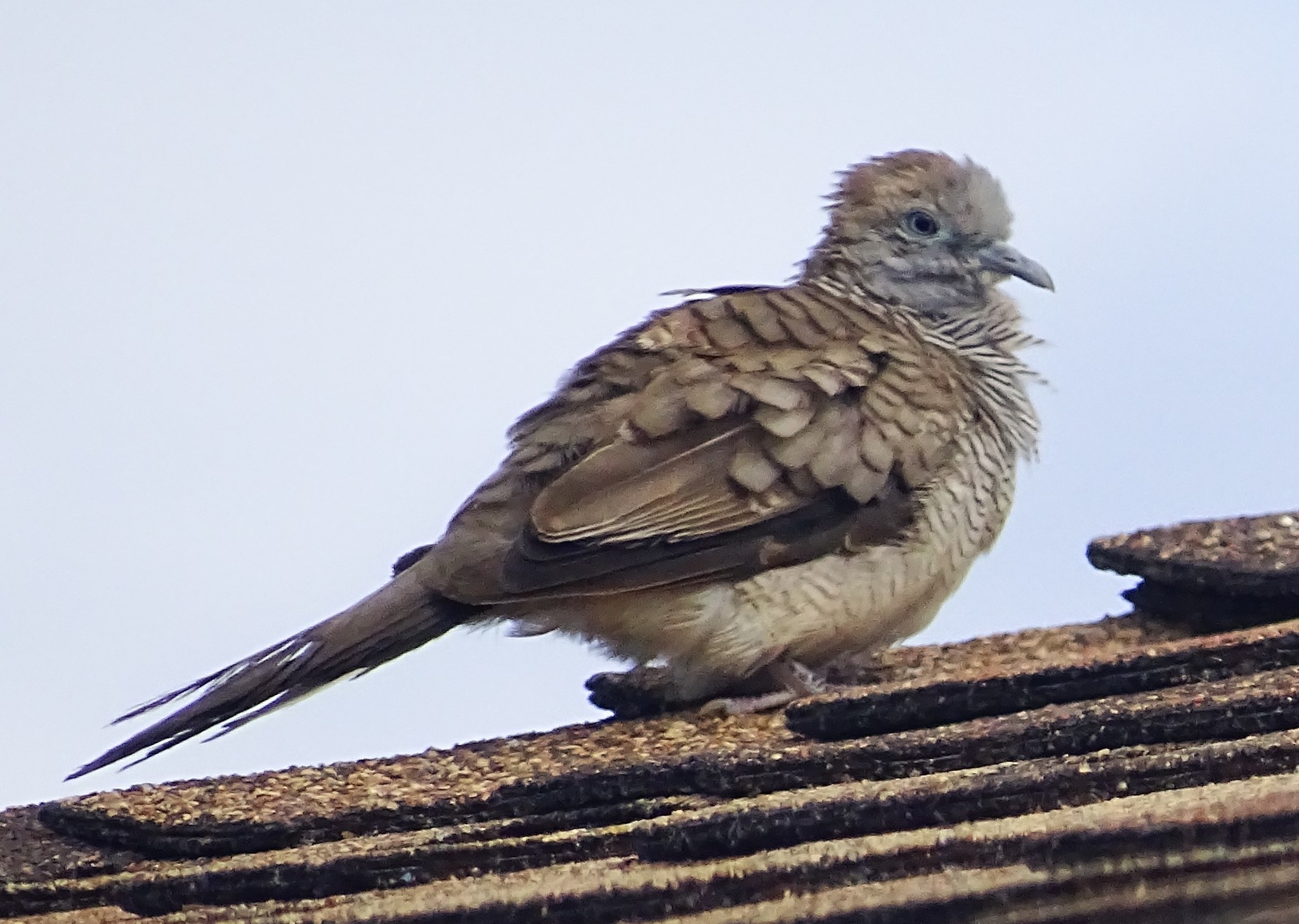
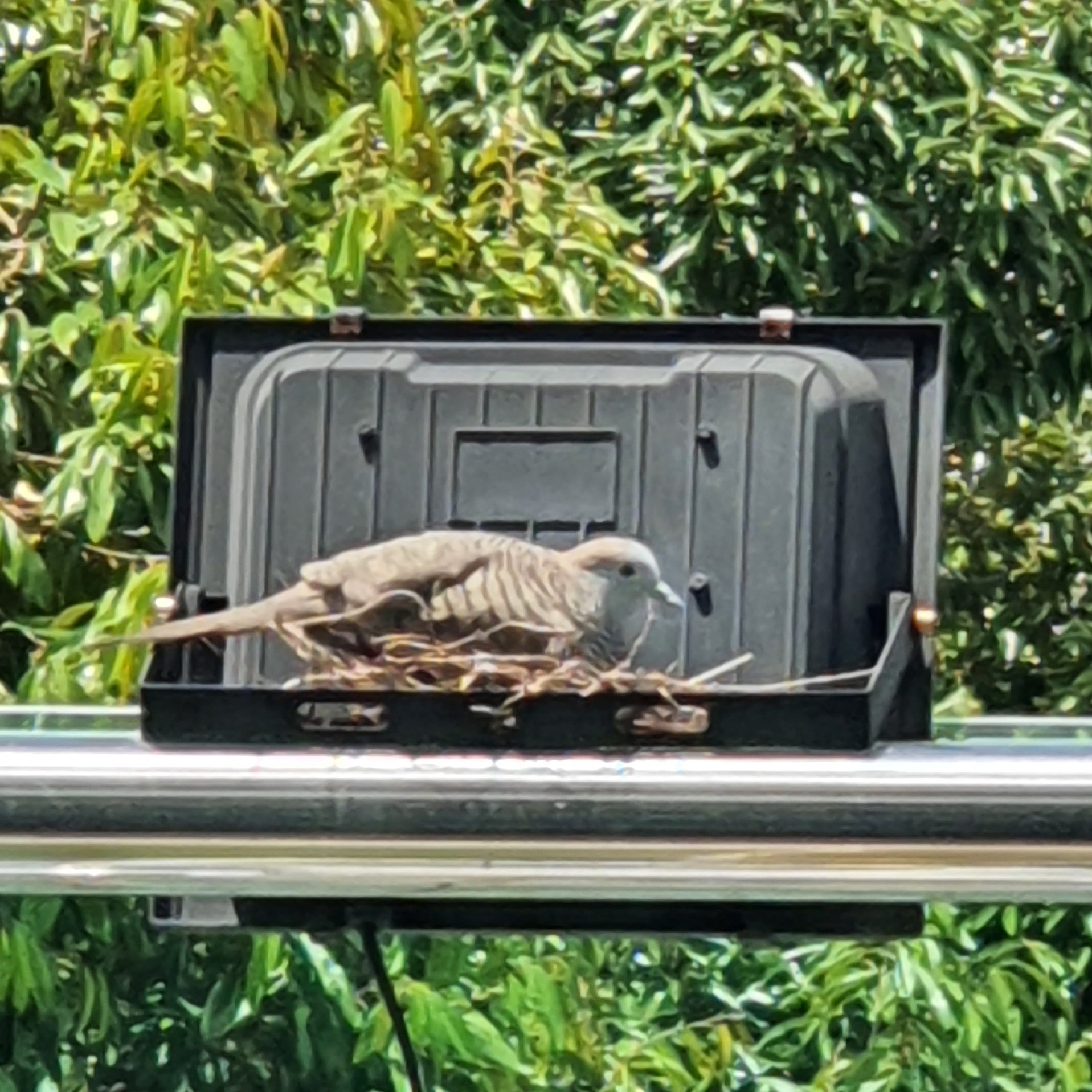
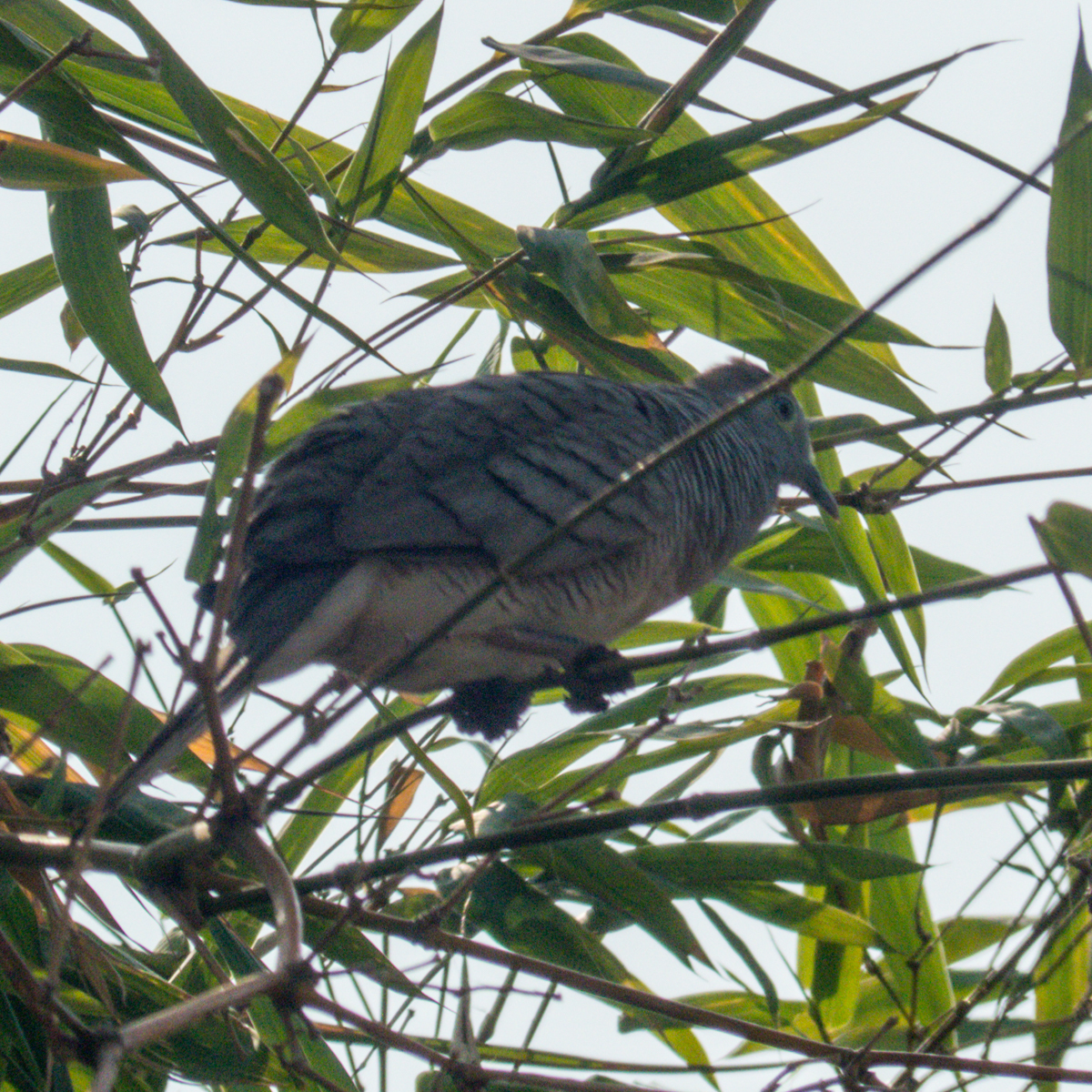
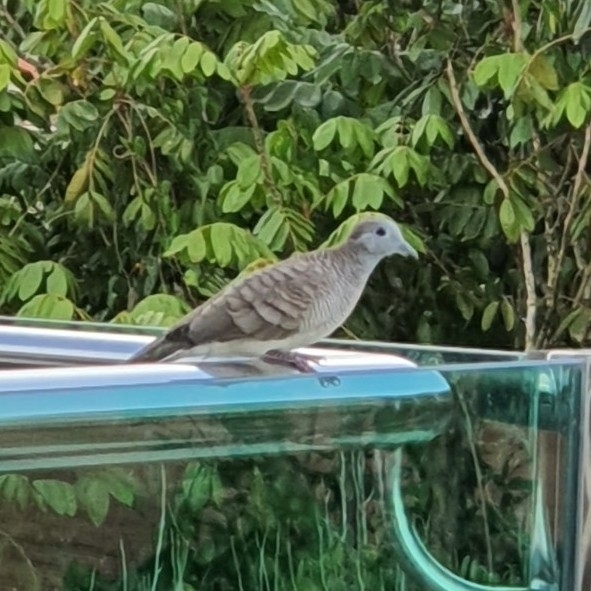
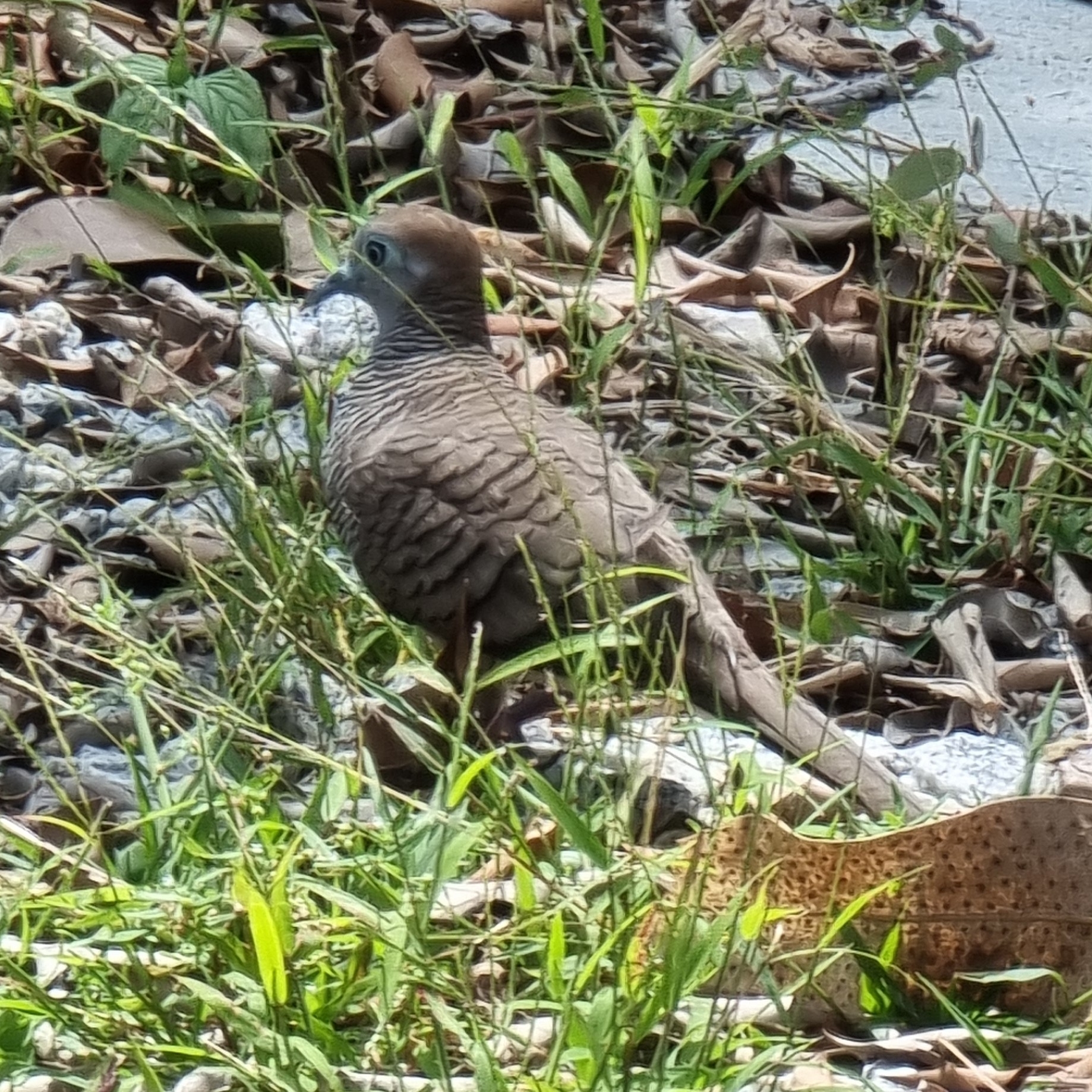
Small, slender dove with a long, narrow tail. Upperparts brownish-grey with black-and-white barring; underparts pinkish with black bars on the sides of the neck, breast, and belly. Face blue-grey with bare blue skin around the eyes. Tail feathers have white tips. Juveniles are duller and paler than adults, sometimes with brown feathers. Measures 20-23 centimeters in length with a wingspan of 24-26 cm.
Identification
Readily identified by its small size, long tail, and distinctive black-and-white barring pattern on brownish-grey upperparts. The pinkish underparts with black bars on the neck, breast, and belly, combined with the blue-grey face and bare blue eye skin, distinguish it from similar doves. The barred ground dove of eastern Indonesia and peaceful dove of Australia and New Guinea are closely related species that were formerly classified as subspecies.
Distribution & Habitat
Native range extends from Southern Thailand, Tenasserim, Peninsular Malaysia, and Singapore to the Indonesian islands of Sumatra and Java, with possible native status on Borneo, Bali, Lombok, Sumbawa, and the Philippines. Introduced populations now established across central Thailand, Laos, Sulawesi, Hawaii, Tahiti, New Caledonia, Seychelles, Chagos Archipelago, Mauritius, Réunion, and Saint Helena. Inhabits lowland scrub, farmland, open country, parks, and gardens. Among the most abundant birds in Hawaii and the Seychelles.
Behavior & Ecology
Breeding season in native range runs from September to June. Males perform courtship displays involving bowing and cooing while raising and spreading the tail. Females select nesting sites and attract males with guttural sounds to assist in building. Nest is a simple platform of leaves and grass blades placed in bushes, trees, ground, or window ledges. One or two white eggs are incubated by both parents for 13-18 days. Young leave the nest within two weeks and fly well after three weeks. Feeds on small grass and weed seeds, plus insects and other invertebrates. Forages alone or in pairs on bare ground, short grass, or roads with rodent-like movement. Produces a series of soft, staccato cooing notes.
Conservation
IUCN conservation status not listed in the source. Locally common throughout most of its range, though trapping for the cagebird industry has made it rare in parts of Indonesia. Among the most abundant birds in introduced populations such as Hawaii and the Seychelles.
Culture
Known locally as perkutut in Indonesia, where it is popular as a pet for its pleasant calls and is featured in cooing competitions to find birds with the best voice. In the Philippines, called batobatong katigbe and kurokutok, onomatopoeic names reflecting its call. Also known as tukmo in Filipino, applied to this species and spotted doves. In Malaysia called merbuk.
Source: Wikipedia · CC BY-SA 3.0
Taxonomy
- Order
- Columbiformes
- Family
- Columbidae
- Genus
- Geopelia
- eBird Code
- zebdov
Distribution
southern Myanmar through the Thai-Malay Peninsula to Sumatra, Java, and Lombok; also Philippines (native or introduced?), and many feral populations, e.g. the Seychelles, Mascarenes, Indochina, Borneo, Hawaii, and Tahiti, among others
Vocalizations
Data Sources
Species description from Wikipedia, licensed under CC BY-SA 3.0.
Bird images and sounds sourced from GBIF, contributed by citizen scientists worldwide under Creative Commons licenses.
Taxonomy data from AviList 2025.