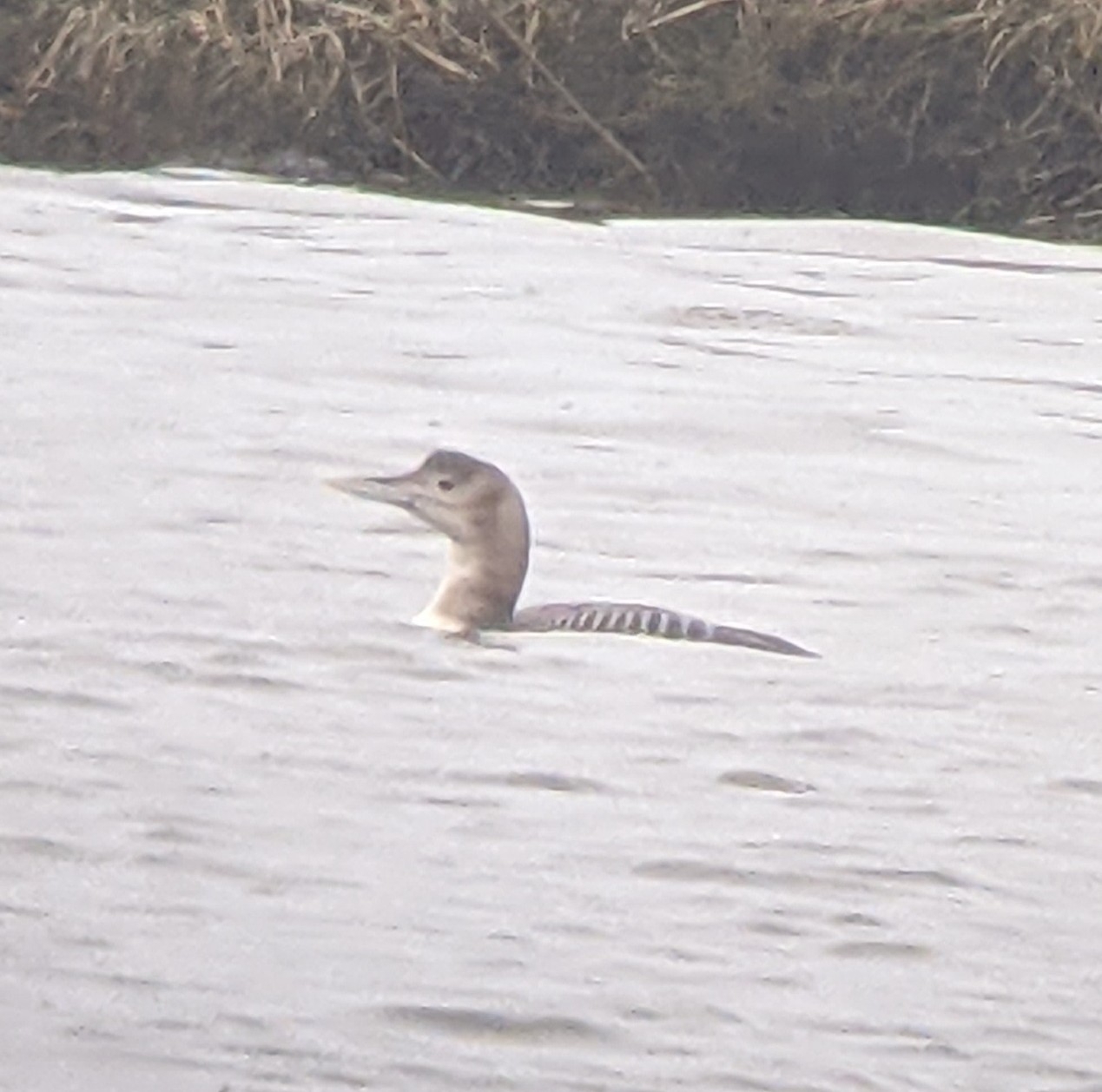
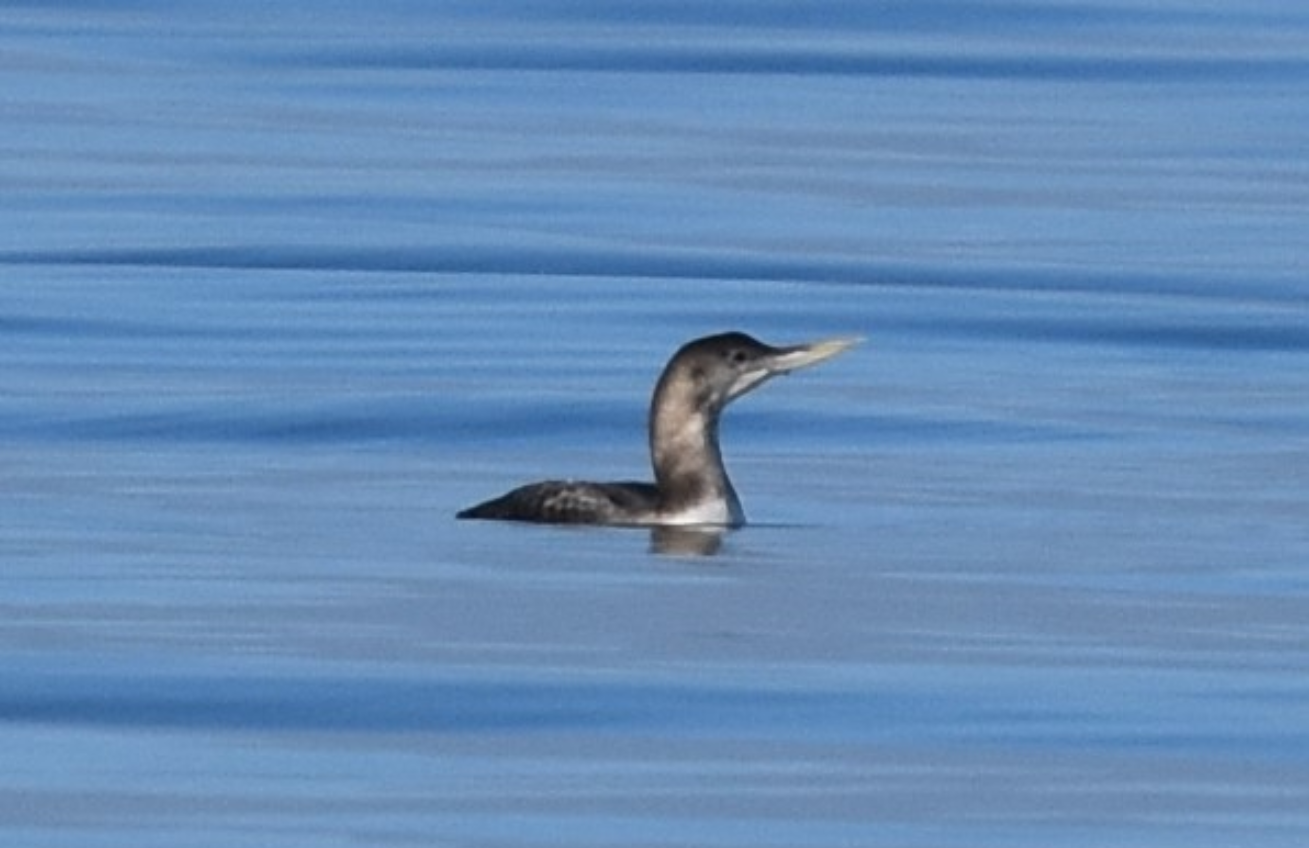
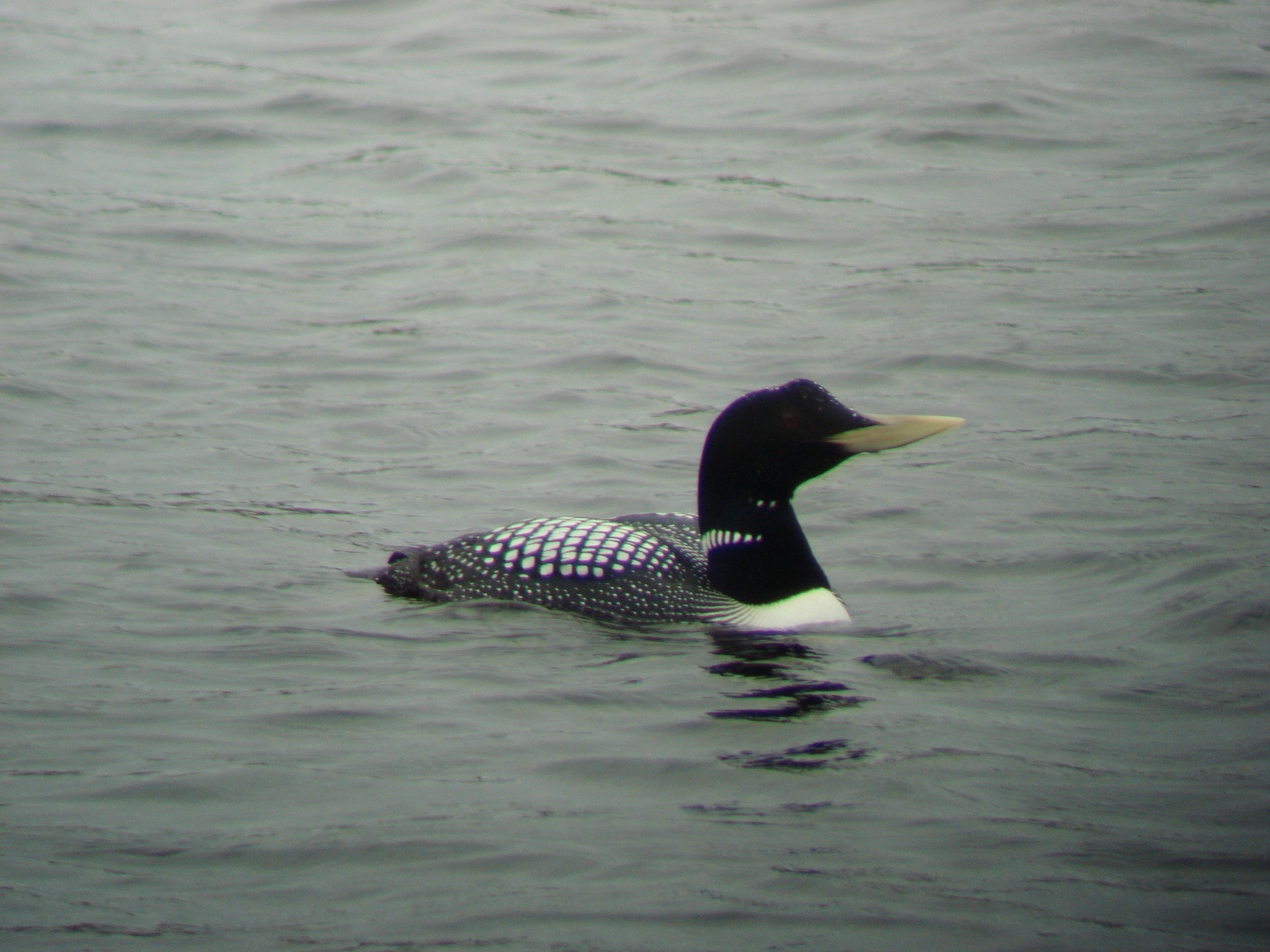
Yellow-billed Loon
Gavia adamsii
黄嘴潜鸟
Introduction
The yellow-billed loon is the largest member of the loon/diver family (Gaviidae). It breeds along Arctic Ocean coasts as far north as 78°N in Russia, Canada, and the United States. In winter, it occurs on sheltered coastal waters of the northern Pacific Ocean and northwestern Norway, occasionally overwintering on large inland lakes. This species is a specialist fish-eater, catching prey underwater. The call is an eerie wailing, lower-pitched than the common loon. It was listed as Near Threatened by the IUCN in 2010 due to a moderately rapid population decline.
Description
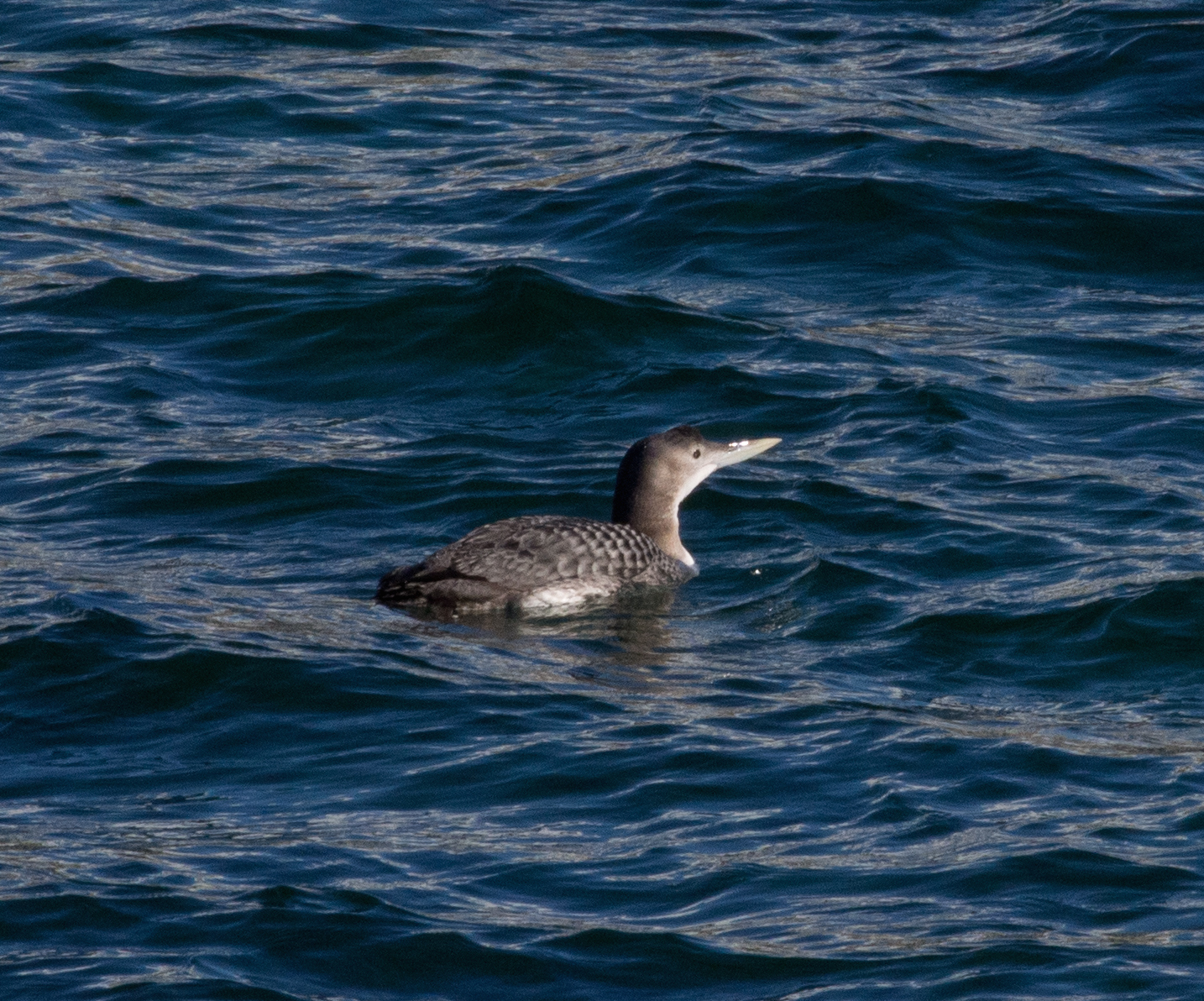
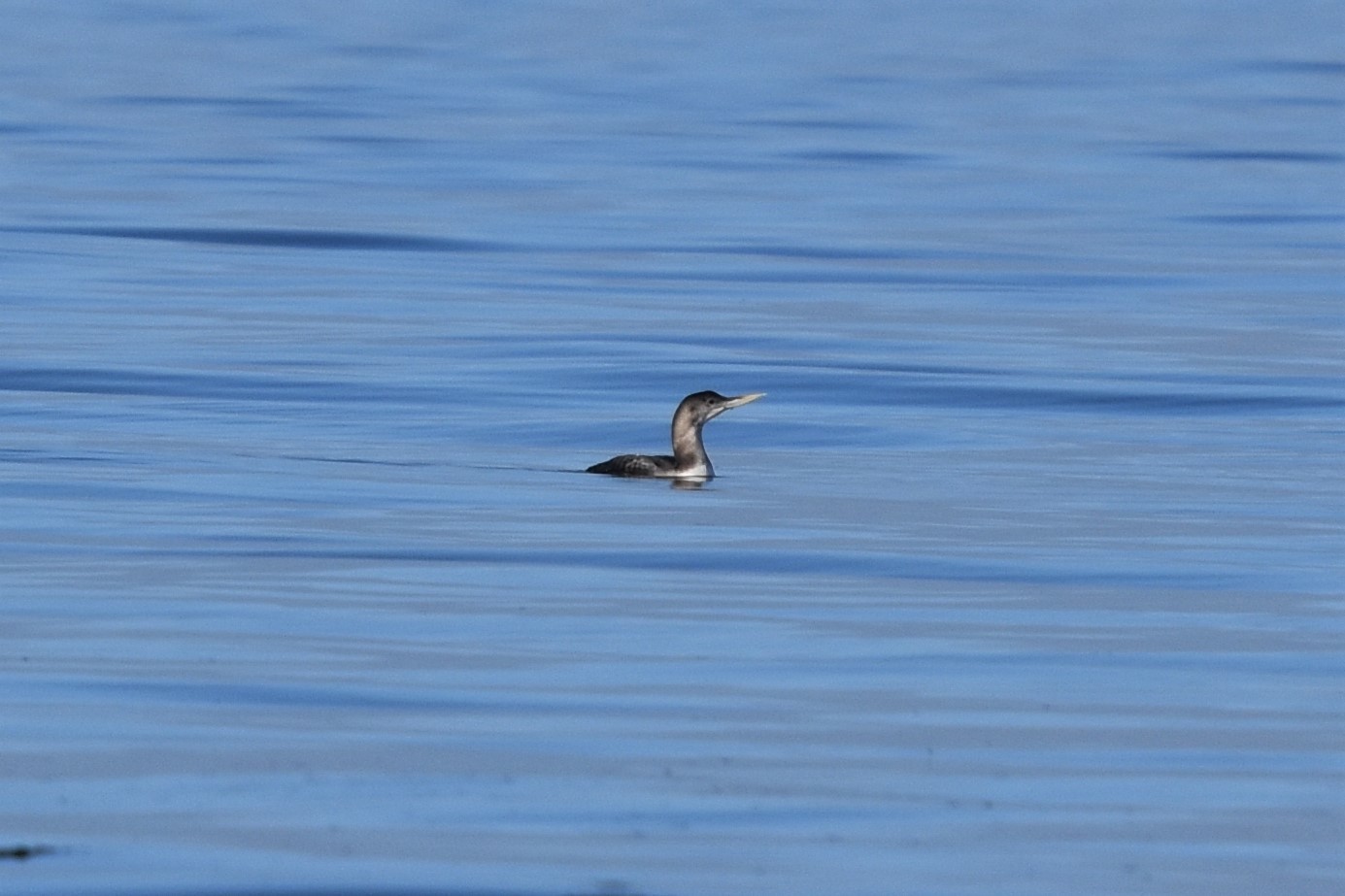
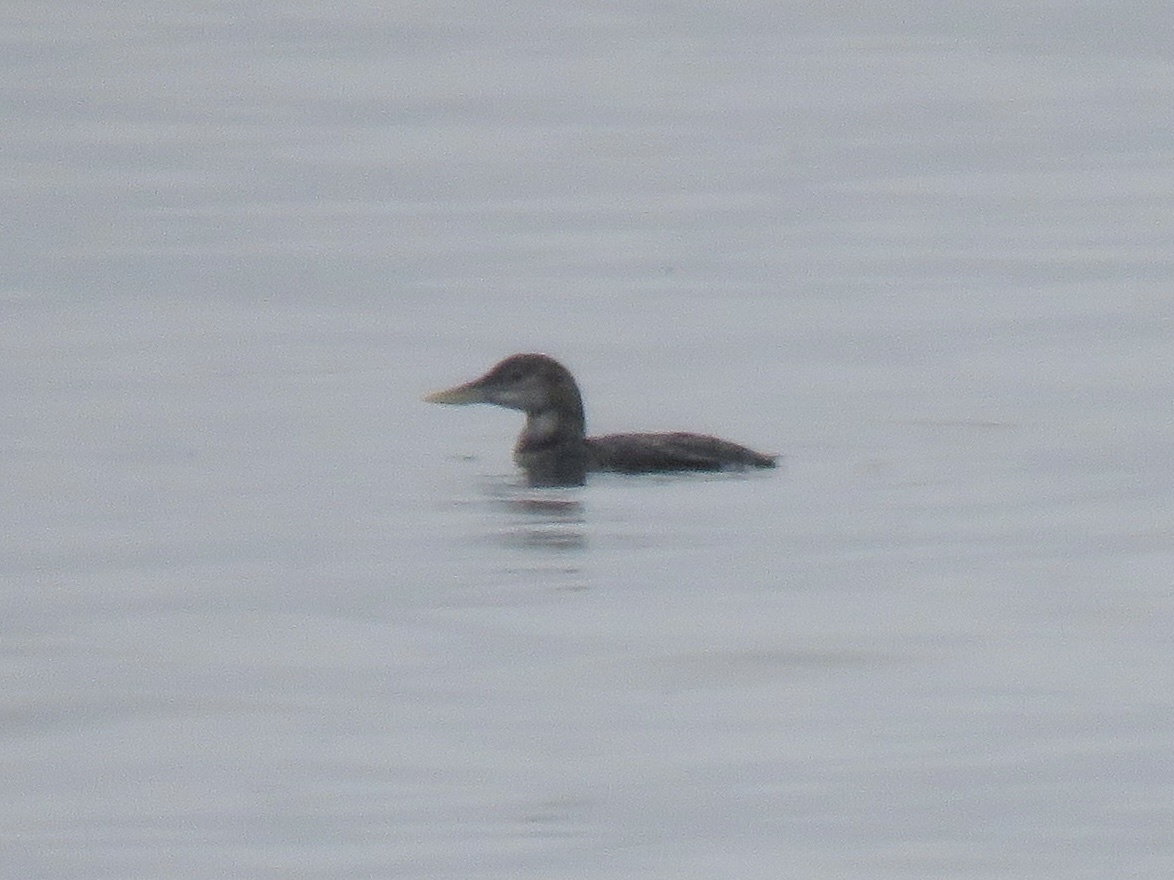
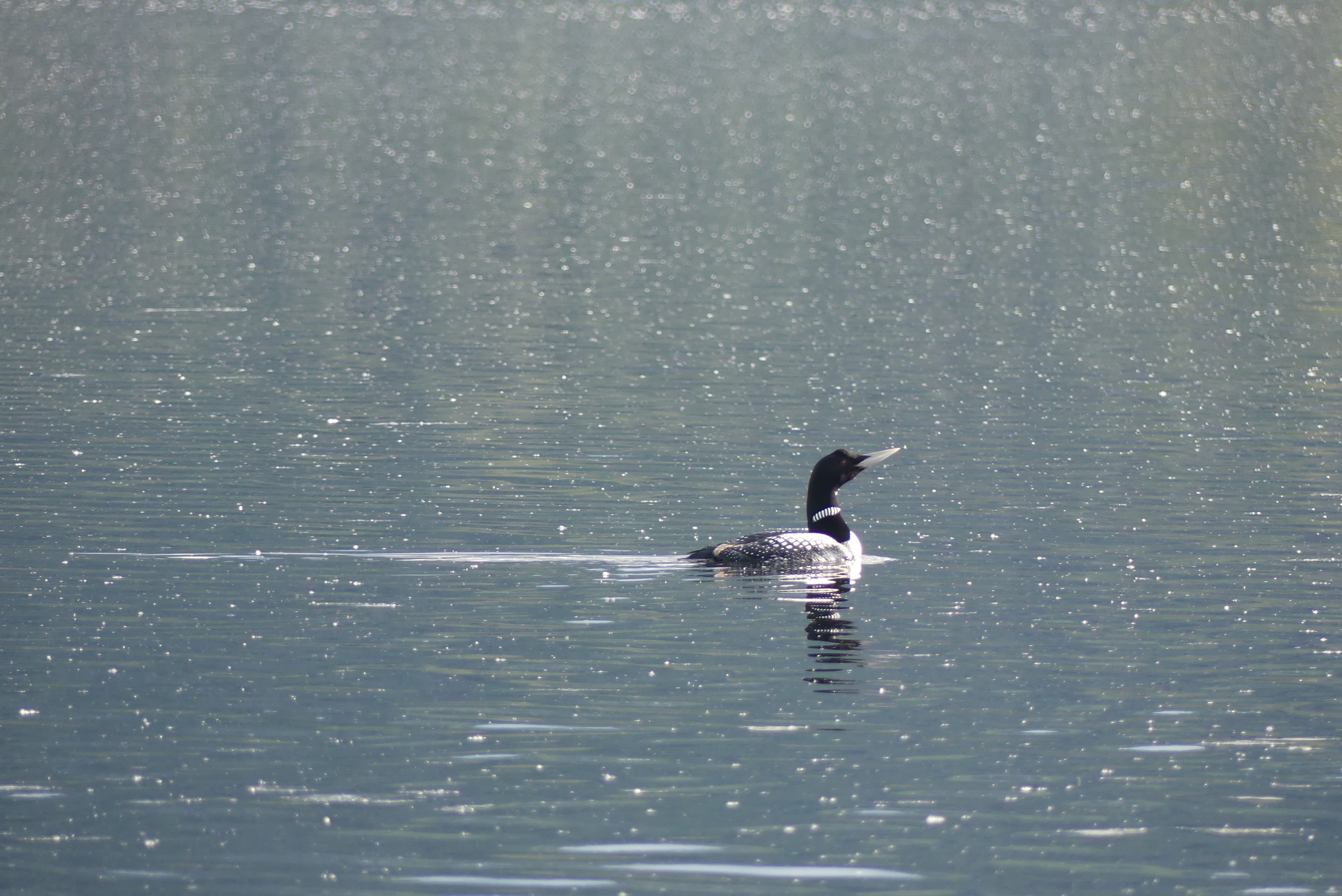
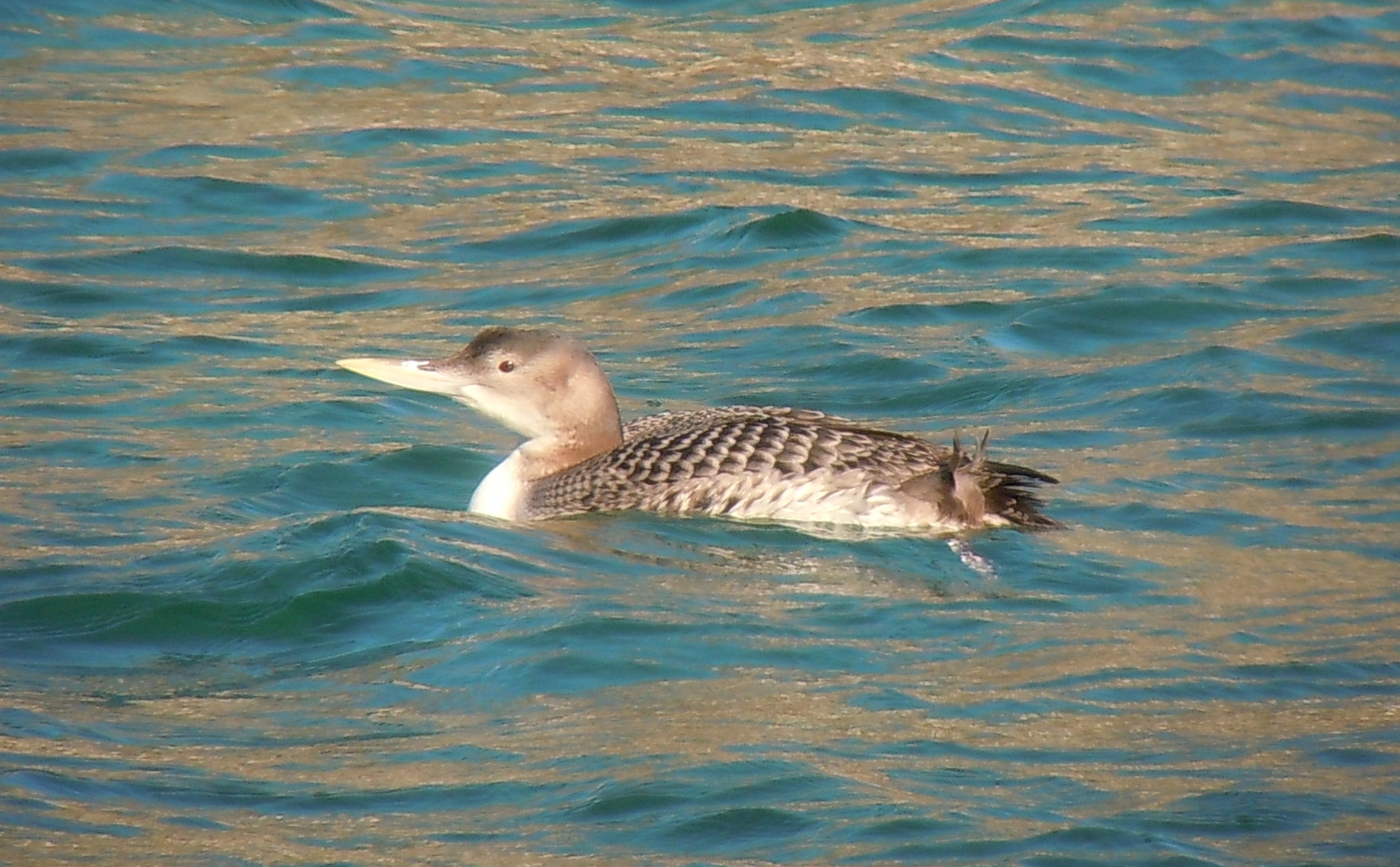
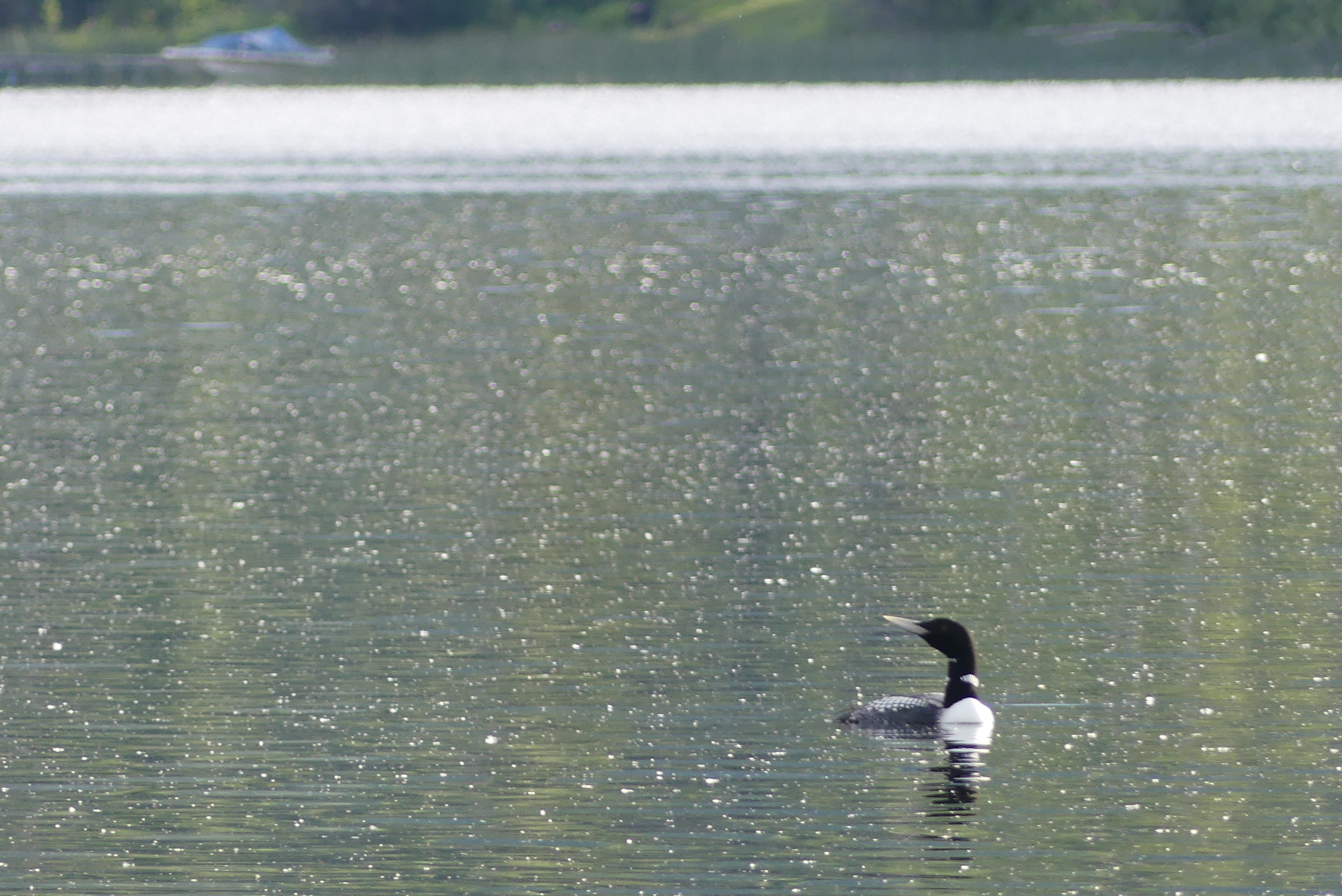
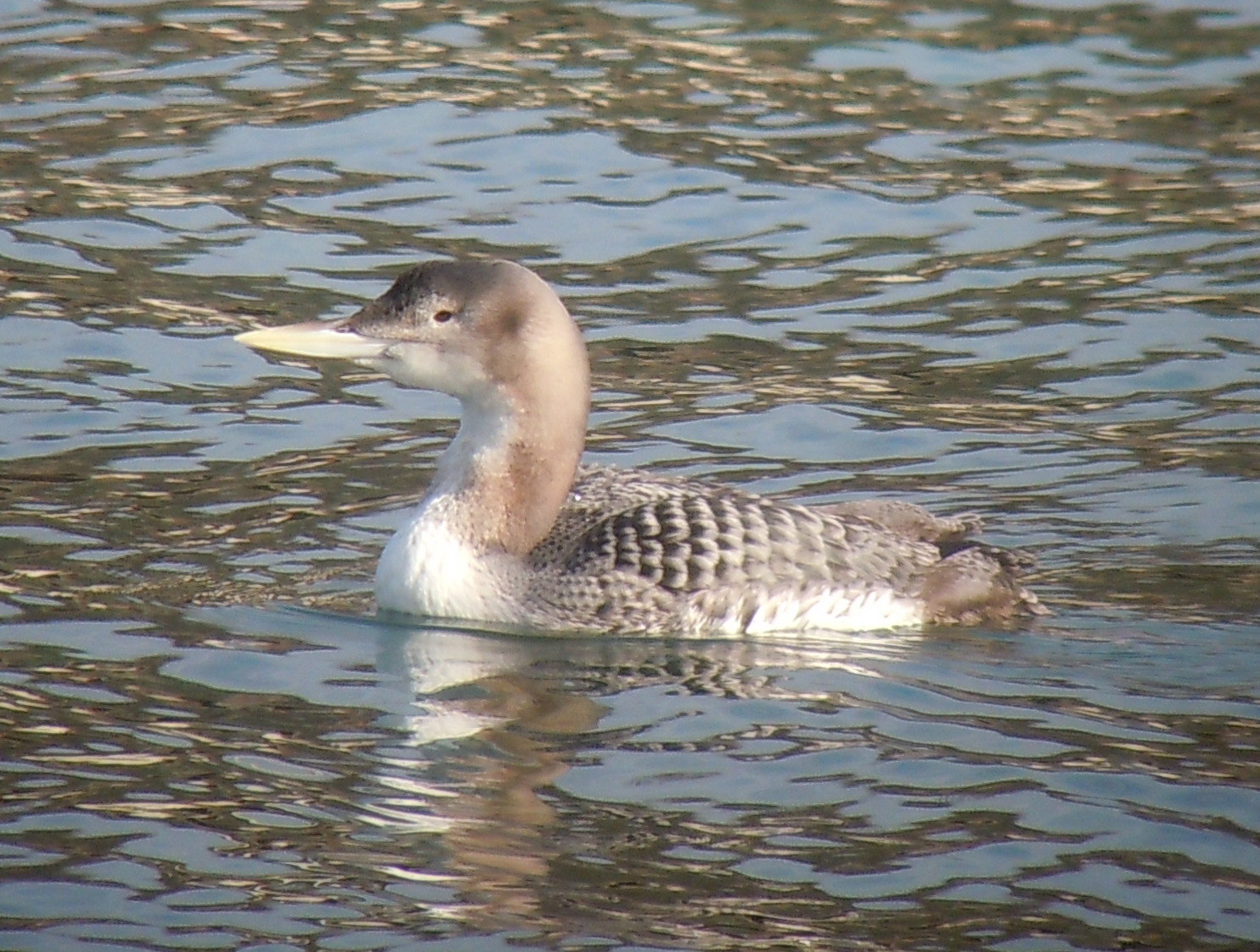
This is the largest loon species, measuring 76 to 97 cm in length with a wingspan of 135 to 160 cm and weighing 4 to 6.4 kg. Breeding adults have a black head with purple gloss, white underparts, and a chequered black-and-white mantle. Non-breeding plumage is drabber with white chin and foreneck. The primary distinguishing feature is the long straw-yellow bill with a straight culmen, appearing slightly uptilted.
Identification
The long straw-yellow bill with its straight culmen is the most distinctive field mark, giving a slightly uptilted appearance. It closely resembles the common loon in plumage and behavior, though the yellow bill is diagnostic. The bill color and shape distinguish it from all other loon species in any plumage.
Distribution & Habitat
Breeds along Arctic Ocean coasts from 78°N southward through Russia, Canada, and Alaska. Winters primarily north of 50°N on coastal waters of the northern Pacific and northwestern Norway, with range extending south to 35°N off Japan. Has been recorded as a vagrant in more than 22 countries, including Mexico and Spain. Occasionally overwinters on large inland lakes.
Behavior & Ecology
Specialist fish-eater, also consuming crustaceans, molluscs, and annelids, especially for young. Forms long-lasting pairs. Breeds on freshwater tundra pools, lakes, rivers, estuaries, and coastal areas, avoiding forested regions. Breeding begins early June, timed to spring thaw. Builds plant material nest close to water's edge. Female lays two oval eggs measuring 89 by 55 mm, incubated for 27 to 29 days. Defecates ashore during breeding season, possibly to avoid parasite spread. Vocalization is an eerie wailing call, lower-pitched than common loon.
Conservation
IUCN status: Near Threatened (since 2010, changed from Least Concern) due to moderately rapid population decline. Main threat identified is unsustainable subsistence harvesting by indigenous peoples. Low fecundity makes the species particularly vulnerable. Threats include oil drilling operations near nesting sites and climate change, which causes nest abandonment and increased predation. Protected under AEWA and the Migratory Bird Treaty Act of 1918.
Culture
The genus name Gavia comes from Latin for 'sea mew', as used by Roman naturalist Pliny the Elder. The specific epithet adamsii honors Edward Adams, a British naval surgeon and naturalist who collected specimens on Arctic expeditions. The common name 'diver' refers to the family's underwater hunting method, while 'loon' derives from Swedish lom or Old Norse lómr, meaning 'lame' or 'clumsy', referencing their awkward movement on land.
Source: Wikipedia · CC BY-SA 3.0
Taxonomy
- Order
- Gaviiformes
- Family
- Gaviidae
- Genus
- Gavia
- eBird Code
- yebloo
Distribution
breeds Arctic northwestern Russia from Novaya Zemlya eastward to Chukotka Peninsula, through northern Alaska and northern Canada to Nunavut (east-central Canada); winters to northern Norway, Japan and Korean Peninsula, and coastal British Columbia (southwestern Canada); prone to extreme vagrancy
Vocalizations
Data Sources
Species description from Wikipedia, licensed under CC BY-SA 3.0.
Bird images and sounds sourced from GBIF, contributed by citizen scientists worldwide under Creative Commons licenses.
Taxonomy data from AviList 2025.