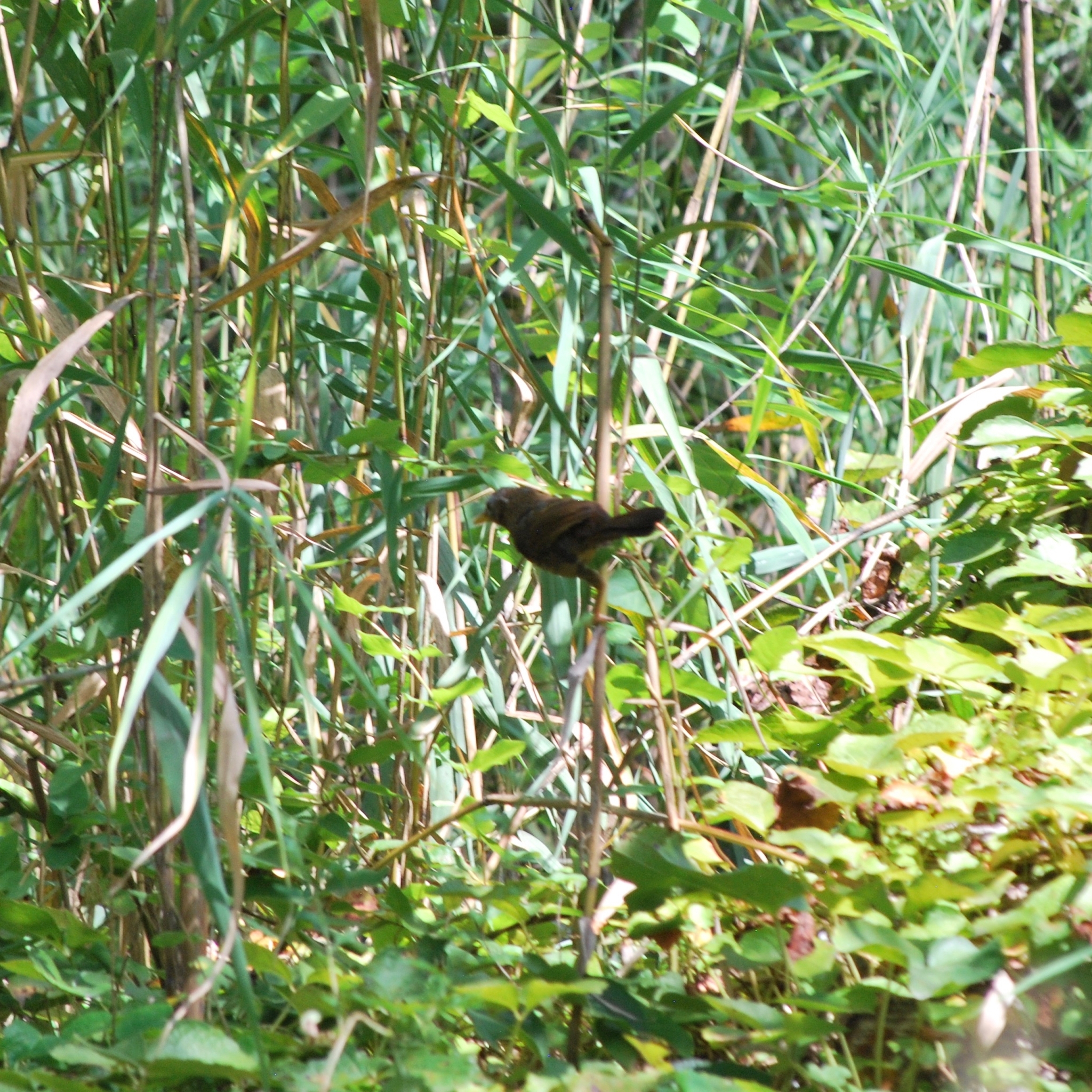
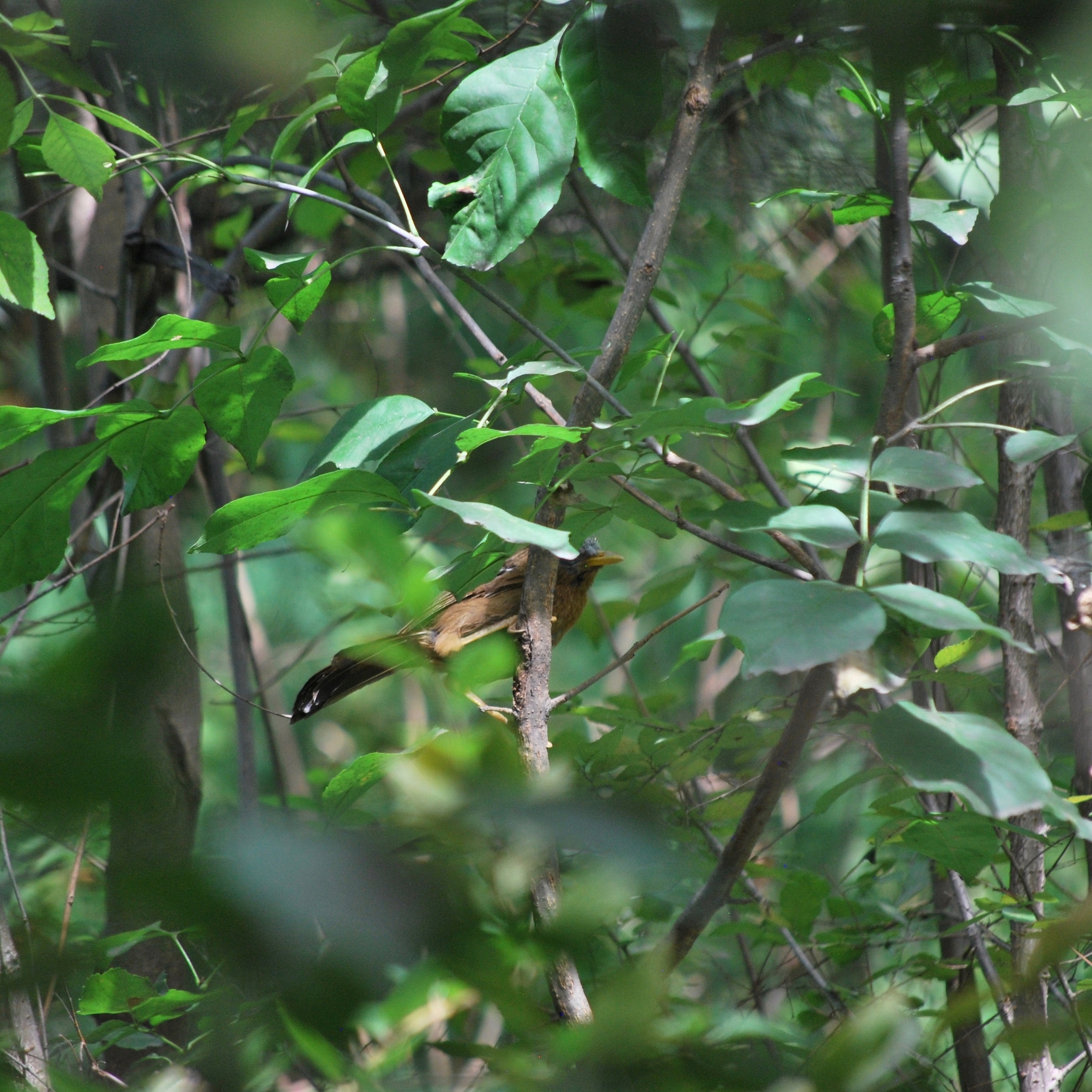
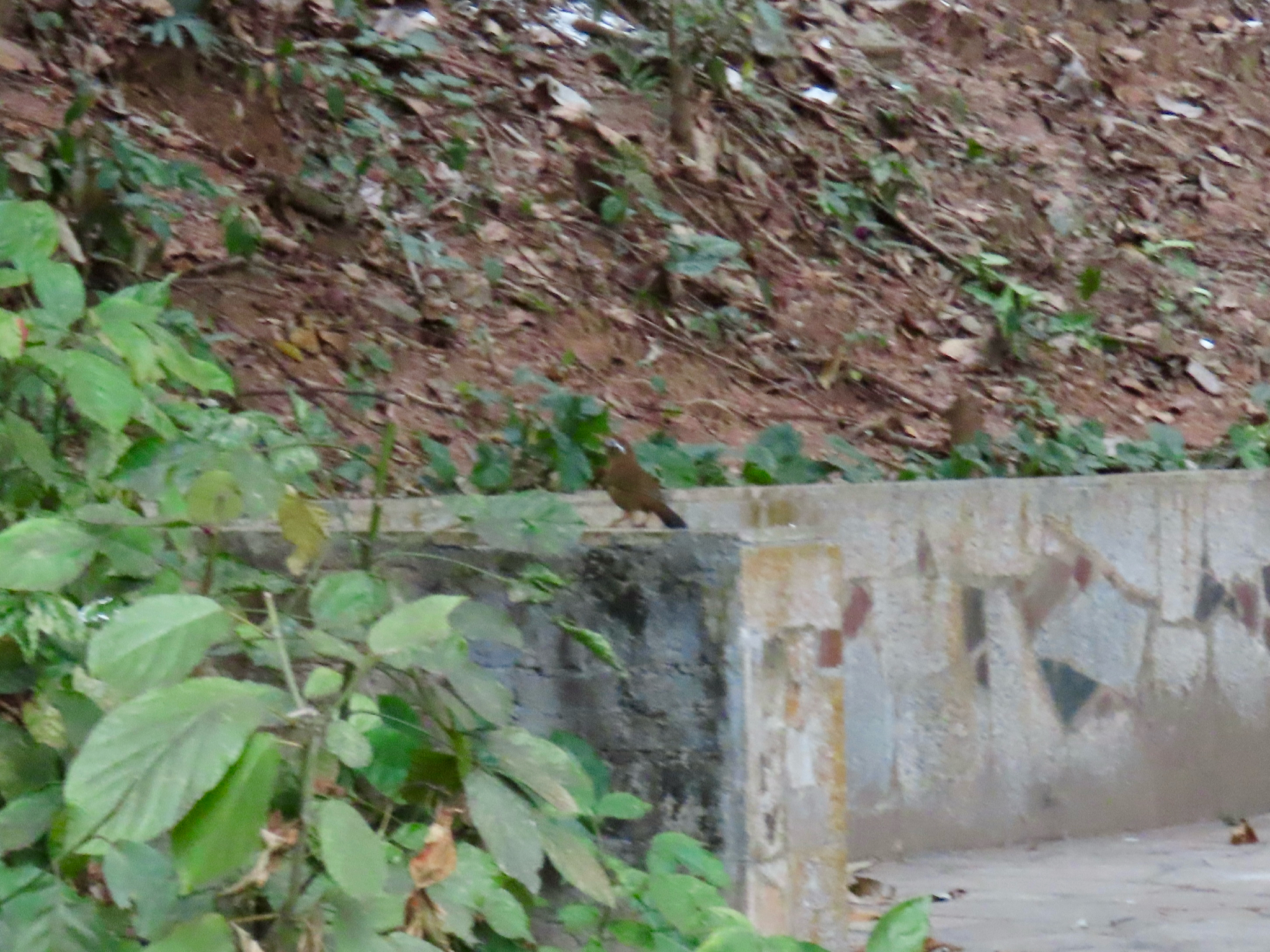
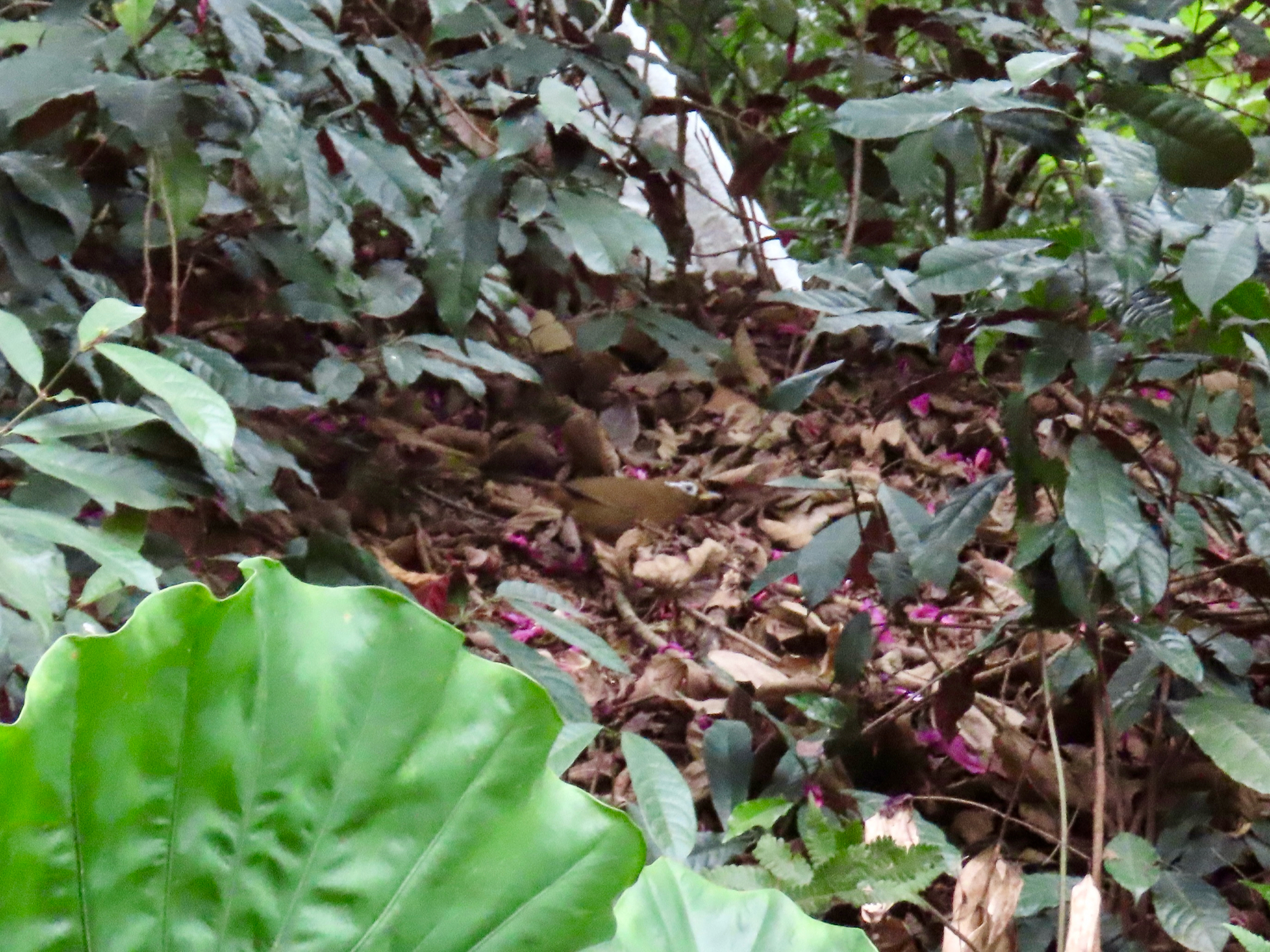

Chinese Hwamei
Garrulax canorus
画眉
Introduction
The species is native to East Asia. It inhabits dense vegetation, leaf litter, and low vegetation in forests, as well as parks, gardens, and secondary woodland in human-modified landscapes. It produces whistling notes that incorporate accurate imitations of other bird species. Its brown plumage provides camouflage as it moves through vegetation. The species has been widely captive-bred and introduced beyond its native range.
Description
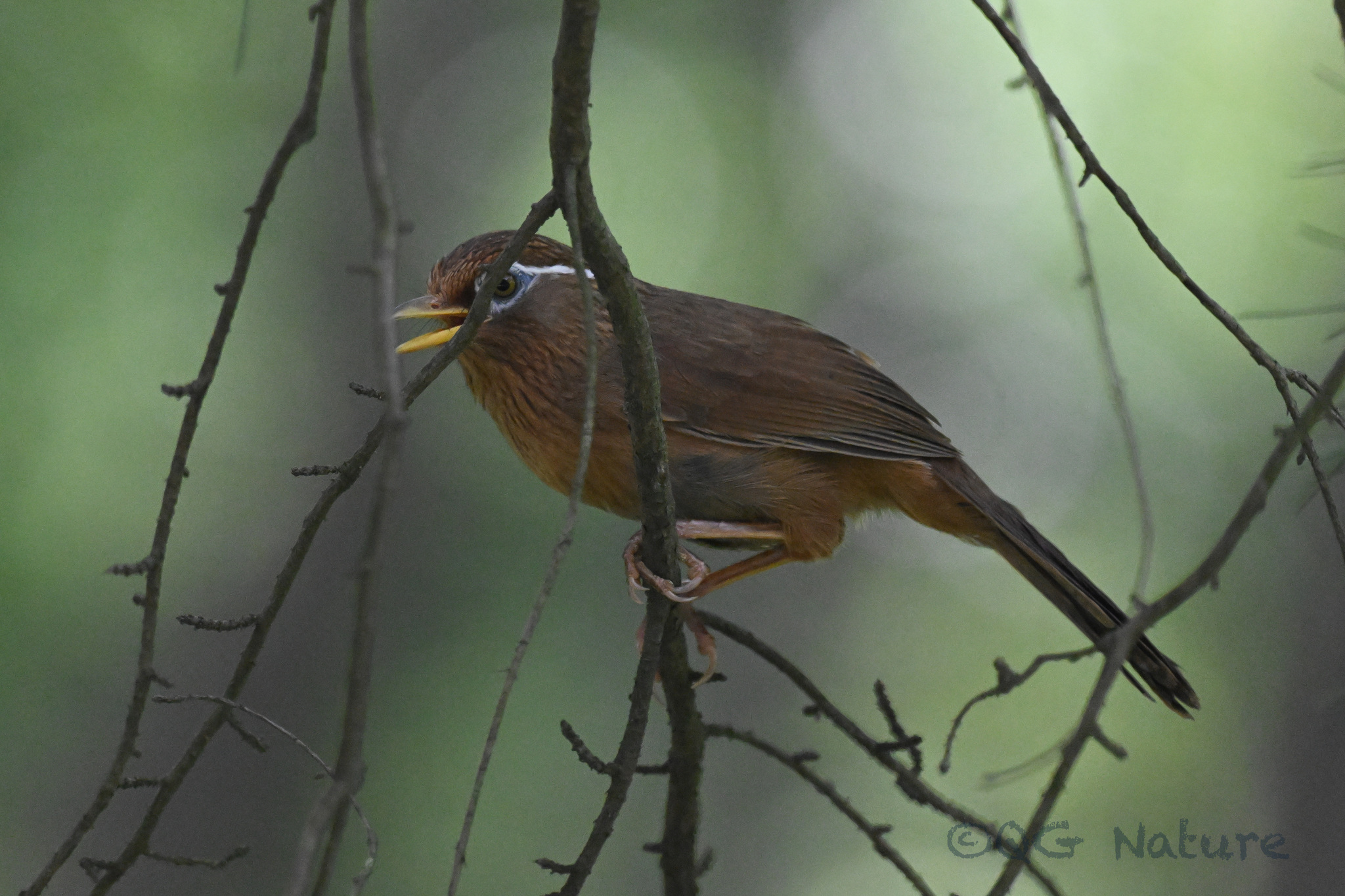
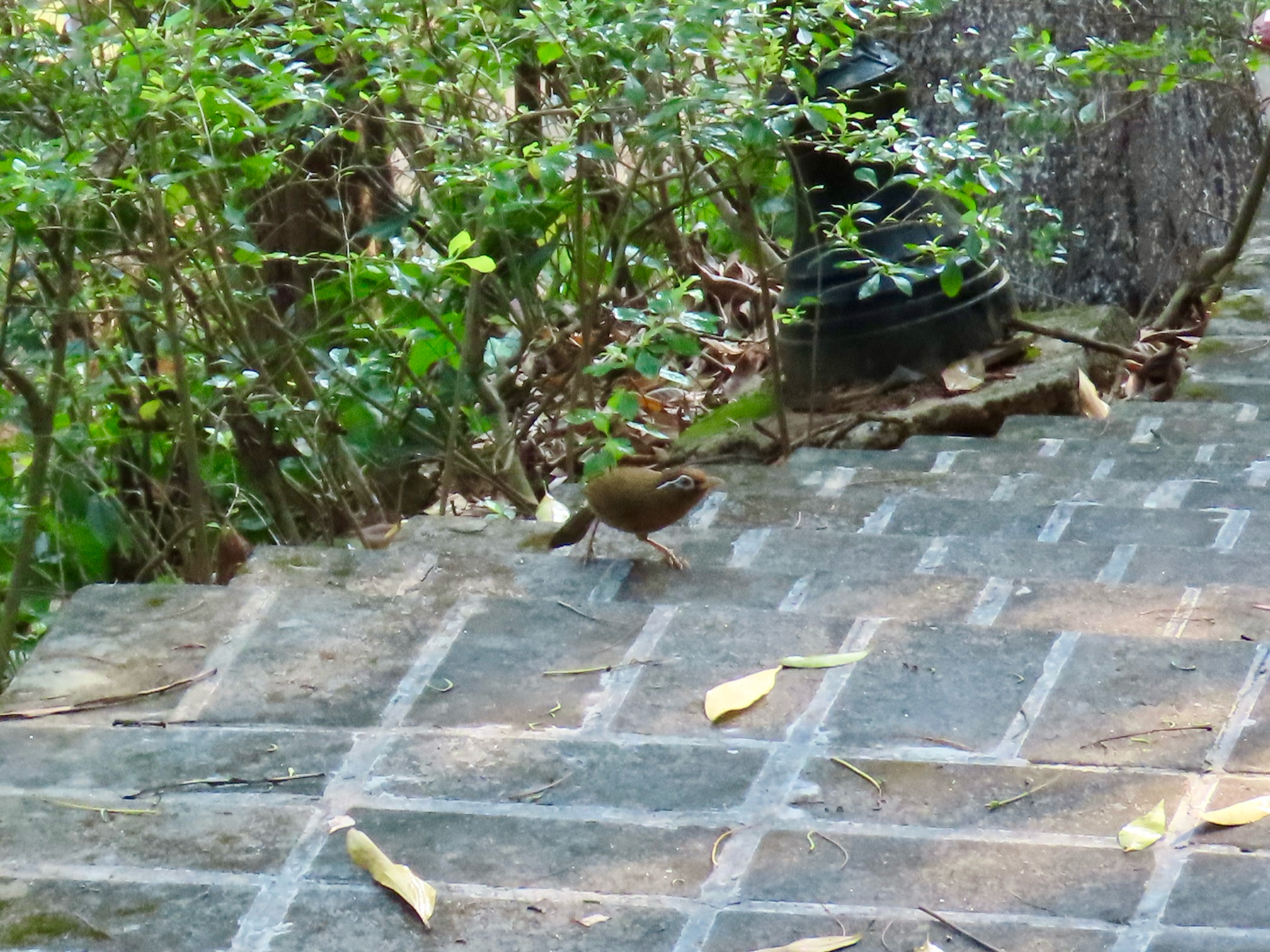
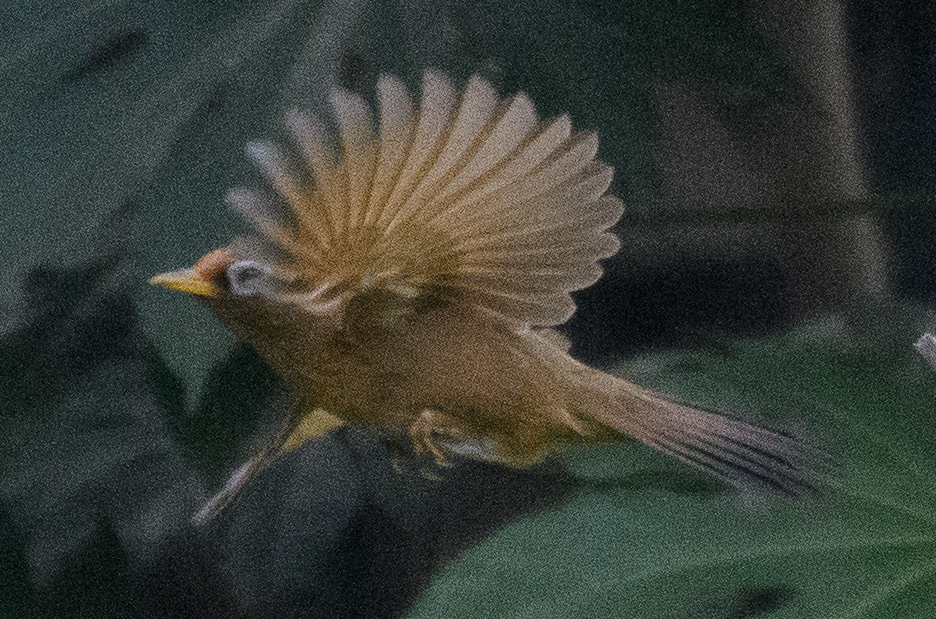
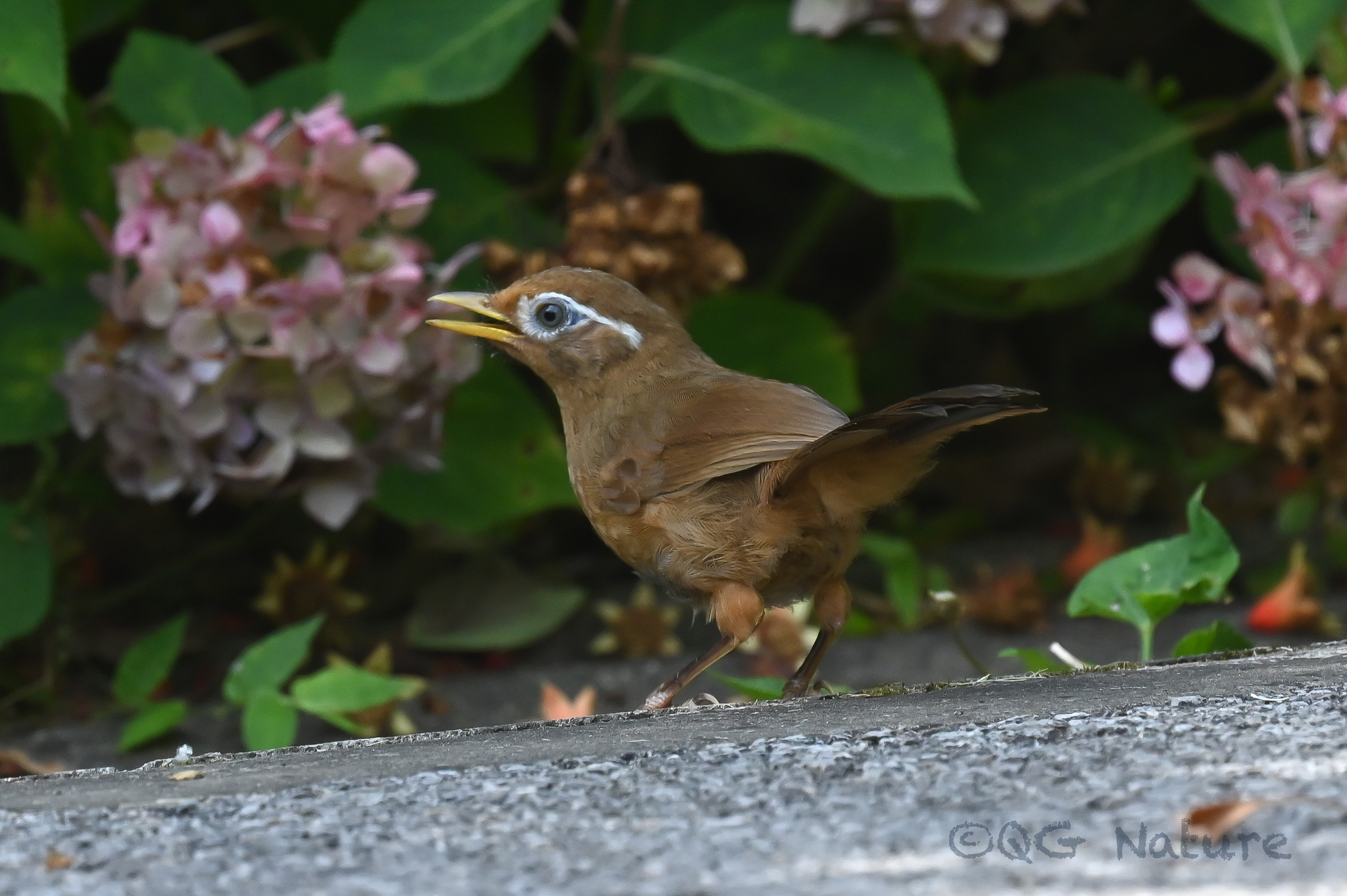
A medium-sized passerine measuring 21-25 cm in length, this bird has a compact build with broad, rounded wings and a distinctive fan-shaped tail. The plumage is predominantly reddish-brown across the upperparts, with dark streaking visible on the crown, back, and throat. The most striking feature is the white ring surrounding each eye, which extends backward as a prominent white stripe creating a painted appearance. The underparts are somewhat paler brown. The bill and legs show a yellowish coloration. Subspecies from Hainan Island tend to be paler below with more olive tones in the upper plumage compared to mainland birds.
Identification
The song serves as the primary identification aid—a loud, clear, and varied sequence of whistled notes that repeats regularly and incorporates accurate imitations of other bird species. This vocal performance distinguishes it from similar-looking species in its range. The distinctive white eye markings set it apart from the Taiwan hwamei, which is greyer overall and lacks the white head markings. The skulking behavior and preference for ground-level foraging in dense cover also help distinguish it from more visible species.
Distribution & Habitat
The mainland subspecies occupies southeastern and central China, extending into northern and central Vietnam and Laos. The Hainan subspecies is restricted to Hainan Island. Introduced populations now exist in Taiwan, Singapore, Japan, and the Hawaiian Islands. In Hawaii, the bird is well-established across multiple islands, being particularly common on Kauai, Maui, and Hawaii Island while remaining less numerous on Oahu and Molokai. It occupies scrubland, open woodland, secondary forest, parks, and gardens from low elevations up to 1800 meters. The species remains common throughout much of its range.
Behavior & Ecology
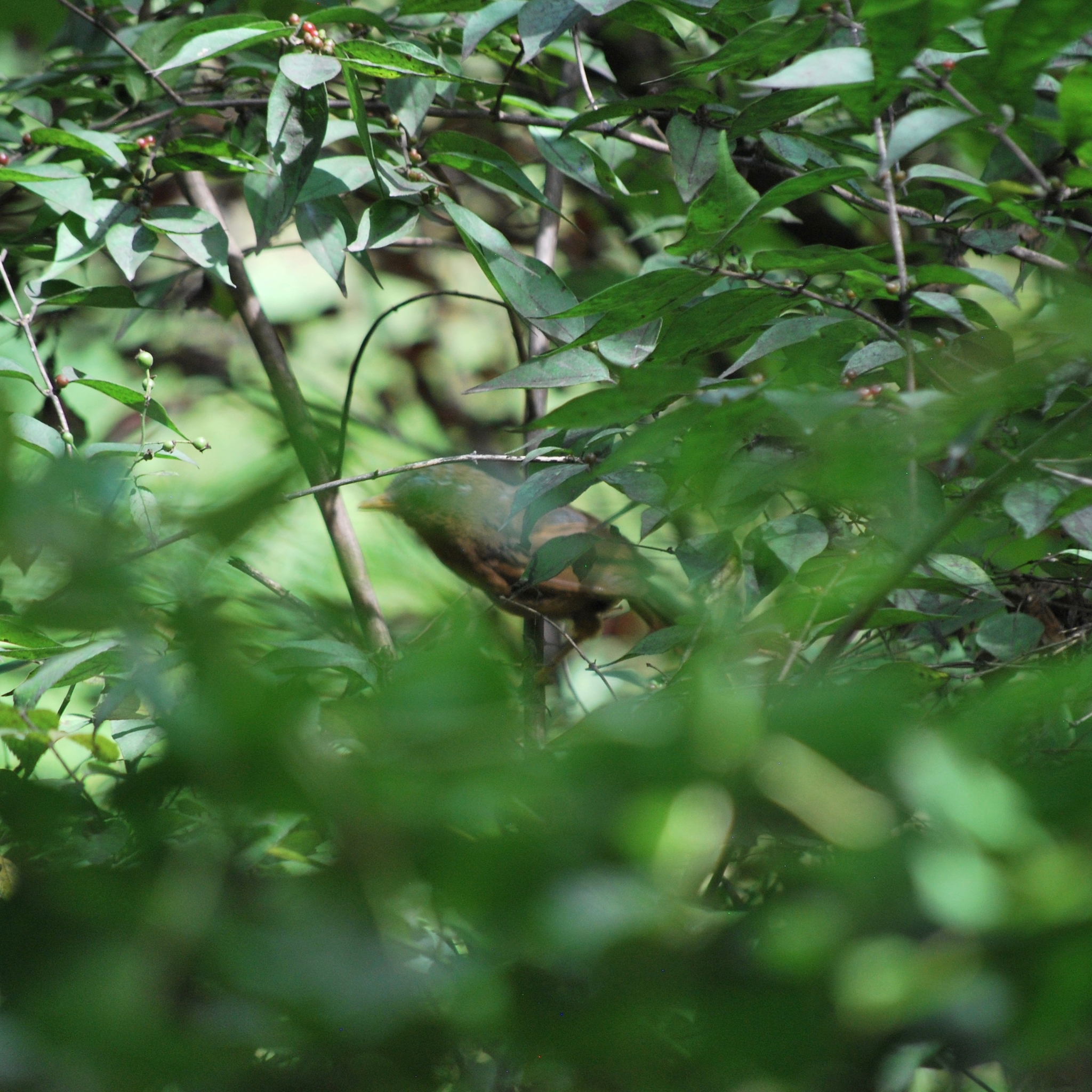
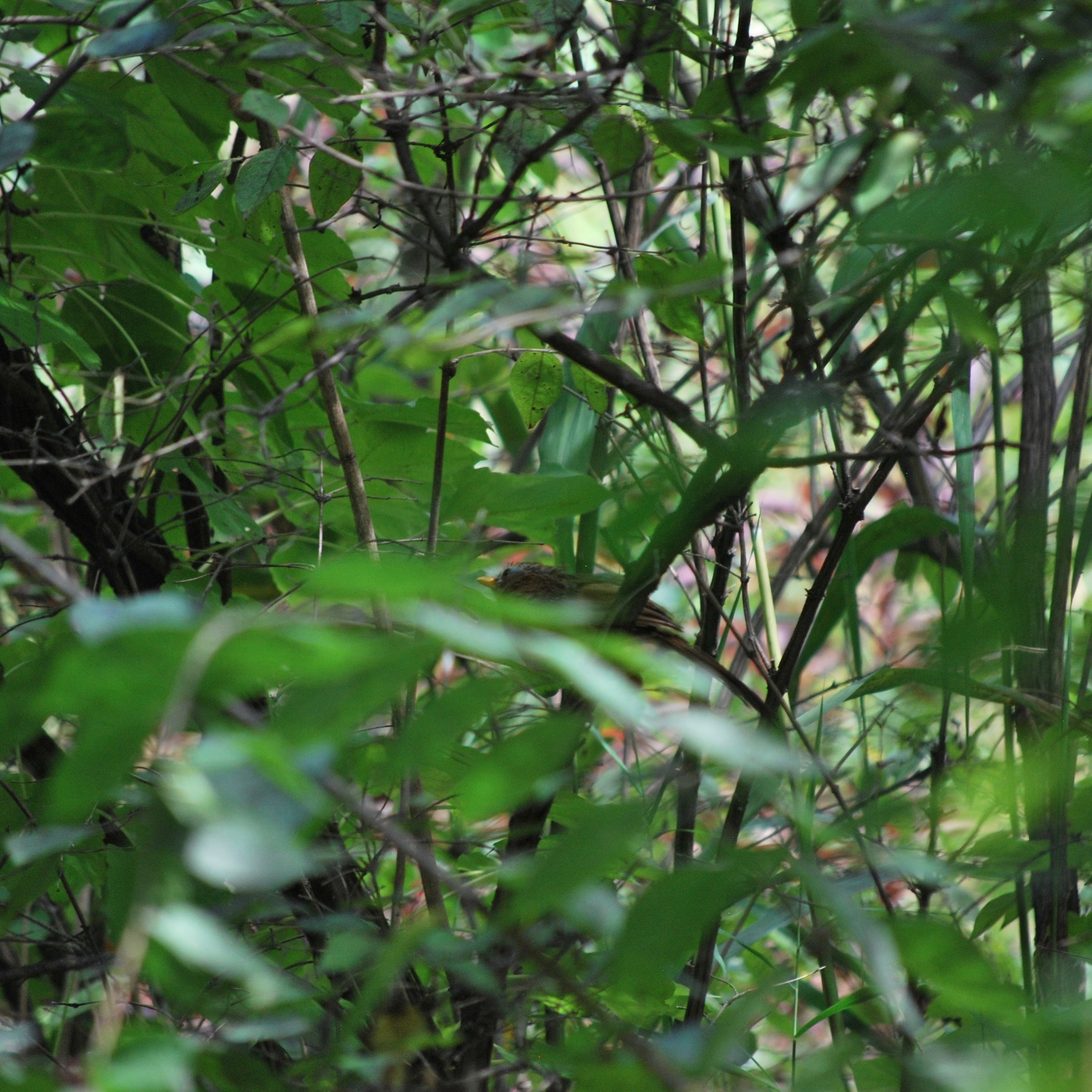
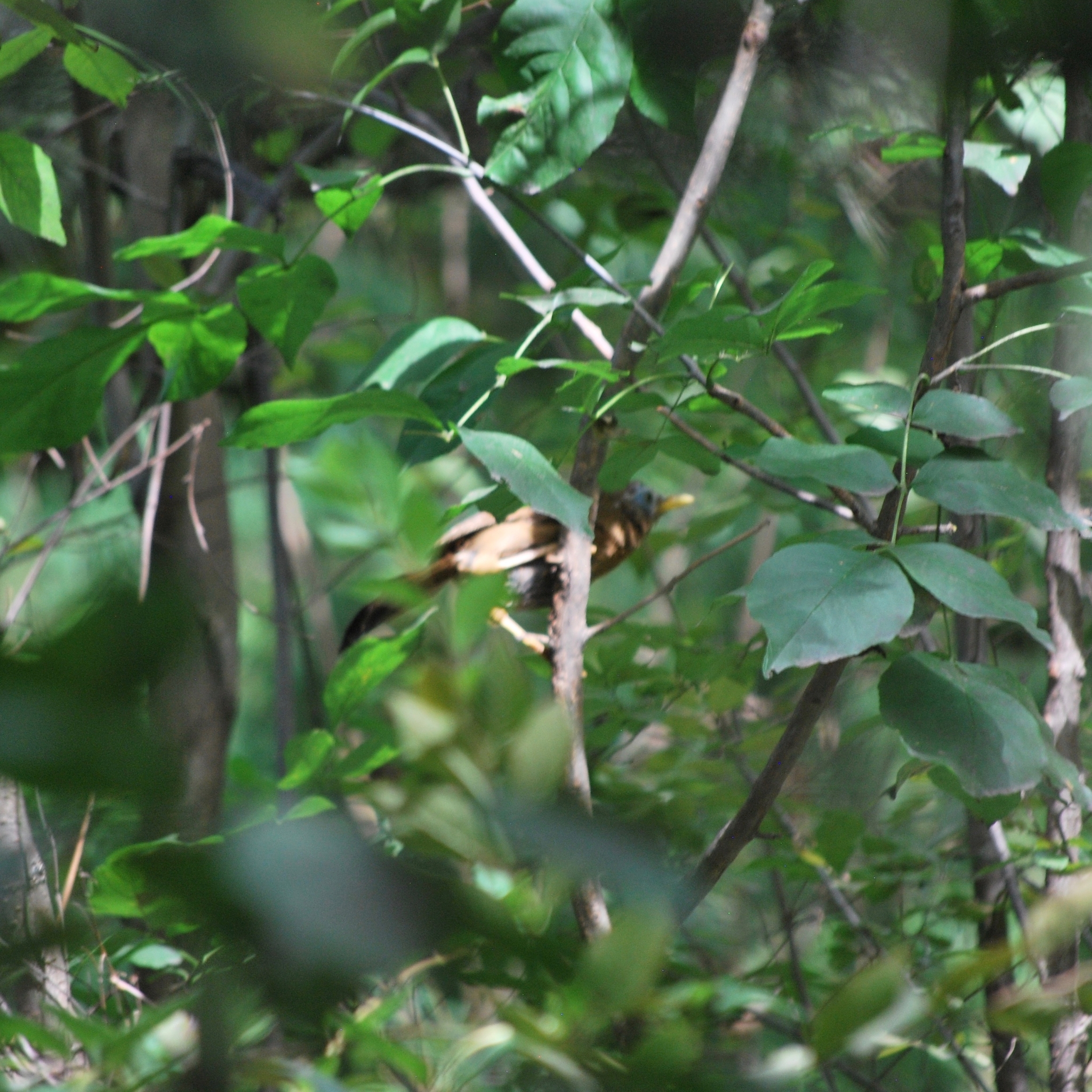
This is a secretive bird that typically remains hidden in dense vegetation, making visual observations challenging. It forages primarily on the ground among leaf litter, searching for insects and fruit. Most commonly encountered in pairs or small family groups. The breeding season spans from May through July. During this time, pairs construct a large cup-shaped nest positioned up to two meters above ground level within trees, shrubs, or dense undergrowth. Clutch size ranges from two to five eggs, which are blue or blue-green in color.
Conservation
The species is currently classified as Least Concern by the IUCN and is not considered threatened. It remains common across much of its extensive range and has successfully established in several introduced locations. However, conservation concerns exist for the Taiwan hwamei, which was recently split as a separate species. Large numbers of Chinese hwamei were introduced to Taiwan in the 1980s, and ongoing hybridization with the native form threatens the genetic integrity of the Taiwan species.
Culture
The species holds significant cultural value in East Asian traditions, particularly in China where it has been kept as a caged bird for centuries. Its popularity stems from the male's beautiful and varied song, which has made it a prized possession among bird keepers. The species has also been introduced to numerous locations specifically for its vocal qualities. In its native range, the bird appears in various cultural contexts related to avian song and natural beauty.
Source: Wikipedia · CC BY-SA 3.0
Taxonomy
- Order
- Passeriformes
- Family
- Leiothrichidae
- Genus
- Garrulax
- eBird Code
- melthr
Vocalizations
Subspecies (2)
-
Garrulax canorus canorus
east-central and southeastern China to northern Laos and central Vietnam; introduced to Taiwan (where interbreeds with Taiwan Hwamei) and Hawaiian Islands
-
Garrulax canorus owstoni
mountains of Hainan (southern China)
Data Sources
Species description from Wikipedia, licensed under CC BY-SA 3.0.
Bird images and sounds sourced from GBIF, contributed by citizen scientists worldwide under Creative Commons licenses.
Taxonomy data from AviList 2025.