Wood Snipe
Gallinago nemoricola
林沙锥
Introduction
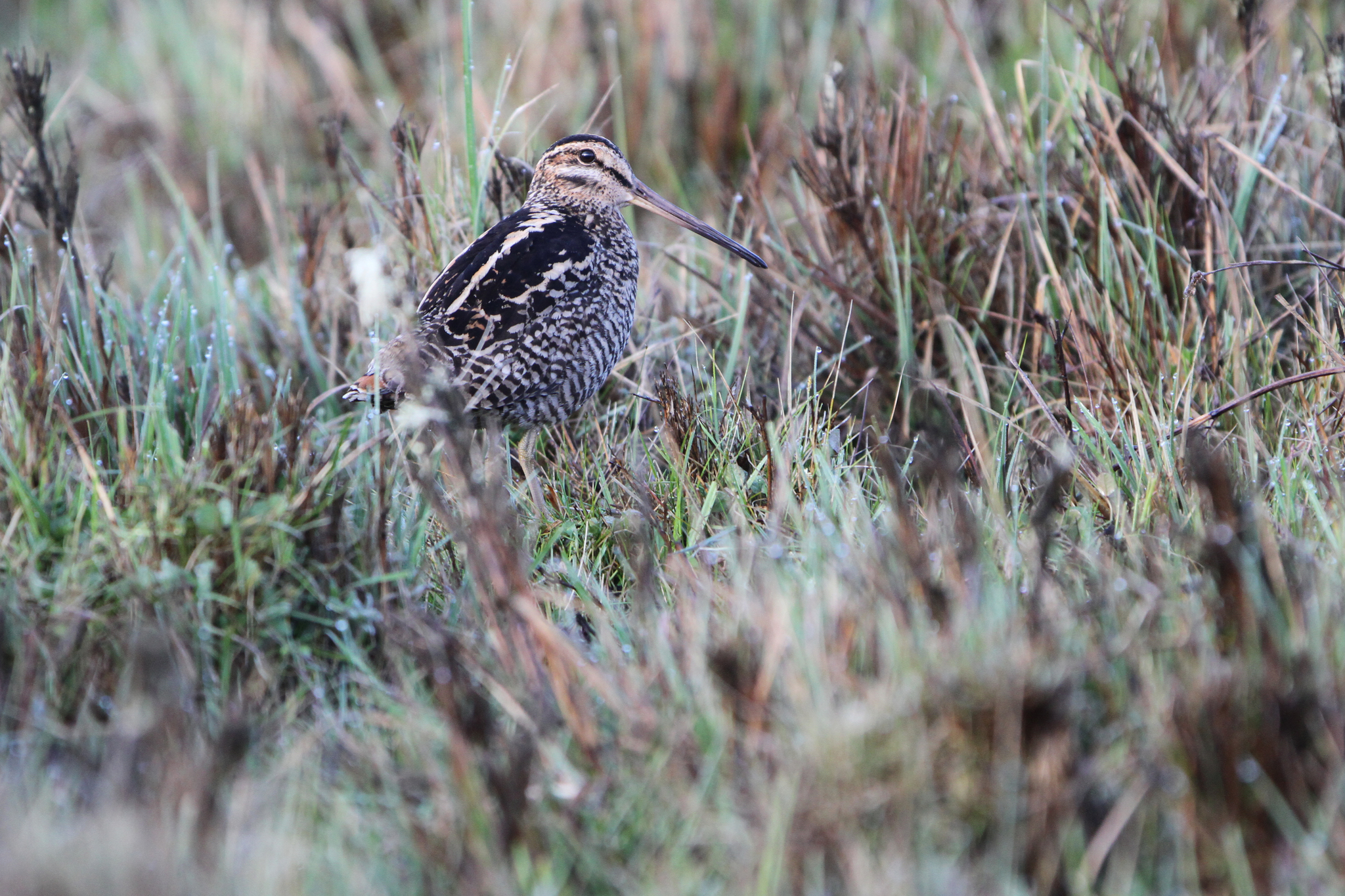
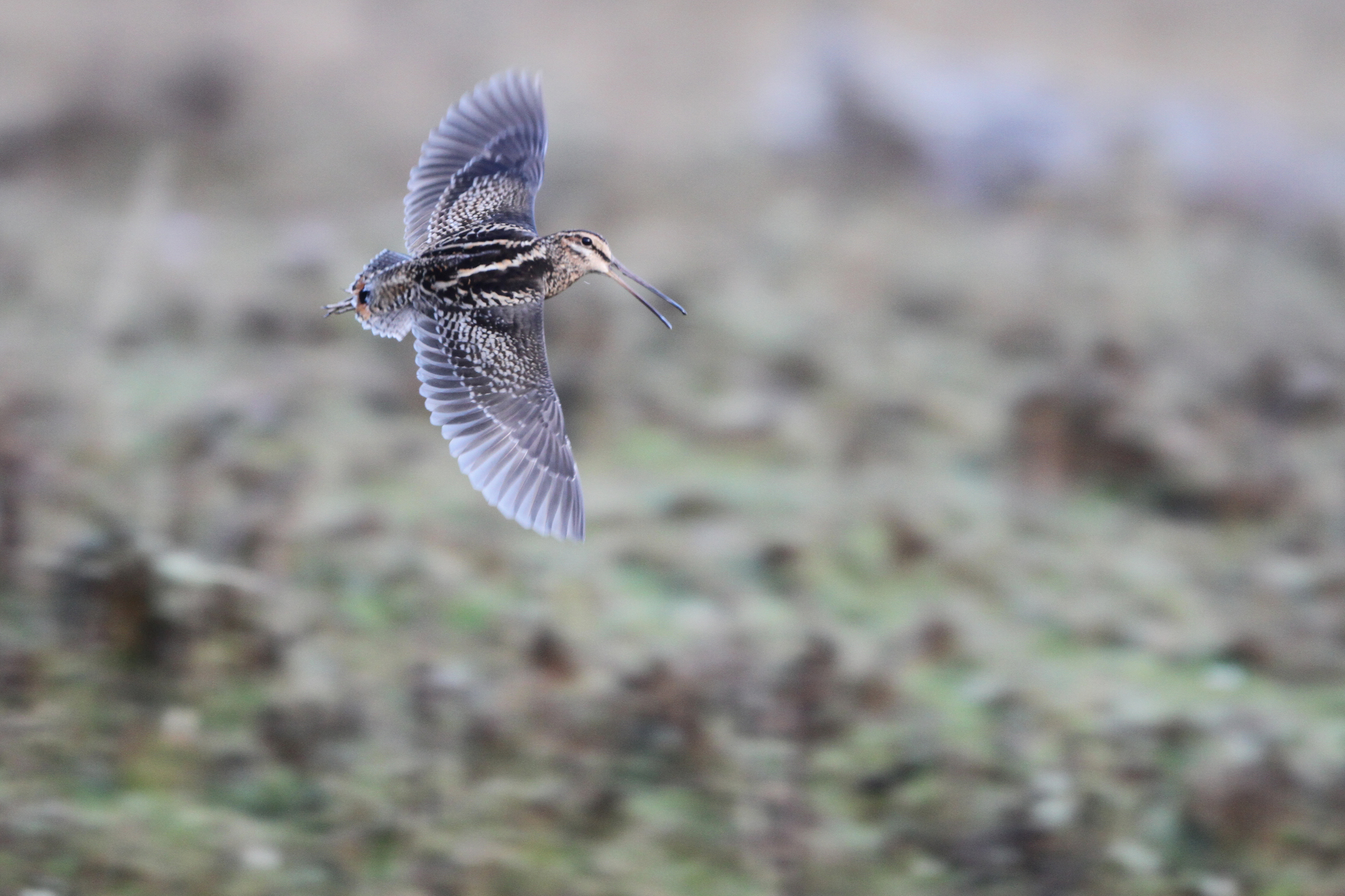
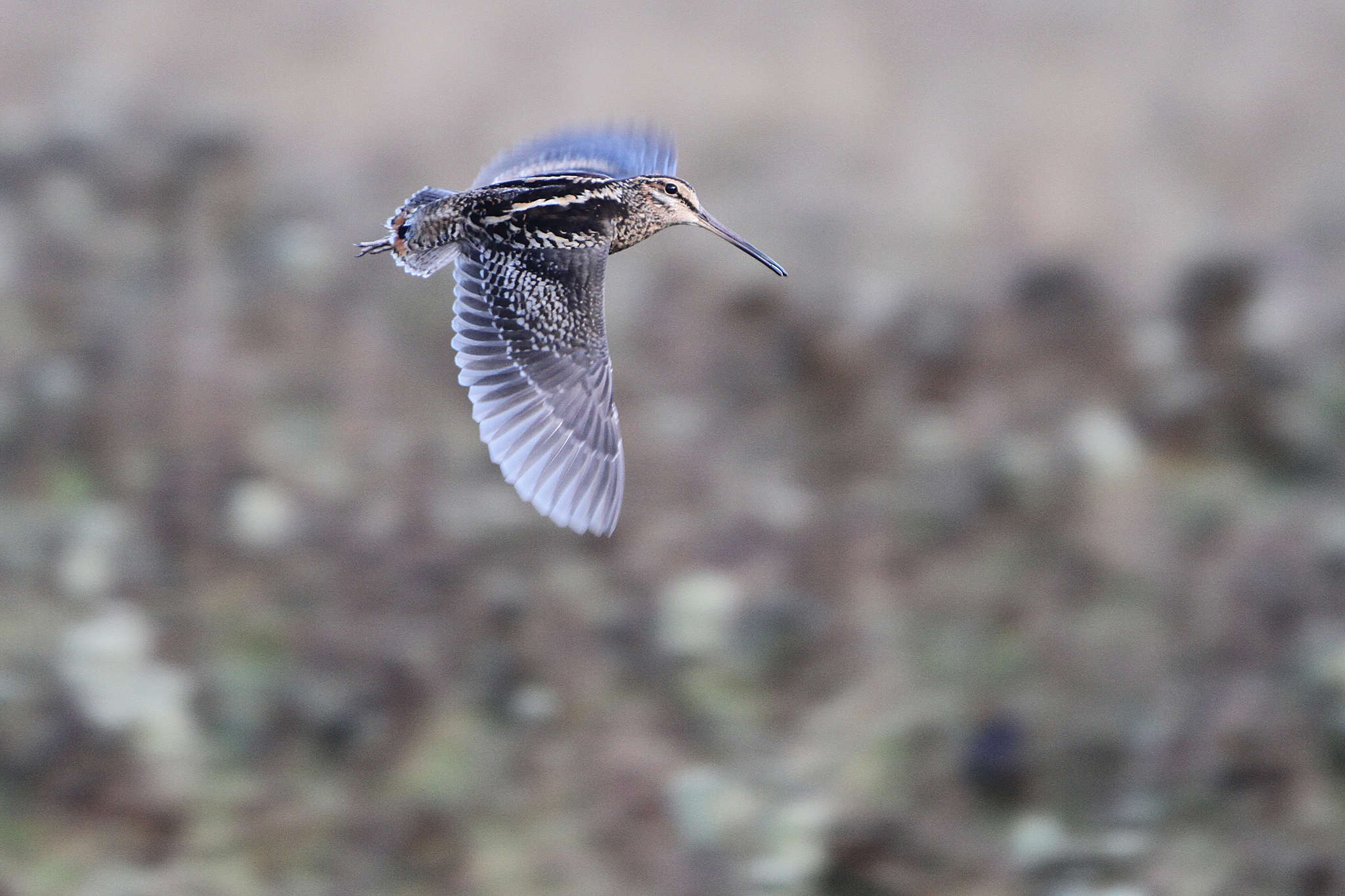
A medium-sized wader in the snipe family (Gallinaginae). It breeds in the high Himalayan regions of northern India, Nepal, Bhutan, and southern China at elevations above 3,000 meters. In winter, it descends to lower altitudes in the Himalayas and occurs regularly in small numbers in northern Vietnam. It is also a vagrant to central and southern India, Sri Lanka, Bangladesh, northern Thailand, and Laos. Distinguished by its dark plumage and short, broad-based bill. Classified as Vulnerable by IUCN with an estimated population of 2,500 to 10,000 mature individuals.
Description
A dark-colored snipe measuring 28-32 centimeters in length with a notably short and broad-based bill. The plumage is overall dark with typical snipe patterning. The compact bill structure distinguishes it from other snipe species.
Distribution & Habitat
Breeds in alpine meadows of the Himalayas across northern India, Nepal, Bhutan, and southern China at elevations exceeding 3,000 meters. In winter, migrates to lower altitudes within the Himalayas and regularly visits northern Vietnam as a scarce winter visitor. Vagrant records exist from central and southern India, Sri Lanka, Bangladesh, northern Thailand, and Laos.
Behavior & Ecology
Breeding occurs from May to July in high-altitude alpine meadows. Nests are constructed on boulders near rhododendron shrubs. A 2021 study in Sichuan province found these birds prefer the lower portions of alpine meadows (3,378-3,624 meters elevation) with intermediate soil moisture levels, selecting foraging sites with higher soil fauna abundance. Diet consists primarily of invertebrates and worms, supplemented by seeds and larvae found in Chauri yak-herding dung. Notably familiar to Chauri herders in the Himalayan region.
Conservation
Assessed as Vulnerable by the IUCN. The global population of mature individuals is estimated between 2,500 and 10,000 birds. The primary threat is widespread wetland habitat loss throughout both breeding and wintering grounds. The species has been recorded in several protected areas, including Langtang and Sagarmatha National Parks in Nepal.
Culture
Known to local Chauri yak herders in the Himalayan regions, who are familiar with this species' presence in their grazing areas.
Source: Wikipedia · CC BY-SA 3.0
Taxonomy
- Order
- Charadriiformes
- Family
- Scolopacidae
- Genus
- Gallinago
- eBird Code
- woosni1
Distribution
breeds alpine meadows of western Himalayas from Himachal Pradesh to eastern India and south-central China; winters to lower-elevation wetlands and woodlands, rarely to Indian Peninsula and northern Southeast Asia
Data Sources
Species description from Wikipedia, licensed under CC BY-SA 3.0.
Bird images and sounds sourced from GBIF, contributed by citizen scientists worldwide under Creative Commons licenses.
Taxonomy data from AviList 2025.