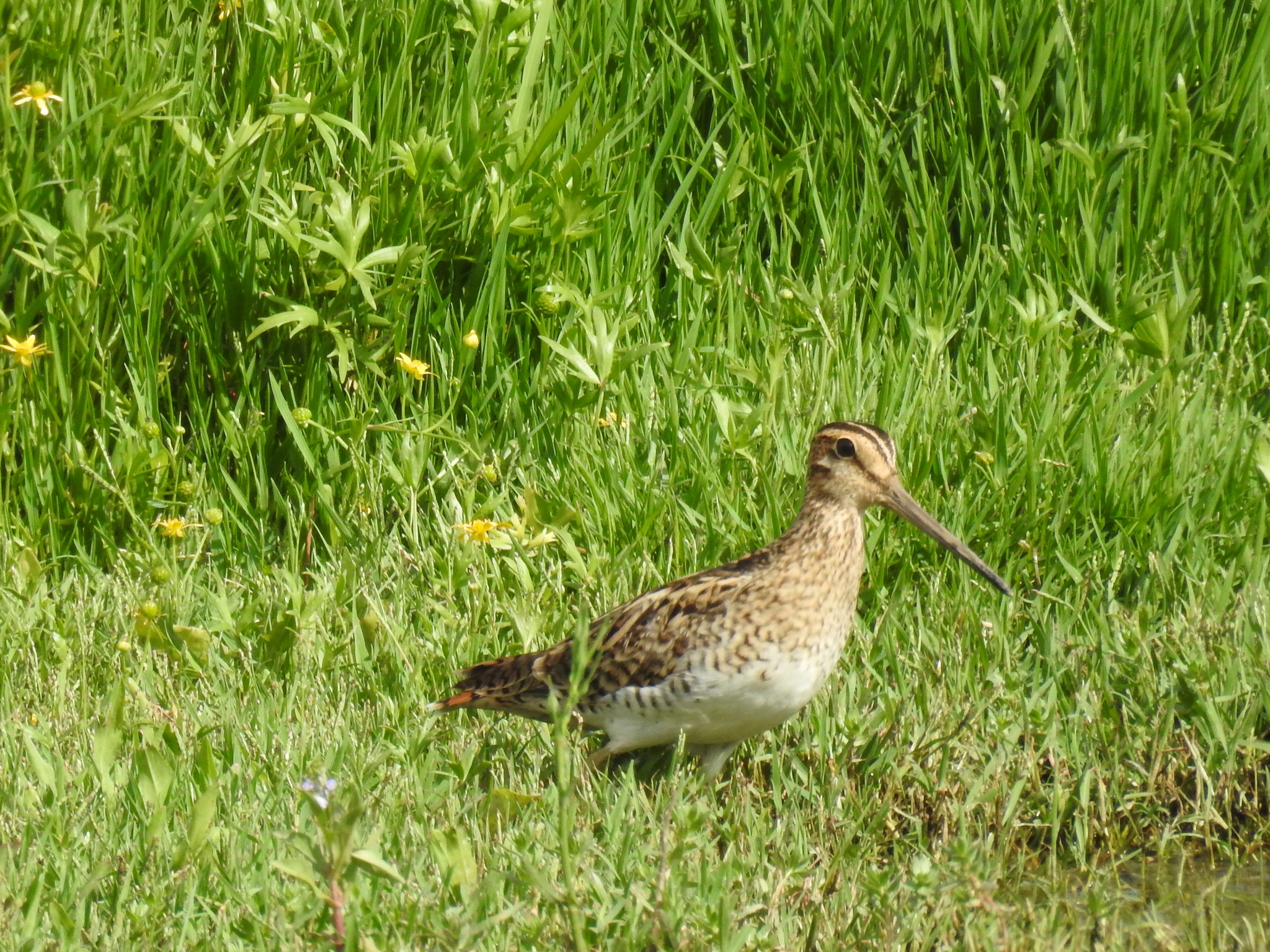
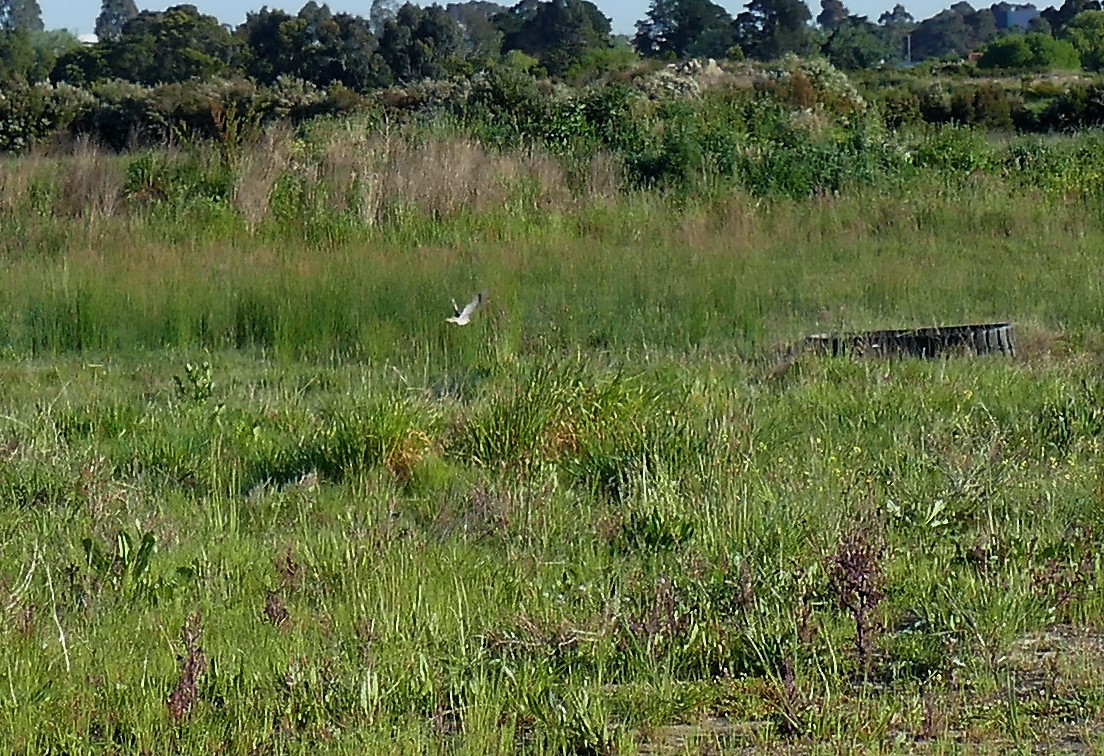
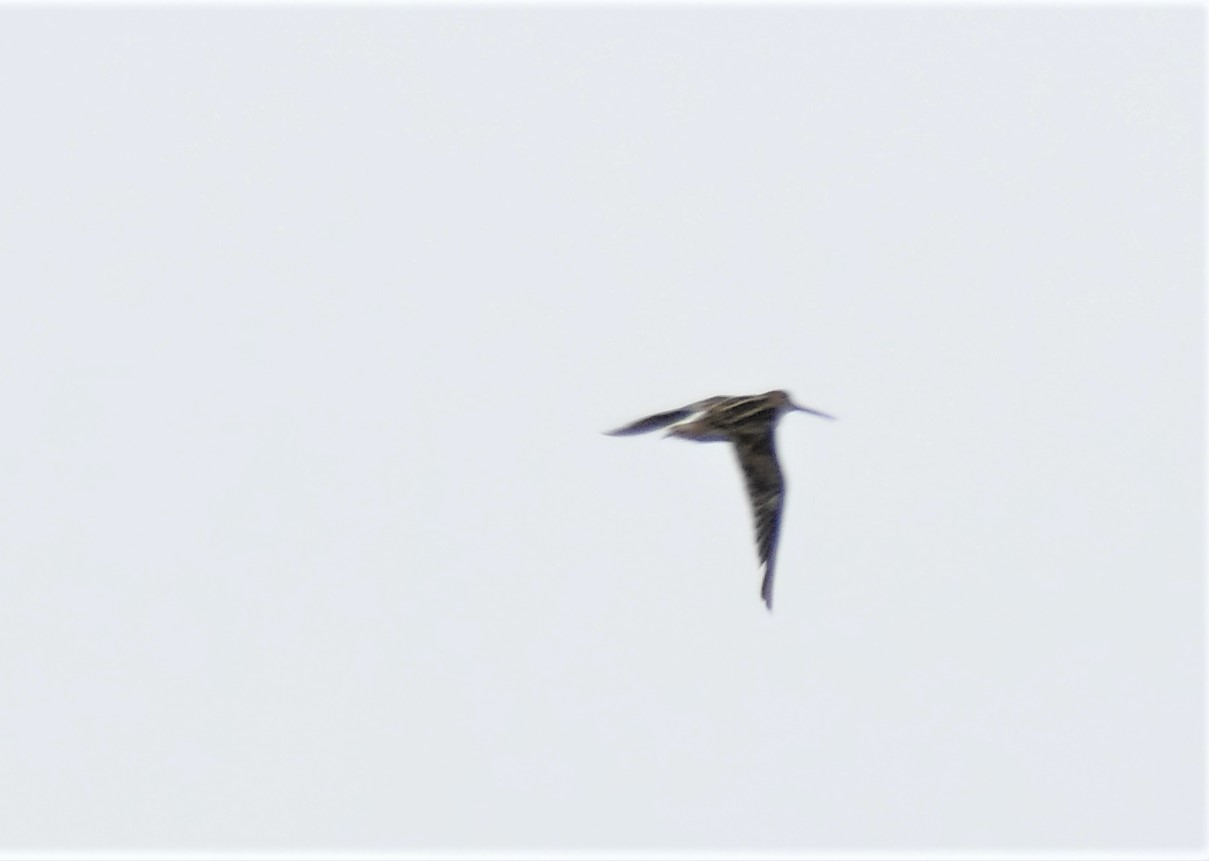
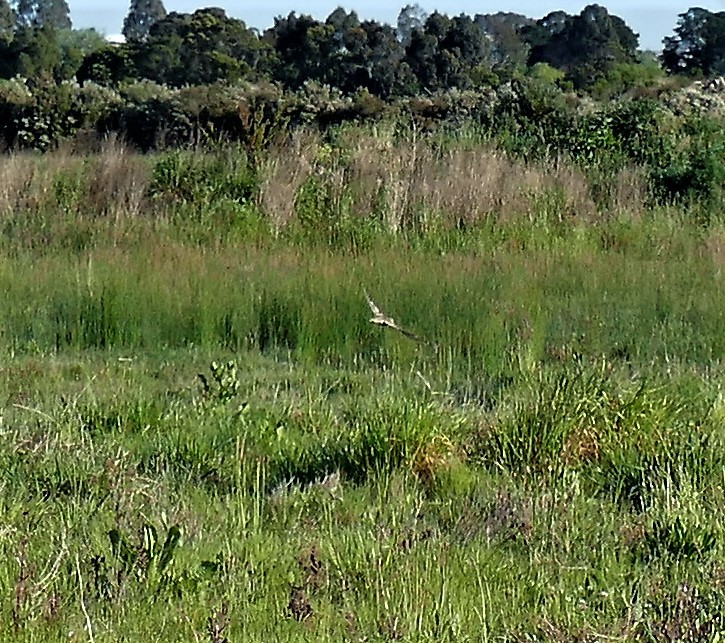
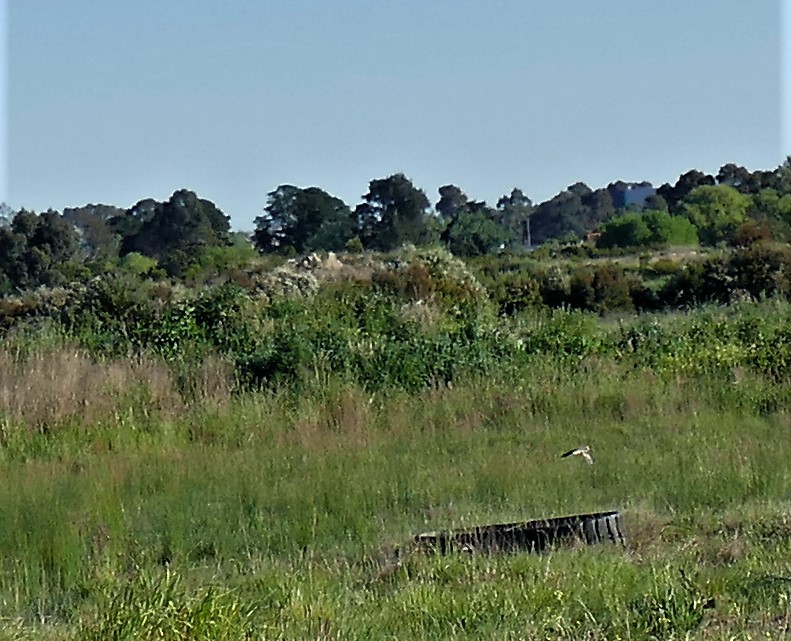
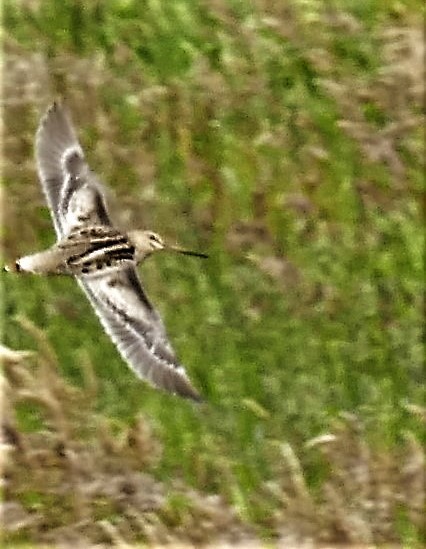
Latham's Snipe
Gallinago hardwickii
拉氏沙锥
Introduction
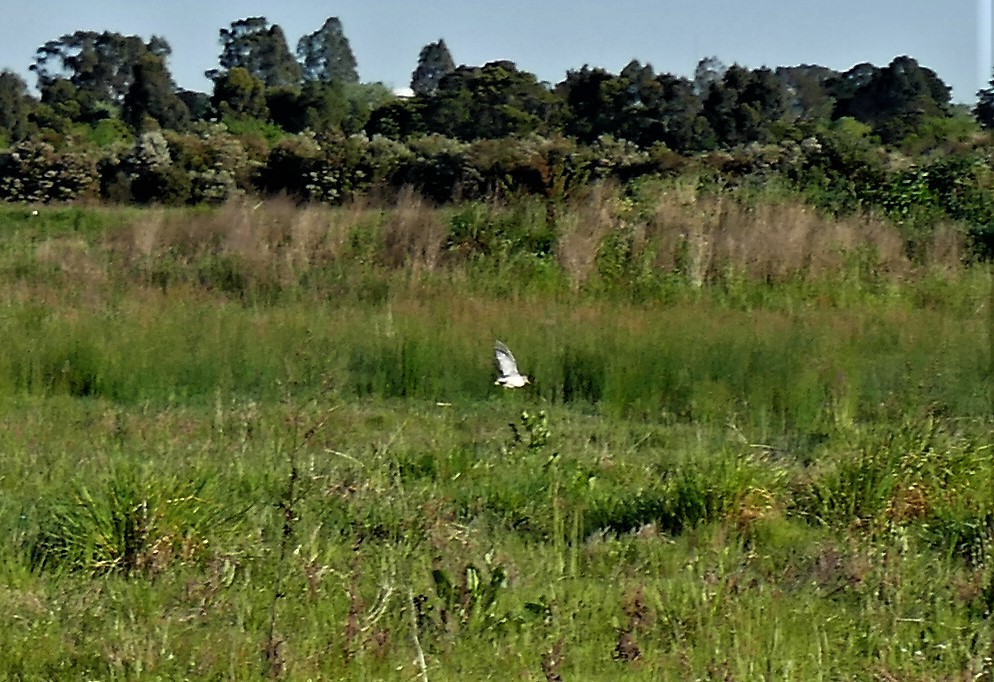
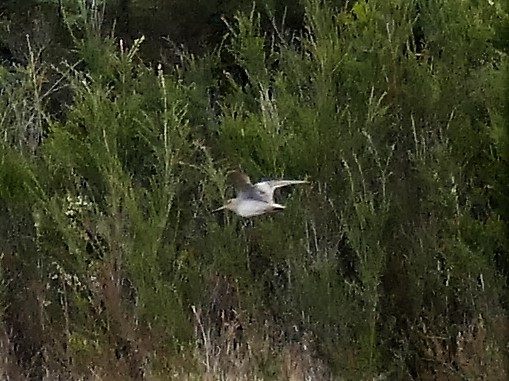
A medium-sized migratory snipe (Gallinago hardwickii) of the East Asian–Australasian Flyway. Breeds primarily in northern Japan (Hokkaidō), with smaller populations on Honshū, eastern Russian mainland, Sakhalin, and historically the Kurile Islands. The entire population migrates to eastern Australia for the non-breeding season, where it is the commonest Gallinago snipe. Recorded on migration in Taiwan, the Philippines, and New Guinea; a rare straggler to New Zealand. Conservation status: Near-threatened internationally, Vulnerable in Australia under the EPBC Act.
Description
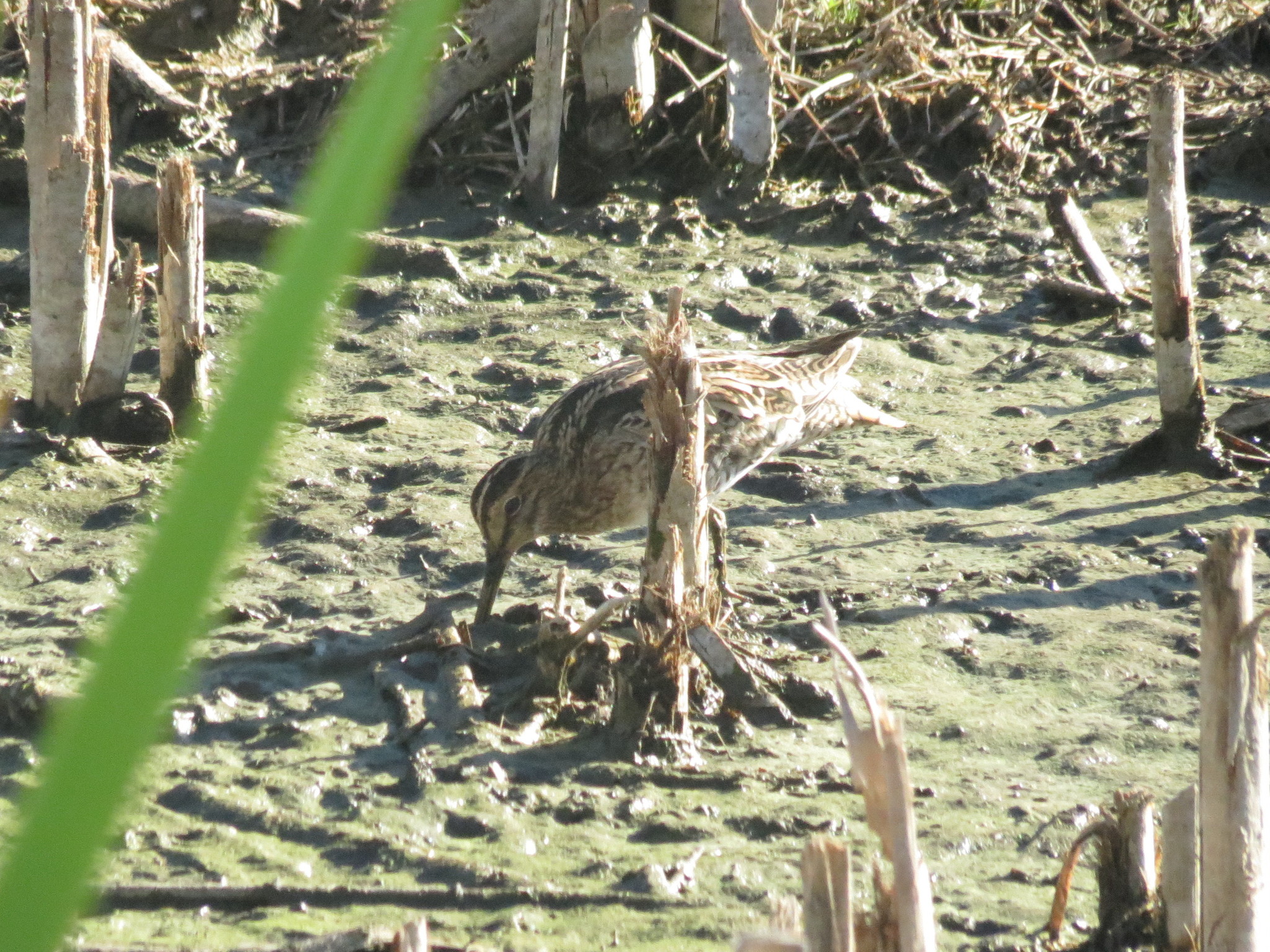
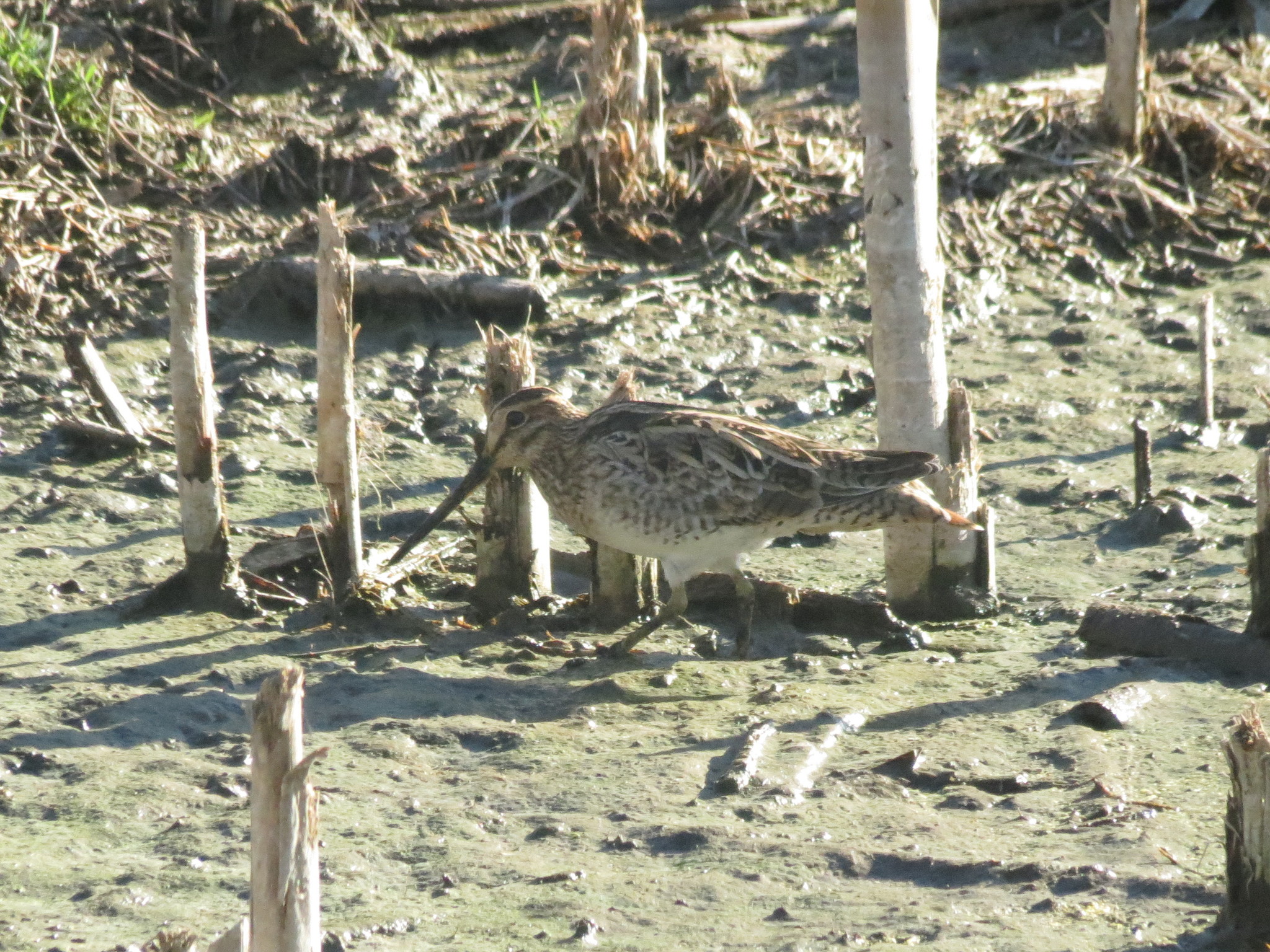
A medium-sized snipe measuring 29–33 cm in length with a wingspan of 50–54 cm and body mass of 150–230 g. Plumage is cryptically patterned in black, brown, buff and white tones typical of the genus Gallinago.
Identification
Identifiable as a Gallinago snipe by its characteristic cryptic plumage patterning. In the field it closely resembles Swinhoe's snipe and the pin-tailed snipe, though it is slightly larger than these congeners.
Distribution & Habitat
Breeding range centered on Hokkaidō, Japan, with smaller populations on Honshū, eastern Russian mainland, and Sakhalin; historically also on the Kurile Islands. The entire population migrates to eastern Australia for the non-breeding period, where it is the most common Gallinaga species. Migration routes pass through Taiwan, the Philippines, and New Guinea; occasional vagrancy to New Zealand. Breeding habitat includes alpine moorland, grasslands, rough pasture, young tree plantations, and cultivated areas. Non-breeding habitat consists of shallow freshwater wetlands with bare mud or shallow water for feeding and adjacent vegetation cover for shelter.
Behavior & Ecology
Courtship involves display flights and drumming by males. Nests are constructed on the ground, concealed within vegetation, with a clutch of four eggs. Omnivorous diet includes seeds and plant material from families Cyperaceae, Poaceae, Juncaceae, Polygonaceae, Ranunculaceae, and Fabaceae, along with invertebrates such as flies, beetles, earthworms, spiders, and occasionally molluscs, isopods, and centipedes.
Conservation
IUCN assessment: Near-threatened. In Australia, the species was formerly hunted as a gamebird but is now fully protected; listed as Vulnerable under the Australian EPBC Act (2020 assessment). Listed as Rare under South Australia's National Parks and Wildlife Act 1972. Japan's Red List classes the species as Near Threatened (NT). Although human development has increased suitable breeding habitat in Hokkaido, the population continues to decline.
Source: Wikipedia · CC BY-SA 3.0
Taxonomy
- Order
- Charadriiformes
- Family
- Scolopacidae
- Genus
- Gallinago
- eBird Code
- latsni1
Distribution
breeds meadows and fields of eastern Amurland and southern Sakhalin (southeastern Russia) southward through Honshu (central Japan); winters freshwater wetlands of eastern Australia including Tasmania
Vocalizations
Data Sources
CBR Notes: 中文名由澳南沙锥改为拉氏沙锥,IUCN红色名录等级由LC升为NT
Species description from Wikipedia, licensed under CC BY-SA 3.0.
Bird images and sounds sourced from GBIF, contributed by citizen scientists worldwide under Creative Commons licenses.
Taxonomy data from AviList 2025.