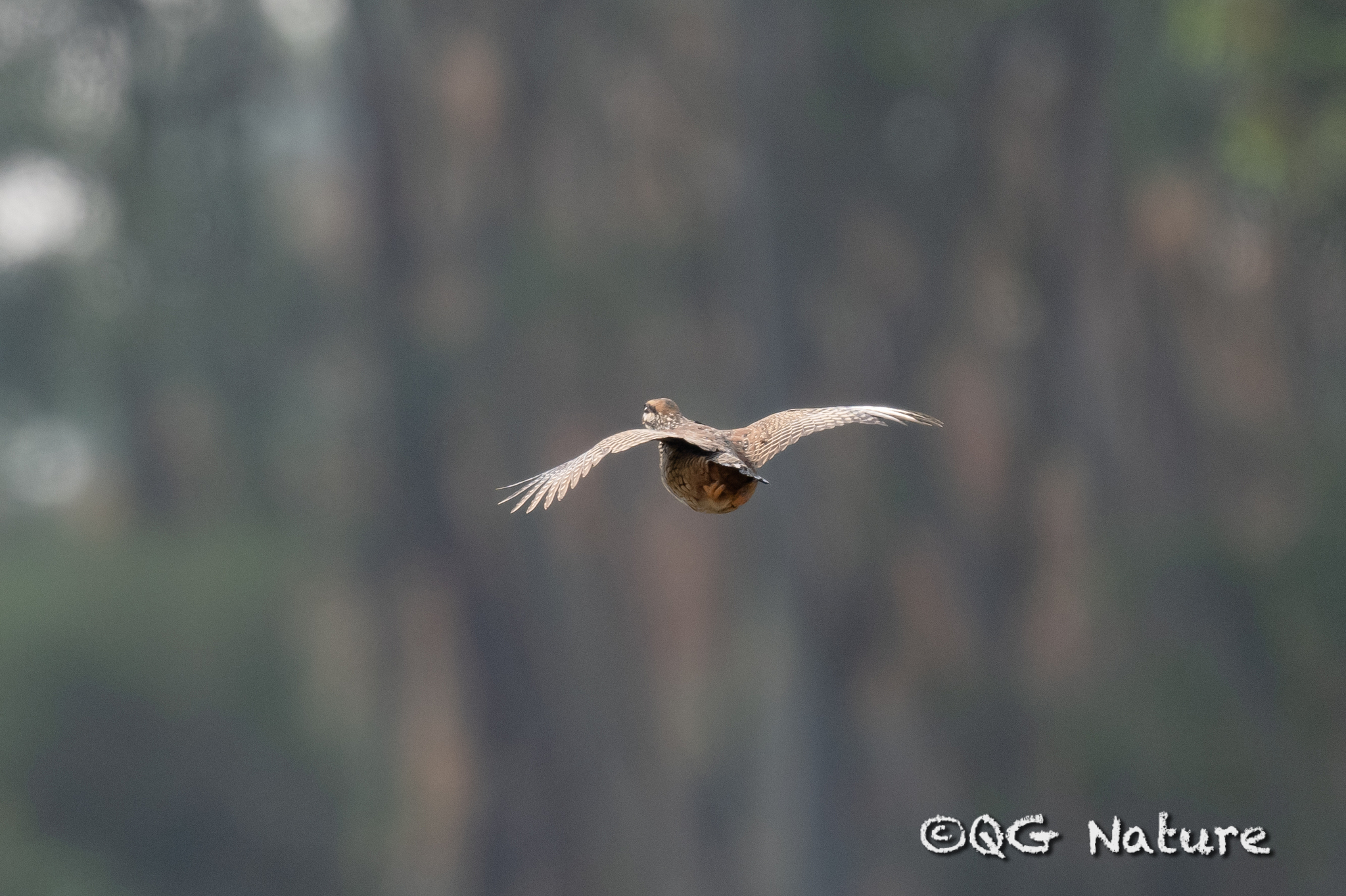
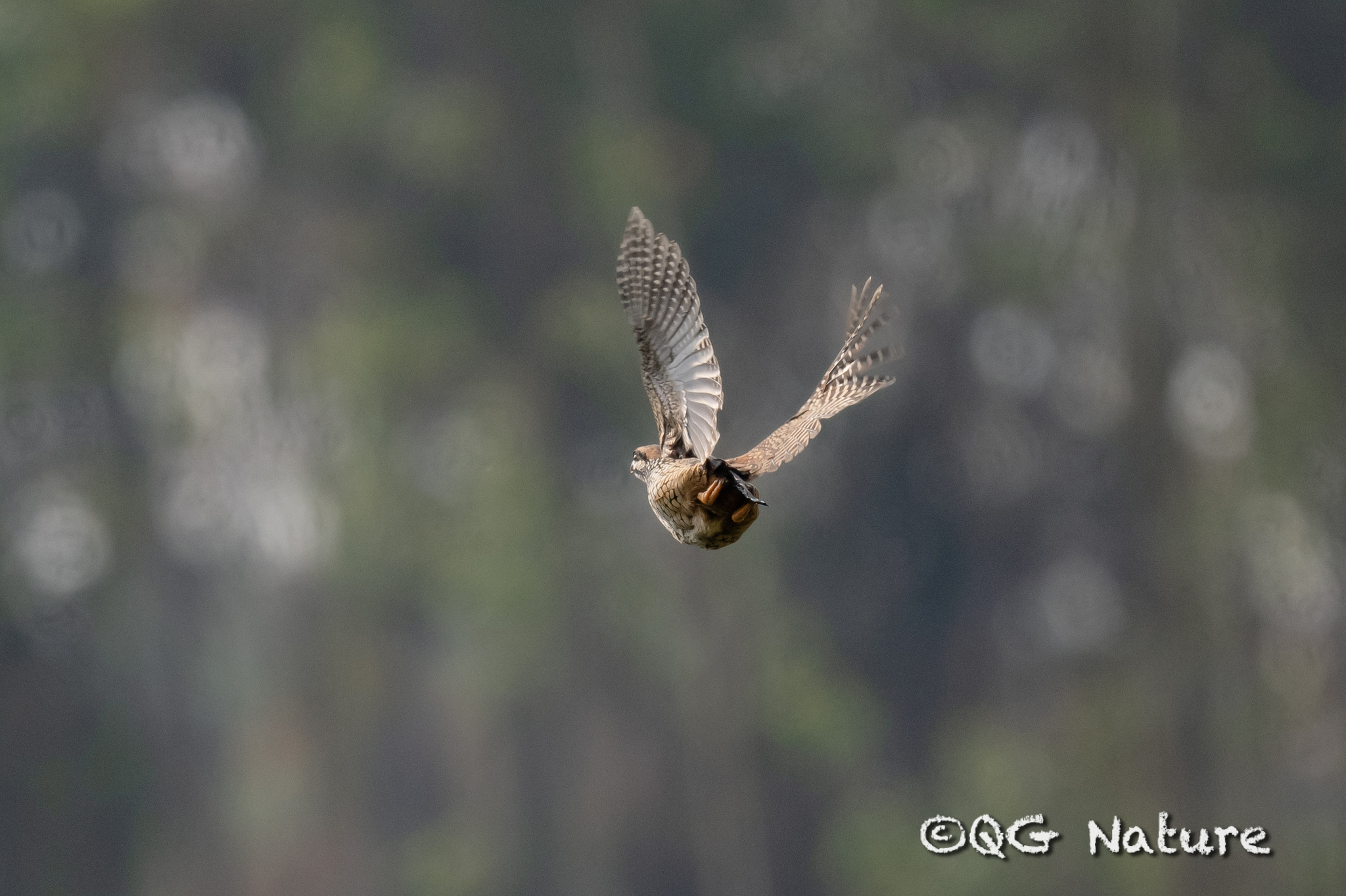
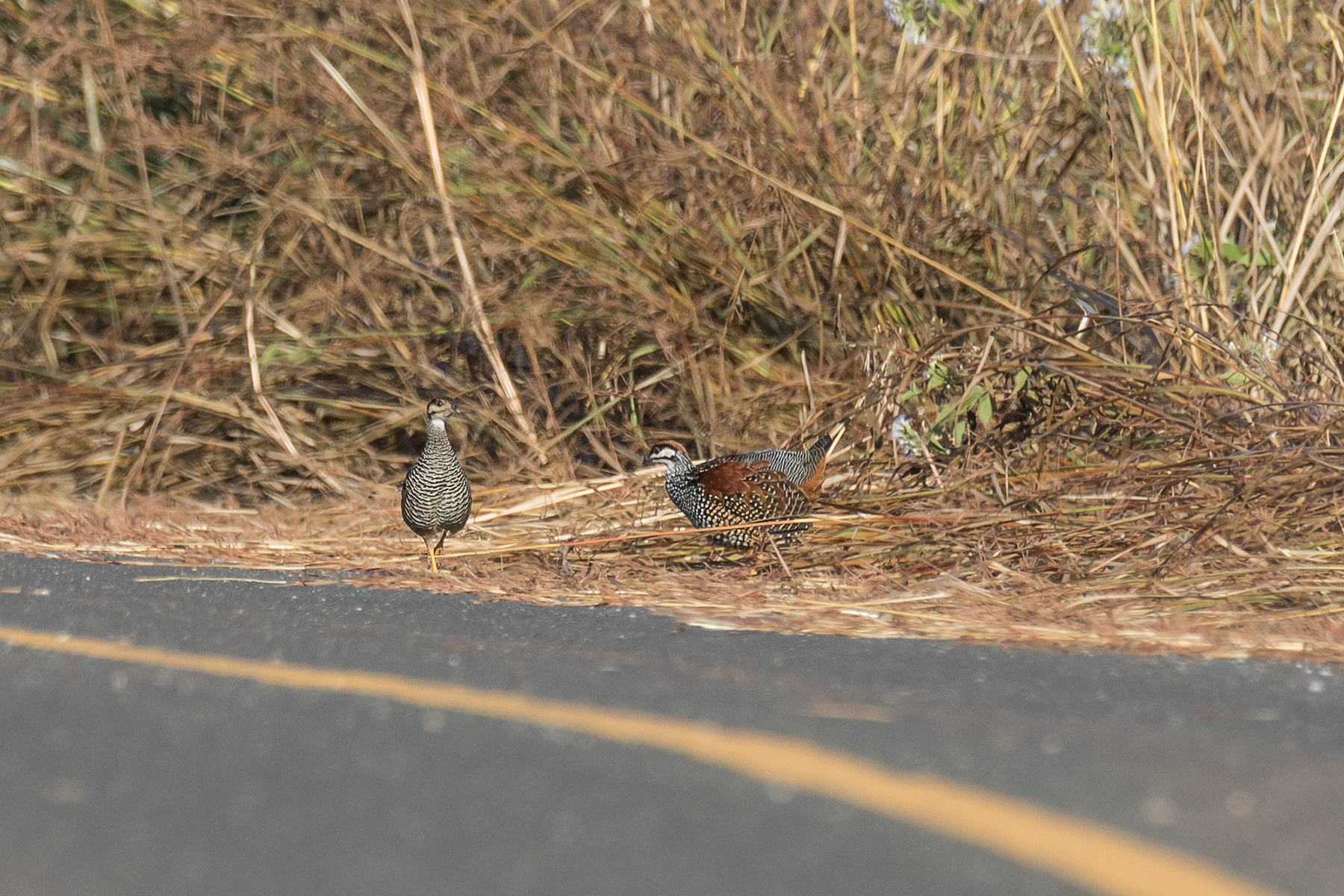
Chinese Francolin
Francolinus pintadeanus
中华鹧鸪
Introduction
The Chinese francolin (Francolinus pintadeanus) is a species of game bird in the family Phasianidae. It is native to Southeast Asia, ranging across Cambodia, China, India, Laos, Myanmar, Thailand, and Vietnam. It has been introduced to several locations including Mauritius, the Philippines, Madagascar, the United States, Chile, and Argentina. Its natural habitats consist of subtropical or tropical dry forest and subtropical or tropical moist lowland forest.
Description
This is a small to medium-sized francolin, with an average body length of 30–34 cm (12–13 inches) and weighing 280–400 g (9.9–14.1 oz). Females are slightly smaller than males. The species displays the typical compact, chicken-like appearance of francolins with a rounded body, short tail, and camouflaged plumage adapted to its forest floor habitat.
Distribution & Habitat
Native range extends across mainland Southeast Asia including Cambodia, China, India, Laos, Myanmar, Thailand, and Vietnam. Introduced populations have established in Mauritius, the Philippines, Madagascar, the United States, Chile, and Argentina. Inhabits subtropical and tropical forests, both dry and moist lowland varieties.
Behavior & Ecology
As a game bird, it forages on the forest floor, typical of francolin species. Details of specific diet, breeding behavior, social structure, and vocalizations are not provided in this article.
Conservation
No conservation status assessment or population information is provided in this article.
Culture
No cultural significance, folklore, or historical uses are mentioned in this article.
Source: Wikipedia · CC BY-SA 3.0
Taxonomy
- Order
- Galliformes
- Family
- Phasianidae
- Genus
- Francolinus
- eBird Code
- chifra1
Vocalizations
Subspecies (2)
-
Francolinus pintadeanus phayrei
dry scrub of northeastern India to Myanmar and Indochina
-
Francolinus pintadeanus pintadeanus
southeastern China and Hainan
Data Sources
Species description from Wikipedia, licensed under CC BY-SA 3.0.
Bird images and sounds sourced from GBIF, contributed by citizen scientists worldwide under Creative Commons licenses.
Taxonomy data from AviList 2025.