European Pied Flycatcher
Ficedula hypoleuca
斑姬鹟
Introduction
A small passerine bird in the Old World flycatcher family, one of four Western Palearctic black-and-white flycatcher species. It breeds across most of Europe and the Western Palearctic, migrating to winter mainly in tropical Africa. Inhabits deciduous woodlands, parks, and gardens with a preference for oak trees. Displays a mixed mating system of monogamy and polygyny (usually bigamy), with males practicing polyterritoriality. Insectivorous, feeding on flying insects, arthropods, and caterpillars. Classified as Least Concern by the IUCN due to its very large range and population size.
Description
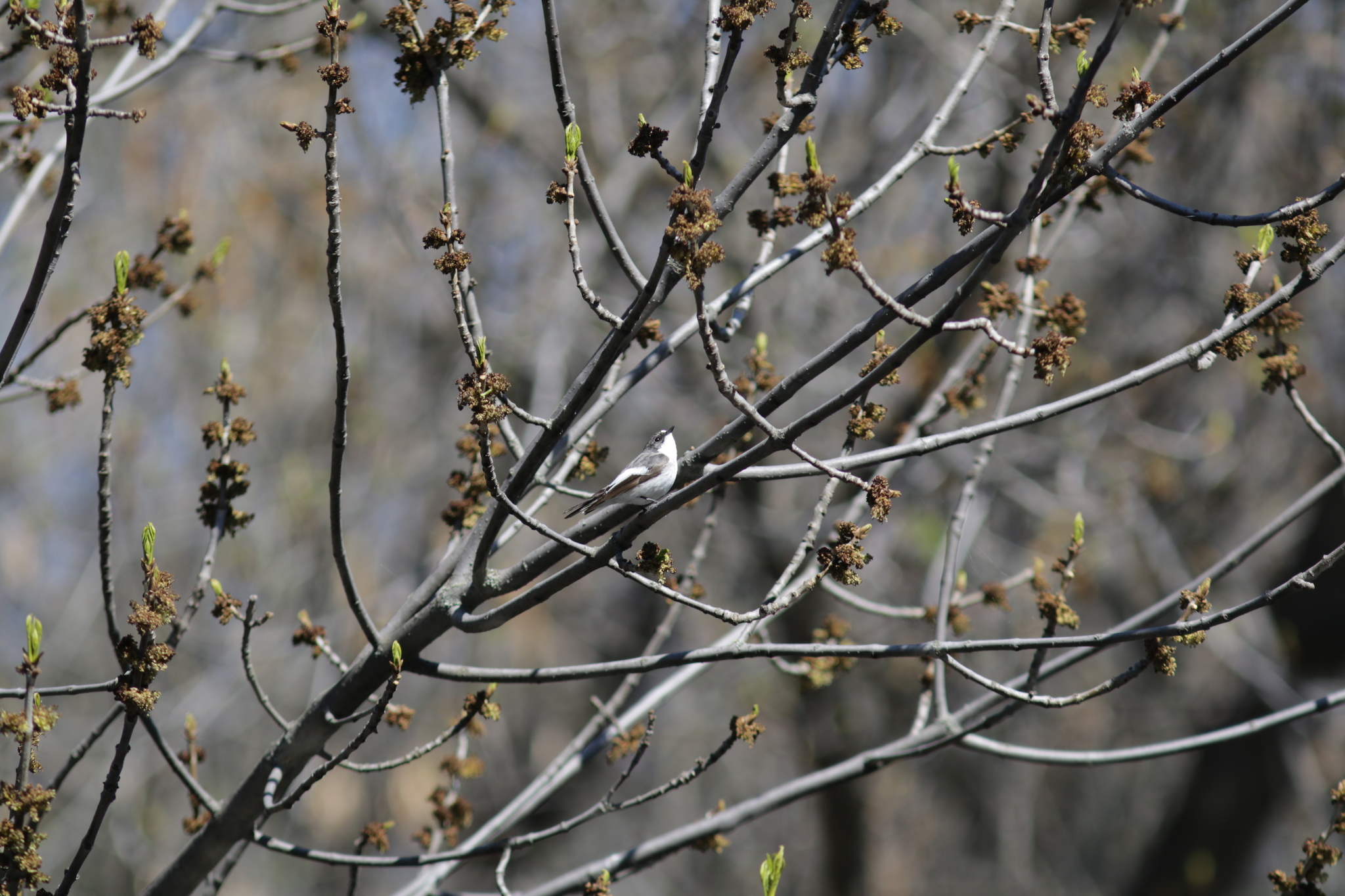
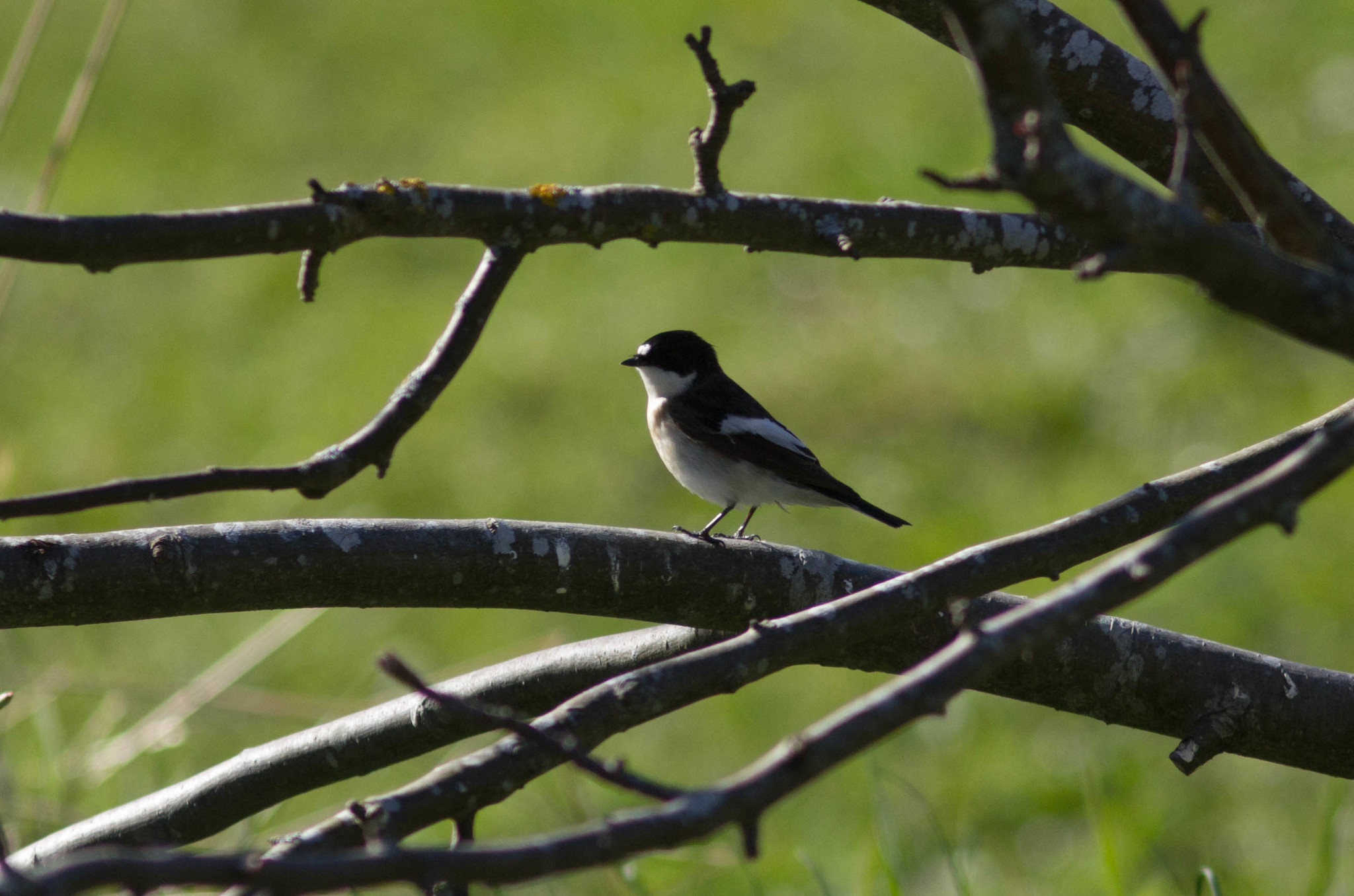
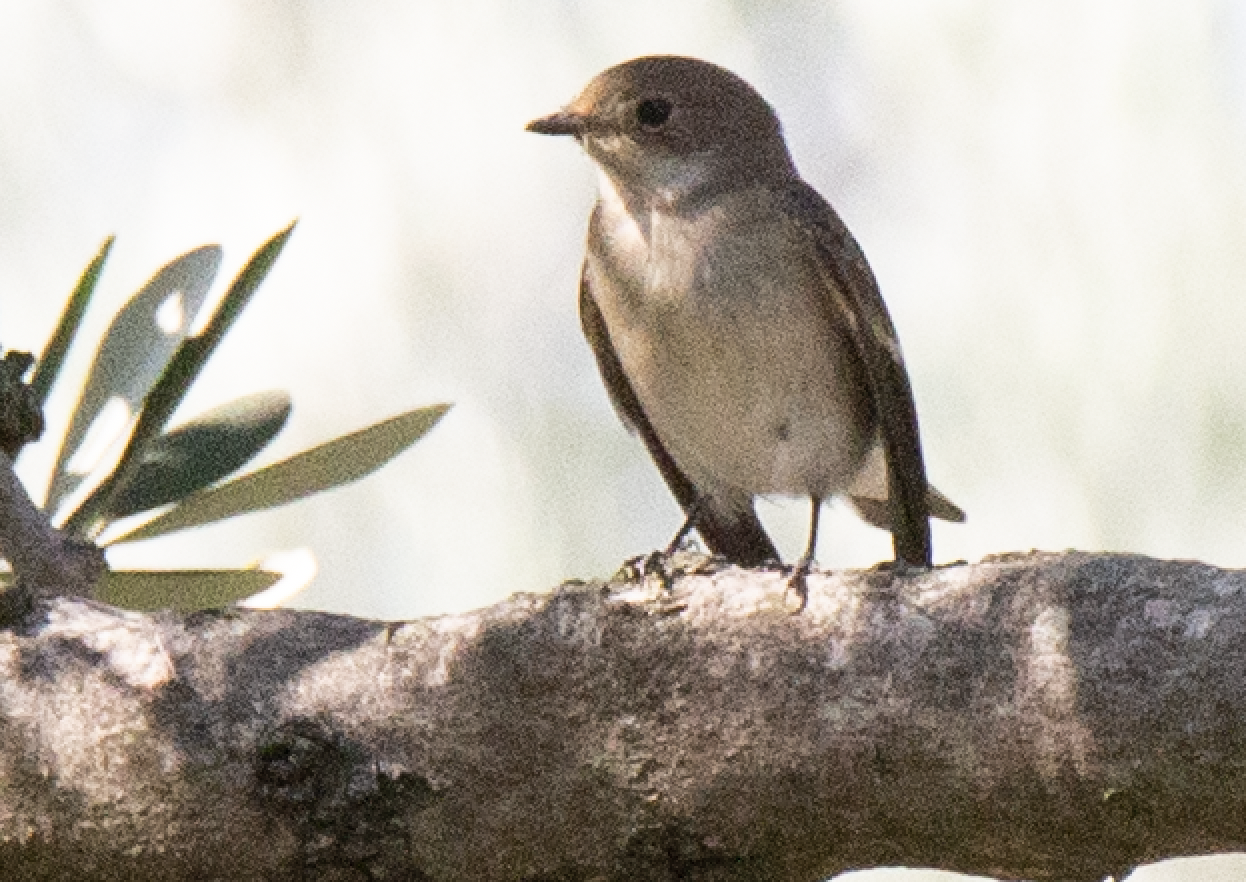
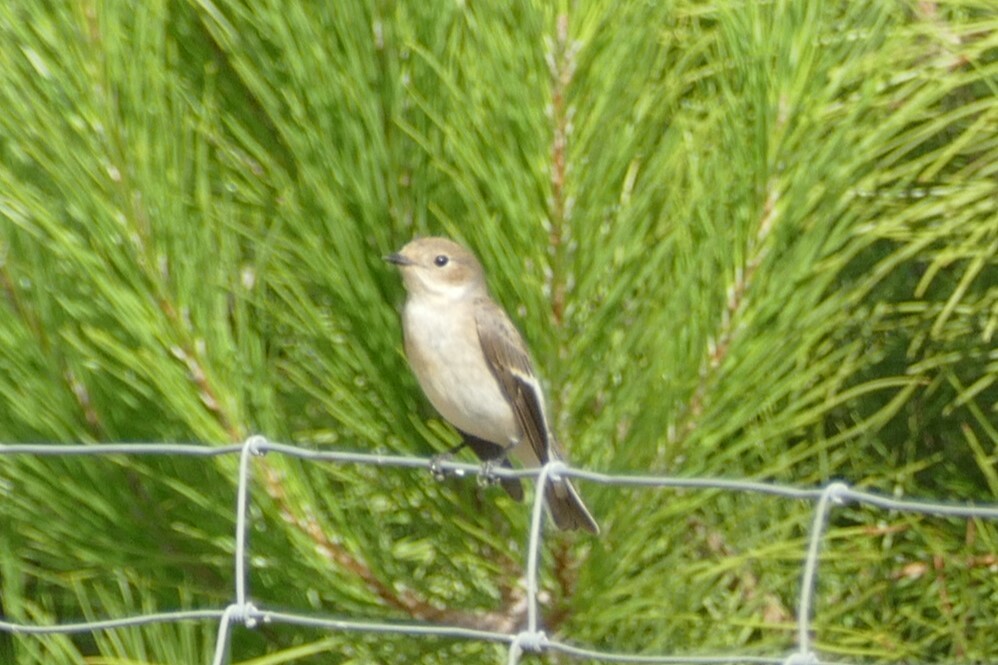
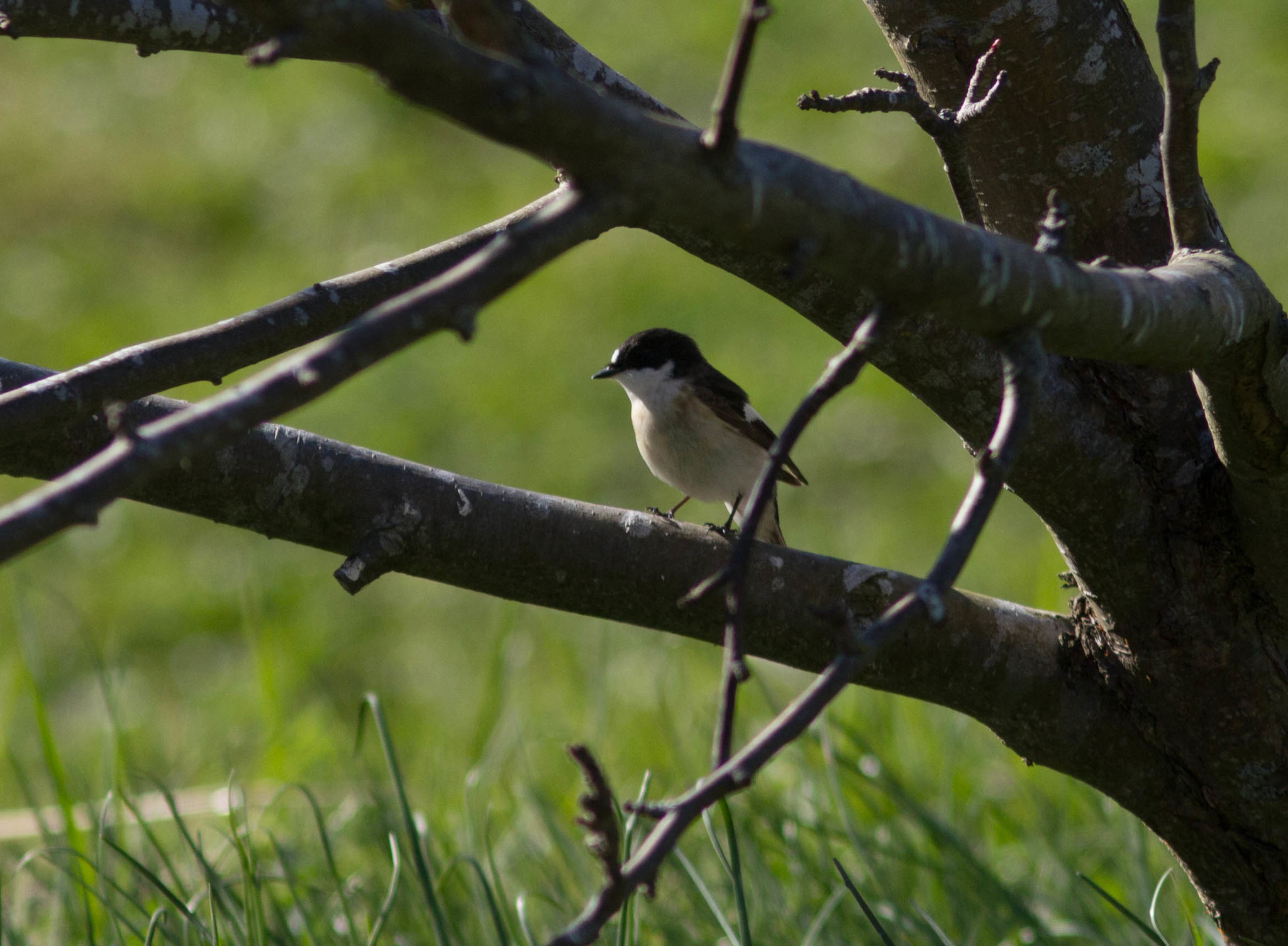
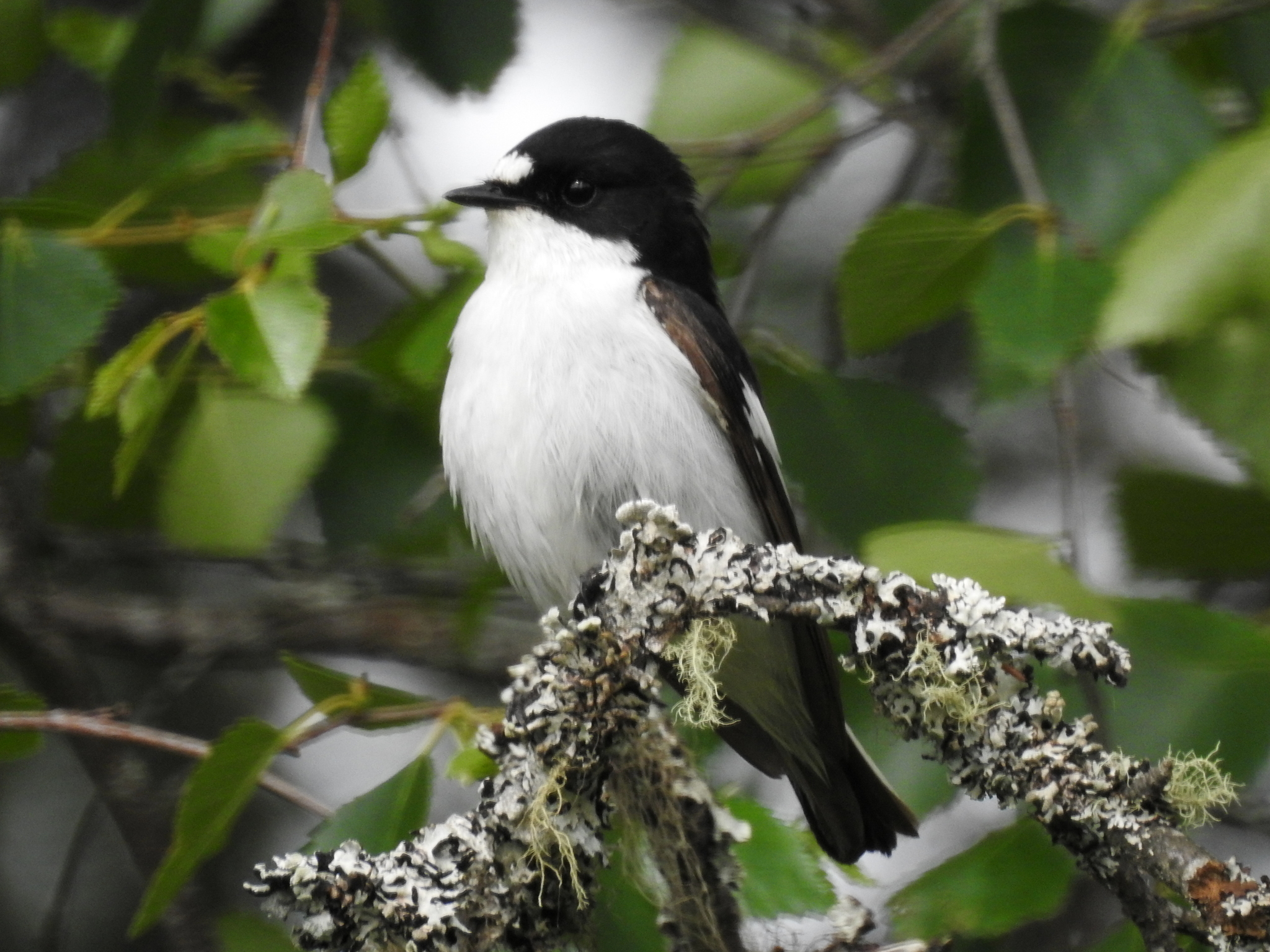
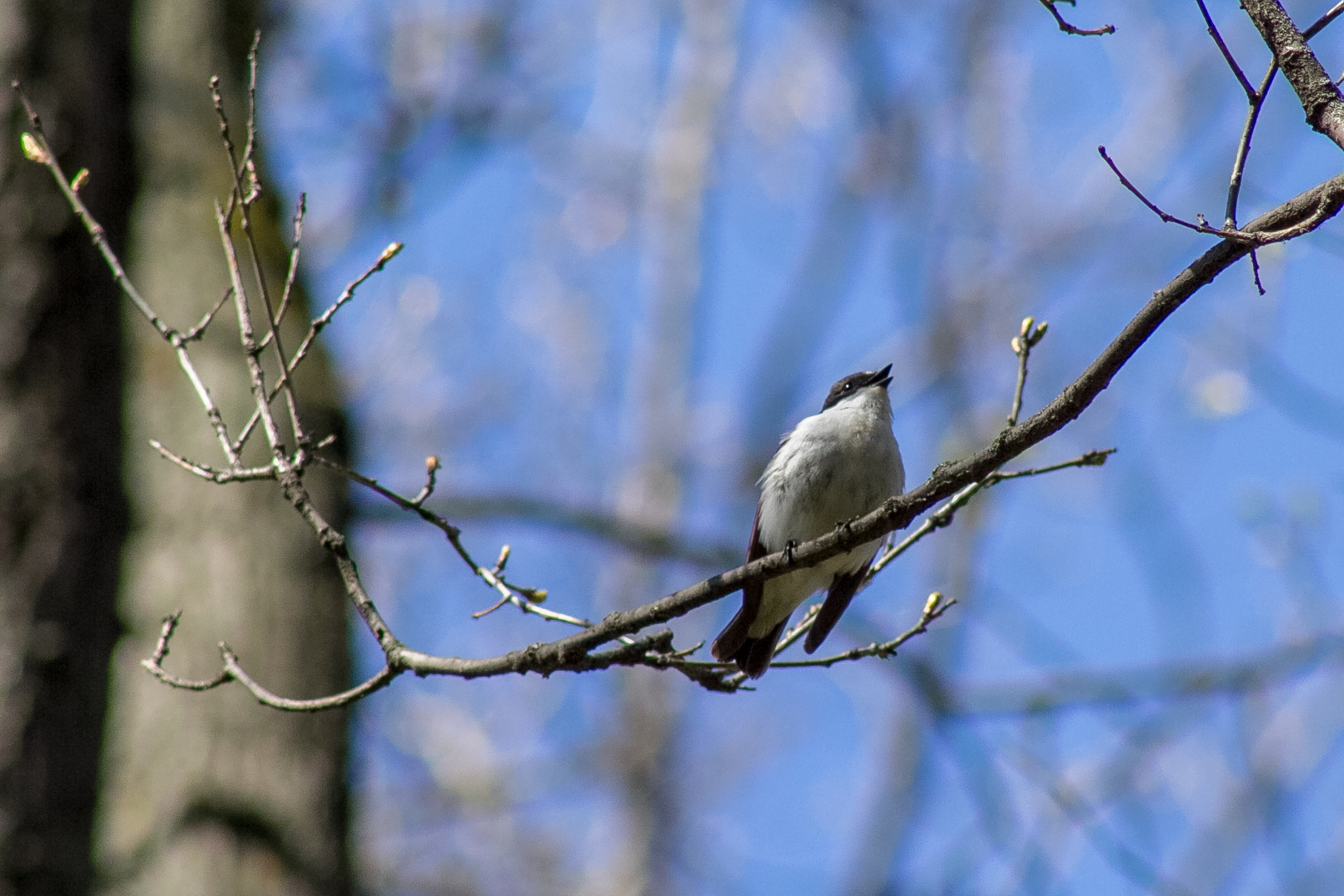
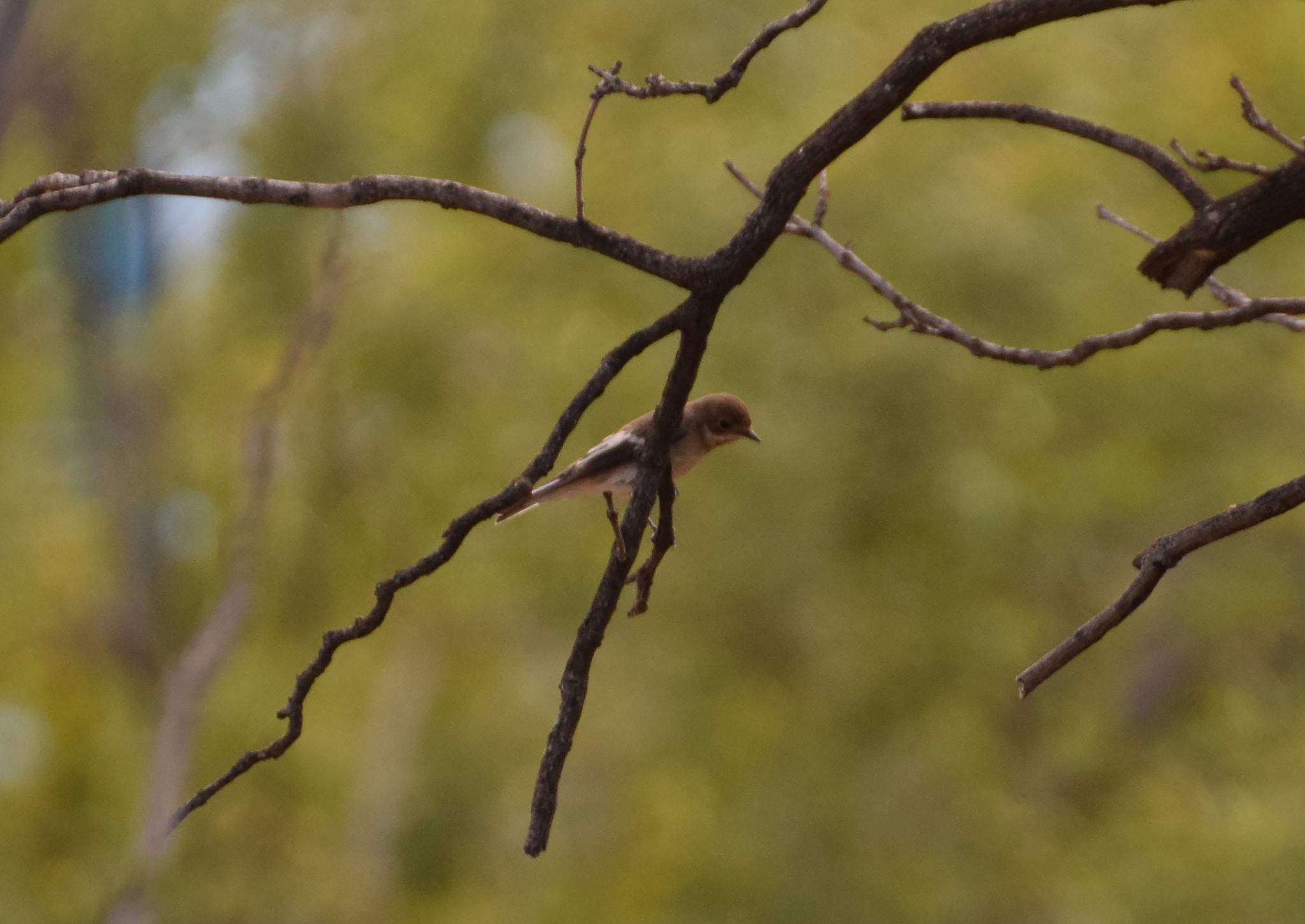
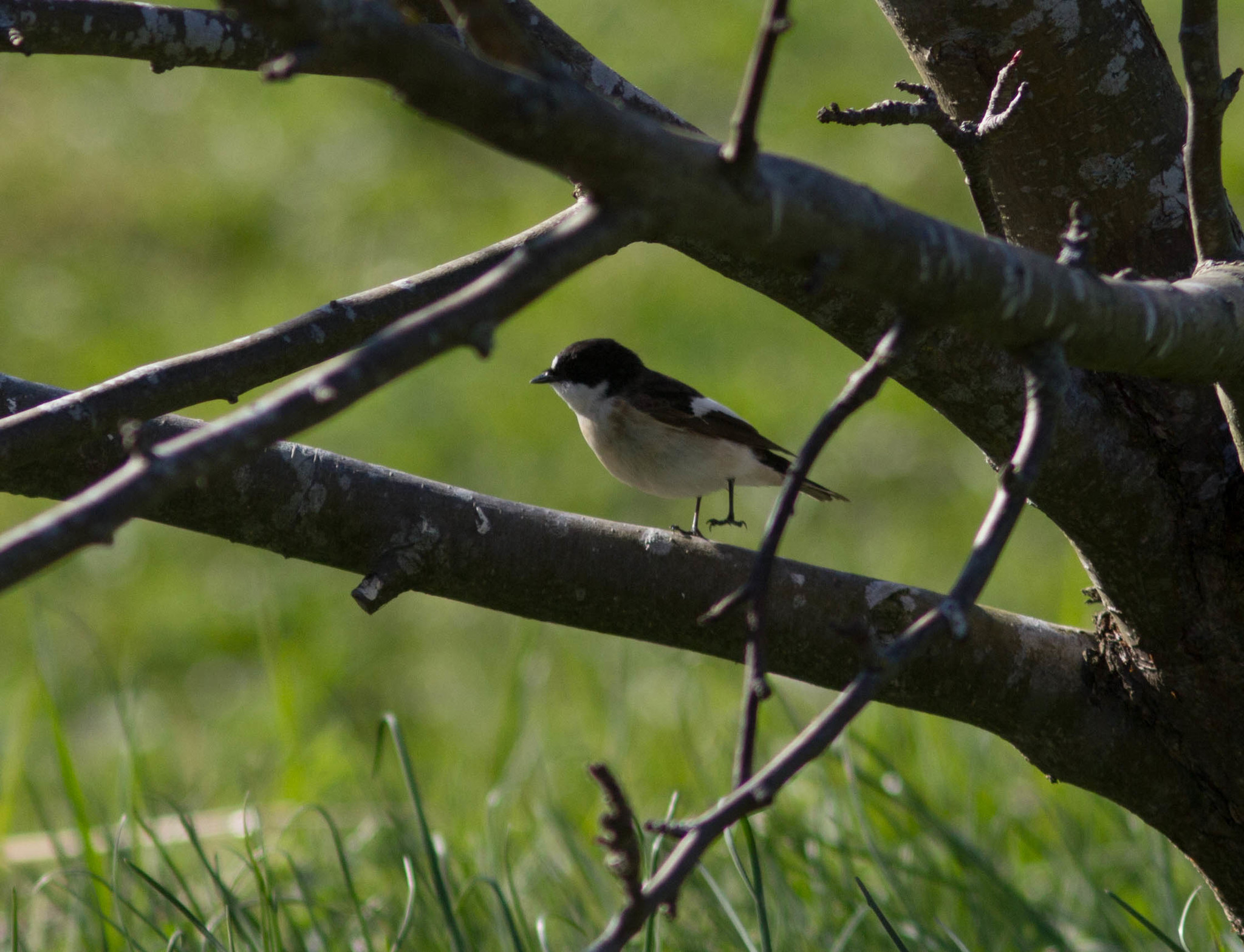
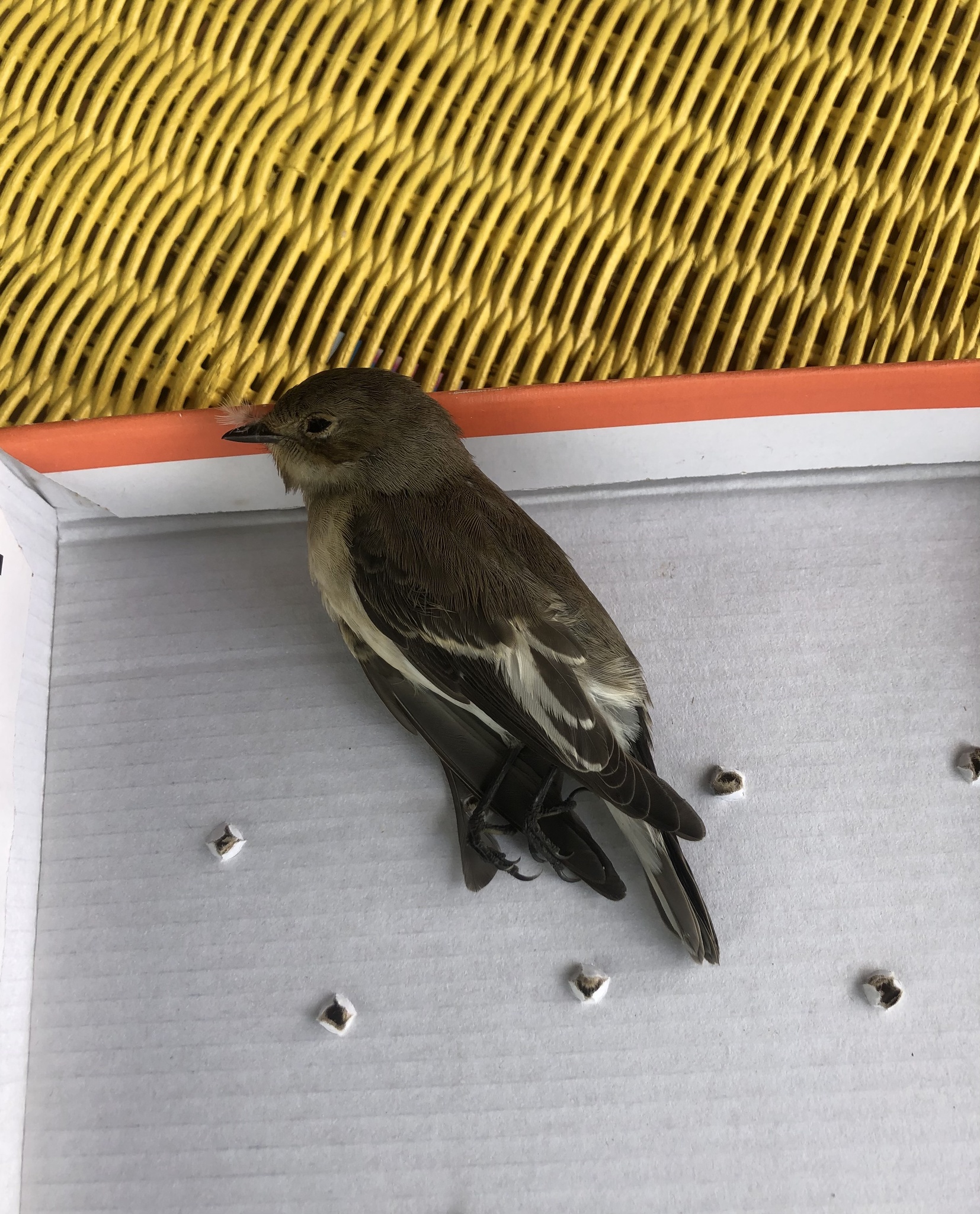
A compact flycatcher measuring 12-13.5 cm in length. The breeding male has glossy black upperparts and clean white underparts, with a bold white wing patch, white-sided tail, and small forehead patch. The bill is black and broad but pointed. Females and non-breeding males show brownish upperparts instead of black, making them harder to distinguish from similar species. The Iberian subspecies (F. h. iberiae) displays a larger forehead patch and pale rump. Clutch size ranges from 4-10 eggs.
Identification
Breeding males are distinctive with their black-and-white plumage and white wing patch. Non-breeding plumage is much more challenging to distinguish from the collared flycatcher and other Ficedula flycatchers, with which this species hybridizes to a limited extent. The large white wing patch and tail sides are key distinguishing features when visible. Best identified by combination of plumage pattern, habitat preference for oak woodland, and characteristic melodious song.
Distribution & Habitat
Breeds across Europe from Britain and Iberia eastwards through Scandinavia to Russia. The nominate subspecies occupies Britain, central Europe, and Scandinavia; F. h. iberiae is restricted to the Iberian Peninsula; F. h. tomensis occurs in eastern Europe and Russia. Winters in tropical Africa. A rare vagrant has been recorded in Sudan, Afghanistan, and other regions outside the normal range. Inhabits open forests, woodlands, parks, and gardens. The European population was estimated at 3-7 million pairs in 2005.
Behavior & Ecology
Primarily insectivorous, feeding on ants, bees, wasps, beetles, flies, spiders, caterpillars, and other arthropods. Takes prey in flight, from foliage, tree trunks, and ground. Builds open nests in tree holes, readily using nest boxes. Practices successive polygyny with males establishing secondary territories 200-3,500 meters from the primary nest site. Males typically return to assist the primary female after acquiring a second mate. Average breeding dispersal between successive nests is 52-133 meters. Produces one brood per season. Song is loud, rhythmic, and melodious; contact call is a short whistle 'whit, wit, wit'.
Conservation
IUCN status: Least Concern. However, populations have declined by approximately 25% over the last 25 years. Has ceased breeding in several parts of its British range and is a very rare, irregular breeder in Ireland. Dutch populations have declined by 90% due to mistiming of nestling peaks with caterpillar availability. Threats include habitat loss, climate change affecting food availability, and changes in woodland management. Conservation actions focus on maintaining mature oak woodland with high horizontal visibility and natural tree holes.
Culture
No significant cultural or folklore associations documented.
Source: Wikipedia · CC BY-SA 3.0
Taxonomy
- Order
- Passeriformes
- Family
- Muscicapidae
- Genus
- Ficedula
- eBird Code
- eupfly1
Subspecies (3)
-
Ficedula hypoleuca hypoleuca
breeds British Isles and northern Europe to western Siberia; winters to tropical Africa
-
Ficedula hypoleuca iberiae
breeds Iberian Peninsula; winters in western Africa
-
Ficedula hypoleuca sibirica
breeds taiga of western Siberia (Ural Mountains to Yenisey River); winters to eastern Africa
Data Sources
Species description from Wikipedia, licensed under CC BY-SA 3.0.
Bird images and sounds sourced from GBIF, contributed by citizen scientists worldwide under Creative Commons licenses.
Taxonomy data from AviList 2025.