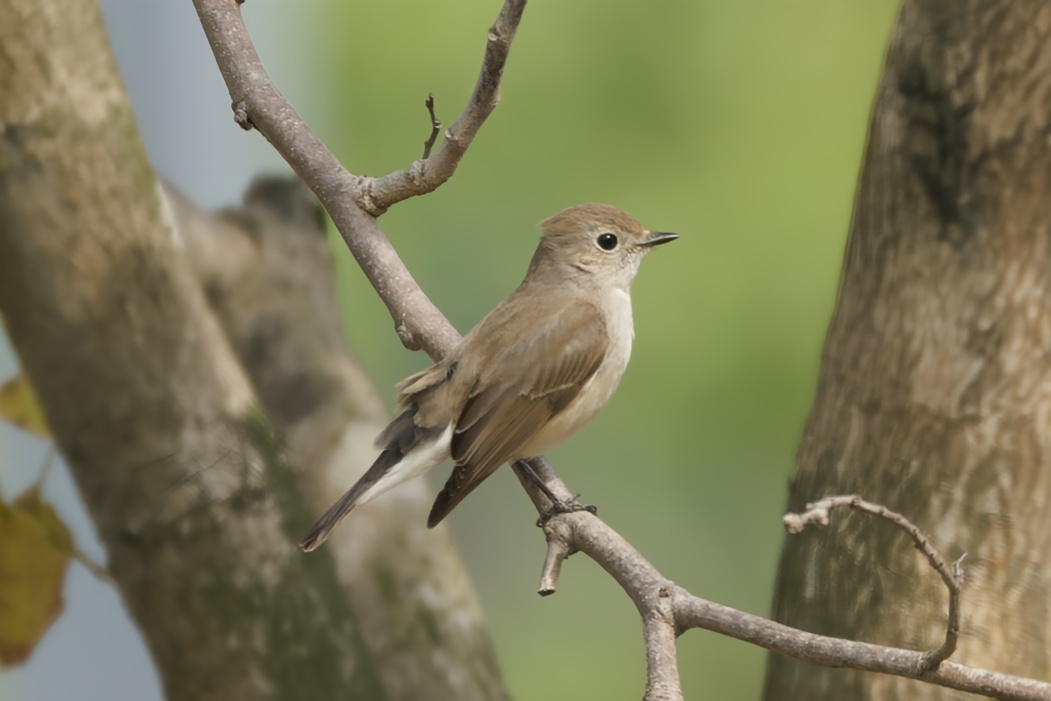
Taiga Flycatcher
Ficedula albicilla
红喉姬鹟
Introduction
This migratory species breeds in northern Eurasia and winters in South and Southeast Asia. It sallies from perches to catch flying insects, returning to the same or nearby perches, in the manner typical of Old World flycatchers. It was separated from the red-breasted flycatcher relatively recently; the two were long considered conspecific. In its breeding range across Siberia and northern Mongolia, this bird inhabits the taiga zone, favouring coniferous and mixed forest edges and clearings. It winters in India, Bangladesh, and Thailand. Western European records occur as rare vagrants in countries such as Britain and France during autumn migration.
Description
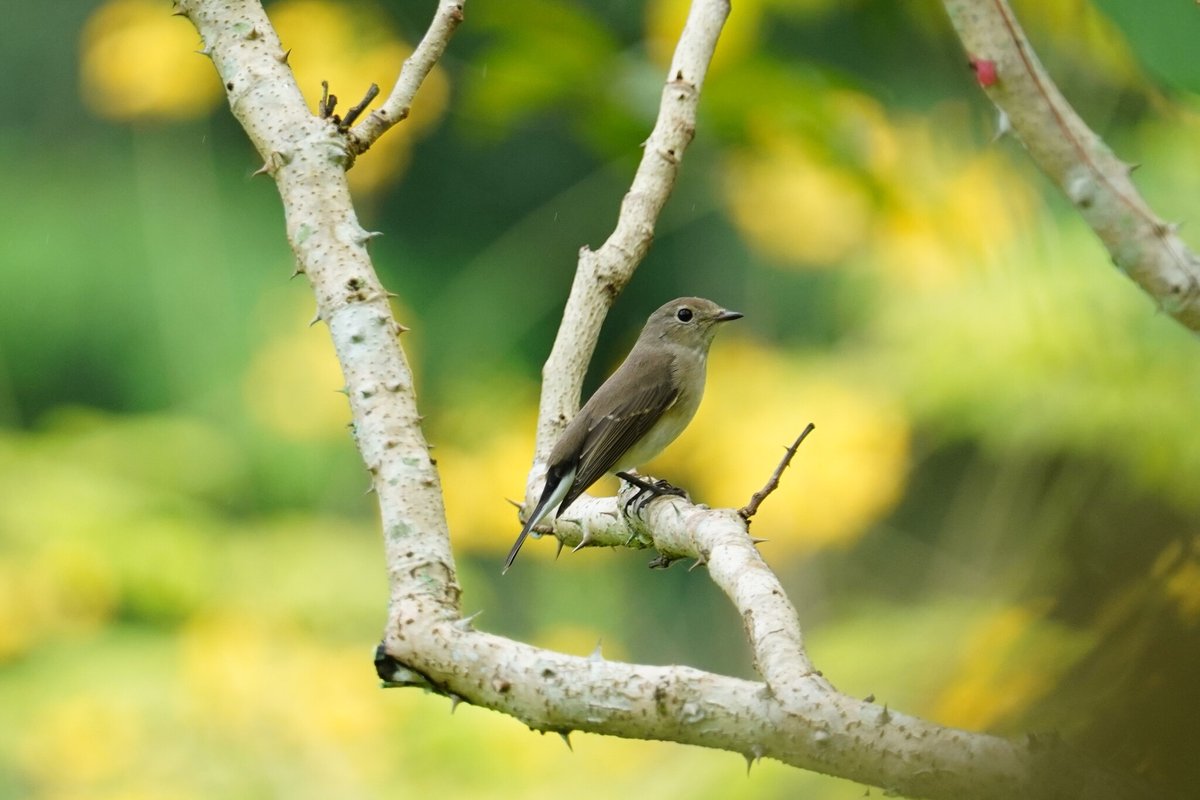
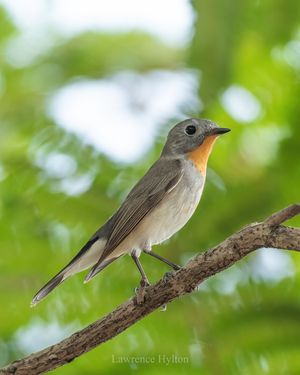
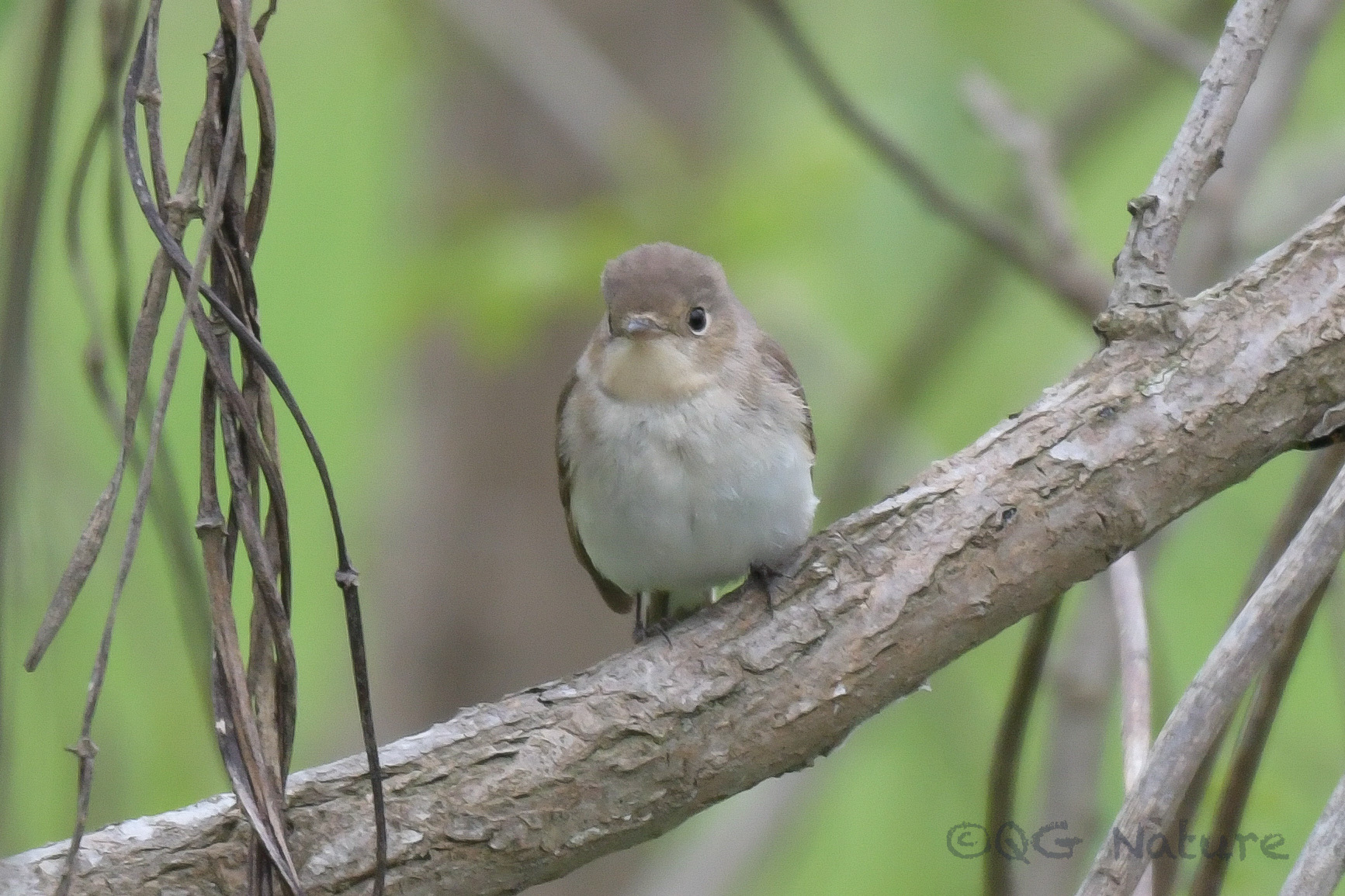
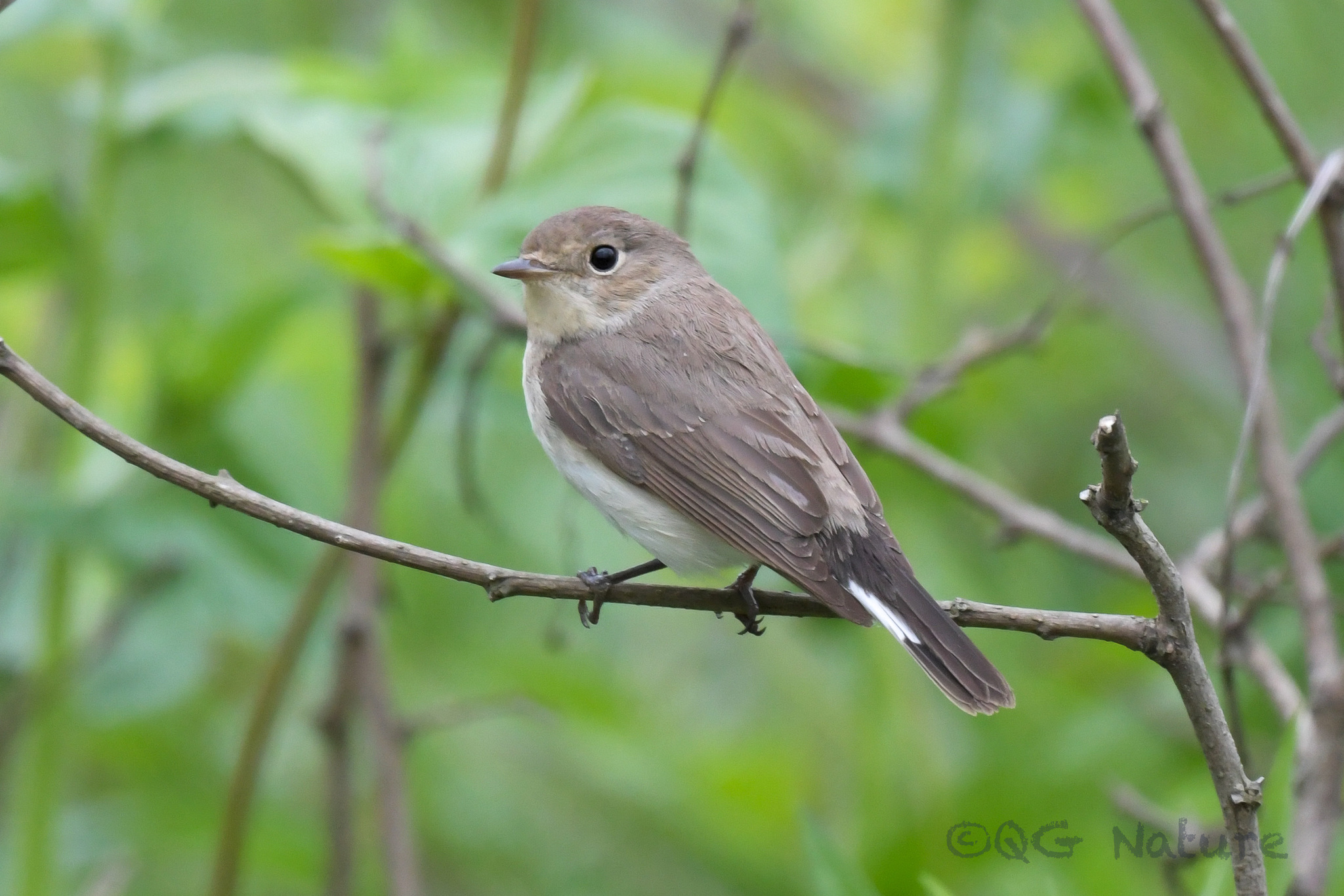
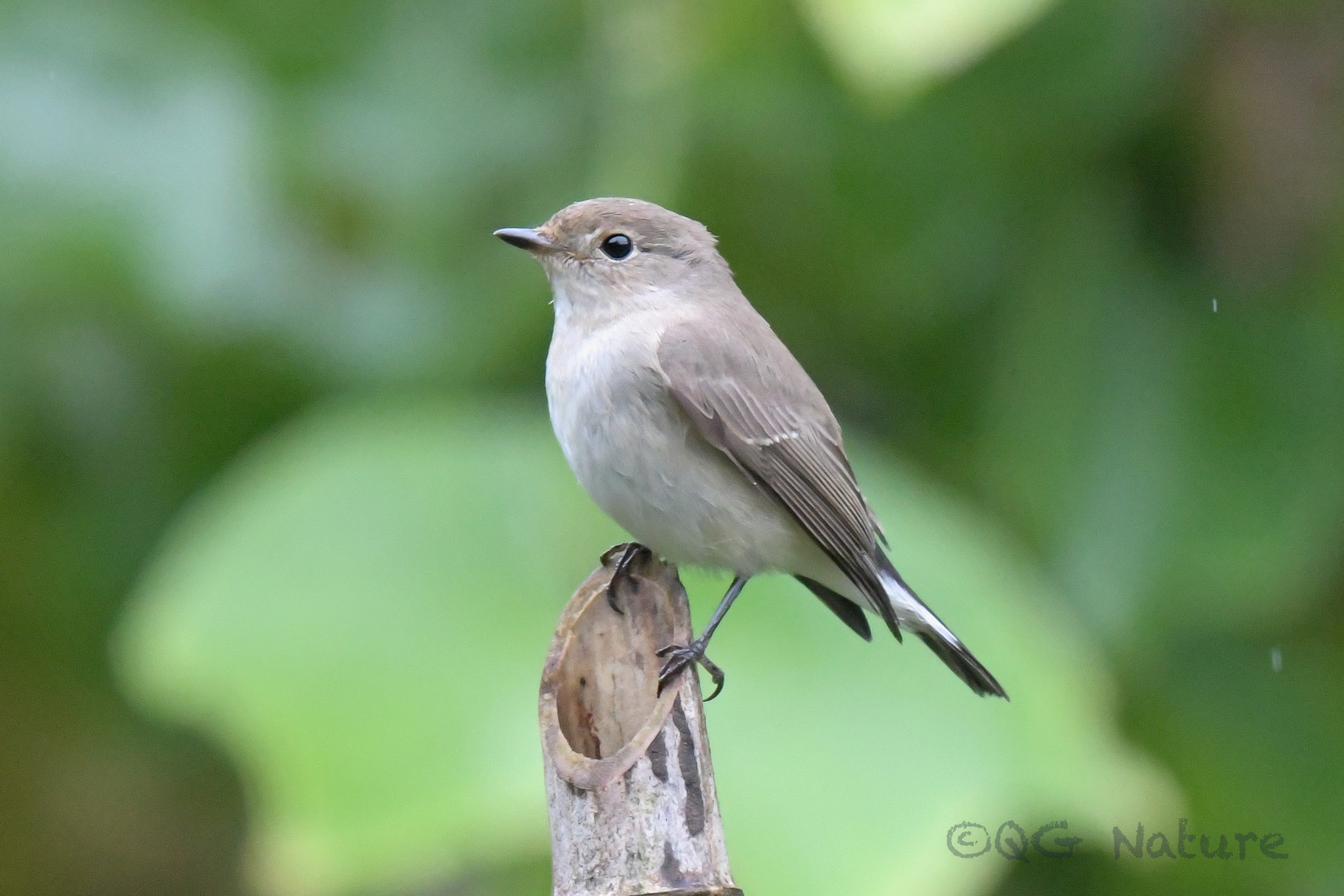
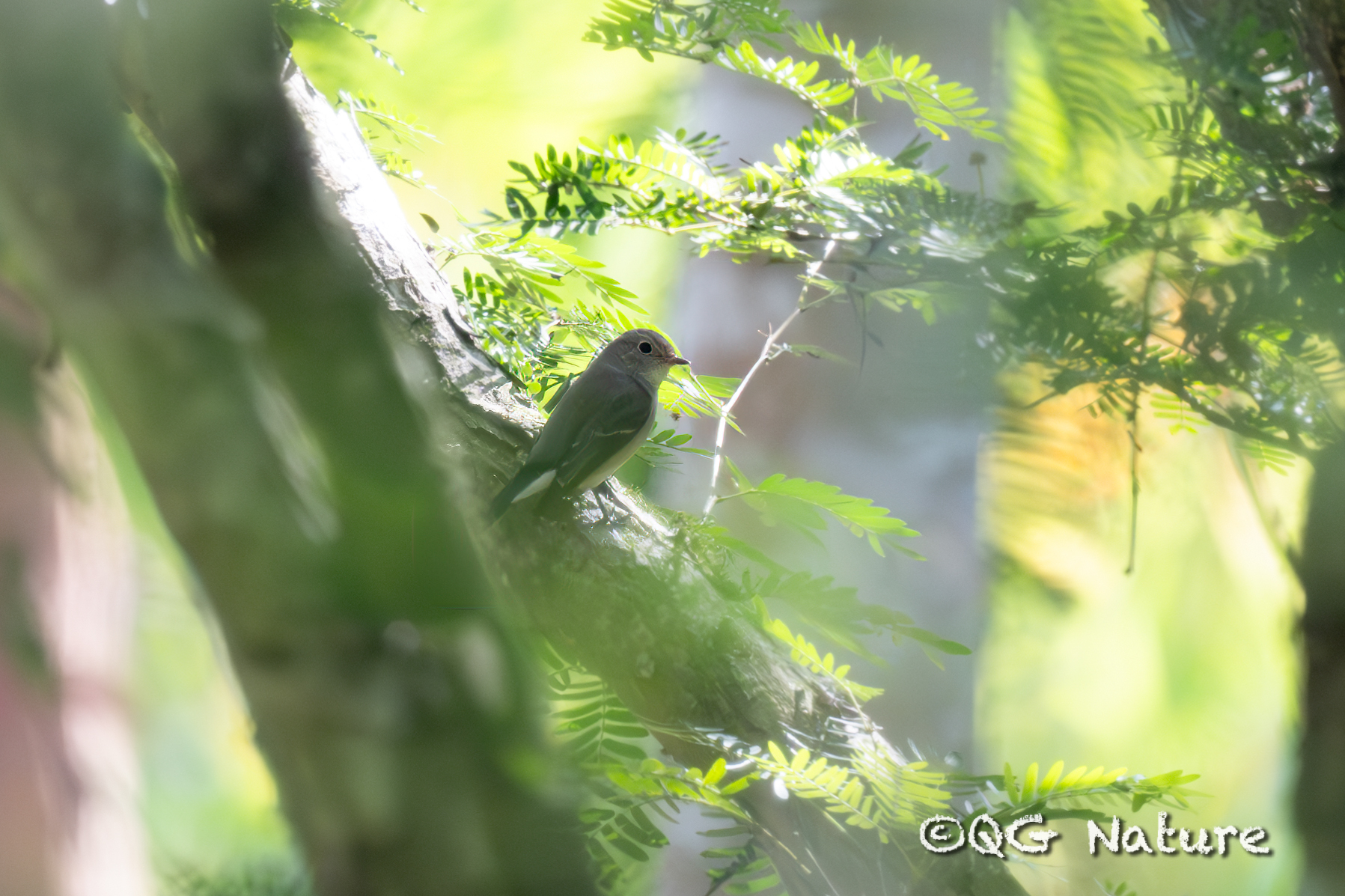
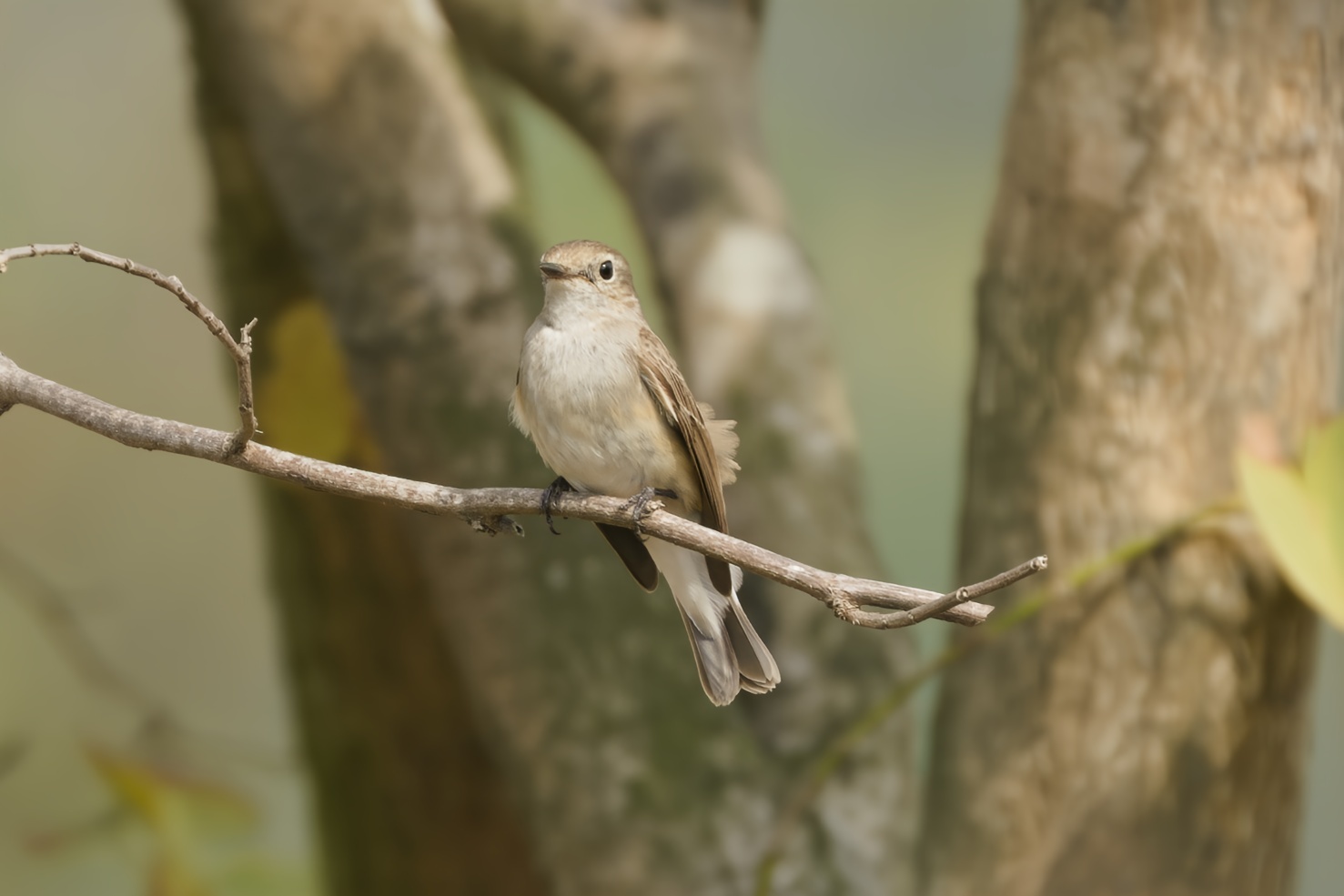
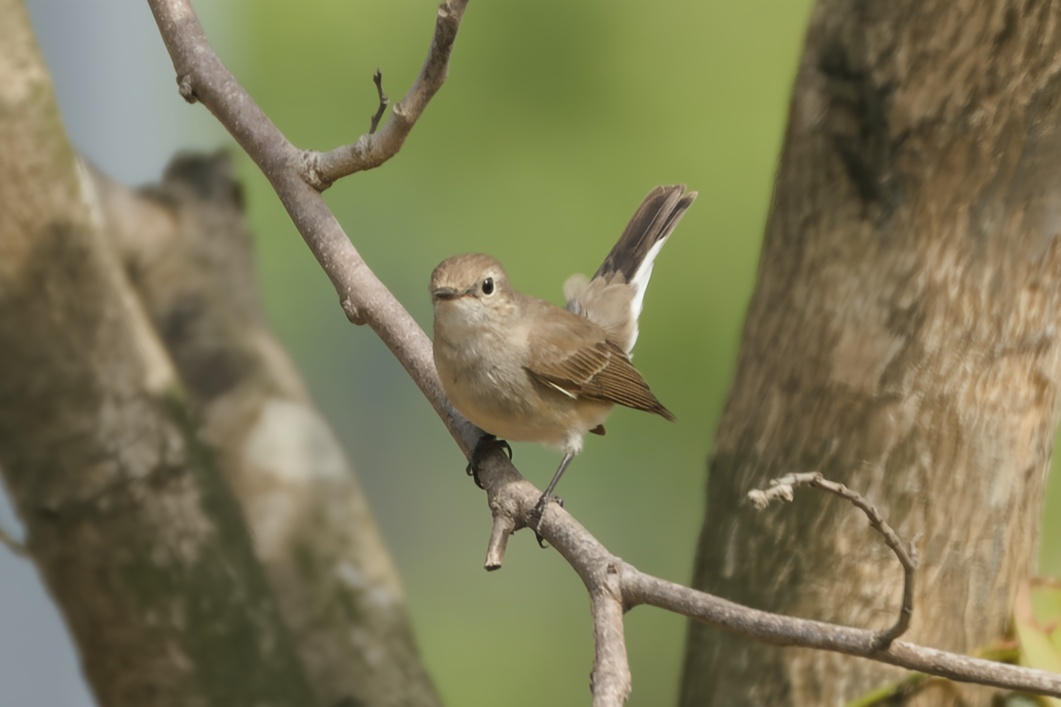
This is a small, compact flycatcher measuring approximately 12-13 centimetres in length with a relatively short tail. The female exhibits warm brown upperparts with a distinctive blackish tail edged in white, creating a noticeable contrast. Her underparts are mostly white with a buffish wash across the breast. The male is more strikingly coloured, with blue-tinged grey ear coverts and sides of the neck, while breeding males display a vivid orange-red patch on the throat that serves as a key field mark.
Identification
Separating this species from the similar red-breasted flycatcher requires careful attention to plumage details. The most reliable distinguishing feature involves the tail: the female taiga flycatcher shows a blackish tail with conspicuous white edges, whereas the female red-breasted flycatcher has a uniformly brown tail. Males are distinguished by the extent of red coloration: the taiga flycatcher male has red restricted to the throat area, while the red-breasted flycatcher male shows red extending down onto the breast. Both species share similar habits and habitat preferences, so observation of tail pattern and male plumage is essential for correct identification.
Distribution & Habitat
The breeding range extends across the taiga zone of northern Eurasia, from eastern Russia through Siberia to Mongolia. During winter, this migratory species travels to South and Southeast Asia, being recorded in Bangladesh, Bhutan, India, Cambodia, Laos, Myanmar, Nepal, Malaysia, Thailand, China, Vietnam, and Japan. It inhabits taiga forest environments in its breeding grounds, favouring coniferous and mixed forest edges and clearings. Occasional vagrants reach western Europe.
Behavior & Ecology
The article provides limited information on the specific behavior of this species. Like other members of the family Muscicapidae, it is an active insectivore that typically hunts by sallying from exposed perches to catch flying insects in the air. It probably exhibits typical flycatcher breeding behaviour, establishing territories in forest clearings and edges.
Conservation
The article does not contain specific information about the conservation status, population trends, or threats facing this species.
Culture
The article does not contain information about cultural significance or folklore associated with this species.
Source: Wikipedia · CC BY-SA 3.0
Taxonomy
- Order
- Passeriformes
- Family
- Muscicapidae
- Genus
- Ficedula
- eBird Code
- taifly1
Distribution
breeds Siberia to Kamchatka and northern Mongolia; winters to Borneo
Vocalizations
Data Sources
Species description from Wikipedia, licensed under CC BY-SA 3.0.
Bird images and sounds sourced from GBIF, contributed by citizen scientists worldwide under Creative Commons licenses.
Taxonomy data from AviList 2025.