Gyrfalcon
Falco rusticolus
矛隼
Introduction
Largest species in the falcon family (Falconidae), belonging to the genus Falco. Breeds on Arctic coasts and tundra across northern North America and Siberia, where it is primarily resident. Highly polymorphic species with plumage ranging from all-white to dark brown. Shows extreme sexual dimorphism, with females substantially larger than males. Listed as Least Concern on the IUCN Red List after being classified as Near Threatened until 1994.
Description
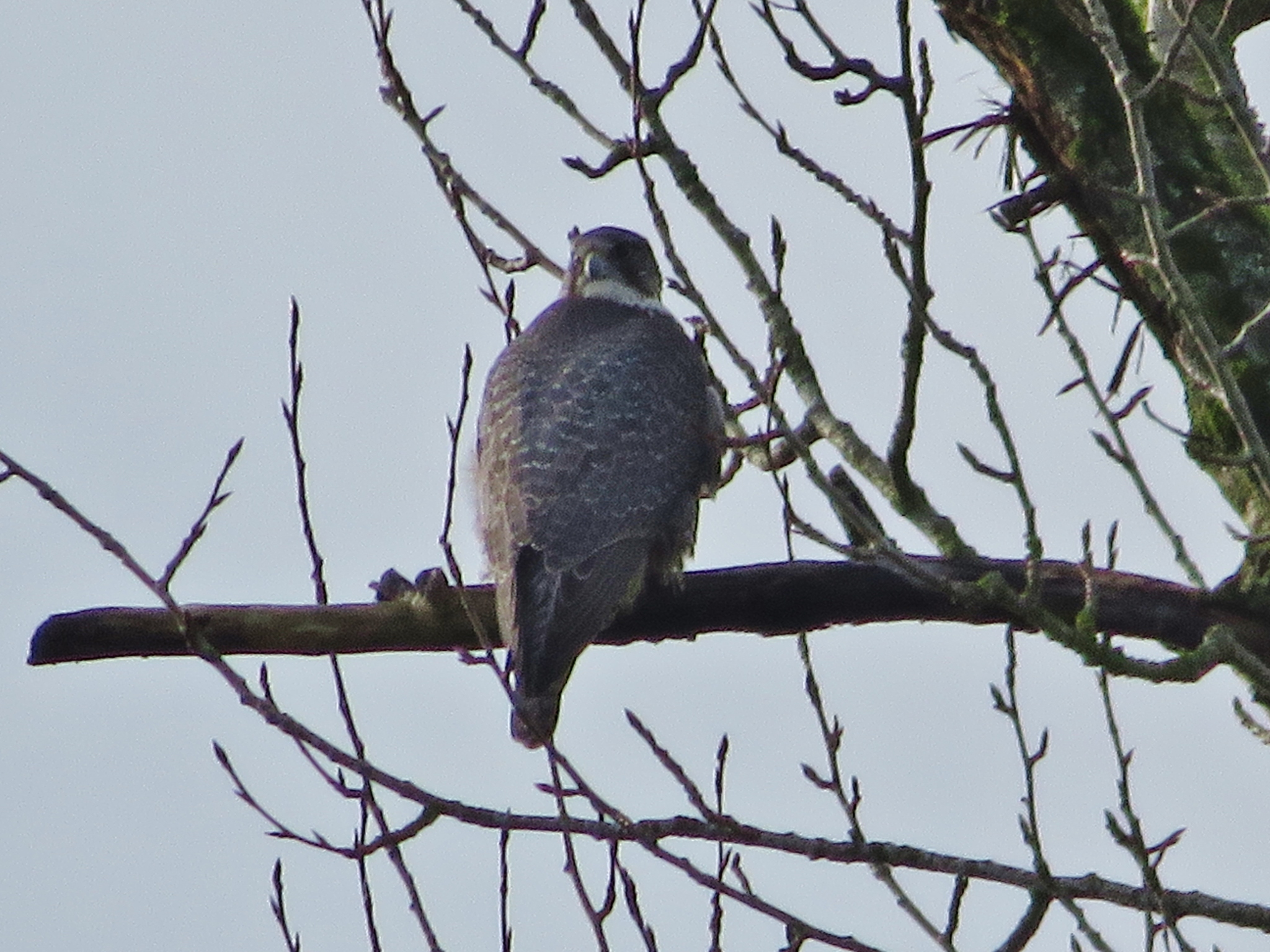
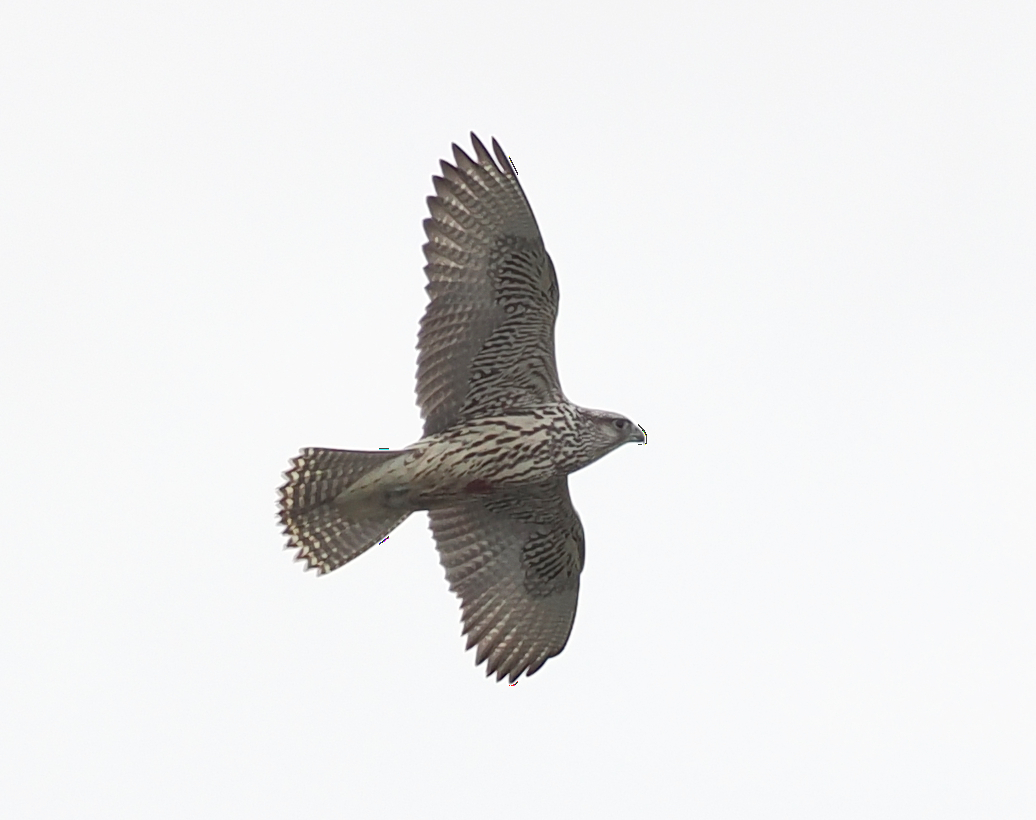
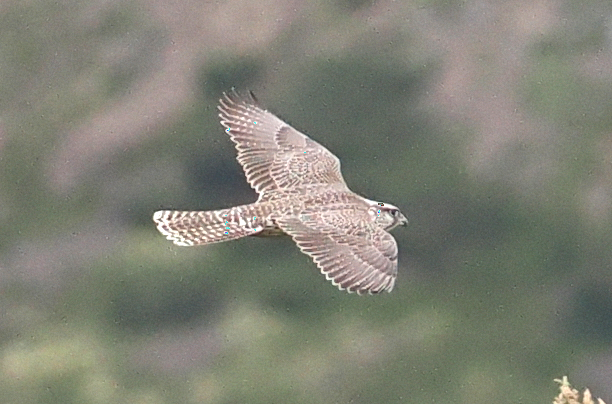
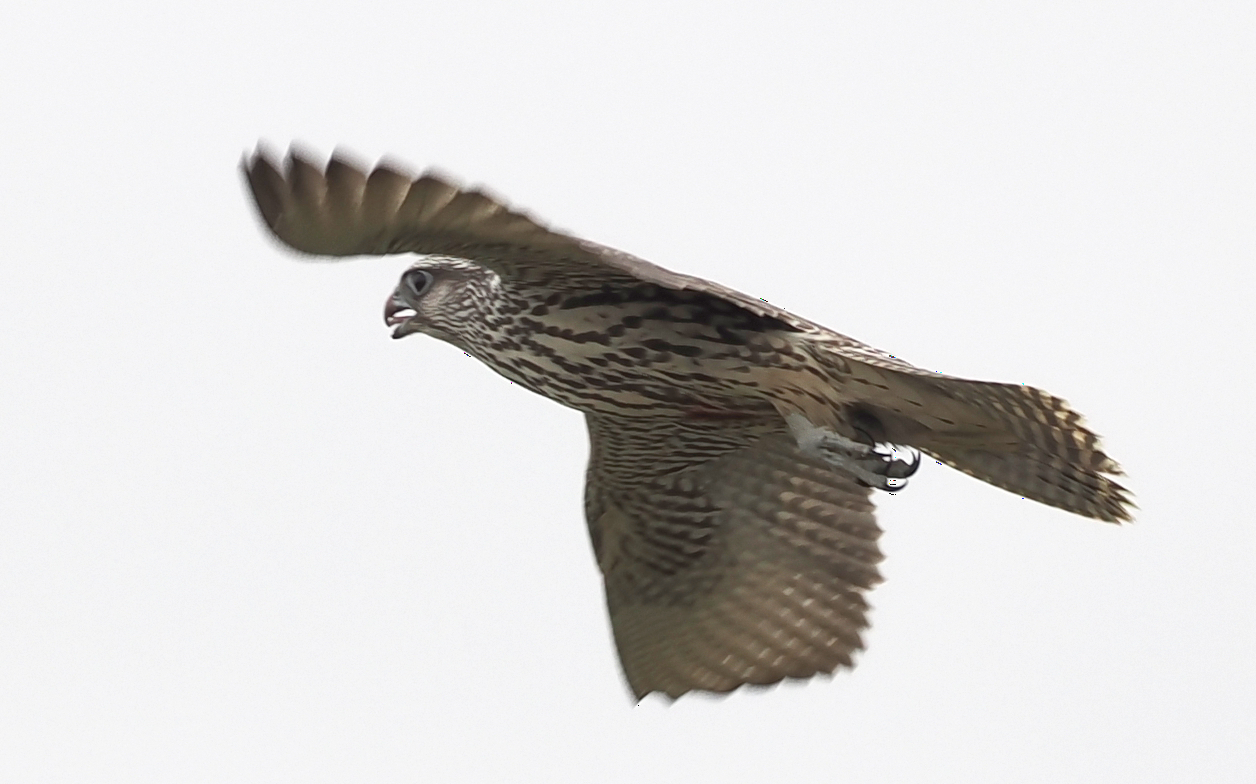
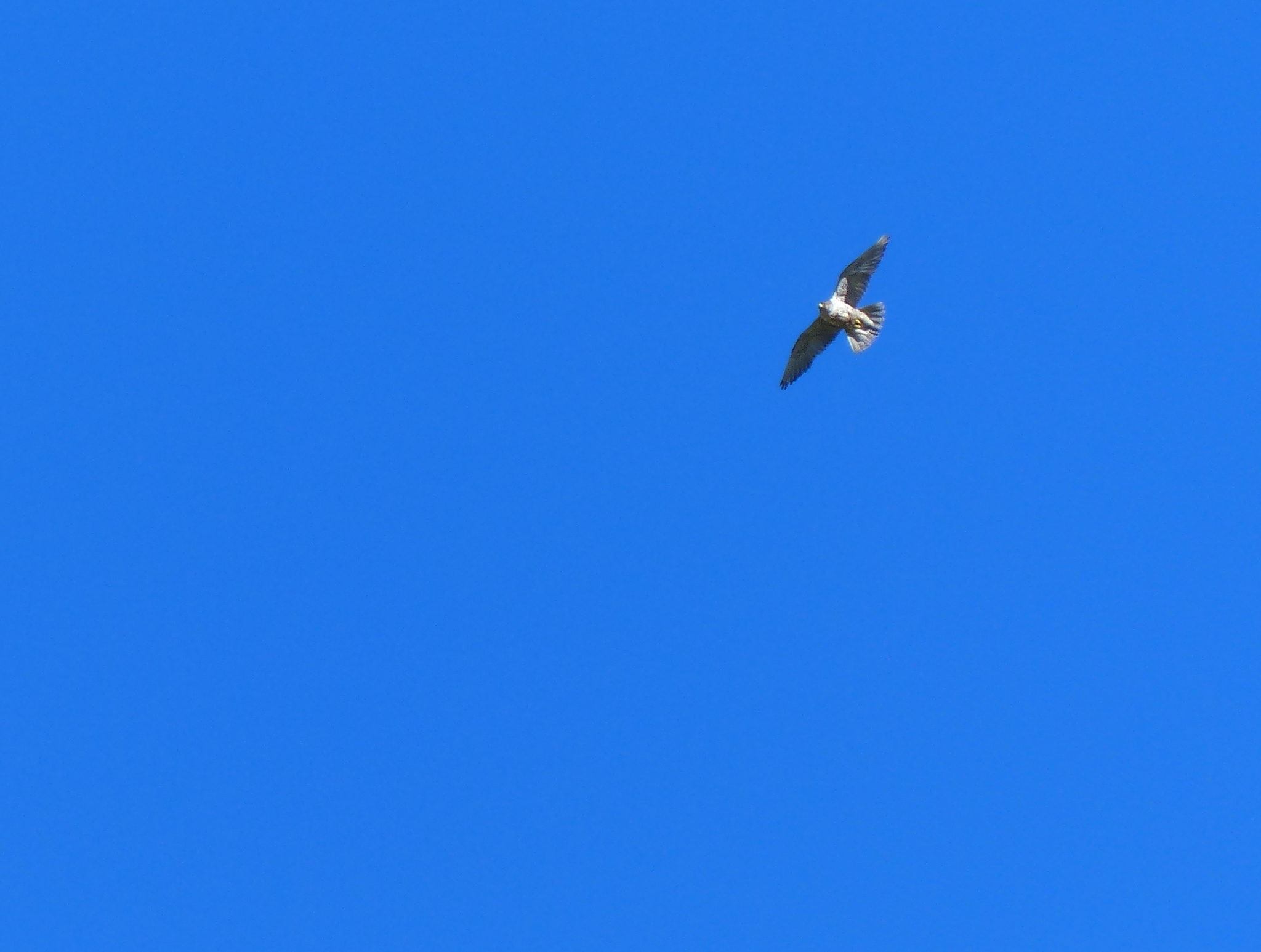
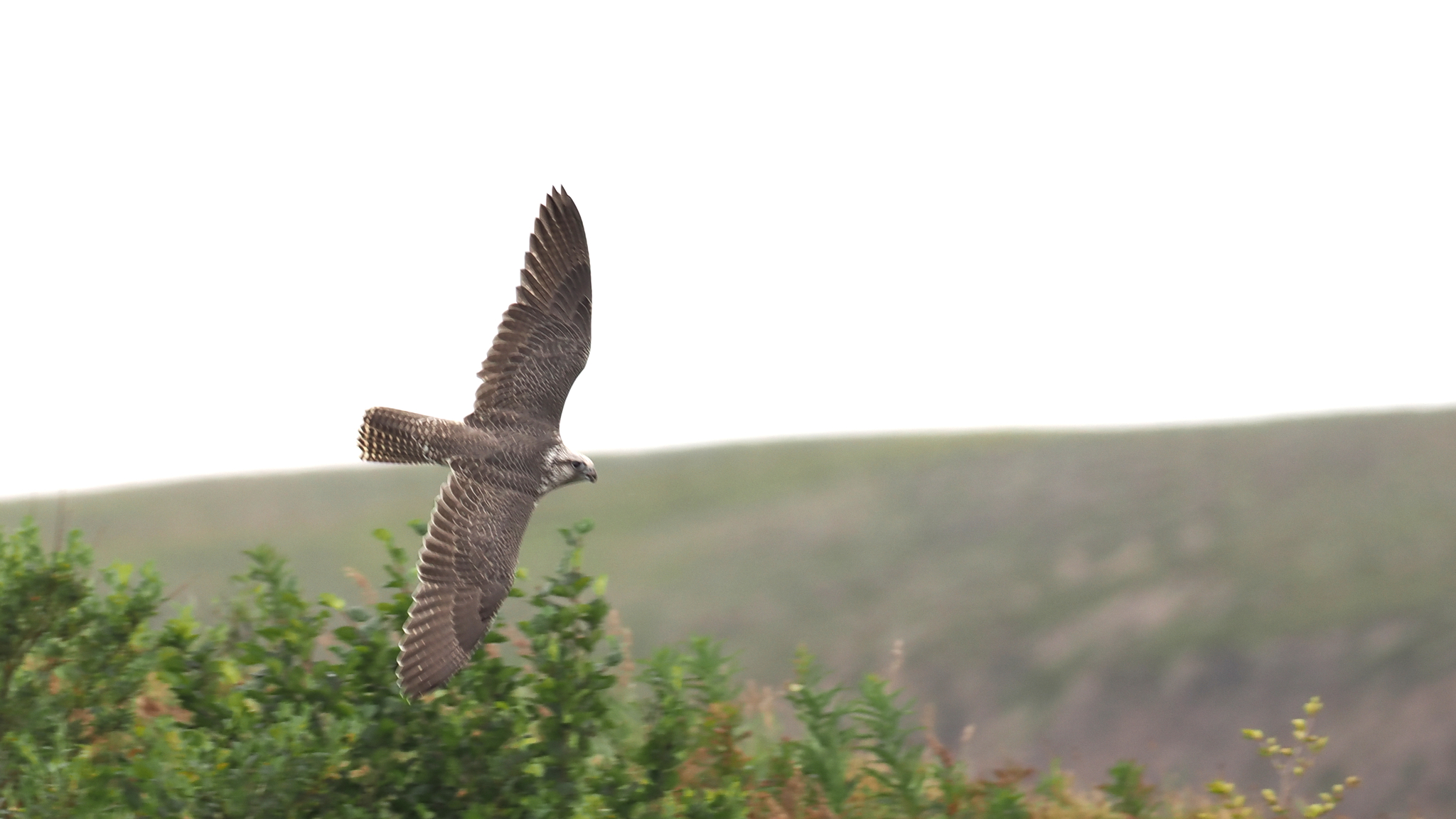
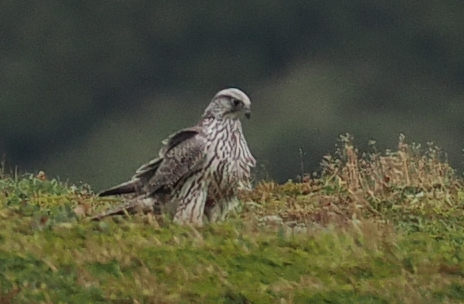
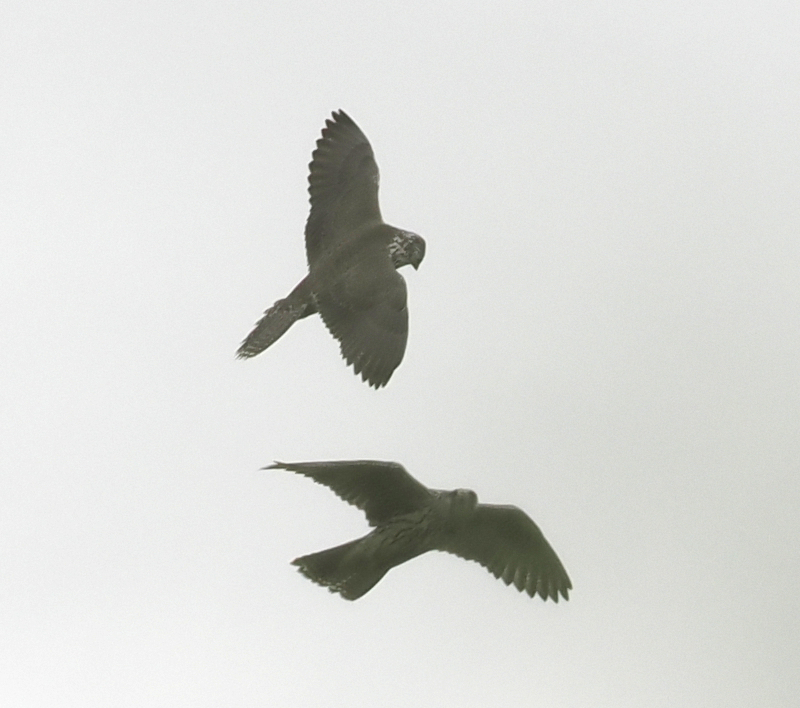
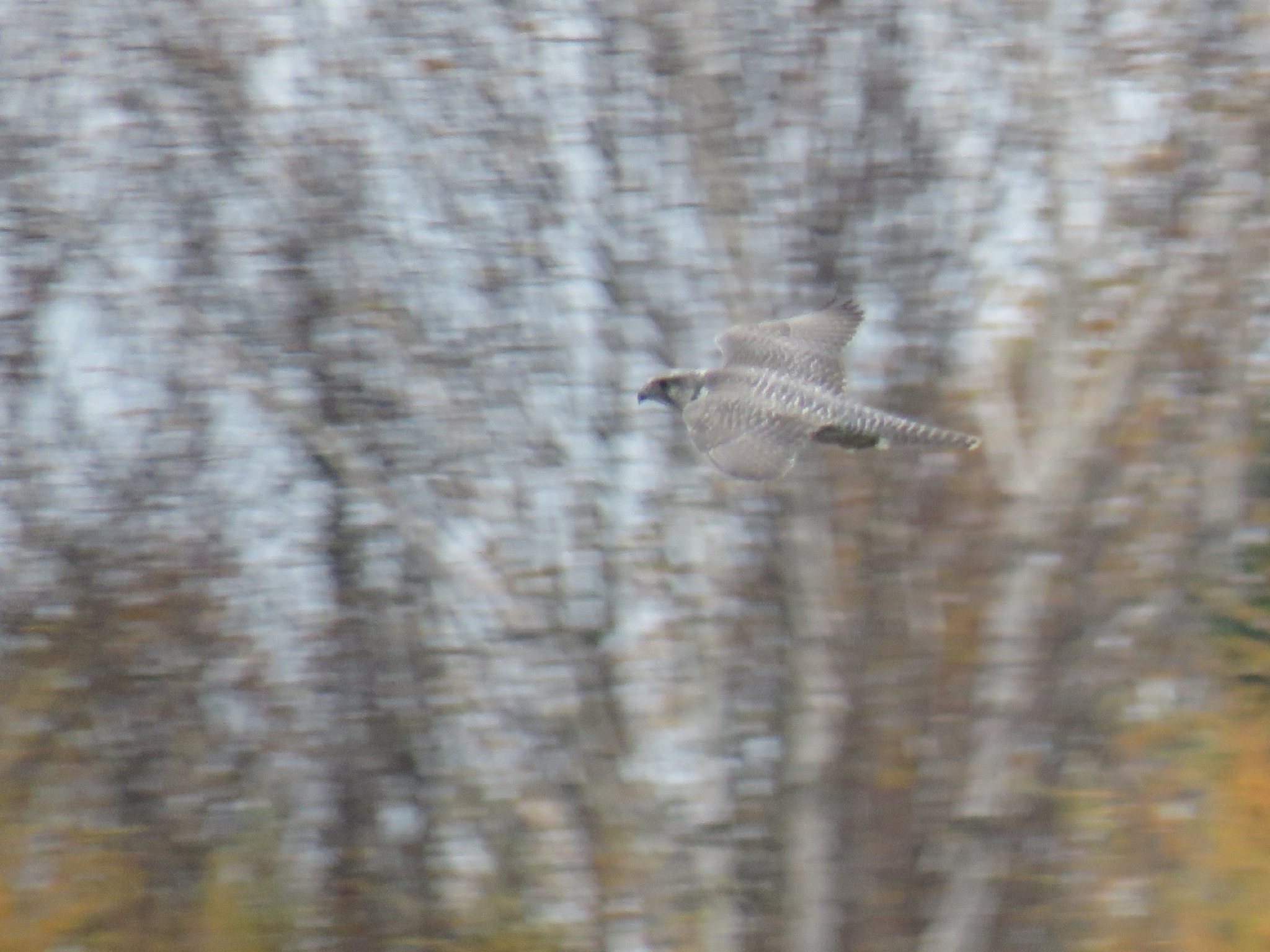
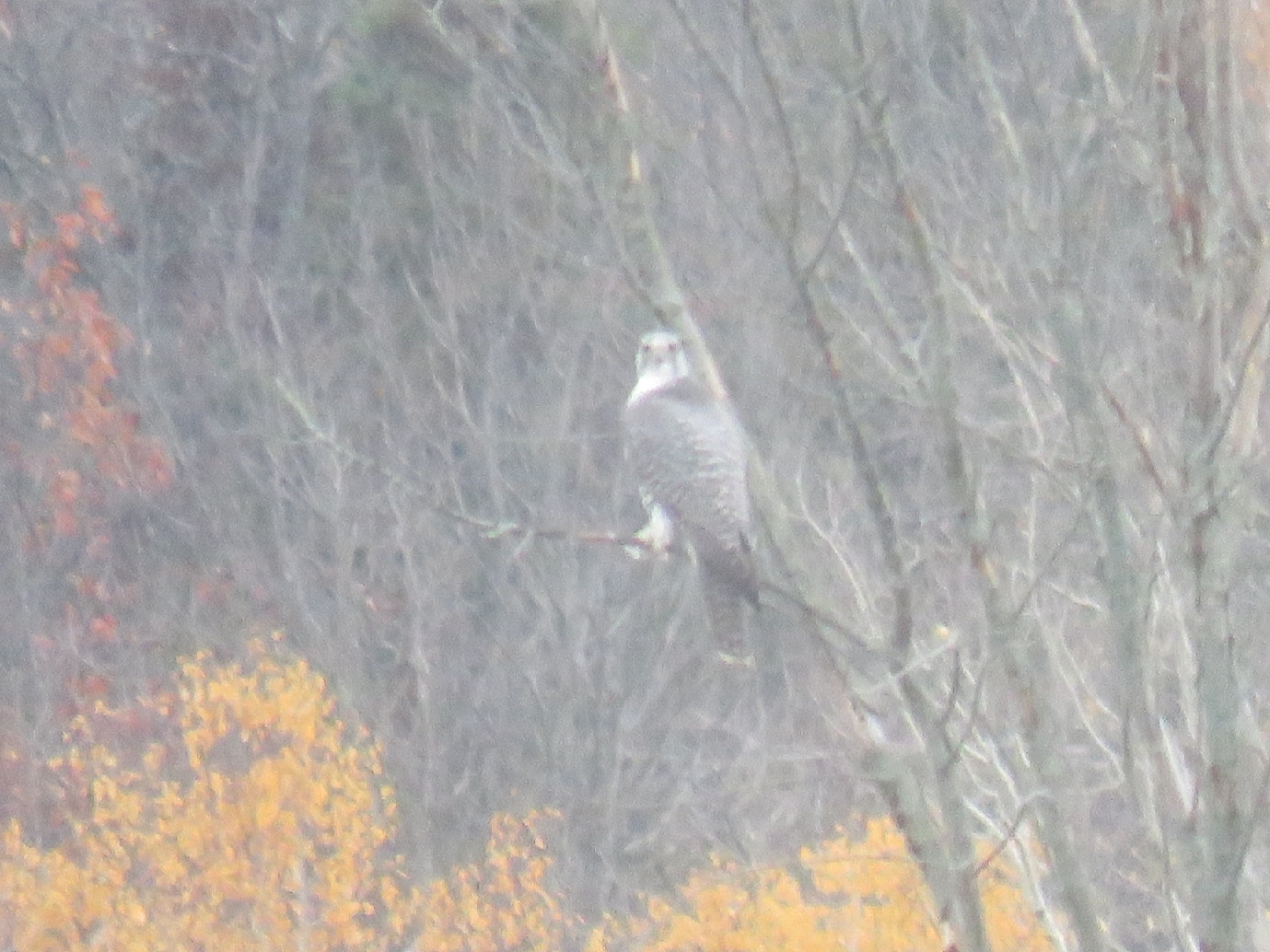
The world's largest falcon, similar in size to the largest buteos but possibly slightly heavier. Males measure 48-61 cm in length with a wingspan of 110-130 cm and weigh 805-1,350 g. Females are larger at 51-65 cm with a wingspan of 124-134 cm and weigh 1,180-2,100 g. Plumage is extremely variable, occurring in morphs ranging from all-white through silver, brown, and black. No sex-based color differences exist, though juveniles are darker and browner than adults. Larger, broader-winged, and longer-tailed than the peregrine falcon.
Identification
Distinguished from the peregrine falcon by larger size, broader wings, longer tail, and cream streaking on the nape and crown. Unlike the peregrine, it lacks a well-defined malar stripe and cap. White morph is the only predominantly white falcon species. Black morph shows strongly black-spotted underparts compared to the finer barring of the peregrine. Silver morphs resemble large, pale lanner falcons. The black morph is sex-linked and occurs predominantly in females.
Distribution & Habitat
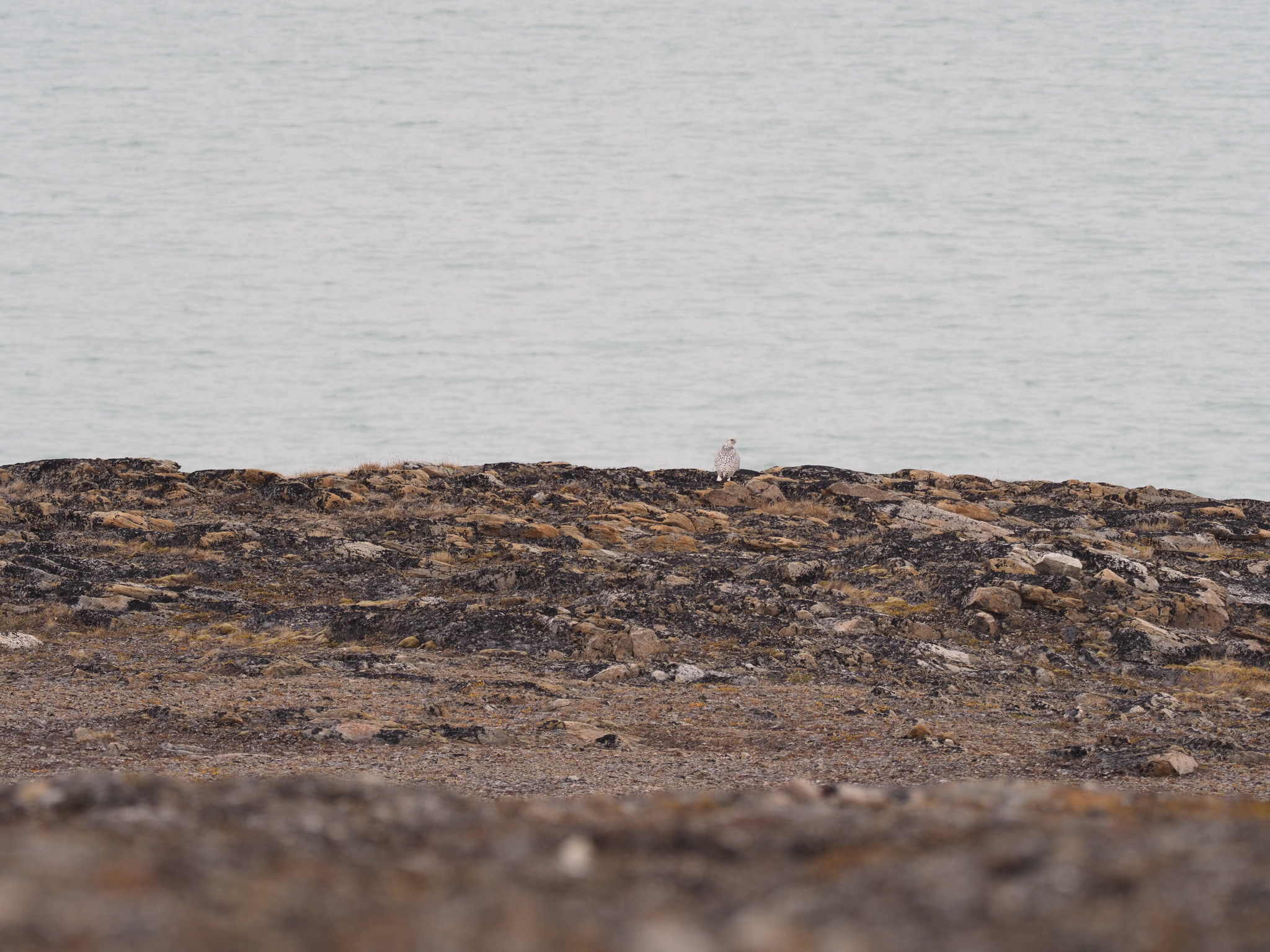
High-latitude species breeding across Arctic coasts and tundra of northern North America and Siberia. Inhabits sea ice during winter months, often far from land. Greenland populations are predominantly light-colored, while Icelandic birds tend toward pale plumage. Eurasian populations are considerably darker. Color morph distribution follows geographic clines rather than distinct subspecies boundaries due to extensive dispersal and allele exchange between populations.
Behavior & Ecology
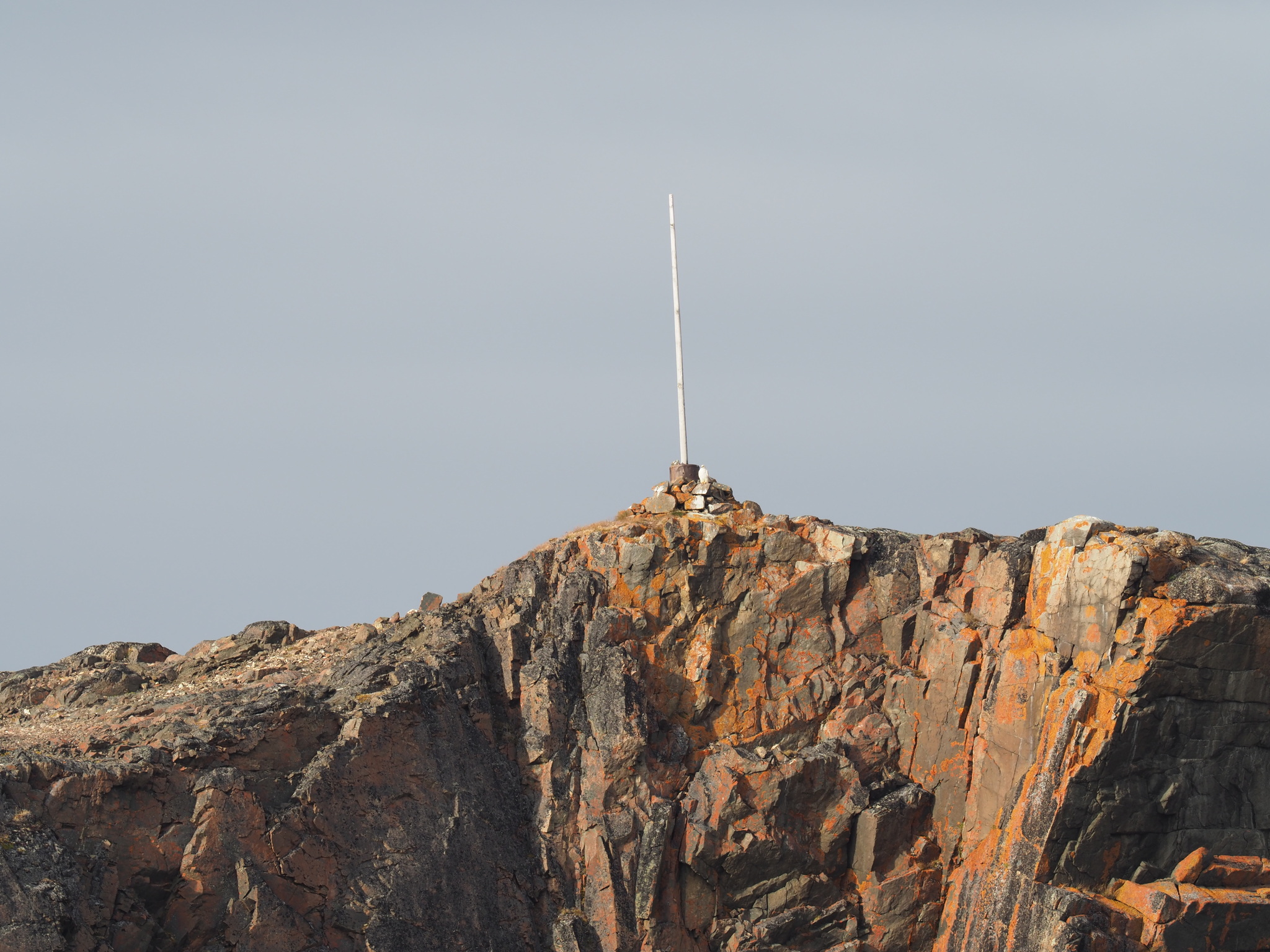
Diet consists exclusively of birds and mammals, with ptarmigan and seabird colonies being primary prey. Hunts mainly through horizontal pursuit rather than stooping from height. Most prey is killed on the ground. Prey size ranges from small passerines around 20 g to geese and capercaillies up to 4 kg. Nests almost exclusively on cliff faces, using bare ledges or abandoned nests of other birds. Clutch size is typically 2-4 eggs, incubated for approximately 35 days. Chicks fledge at 7-8 weeks and become independent at 3-4 months. Can live up to 20 years.
Conservation
IUCN Red List status is Least Concern. Population declined in the mid-20th century due to pesticide pollution but has recovered following improved environmental standards in developed countries. Main threats include human activity—automobile collisions, poisoning of carrion, and hunting. Climate change is allowing peregrine falcons to expand northward into gyrfalcon territory, potentially increasing competition. Adult birds have no natural predators except golden eagles, though common ravens occasionally prey on eggs and hatchlings.
Culture
Long associated with falconry, traditionally reserved for royalty and nobility in European medieval falconry. The white falcon in Iceland's coat of arms represents this species. It is the official bird of Canada's Northwest Territories and serves as the mascot of the United States Air Force Academy. In 12th-century China, gyrfalcons obtained from Jurchen tribes were used for swan-hunting by Khitan nobility. Demand became so great that the Liao Emperor imposed gyrfalcon tribute on the Jurchen, contributing to the rebellion that overthrew the Liao empire in 1125.
Source: Wikipedia · CC BY-SA 3.0
Taxonomy
- Order
- Falconiformes
- Family
- Falconidae
- Genus
- Falco
- eBird Code
- gyrfal
Distribution
mountains and tundra of northern Palearctic region and northern North America
Data Sources
Species description from Wikipedia, licensed under CC BY-SA 3.0.
Bird images and sounds sourced from GBIF, contributed by citizen scientists worldwide under Creative Commons licenses.
Taxonomy data from AviList 2025.