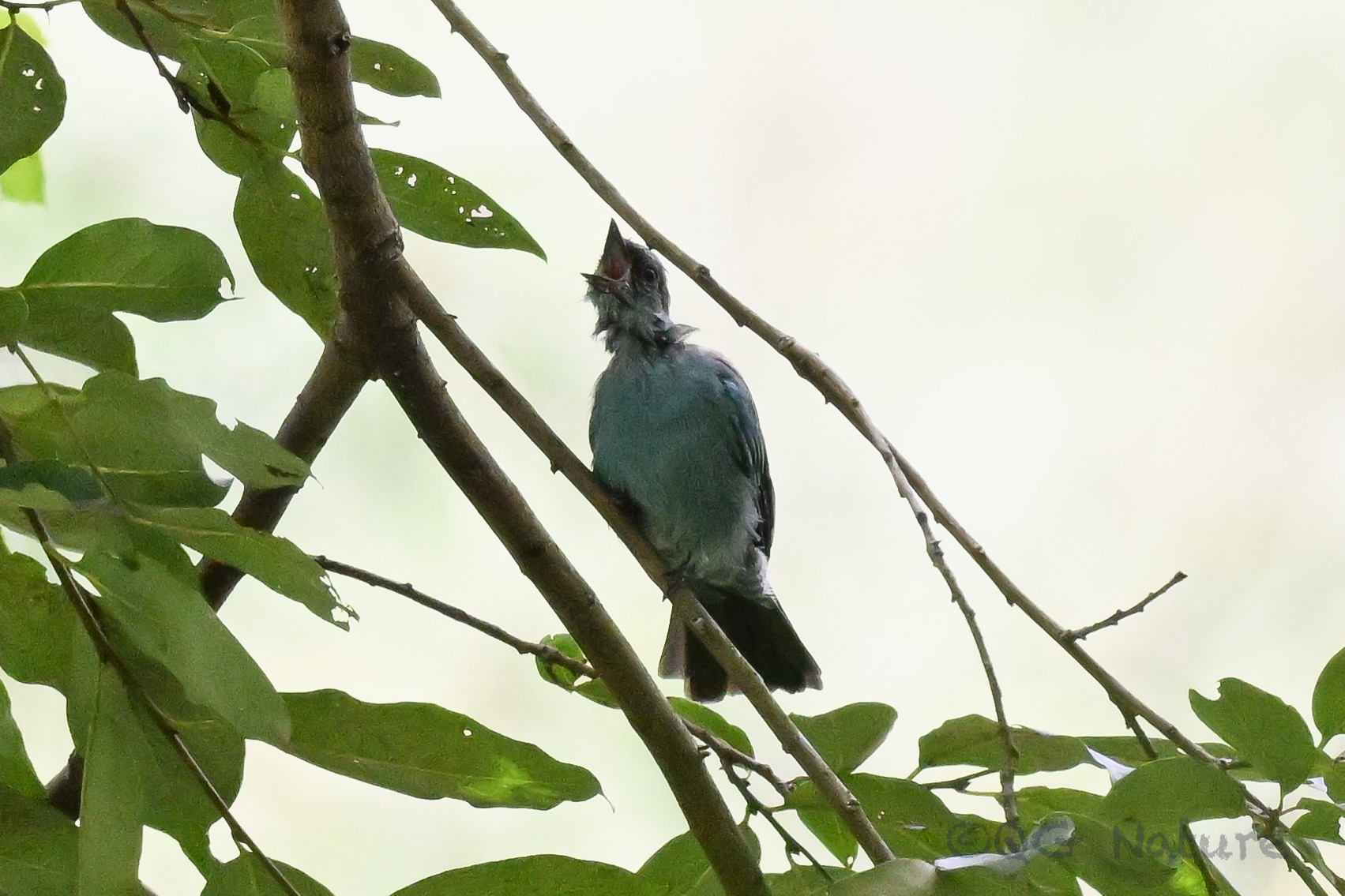
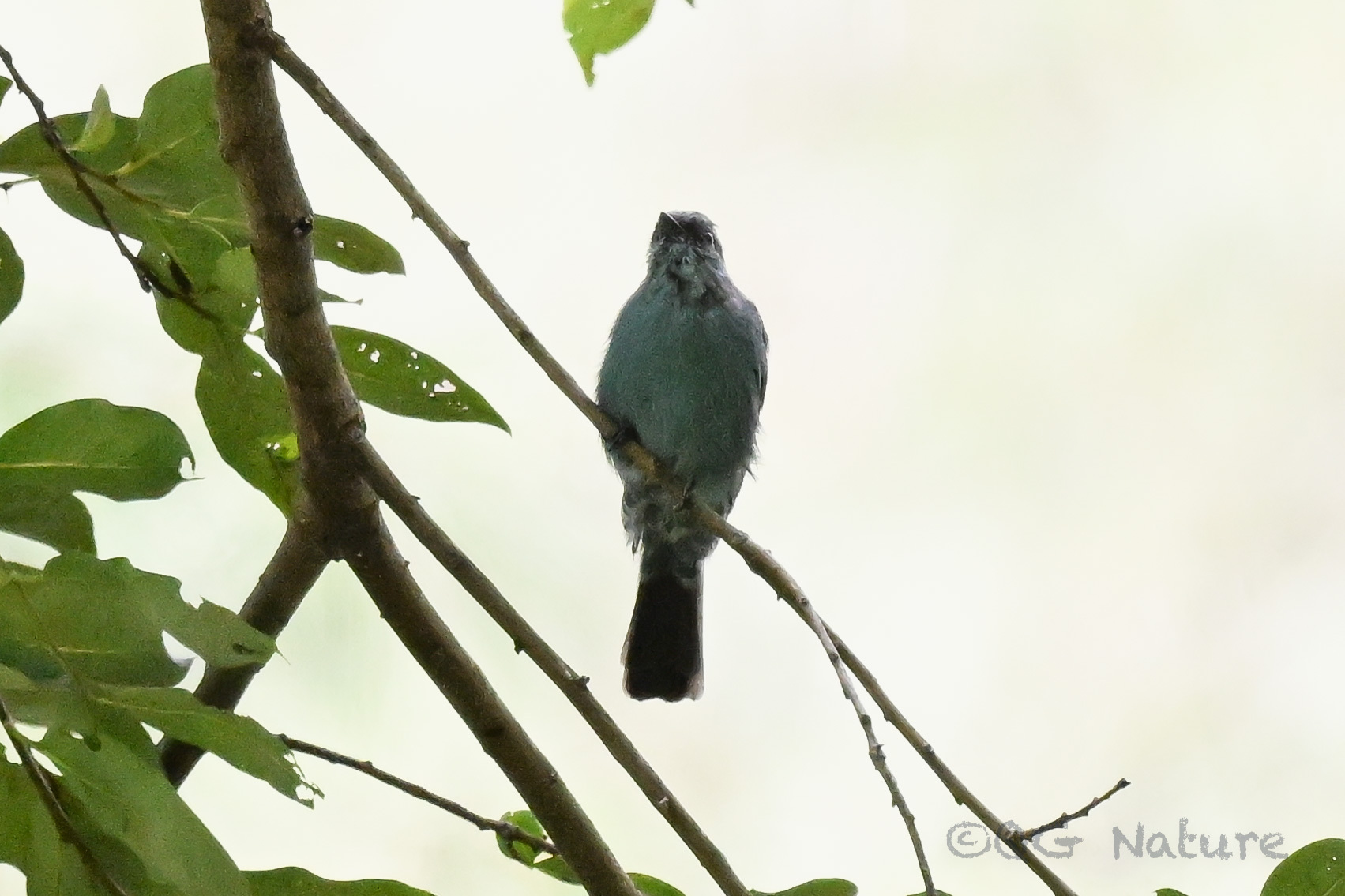
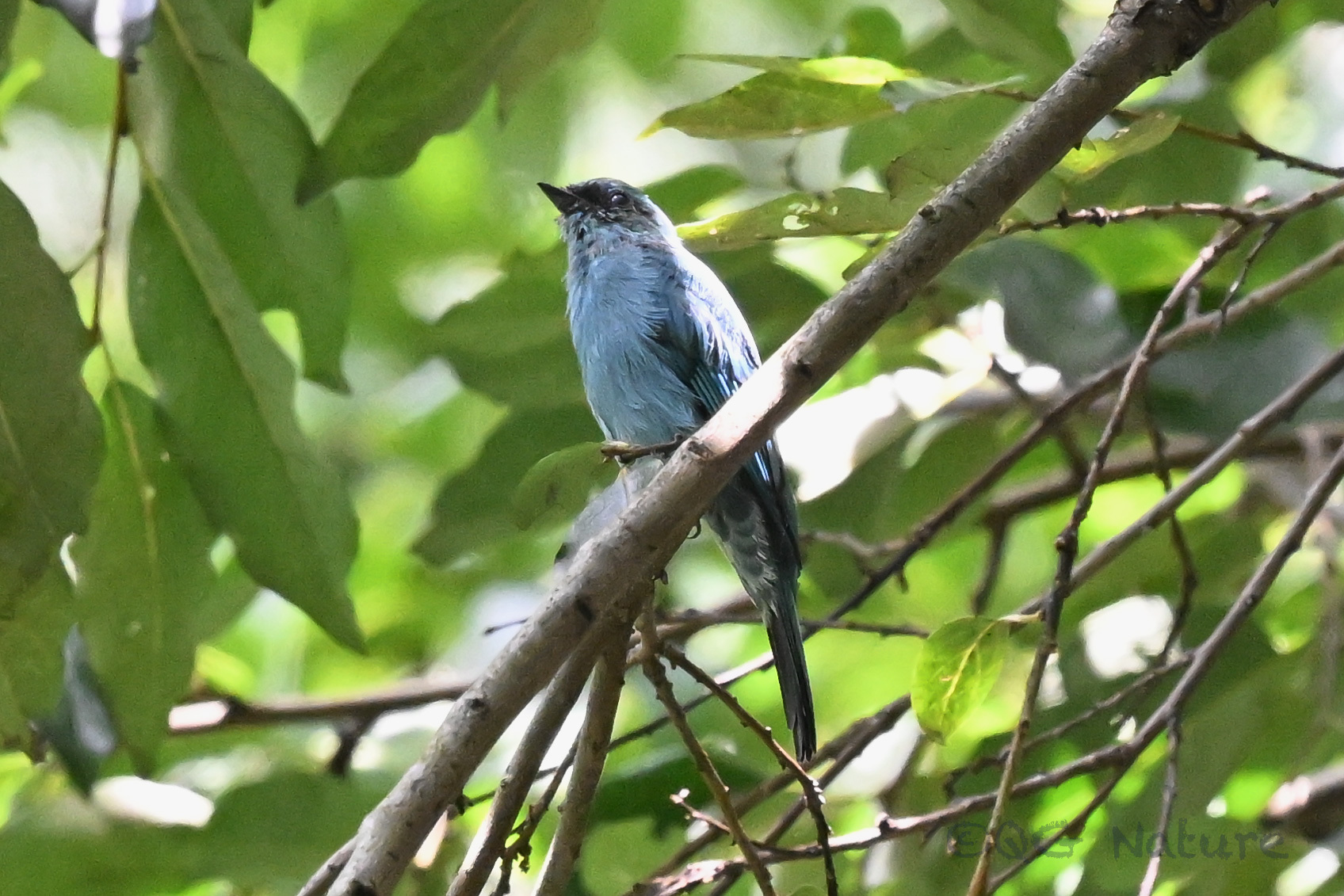
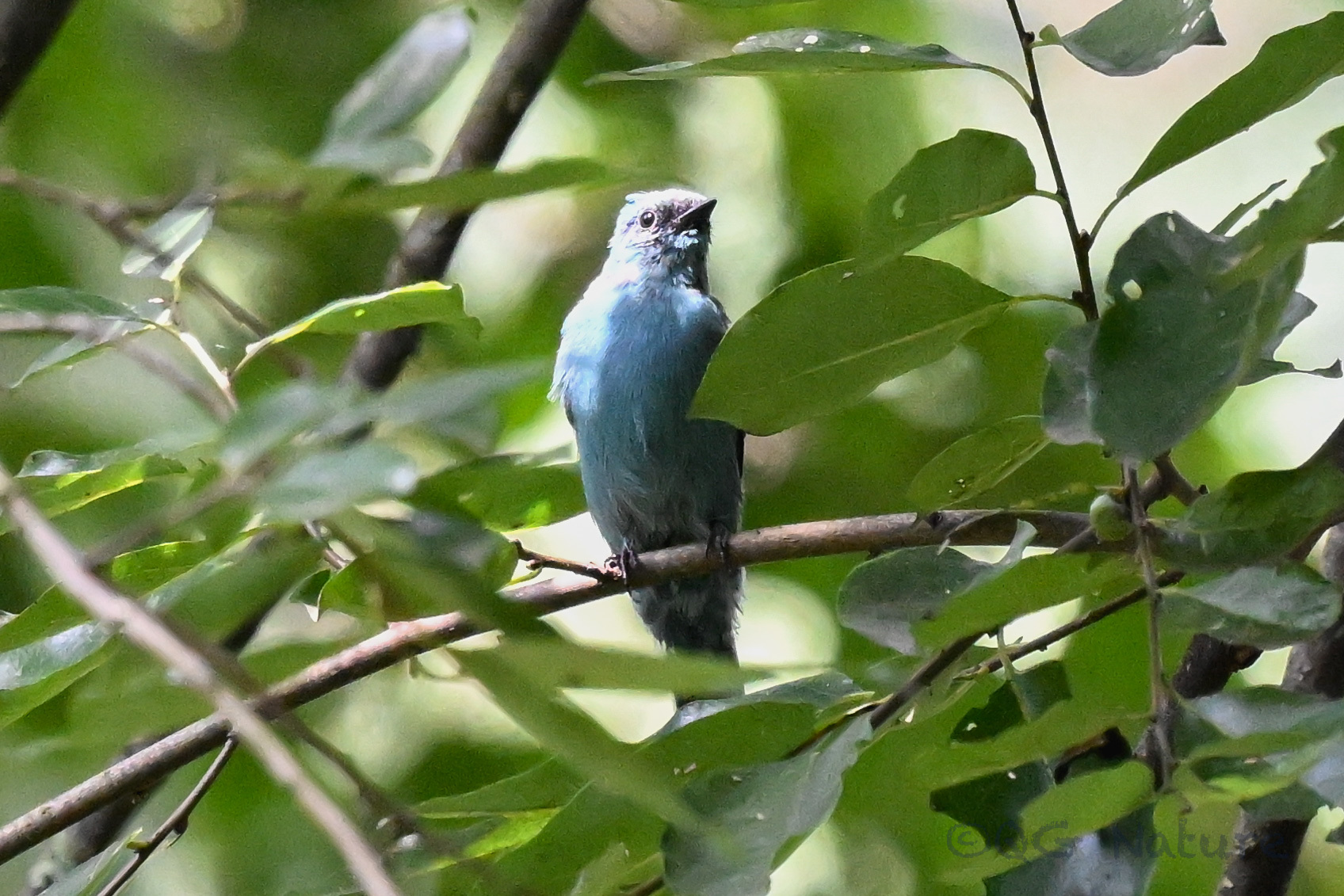
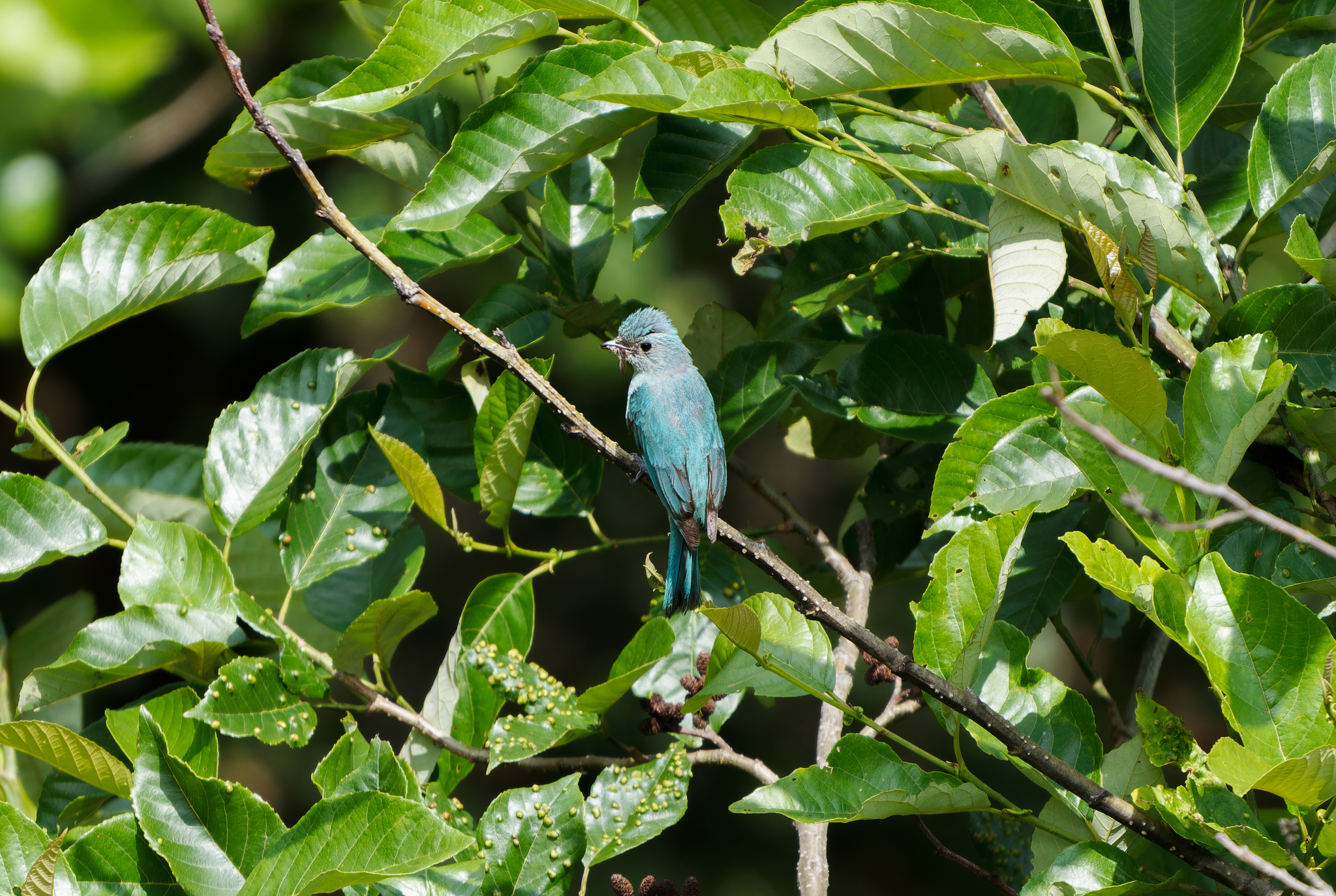
Verditer Flycatcher
Eumyias thalassinus
铜蓝鹟
Introduction
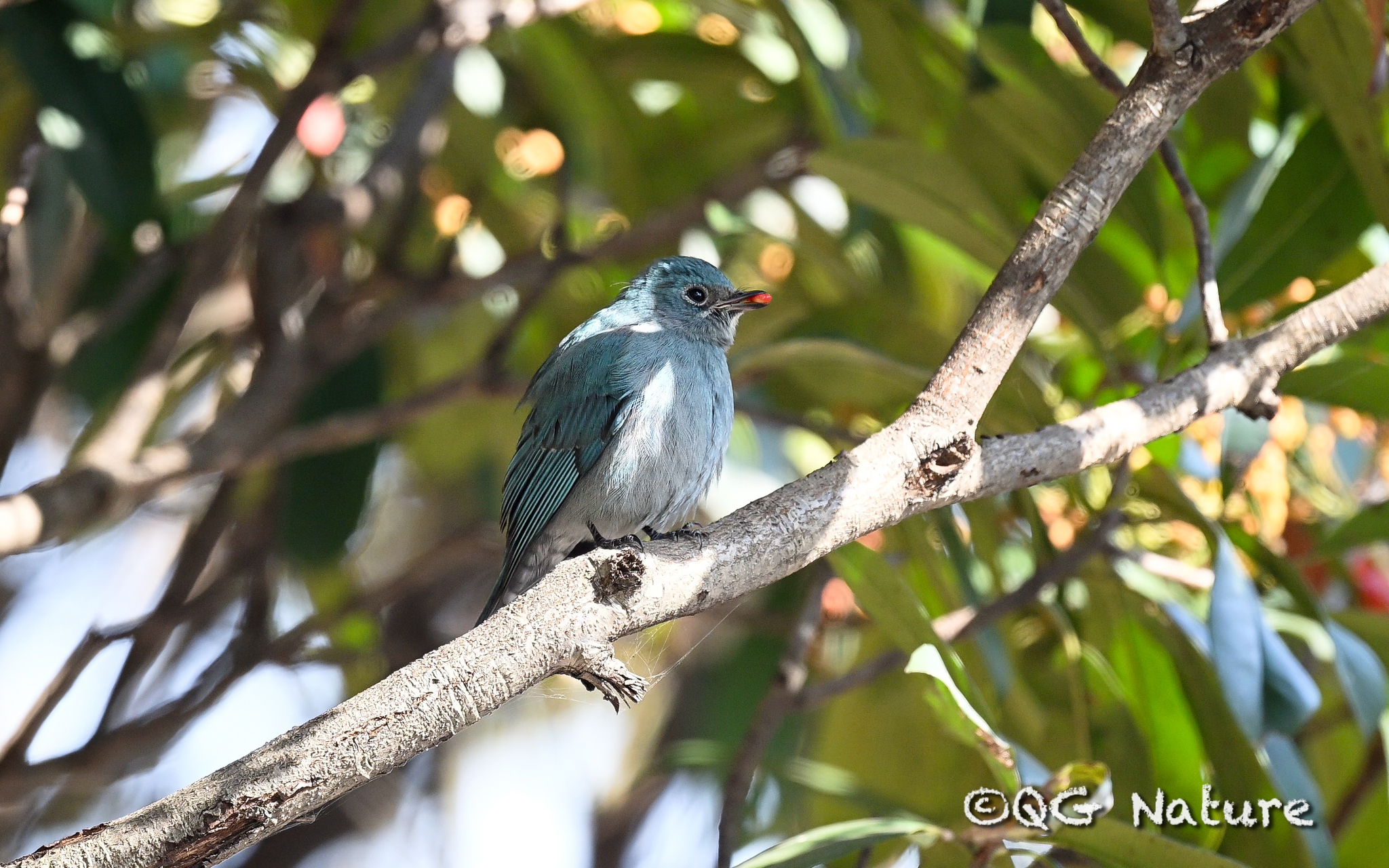
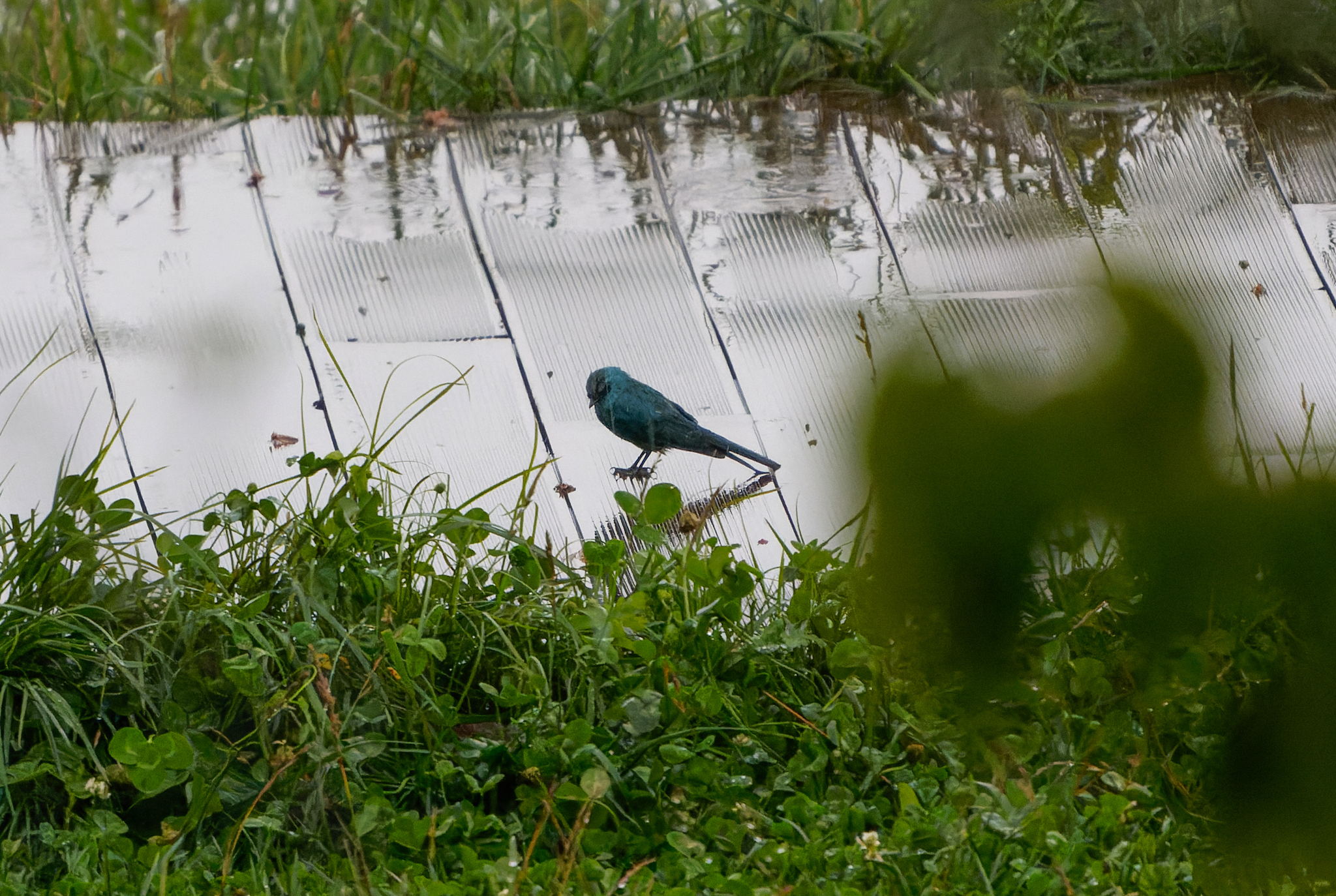
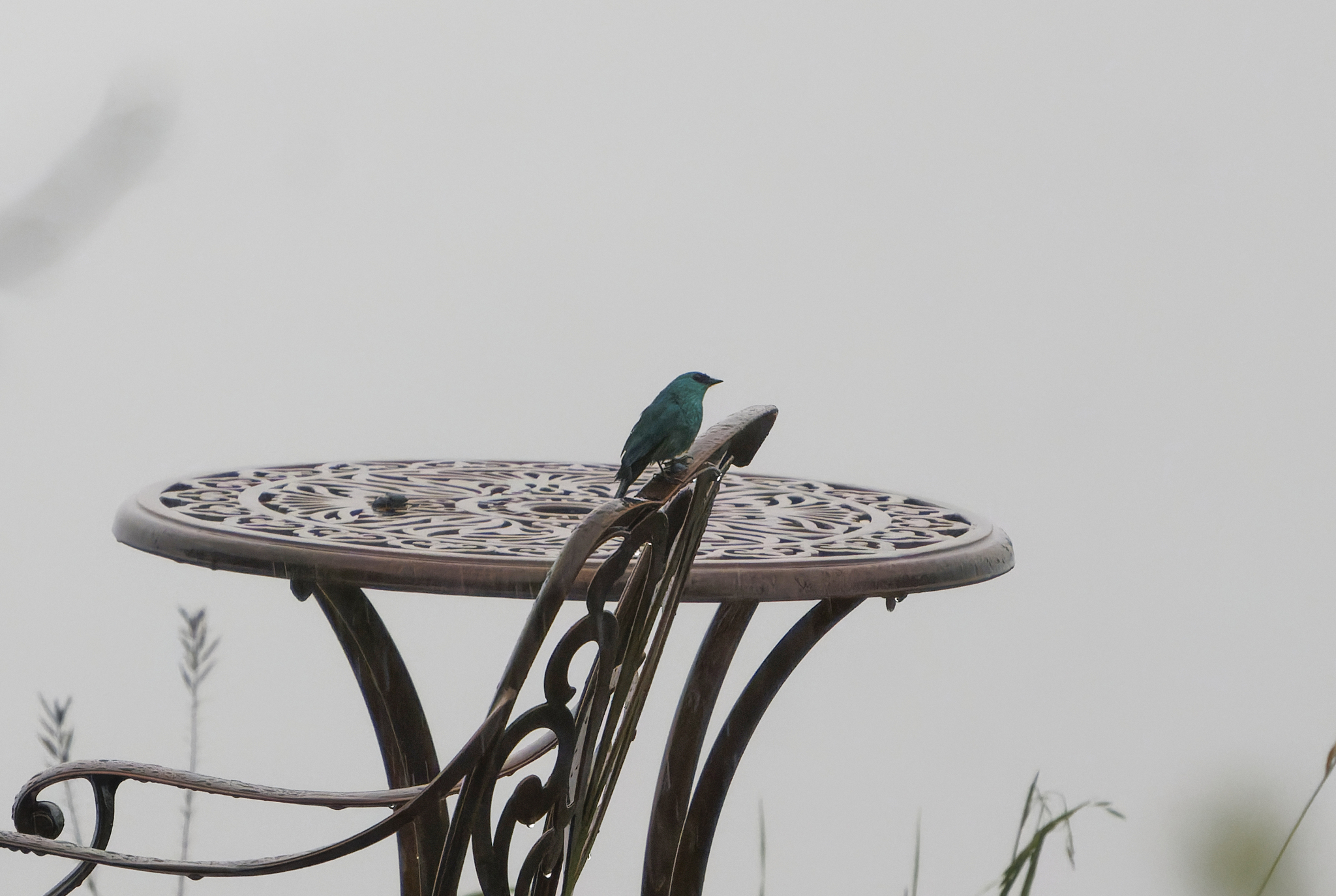
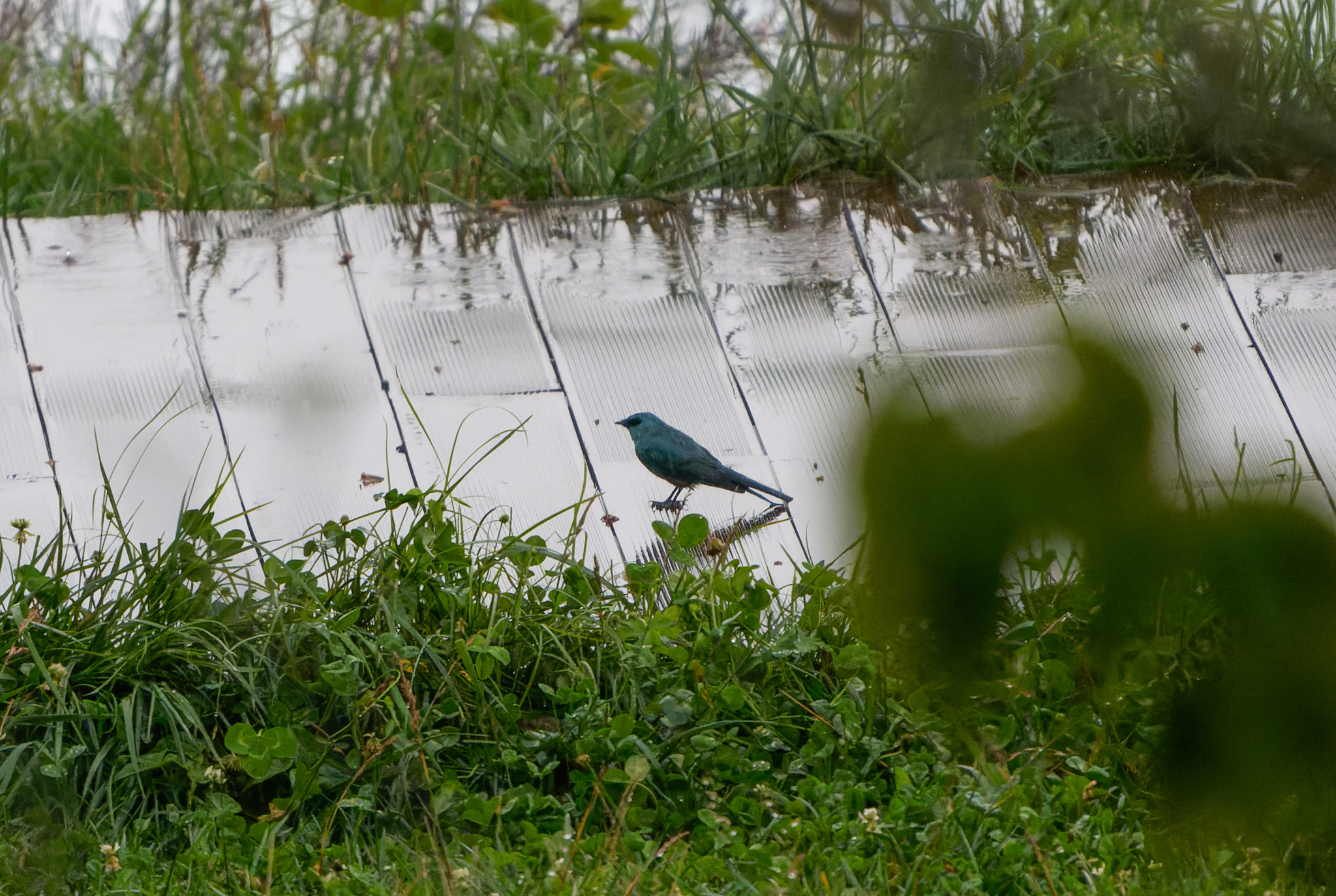
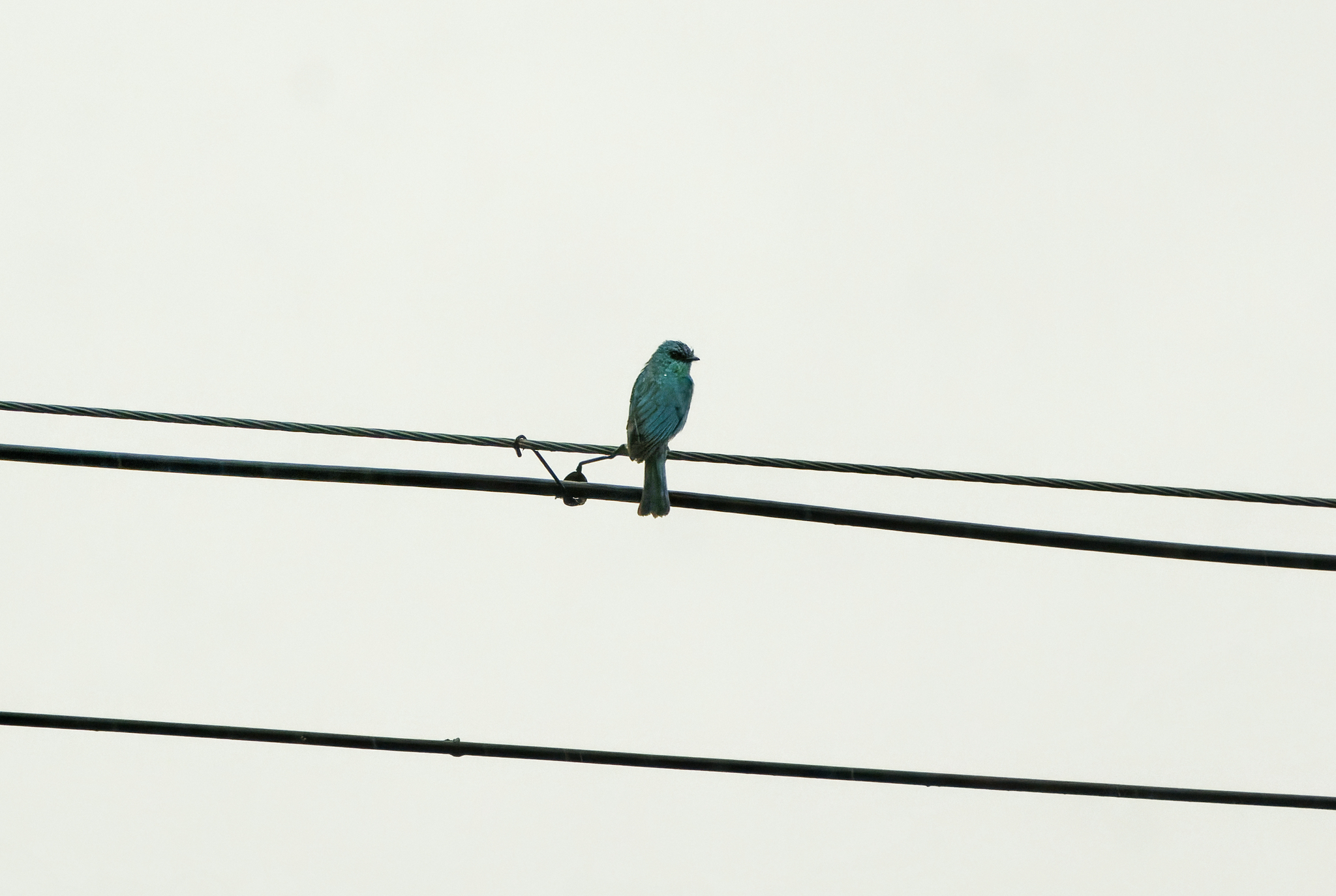
This species is a member of the Old World flycatcher family (Muscicapidae) found across South and Southeast Asia, including the Himalayan foothills and the island of Sumatra. It occupies montane and forested habitats. The species was previously classified in the genus Muscicapa, though taxonomic studies suggest it may be more closely related to the Niltava flycatchers. Unlike many flycatchers that remain in the understory, this species forages in open airspace above the forest canopy and frequently perches on exposed branches, tree tops, and artificial structures such as electric wires.
Description
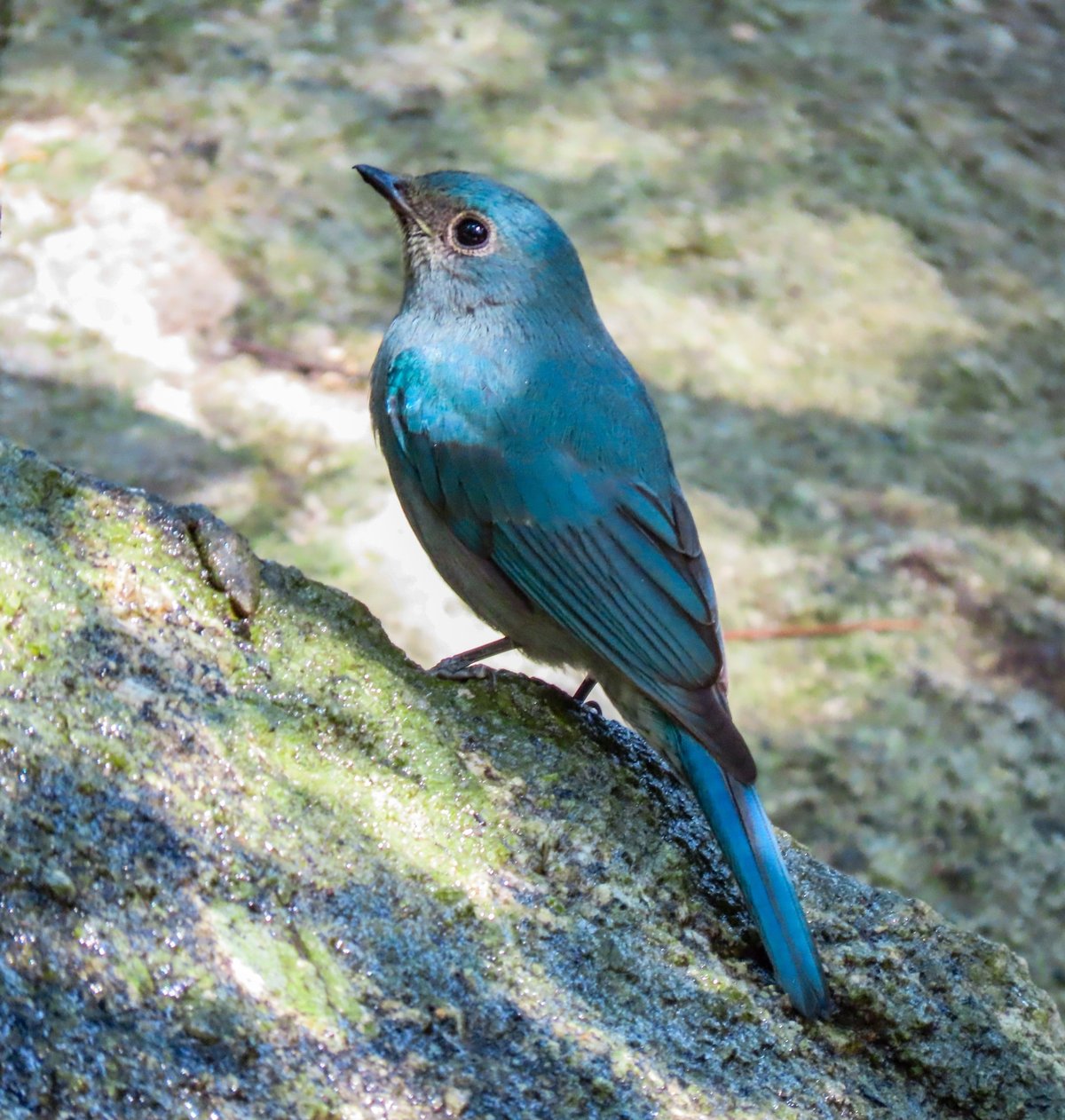
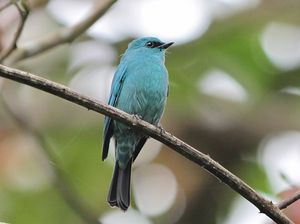
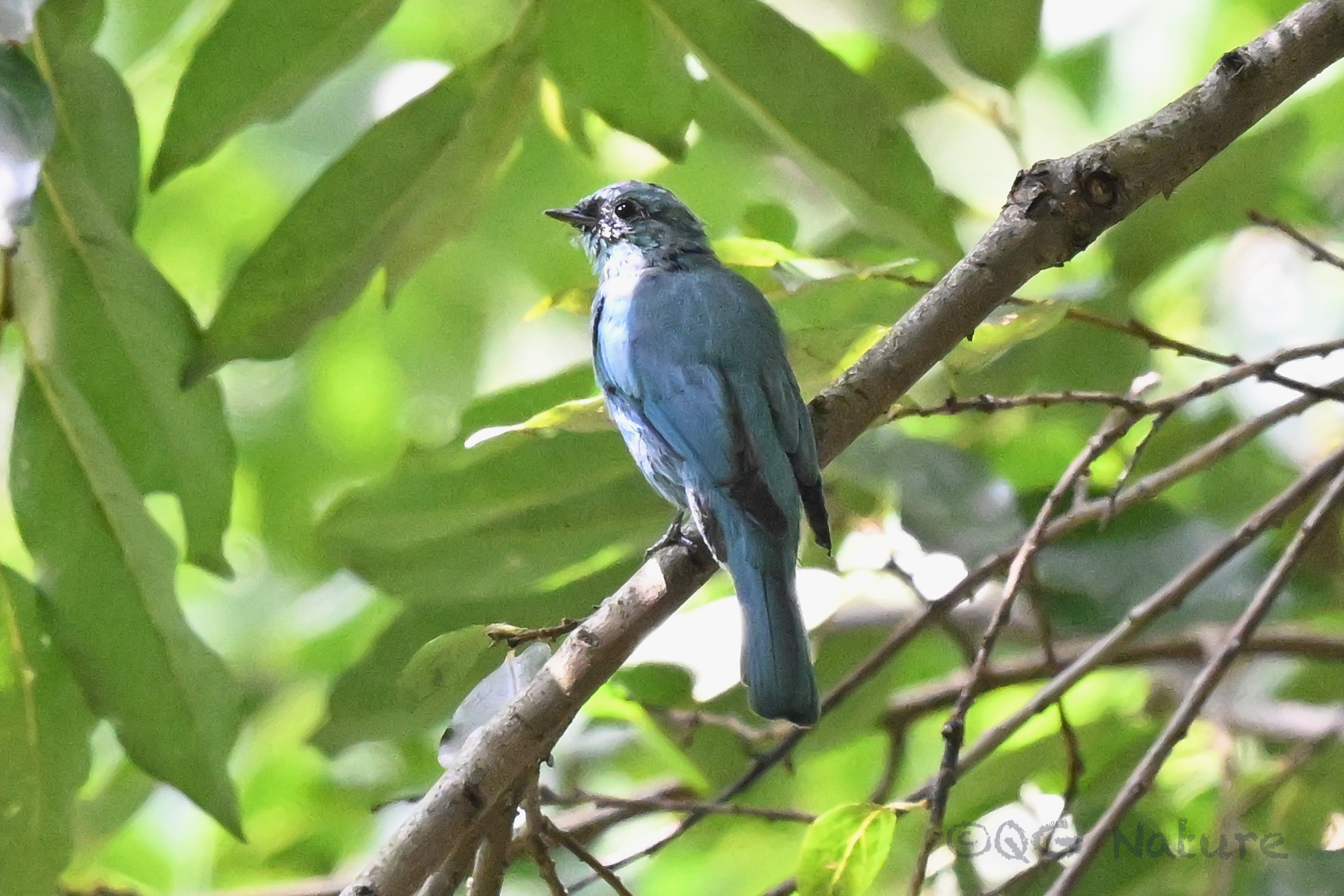
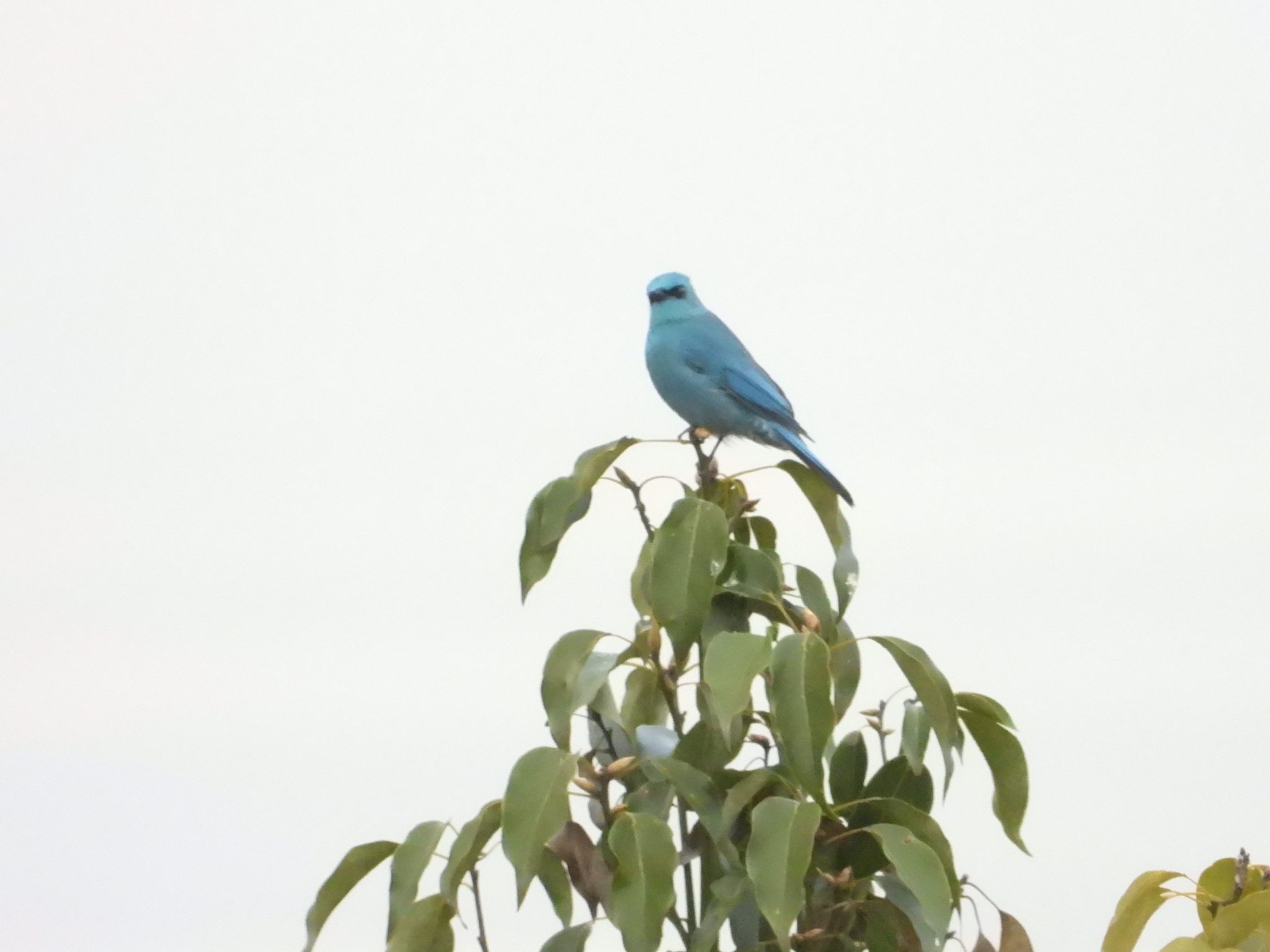
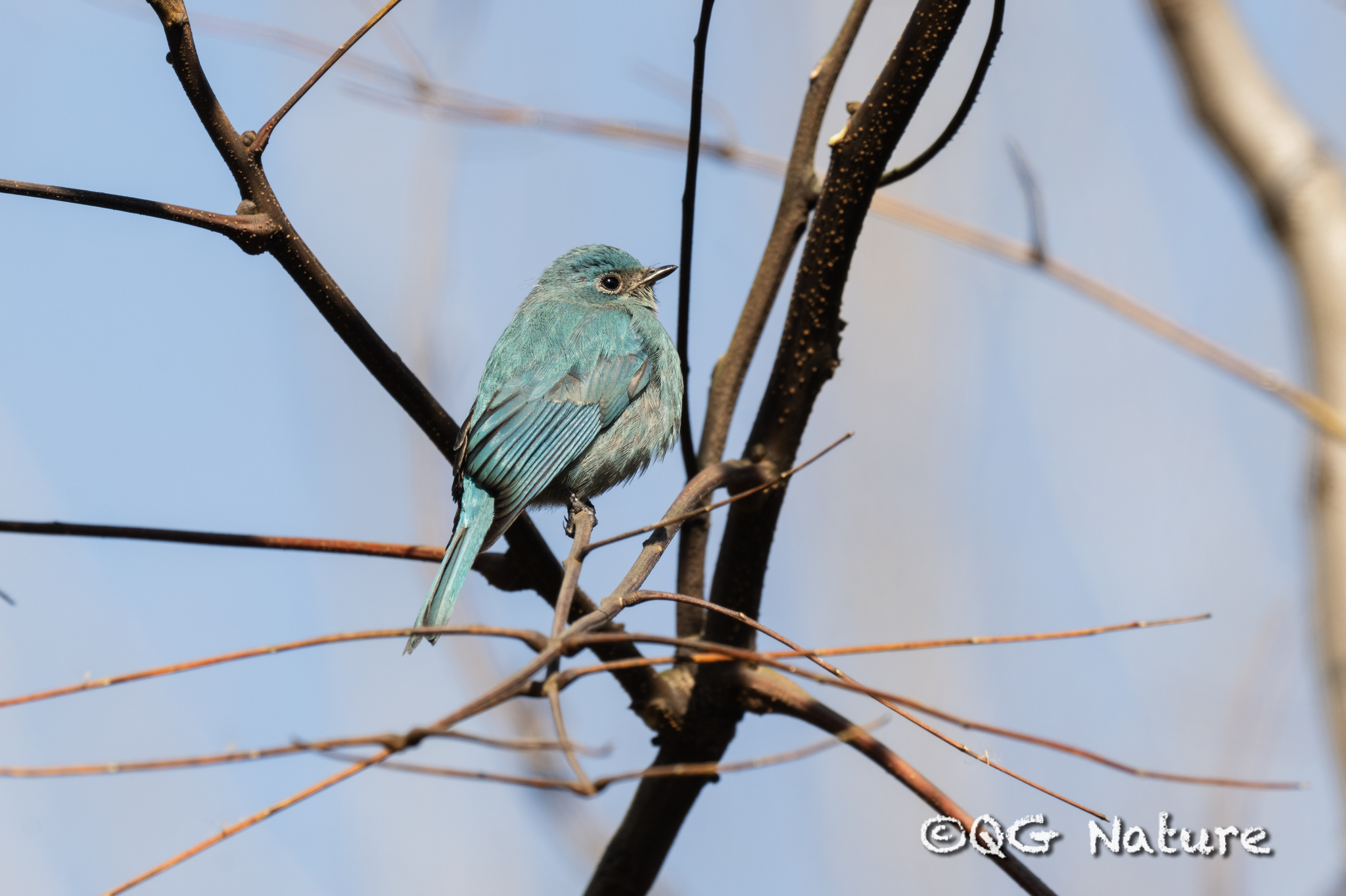
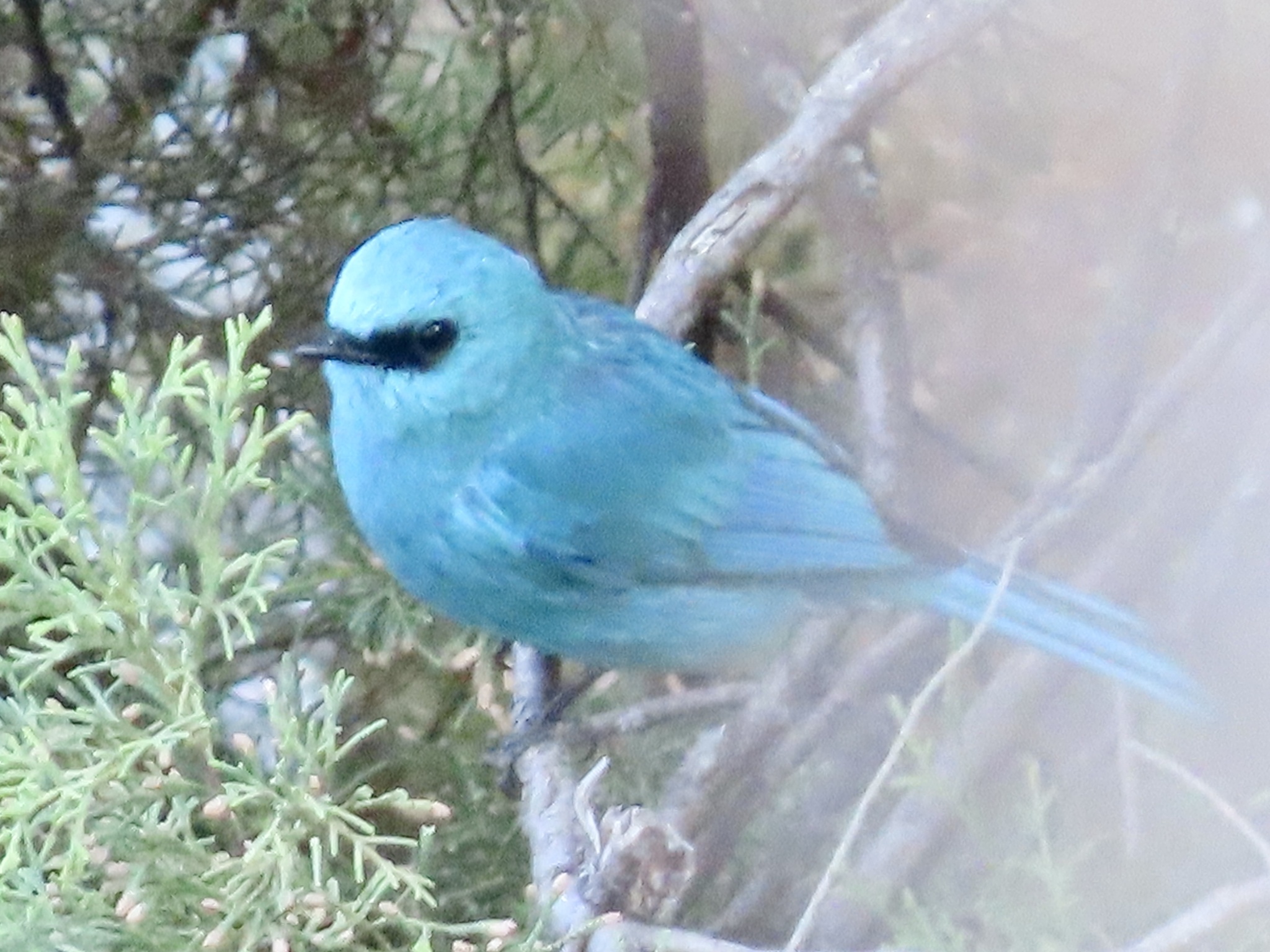
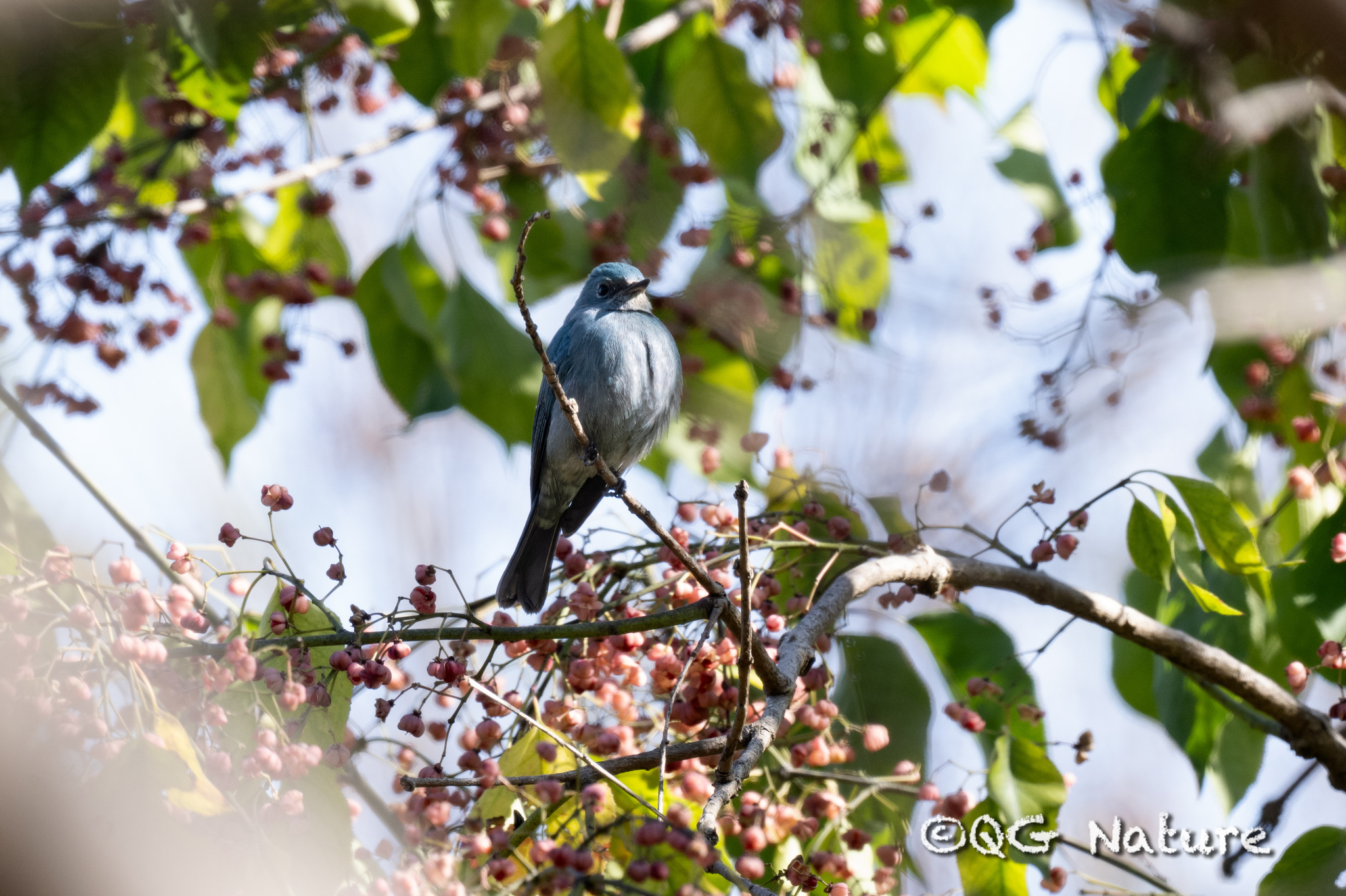
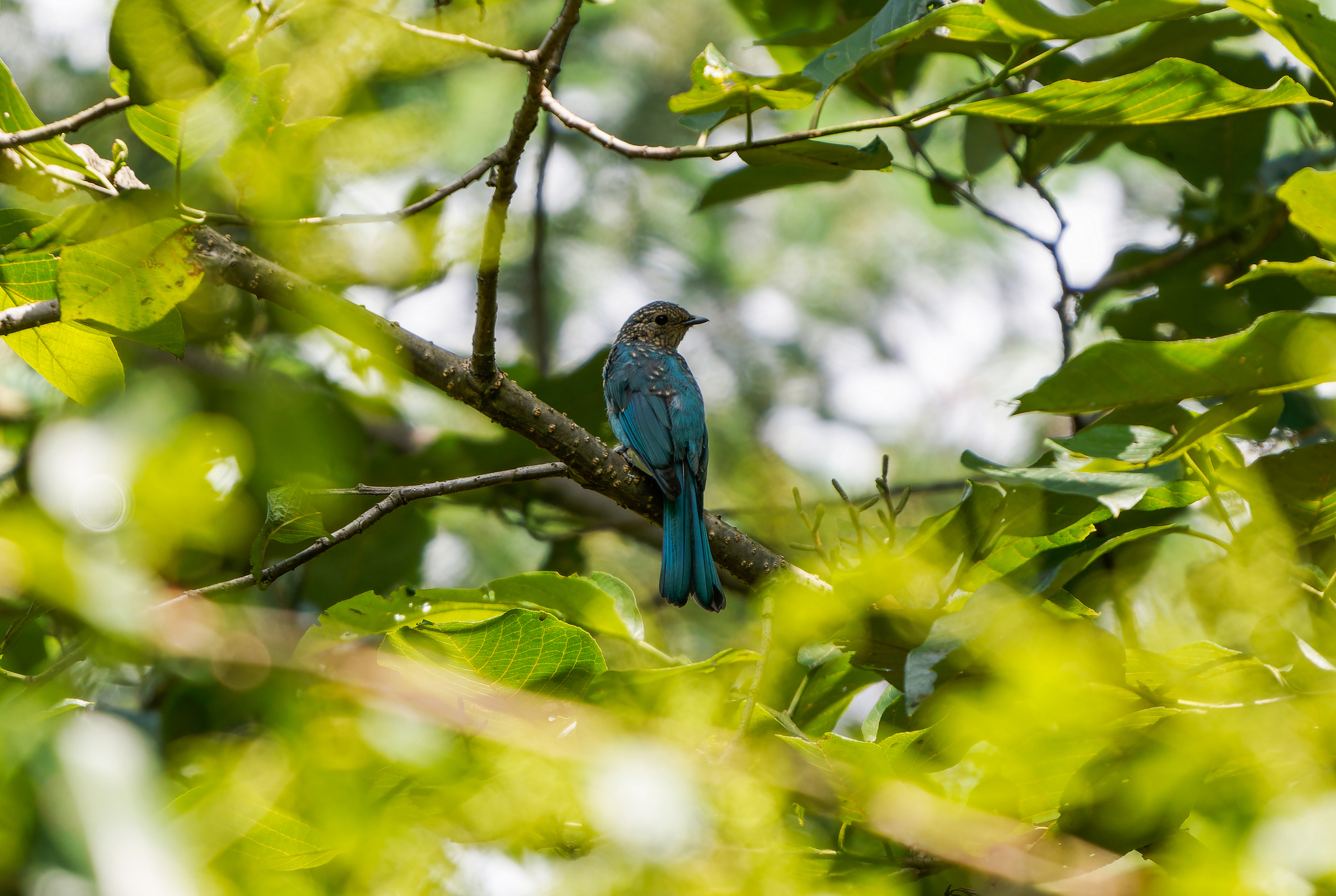
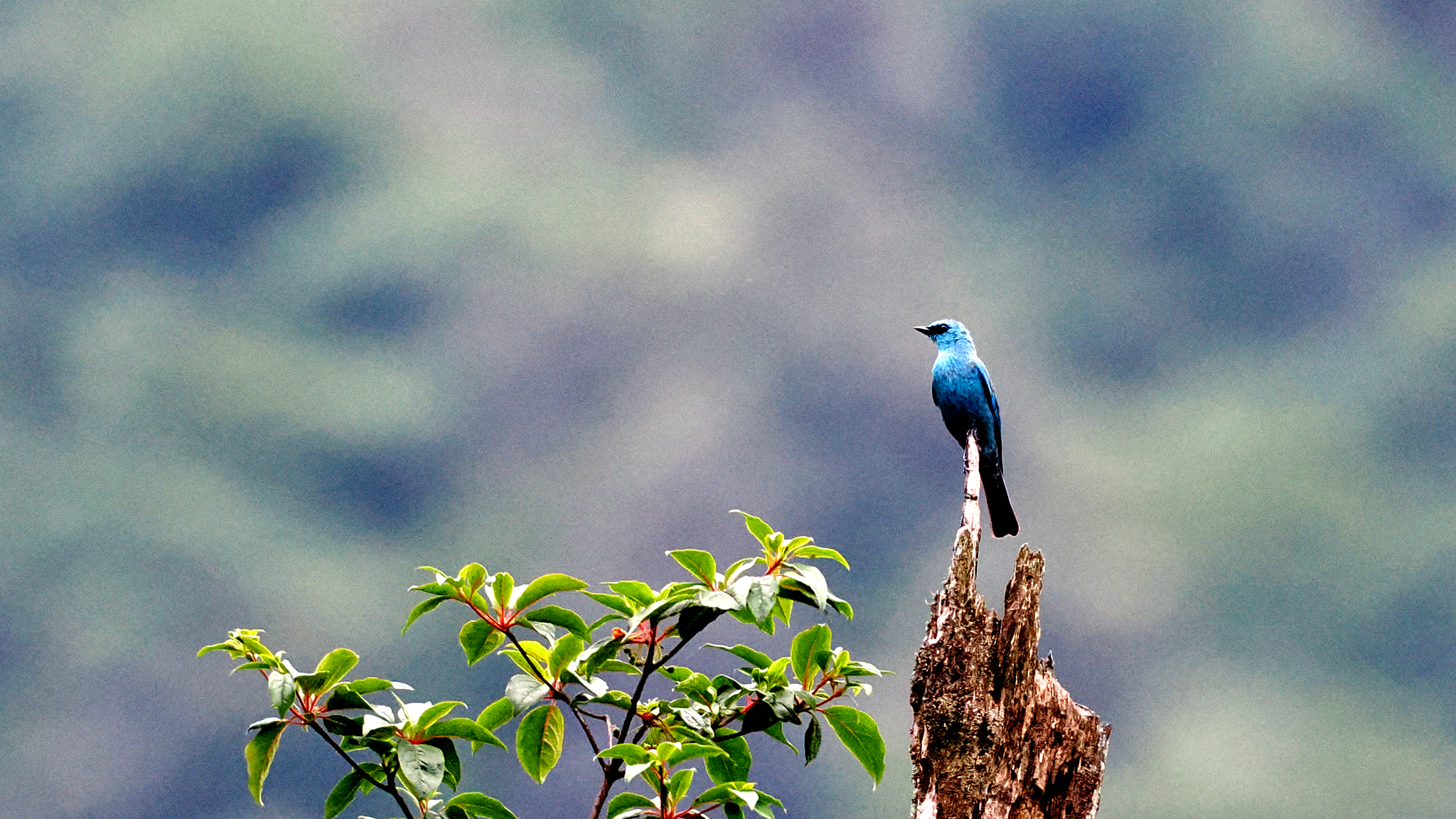
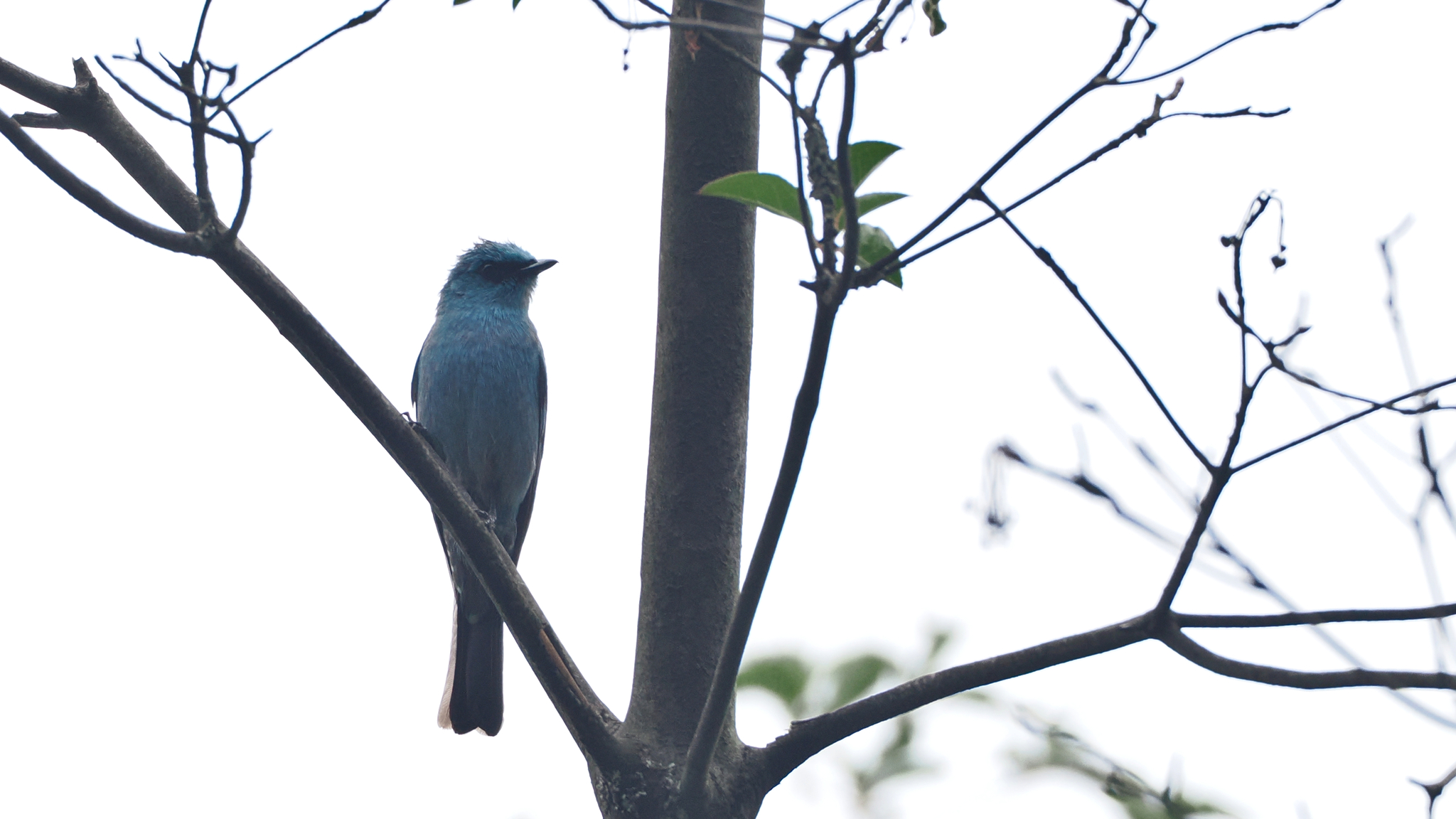
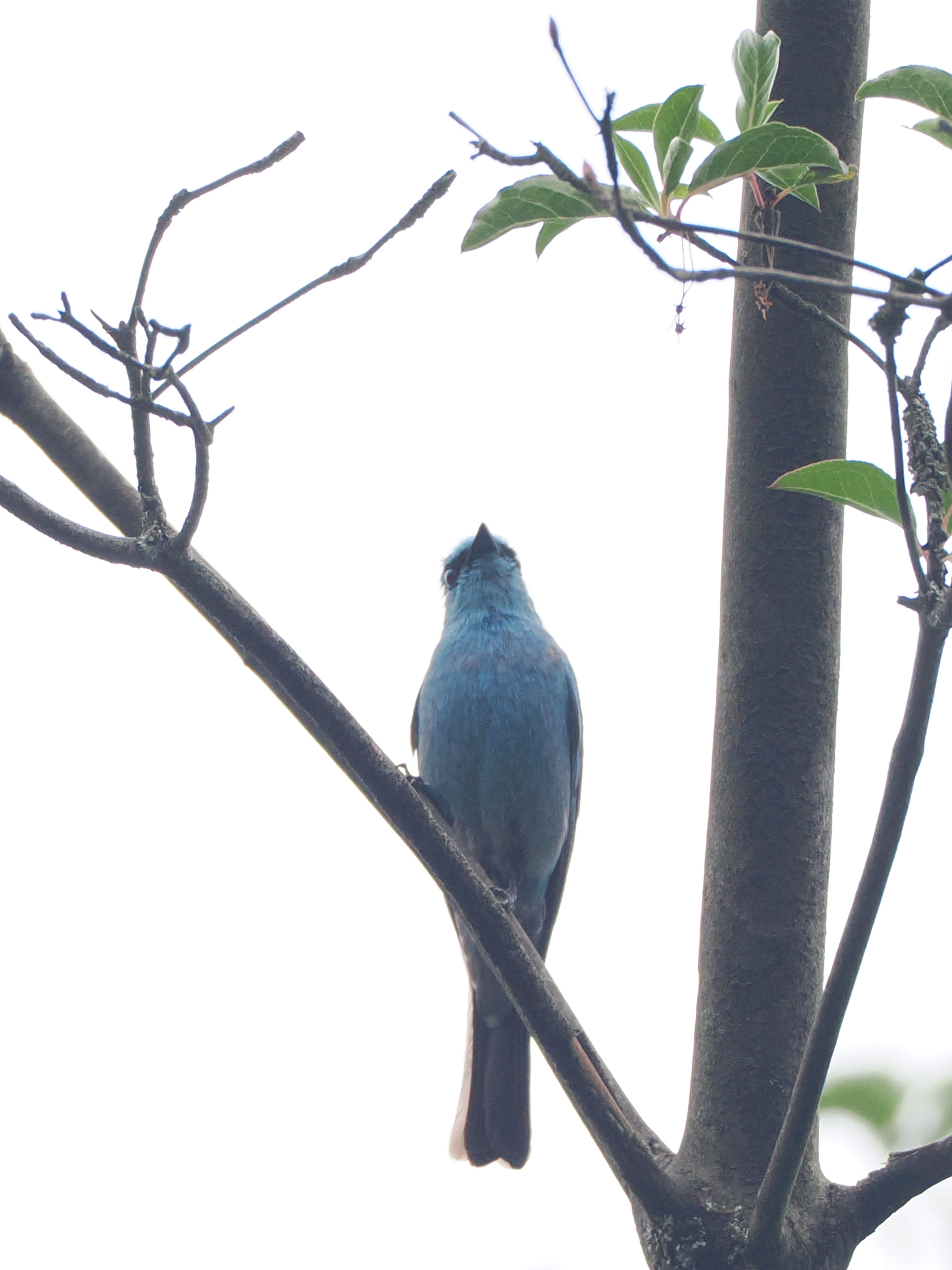
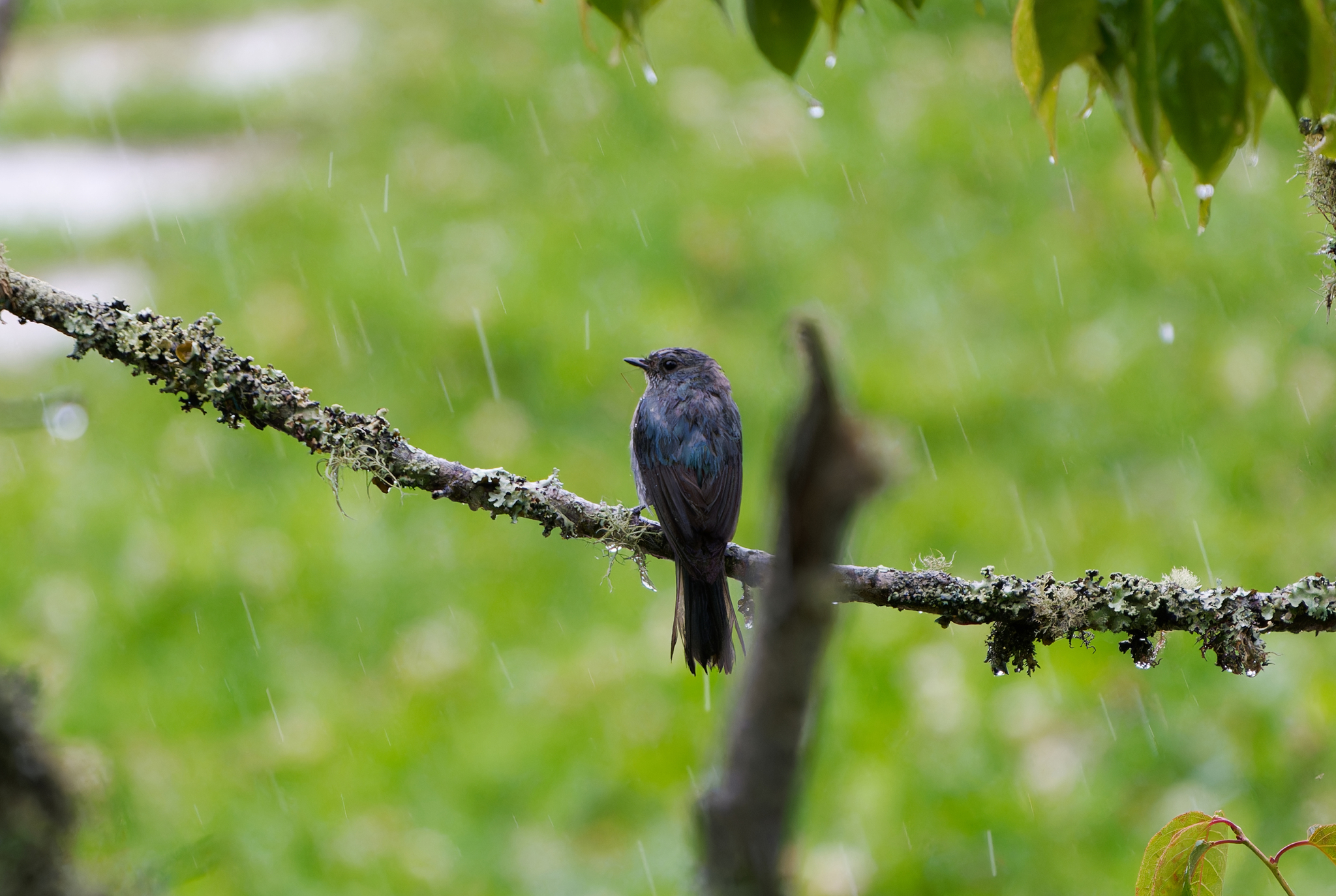
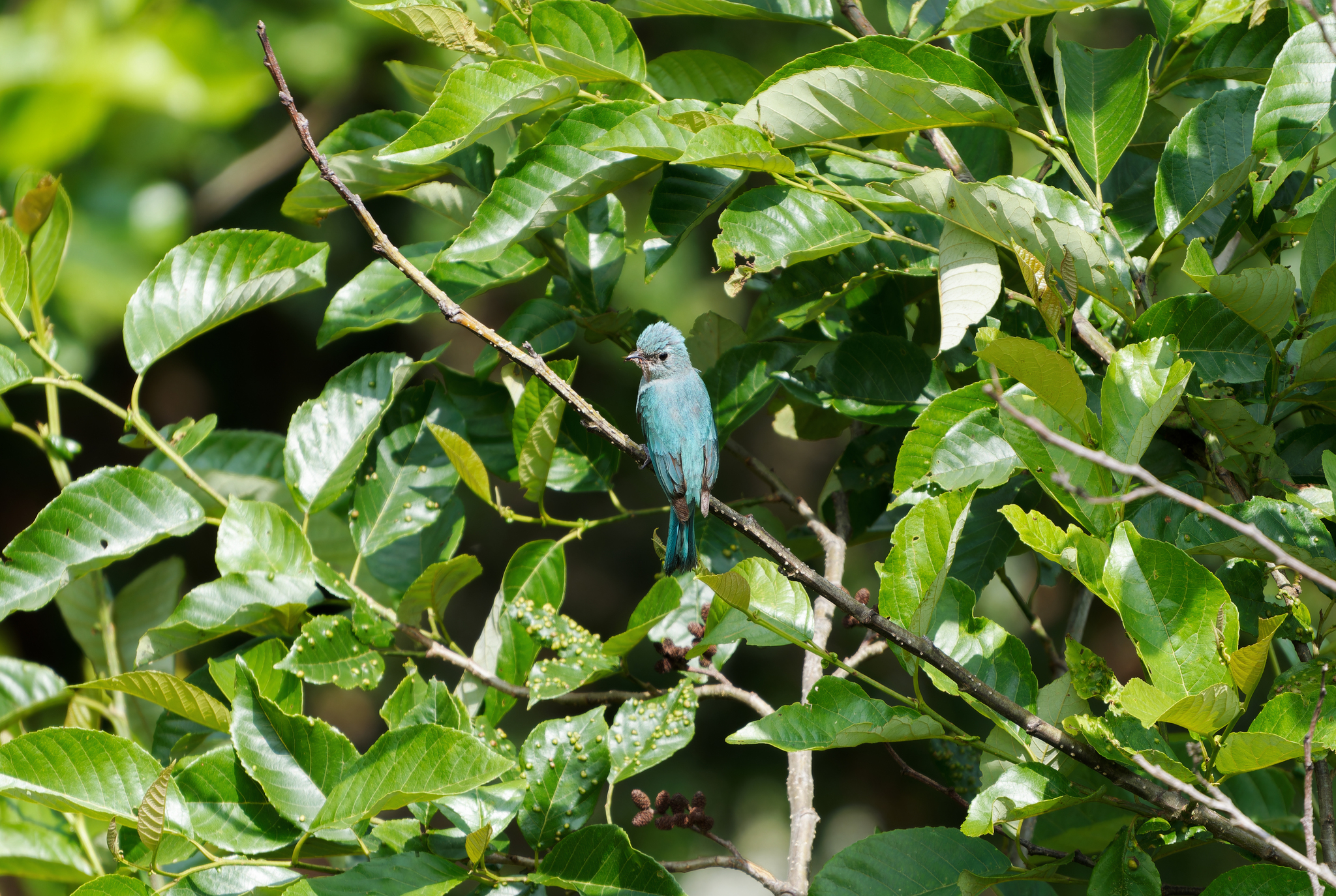
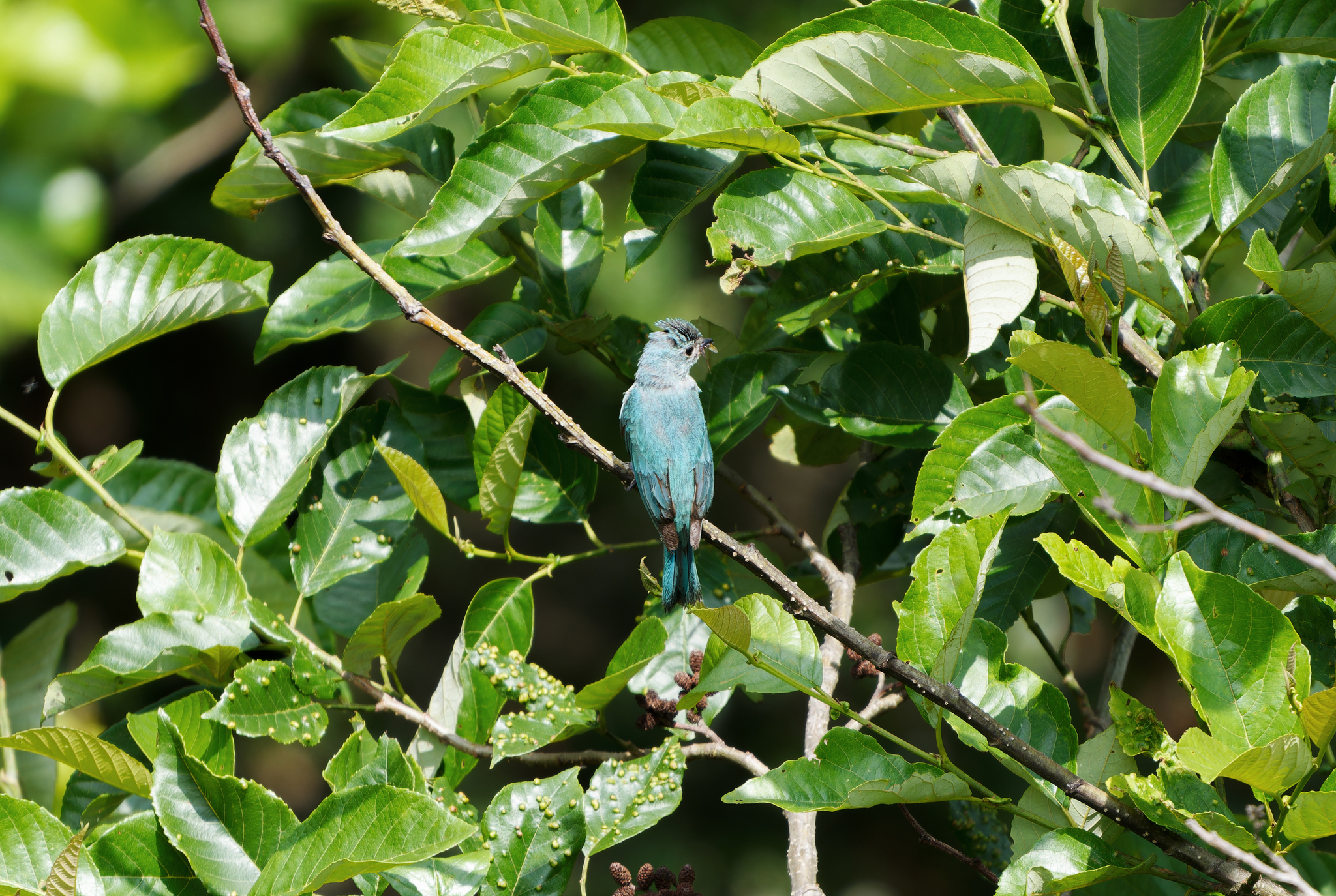
This medium-sized flycatcher displays a remarkable copper-sulphate blue coloration that gives it an almost iridescent quality in good light. A distinctive dark patch marks the area between the eyes and above the bill base, creating a striking facial pattern. Adult males exhibit intense, vibrant blue across most of their plumage, contrasting with a black eye-patch and greyish vent area. Females and immature birds show similar patterns but in softer, lighter shades of blue, making them somewhat less conspicuous than the brilliant males. The overall effect is a bird that seems almost artificially colored, with a unique shade not commonly seen among Asian passerines.
Identification
The combination of uniform blue plumage and the distinctive dark facial patch makes this species relatively distinctive among Asian flycatchers. Males are particularly unmistakable with their intense blue coloration. When observing this bird, note its habit of foraging at high perches above the canopy rather than in the understory, which helps separate it from similar species. The relatively plain appearance without wing bars or tail patterns further distinguishes it from many other flycatcher species in its range.
Distribution & Habitat
The species ranges across the Himalayas and extends through Myanmar, Thailand, and Southeast Asia to reach Sumatra. Its distribution encompasses various forested habitats within this broad area.
Behavior & Ecology
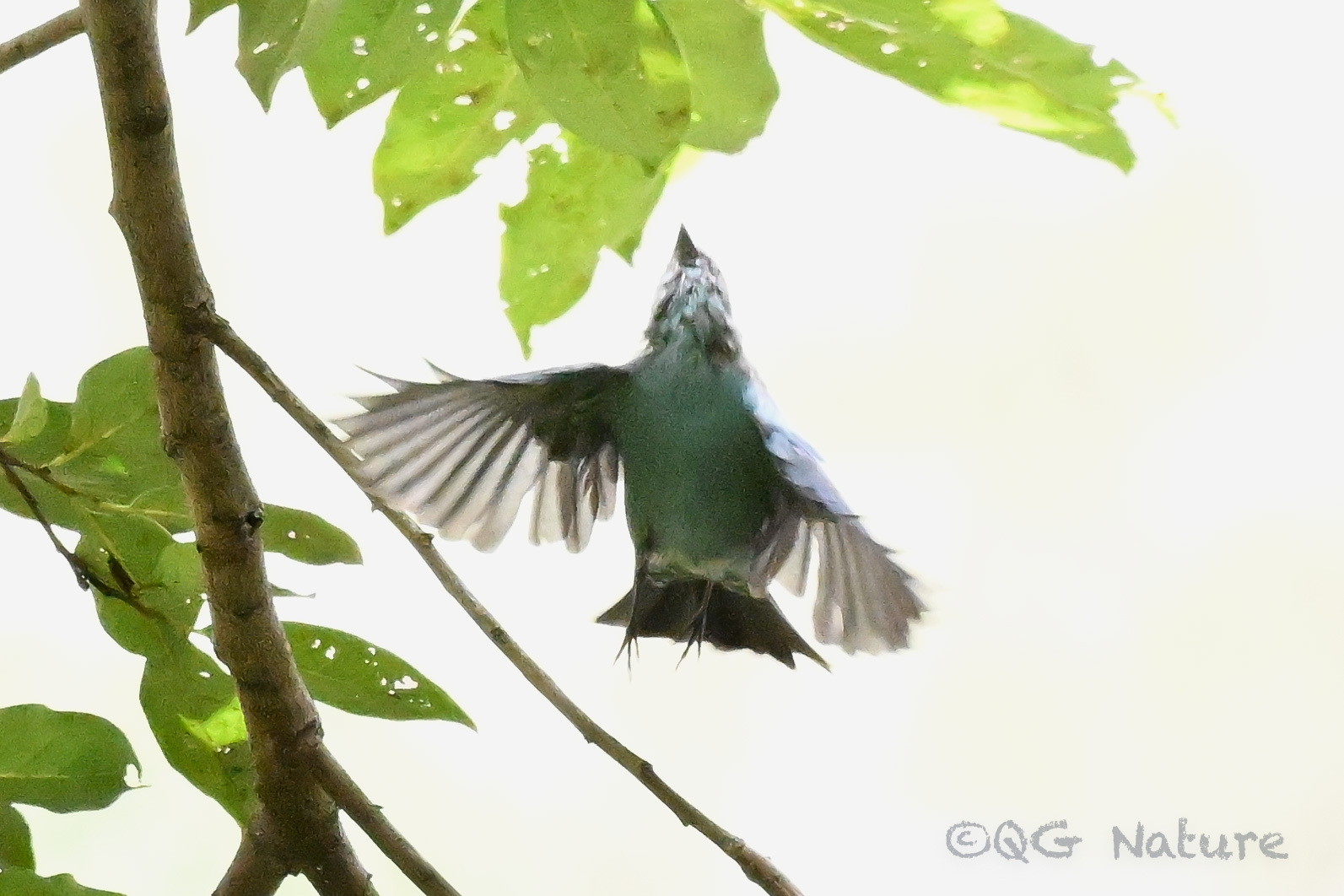
Unlike many flycatchers that remain concealed in the understory, this species forages above the canopy level, perching on electric wires or exposed tree top branches from which it sallies to catch flying insects. This distinctive behavior makes it more visible to observers than many of its relatives.
Source: Wikipedia · CC BY-SA 3.0
Taxonomy
- Order
- Passeriformes
- Family
- Muscicapidae
- Genus
- Eumyias
- eBird Code
- verfly4
Subspecies (2)
-
Eumyias thalassinus thalassinus
breeds northern Pakistan to southern China and Indochina; winters to peninsular India
-
Eumyias thalassinus thalassoides
peninsular Thailand, Malaya, Sumatra, and (rarely) Borneo
Data Sources
Species description from Wikipedia, licensed under CC BY-SA 3.0.
Bird images and sounds sourced from GBIF, contributed by citizen scientists worldwide under Creative Commons licenses.
Taxonomy data from AviList 2025.