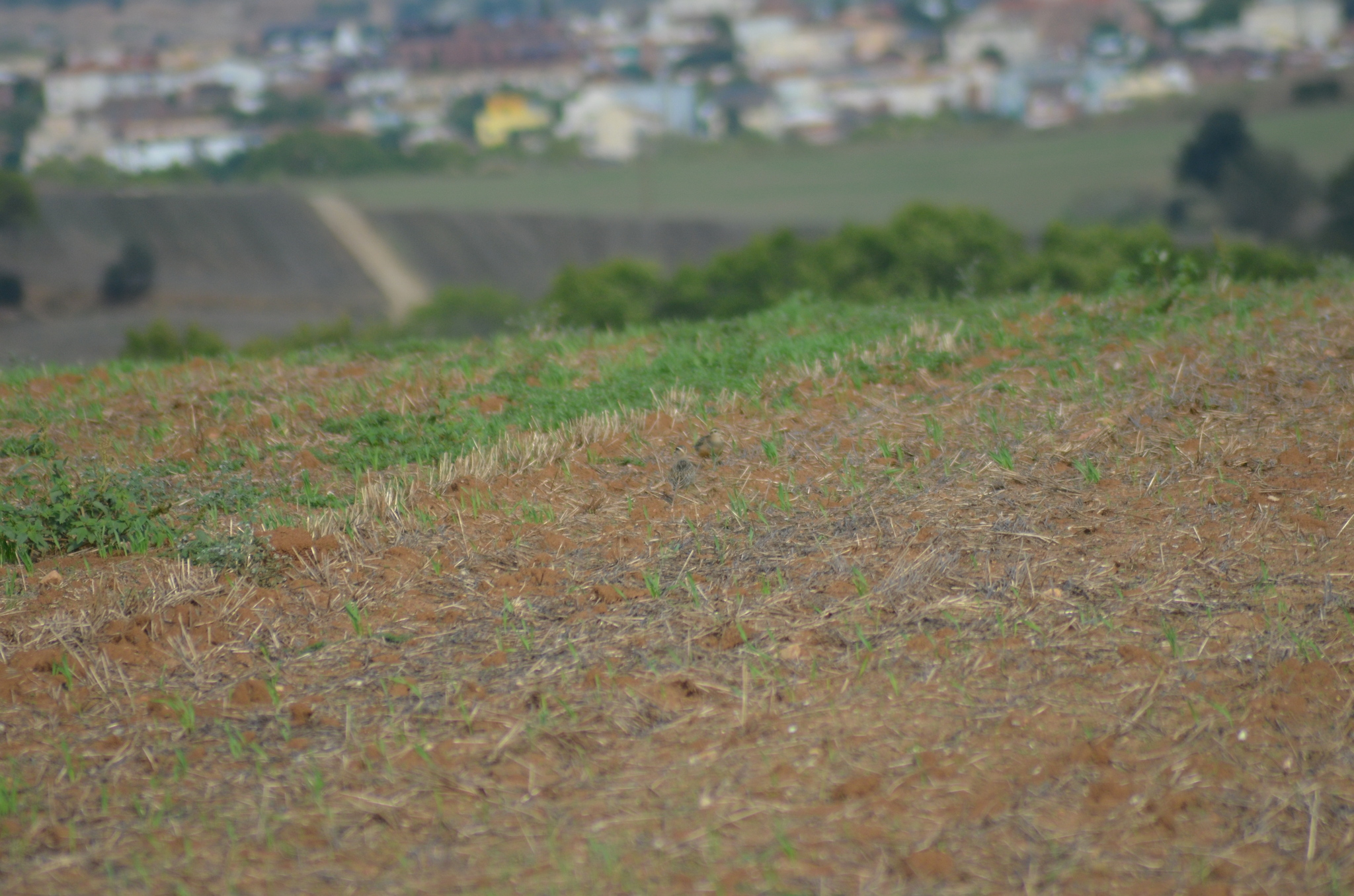
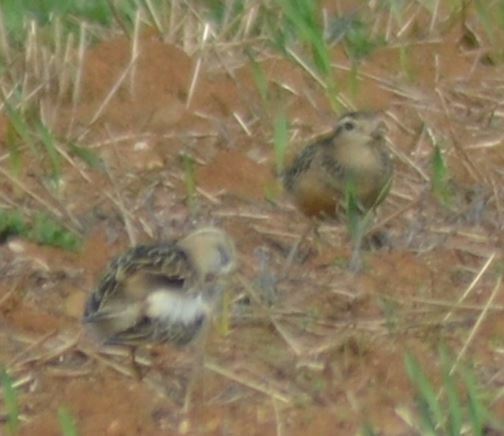
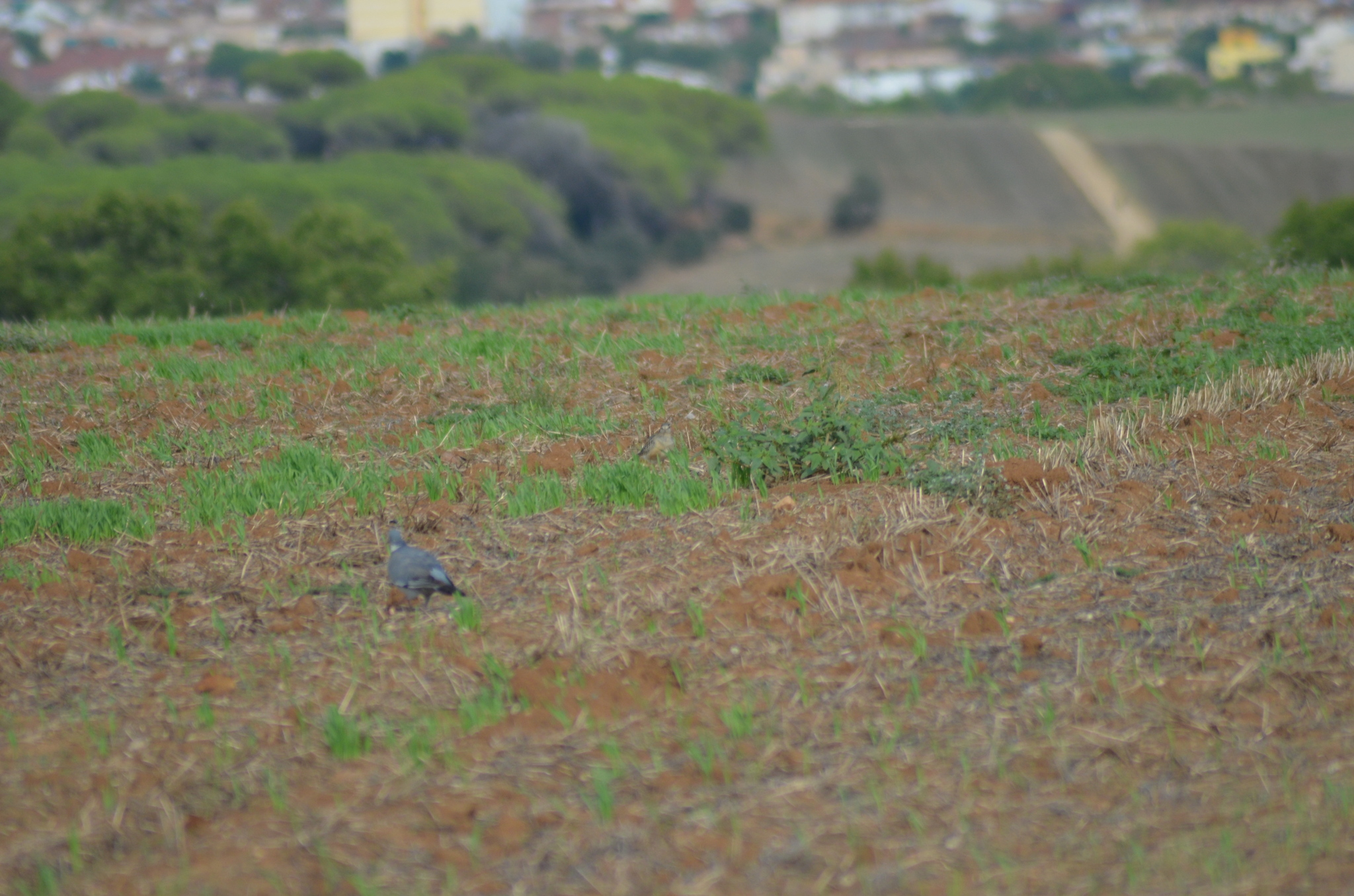
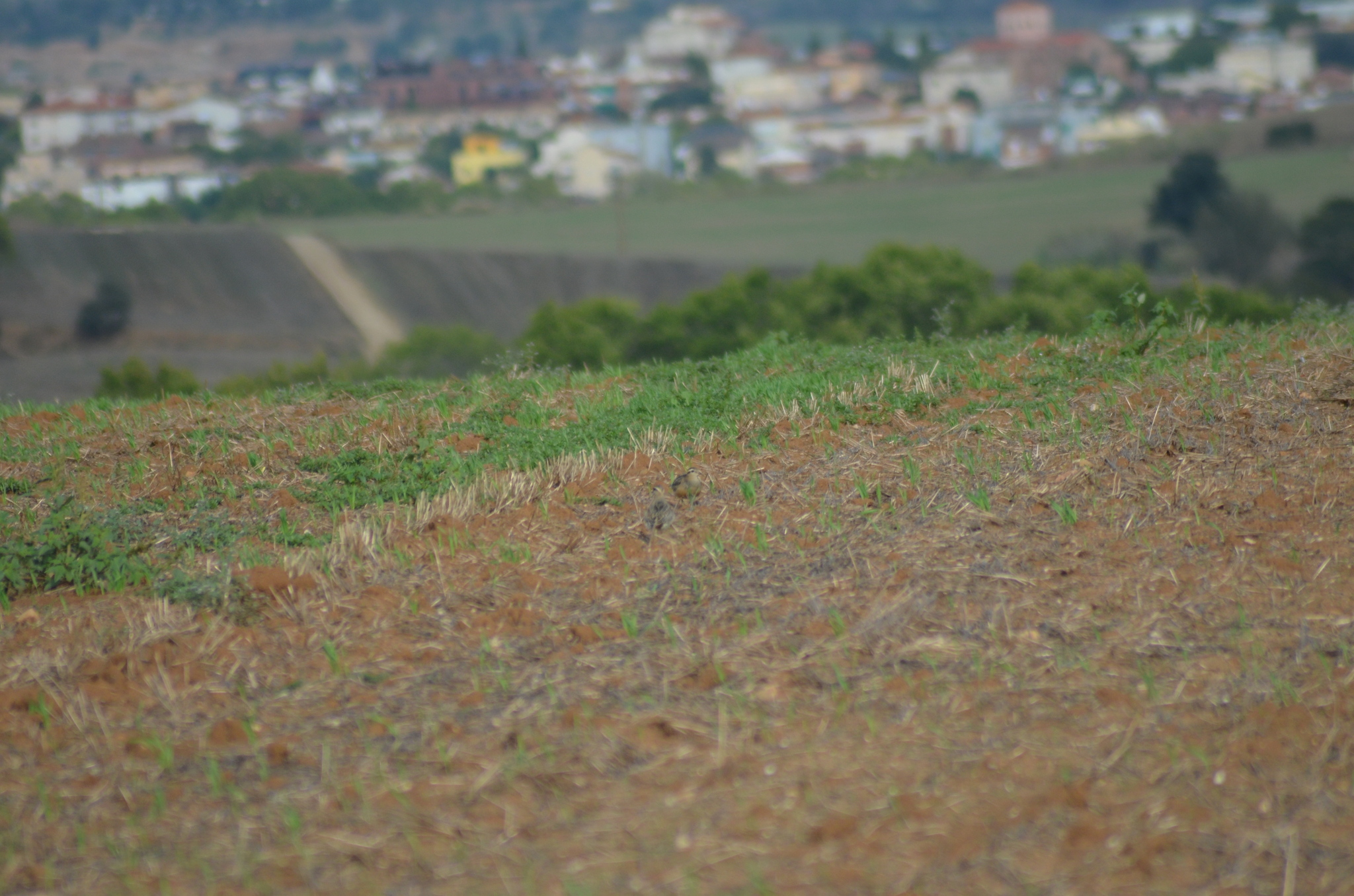
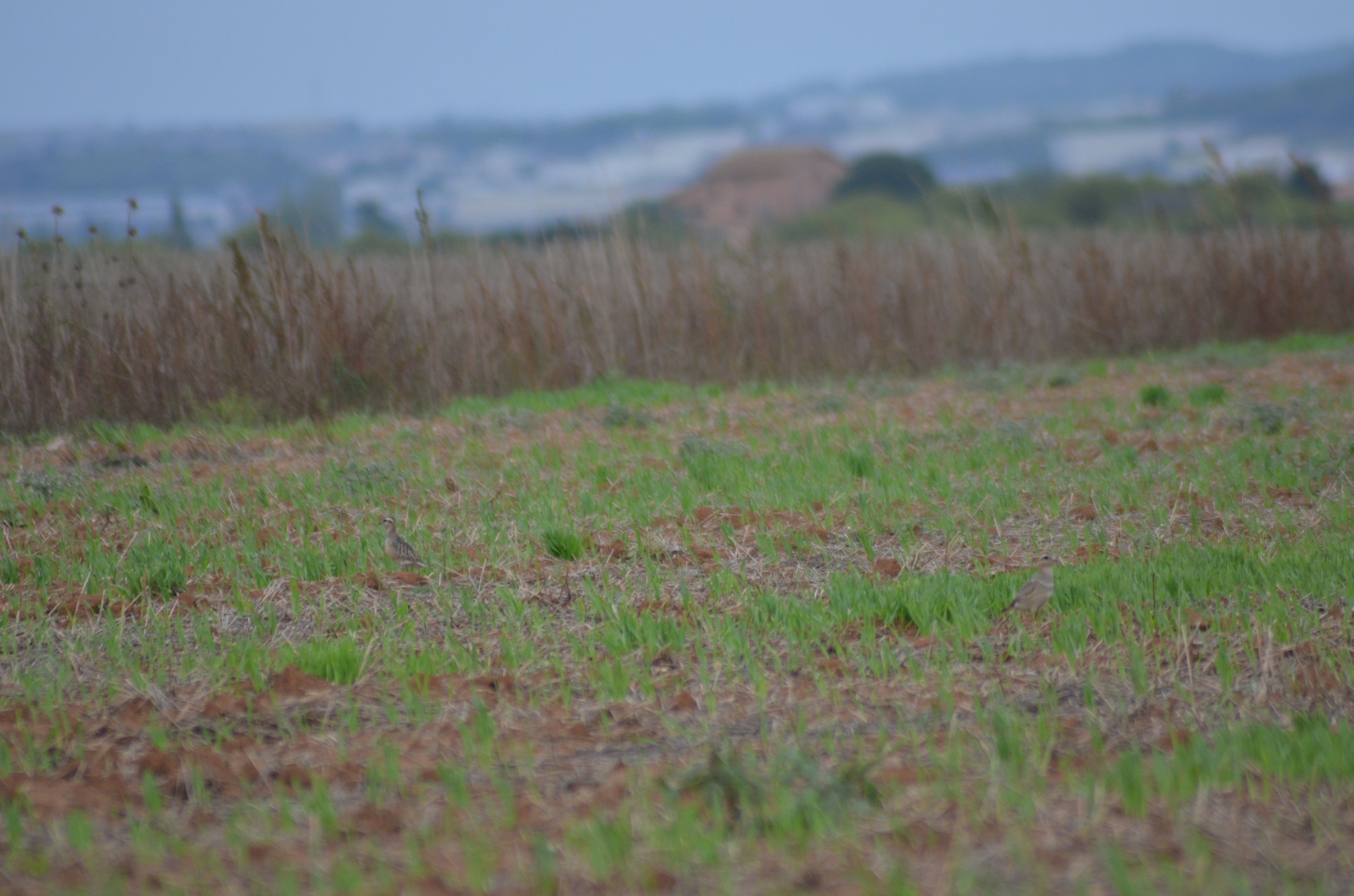
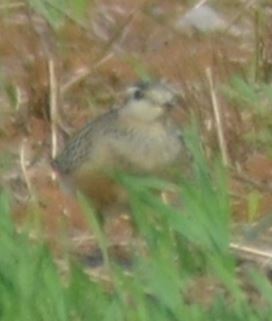
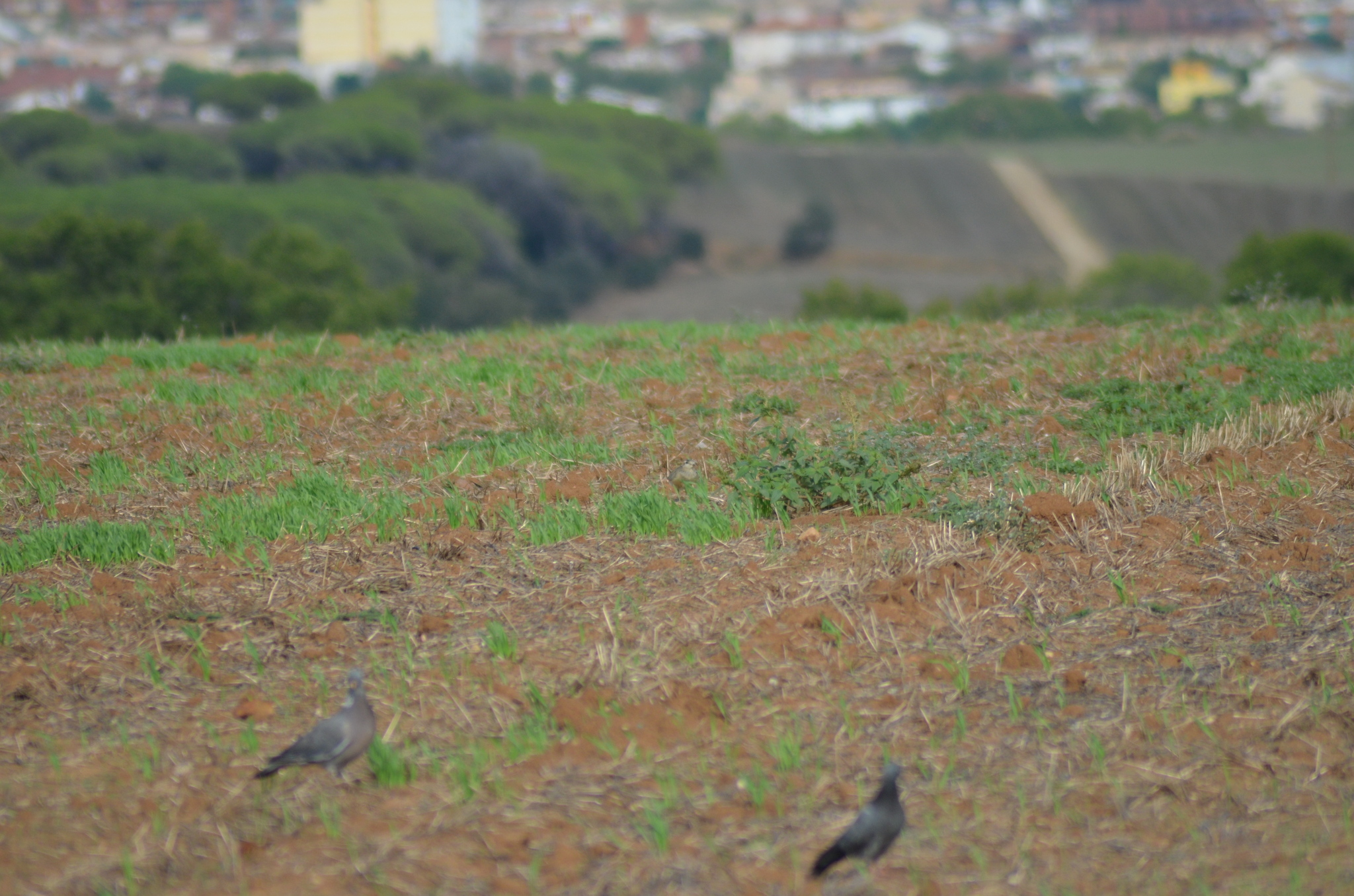
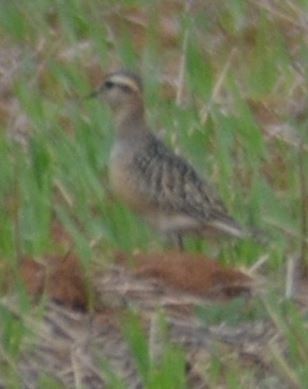
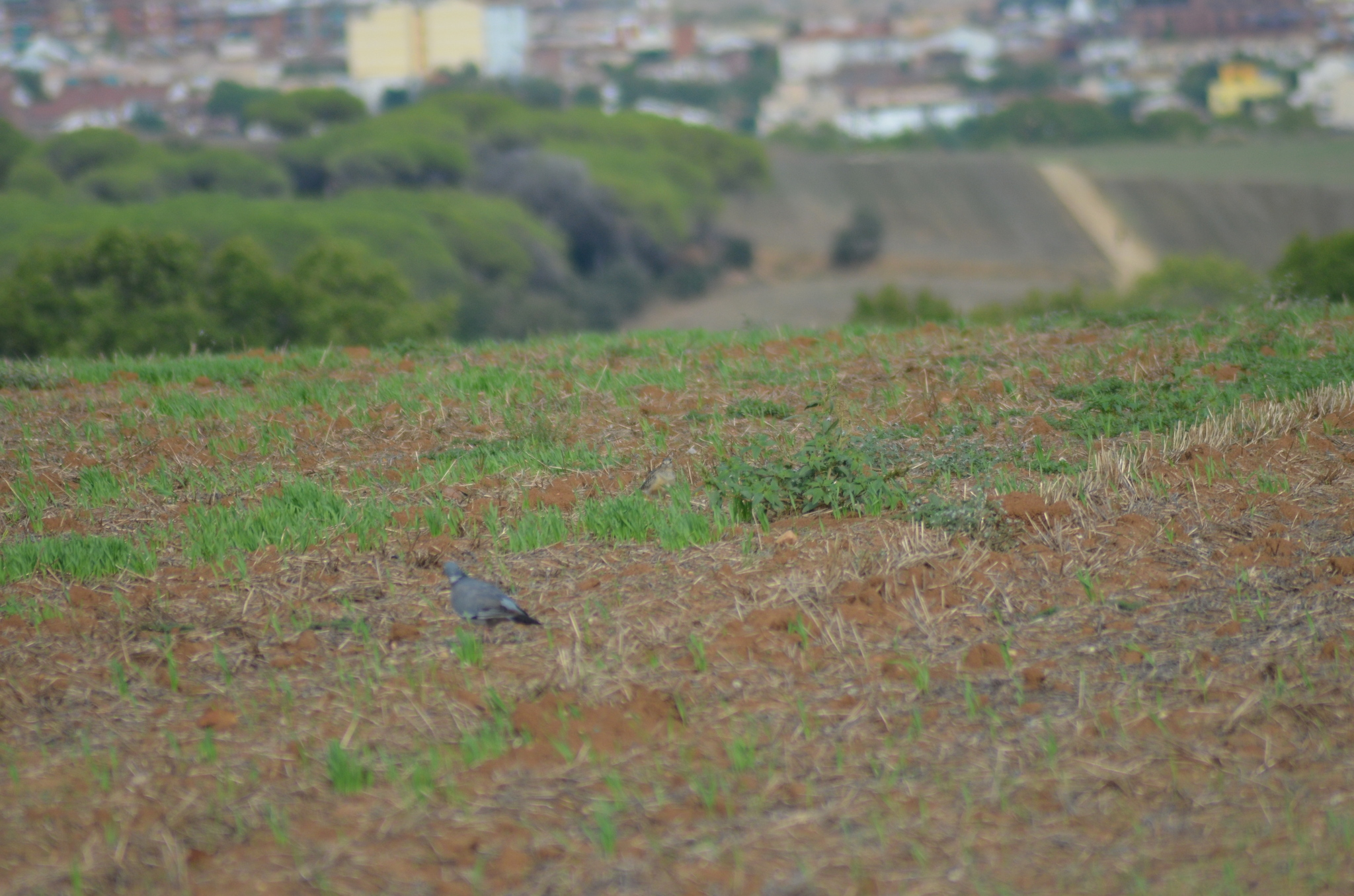
Eurasian Dotterel
Eudromias morinellus
小嘴鸻
Introduction
This small wader is the only species placed in the genus Eudromias, belonging to the plover family. It is a migratory species breeding in Northern Europe and Eurosiberia, wintering in North Africa and the Middle East. The species nests in a bare scrape on the ground, laying two to four eggs, with the male solely responsible for incubation and chick-rearing. The International Union for Conservation of Nature has rated it as a species of "least concern".
Description
This plover is smaller and more compact than the European golden plover. It has a striking whitish supercilium in all plumages and plain wings in flight. Adults in breeding plumage have a chestnut breast bordered above with white, a black belly, and warm-brown back. The legs are yellow, and the short bill is black. The female is brighter than the male, exhibiting reversed sexual dimorphism similar to phalaropes. Winter birds lack the rich underpart colouration, retaining only the white breast line, and appear greyer above. Juveniles are similar but have a scaly appearance to their backs.
Identification
The striking whitish supercilium is present in all plumages, and the plain wings in flight help distinguish this species from other waders. Adults in summer plumage are unmistakable with their chestnut breast bordered with white, black belly, and warm-brown back. The species is smaller and more compact than the European golden plover. The flight call is a soft "pyurr," and the female's song is a simple, repetitive whistle.
Distribution & Habitat
Breeding occurs in the Arctic tundra of northern Eurosiberia, from Norway to eastern Siberia, and on suitable mountain plateaus including the Scottish highlands and the Alps. This migratory species winters in a narrow belt across North Africa from Morocco eastwards to Iran. Migration stopovers are traditional, with small parties passing through inland arable or grassy sites annually. The winter habitat is semi-desert.
Behavior & Ecology
The diet consists of insects and other small invertebrates such as snails, worms, and shellfish, obtained by a run-and-pause technique rather than steady probing. The male is responsible for incubation and chick-rearing, while the female typically leaves to find another mate and lay another clutch. Nests are bare scrapes on the ground containing two to four eggs. Genetic studies show that 4.6% of chicks were not the offspring of the caring male, with 9.1% of broods affected. The flight call is a soft "pyurr," and females sing a simple, repetitive whistle.
Conservation
The IUCN rates this species as "least concern" due to its wide range and relatively common status. Populations appear to be declining slowly. A 2015 survey documented a 57% decline in Scottish breeding males, from 980 in 1987 to 423 in 2011. The species is covered by the Agreement on the Conservation of African-Eurasian Migratory Waterbirds. Historical illegal poaching depleted stocks, as the bird's trusting nature made it easy to catch.
Culture
The term "dotterel" has been used contemptuously to mean an old fool, reflecting the bird's tame and unsuspecting nature. The English name dates to 1440, used for both the bird and as an insult for someone considered simple. The Scottish Gaelic name "amadan-mòintich" means "fool of the moors." King James VI and I annually visited Royston, Hertfordshire to shoot these birds. In 1534, Queen Anne Boleyn was presented with "a brace of dotterels," as the species was prized as a delicacy.
Source: Wikipedia · CC BY-SA 3.0
Taxonomy
- Order
- Charadriiformes
- Family
- Charadriidae
- Genus
- Eudromias
- eBird Code
- eurdot
Distribution
breeds high Arctic coastal tundra and alpine zone, from northern British Isles and Scandinavia eastward to Chukotskiy Peninsula and western Alaska; in south locally from Pyrenees through montane Mongolia; winters from Iberian Peninsula and northern Africa eastward to Arabian Peninsula and Iraq
Data Sources
CBR Notes: 由Charadrius属移入Eudromias属 (dos Remedios et al. 2015; Černý & Natale 2022).
Species description from Wikipedia, licensed under CC BY-SA 3.0.
Bird images and sounds sourced from GBIF, contributed by citizen scientists worldwide under Creative Commons licenses.
Taxonomy data from AviList 2025.