

Scarlet Ibis
Eudocimus ruber
美洲红鹮
Introduction
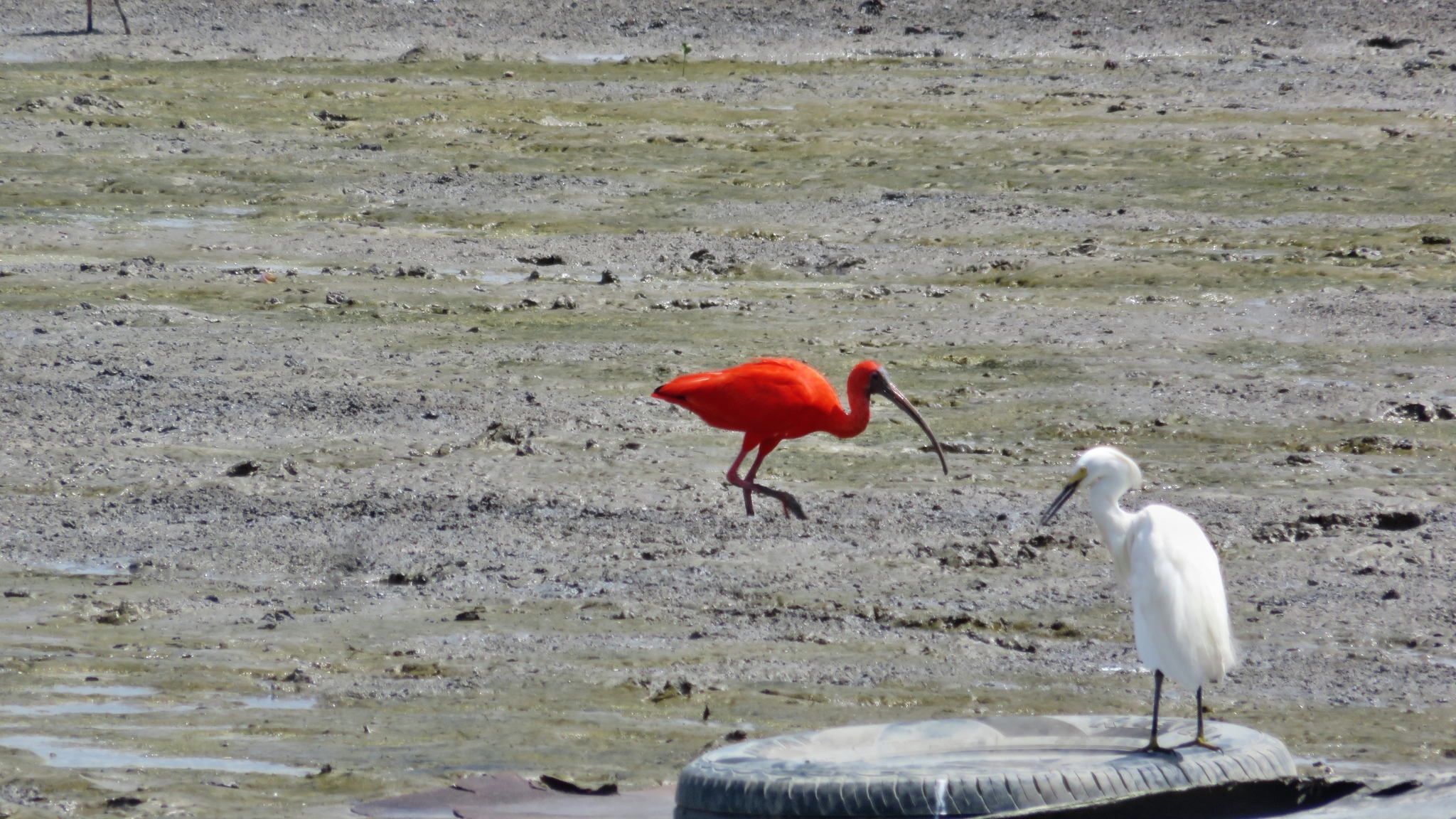
A wading bird species (Eudocimus ruber) in the family Threskiornithidae. Inhabits tropical South America and the Caribbean, with native populations in Brazil, Colombia, French Guiana, Guyana, Suriname, Venezuela, and the islands of the Netherlands Antilles and Trinidad and Tobago. Colonies gather in wetlands, mud flats, shorelines, and rainforests, with highest concentrations in the Llanos region of western Venezuela and eastern Colombia. The species is characterized by its brilliant scarlet plumage and is one of the most conspicuous and prolific wading birds in its range. Vagrants have been recorded in Belize, Ecuador, Panama, Aruba, Cuba, Dominica, Grenada, Jamaica, and the United States. Protected throughout its range, the species holds a Least Concern IUCN status.
Description
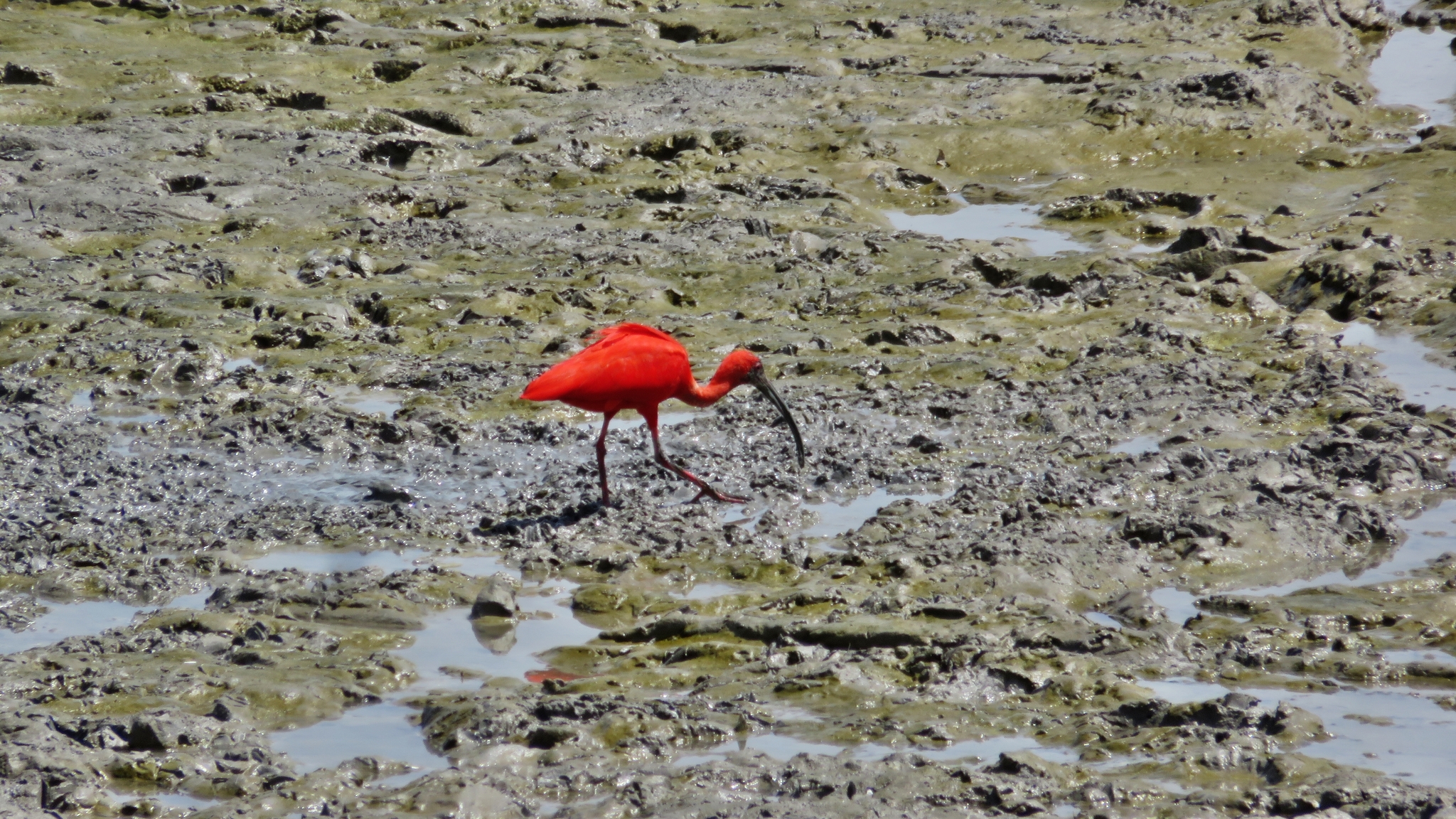
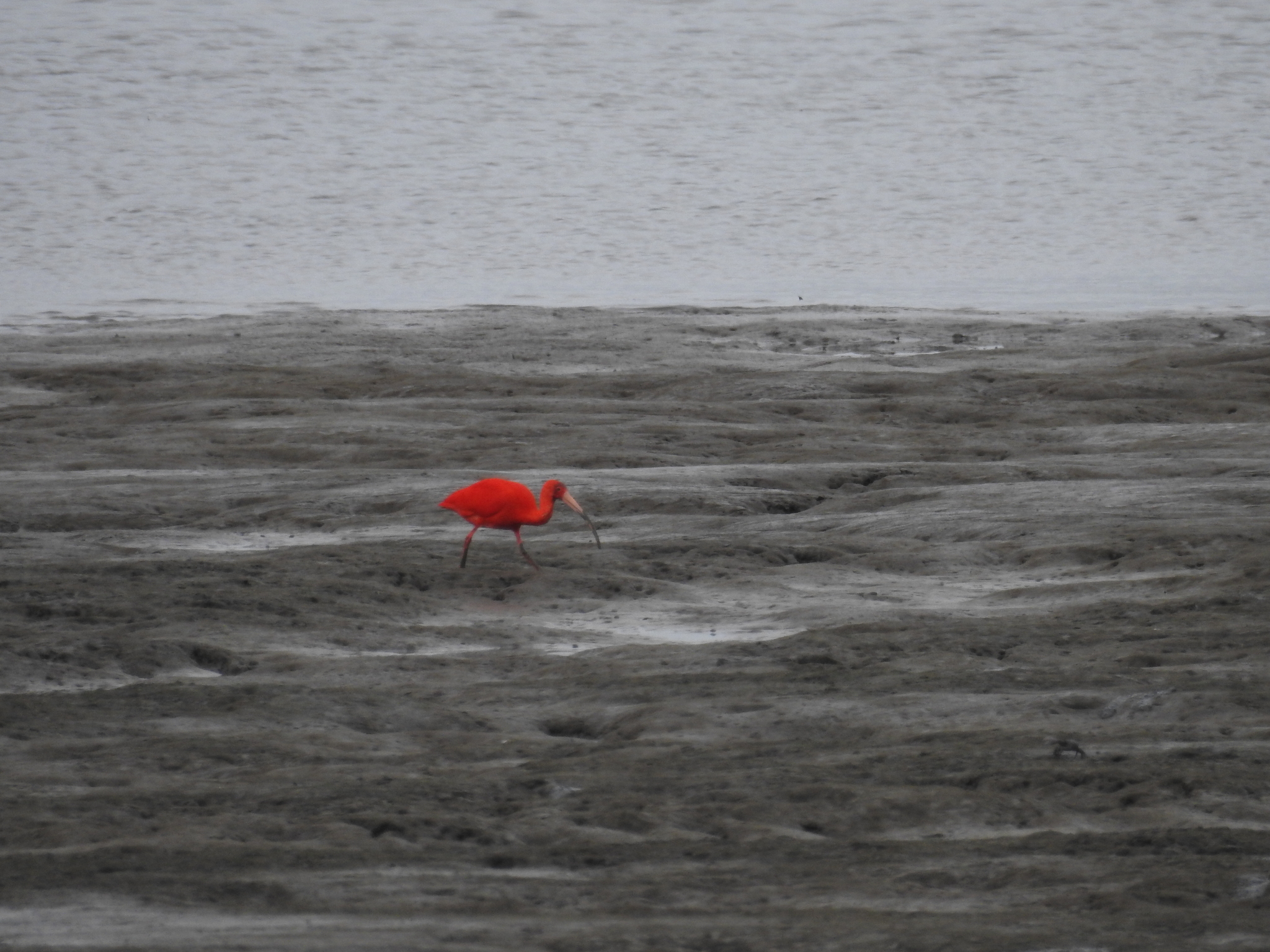
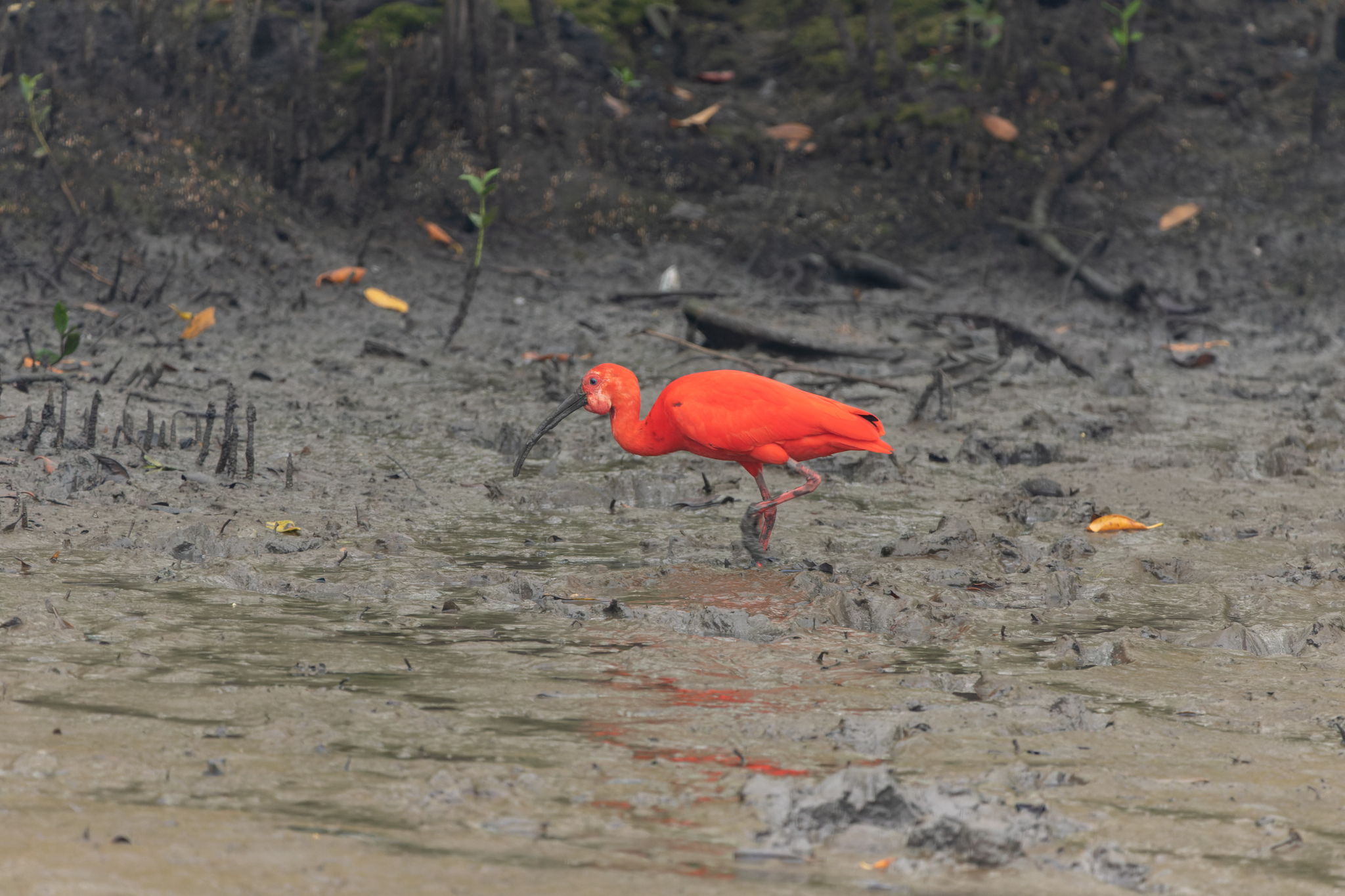
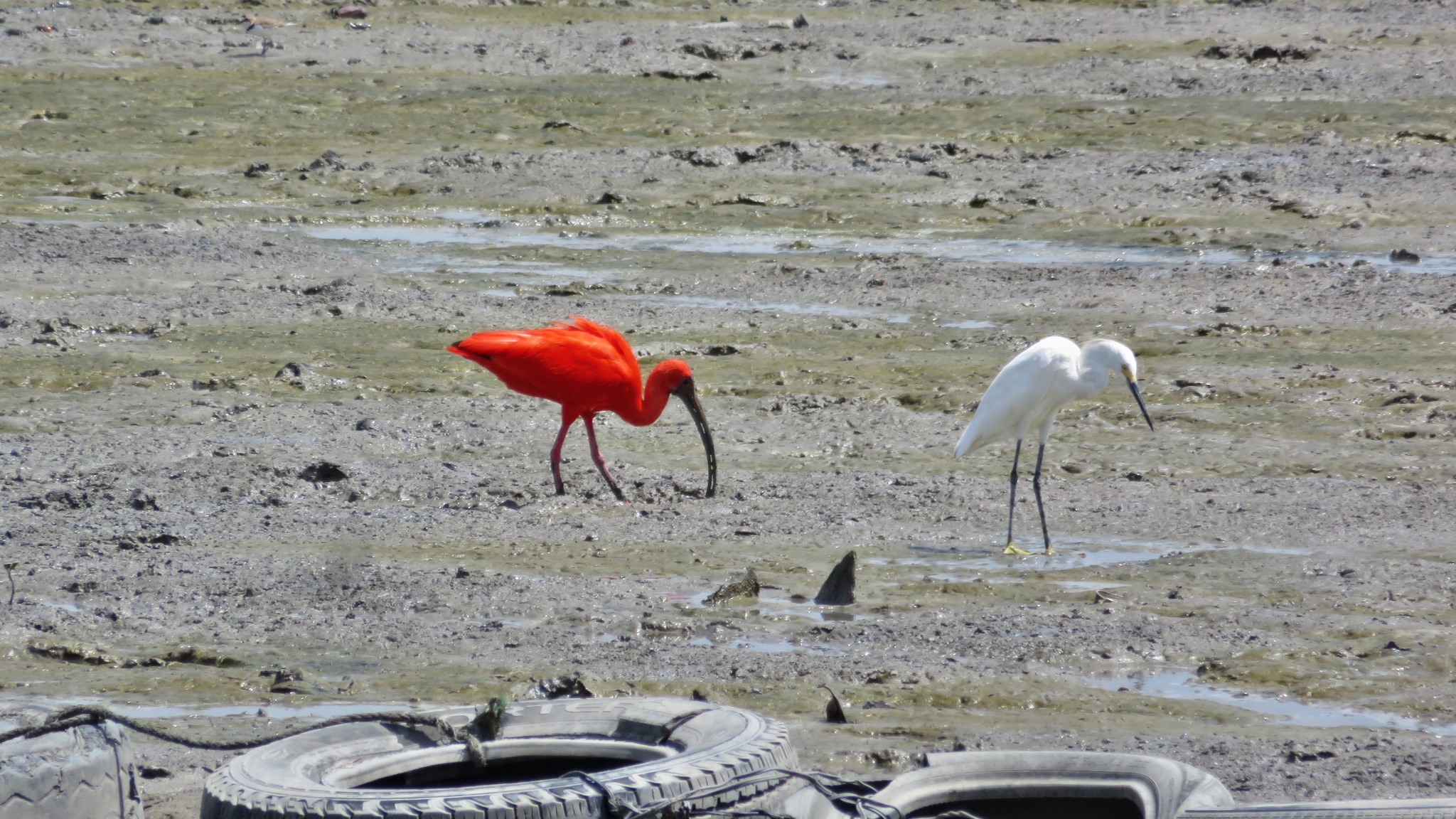
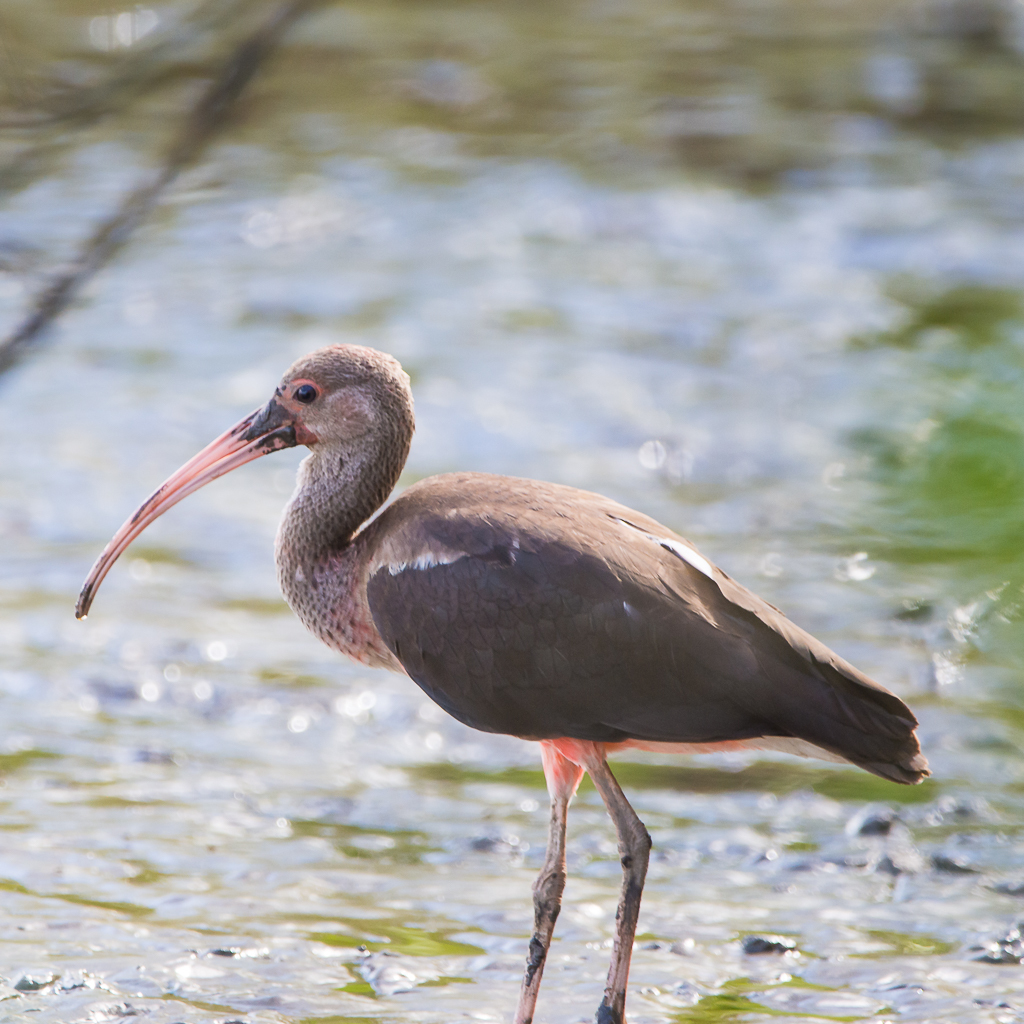
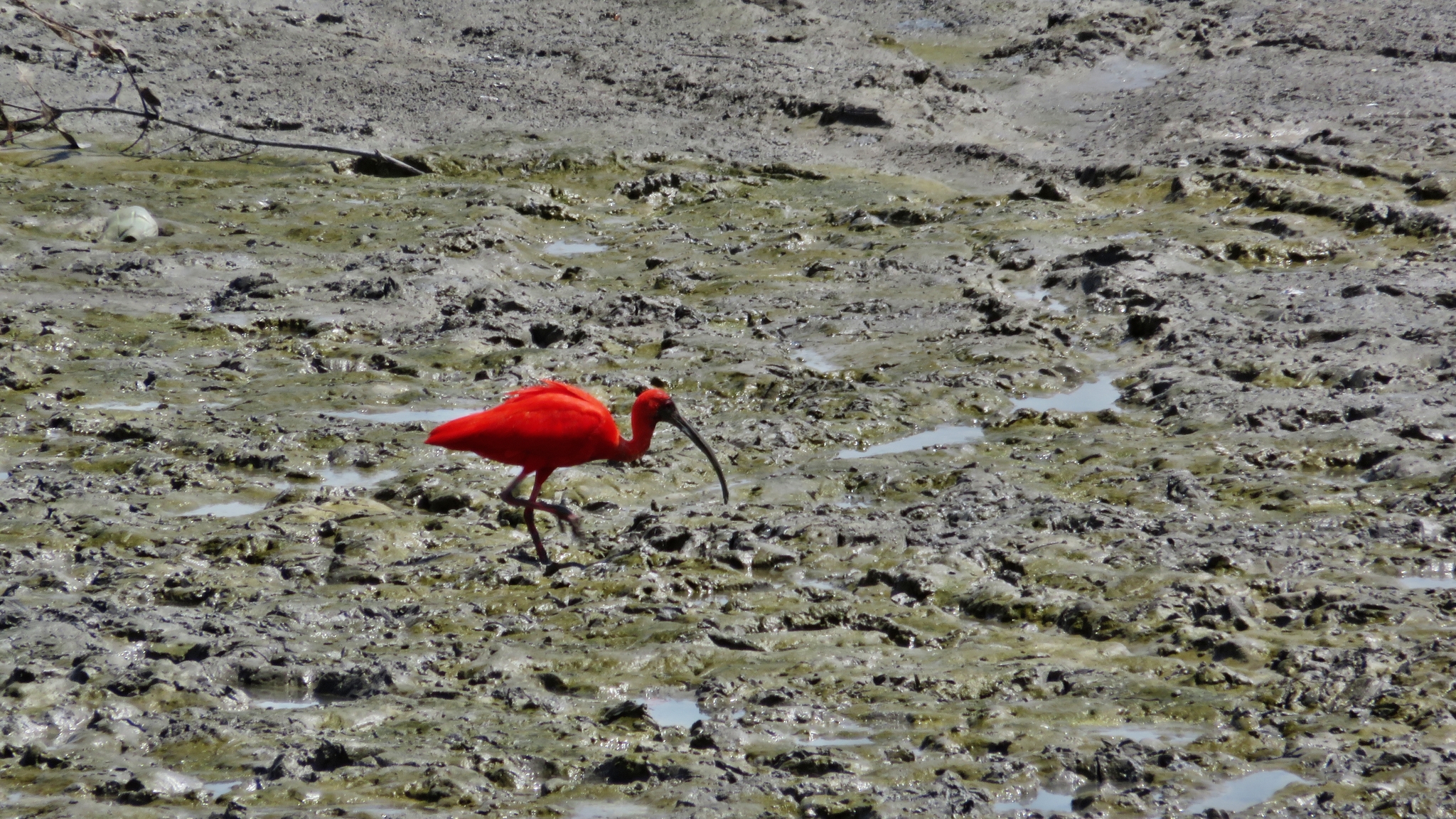
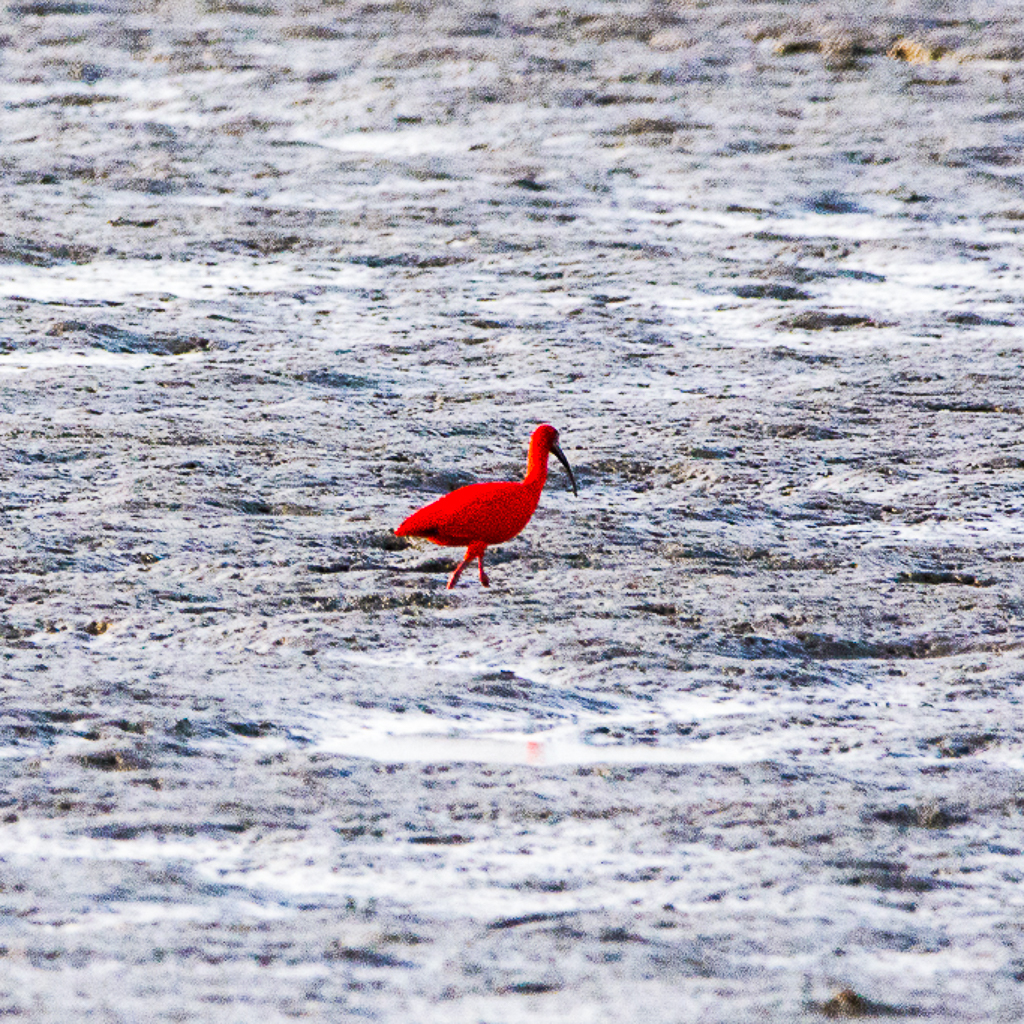
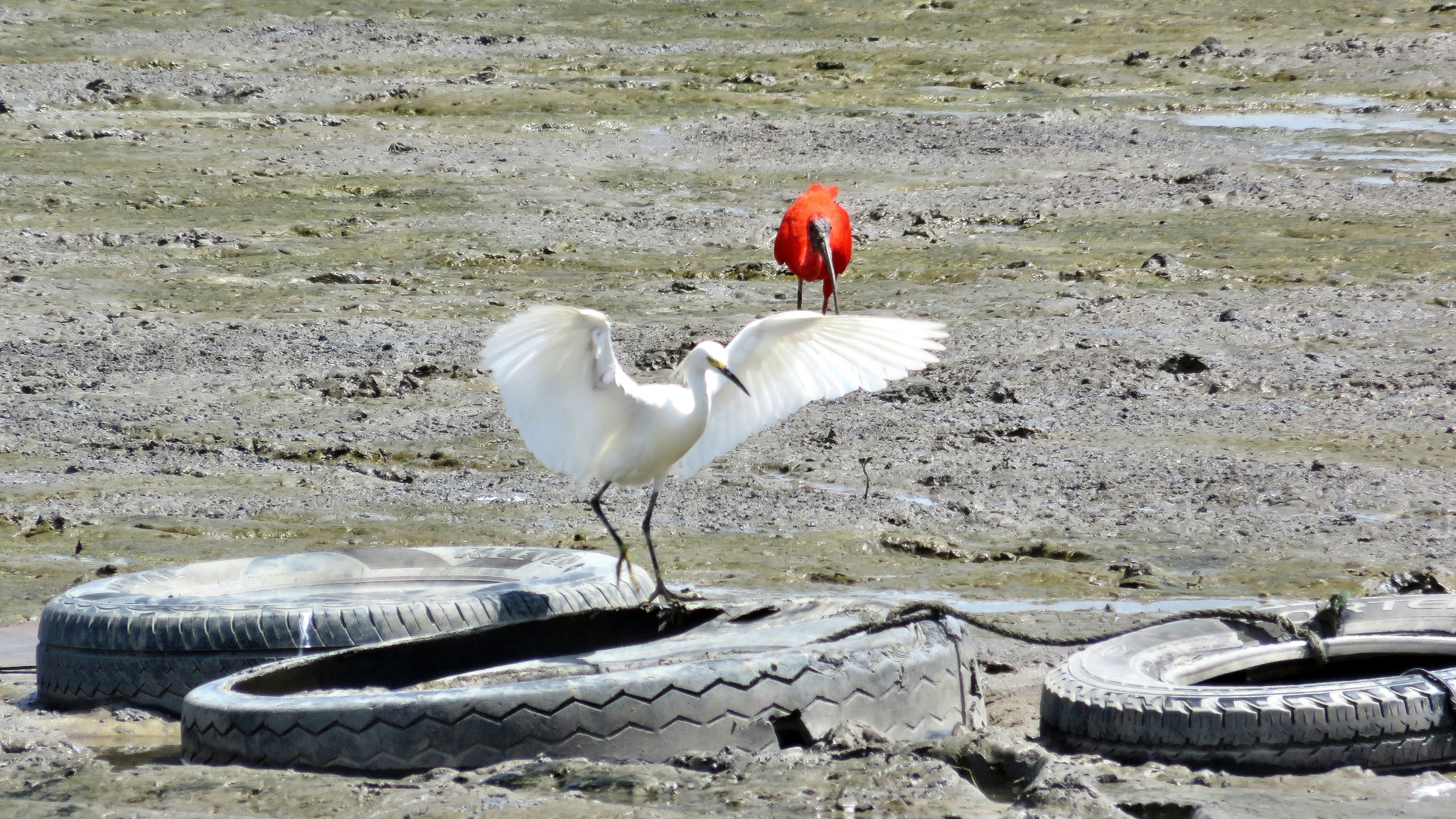
Adult plumage is virtually all scarlet, with only the wingtips deviating from this coloration. The longest primary feathers display rich inky black or occasionally dark blue tips. The species has a long, narrow, decurved bill and long extended legs and neck. Bills and feet are red, though the bill may be blackish toward the tip. Adults measure 55-63 centimeters in length, with males being slightly larger and typically weighing 1.4 kilograms. Male bills average 22% longer than females. The wingspan is approximately 54 centimeters. Juveniles display a mix of grey, brown, and white plumage. The species is the only red wading bird in the world.
Identification
Unmistakable due to its brilliant scarlet coloration, the only red wading bird globally. The black wingtips on the longest primaries provide a reliable distinguishing mark. Closely resembles the American white ibis (Eudocimus albus) in form and structure, with the two species having identical bones, claws, beaks, and feather arrangements. The stark difference in pigmentation—scarlet versus white—allows for immediate field identification. Hybrid individuals in areas of overlap may show pale orange plumage or white with orange feathers.
Distribution & Habitat
Range extends throughout tropical South America and the Caribbean. Native populations occur in Brazil, Colombia, French Guiana, Guyana, Suriname, Venezuela, the Netherlands Antilles, and Trinidad and Tobago. Outlying colonies exist in coastal Brazilian states including Espírito Santo, Rio de Janeiro, São Paulo, Paraná, and Santa Catarina, with recent sightings as far south as Joinville and São Francisco do Sul. Highest concentrations are found in the Llanos region of western Venezuela and eastern Colombia. The species is highly migratory and moves in flocks in classic V formation. Vagrant occurrences have been recorded throughout Central America, the Caribbean, and the Gulf Coast of the United States.
Behavior & Ecology
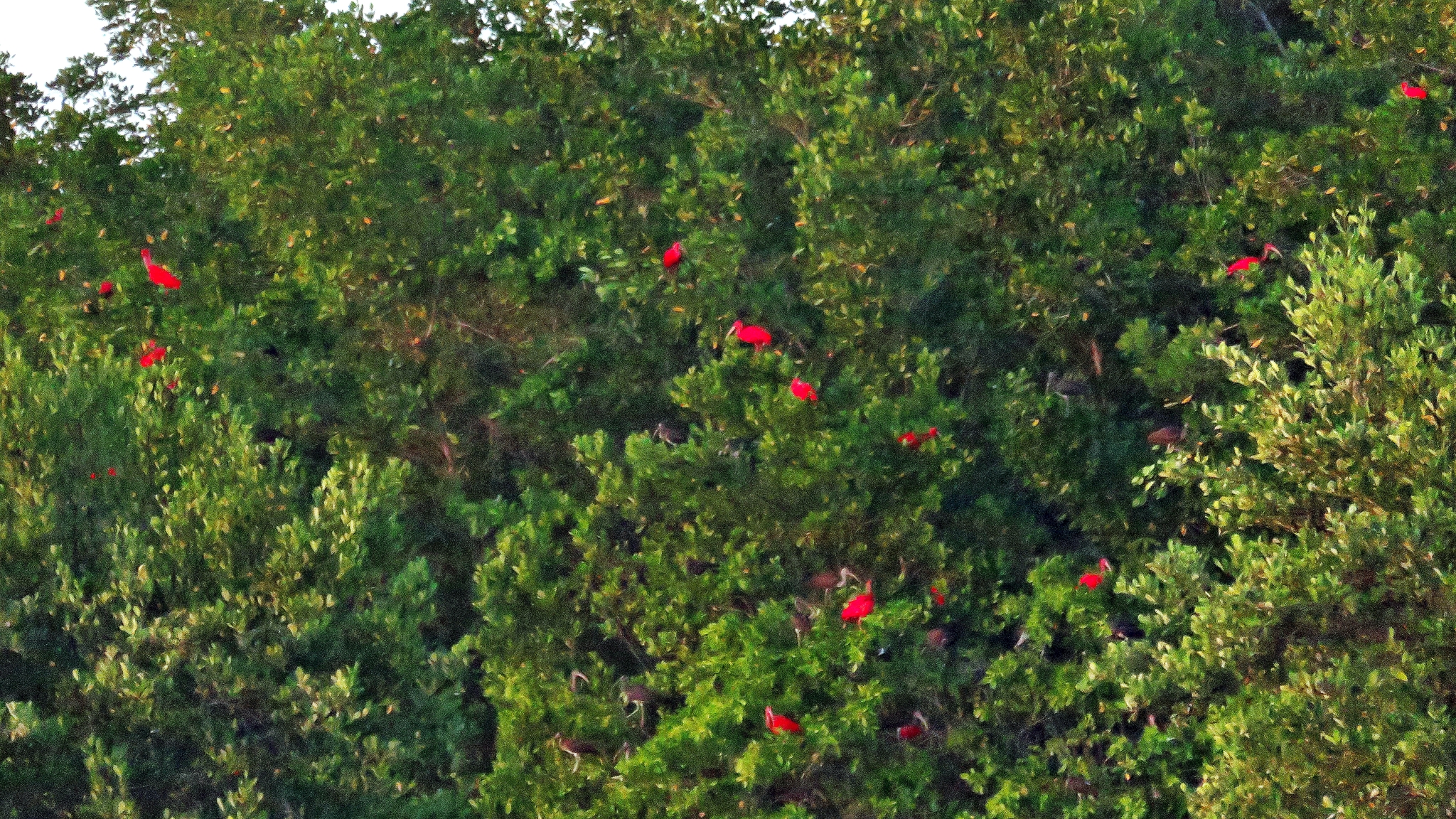
The species feeds by probing soft mud and under plants with its long decurved bill. Diet consists primarily of insects, particularly scarabs and ground beetles, supplemented by shrimp, ragworms, mollusks, small crabs, and crayfish. Occasional prey includes frogs, small snakes, small fish, fruits, and seeds. Breeding pairs build loose stick platforms as nests in trees above water, preferably on islands. Courtship rituals include preening, shaking, bill popping, head rubbing, and high flights. Females lay clutches of 3-5 eggs following a 5-6 day gestation, with incubation lasting 19-23 days. The species is highly sociable, living in flocks of 30 or more and gathering in colonies of several thousand. They regularly mix with storks, spoonbills, egrets, herons, and ducks. The distinctive red coloration results from astaxanthin in their diet.
Conservation
The International Union for Conservation of Nature classifies the species as Least Concern. Protected status exists throughout its range. Global populations remain relatively large despite local declines. Recent losses in French Guiana have raised conservation concerns. In Brazil, the species has been included on the national endangered species list. The species' prolific nature and protected status help offset localized population pressures.
Culture
The species is one of the two national birds of Trinidad and Tobago, alongside the rufous-vented chachalaca. Both birds appear on the coat of arms of Trinidad and Tobago. The Caroni Swamp, a 199-hectare wetland reserve established in 1953, was designated specifically to provide habitat for the species. The name 'guará' from the Tupi-Guarani language appears in several Brazilian coastal municipality names. The species has inspired literary works, most notably James Hurst's short story 'The Scarlet Ibis' (1960) and Margaret Atwood's 'Scarlet Ibis' (1983).
Source: Wikipedia · CC BY-SA 3.0
Taxonomy
- Order
- Pelecaniformes
- Family
- Threskiornithidae
- Genus
- Eudocimus
- eBird Code
- scaibi
Distribution
coastal Colombia to Trinidad, the Guianas, and northeastern Brazil
Data Sources
Species description from Wikipedia, licensed under CC BY-SA 3.0.
Bird images and sounds sourced from GBIF, contributed by citizen scientists worldwide under Creative Commons licenses.
Taxonomy data from AviList 2025.