Beach Stone-curlew
Esacus magnirostris
石鸻
Introduction
A large ground-dwelling shorebird in the family Burhinidae. Inhabits undisturbed open beaches, exposed reefs, mangroves, and tidal sand or mudflats across coastal eastern Australia, northern Australian coast and nearby islands, New Guinea, New Caledonia, Indonesia, Malaysia, and the Philippines. One of the world's largest shorebirds at 55 cm and 1 kg. Less strictly nocturnal than most stone-curlews, sometimes foraging by daylight in slow, deliberate movements. Classified as Near Threatened on the IUCN Red List and critically endangered in New South Wales.
Description
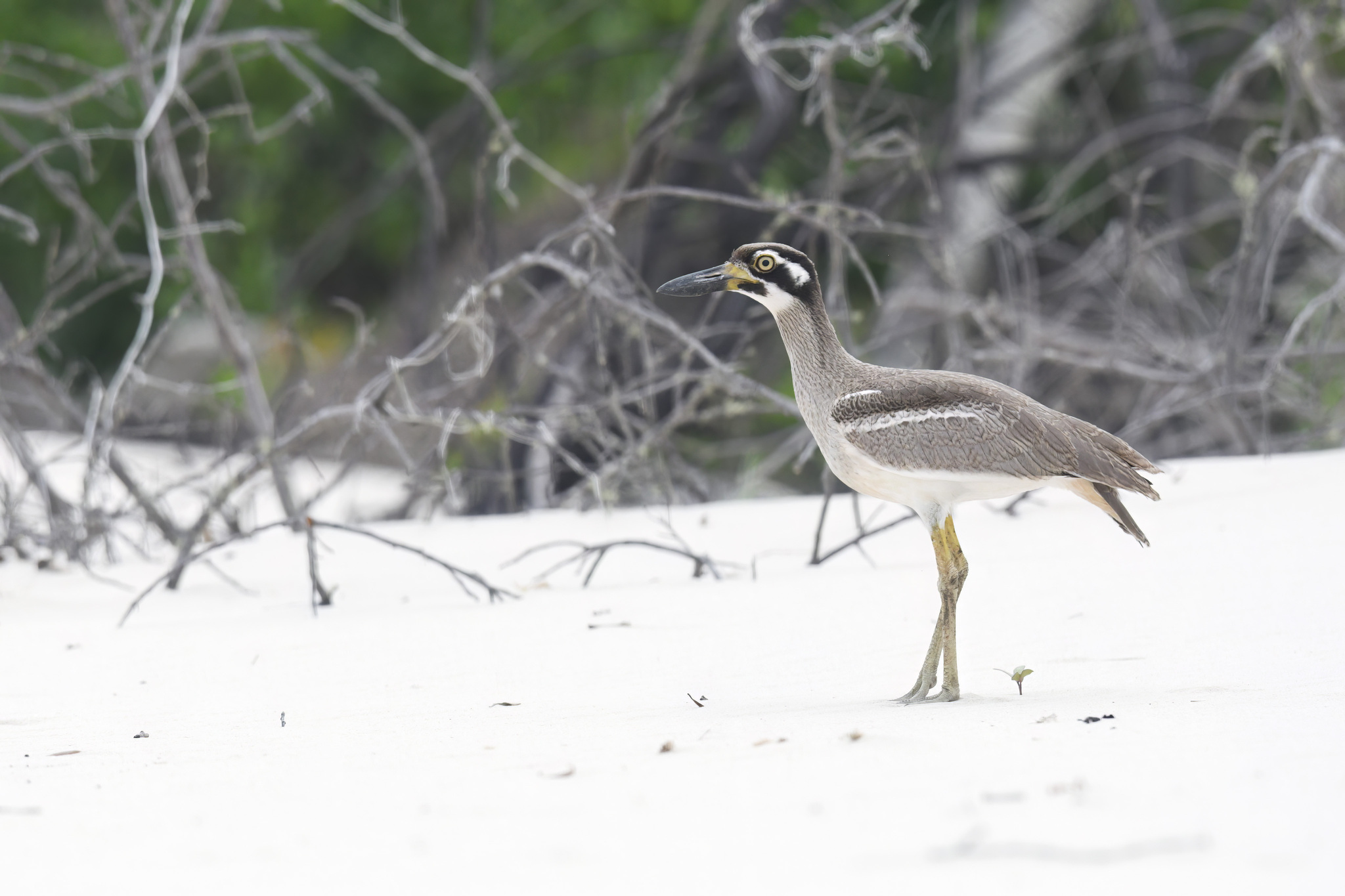
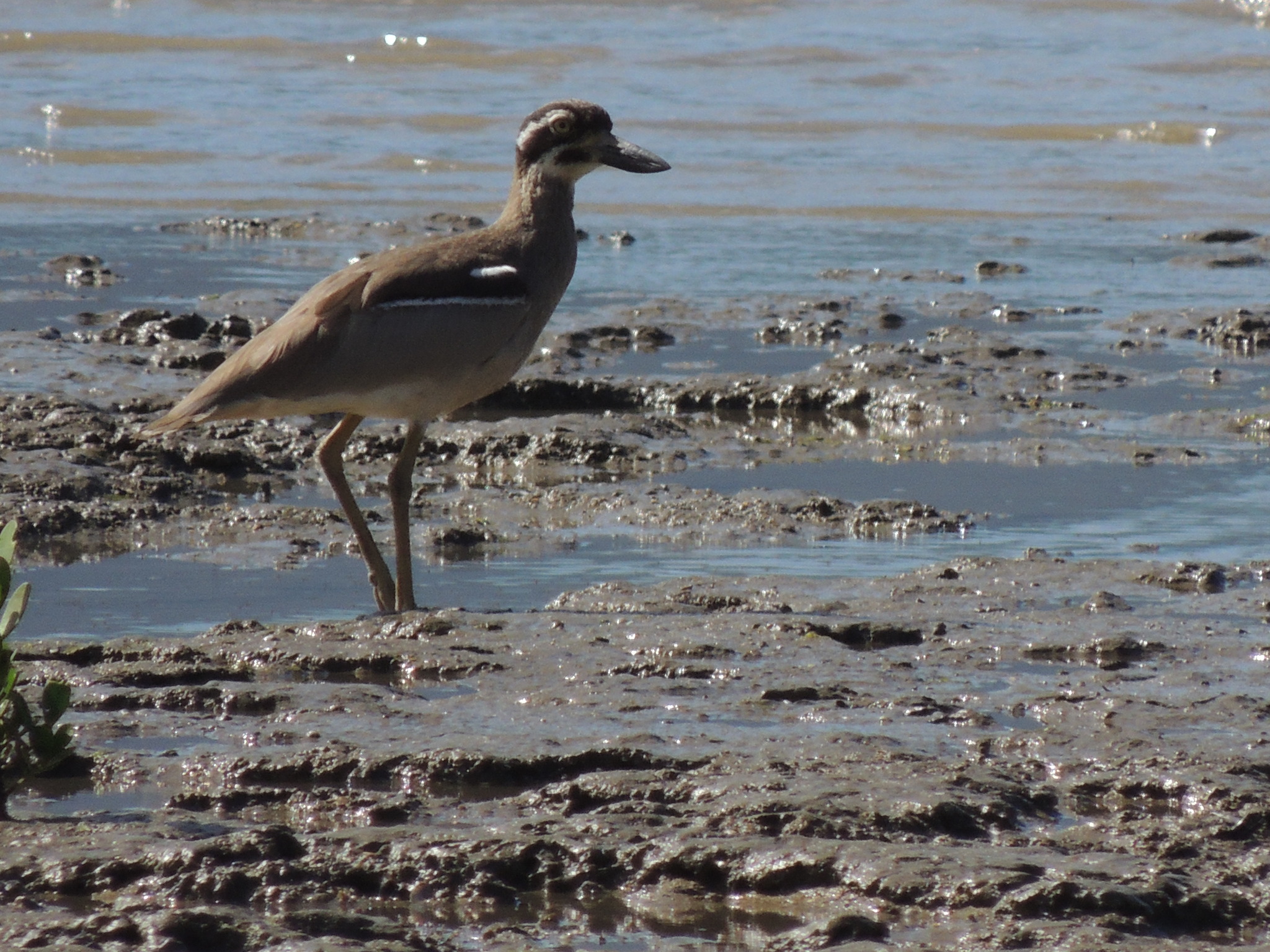
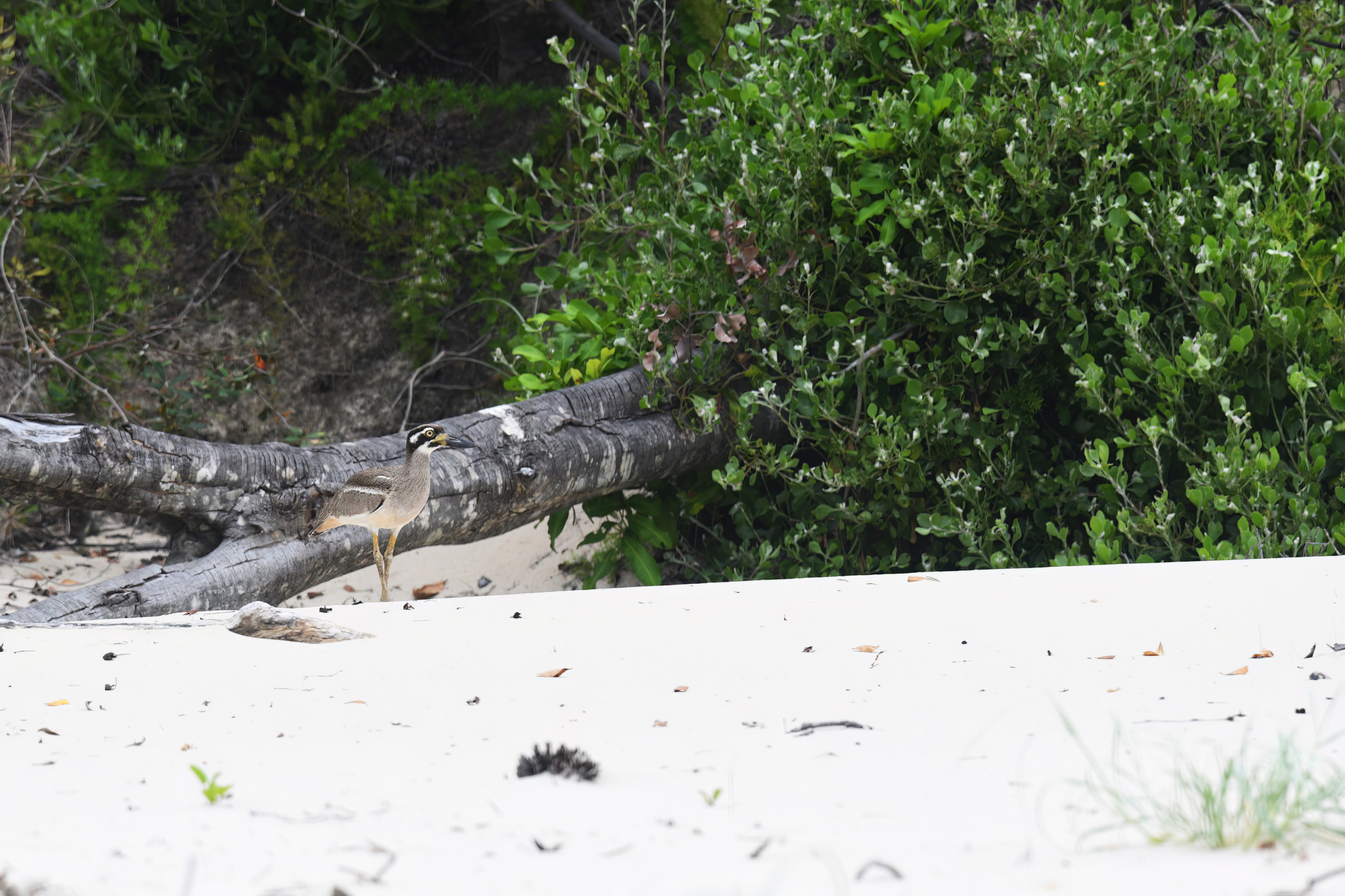
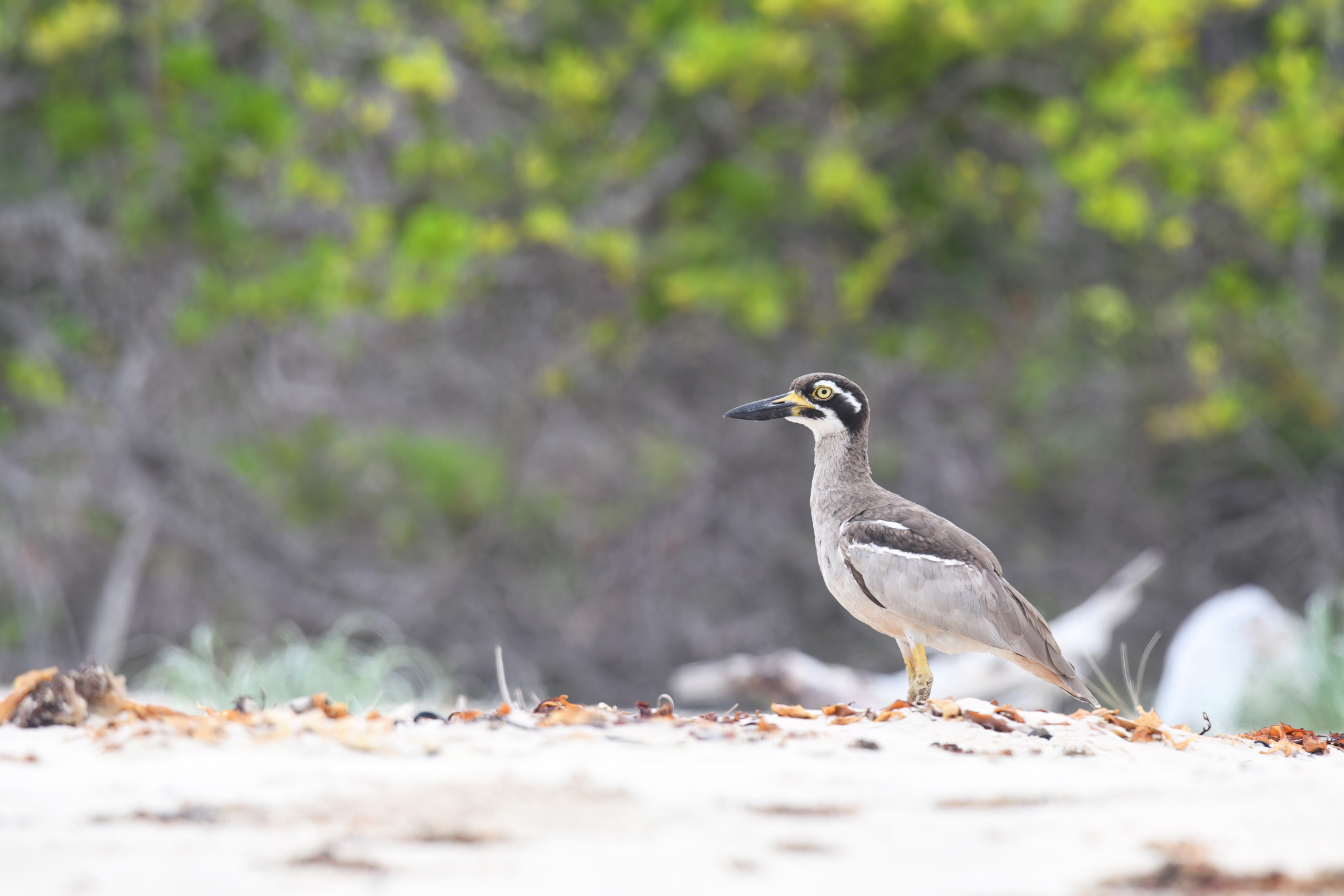
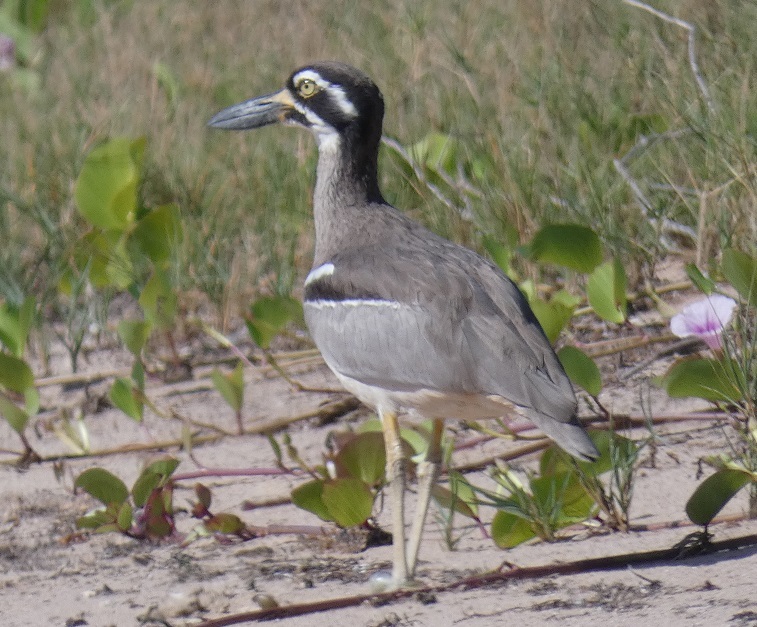
A large shorebird measuring 54-56 cm in length. Males average 1,032 g and females 1,000 g, making it the heaviest living member of the Charadriiformes outside of gull and skua families. Plumage features black and white face patterning, yellow eyes, and grey-brown upperparts.
Identification
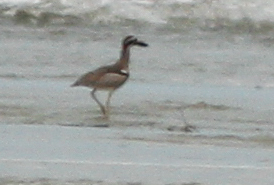
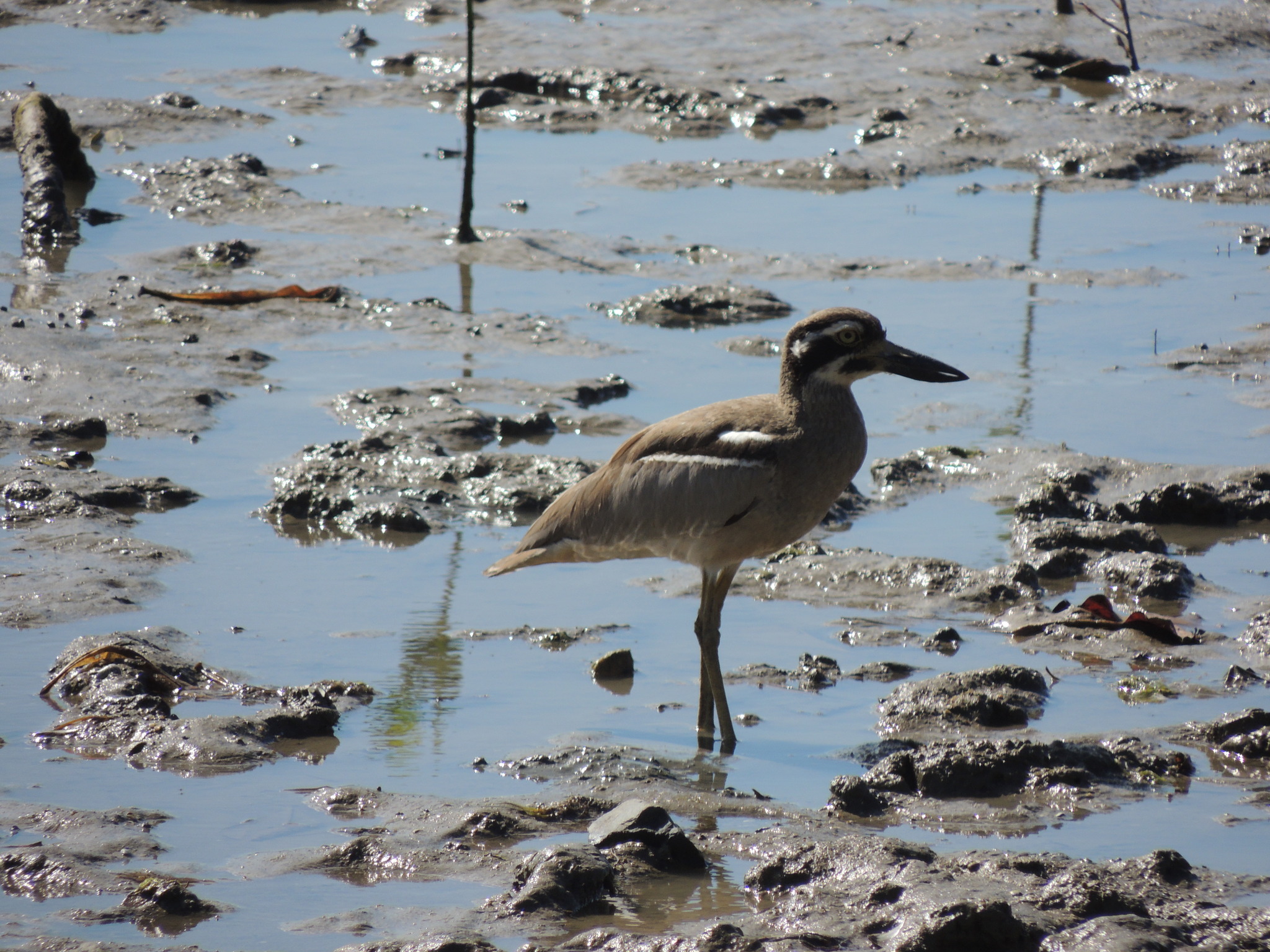
Large size and distinctive black and white facial patterning help distinguish this species. Yellow eyes are prominent. Grey-brown upperparts blend with beach environments. Less secretive than other stone-curlews, sometimes active during daylight. When approached, flies away with slow, stiff wingbeats. Moves slowly and deliberately on the ground with occasional short runs while foraging.
Distribution & Habitat
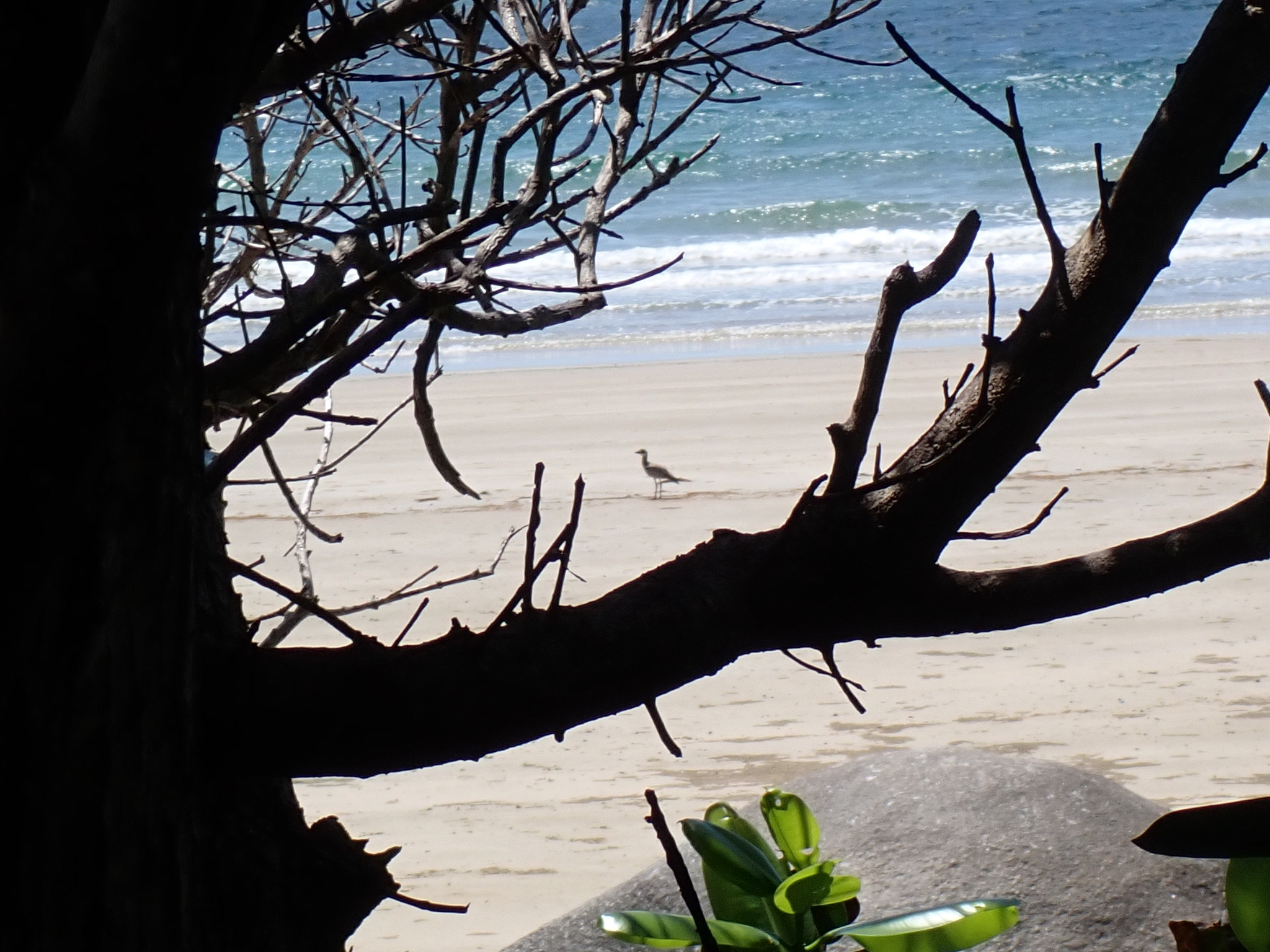
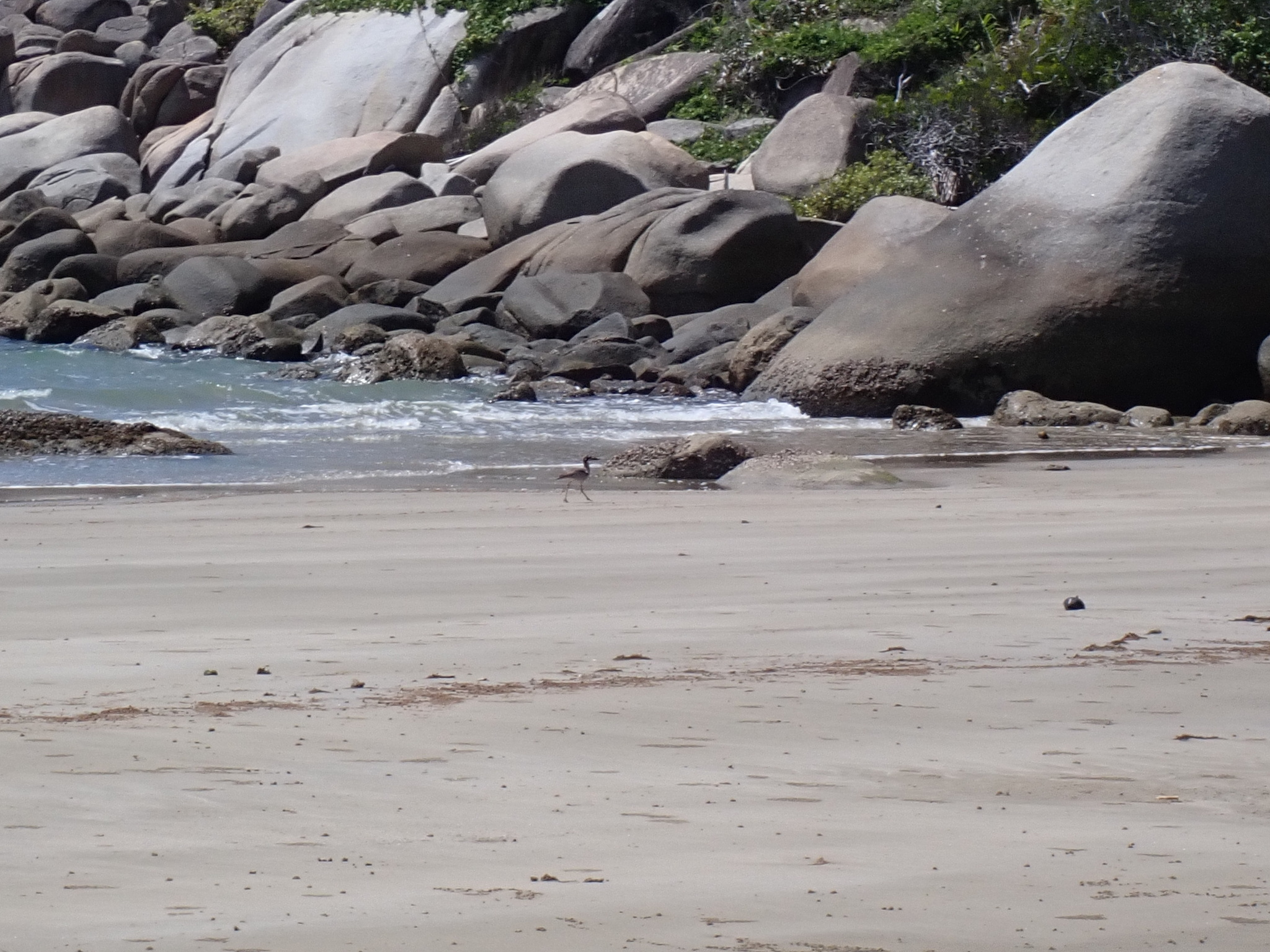
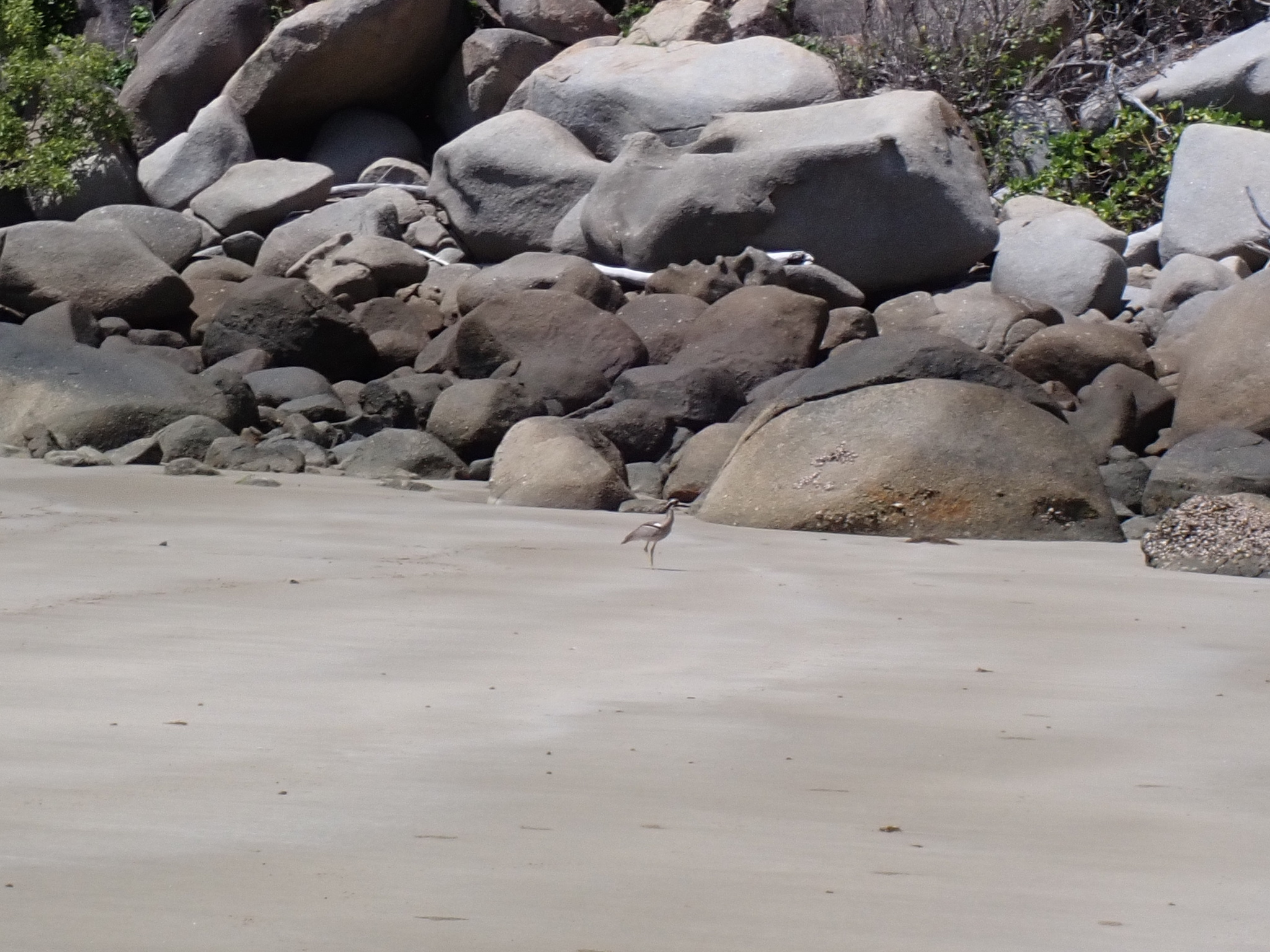
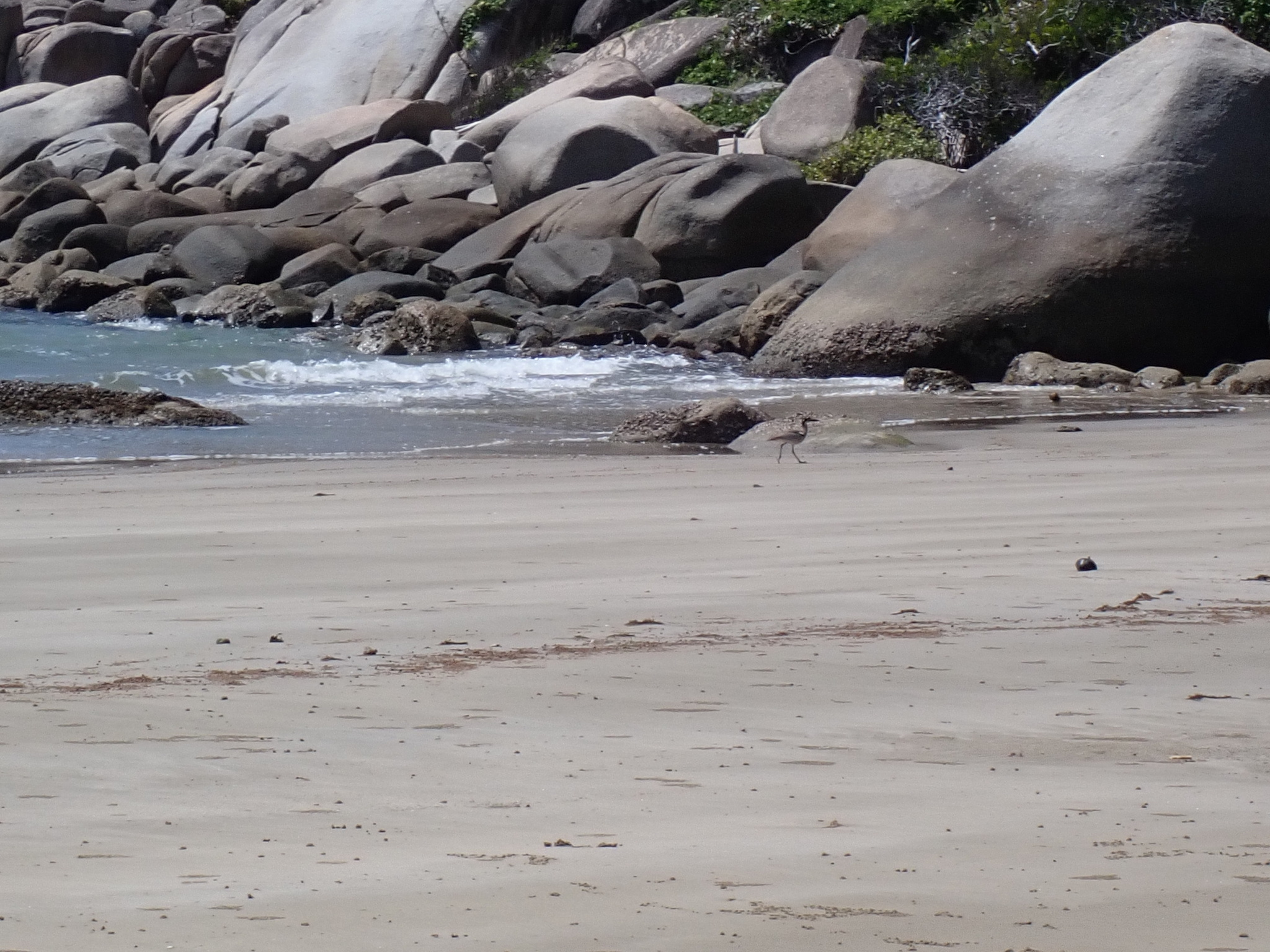
Resident along coastlines from eastern Victoria through eastern Australia, northern Australia and nearby islands, New Guinea, New Caledonia, Indonesia, Malaysia, and the Philippines. Inhabits undisturbed open beaches, exposed reefs, mangroves, and tidal sand or mudflats. Uncommon throughout most of its range and rare south of Cairns.
Behavior & Ecology
Forages on low tide muddy sand and reefs, primarily consuming crabs. Breeding season spans September to November. Nests on open beaches just above the high tide line, laying a single egg vulnerable to predation and disturbance. Both parents care for young for 7-12 months. Alarm call is a chwip-chwip vocalization used to ward off intruders from territory.
Conservation
Classified as Near Threatened on the IUCN Red List of Threatened Species. Listed as critically endangered in New South Wales. Population declines due to habitat disturbance and predation of eggs and chicks on beach nesting sites. Uncommon across most of its extensive range.
Culture
No cultural or folklore information available in source material.
Source: Wikipedia · CC BY-SA 3.0
Taxonomy
- Order
- Charadriiformes
- Family
- Burhinidae
- Genus
- Esacus
- eBird Code
- beathk1
Distribution
coasts and islets from Andaman Islands, Malayan Peninsula, southern Philippines, Indonesian Archipelago, New Guinea and satellites, northern and eastern Australia, Bismarck Archipelago (including Admiralty Islands), and Solomon Islands (except Rennell)
Data Sources
Species description from Wikipedia, licensed under CC BY-SA 3.0.
Bird images and sounds sourced from GBIF, contributed by citizen scientists worldwide under Creative Commons licenses.
Taxonomy data from AviList 2025.