White-bellied Erpornis
Erpornis zantholeuca
白腹凤鹛
Introduction
A species of songbird in the Vireonidae family, representing one of the few Old World representatives within this predominantly New World family. It is the only member of the genus Erpornis and the closest relative of the vireos. Found across Bangladesh, Bhutan, Brunei, Cambodia, China, India, Indonesia, Laos, Malaysia, Myanmar, Nepal, Singapore, Taiwan, Thailand, and Vietnam, inhabiting subtropical or tropical moist montane forests. The species was formerly placed in the genus Yuhina and is still commonly called 'white-bellied yuhina' despite being unrelated to the Old World babblers (Timaliidae). IUCN assessed as Least Concern due to its very wide range and common occurrence throughout much of its distribution. Population estimates include 10,000 to 100,000 breeding pairs in China with a similar number in Taiwan.
Description
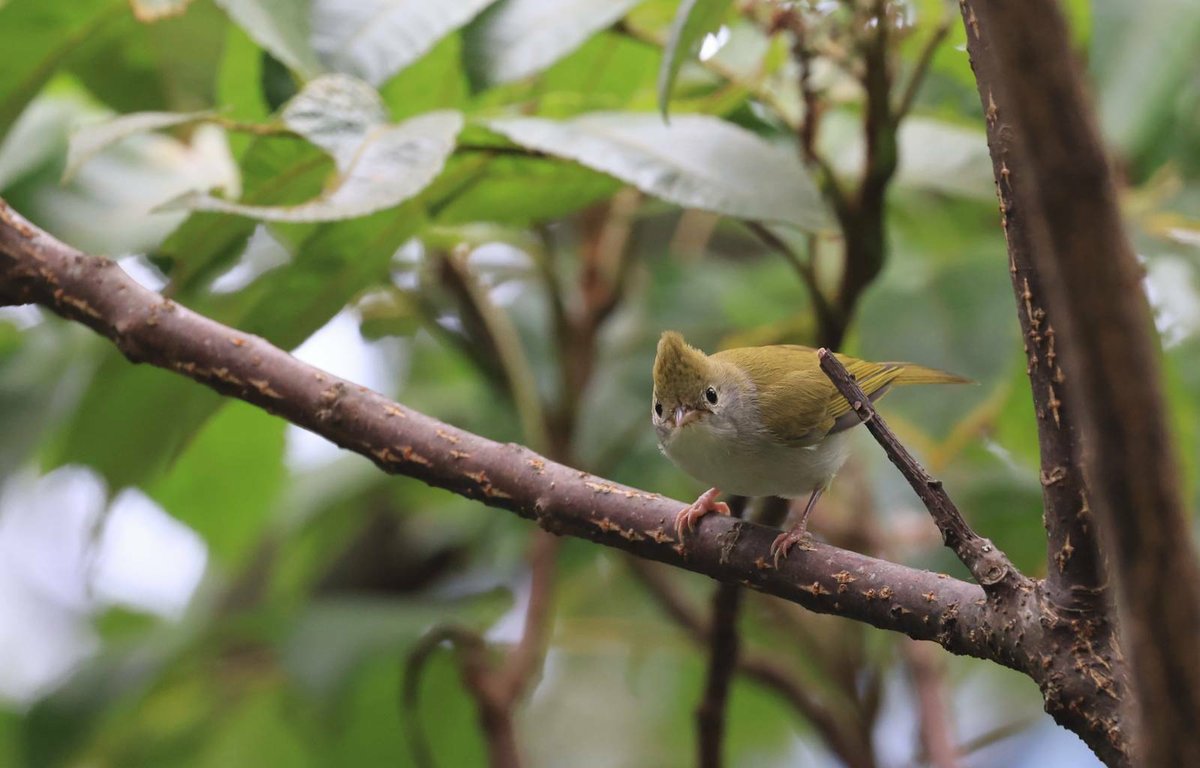
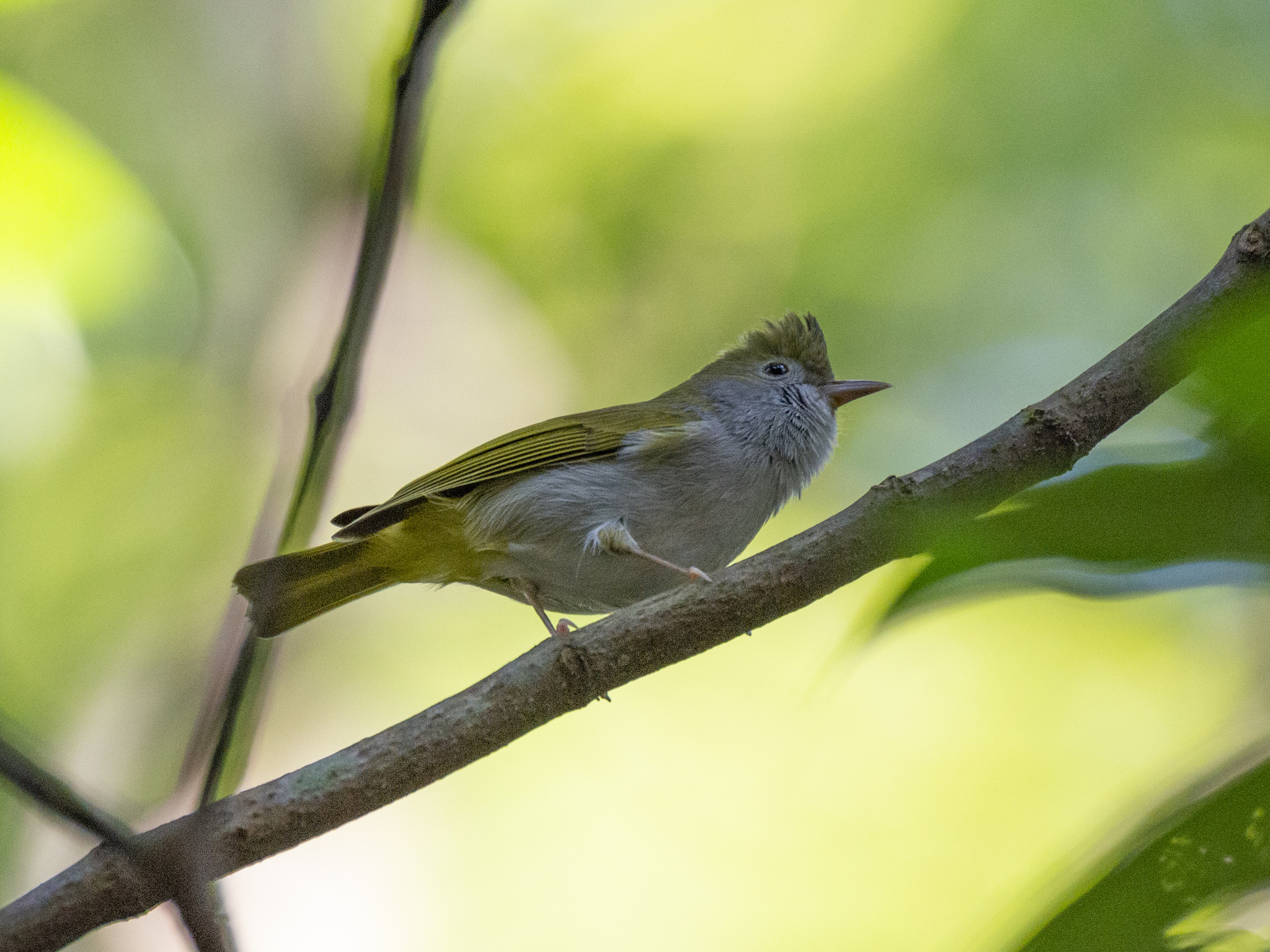
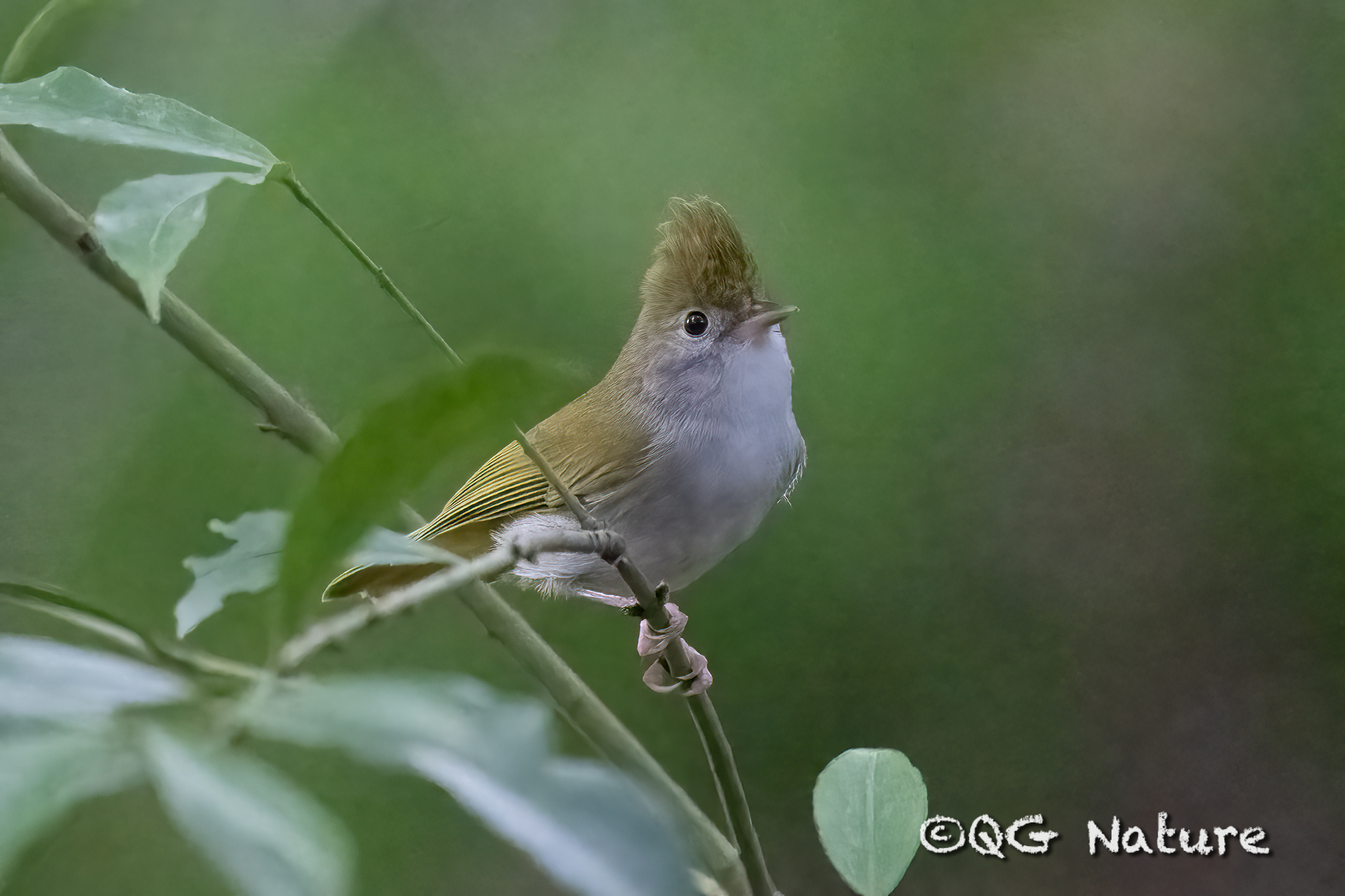
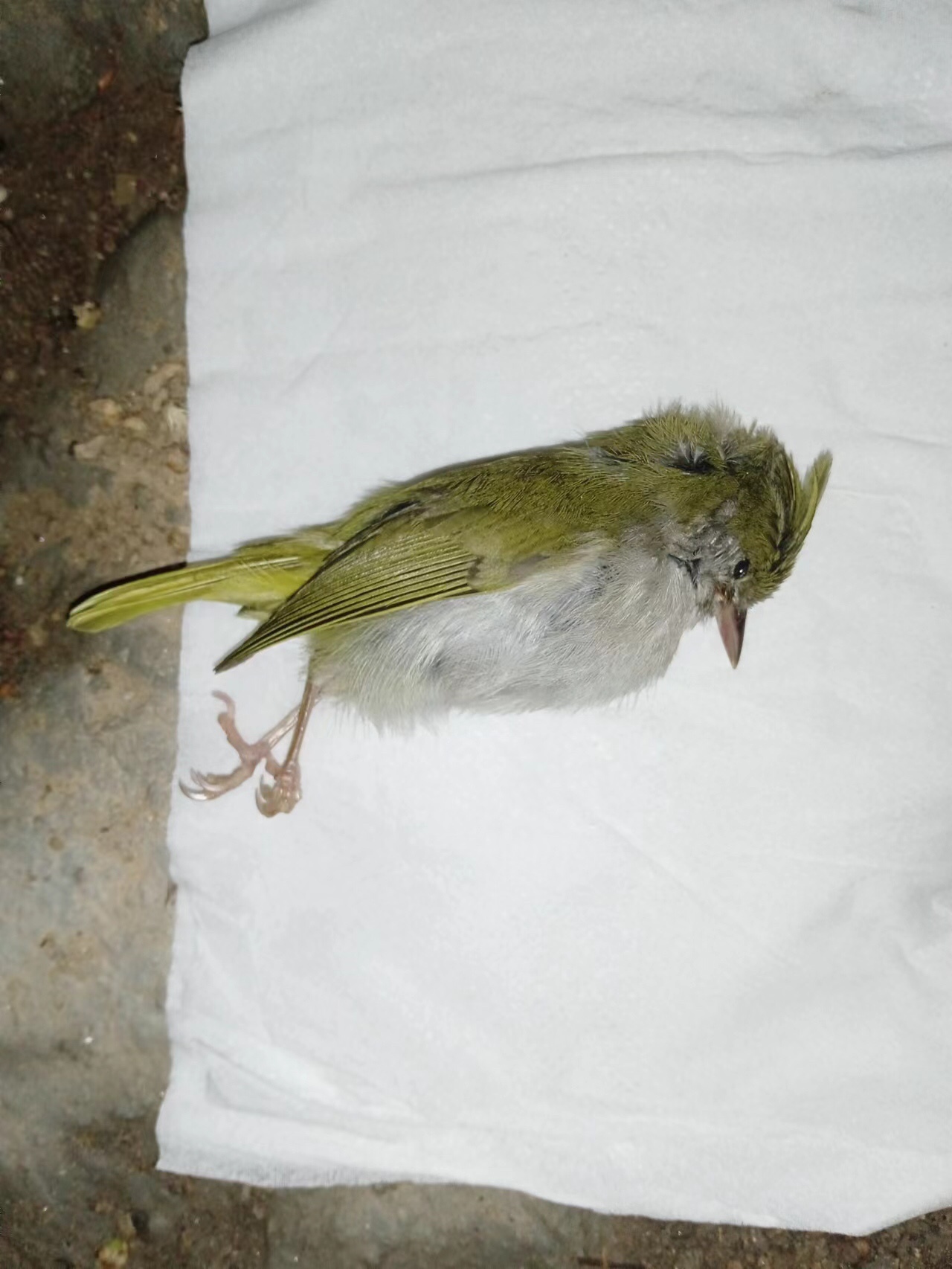
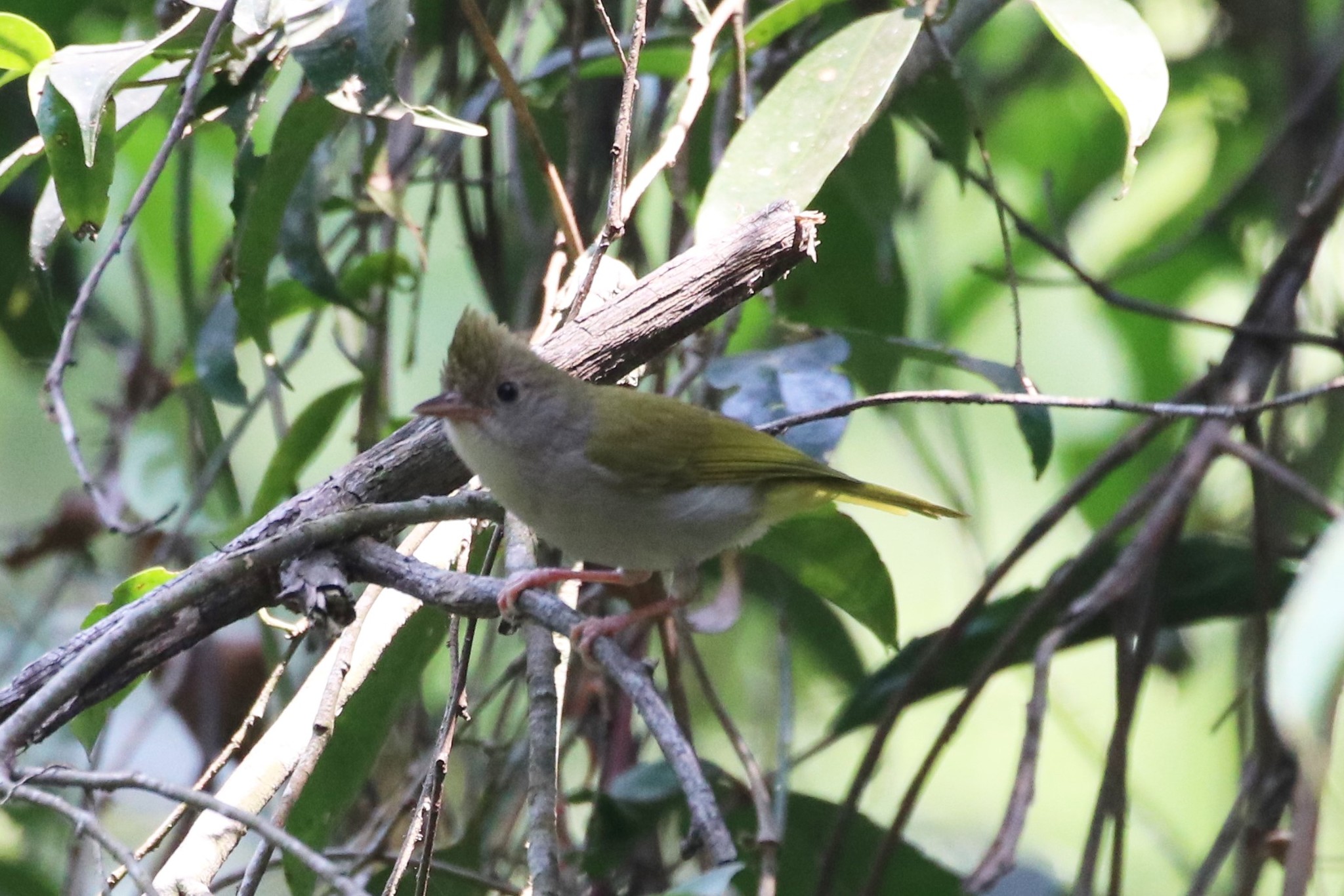
A small, crested songbird resembling a vireo in overall coloration and morphology. The head, back, wings, and tail display olivaceous to golden-brown plumage, while the underparts are white. The prominent crest is a distinctive feature shared with yuhinas. The species possesses well-developed musculature for forceful gaping, which it uses to pry bark from trees while foraging for insects. It exhibits acrobatic habits similar to vireos during foraging activities.
Distribution & Habitat
Distributed across South and Southeast Asia including Bangladesh, Bhutan, Brunei, Cambodia, China, India, Indonesia, Laos, Malaysia, Myanmar, Nepal, Singapore, Taiwan, Thailand, and Vietnam. Inhabits subtropical and tropical moist montane forests throughout its range. Eight subspecies are recognized across different regions of this extensive distribution.
Behavior & Ecology
Forages acrobatically in forest canopy, using its powerful gape musculature to pry bark from trees while seeking insects. The species exhibits vireo-like feeding behavior combined with morphology typical of forest-dwelling insectivores. Its vocalizations and foraging patterns reflect its placement within Vireonidae rather than the Old World babbler family where it was formerly classified.
Conservation
IUCN Red List status: Least Concern. The species has a very wide geographic range and remains common throughout much of its distribution. Population estimates suggest 10,000 to 100,000 breeding pairs in China, with a comparable number in Taiwan. No significant population declines have been documented, though specific threats within its montane forest habitat require monitoring.
Culture
No cultural significance or folklore documented in available sources.
Source: Wikipedia · CC BY-SA 3.0
Taxonomy
- Order
- Passeriformes
- Family
- Vireonidae
- Genus
- Erpornis
- eBird Code
- whbyuh1
Vocalizations
Subspecies (8)
-
Erpornis zantholeuca brunnescens
Borneo
-
Erpornis zantholeuca canescens
southeastern Thailand to western Cambodia
-
Erpornis zantholeuca griseiloris
southeastern China (Fujian, Guangdong, western Guangxi, and southeastern Yunnan); Taiwan
-
Erpornis zantholeuca interposita
Malay Peninsula (Mergui District and Isthmus of Kra to Johore)
-
Erpornis zantholeuca saani
northwestern Sumatra
-
Erpornis zantholeuca sordida
far eastern plateau of Thailand to southern Indochina
-
Erpornis zantholeuca tyrannulus
northeastern Thailand to southern China (southeastern Yunnan), northern Indochina, and Hainan
-
Erpornis zantholeuca zantholeuca
eastern Himalayas to northern Myanmar, southern China (Yunnan), and western Thailand
Data Sources
Species description from Wikipedia, licensed under CC BY-SA 3.0.
Bird images and sounds sourced from GBIF, contributed by citizen scientists worldwide under Creative Commons licenses.
Taxonomy data from AviList 2025.