European Robin
Erithacus rubecula
欧亚鸲
Introduction
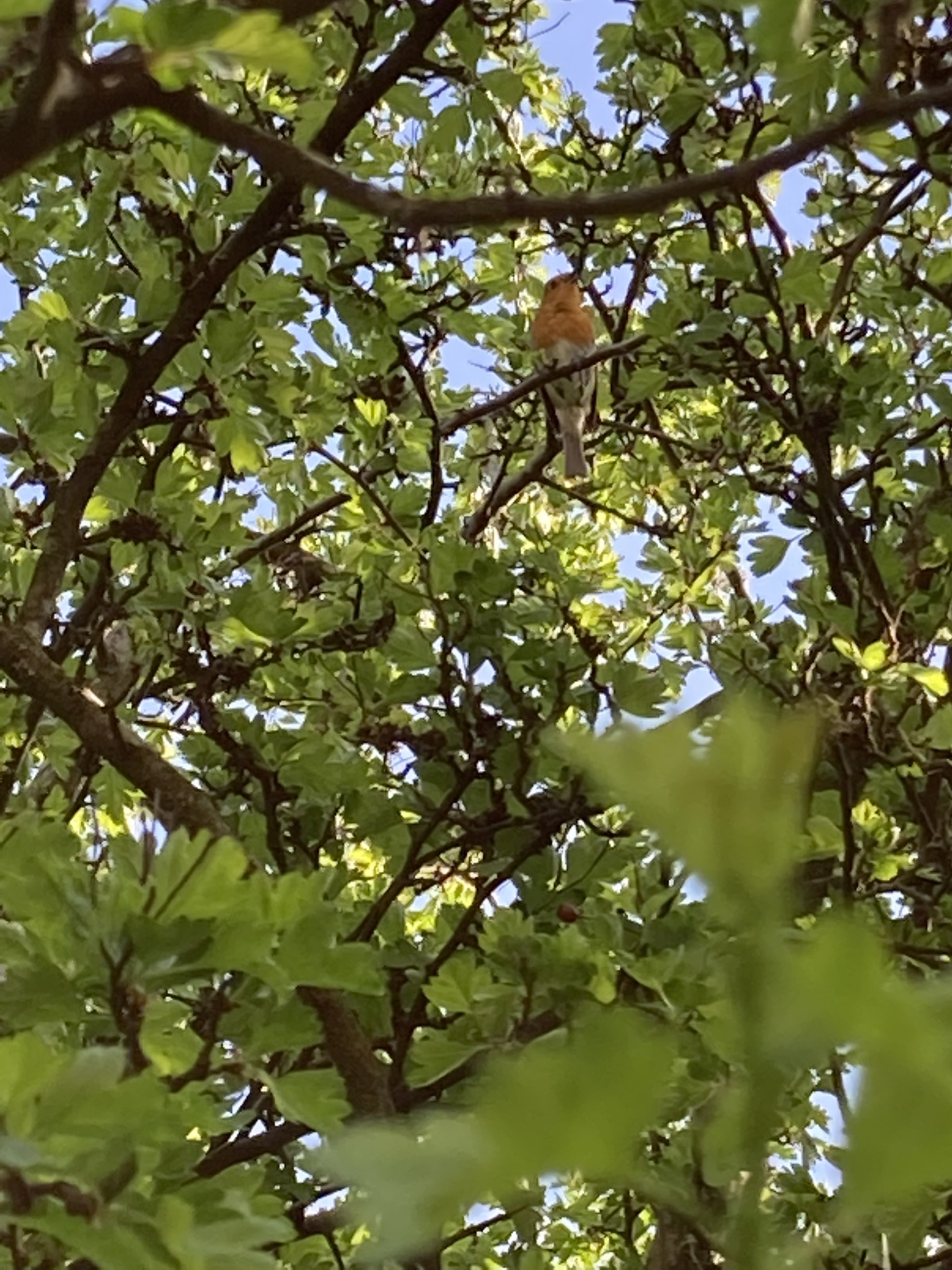
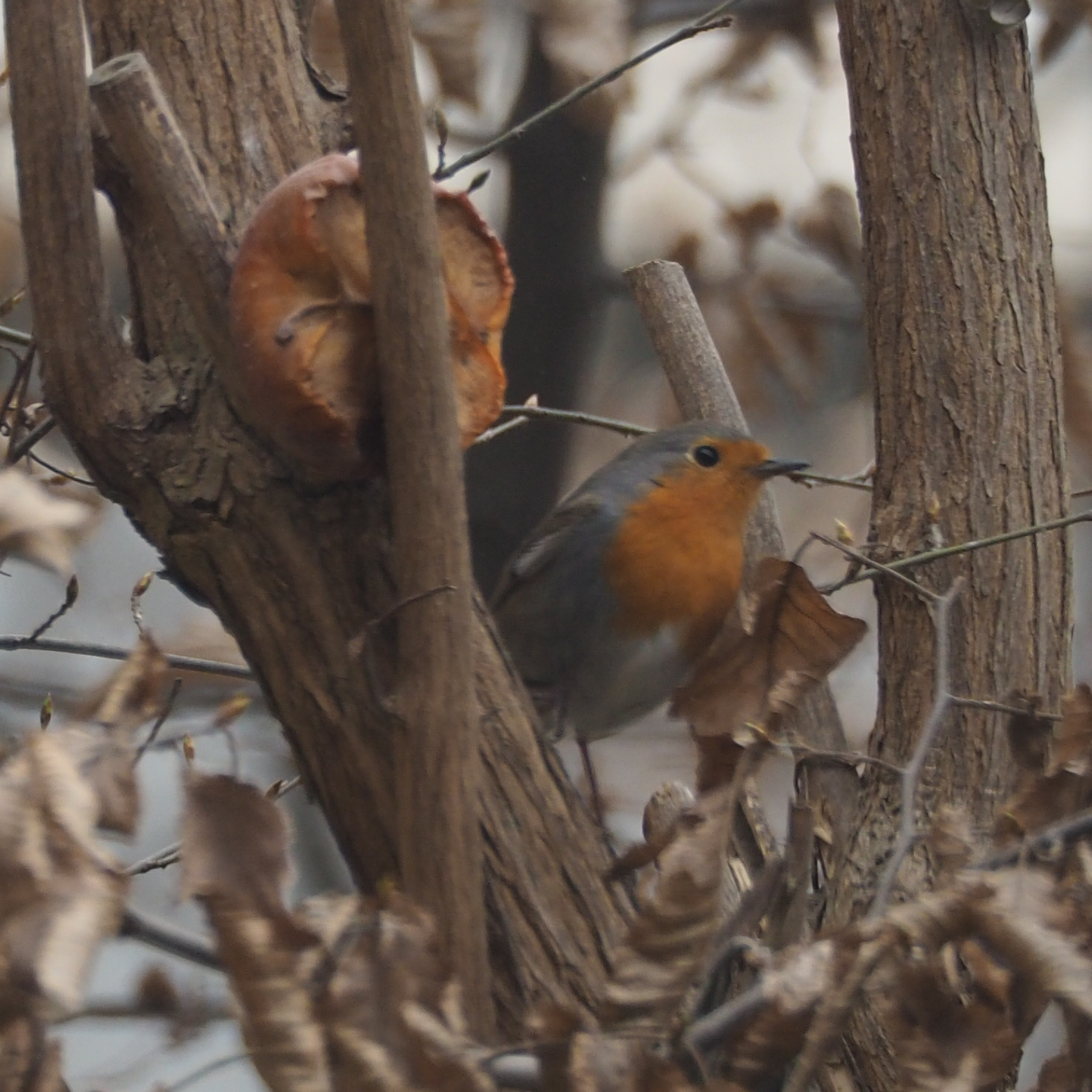
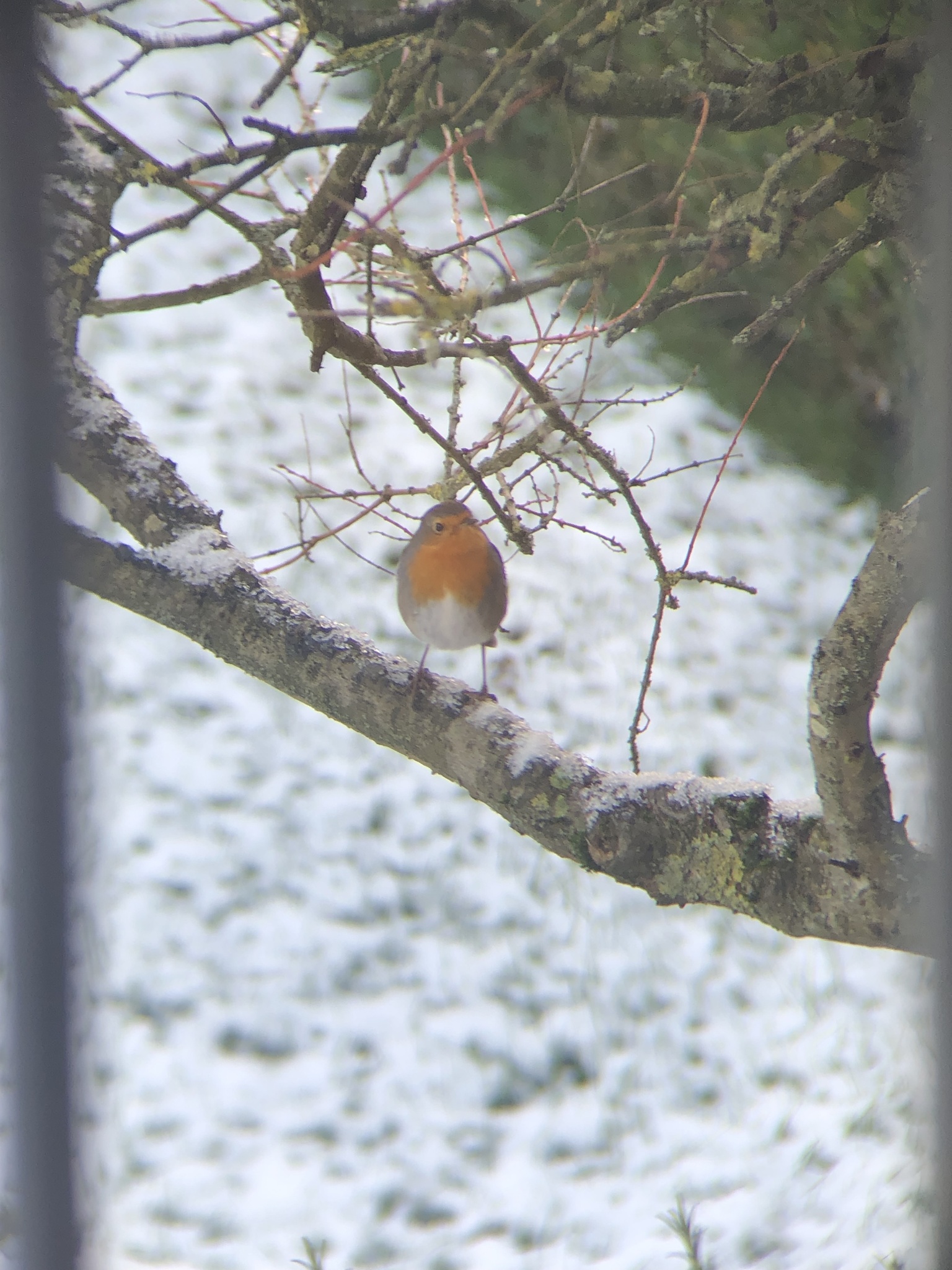
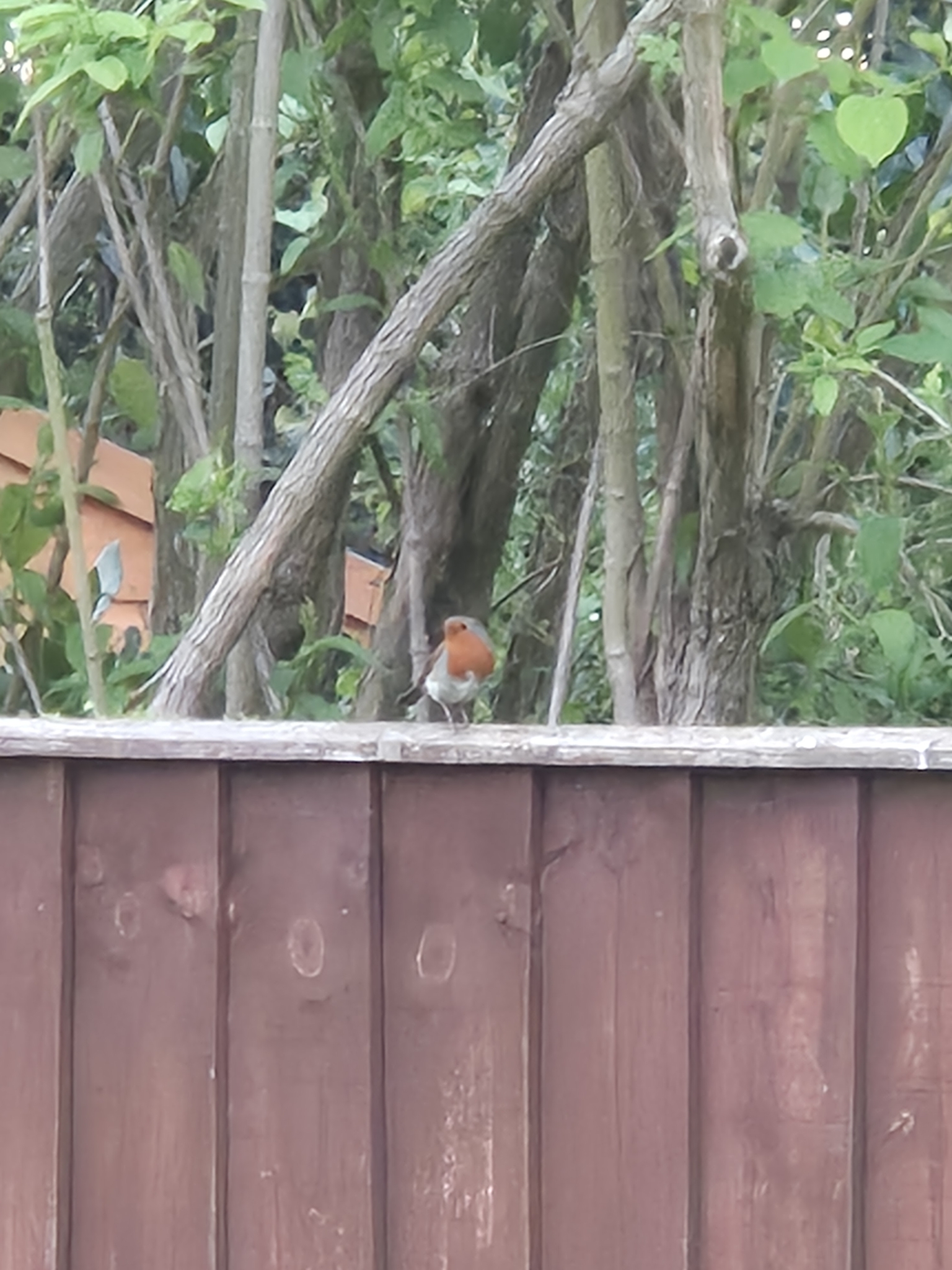
The European robin (Erithacus rubecula) is a small insectivorous passerine bird belonging to the Old World flycatcher family Muscicapidae. It is found across Europe, east to Western Siberia and south to North Africa, including Atlantic islands as far west as the Azores and Madeira. Populations in the west and south are sedentary, while those in the north and east are migratory to escape harsher winters. This species occupies woodlands, parks, gardens, and hedgerows. Key traits include its distinctive orange-red breast and face, remarkable tameness around humans in Britain and Ireland, and a melodious fluting song sung year-round by both sexes. It is the sole extant member of the genus Erithacus and represents the only European member of a tropical African subfamily. The International Union for Conservation of Nature evaluates it as Least Concern due to its extensive range and population numbering in the hundreds of millions.
Description
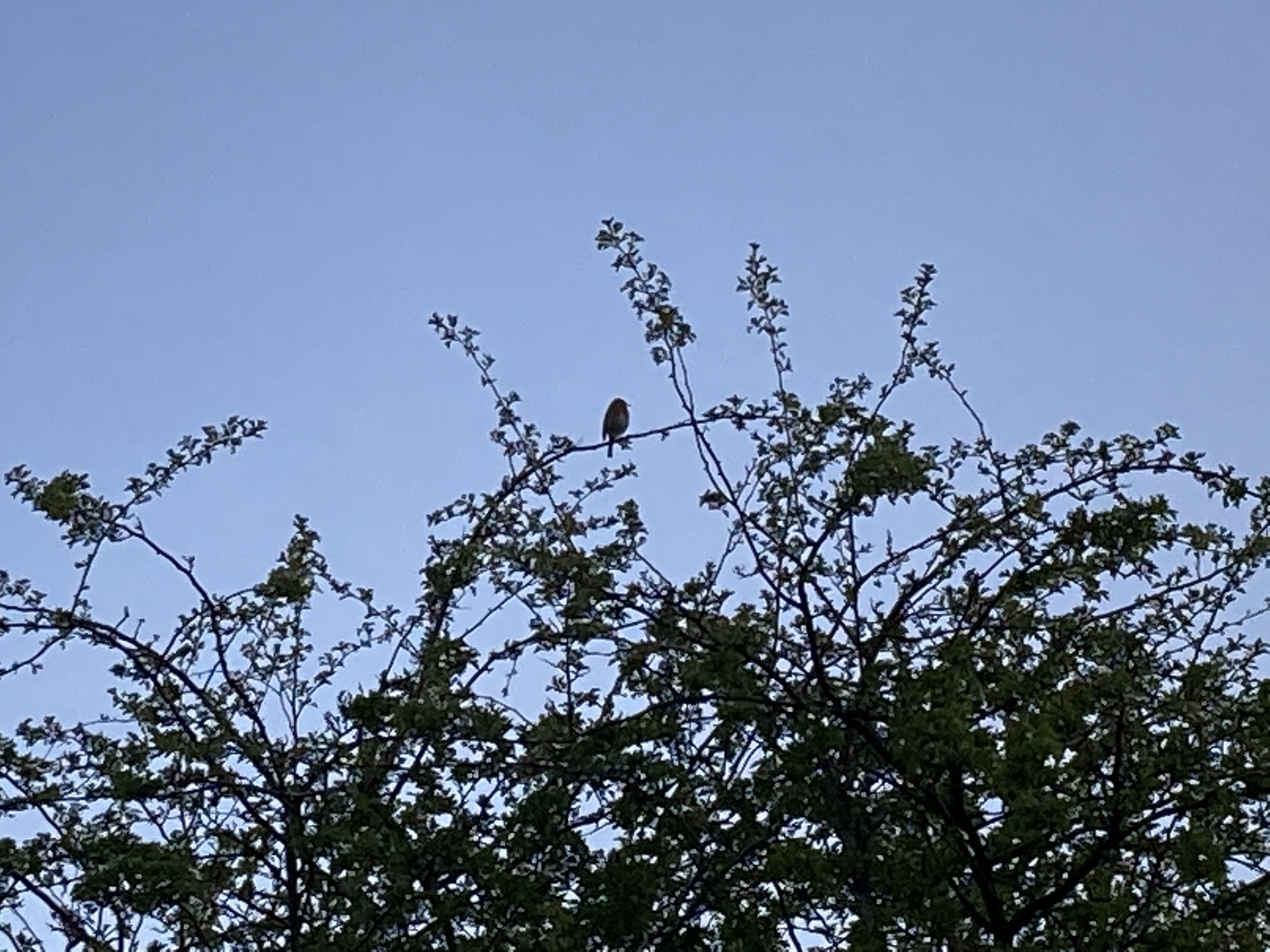
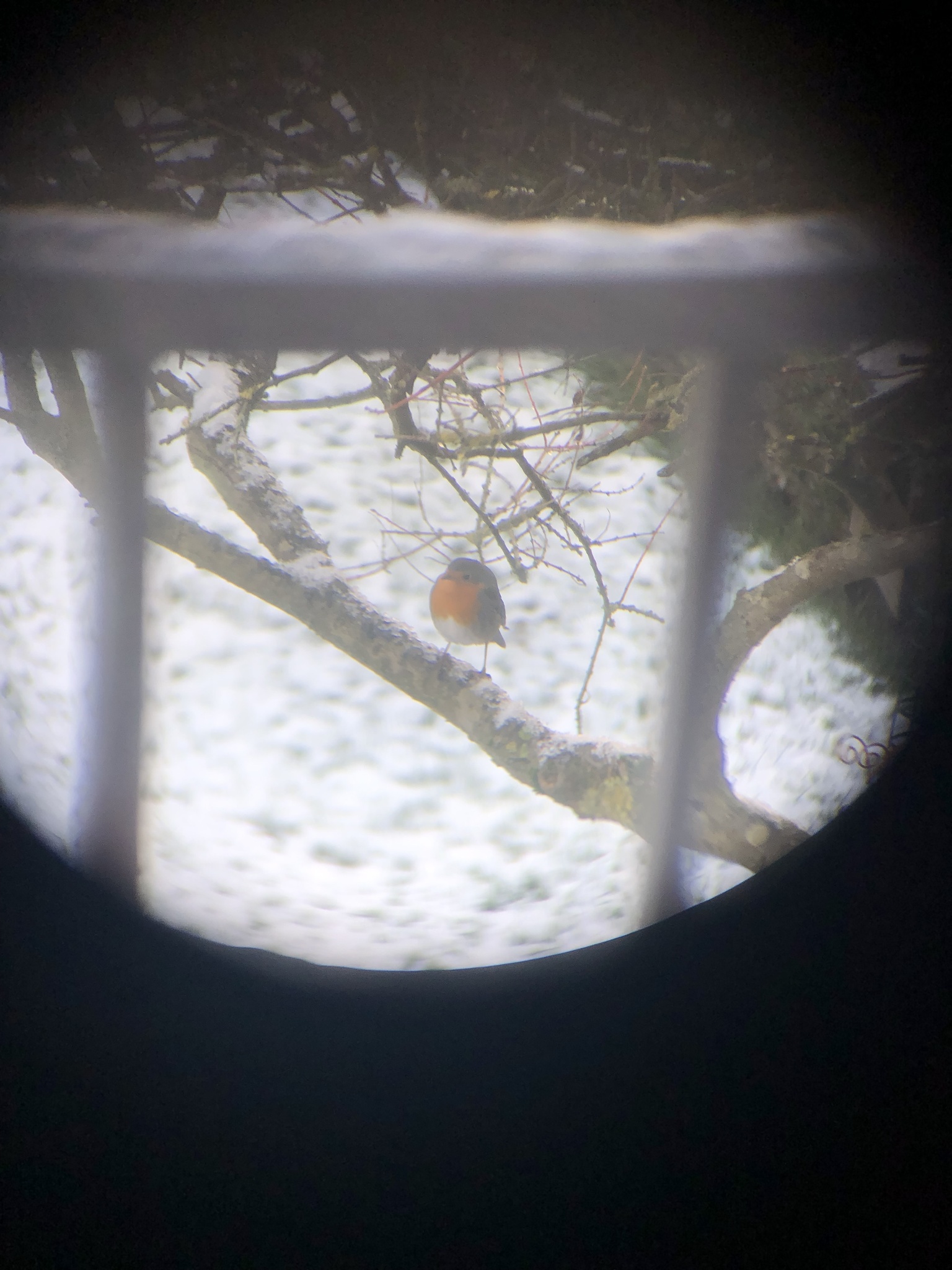
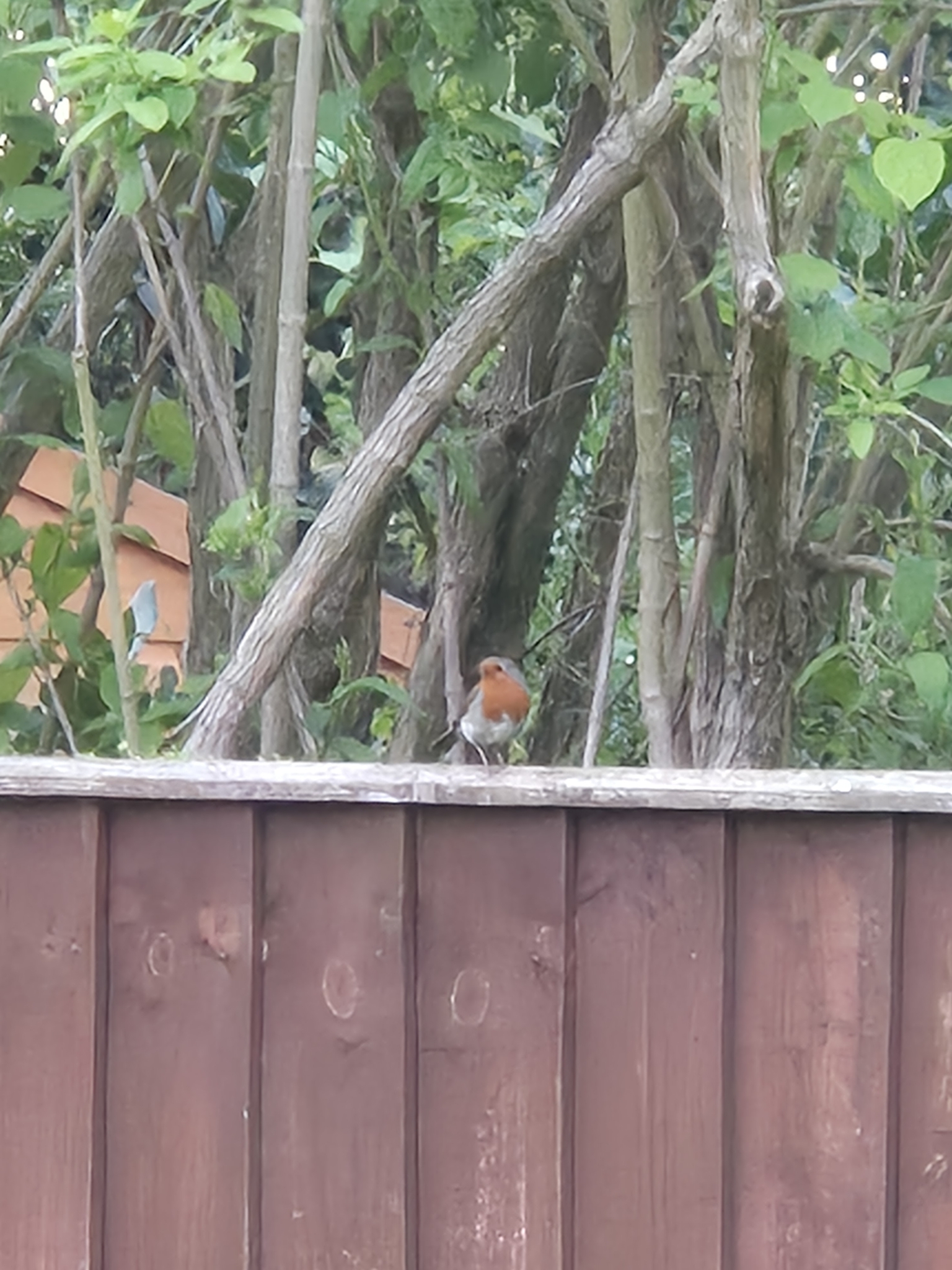
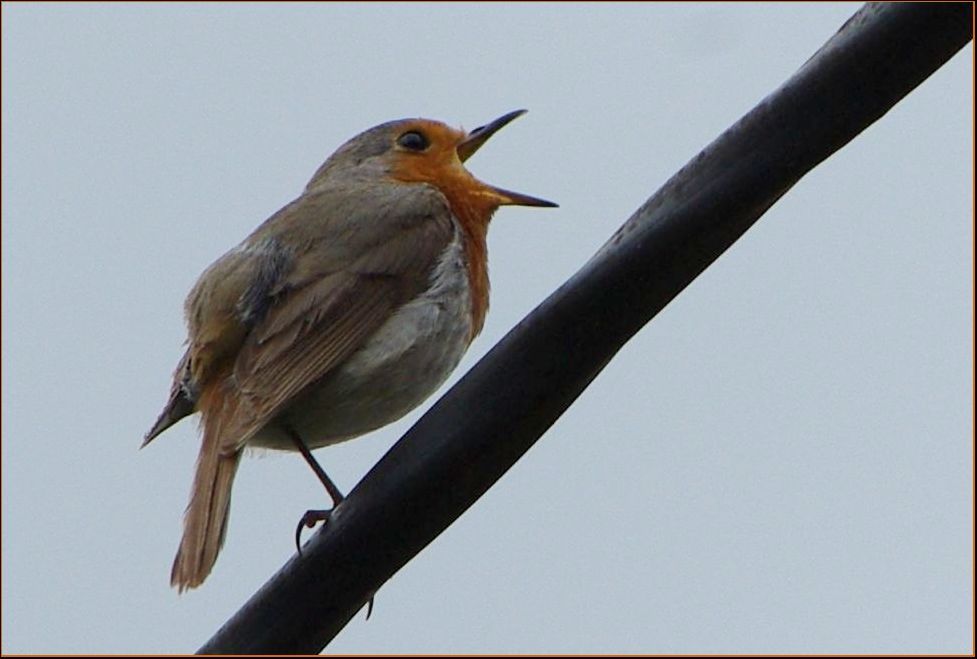
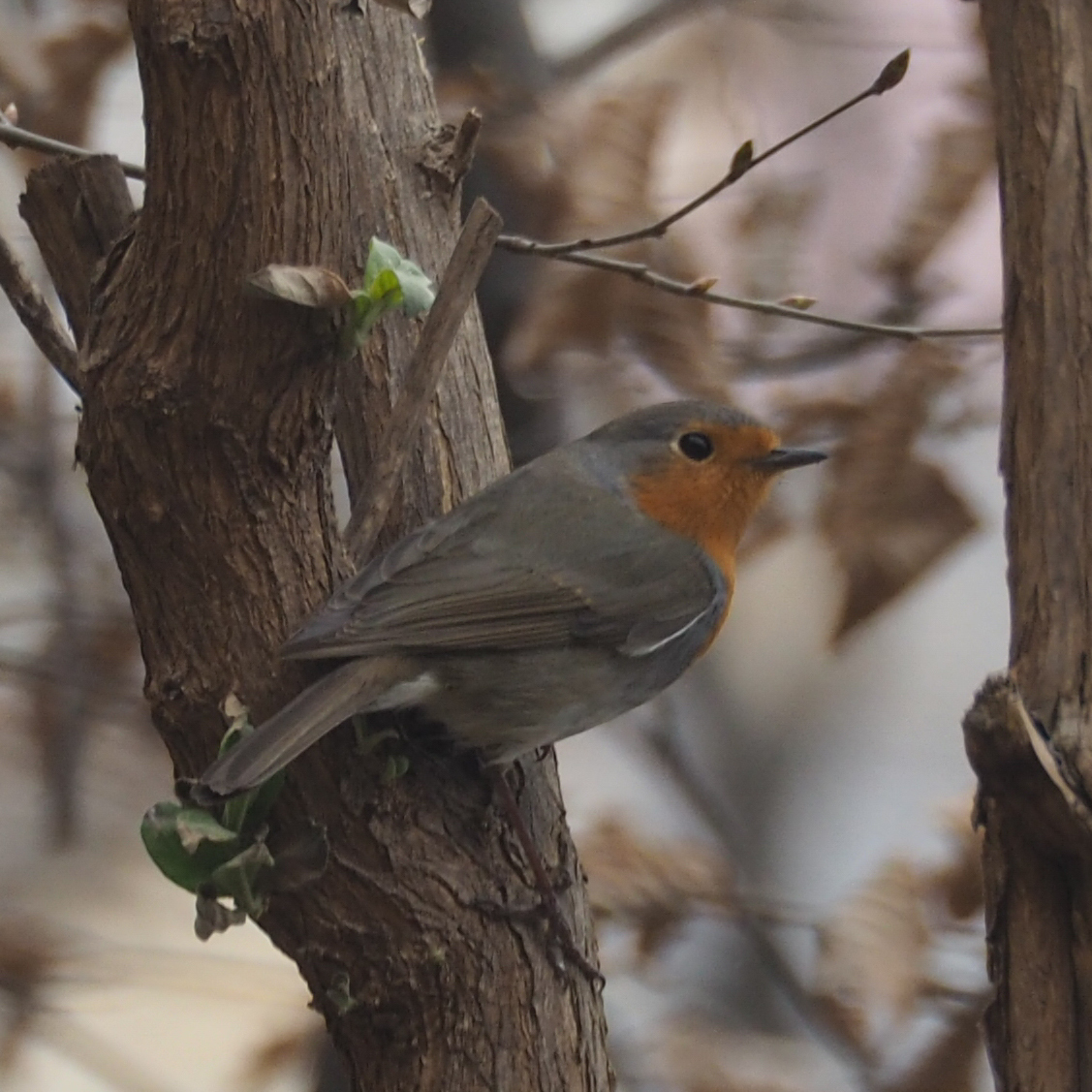
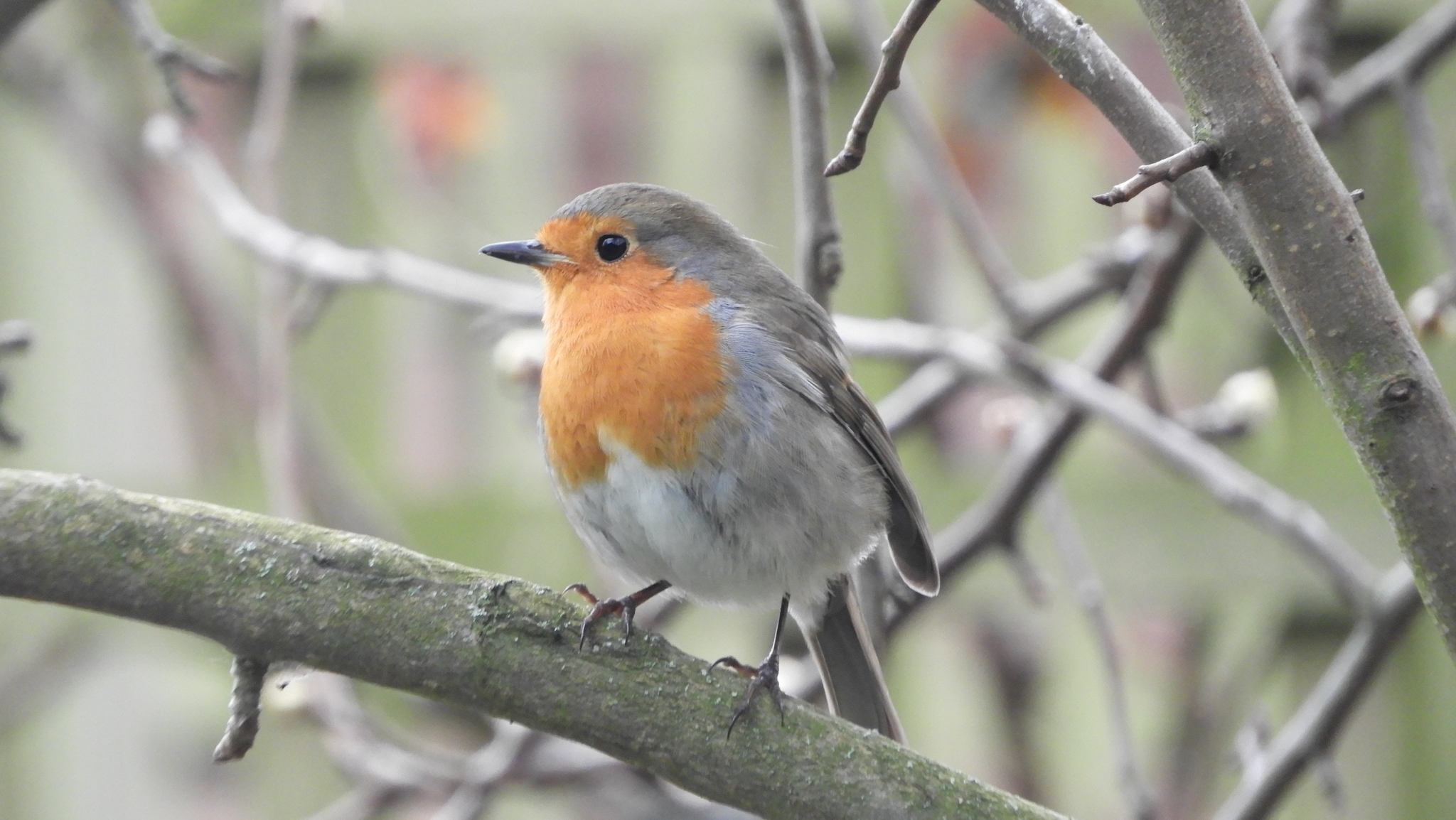
This small bird measures 12.5–14.0 cm in length with a wingspan of 20–22 cm and weighs 16–22 g. Adults have orange-red plumage on the breast and face, bordered by bluish-grey on the sides of the neck and chest. Upperparts are brownish or olive-tinged in British populations, with a whitish belly, black bill, black eyes, and brown legs and feet. The sexes are identical in plumage. Juveniles are entirely spotted brown and white, with orange patches developing gradually under the chin after fledging. First-winter birds resemble adults but possess noticeable yellow-brown tips to wing covert feathers that are absent or inconspicuous in older individuals.
Identification
The orange breast and face are diagnostic and distinguish this species from most similar birds. Juveniles are distinguished by their entirely mottled brown plumage lacking any red coloration. Migrants from continental Europe may appear greyer on the upperparts with duller orange breasts compared to resident British birds. The Canary Islands subspecies E. r. superbus shows a white eye-ring, intensely coloured breast, a grey line separating orange from brown plumage, and entirely white belly. The larger American robin (Turdus migratorius) shares the orange chest patch but is a thrush, not a flycatcher, and belongs to a different family entirely.
Distribution & Habitat
The species ranges across Eurasia from Western Siberia east to Algeria and Iran in the south, including the Caucasus mountains. It occurs on Atlantic islands including the Azores and Madeira and is a vagrant in Iceland. Irish and British populations are largely resident, though some females migrate south to Spain. Scandinavian and Russian birds migrate to Britain and western Europe. Continental migrants prefer spruce woods in northern Europe, contrasting with the parks and gardens favoured in Britain. Habitat segregation occurs in southern Iberia between resident and migrant populations.
Behavior & Ecology
Robins are diurnal but may hunt on moonlit nights or near artificial lights. They feed primarily on terrestrial invertebrates including spiders, worms, and insects, supplemented in autumn and winter by berries, fruit, and seeds. They readily visit bird tables for seeds, suet, and leftovers, and occasionally consume small vertebrates and carrion. Males are highly territorial, attacking intruders including their own reflections; territorial disputes cause up to 10% of adult deaths. Average life expectancy is 1.1 years due to first-year mortality, but one individual reached 19 years. Nests are built in various sheltered locations including manmade objects, with two to three clutches of five to six eggs laid from March. Eggs are cream, buff, or white with reddish-brown speckling. Both sexes sing a fluting warbling song year-round, with males singing from an hour before sunrise until sunset.
Conservation
The European robin is evaluated as Least Concern by the IUCN with an extensive range and population numbering in the hundreds of millions. The species does not approach vulnerable thresholds under population trend criteria, with numbers appearing to increase. Population trends are stable or increasing across its range. Parasites include the moorhen flea (Dasypsyllus gallinulae) and the acanthocephalan Apororhynchus silesiacus.
Culture
The robin features prominently in British folklore and northwestern French traditions but less so elsewhere. Associated with Christmas since the mid-19th century, it appears on many Christmas cards and postage stamps; the connection likely stems from Victorian postmen wearing red jackets nicknamed 'Robins.' English folklore explains the red breast as blood from Jesus' wounds staining the bird while it comforted him on the cross, or from fetching water for souls in Purgatory. Grimm documented a German tradition that disturbing a robin's nest would bring lightning strikes. The robin was voted Britain's national bird in 2015. Several English and Welsh sports teams use 'Robins' as a nickname, including Bristol City, Swindon Town, and Cheltenham Town.
Source: Wikipedia · CC BY-SA 3.0
Taxonomy
- Order
- Passeriformes
- Family
- Muscicapidae
- Genus
- Erithacus
- eBird Code
- eurrob1
Subspecies (9)
-
Erithacus rubecula caucasicus
eastern Türkiye eastward to the Caucasus region
-
Erithacus rubecula hyrcanus
southeastern Azerbaijan and northern Iran
-
Erithacus rubecula marionae
central Canary Islands (Gran Canaria)
-
Erithacus rubecula melophilus
breeds British Isles; partially migratory, some wintering to southwestern Europe
-
Erithacus rubecula rubecula
breeds continental Europe eastward to the Ural Mountains, southward to northern Morocco and western Türkiye; northern and northeastern populations migratory, wintering in western and southern Europe and northern Africa; also (resident) on the Azores, Madeira, and western Canary Islands (La Palma, La Gomera, and El Hierro)
-
Erithacus rubecula superbus
central Canary Islands (Teneriffe)
-
Erithacus rubecula tataricus
breeds western Siberia (Ural Mountains to Semipalatinsk); winters to Iran
-
Erithacus rubecula valens
Crimean Peninsula
-
Erithacus rubecula witherbyi
northern Algeria and northwestern Tunisia
Data Sources
Species description from Wikipedia, licensed under CC BY-SA 3.0.
Bird images and sounds sourced from GBIF, contributed by citizen scientists worldwide under Creative Commons licenses.
Taxonomy data from AviList 2025.